
Reviewed · ANNAPURNA BASE CAMP TREKS
13 Days Annapurna Base Camp Trek
Cold mornings, big mountain payoff. This 13 day Annapurna Base Camp trek is built for medium fitness and delivers jaw-dropping Himalayan views plus real village life. I especially like the support ratio (one guide and one porter for each two tourists) and the fact that your daily trekking meals are handled for you. The main thing to consider is packing: you’ll need winter-ready gear for lodge nights, and hot showers during the trek are not included.
If you want a classic, mid-level trek without guessing how logistics will work, this plan is a strong fit. You start with Kathmandu and Pokhara comfort, then shift to tea house trekking where the pace, meals, and sleeping arrangements are part of the deal.
You’ll also get a small-group feel, since it’s a private activity for your group only. Just keep an eye on weather and altitude reality, because Nepal’s mountains do not do promises.
In This Review
- Key Highlights You’ll Feel on the Ground
- Why Annapurna Base Camp Works for Medium Fitness
- Kathmandu Hotel Days, Plus the Real Purpose of Pokhara
- Getting to the Trek Start: Nayapul to Phedi Logistics
- Your Trek Days: Tea Houses, Meals, and a Realistic Pace
- Annapurna Base Camp Area: What You’re Really Hiking For
- The Team Matters: Guides and Porters Like Shambu, Kabi Raj, Ram, and Deepak
- Value Check: Does $999 Make Sense Here?
- Packing for Cold Nights and Long Days (What the Tour Expects)
- Weather, Altitude Reality, and When Things Change
- Who This Trek Suits Best
- Should You Book This 13 Days Annapurna Base Camp Trek?
- FAQ
- FAQ
- What is the duration of the Annapurna Base Camp trek?
- Where does the tour take place?
- What time do we start?
- Are pickup services included?
- What accommodations are included?
- Are trekking meals included?
- Do I need a trekking guide and porter?
- Are permits included?
- Is my Nepal visa included in the price?
- Does the trek include hot showers?
Key Highlights You’ll Feel on the Ground
- Guide-led mountain context: you get an English speaking trekking guide, not a random hike with a map and hope
- Support that stays practical: one porter for each two tourists, so you can focus on trekking
- Built-in rhythm: daily breakfast, lunch, and dinner during the trek with main courses included
- Permits and safety admin taken care of: Annapurna Conservation Permit and TIMS are included
- Comfort before the climb: 3 star bed and breakfast stays in Kathmandu and Pokhara
- Cultural send-off: a farewell dinner with cultural dance program is included
Why Annapurna Base Camp Works for Medium Fitness
Annapurna Base Camp is one of the most famous trekking regions in Nepal for a reason. The route gives you a clear reward arc: travel into the heart of the Annapurna area, trek through villages, then arrive at a base camp viewpoint that feels like the payoff you worked for.
What I like about this specific setup is that it’s clearly aimed at people with medium physical fitness, not extreme ultramarathon energy. Your trek is supported by lodging in normal lodge or tea house settings for about 8 days, which matters because it reduces the mental load. You still work hard, but you’re not managing every last detail day after day.
One consideration: tea house trekking means basics. You’ll likely sleep in simple rooms, and you should assume cold mornings and chilly nights. The tour provides the plan and support, but you still have to bring gear that can handle winter conditions.
More Treks in Kathmandu
- Everest Base Camp Trek – 14 Days
★ 5.0 · 1,499 reviews - Everest Base Camp Trek
★ 5.0 · 842 reviews - Everest Base Camp Trekking
★ 5.0 · 485 reviews
Kathmandu Hotel Days, Plus the Real Purpose of Pokhara
Your trip starts in Kathmandu with a 3 star hotel stay in Thamel for two nights with bed and breakfast. Thamel is convenient for getting your bearings, grabbing any last items, and settling before trekking. You also get airport to hotel and back again, which is one less stressor on arrival day.
After that, you move to Pokhara for another two nights at a 3 star bed and breakfast property called Splendid View. Pokhara is a practical staging town. The goal is not just scenery, it’s time: you’re giving yourself a cushion before you start trekking, and you’re positioning yourself for the trek start point.
This matters for value. Trips that don’t include decent pre-trek lodging often force you into chaotic last-minute arrangements. Here, your start is structured with land transport and transfers, so the trek portion feels like a real start, not a scramble.
Getting to the Trek Start: Nayapul to Phedi Logistics
Trekking starts with transport and timing, not vibes. The itinerary is designed around two key legs:
- Trek star point from Pokhara to Nayapul
- Trek end point from Phedi to Pokhara by private transport
You also travel Kathmandu to Kathmandu by tourist bus, and you’ll get airport-hotel-airport transfers. This is a big deal for peace of mind. You’re not responsible for stitching together multiple buses, which can turn into lost hours when Nepal roads get slow.
Start time is listed as 7:15 am. That tells you the trek day rhythm will begin early. For you, that’s good news and a small warning. Good news because early starts often mean better trekking conditions and clearer mountain views. Warning because early starts punish people who packed lightly or underestimated the cold.
Your Trek Days: Tea Houses, Meals, and a Realistic Pace
During the trek, you stay in normal lodge or tea house accommodations run by Nepali families. The tour covers lodging for about 8 days and includes daily breakfast, lunch, and dinner during the trekking portion, with lunch and dinner as main courses.
Why that’s valuable: food can be a moving target on trek days. By having meals handled, you’re less likely to spend your energy on hunting for meals you can actually stomach after a hard climb. It also helps you keep a steady routine, which is what you want for altitude comfort and overall stamina.
You should also know what is not included. The tour does not include hot shower during the trek, and personal drinks or sweets are not included either. So if you’re the type who needs a daily hot shower and a chocolate reward, budget for that. If you’re flexible, tea house life is part of the charm: you’ll get warm meals, basic amenities, and a chance to see how people live in the trekking corridor.
More Annapurna Base Camp treks:
- Annapurna base camp trek 5 Days
★ 5.0 · 252 reviews - 14-Day Private Annapurna Base Camp Trek
★ 5.0 · 180 reviews - Annapurna Base Camp Trekking
★ 5.0 · 116 reviews - Annapurna Base Camp Trek
★ 5.0 · 111 reviews
Annapurna Base Camp Area: What You’re Really Hiking For
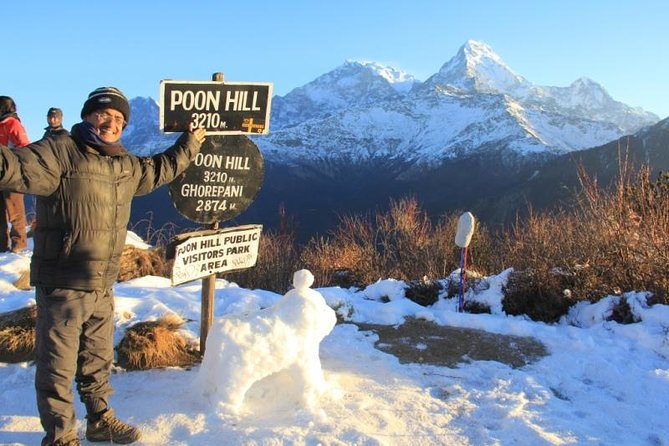
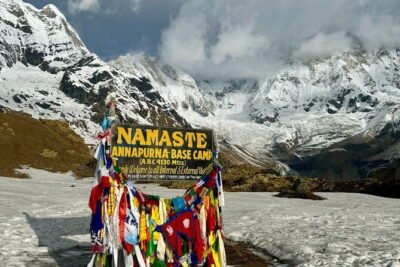
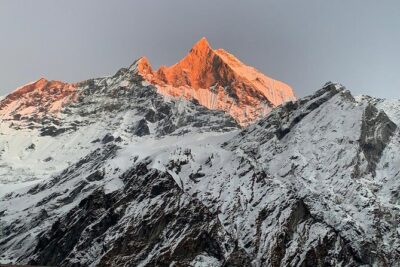
The core experience is Annapurna Base Camp itself, and the surrounding mountain views. The region is known for big names, including Annapurna I, Hiunchuli, Fang, Gangapurna, Annapurna South, Annapurna II, Annapurna III, and Machhapuchhre. Even if you can’t identify every peak at every moment, you’ll feel the scale when the view opens up.
This trek is considered moderate and rewarding, and that tracks with what you’re likely to feel on the trail. You’re not just grinding up for the sake of distance. You’re walking through layers of changing terrain and altitude, with villages and daily life in between.
One realistic note: mountain weather can shift quickly. Plan to layer up, and plan for cold early starts. A couple of the trip accounts in your provided info highlight that weather can be challenging and that the team’s planning helps people stay on track.
The Team Matters: Guides and Porters Like Shambu, Kabi Raj, Ram, and Deepak
This itinerary is not just about the mountain. It’s about who’s walking with you.
The tour includes one English speaking trekking guide and one porter for each two tourists. That keeps things balanced: the guide handles navigation, cultural context, and general trekking know-how, while the porter helps carry loads so you can focus on your pace.
Names you might meet include guides and teams such as:
- Shambu (guide)
- Kabi Raj (key contact and team organizer)
- Ram, Bassu (guide and porter roles)
- Jit (guide, in another trek arrangement described)
- Deepak and Sheepy (guide and porter team)
- Krishna (guide) with Santosh (porter)
- Chris (guide)
Across the feedback, the strongest repeated theme is that the guides and porters take their jobs seriously, and they’re patient. People also appreciated that the guides gave explanations about mountains and culture, and that the atmosphere stayed light with humor and good attitude.
That’s what you want in a trekking partner. When your legs get tired or the weather turns, you need more than a route. You need someone who can keep the group moving calmly and safely.
Value Check: Does $999 Make Sense Here?
Let’s talk money without getting weird about it.
At $999 per person, this trek looks like decent value because a lot of costs are baked in. Your package includes:
- 3 star hotels in Kathmandu and Pokhara for two nights each (bed and breakfast)
- trekking lodging for about 8 days in lodges or tea houses
- daily breakfast, lunch, and dinner during the trek
- Annapurna Conservation Permit and TIMS
- land transport between major points, including private transport for trekking start and end legs
- guide and porter for each two tourists
- airport-hotel-airport transfers
- farewell dinner with cultural dance program
- insurance for guide and porters, plus Trekker Information Management System (TIMS)
What’s not included is where people often get surprised: your own gear, your own travel insurance, visa fee, tips, drinks, and personal expenses.
My take: if you want to avoid turning a trek into a logistics project, this package structure is efficient. You’re paying for planning, permits, and support, not just for the right to walk uphill. If you already own all cold-weather gear, you have a solid travel insurance plan that covers emergency evacuation, and you’re comfortable with tea house basics, then $999 likely feels fair.
If you don’t have trekking gear and you still need to buy it, or you’re missing travel insurance, you’ll add cost. In that case, budget a bit more than the base price.
Packing for Cold Nights and Long Days (What the Tour Expects)
The tour suggests bringing gear that can handle -15°C sleeping conditions and cold trekking mornings. Even if you don’t hit that exact temperature, don’t gamble on “it’ll be fine.” Mountain nights can be brutal.
You’re advised to pack or arrange for:
- sleeping bag rated to -15 celsius
- down jacket
- warm clothes, gloves, socks
- trekking shoes
- sunglasses and sunscreen
- trekking stick
- torch light
- personal towel
- some basic medicine (headache, fever, stomach ache, diarrhea), plus handiplast, bandage, and pain killer
For me, the key takeaway is that you’re not just packing for hiking comfort. You’re packing for rest. A warm sleep can make the next day feel manageable.
Also pay attention to what’s missing: hot shower during the trek is not included. So pack with that reality in mind, and keep personal hygiene simple and consistent.
Weather, Altitude Reality, and When Things Change
Altitude and weather are the two wild cards on any Himalaya trek. The tour is designed for a moderate fitness level, but that does not mean conditions will be mild.
In your provided info, there’s an acknowledgment that circumstances can force changes, like government restrictions, landslides, road blockage, floods, snow, political unrest, flight cancellations, or sickness and accidents. The tour notes that any extra cost from such changes is the client’s responsibility on the spot.
That’s a normal reality in Nepal, but it’s still something you should plan for. Make sure your travel insurance covers emergency evacuation, and keep some contingency funds available.
Who This Trek Suits Best
This is a strong fit if you:
- want a moderate trek with real mountain payoff
- prefer guided support and a team setup (guide plus porter)
- like having most core logistics handled: hotels, transport legs, permits, and trek meals
- want to see Annapurna’s big peaks and experience village life along the way
It may be less ideal if you:
- expect luxury comforts like hot showers on trekking days
- hate basic tea house accommodations
- are not prepared to pack serious cold-weather gear
This is also private for your group only, so it’s a good choice for friends or families who want control over their pace while still benefiting from a guided structure.
Should You Book This 13 Days Annapurna Base Camp Trek?
If you’re looking for an organized Annapurna Base Camp trek that’s thoughtful about permits, transport, meals, and staffing, I’d say this is worth considering. The biggest selling points are practical: daily meals during the trek, solid pre-trek hotel staging, and a guide-porter setup that keeps you moving comfortably.
Before you book, do three quick checks:
- Can you bring or rent cold-weather gear, especially a sleeping bag for -15°C conditions?
- Do you have personal travel insurance that covers medical issues and emergency evacuation?
- Are you ready for tea house basics, and the fact that hot showers during the trek are not included?
If those boxes are checked, the $999 package structure can feel like good value because you’re buying a system, not just a route. Cancellation is non-refundable and cannot be changed once booked, so plan carefully before you commit.
FAQ
FAQ
What is the duration of the Annapurna Base Camp trek?
The trip is listed as 13 days (approx.).
Where does the tour take place?
The experience is based in the Annapurna trekking region, starting and ending through Kathmandu and Pokhara, Nepal.
What time do we start?
The meeting start time is listed as 7:15 am.
Are pickup services included?
Pickup is offered.
What accommodations are included?
You get Hotel Thamel in Kathmandu for 2 nights and Splendid View in Pokhara for 2 nights, both with 3 star bed and breakfast. During the trek, lodge or tea house accommodation is included for about 8 days.
Are trekking meals included?
Yes. Daily breakfast, lunch, and dinner are included during the trekking days, with lunch and dinner as main courses.
Do I need a trekking guide and porter?
The tour includes one English speaking trekking guide and one porter for each two tourists.
Are permits included?
Yes. The Annapurna Conservation Permit and TIMS are included.
Is my Nepal visa included in the price?
No. The Nepal entry visa fee is not included. You can issue the visa on arrival at Tribhuwan International Airport in Kathmandu, with 2 passport size photos.
Does the trek include hot showers?
Hot showers during the trekking are not included.
Latest additions near Kathmandu
- Traditional Momo Making Class★ 5.0 · 10 reviews
- White Water River Rafting – 1 Day★ 4.3 · 3 reviews
- Kathmandu to Pokhara Premium sofa bus ticket★ 4.0 · 17 reviews
- Ghorepani Poon Hill Trek★ 5.0 · 16 reviews
- Amazing 1 Day Trekking Experience in Kathmandu Nepal★ 5.0 · 24 reviews
- Ghorepani Poonhill Trek★ 5.0 · 5 reviews
- Walking tour of real Kathmandu through back streets.★ 5.0 · 3 reviews
- Wildlife Adventure in Chitwan Nepal★ 4.0 · 4 reviews
Annapurna Base Camp Treks, compared.
Kathmandu to Annapurna Base Camp (ABC) 5-Day Trek
Read our review →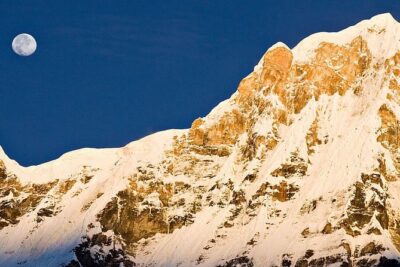
Browse the lists this tour appears in