
Reviewed · ANNAPURNA CIRCUIT TREKS
12 days Annapurna Circuit Trek
A 12-day trek with real altitude payoff. The Annapurna Circuit route you get here connects Manang, Muktinath, and Poon Hill through classic villages, hot springs, and long days with mountain views that feel earned. You’re not just walking from point to point either, you’re moving through changing terrain and culture, guided by a licensed team that handles the paperwork side too.
Two things I like a lot are the English-speaking licensed guide support and the way the plan builds in altitude sense, especially with a full acclimatization day in Manang. The second win is value: trekking permits and area fees (ACAP and TIMS) plus most meals and key transport legs are handled for you, so you can focus on the trail and not a spreadsheet.
One consideration: this is a long, high effort trek. Even with support, you’ll face early mornings (including the Thorong La push) and a moderate fitness level is required, so it’s not a “walk whenever you feel like it” vacation.
In This Review
- Key things to know before you go
- Your first day: Kathmandu to Dharapani via Trishuli and Besishar
- Chame and Upper Pisang: when the trail changes pace and attitude
- Manang (and Geru) plus one acclimatization day that saves energy
- Yak Kharka to Thorong Phedi: positioning for the high pass
- Thorong La to Muktinath: early morning starts and a real payoff
- Tatopani hot springs and the road to Ghorepani
- Poon Hill sunrise at 3,210m, then down to Pokhara by bus
- Getting the value: what your $1,100 really covers
- Guides, permits, and day-to-day logistics that reduce guesswork
- The itinerary pace: long days, short passes, and one big recovery break
- Who this Annapurna Circuit trek is best for
- Should you book this Annapurna Circuit trek?
- FAQ
- What is included in the trek meals and accommodation?
- Are trekking permits included?
- How do you get from Kathmandu to the trekking start?
- Is a porter available, and what does it cost?
- Do I need travel insurance?
- How is the journey back from Pokhara to Kathmandu?
- Can I cancel for a full refund?
Key things to know before you go
- Manang acclimatization is built in, including time at Manang and the option to visit Ice Lake for adjustment.
- Thorong La is the day-shaper, with an early start and the kind of altitude where patience matters.
- Tea house and lodge rhythm, with breakfast, lunch, and dinner included during the trek for less budget stress.
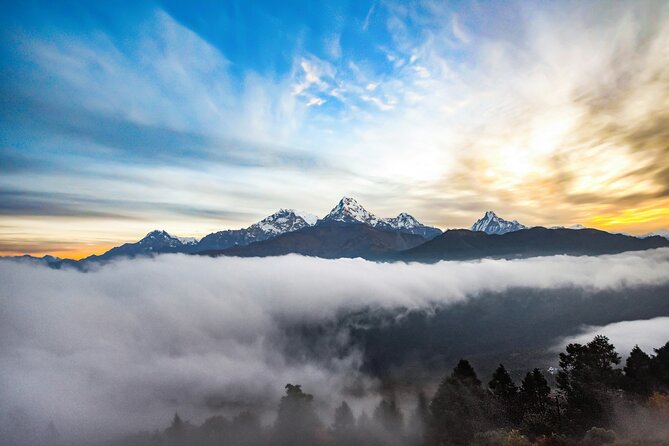
- Poon Hill sunrise at 3,210m, one of the best ways to finish the circuit section with views across the Annapurna and Dhaulagiri ranges.
- Hot springs stop at Tatopani, a practical recovery break after the pass and descent.
Your first day: Kathmandu to Dharapani via Trishuli and Besishar
Most Annapurna Circuit trips feel like they start with a car ride, and this one is no different. You’ll travel from Kathmandu to Besishar along the Trishuli River, then switch to a jeep onward to Dharapani for the night. It’s not just transport, it’s how your body transitions from city breathing to mountain breathing.
The benefit is that you arrive ready for the first trekking day instead of spending the entire morning “figuring things out.” You also get a slow start to the circuit rhythm, with the first elevation gain coming gradually rather than all at once. A small practical note: the schedule lists a very early start time (12:15 am), so confirm your pickup timing and build in buffer for sleep.
More Treks in Kathmandu
- Everest Base Camp Trek – 14 Days
★ 5.0 · 1,499 reviews - Everest Base Camp Trek
★ 5.0 · 842 reviews - Everest Base Camp Trekking
★ 5.0 · 485 reviews
Chame and Upper Pisang: when the trail changes pace and attitude
Day two heads to Chame, the headquarters of the Manang District, and this is where you feel the circuit switch. As you gain altitude, the air gets drier and colder, and the vegetation starts to thin out, with rhododendron forests featuring early on. Chame is also a good “gear test” town, since you’ll see what your body does when the trail turns steady and longer.
Then comes Upper Pisang at about 3,300m, where you start getting stronger views as the route climbs. Expect the day to feel more exposed than the lower valleys, with more open sight lines for the surrounding peaks. It’s a rewarding climb, but also a day where you want to keep your breathing calm and your pace controlled.
Why I think this part matters: early in the circuit, you set your hiking tempo. If you go too fast, you pay for it later at higher elevations, so the Chame and Upper Pisang stages are really about learning your pace before the pass days.
Manang (and Geru) plus one acclimatization day that saves energy
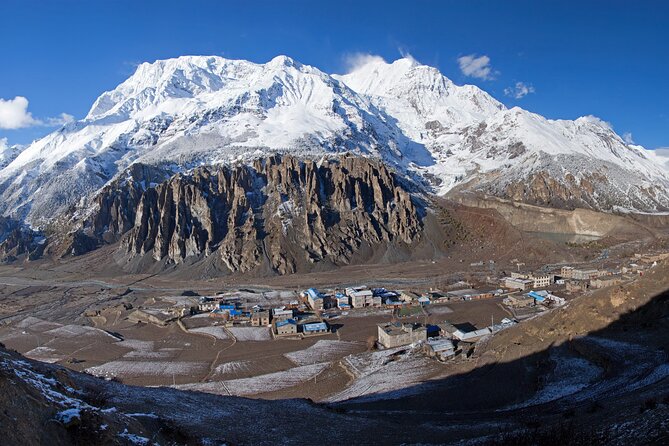
You’ll reach Manang by trekking via Upper Pisang to Geru, and this is where the views start getting serious. The route highlights include sightlines toward Annapurna II, Annapurna III, Annapurna IV, Gangapurna, Tilicho, and Pisang Peak. That’s a lot of big names in one corridor, and even from village elevations you get a strong sense of the mountains’ scale.
The real magic, though, is the acclimatization day in Manang. You’re at the base area with direct access to a classic altitude adjustment option: a stroll to Ice Lake if you want to add movement while still resting enough to recover. This isn’t wasted time, it’s the kind of built-in buffer that helps you feel better when the route steepens.
This approach is especially useful if you’re the type who worries about altitude. A planned acclimatization day means you don’t have to make those decisions on the fly. You get structure, timing, and a guide who can help you judge effort.
Yak Kharka to Thorong Phedi: positioning for the high pass
After Manang, the trip shifts into “climb toward the pass” mode. You leave Manang village and trek to Yak Kharka, passing through Tenki and moving higher toward the Jarsang Khola valley. This section matters because it gradually changes your working altitude. Your legs feel it, and you learn how to keep steady output for hours.
Then you move to Thorong Phedi, the base at the foot of Thorong La. The route is described as ascending from Yak Kharka, descending, crossing the Marsyangdi river on a wooden bridge, then continuing your climb. Expect a day that mixes effort and rhythm changes, which is normal on the circuit.
My practical advice here: pack mentally for the pass day. Even if you’re not at the summit yet, the Thorong Phedi stage sets your readiness, from early bedtime to hydration habits. You’re not just climbing, you’re preparing for an all-day altitude challenge.
More Annapurna Circuit departures:
- Annapurna Circuit Trek with Tilicho Lake
★ 5.0 · 368 reviews - Annapurna Circuit Trek
★ 5.0 · 94 reviews - Annapurna Circuit Trek
★ 5.0 · 67 reviews - Annapurna Circuit Trek
★ 5.0 · 49 reviews
Thorong La to Muktinath: early morning starts and a real payoff
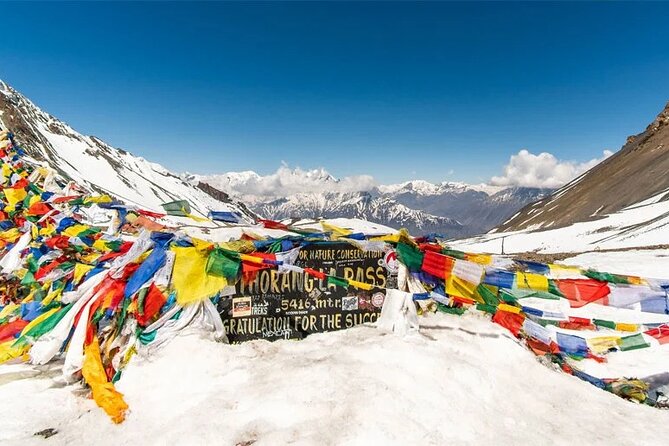
The pass day is the headline for a reason. You start waking up around three in the morning, then hike up toward Thorong La and realize you’re in one of the highest moments of the trek. After reaching the summit area, the route continues to Muktinath, your goal for the day.
This is where the experience’s pacing and guidance actually show. With the early start, you’re hiking before heat and weather shift too much. Your guide can help manage how hard you push, which is a big deal at high altitude where even small missteps can make you feel worse fast.
What you should expect: it’s not about racing to a dot on a map. It’s about steady movement, controlled breathing, and accepting that the body works differently up there. If you respect that, the views and the accomplishment feel bigger.
Tatopani hot springs and the road to Ghorepani
After the pass, the route down goes through Muktinath and then onward to Tatopani. The plan uses a jeep for about three hours from Muktinath to Tatopani, where you rest at the lodge or visit the hot springs. This is one of those “simple but smart” recovery stops that can make the next days feel possible instead of brutal.
Then you transition to the Kali Gandaki river area and climb to Ghorepani. The itinerary specifically mentions passing Thakali settlements such as Sikha and Chitre, then reaching the east bank and working up toward Ghorepani. You get a mix of village life and trekking terrain, which helps break up the physical effort with cultural texture.
This day can be a morale builder. After Thorong La, your body might feel tired, so having a plan that includes both motion and recovery choices helps you stay positive.
Poon Hill sunrise at 3,210m, then down to Pokhara by bus
Your finish begins with an early climb to Poon Hill (3,210m) for sunrise. The goal is to see early light across the Dhaulagiri and Annapurna ranges, including Machhapuchhre (Fishtail) and Annapurna. It’s short on paper (about an hour for the climb described), but it’s intense because it’s done at the time your eyes and legs are still waking up.
After sunrise, you trek from Ghorepani to Birethani, then take a bus to Pokhara. This is a smart “release valve” after high altitude hiking because you stop walking and start moving faster toward comfort. Pokhara also gives you a real break from basic lodge life.
One night in Pokhara is included, with breakfast, and you’ll be set up for the final transfer back to Kathmandu the next day. If you’re thinking about the trip as a whole, this is where the “hard work” turns into “memories you can actually sit with.”
Getting the value: what your $1,100 really covers
At $1,100 per person, the biggest value is how much of the big-ticket friction is handled. The trip includes transport segments such as Kathmandu to Dharapani, plus Muktinath to Tatopani and Nayapul to Pokhara, and the Pokhara to Kathmandu tourist bus. It also includes tea house/lodge accommodation with meals during the trek, and one Pokhara night with breakfast.
You’re also covered for key government fees: Annapurna Conservation Area Permit (ACAP) and TIMS Card fees, plus local taxes. That matters because permits can feel annoying to source and verify, and getting them included reduces stress right when you want to be focused on training and packing.
What’s not included is where you should plan ahead. Beverages and personal expenses (tips, laundry, phone, and similar) are on you, and porters are optional at $20/day carrying up to 20 kg. Also, insurance is not included, and you’ll need to arrange your Nepal visa on arrival, with listed costs for 15 days, 30 days, and 90 days.
My budget rule: assume you’ll spend extra on water and snacks, and decide early whether you want a porter. The porter option is often the difference between finishing strong and finishing tired, especially if you’re carrying a lot of camera gear.
Guides, permits, and day-to-day logistics that reduce guesswork
This tour is run by government licensed, experienced trek guides who speak English. The package also includes support for the guide team, including meals, insurance, salary, lodging, and transportation. While that doesn’t replace your own travel insurance, it does suggest a more professional operation and fewer “who’s doing what” moments on the trail.
A detail I appreciate from the way the company handles communication is the emphasis on being responsive before you go. Past contacts with the operator, including Bhim Panta, and staff mentioned such as Manit and Kumar, point to quick answers about questions like equipment and itinerary. That kind of pre-trek support matters because gear choices affect how tired you feel on day five and how safe you feel at altitude.
On top of that, the company covers the core trek permits so you don’t spend time figuring out paperwork while you’re in Kathmandu. For the circuit, it’s a relief to know your ACAP and TIMS are already handled.
The itinerary pace: long days, short passes, and one big recovery break
The schedule describes many days around 10 to 12 hours, which tells you the pace is not “short hike, coffee, repeat.” Even the days with jeeps and transfers can still be long because travel plus trekking adds up.
The good news is the plan includes a few intentional resets. The acclimatization day in Manang helps you absorb altitude without forcing a full circuit climb every single day. The hot springs in Tatopani are another real recovery tool, not an optional bonus. And the final Pokhara transfer gives you a softer landing after the hardest day.
If you like structure, this route should feel like it’s guiding you. If you prefer lots of free time and slow mornings, you might find it a bit packed.
Who this Annapurna Circuit trek is best for
This fits well if you have moderate physical fitness and you’re comfortable with long hiking days and early starts. It also suits you if you want a guided, organized experience that handles permits, key transport legs, and most meals.
Consider bringing a porter if you think your pack will be heavy. The tour lists porters as available at $20/day carrying up to 20 kg, which is a straightforward way to reduce strain without changing the route. If you’re traveling with a companion, the trip is described as a private tour/activity, meaning your group only participates, which can feel calmer than large group trekking.
If you want an easy walk, this is not that. You’re dealing with high altitude, including Thorong La, and the route has real daily effort.
Should you book this Annapurna Circuit trek?
If you want an organized Annapurna Circuit experience with licensed guides, included permits, and most meals handled, this is a strong choice. The price makes sense when you add up the value of trekking fees, the included lodge meals, and the multiple transport segments, plus the practical support system.
I’d only skip it if you’re very sensitive to early mornings, or if you’re looking for a mostly relaxed trek with minimal altitude exposure. This route rewards hikers who keep a steady pace and respect the acclimatization plan.
If you book, treat it like a training mission, not just a vacation. Pack smart, drink consistently, and let the acclimatization day in Manang do its job. You’ll come away with a circuit experience that feels complete, capped by Poon Hill sunrise and the descent into Pokhara.
FAQ
What is included in the trek meals and accommodation?
The trek includes tea house or lodge accommodation with meals (breakfast, lunch, and dinner) during the trekking days, plus one night accommodation in Pokhara with breakfast.
Are trekking permits included?
Yes. The package includes the Annapurna Conservation Area Permit (ACAP) and the TIMS Card fees.
How do you get from Kathmandu to the trekking start?
You travel from Kathmandu to Dharapani using included public transportation, with the route described as Kathmandu to Besishar along the Trishuli river, then a jeep to Dharapani.
Is a porter available, and what does it cost?
Porters are available for $20/day and can carry up to 20 kg. Porters are not included in the base price.
Do I need travel insurance?
Insurance is listed as not included. The package includes insurance coverage for the guide team, but it does not list insurance for you.
How is the journey back from Pokhara to Kathmandu?
You return by tourist bus (included). There is also an optional 25-minute flight from Pokhara to Kathmandu, but that flight is not included in the package.
Can I cancel for a full refund?
Yes, free cancellation is available. You can cancel up to 24 hours in advance for a full refund, and the policy uses local time cutoffs.
Latest additions near Kathmandu
- White Water River Rafting – 1 Day★ 4.3 · 3 reviews
- Traditional Momo Making Class★ 5.0 · 10 reviews
- Kathmandu to Pokhara Premium sofa bus ticket★ 4.0 · 17 reviews
- Ghorepani Poon Hill Trek★ 5.0 · 16 reviews
- Amazing 1 Day Trekking Experience in Kathmandu Nepal★ 5.0 · 24 reviews
- Ghorepani Poonhill Trek★ 5.0 · 5 reviews
- Wildlife Adventure in Chitwan Nepal★ 4.0 · 4 reviews
- Walking tour of real Kathmandu through back streets.★ 5.0 · 3 reviews
Annapurna Circuit Treks, compared.
Browse the lists this tour appears in