
Reviewed · ANNAPURNA CIRCUIT TREKS
12 Days Annapurna Circuit Trek from Kathmandu
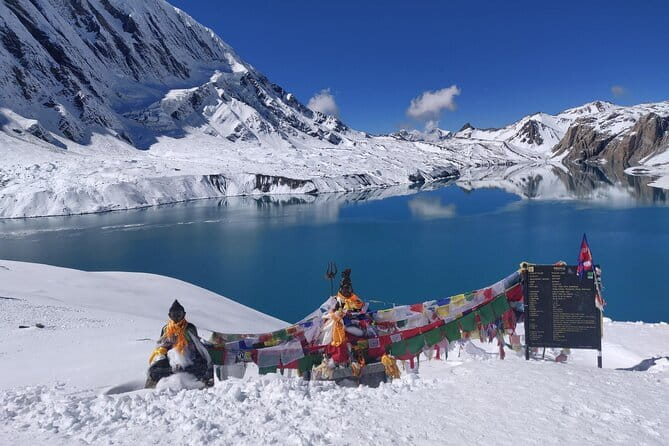
High passes, friendly guides, real Nepal. This 12-day Annapurna Circuit trek is a smart mix of river-valley greenery, higher Manang terrain, and big views toward Annapurna, Dhaulagiri, and Manaslu, all building toward Thorong La Pass (5,416m). I especially liked the cultural side, from Tibetan-style Braga to Buddhist sites you pass along the way, guided by English-speaking Sherpas like Biru who explain what you are actually seeing.
One key consideration: you need solid fitness. Some days are long (about 8 to 9 hours on the hardest high section), and altitude plus wind can make even a normal trekking pace feel harder than it looks on paper.
This tour also makes logistics feel manageable. You get hotel pickup and drop-off, permits handled, and a mix of city nights plus simple guesthouse stays, so you spend more energy enjoying the trek and less energy figuring out the basics.
In This Review
- Key highlights you will feel on the trek
- Price and Logistics: what $680 really buys you
- Kathmandu start: Thamel, airport arrival, and a good night’s reset
- Road day into the Annapurna region: rivers, roads, and Chame’s gateway feel
- Upper Pisang: suspension bridges, Annapurna views, and first real trekking payoff
- Braga and Tibetan-style architecture: Manang culture that feels specific
- Manang acclimatization day: your body learns before Thorong La demands
- Yak Kharka: forests, yaks, and a teahouse stop with character
- Thorong Phedi to the high-pass day: where altitude becomes real
- Muktinath to Jomsom: Kali Gandaki Valley, meadows, and Kagbeni’s vibe
- Jomsom to Pokhara: road transfer, decompression, and Phewa Tal at the end
- Pokhara back to Kathmandu: last-night memories, long rides, and easy closure
- Guides: English explanations, culture care, and pacing that matters
- Itinerary walkthrough, day by day: what to expect and where to watch your step
- Who should book this Annapurna Circuit trek from Kathmandu
- Should you book it or pass?
- FAQ
- What is included in this 12-day Annapurna Circuit trek price?
- Are meals included during the trek?
- Where are you staying during the trek and on city days?
- How long does the trek take, and when does it end?
- What is the meeting time for the experience?
- What kind of fitness level do I need?
Key highlights you will feel on the trek
- Sherpa-led, English-speaking guiding, with guides who explain culture and trail details instead of only counting steps
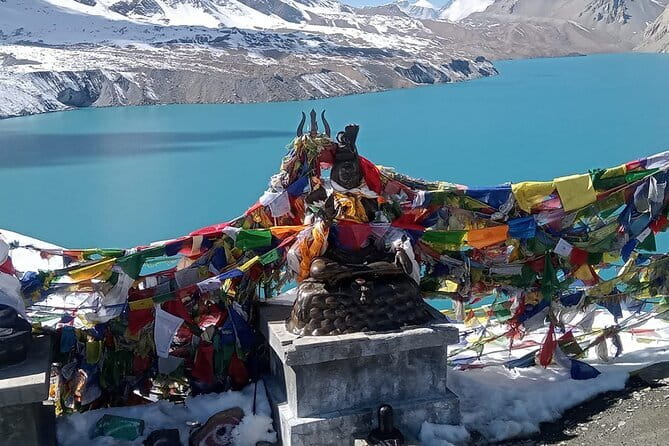
- Thorong La focus, with a clear build-up from lower valleys to high-pass terrain
- Guesthouse trekking stays, plus Kathmandu and Pokhara nights with breakfast to help you recover
- Real variety day to day, from forests and alpine pastures to windy, arid-feeling stretches
- Thoughtful acclimatization time in Manang, not just a rushed climb
- Long drives built in, with shared bus transfers and scheduled breaks as part of the plan
Price and Logistics: what $680 really buys you
At $680 per person for a 12-day trek, this is not just a hiking “permit and good luck” deal. You are paying for a package that covers core trail support: an English-speaking trekking guide, permits and official documentation, Kathmandu hotel nights, Pokhara lodging, and guesthouse accommodations during the trek.
You also get transportation and some key items that reduce hassle. Hotel pickup and drop-off are included, and the route uses shared bus transfers on the road days. Plus, you get a trekking pole for each person, which is useful on switchbacks and rocky descents around higher passes.
What is not covered is also important to plan for. Food and drinks are available for purchase, roughly US$25 per day, and gratuities are optional. In a place where meals are often the easiest budget variable, I treat this as part of the real trip cost, not an afterthought.
More Treks in Kathmandu
- Everest Base Camp Trek – 14 Days
★ 5.0 · 1,499 reviews - Everest Base Camp Trek
★ 5.0 · 842 reviews - Everest Base Camp Trekking
★ 5.0 · 485 reviews
Kathmandu start: Thamel, airport arrival, and a good night’s reset
Your trek starts in Kathmandu, and the first win is simple: you are met and transferred to your hotel. After landing at Tribhuvan International Airport, you are taken by private vehicle, check in, then you have time to settle before the trekking rhythm begins.
Thamel is the practical choice for many trekkers. It is close to shops, gear buyers, and meal options, so if you need a last-minute warm layer or a snack before the road-to-trail transition, you are not stuck crossing the entire city.
Look for this first night as your reset, not your sightseeing marathon. Kathmandu traffic can drain you fast, and you want clear legs on day two when the plan shifts into long travel hours.
Road day into the Annapurna region: rivers, roads, and Chame’s gateway feel
Day two is a road trip that sets the tone for the Annapurna Circuit. You cross rivers like the Trishuli, where you might see rafting activity, and the Marsyangdi near the route toward Chame.
Chame works well as a launching point because it is a classic gateway village for the Circuit climb. You are not just traveling, you are slowly shifting the environment, and you will start noticing how the air and the visuals tighten toward higher terrain.
This is also a day where comfort matters more than you think. Nine hours on the road can feel long, so I like doing it with a clear plan for hydration and warm layers, especially once evening cools down.
Upper Pisang: suspension bridges, Annapurna views, and first real trekking payoff
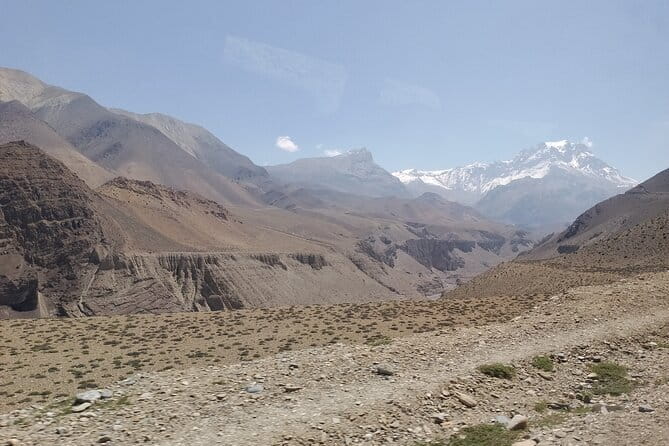
On day three you start trekking from the Chame side toward Upper Pisang. The trail passes through the village of Telekhu, and you get some of those early big views of the Annapurna ranges and nearby peaks like Mt. Pisang (6,091m).
One detail I like here is the stop-and-cross rhythm: you have to re-cross a suspension bridge on the way. Those moments break the monotony, and they also remind you that this route is still very much working landscape, not a flat walking path.
Upper Pisang itself is a solid place to spend the night before the trek leans even more into Manang culture and higher altitude. Your body is gearing up for the acclimatization phase, so you want a good meal, a dry layer if possible, and an early sleep.
More Annapurna Circuit departures:
- Annapurna Circuit Trek with Tilicho Lake
★ 5.0 · 368 reviews - Annapurna Circuit Trek
★ 5.0 · 94 reviews - Annapurna Circuit Trek
★ 5.0 · 67 reviews - Annapurna Circuit Trek
★ 5.0 · 49 reviews
Braga and Tibetan-style architecture: Manang culture that feels specific
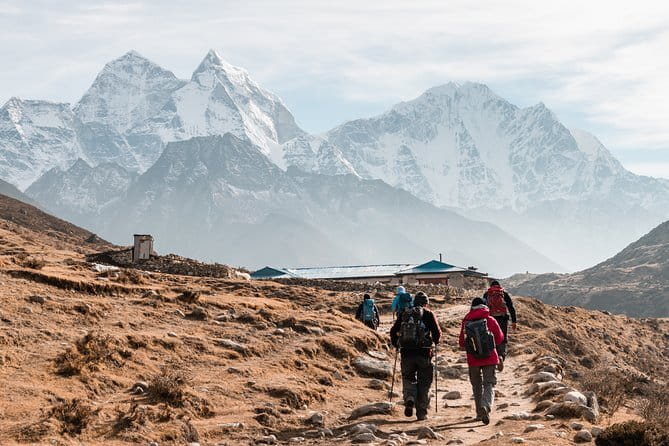
Day four gets you into the upper Manang area and leads you to Braga, a Tibetan village. This is one of the days where the Circuit becomes more than scenery. Braga’s distinctive stacked architecture is part of why this stretch feels different from the earlier villages.
You are also getting a cultural “change of flavor” while the terrain keeps shifting. The Circuit route overlaps with communities shaped by Tibetan Buddhism, and you will notice that in how villages are built and how places of faith appear along the way.
If you enjoy small details, this is the day to slow down for photos and conversation. When your guide is doing their job well, you will learn what these structures mean, and why the people here live the way they do.
Manang acclimatization day: your body learns before Thorong La demands
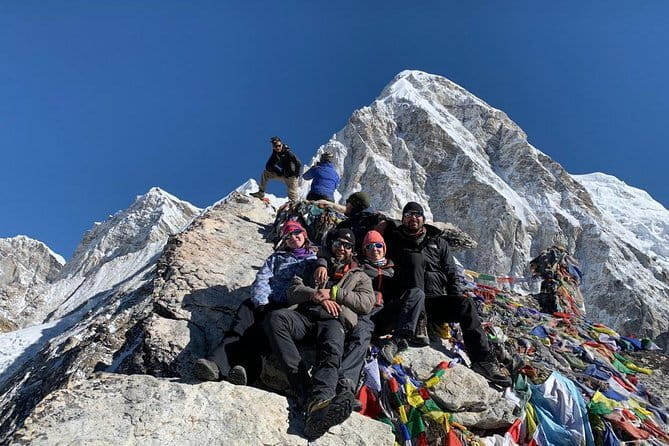
Day five focuses on acclimatization, and that matters more than any marketing line. The itinerary explicitly builds in time so you can spend a bit of effort at a sensible elevation level, then recover and keep your breathing steady.
Staying active at altitude is often the difference between feeling okay and feeling wrecked. Your guide’s pacing matters here, because you are not trying to win a personal record. You are training your body to function higher up.
I treat this day as a skill practice. Walk slow, drink regularly, and pay attention to how your body feels rather than how fast you think you should go.
Yak Kharka: forests, yaks, and a teahouse stop with character
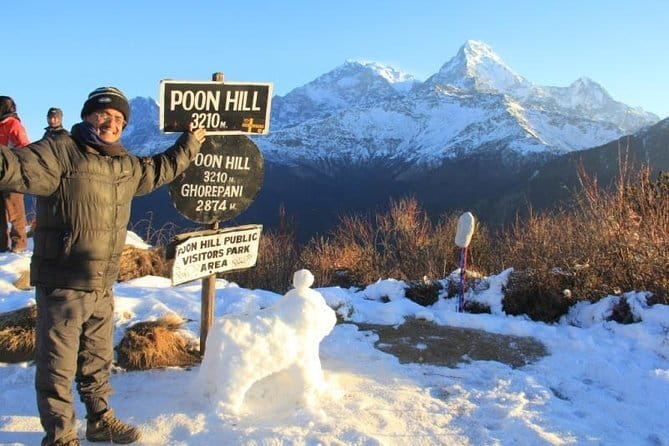
On day six the trek heads to Yak Kharka, about 10.4 km uphill. You pass through juniper forests and see yaks grazing in alpine pastures, so the scenery changes from village edges into working highland terrain.
There is also a practical detail built into the plan: you pass the only teahouse at Thorong Khola (river). That kind of information helps you mentally prepare, because you know the stops are not endless. When the route is quieter, pacing and hydration become even more important.
Yak Kharka tends to feel like the calm before the harder days. It is a place to eat, rest, and prepare your layers for colder nights. If wind is part of your experience up high, you will feel the need for warmth here even before the pass day.
Thorong Phedi to the high-pass day: where altitude becomes real
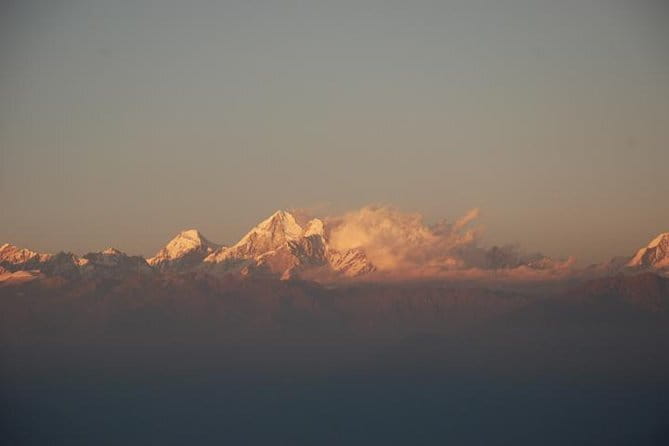
Day seven takes you to Thorong Phedi, meaning the foot of the pass. You follow the east bank of the Jarang Khola (river) and you start seeing steep bluffs as you climb. This is the day where the trail turns more serious, and where your earlier acclimatization pays off.
The key here is staying steady. Higher altitude can make even a short uphill feel long, and the guide’s job is to manage effort so you arrive at the next area with strength left.
Day eight is described as probably the most physically demanding day, with hiking around 8 to 9 hours. Muktinath sits on the other side of the hard climb, and the itinerary notes that higher altitude plus strong winds can make this section more challenging. If you are prone to feeling anxious at altitude, this is the day to trust your pace and your breathing, not your ego.
Muktinath to Jomsom: Kali Gandaki Valley, meadows, and Kagbeni’s vibe
After the hard push, day nine drops you into the Kali Gandaki Valley rhythm. The route goes through lush meadows, orchards, and streams, and you also pass Kagbeni before reaching Jomsom.
Kagbeni has a well-known reputation, and even without overhyping it, this is typically the kind of village that gives you a sense of how communities adapt to a narrow valley between bigger mountains.
This day feels like the Circuit shifting gears from high-pass intensity to more agricultural life. It is a welcome change, and it helps you mentally recover while still keeping the trek active.
Jomsom to Pokhara: road transfer, decompression, and Phewa Tal at the end
Day ten switches from trail to travel. You drive to Pokhara by local bus, about 7 to 8 hours, arriving via Tatopani and Beni Bazaar. Pokhara is famous for its lakes, including Phewa Tal, and it is also the place where many trekkers finally feel like they can stretch out and be normal again.
This is not just a reward day. It is a recovery tool. You will likely feel the difference in your legs after days of elevation work, and having a stable place to sleep and eat helps you come down safely.
If you have energy, I would spend it on easy walks, lake views, and warm meals. Save the heavy outings for the day after you sleep.
Pokhara back to Kathmandu: last-night memories, long rides, and easy closure
Day eleven brings you back to Kathmandu by road, again about 7 to 8 hours. The itinerary frames it as a drive filled with warm memories, and that is accurate. This is when the trek starts replaying in your mind: the transitions, the steep moments, the villages.
Practical tip: don’t treat this as a sightseeing day. The ride is long enough that you want a comfortable plan for stops and hydration.
Day twelve finishes with airport transfer. You are taken to the airport at least three hours prior to departure time, which is a smart buffer in a city where timing can be unpredictable.
Guides: English explanations, culture care, and pacing that matters
The strongest repeated theme in the experience is the guide quality. Names like Biru, Amrit, Milan, and Krishna show up as leaders who focus on care, honesty, and explanation rather than only logistics.
I like this approach because the Annapurna Circuit can otherwise become a blur of steps and altitude management. When your guide explains mountain culture and what you are passing, the trail feels like a story with chapters.
There is also a pacing element. One guide is praised for adapting the pace to what fit the group, and that is exactly what you want in high-altitude trekking. Your job is to move, but your guide’s job is to keep you moving safely.
Itinerary walkthrough, day by day: what to expect and where to watch your step
Here is how the full rhythm comes together, and what I would watch for as you go:
- Day 1, Thamel and airport arrival: a private transfer to your hotel so you can check in and recover. Keep your plans light, you are not done with the day until you sleep.
- Day 2, Kathmandu to Chame by road: expect long hours and river scenery like the Trishuli and Marsyangdi. Dress warm for late-day cooling.
- Day 3, Chame to Upper Pisang: early view payoffs of Annapurna-area peaks, plus suspension bridge crossings. Take it steady since you are still building altitude tolerance.
- Day 4, Upper Pisang area to Braga: Tibetan-style village architecture and a clear cultural shift. Slow down and ask questions so the culture side clicks.
- Day 5, acclimatization in Manang region: you will spend time to adjust and stay active without burning out. Think of it as training, not an extra sightseeing day.
- Day 6, to Yak Kharka: uphill effort around 10.4 km, juniper forests, yaks, and a noted teahouse stop at Thorong Khola. Hydrate and keep your breathing calm.
- Day 7, to Thorong Phedi: gradual high ascent along the Jarang Khola, with steep bluffs in view. This is a setup day for the pass zone.
- Day 8, to Muktinath: about 8 to 9 hours, and likely the toughest day due to altitude and wind. Focus on steady pace and layer management.
- Day 9, Muktinath to Jomsom: meadows, orchards, streams, and Kagbeni before Jomsom in the Kali Gandaki Valley. You will feel a welcome change after the high effort.
- Day 10, Jomsom to Pokhara: 7 to 8 hours by bus via Tatopani and Beni Bazaar. Sleep well, this is part recovery and part travel.
- Day 11, Pokhara to Kathmandu: another 7 to 8 hour drive, best treated as easy transit.
- Day 12, airport transfer: you leave with a buffer of at least three hours before your scheduled flight.
Who should book this Annapurna Circuit trek from Kathmandu
This trek suits you best if you want a classic Annapurna Circuit experience with clear structure and supportive guiding. The package approach works well if you value safety, pacing, and culture explanations, not just summit bragging.
You should also feel comfortable with mixed travel days. Two road sections are long, and the trek itself includes high altitude and wind-prone conditions around the pass day.
If you are a beginner trekker, this is still possible, but only if you prepare. The itinerary specifically calls for strong physical fitness, and you should train for sustained uphill walking before you arrive.
Should you book it or pass?
I would book this if you want a well-run Annapurna Circuit that balances big high-pass views with cultural villages like Braga and a guide team that actually talks to you about what you are seeing. The value is strong for what is included, especially the guide, permits, and the set-up of Kathmandu and Pokhara nights.
I would hesitate if you are not ready for a demanding high day and altitude wind. The trek is not written for casual walkers, and it expects you to come in with real fitness.
FAQ
What is included in this 12-day Annapurna Circuit trek price?
The package includes hotel pickup and drop-off round trip, an English-speaking trekking guide, trekking permits and official documents, Kathmandu 2 nights and Pokhara 1 night with breakfast, guesthouse accommodation during the trek, round trip shared bus transfers according to the itinerary, a private tour setup, and trekking poles (one per person).
Are meals included during the trek?
Food and drinks are not included. They are available for purchase, with an approximate cost of US$25 per day.
Where are you staying during the trek and on city days?
You stay in hotels in Kathmandu for 2 nights and in Pokhara for 1 night, both with breakfast. During the trek you stay in guest houses.
How long does the trek take, and when does it end?
The duration is approximately 12 days, and it ends with an airport transfer on day 12 to leave Kathmandu.
What is the meeting time for the experience?
The meeting point start time is listed as 4:15 pm.
What kind of fitness level do I need?
You should have a strong physical fitness level, since the trek includes physically demanding hiking, including a day of about 8 to 9 hours at higher altitude.
More day tours out of Kathmandu
- Nagarkot Sunrise View and Day Hiking from Kathmandu
★ 5.0 · 471 reviews - Private Bhaktapur and Nagarkot Day Tour From Kathmandu
★ 5.0 · 305 reviews - Day Trip to Bhaktapur and Panauti from Kathmandu
★ 5.0 · 184 reviews - From Kathmandu: 1 hour Panoramic Everest Flight
★ 4.4 · 175 reviews
Latest additions near Kathmandu
- White Water River Rafting – 1 Day★ 4.3 · 3 reviews
- Traditional Momo Making Class★ 5.0 · 10 reviews
- Kathmandu to Pokhara Premium sofa bus ticket★ 4.0 · 17 reviews
- Ghorepani Poon Hill Trek★ 5.0 · 16 reviews
- Amazing 1 Day Trekking Experience in Kathmandu Nepal★ 5.0 · 24 reviews
- Ghorepani Poonhill Trek★ 5.0 · 5 reviews
- Walking tour of real Kathmandu through back streets.★ 5.0 · 3 reviews
- Wildlife Adventure in Chitwan Nepal★ 4.0 · 4 reviews
Annapurna Circuit Treks, compared.
Browse the lists this tour appears in