
Reviewed · ANNAPURNA BASE CAMP TREKS
11-Day Hike Tour to Annapurna Base Camp Bliss in Kathmandu
Himalayas, real work, and real rewards. This Annapurna Base Camp trek combines classic viewpoints with the grit of a true mountain climb, ending at 4,130 meters. I like that the schedule also gives you Kathmandu and Pokhara time, not just days on the trail.
Two things I’d call out right away: the private setup, so your pace and needs are handled by one team, and the strong guide culture showing up in past feedback. Names like Raju, Bishal, Ramji, and porters such as Sandesh and Ishor come up for careful planning and the kind of steady encouragement you need when the air thins.
One consideration: it’s listed for travelers with moderate physical fitness, and the route includes long walking days and steep sections. If you get nervous about altitude sickness or cold, plan to go slow, drink water, and lean on your guide’s judgment each day.
In This Review
- Quick takeaways before you hit the trail
- Kathmandu check-in, then you start earning your mountain views
- Kathmandu to Pokhara flight, then the trek starter towns
- Tikhedhunga to Ulleri: the 3,300-stair moment
- Poon Hill sunrise views, then the rhododendron descent to Tadapani
- Chhomrong route day: Annapurna angles and Gurung culture stops
- Deurali and Modi Khola: forests, bamboo, and long trekking blocks
- The Base Camp drive: Machhapuchare base area to Annapurna Base Camp at 4,130m
- Sunrise at Base Camp, then the return to Sinuwa tea houses
- Jhinu Danda hot spring recovery, and the steep descent back toward Chhomrong
- Pokhara wrap-up day: Devi’s Fall, Peace Stupa, Phewa Lake, and lakeside time
- Siwai and the return leg: back to Kathmandu and markets in Thamel and Ason
- Price, inclusions, and what $1,300 buys you in real terms
- Who this private Annapurna Base Camp trek fits best
- Booking decision: should you choose Himalayan Vista Trekking?
- FAQ
- Where is the meeting point in Kathmandu?
- How long is the Annapurna Base Camp trek on this tour?
- What altitude do you reach at Annapurna Base Camp?
- Is airport pickup offered?
- Are meals included during the trek?
- Does the itinerary include flights between Kathmandu and Pokhara?
- Do I need to bring a trekking stick?
- What happens if weather is bad?
Quick takeaways before you hit the trail
- Private tour, your group only, with pickup/airport support in Kathmandu
- Classic Annapurna route beats, Poon Hill views, Chhomrong area, and Base Camp sunrise timing
- Base Camp altitude is real, and the itinerary builds in early-morning experience at the summit of your trek
- Meals are mostly handled (11 breakfasts, 11 lunches, 10 dinners), so you spend less time hunting food
- Hot springs recovery day at Jhinu Danda, built into the descent
- Local people and villages matter, with Gurung culture mentioned along the route and time in tea house towns
Kathmandu check-in, then you start earning your mountain views
Your trek begins in Kathmandu with a team welcome at Tribhuvan International Airport. From there, you transfer to your hotel by private vehicle, and the meeting point is in Thamel (44600), a practical base because it’s close to the action and easy to navigate.
What I like about this start is that it lowers stress. You’re not figuring out transport after a flight, and you get oriented in the place where your plan begins. If you prefer straightforward logistics, this matters more than it sounds.
More Treks in Kathmandu
- Everest Base Camp Trek – 14 Days
★ 5.0 · 1,499 reviews - Everest Base Camp Trek
★ 5.0 · 842 reviews - Everest Base Camp Trekking
★ 5.0 · 485 reviews
Kathmandu to Pokhara flight, then the trek starter towns
Day 2 includes a morning flight from Kathmandu to Pokhara. After landing, the plan points you toward breakfast and then into the Annapurna trek gateway area, with stops that include Tikhedhunga and Nayapul.
These towns are more than labels on a map. They’re where the pace shifts from city life to walking life, and you get that first sense of the Annapurna Conservation Area vibe. If you’re trying to shake off travel stiffness, this kind of first transition day helps.
One practical note for your day planning: the itinerary suggests this is a heavier travel day. If you’re sensitive to fatigue, keep an eye on hydration and don’t overdo snacks. You’ll be glad you did when the real climb days hit.
Tikhedhunga to Ulleri: the 3,300-stair moment
By Day 3, you’re crossing a suspension bridge over the Tikhedhunga stream. Then comes a steep rise to Ulleri, with about 3,300 stone stairs toward a Magar village setting at around 2,080 meters.
This is the kind of section that tests your legs and your patience, but it’s also classic Annapurna trekking rhythm. The stairs are predictable work, and once you accept that slow counts, the climb becomes manageable. I’d treat it like a workout, not a race.
If you’re the kind of trekker who panics when you can’t see the end, lean on your guide. Past feedback includes encouragement like slowly, you can do it, which is the exact mindset that makes stair days survivable.
Poon Hill sunrise views, then the rhododendron descent to Tadapani
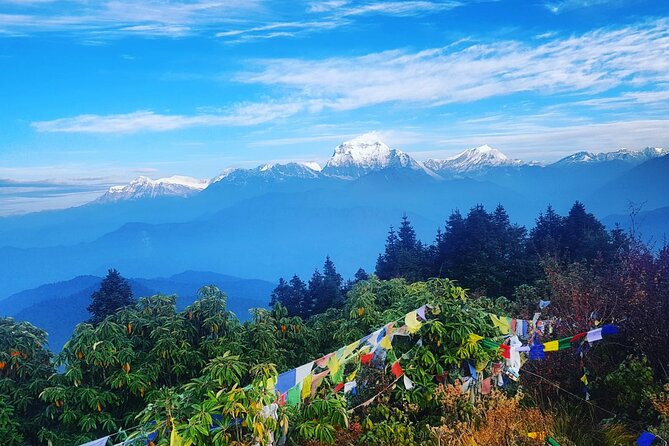
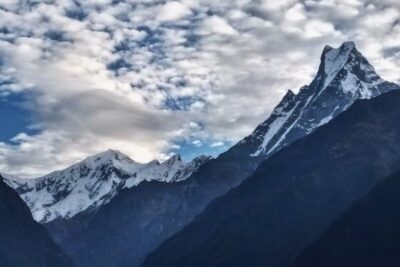
Day 4 centers on Poon Hill, the go-to viewpoint for wide views of Mt. Annapurna and Fishtail. After breakfast, you descend to Ghorepani and then keep walking toward Tadapani, crossing through rhododendrons and higher trail scenery.
Why this day is valuable: you get a big visual payoff before you’re forced into a longer grind. Poon Hill is also a morale builder, because it reminds you that all the effort is buying you a real view.
The trade-off is time. You’re moving for good chunks of the day, and viewpoint days tend to feel long because early starts and photo pauses stack up. Bring a simple plan for breaks, and don’t let the crowd rhythm dictate yours.
More Annapurna Base Camp treks:
- Annapurna base camp trek 5 Days
★ 5.0 · 252 reviews - 14-Day Private Annapurna Base Camp Trek
★ 5.0 · 180 reviews - Annapurna Base Camp Trekking
★ 5.0 · 116 reviews - Annapurna Base Camp Trek
★ 5.0 · 111 reviews
Chhomrong route day: Annapurna angles and Gurung culture stops
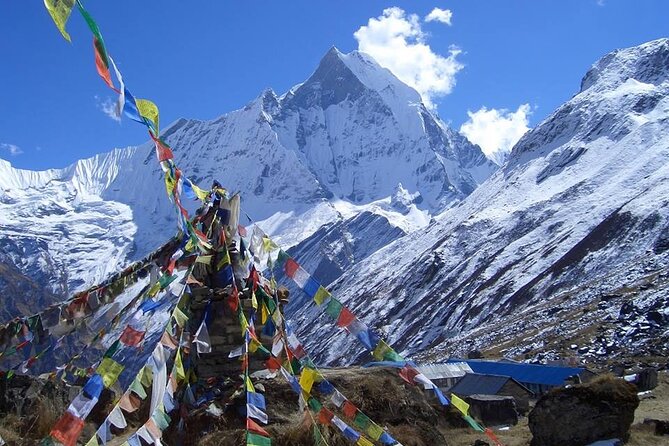
On Day 5, the route goes from higher walking down toward the Kimrungkhola area, then across Chuile. The plan specifically calls out views of Annapurna South and Hiunchuli from the Chhomrong area, plus a chance to experience Gurung ethnic group culture around the village.
This is one of those days where you get two kinds of payoff: mountain views and cultural connection. You see why trekkers talk about Annapurna not just as scenery, but as a route through real communities that live there year-round.
If you want a smoother day, keep your expectations realistic. Village walks can be slower because you’re changing altitude and stopping to look. That’s fine, just don’t build a fantasy that every hour will be fast and easy.
Deurali and Modi Khola: forests, bamboo, and long trekking blocks
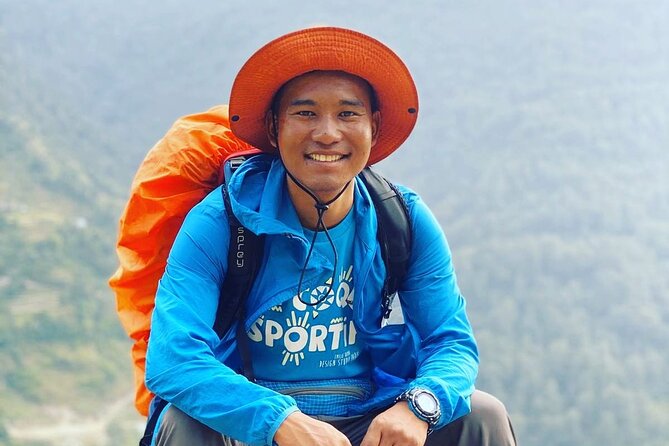
Day 6 is a climb day toward Deurali. The plan describes rocky trails through dense rhododendron forests and walking beside the Modi Khola, with the route going higher into bamboo running through the journey.
For many people, this is where the trek starts to feel like the trek. Earlier days are memorable, but this is where you settle into the daily pattern: hike, rest, eat, repeat. Walking in forests and bamboo can also mean cooler air and fewer harsh sun moments than open ridgelines.
The consideration here is stamina. The itinerary labels this as about 12 hours. That’s a long day even if the grade isn’t constant. If you’re unsure about your fitness, this is where pacing matters most, so you can finish the week without arriving at the base camp push totally drained.
The Base Camp drive: Machhapuchare base area to Annapurna Base Camp at 4,130m
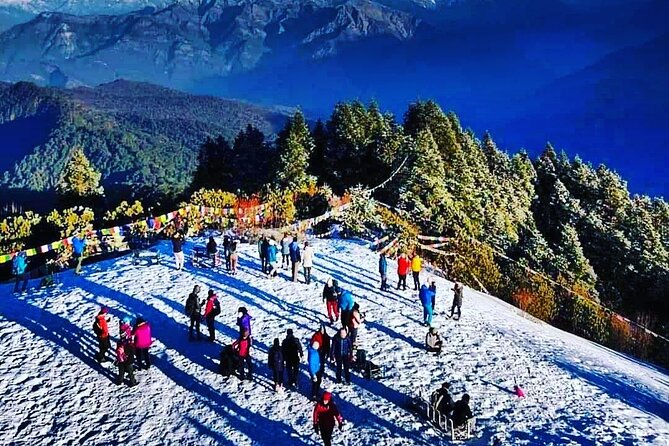
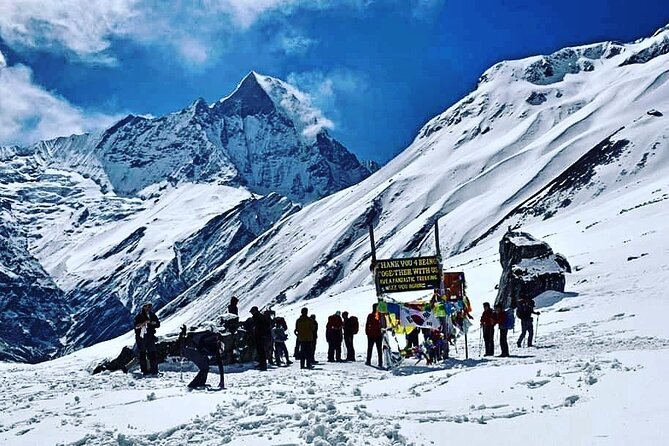
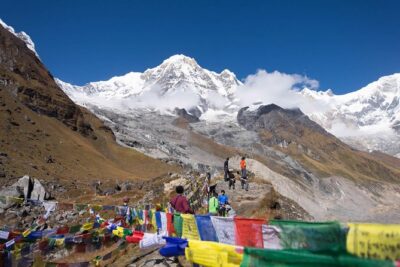
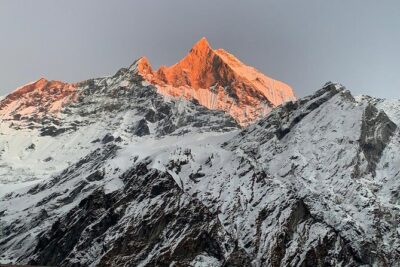
Day 7 is the centerpiece mountain day. The plan highlights close encounters with Fishtail, Annapurna III, Gangapurna, and Annapurna I in your eyesight, and it also references the Machhapuchare base camp area along the route. Then you move toward Annapurna Base Camp.
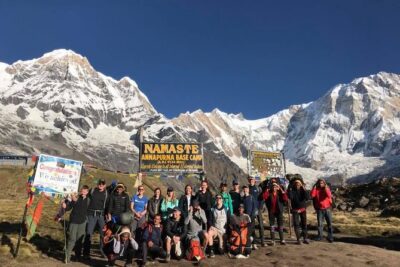
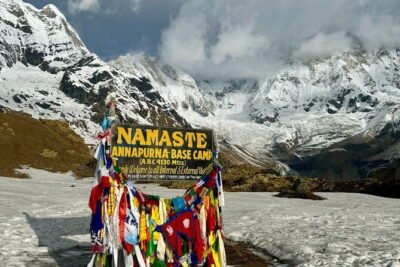
This is the day where you earn your altitude badge. The real meaning of reaching Base Camp is not just the number. It’s the sense that the mountains you’ve been chasing visually now surround you for real, and every earlier climb step turns into context.
I’d also pay attention to how your guide handles the final push. Based on past trek accounts linked to this program, guides like Bishal and Raju get praised for planning and care. In plain terms, good timing and smart pace keep altitude stress from turning into a disaster.
Sunrise at Base Camp, then the return to Sinuwa tea houses
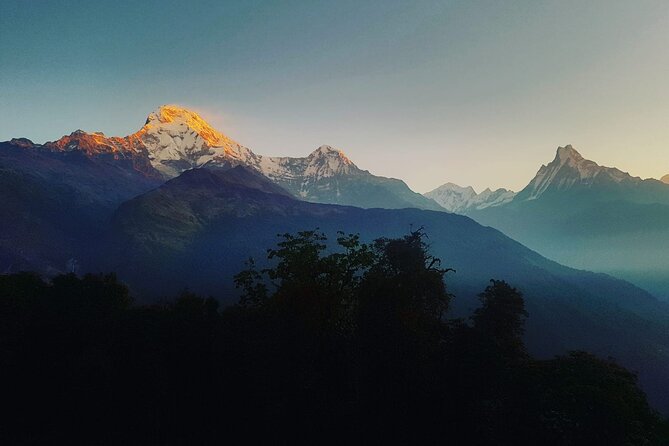
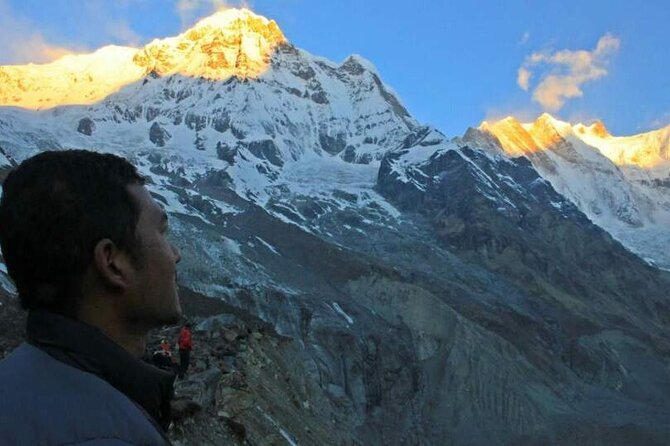
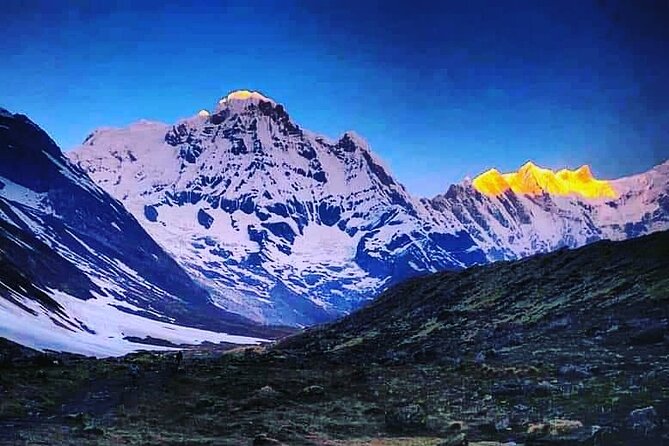
Day 8 brings an early morning walk around Base Camp for sunrise over Mt. Annapurna, then a trek down to Sinuwa. The day includes breakfast and the tea house rhythm of the return.
This is one of those schedule elements that you should not treat casually. Early sunrise is often cold and quick, and you need to be ready for that. But if you can manage your timing, you get a powerful mountain moment and a logical transition into the descent.
The practical upside: you’re not just returning aimlessly. The itinerary routes you back through tea house country where you can regroup and refuel. Your body still takes a hit on descents, but it’s a familiar kind of effort compared to the hardest uphill sections.
Jhinu Danda hot spring recovery, and the steep descent back toward Chhomrong
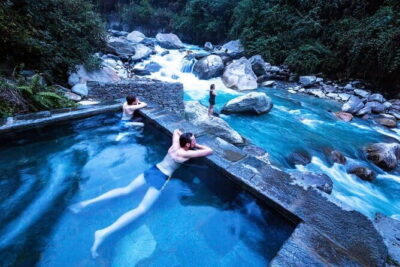
Day 9 follows the same way until the Chhomrong area, then the trail descends very steeply to Jhinu Danda. Jhinu Danda is the hot spring stop, and you can take a bath in the natural hot spring.
Hot springs after a steep day can feel like cheating. They also give you a recovery window for legs that have spent hours bending and flexing on downhill terrain.
The included meals on this day are also helpful, with breakfast, lunch, and dinner listed. When food is handled, you spend less energy deciding what to eat and more energy recovering.
Pokhara wrap-up day: Devi’s Fall, Peace Stupa, Phewa Lake, and lakeside time
On Day 10, you return to Pokhara by vehicle after some walking. Once there, the itinerary includes sightseeing around Devi’s Fall, Peace Stupa, and boating in Phewa Lake, plus time to enjoy lakeside nightlife.
This is a smart finish. Trekking fatigue is real, and a city reset with light activities helps you close the loop. You don’t want your final day to feel like another day of chores.
If you’re someone who likes to shop, relax slowly. This day is better used for decompressing than sprinting through every photo spot. Your legs will thank you.
Siwai and the return leg: back to Kathmandu and markets in Thamel and Ason
Day 10 also lists Siwai as a stop point, described as a common starting point for treks in this area and reachable by road from Pokhara. Then Day 11 shifts back to Kathmandu with a drive to the domestic airport and flight back.
Once in Kathmandu, you get time to hang around Ason and Thamel for shopping and local market browsing. The itinerary suggests you should plan to be near the airport a few hours before your flight.
Why I think this works: it gives you a real last-day rhythm. You’ve done high altitude work for nearly a week, then you end with the normal city experience you came for in the first place.
Price, inclusions, and what $1,300 buys you in real terms
This trek is priced at $1,300 per person. On paper, that number can feel steep until you translate it into what’s being covered: 11 days of guiding support, a private tour structure where only your group participates, and multiple days where meals are included.
Meals are listed as 11 breakfasts and 11 lunches, with 10 dinners. That’s not a throwaway detail. On trek days, buying food adds stress and decision fatigue. Having most meals planned keeps you focused on walking, resting, and recovering.
You also get a practical bonus mentioned in the setup: pickup is offered, and tickets are handled digitally (mobile ticket). In remote trekking contexts, smooth handoffs matter.
The one thing you should double-check in your planning is what kind of trekking support your body needs beyond the included basics. A trekking stick is noted as optional, not compulsory, and it can be found in Thamel for about $3 to $20. If you already use poles, bring them. If you don’t, it’s an easy add once you’re in Kathmandu.
Who this private Annapurna Base Camp trek fits best
This is a good match if you want:
- A private experience rather than sharing the experience with strangers
- A classic Annapurna route that includes Poon Hill, Chhomrong, and a Base Camp sunrise moment
- Food largely taken care of on trek days (which helps more than people think)
- A guide team that emphasizes care and pacing, with encouragement mentioned in past trek feedback
It might be less ideal if you:
- Want an easy walk with minimal steep sections, because the route includes steep descents and stair climbs
- Get very anxious about altitude, even though your guide can help you manage pace, the itinerary still reaches Base Camp at 4,130 meters
- Prefer lots of free time to linger in villages, because the schedule includes long trekking blocks on multiple days
Booking decision: should you choose Himalayan Vista Trekking?
If you like the idea of a structured Annapurna Base Camp trek with a private team, I think this one is worth serious consideration. The big selling points for me are the mix of viewpoints and village days, the included meals, and the repeated praise for guides and porters such as Raju, Bishal, Ramji, Sandesh, and Ishor for planning and care.
I’d book if you’re ready to work for it. This is not a couch-to-view situation. But it is a solid, well-planned route that aims to get you to Base Camp and then brings you back with a recovery day at Jhinu Danda.
If you’re on the fence, do a reality check on your fitness for long days and steep terrain. Then ask your guide how they plan to manage pace and cold, especially for early sunrise timing.
FAQ
Where is the meeting point in Kathmandu?
The meeting point is Thamel, Kathmandu 44600, Nepal. The experience also ends back at the meeting point.
How long is the Annapurna Base Camp trek on this tour?
The duration is listed as 11 days (approx.).
What altitude do you reach at Annapurna Base Camp?
Annapurna Base Camp is listed as being at 4,130 meters.
Is airport pickup offered?
Yes, pickup is offered, and there is an airport representative who receives you at Tribhuwan International Airport.
Are meals included during the trek?
Yes. Breakfast is included for 11 days, lunch for 11 days, and dinner for 10 days.
Does the itinerary include flights between Kathmandu and Pokhara?
Yes. The plan includes a morning drive to the domestic airport and a flight to Pokhara on Day 2, and a flight back to Kathmandu on the final day.
Do I need to bring a trekking stick?
A trekking stick is mentioned as not compulsory. You can easily find one around Thamel for about $3 to $20.
What happens if weather is bad?
This experience requires good weather. If it’s canceled due to poor weather, you’ll be offered a different date or a full refund.
Latest additions near Kathmandu
- White Water River Rafting – 1 Day★ 4.3 · 3 reviews
- Traditional Momo Making Class★ 5.0 · 10 reviews
- Kathmandu to Pokhara Premium sofa bus ticket★ 4.0 · 17 reviews
- Ghorepani Poon Hill Trek★ 5.0 · 16 reviews
- Amazing 1 Day Trekking Experience in Kathmandu Nepal★ 5.0 · 24 reviews
- Ghorepani Poonhill Trek★ 5.0 · 5 reviews
- Walking tour of real Kathmandu through back streets.★ 5.0 · 3 reviews
- Wildlife Adventure in Chitwan Nepal★ 4.0 · 4 reviews
Annapurna Base Camp Treks, compared.
Kathmandu to Annapurna Base Camp (ABC) 5-Day Trek
Read our review →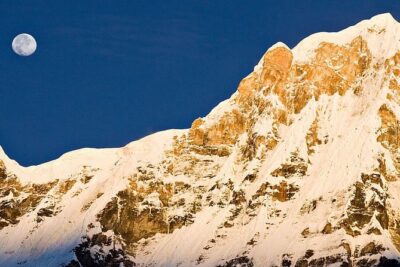
Browse the lists this tour appears in