
Reviewed · ANNAPURNA BASE CAMP TREKS
10 Days Annapurna Base Camp Trekking
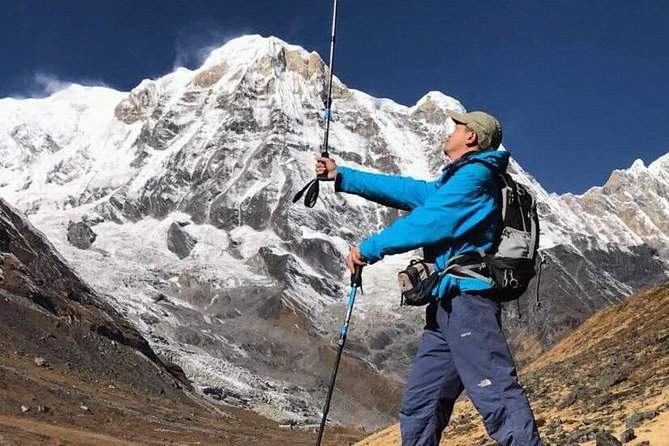
Annapurna Base Camp rewards patient hikers. This 10-day trip balances big mountain moments with very real Nepali village life, and it gets you to Annapurna Base Camp at 4,130m without rushing every single day. I especially like the easy win of the morning flight into Pokhara, because the right-side views of the Himalayas are a nice preview, and I love the payoff day when you stand in front of Annapurna’s steep south face. The only real drawback to plan for is the basic teahouse rhythm, since hot showers and comfort extras are not included.
What makes this package feel practical is the support structure: you get an English-speaking, government-licensed guide, plus a porter setup (one porter for two people), and solid transport back and forth between key towns. One guest specifically called out a guide named Ganesh and described the experience as emotional and fun, which matches what you want from a classic trek like this: clarity on the route, good pacing, and someone who knows how to keep the day from turning into chaos.
In This Review
- 5 Key things you’ll notice on this Annapurna Base Camp trek
- Annapurna Base Camp in limited time, without cutting the heart out
- Day 1 in Kathmandu: the easy start matters on Day 2
- Day 2 flight to Pokhara, trek to Ghandruk: the first real village day
- Day 3 Ghandruk to Chhomrong: Annapurna South and Machhapuchhre in the same frame
- Day 4 Chhomrong to Deurali: bamboo, stairs, and the Modi Khola valley
- Day 5 the big goal day: Deurali to Annapurna Base Camp via Machhapuchhre Base Camp
- Day 6 retrace to Bamboo: a downhill day that still tests your knees
- Day 7 Bamboo to Jhinu Danda: the hot springs payoff
- Day 8 Jhinu Danda to Pokhara by Naya Pul: wrap the trek with an easier day
- Day 9 Pokhara to Kathmandu and the cultural finish
- Day 10 departure: one last smooth handoff
- Price and logistics: what you’re paying for, and what you should budget extra
- Comfort and packing reality: teahouse basics at altitude
- Who this trek suits best, and who might rethink it
- Should you book this Annapurna Base Camp trek?
- FAQ
- Where do I get picked up in Kathmandu and where do I go after?
- Are flights included in the trip?
- What kind of accommodation will I have during the trek?
- Does this tour include a guide and porter?
- What permits are included?
- Is the Nepal visa included?
- Are meals in Kathmandu and Pokhara included?
- Are hot showers and drink costs included?
5 Key things you’ll notice on this Annapurna Base Camp trek
- Scenic flight positioning: the Pokhara flight is part of the “first wow,” with the best views on the right side of the plane.
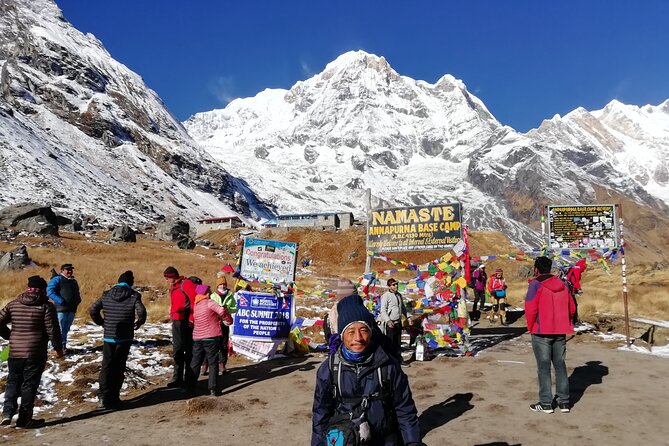
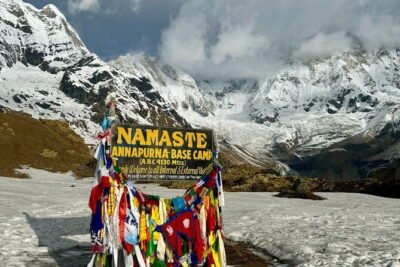
- A true base camp moment: you reach ABC for close-up glacier and moraine views, plus a wide 360-degree feel when skies cooperate.
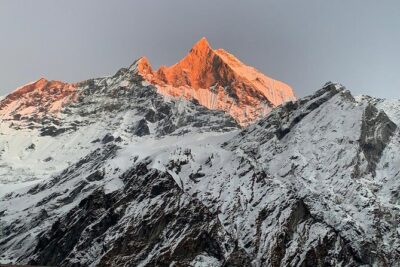
- Machhapuchhre Base Camp stop: you pause at Fishtail’s base area before pushing on to ABC.
- Chhomrong and Deurali villages: you get multiple culture-and-mountain village stops, not just one transit day.
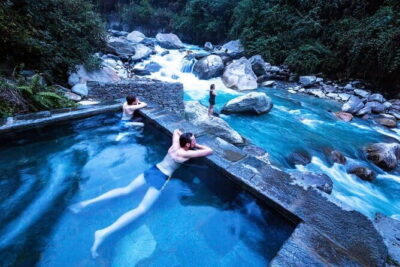
- Jhinu Danda hot springs recovery: a natural soak at the end of the return journey helps reset tired legs.
Annapurna Base Camp in limited time, without cutting the heart out
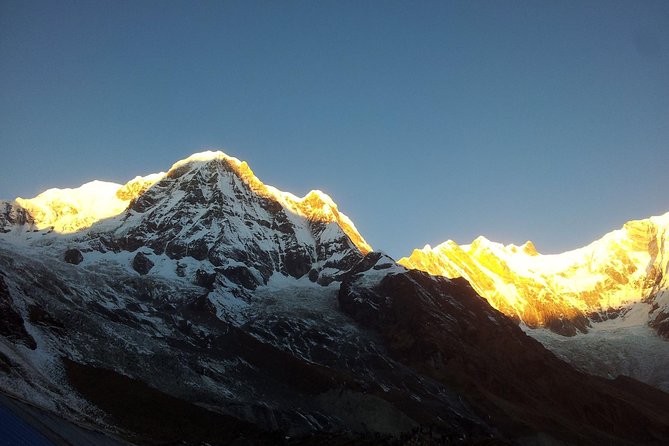
Annapurna Base Camp is one of those hikes that pulls people back year after year, mainly because the scenery is both dramatic and “up close.” This route stays classic, with the same general rhythm you expect on the Annapurna side: you gain altitude gradually through villages, step into denser forest and stone stair sections, then hit the sanctuary zone and make a real day of it on the approach to ABC.
The smart part here is pacing across the 10 days. You do have a longer effort day on the way up, but you also get rest or easier walking blocks on either side so the trip feels doable for hikers with moderate fitness. And because the package includes the domestic flights (Kathmandu to Pokhara and back), you avoid wasting time on an overland slog before you even start trekking.
If your goal is strictly to reach ABC but you do not want a super-long expedition timeline, this is built for that.
More Treks in Kathmandu
- Everest Base Camp Trek – 14 Days
★ 5.0 · 1,499 reviews - Everest Base Camp Trek
★ 5.0 · 842 reviews - Everest Base Camp Trekking
★ 5.0 · 485 reviews
Day 1 in Kathmandu: the easy start matters on Day 2
Day 1 is arrival and setup in Kathmandu, with a representative waiting outside the international arrivals terminal and transferring you to your hotel. This sounds simple, but it matters because you arrive tired and want the first logistics step done cleanly.
Overnight in Kathmandu puts you at a comfortable launch pad for the early flight next morning. Your tour meeting time is listed as 6:15am, so you should expect an early day energy soon after landing, even though Day 1 itself is mostly smooth.
Also, the package uses a mobile ticket, which tends to reduce the “paper chase” stress when you are moving between airport, hotel, and trekking paperwork. Not glamorous, but it helps.
Day 2 flight to Pokhara, trek to Ghandruk: the first real village day
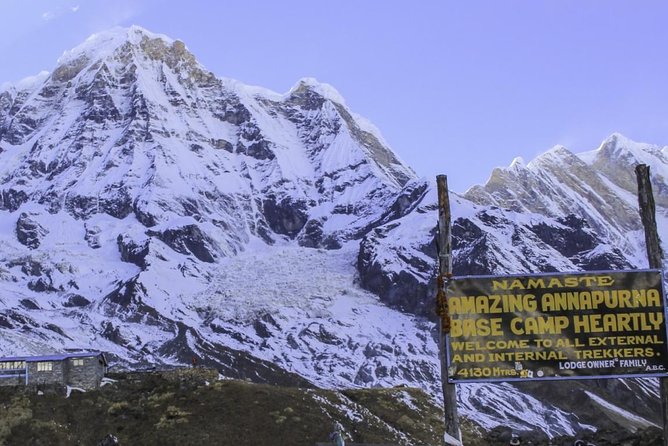
After breakfast, you fly to Pokhara, then drive to Nayapul to begin trekking. The flight is part of the experience here, not just transit. The best views are on the right side of the airplane, and even if you cannot ID every peak, you will get the big sense of scale that makes Annapurna feel real.
Your trek day to Ghandruk starts easy, mostly on wide roads, then finishes with an uphill push. That structure is ideal on Day 2. It gives your body a gentle ramp into walking while still setting up the view-focused villages ahead.
Ghandruk sits at trekking height and is mostly inhabited by Gurung people. If you have time, the option to visit the Gurung museum in the evening is a nice way to add context beyond the trail. The day ends with tea-house lodging, so you keep the evening simple.
Day 3 Ghandruk to Chhomrong: Annapurna South and Machhapuchhre in the same frame
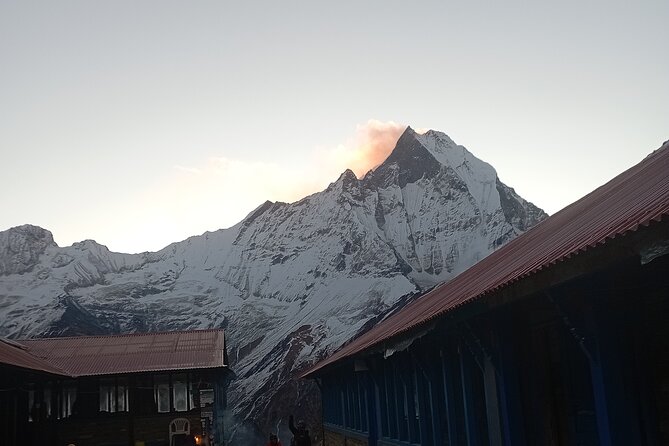
This is one of the classic “mountain-forward” days. You start with big views that can include Annapurna South, Hiunchuli, Machhapuchhre (Fishtail), and Gangapurna. Then the route shifts into a mix of descent, climb, and another descent that threads through Kimrungdanda and toward Chhomrong.
Chhomrong is popular for a reason. It sits high on the flank of the Annapurna massif and gives you that village feeling while keeping glacier-and-ridge views in the background. You also get an overnight in a tea house, which is where you learn the trek’s rhythm: eat early, manage your warmth, and let the altitude do its work without overthinking it.
This day is listed around 5 hours, which is a good length if you keep your pace steady and do not surge just because the views are stunning.
More Annapurna Base Camp treks:
- Annapurna base camp trek 5 Days
★ 5.0 · 252 reviews - 14-Day Private Annapurna Base Camp Trek
★ 5.0 · 180 reviews - Annapurna Base Camp Trekking
★ 5.0 · 116 reviews - Annapurna Base Camp Trek
★ 5.0 · 111 reviews
Day 4 Chhomrong to Deurali: bamboo, stairs, and the Modi Khola valley
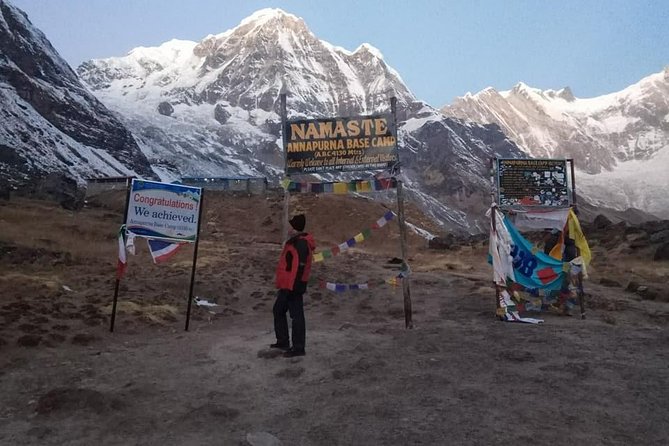
Day 4 is where the trail becomes more “trail-y.” You leave Chhomrong, cross the river on a suspension bridge, then trek uphill above the Modi Khola on the west bank. That valley positioning matters because you get repeated views down the gorge while the trail gradually pulls you higher.
The route passes through Kuldi, then Tilche and Sinuwa, before a steep stone staircase toward Bamboo. Lunch is planned around this bamboo area section, then you continue along the Modi Khola valley through dense bamboo forest with occasional stream crossings.
There is also a specific landmark on the way: Hinko Cave at around 3,160m. After that, Deurali is only about 30 minutes away, which is helpful at the end of a long uphill effort.
This is a day to respect. Even when the overall hours feel manageable, stair sections at altitude can steal your energy fast. I like to keep my breathing controlled and let the guide set the pace.
Day 5 the big goal day: Deurali to Annapurna Base Camp via Machhapuchhre Base Camp
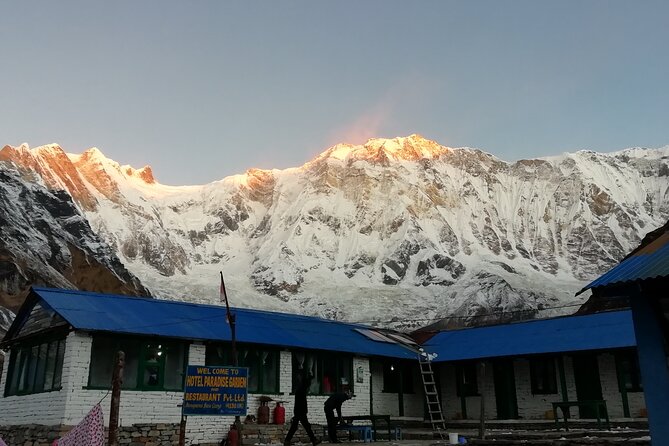
This is the emotional centerpiece of the trek. You climb from Deurali through Bagar and toward a place described as Avalanche, then keep moving until you start seeing the Himalayas very close. The trail turns left toward Machhapuchhre Base Camp, and you stop for lunch there with serious mountain scenery around you.
After lunch, it is a final push into Annapurna Sanctuary. The description here is clear: vegetation and settlement fade, the path opens up, and the setting becomes more stark and glacial. When you reach ABC, the views are meant to include icy glaciers and moraines, plus the idea of a 360-degree panorama when conditions are right.
There’s also a neat historical detail tied to Annapurna’s south face. The itinerary notes a 1970 climb of that face by Don Whillans and Dougal Haston, led by Chris Bonington. You do not need to memorize dates, but it’s a reminder that this is not just scenery. It is a real climbing stage that has drawn major expeditions.
How much you see depends on weather. One guest mentioned that even on an overcast day they still saw mountains and got a short window for sunrise-like colors. Translation for you: clouds can block parts of the view, but the sky can also break at key moments, so do not lock yourself into one expectation.
Day 6 retrace to Bamboo: a downhill day that still tests your knees
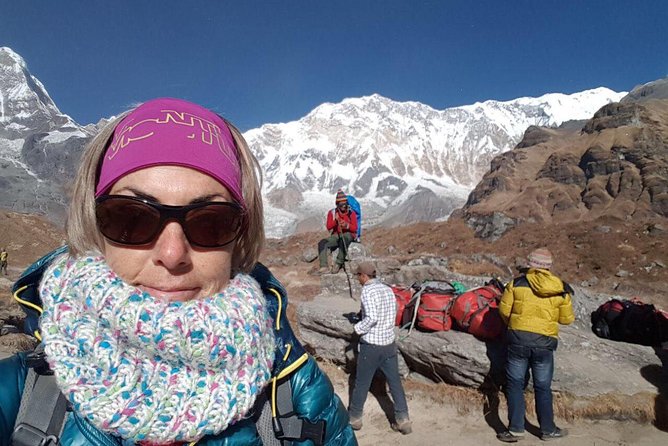
After ABC, the trail turns into a mostly downhill return. You go back through the same sections you used to reach the sanctuary, including Machhapuchhre Base Camp, Deurali, Himalayan Hotel, and Doban, then down to Bamboo for the night.
Downhill sounds easier than it is. At altitude, your legs can feel fine on day start and then turn heavy by mid-afternoon. This is where good pacing and trekking pole use (if you have them) can make a noticeable difference. I also recommend not taking giant steps on stone sections, because knee strain is the classic downside of a base camp finish.
Your reward on this day is recovery. You still earn your evening rest, but you are not climbing toward new heights. You are resetting.
Day 7 Bamboo to Jhinu Danda: the hot springs payoff
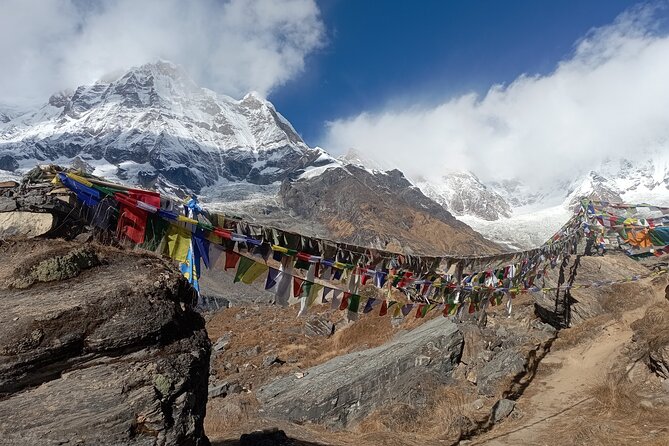
Day 7 brings you toward Khuldighar, with a climb up to Khuldigar and then descent toward Chhomrong Khola. After more downhill, you reach Jhinu Danda, where natural hot water springs are available.
This is one of the most practical elements of the itinerary. You are not just celebrating with a scenic day. You have a specific recovery tool at the end of walking, and it can help with aching legs, which is what many people are dealing with after the ABC push and the downhill return.
You overnight in a tea house at Jhinu Danda. That keeps things consistent, and it means you can focus on rest rather than hauling in extra comfort gear.
Day 8 Jhinu Danda to Pokhara by Naya Pul: wrap the trek with an easier day
On Day 8 you hike toward Naya Pul, then drive to Pokhara. The walking portion is listed around 5 hours, and the drive adds about an hour.
The trail includes a nice scenic variety through hill areas, with Shauli Bazaar mentioned at around 1,140m and a stop around Birethanti at 1,065m for lunch. Birethanti is described as a busy riverside area where many trekkers start and finish, so you get that end-of-trek buzz.
Pokhara overnight gives you real downtime. This is also the day for last-minute shopping if you want it.
I like that this day ends in a real city, not another high-altitude stop. It helps you come down mentally as well as physically.
Day 9 Pokhara to Kathmandu and the cultural finish
Day 9 brings a short flight back to Kathmandu, then transfer to your hotel in Thamel. Thamel is the classic tourist base area, and it’s the easiest place to handle practical needs like snacks, souvenirs, and final transport questions.
The itinerary also includes a cultural dinner as part of the successful completion of your Nepal trip. There is also a separate inclusion for a farewell dinner with a Nepali family. Even if the exact format depends on how your operator arranges it, the intent is consistent: you end the trek with a human, local moment rather than just a final hotel night.
One of the stronger signals from guest feedback is that service detail matters, from pickup to hotel transfers. When that part is handled well, your trek feels lighter from start to finish.
Day 10 departure: one last smooth handoff
Day 10 is drop-off to the international airport, timed so you leave about 3 hours earlier based on your flight. This is the kind of small detail that prevents last-minute stress, especially if you have an international connection where timing gets tighter.
So you get a full circle: Kathmandu arrival support, guided trekking days with tea-house meals, flights between mountain and city, then a controlled exit.
Price and logistics: what you’re paying for, and what you should budget extra
At $1,290 per person for an approximate 10-day trek, this package is not cheap, but it is also not just paying for “walking.” You’re paying for the infrastructure that makes a trek function smoothly:
- Hotel stays in Kathmandu and Pokhara at 3-star category with breakfast
- Both-way flights Kathmandu to Pokhara and back
- Trekking accommodation in tea houses with breakfast, lunch, and dinner included during the trek
- A licensed English-speaking guide plus porter support (one porter for two people)
- TIMS permit and various government taxes and office expenses
- Farewell/cultural dinners included
What is not included is where hikers often get surprised:
- Your Nepal entry visa fee and photos
- International airfare and travel insurance
- Drinks and snacks along the route (tea/coffee/bottles drinks, sweets are listed as not included)
- Hot shower, camera battery charging, phone calls, and cold drinks
- Tips for guide and porter
So my value test is this: you are paying for the mountain logistics and the human support, not for daily luxury. If you plan your budget for drinks and a few charging fees, the overall package feels like a solid deal for a classic Annapurna itinerary.
Comfort and packing reality: teahouse basics at altitude
Because hot showers and battery charging are not included, plan on a more old-school routine. You will get meals and a place to sleep, but comfort extras cost money. Cold evenings are also typical on higher trekking days, and tea houses are usually about warmth from layers and shared heat, not spa-level comfort.
Also, the trek includes sections of dense bamboo forest and steep stone staircases, plus suspension bridge crossings. That means you want footwear that grips well and socks you can trust. If you bring poles, you will likely use them on downhill segments like Day 6 and stone-stair days like parts of the approach.
The practical trick is to pack for self-sufficiency on small costs. Since tea and coffee and bottled drinks are not included, keep some cash for what you want on the trail, but do not overload your bag. Your guide will also manage the day’s movement, so you can keep focus on walking and hydration.
Who this trek suits best, and who might rethink it
This trek fits well if you:
- Want a classic Annapurna Base Camp route with a time-limited schedule
- Prefer guided support and porter help
- Are comfortable with moderate fitness and long walking days around 4 to 7 hours depending on day
- Like village culture as much as mountain views, since you sleep in Ghandruk, Chhomrong, Deurali area, Bamboo, and Jhinu Danda
It may be less ideal if you need high comfort standards, because teahouse lodging is basic and hot showers are not included. It is also not designed as a relaxed walk with short segments every day. You are working for ABC, even though the days are paced with some logic.
Should you book this Annapurna Base Camp trek?
If your top goal is Annapurna Base Camp, plus the chance to see Machhapuchhre (Fishtail) in the same journey, I think booking makes sense. The structure is strong: flight into Pokhara, classic village progression, a clear “big day” for ABC, then a manageable return with Jhinu Danda hot springs.
I would book with confidence if you can accept tea-house simplicity and you plan a little budget for drinks, charging, and hot shower extras. If that is you, you get a classic trek with the kind of human support that makes the difference between a tough trip and a memorable one.
FAQ
Where do I get picked up in Kathmandu and where do I go after?
A representative will meet you outside the international arrival terminal gate in Kathmandu and transfer you to your hotel.
Are flights included in the trip?
Yes. The package includes both-way flights between Kathmandu and Pokhara.
What kind of accommodation will I have during the trek?
You stay in teahouse or lodge accommodations during the trek, including breakfast, lunch, and dinner.
Does this tour include a guide and porter?
Yes. You get an English-speaking trained, government-licensed guide. A helpful porter is included, with one porter for two people.
What permits are included?
The tour includes the TIMS permit.
Is the Nepal visa included?
No. The Nepal entry visa fee is not included, and you can issue the visa on arrival at Kathmandu Airport. The information provided says you need 2 passport size photos and $40.
Are meals in Kathmandu and Pokhara included?
Lunch and dinner in Kathmandu and Pokhara are not included. Breakfast is included at the listed hotel category, and meals on the trek are included via teahouses.
Are hot showers and drink costs included?
Hot shower is not included, and tea/coffee, bottles drinks, cold drinks, and sweet things are also listed as not included.
Latest additions near Kathmandu
- White Water River Rafting – 1 Day★ 4.3 · 3 reviews
- Traditional Momo Making Class★ 5.0 · 10 reviews
- Kathmandu to Pokhara Premium sofa bus ticket★ 4.0 · 17 reviews
- Ghorepani Poon Hill Trek★ 5.0 · 16 reviews
- Amazing 1 Day Trekking Experience in Kathmandu Nepal★ 5.0 · 24 reviews
- Ghorepani Poonhill Trek★ 5.0 · 5 reviews
- Walking tour of real Kathmandu through back streets.★ 5.0 · 3 reviews
- Wildlife Adventure in Chitwan Nepal★ 4.0 · 4 reviews
Annapurna Base Camp Treks, compared.
Kathmandu to Annapurna Base Camp (ABC) 5-Day Trek
Read our review →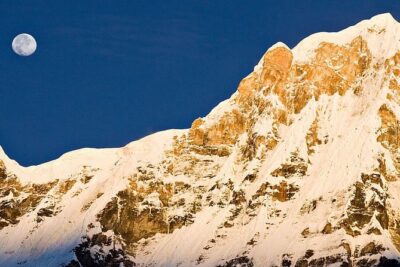
Browse the lists this tour appears in