
Reviewed · ANNAPURNA BASE CAMP TREKS
10 days Annapurna Base Camp Trek
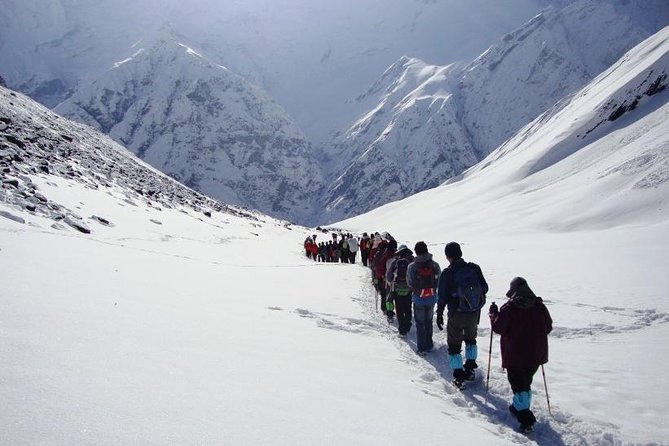
Annapurna Base Camp gets steep fast. This 10-day trek strings together teahouse nights and a professional guide (including names like Pasang that show up in past feedback), while keeping the logistics organized from Kathmandu to Pokhara and back. My only caution is the physical side, those long uphill stretches can be tough on the knees, so plan ahead.
I like how the route moves in a sensible rhythm: days with steady climbing, then down days that help you recover, then the push to base camp. You also travel with a small group, up to 8 people, and you get a mix of forest, bamboo, and ridge viewpoints that make the trek feel like more than just one big hike.
In This Review
- Key things I’d watch before you go
- The Big Picture: Kathmandu, Pokhara, and the Annapurna Base Camp Arc
- Day 1 in Kathmandu (Thamel): light start, real setup
- Day 2 to Ghandruk: the first climb and why poles are not optional
- Day 3 to Chhomrong: steep work, then reward views
- Day 4 to Dovan: Machhapuchare sightings and a bamboo-forest change of mood
- Day 5 to Deurali: waterfalls, caves, and forests that keep you moving
- Day 6 to Annapurna Base Camp: the summit day feeling, without pretending it is easy
- Day 7 to Jhinu Danda: down through rhododendron, then a softer landing
- Day 8: from the Modi River route to Nayapul, then Pokhara comfort
- Day 9 to Day 10: Pokhara back to Kathmandu, then free time
- What your money pays for: value at $1,598 per person
- Lodges, meals, and equipment: the comfort tradeoffs you should expect
- Who this trek suits best, and who should think twice
- The small but important details that make the trek smoother
- Should you book this 10-day Annapurna Base Camp trek?
- FAQ
- How long is the Annapurna Base Camp trek, and how many days are on foot?
- What is included in the $1,598 per person price?
- Do I need a trekking permit and park fees?
- What fitness level do I need?
- Is food included during the trek?
- What is the cancellation and weather situation?
Key things I’d watch before you go
- Small group size (max 8), which usually means more personal attention on trail days
- Knees-first terrain on Day 2, with the stone path climb, so bring walking poles
- Annapurna Sanctuary approach at Dovan, including wet bamboo forest and great “gateway” energy
- Base camp route via Machhapuchhre Base Camp, with an extra viewpoint-style stop built into the day
- Pokhara recovery included, hotel time after trekking plus a lakeside reset
The Big Picture: Kathmandu, Pokhara, and the Annapurna Base Camp Arc
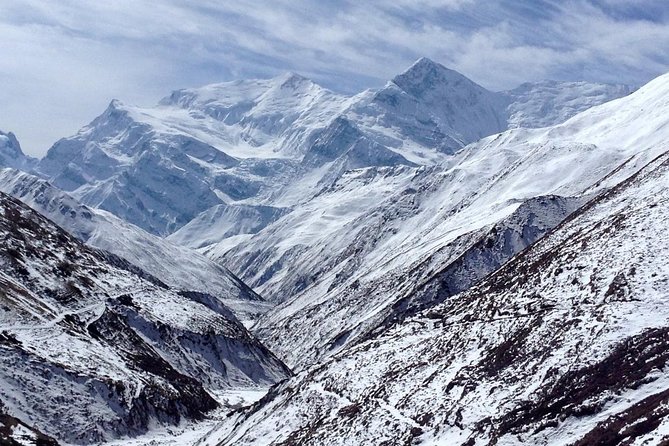
This itinerary is built like a classic Annapurna rhythm: arrive in Kathmandu, fly to Pokhara, then walk for several days through villages and forest, reach Annapurna Base Camp around Day 6, and finally work your way downhill back to Nayapul and Pokhara. The last stretch is about switching from trekking mode to comfort mode, with hotel time in Pokhara before you head back to Kathmandu for a bit of city freedom.
The value here is not just the trekking. You are covered for the big moving parts, including the Kathmandu to Pokhara flight, private ground transport, national park fees and TIMS permits, and a professional trekking guide. That matters because Annapurna gets complicated if you try to DIY everything.
More Treks in Kathmandu
- Everest Base Camp Trek – 14 Days
★ 5.0 · 1,499 reviews - Everest Base Camp Trek
★ 5.0 · 842 reviews - Everest Base Camp Trekking
★ 5.0 · 485 reviews
Day 1 in Kathmandu (Thamel): light start, real setup
You land at Tribhuvan International Airport and get met by a representative who escorts you to your pre booked hotel in Thamel. The rest of Day 1 is free time to get your bearings, sort out what you need for the trail, and let jet lag do what it does.
Why I like this start: you avoid the stress of figuring out Kathmandu transport and lodging while you are still adjusting to altitude and schedule. You also get a calm buffer day, which is handy when you have gear to organize or want to grab a few trail essentials.
A small note: you will be traveling as a group, so you should expect a set schedule rather than total spontaneity once the trek begins.
Day 2 to Ghandruk: the first climb and why poles are not optional
After the flight to Pokhara, your trek begins near Kimche, outside town. The first day follows a stone pathway that is mostly climbing, and it is long enough that your knees will feel it if you do not use smart support.
On the way you pass Kimche Village and then continue until you reach Ghandruk. Ghandruk is one of those places that feels like a proper village base, with enough lodge options and atmosphere that your first night on trek does not feel like survival camping.
If you take one piece of advice from this itinerary, take this: bring walking poles. The route is described as tough on knees for this kind of stone climbing, and poles can turn a painful day into a manageable one.
Day 3 to Chhomrong: steep work, then reward views
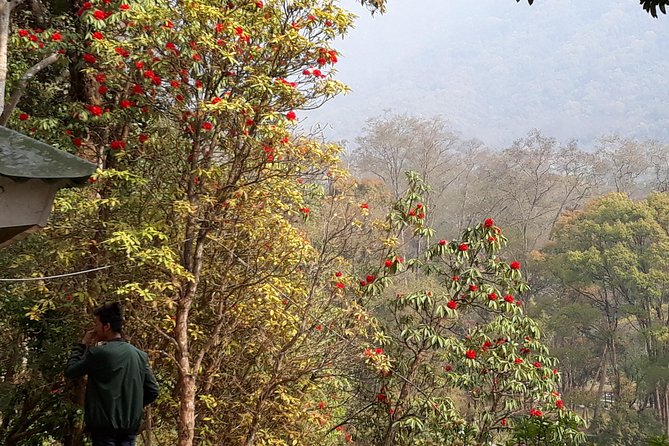
Day 3 starts with an ascent, then drops to cross the Kimrong Khola by bridge. You climb again toward Taulung, and then the long steep pull continues to join the main trail leading into Chhomrong.
The highlight on this day is the ridge area above the main valley, where vultures and large birds are often spotted, plus you get dramatic views as you descend to Chhomrong (2060m). Chhomrong is the last major settlement before the sanctuary area, so it feels like a milestone town on the route.
What to keep in mind: this is still a 6-hour day. Even if the scenery is incredible, do not underestimate the effort. Trek success is often about pacing, not speed.
More Annapurna Base Camp treks:
- Annapurna base camp trek 5 Days
★ 5.0 · 252 reviews - 14-Day Private Annapurna Base Camp Trek
★ 5.0 · 180 reviews - Annapurna Base Camp Trekking
★ 5.0 · 116 reviews - Annapurna Base Camp Trek
★ 5.0 · 111 reviews
Day 4 to Dovan: Machhapuchare sightings and a bamboo-forest change of mood
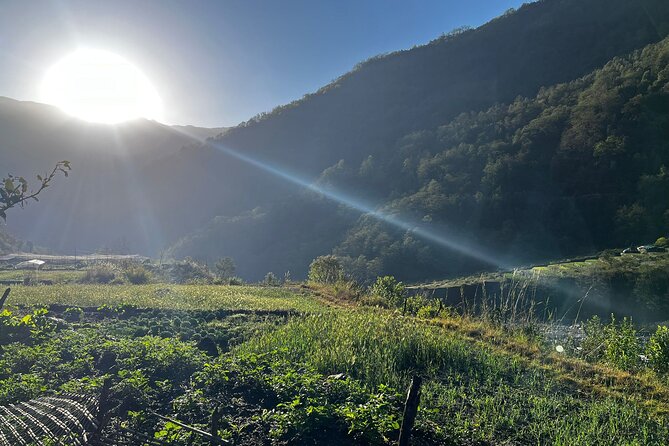
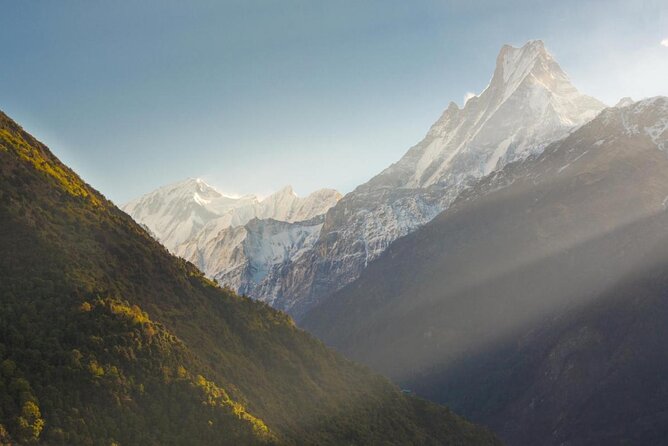
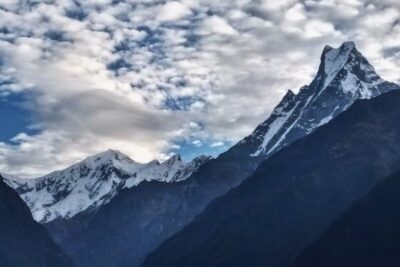
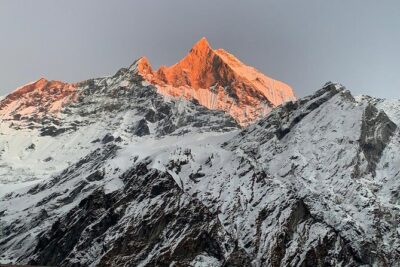
You begin by descending to cross the Chommrong Khola by suspension bridge. The views are a big deal here, with Machhapuchare and Annapurna South called out as standout sights.
Then you move through oak and rhododendron forests, reaching a teahouse on a ridge at Sinuwa (2350m). From there the climb continues more gradually toward Kuldigharth (2470m), with lunch at the Bamboo Hotel (2340m). In the afternoon you keep ascending toward Dovan, described as an unofficial gateway into the sanctuary, and you walk through wet bamboo forest to reach your accommodation.
Why Dovan matters: this is where the trek starts to feel more remote and more “high-country.” The bamboo forest shift also signals that you are heading deeper into the Annapurna Sanctuary approach, not just moving between villages.
The drawback to plan for: wet bamboo forest often means damp trail conditions. Go ready to handle muddy footing and clothing that stays wetter than you expect.
Day 5 to Deurali: waterfalls, caves, and forests that keep you moving
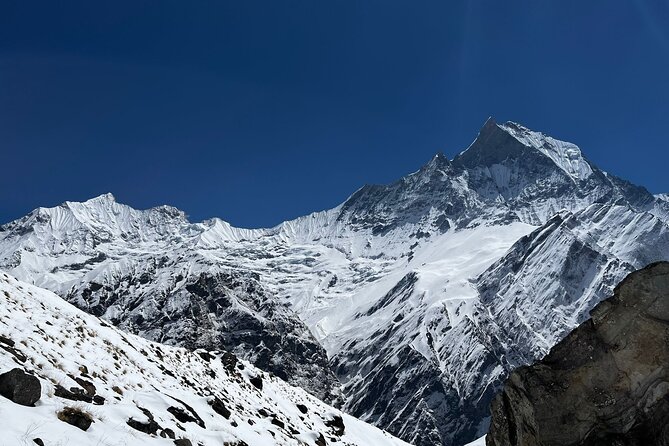
Day 5 is around 5 hours, and it is another day shaped by scenery. You pass waterfalls, caves, forests, and villages before reaching Deurali.
This is one of those days that can feel easier on paper but still asks for attention on your footing. If you have a habit of rushing, Day 5 is a good day to slow down, keep your steps controlled, and let the day pass without spiking fatigue.
A plus: Deurali is typically a place where you feel like you are getting higher and closer, even if you do not hit the big base camp milestone yet.
Day 6 to Annapurna Base Camp: the summit day feeling, without pretending it is easy
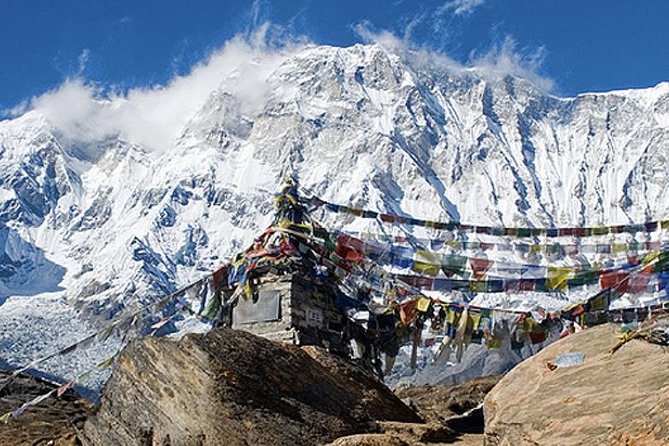
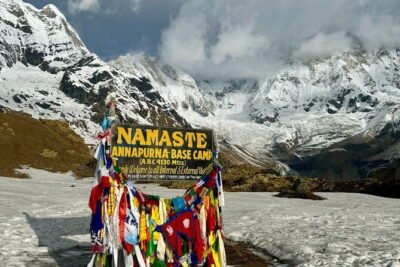
Day 6 is the big one. You head to Annapurna Base Camp via Machhapuchhre Base Camp, and then you descend down to Machhapuchhre Base Camp for the night stay at lower altitude.
That detail matters. Many treks make you sleep at the highest altitude you reached that day. Here, the plan is to reach base camp and then come down for the night, which can help you avoid feeling wrecked the moment you arrive.
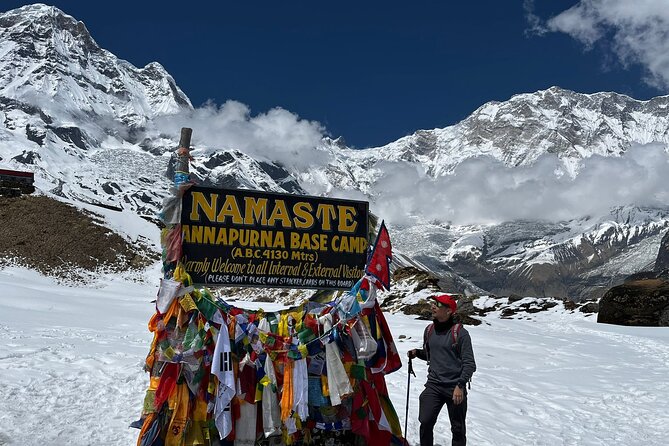
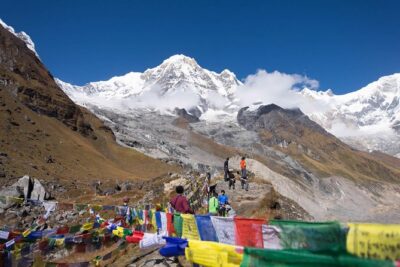
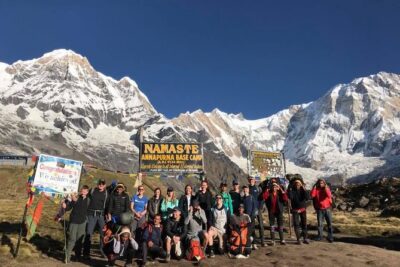
If you are chasing the classic Annapurna moment, this is it. You are likely to feel a mix of excitement and exhaustion. Do not plan on taking this day too fast. Give yourself time to adjust your pace at altitude and enjoy the viewpoint moments when you get them.
Day 7 to Jhinu Danda: down through rhododendron, then a softer landing
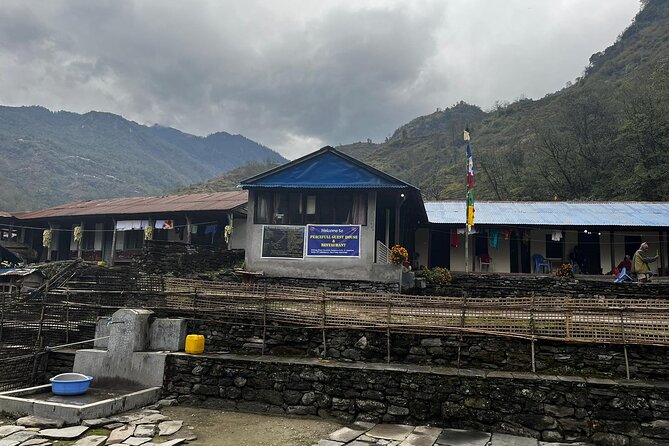
You descend through rhododendron forest and continue onward to the Chhomrong River and Chhomrong Village, then reach Jhinu Danda for overnight.
This is a key transition day. After base camp, people often want a big celebration. The itinerary gives you a calmer path, mostly downhill, so you can process the win of reaching base camp while your body starts recovering.
Expect a 6-hour day anyway. Downhills can be rough, especially if your quads are already tired.
Day 8: from the Modi River route to Nayapul, then Pokhara comfort
Day 8 brings you back toward civilization. You descend to the Kimrong Khola and cross it, then tackle a short ascent. After that you follow the Modi River until you reach Nayapul, where you meet your bus and drive to Pokhara.
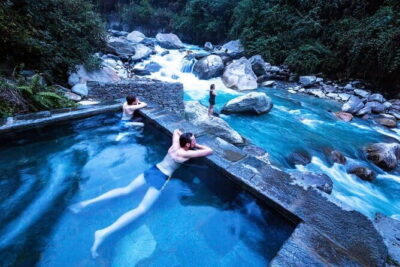
Once you arrive, you get the part that makes trekking feel worth it: a hot shower and relaxation at your Pokhara hotel, plus time to stroll around the lakeside.
Why this recovery day is worth valuing: your body has been working hard for more than a week. A real shower and a comfortable bed can mean the difference between feeling proud versus feeling permanently cranky.
Day 9 to Day 10: Pokhara back to Kathmandu, then free time
Day 9 is a drive by tourist bus from Pokhara back to Kathmandu. In the evening you have a farewell dinner with an Eve Holidays representative at a traditional Nepalese restaurant.
Day 10 is your own time in Kathmandu, and you are dropped to the airport at your flight time. This is a helpful end, because it lets you make the trip feel like more than a transit chain.
What your money pays for: value at $1,598 per person
At $1,598 per person, this trek is priced like a guided, permit-supported package, not a bare-bones adventure. The value shows up in the items that are annoying and expensive to arrange yourself.
Here is what is clearly included:
- 9 nights accommodation on a twin share basis, split between hotels in Kathmandu and Pokhara and lodges during the trek
- Kathmandu to Pokhara flights, including airport departure taxes
- National park fees and TIMS
- Professional trekking guide, plus their salary, food, and accommodation
- All ground transportation in a comfortable private vehicle
- Permits paperwork, handled for you
- Trekking equipment included
- Meals: breakfast in 9 days, lunch in 6 days, dinner in 8 days
What is not included: food and drinks beyond what is specified. That is normal for trekking, but it is worth budgeting for snacks, hot drinks, and any extra meals outside the plan.
My practical take: you are paying for reduced friction. That includes permits, transport, and meal planning during most days. If you want an organized trek with a guide and solid logistics, the price makes sense. If you prefer total DIY freedom, you may find the package feel more structured than you want.
Lodges, meals, and equipment: the comfort tradeoffs you should expect
During the trek, you stay in lodges and teahouses, which means your room will be simple and your warmth will depend on how you layer up. Your included meals are lunches and dinners on set days, plus breakfast most mornings.
Equipment being included is a big plus. It reduces the chance you arrive without something critical. That said, you should still plan your personal gear carefully, especially anything related to layers and foot comfort.
One more value point: because meals and lodging are handled, you can focus on the walk instead of hunting down options day after day.
Who this trek suits best, and who should think twice
This is a great fit if you want:
- a guided Annapurna Base Camp trek in 10 days
- village and forest variety, including oak and rhododendron and the wet bamboo forest feel around Dovan
- an itinerary that includes a clear finish back in Pokhara with comfort time
It might be a harder match if you have:
- knee issues or lower-body sensitivity, since Day 2 and other segments include climbs where poles are recommended
- limited stamina, because the itinerary includes multiple 5 to 6 hour days on top of elevation changes
The tour calls for moderate physical fitness, which is a fair match for most healthy hikers. If you are unsure, I would treat this as a training incentive, not a casual walk.
The small but important details that make the trek smoother
A small group size, up to 8 people, can matter more than you think. It helps with pacing, questions for your guide, and not feeling like you are competing for attention when conditions change.
Also pay attention to the flow of the day schedule. You are rarely traveling all day in a single chunk. The walk days are planned around several hours, with enough structure to keep you from overheating or under-fueling.
And for the gear decision: if you are deciding between bringing poles and not bringing poles, I would lean toward bringing them. The route itself flags knee stress, and that is exactly where poles help.
Should you book this 10-day Annapurna Base Camp trek?
I think you should book this trek if you want a guided, structured path to Annapurna Base Camp with permits handled, transport taken care of, and time built into Pokhara for recovery. The itinerary also includes the kind of route variety you want on a 10-day trek, ridge views, bamboo forest, and a base camp day that is paired with a downshift to sleep at Machhapuchhre Base Camp.
You may want to pass if you know you cannot handle long uphill segments or if you want a fully flexible itinerary. Trekking always has uncertainty with weather, and this kind of guided schedule depends on conditions.
If you do book, focus on what pays off most: train your legs, bring poles, pack layers, and treat Pokhara’s comfort time as part of the trek, not an afterthought.
FAQ
How long is the Annapurna Base Camp trek, and how many days are on foot?
The experience is about 10 days total. Trekking runs from Day 2 through Day 8, with travel and city time on Days 1, 9, and 10.
What is included in the $1,598 per person price?
Your package includes 9 nights accommodation (twin share), Kathmandu to Pokhara flight with departure taxes, national park fees and TIMS, a professional trekking guide, private vehicle ground transportation, trekking equipment, permits paperwork, and meals (breakfast 9 days, lunch 6 days, dinner 8 days, where specified).
Do I need a trekking permit and park fees?
Yes. National park fees and TIMS are included, and permits and paperwork are handled for you.
What fitness level do I need?
The tour is listed for travelers with a moderate physical fitness level.
Is food included during the trek?
Meals are included on most days as specified: breakfast is included for 9 days, lunch for 6 days, and dinner for 8 days. Food and drinks beyond what is specified are not included.
What is the cancellation and weather situation?
Free cancellation is offered, with a full refund if you cancel at least 24 hours before the experience start time. The experience requires good weather, and if it is canceled due to poor weather you will be offered a different date or a full refund.
Latest additions near Kathmandu
- White Water River Rafting – 1 Day★ 4.3 · 3 reviews
- Traditional Momo Making Class★ 5.0 · 10 reviews
- Kathmandu to Pokhara Premium sofa bus ticket★ 4.0 · 17 reviews
- Ghorepani Poon Hill Trek★ 5.0 · 16 reviews
- Amazing 1 Day Trekking Experience in Kathmandu Nepal★ 5.0 · 24 reviews
- Ghorepani Poonhill Trek★ 5.0 · 5 reviews
- Walking tour of real Kathmandu through back streets.★ 5.0 · 3 reviews
- Wildlife Adventure in Chitwan Nepal★ 4.0 · 4 reviews
Annapurna Base Camp Treks, compared.
Kathmandu to Annapurna Base Camp (ABC) 5-Day Trek
Read our review →
Browse the lists this tour appears in