
Reviewed · ANNAPURNA BASE CAMP TREKS
10 Days Annapurna Base Camp Trek from Kathmandu
Ten days, one huge goal: Annapurna Base Camp. This trek is interesting because the plan takes care of the heavy logistics, from Kathmandu to Pokhara transfers to permits, while your licensed English guide keeps the safety details handled. You still get the big payoff too, with Himalayan views and that talked-about sunrise feeling at the base camp.
I especially like the village-to-village rhythm: Ghandruk, Chhomrong, Bamboo, and Deurali are spaced so you can enjoy the scenery and break up the effort. Another win for me is the comfort structure at the start, with two nights in a 2-star Pokhara hotel with breakfast, plus bus and vehicle connections that mean fewer hours playing taxi roulette.
One consideration: this is a serious walking route with steep climbs and descents, and the day to reach base camp includes sections known for avalanches. If you have limited trekking tolerance or hate nonstop uphill, you’ll want to think hard before you sign on.
In This Review
- Key Highlights You’ll Actually Feel on This Trek
- Why This 10-Day ABC Route Starts with Pokhara
- Ghandruk and Chhomrong, Where the Trek Gets Real
- From Chhomrong to Bamboo, and Then Up the Rhododendron Forests
- Annapurna Base Camp Day, the One You’ll Remember for Years
- Jhinu Danda’s Steps and the Day That Feels Like a Relief
- The Kathmandu Return, Plus What That 7-Hour Ride Means
- Price and Logistics: What $490 Covers, and Where Your Budget Still Needs Attention
- Guide Quality Is the Difference Maker, Krishna, Biru, Milan, and Amrit
- Who This Trek Is For (and Who Should Think Twice)
- Final Verdict: Should You Book This Annapurna Base Camp Trek?
- Quick check before you decide
- FAQ
- What is the total duration of the trek?
- Where does the experience start?
- What is included for transport between Kathmandu and Pokhara?
- How many nights are included in Pokhara?
- Is a trekking permit included?
- Do I get an English speaking trekking guide?
- Is the tour private?
- Is food included in the price?
- Are gratuities included?
- What is the start time?
- FAQ
- What happens if I cancel?
- Is there flexibility for extra stops like hot springs?
Key Highlights You’ll Actually Feel on This Trek
- Government-licensed English speaking guide with an emergency normal first aid kit included
- Built in transport ease: Kathmandu to Pokhara by tourist bus, plus private vehicle transfers on key legs
- Classic scenery route through Gurung villages, bamboo and rhododendron forests, and high alpine zones
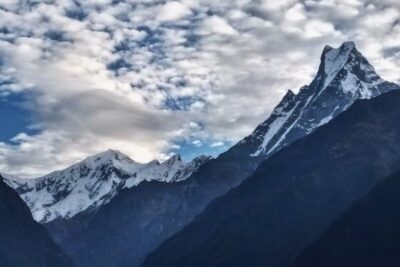
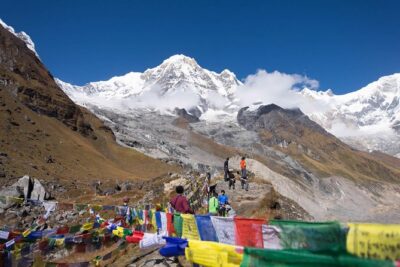
- High point payoff at Annapurna Base Camp with stunning peak views and sunrise potential
- A real descent day (about 1,700m down to Bamboo) that helps you return without repeating every climb
- Food not included, so budgeting meals and drinks is part of your planning
Why This 10-Day ABC Route Starts with Pokhara
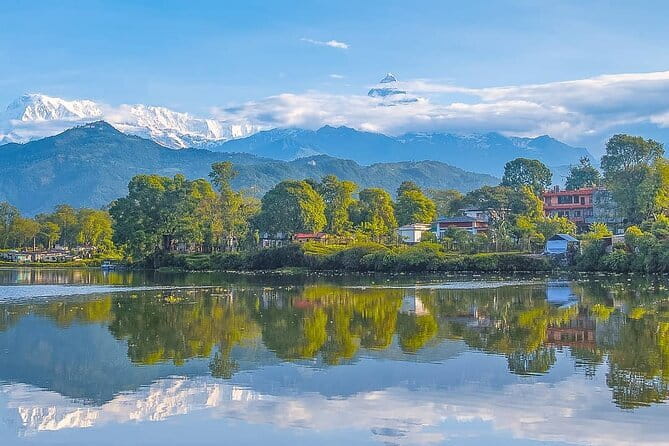
You begin with a road day that’s long, but it does one important thing: it sets you up for the trek without jumping straight into altitude pressure. On day 1, the group is picked up from your hotel early, then you ride about seven hours to Pokhara. Once there, you can rest, eat normally, and get your trekking mindset in place before the long trail days begin.
Pokhara also gives you a buffer day style of travel. The tour includes two nights in a 2-star hotel in Pokhara with breakfast, which matters when you’re about to spend days hiking between small villages. You’re not just traveling through Nepal, you’re getting time to recover and pack smarter, especially for layers.
The transport mix is also practical. You’re using a tourist bus (listed as luxury sofa seat), which is a big step up from the uncomfortable “hoping for the best” rides some people endure. Hotel pickup and drop-off are included too, which saves time and confusion the morning you depart and the day you return.
More Treks in Kathmandu
- Everest Base Camp Trek – 14 Days
★ 5.0 · 1,499 reviews - Everest Base Camp Trek
★ 5.0 · 842 reviews - Everest Base Camp Trekking
★ 5.0 · 485 reviews
Ghandruk and Chhomrong, Where the Trek Gets Real
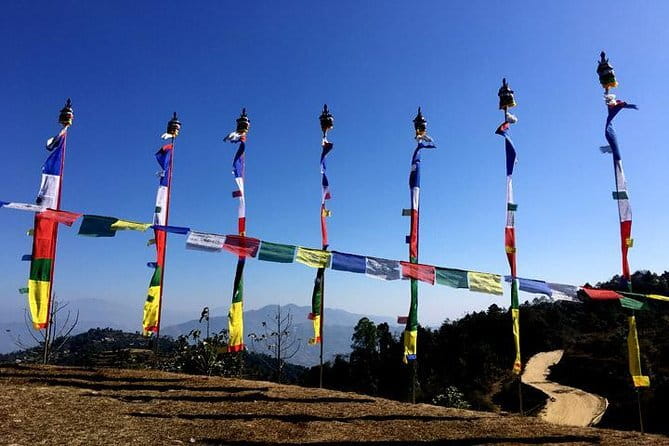
Day 2 is your first major hike. From Pokhara, the route goes by taxi or car to Nayapul, then you start walking toward Ghandruk via Sauli Bazar. The trek time listed is about 5 to 7 hours, and it’s described as a steep hill trail. This is one of those days where your legs will tell you the truth fast. If you pace yourself, you’ll be rewarded with the kind of village views that make early effort feel worth it.
Ghandruk is a classic stop on the Annapurna circuit side routes, and this itinerary leans into the human side. You’re not just hiking through scenery, you’re walking through a place where daily life is shaped by the mountains. It’s the kind of stop that helps you understand how trekking fits into local schedules.
Day 3 brings you to Chhomrong, around 6 hours. The route notes ascending and descending through Kumrong danda before reaching the village. Importantly, the tour highlights the typical Gurung people lifestyle and the natural attractions around the area. That matters because Annapurna Base Camp is the headline, but the route is where you get the cultural texture.
This is also where I’d suggest you start paying attention to your own pace and hydration. You’ll feel the rhythm of up-down trails here, and it continues all the way through the midsection of the trek.
From Chhomrong to Bamboo, and Then Up the Rhododendron Forests
Day 4 is the “down and up” day. After breakfast in Chhomrong, the trail drops steeply to Chhomrong Khola, then there’s a steep climb after crossing the stream. Expect multiple uphill and downhill sections, with the day estimated around 6 hours.
This is a useful day for first-time trekkers because it teaches you how to handle changing trail grades. If you’ve never walked downhill with a pack before, this is where you’ll learn quickly. Keeping a steady cadence is better than forcing speed. Your guide is there for route decisions and safety, and the tour includes a government-licensed guide, which you should treat as a comfort, not just a checkbox.
Day 5 takes you to Deurali (about 7 hours). The route description mentions bamboo and rhododendron forests and says the trail from Dovan to Deurali is short and beautiful. You’re also told you may see majestic peaks welcoming you on the way.
For me, this is a psychological turning point day. You move from village life into more forested high terrain, and you start getting more frequent glimpses of the Annapurna range. The day is long enough to matter, but the forest path helps the trek feel varied instead of like one long grind.
Annapurna Base Camp Day, the One You’ll Remember for Years
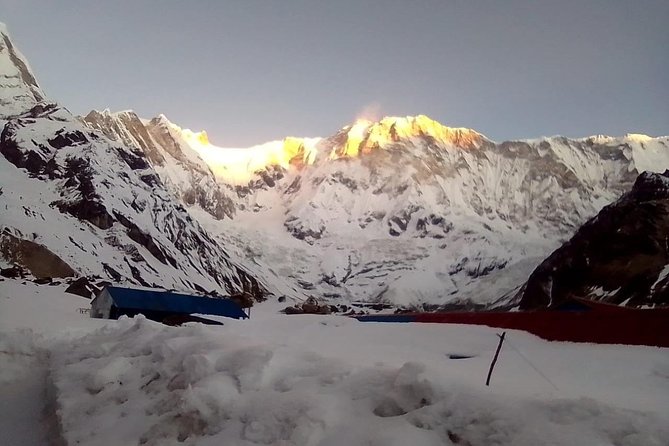
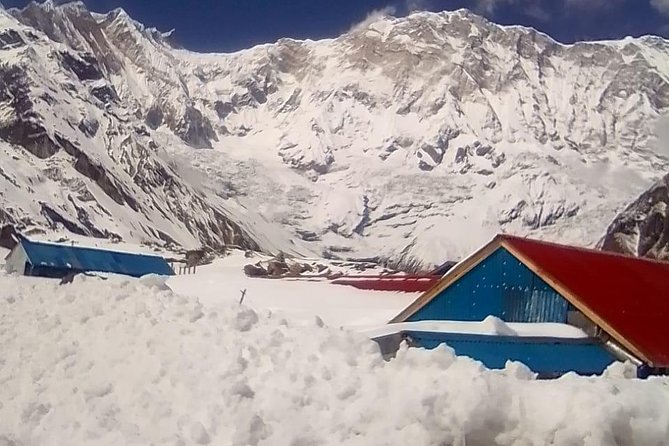
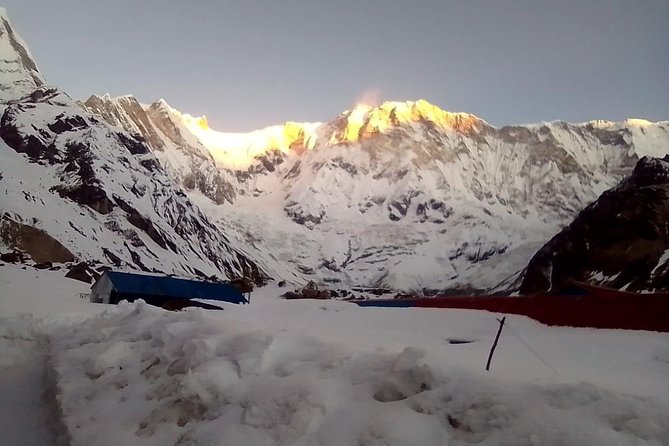
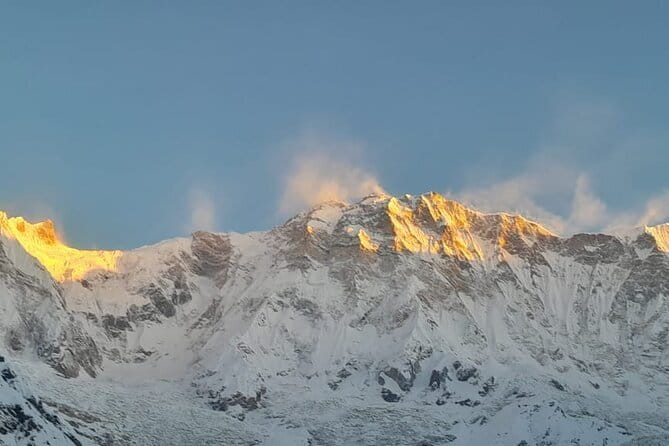
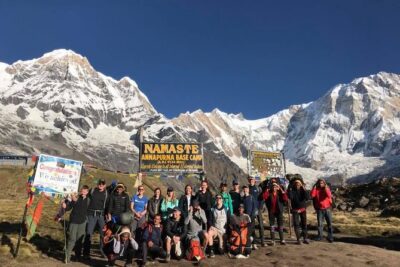
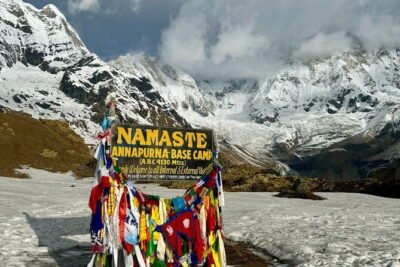
Day 6 is the big objective: from Deurali to Annapurna Base Camp, about 7 hours. The route notes beautiful high alpine forests plus stunning views of snow-capped peaks. It also specifically says the trail passes through spots known for avalanches, and that makes the day feel serious.
This is exactly where having a real guide matters. You’re not just walking and hoping. The tour includes an emergency normal first aid kit with the guide, and the guides in the reviews are repeatedly praised for safety awareness and clear communication. Guides named Krishna and Amrit get called out for being thoughtful and proactive, and another guide, Deepak, is praised for explaining local culture and (in one case) flora and fauna along the way. That kind of on-trail interpretation is a nice bonus when the effort is heavy.
About the base camp payoff: the tour overview promises sunrise views and the moment of reaching the base camp surrounded by the Annapurna giants. Even if you don’t chase sunrise with extreme precision, the point is still real. You’re going to arrive at a place where the scenery hits you in a different way than it does from villages below.
Day 7 is your return day to Bamboo, about 6 hours. After spending time at the mountains, you trek down following the same path. The itinerary notes a drop of around 1,700m, which is a lot of vertical change in one day. That’s why day 7 can feel easier than day 6 in one way, but harder in your knees and ankles in another. Use trekking poles if you have them, and don’t let your downhill speed get out of control.
More Annapurna Base Camp treks:
- Annapurna base camp trek 5 Days
★ 5.0 · 252 reviews - 14-Day Private Annapurna Base Camp Trek
★ 5.0 · 180 reviews - Annapurna Base Camp Trekking
★ 5.0 · 116 reviews - Annapurna Base Camp Trek
★ 5.0 · 111 reviews
Jhinu Danda’s Steps and the Day That Feels Like a Relief
Day 8 goes from Bamboo to Jhinu Danda, about 6 hours. The route describes a steep ascent to Kuldi Ghar, then mentions stone steps to Lower Chomrong. After that, there’s a climb of about a thousand steps.
That combination is telling: this is not a gentle wrap-up day. You’re still dealing with stairs and climbs, and the tour gives you a direct warning by describing them plainly. Plan for slow walking. A calm pace gets you to the top with less stress than a frantic scramble.
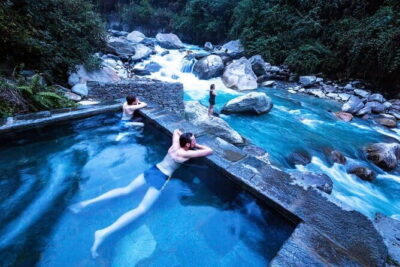
There’s also a small but meaningful human detail from the reviews. One review specifically says they visited hot springs on day 10, and it was described as much needed. While the provided day-by-day outline centers on the road back to Kathmandu on day 10, that review suggests there may be time for that kind of recovery stop depending on the flow of the schedule.
Day 9 is described as one of the easiest days on the trek. You trek from breakfast to Siwai, then take a shared jeep or bus to Nayapul, followed by a private car or jeep to Pokhara. The day is listed around 7 hours.
Even if your legs are tired, this structure helps. You get movement, then you get vehicle time. It’s also one reason day 9 is a morale boost. You’re not stuck hiking all the way back to Pokhara. The mix of footpath and ride helps you preserve energy for the final travel day.
The Kathmandu Return, Plus What That 7-Hour Ride Means
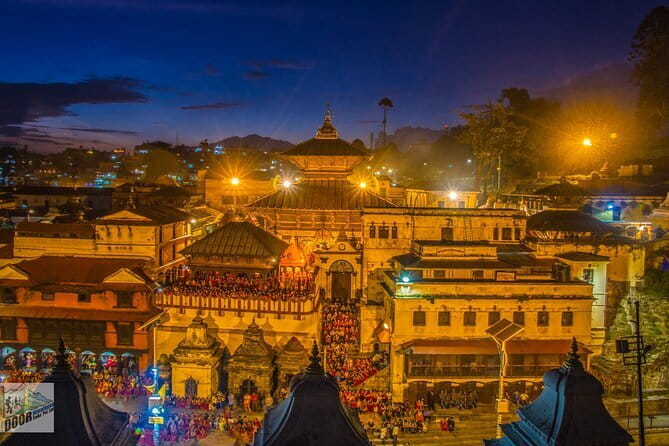
Day 10 takes you back to Kathmandu. You follow the highway through rivers, hills, and small Nepalese settlements. The bus ride takes about seven hours and drops you in Kathmandu Valley at the tourist bus park.
This final day matters because it affects how you feel after the trek. You’ve got a long seat ride after a high-altitude hiking circuit, so it helps if your body isn’t too wrecked. It’s also why I like that the trek includes real rest periods earlier, especially the Pokhara hotel nights.
Once you reach Kathmandu, the tour includes hotel drop-off, so you’re not left navigating transit on your last day.
Price and Logistics: What $490 Covers, and Where Your Budget Still Needs Attention
At $490 per person, the value here is mostly about what’s included: the guide, the permits, and the backbone of transport. That $490 is not just for the trekking hours. It covers several cost centers.
Included items you should treat as real value:
- Hotel pickup and drop-off
- Kathmandu to Pokhara and back by tourist bus (luxury sofa seat)
- Two nights in a 2-star Pokhara hotel with breakfast
- Government-licensed English speaking trekking guide
- Trekking permit and official documents
- Transfer support from Pokhara to Nayapul and from Siwai back via vehicles
- Private tour for your group
- Emergency normal first aid kit with the guide
- Guide meals and accommodation during the trek
Excluded items are equally important:
- Food and drinks are not included, though they’re available for purchase
- Gratuities are optional
So how do you judge value? If you were planning this independently, you’d still pay for permits, an experienced guide, and the transport complexity between Kathmandu and Pokhara plus the trailhead legs. What this tour does well is bundling those parts into one package, which reduces planning stress and makes it easier to budget.
What you still need to plan yourself is meal spending. Because food isn’t included, your daily budget can swing depending on how you eat and drink. Also, bring a buffer for tips if you feel grateful after the trek. People often tip based on service quality, and the reviews repeatedly mention guide care and organization.
Guide Quality Is the Difference Maker, Krishna, Biru, Milan, and Amrit
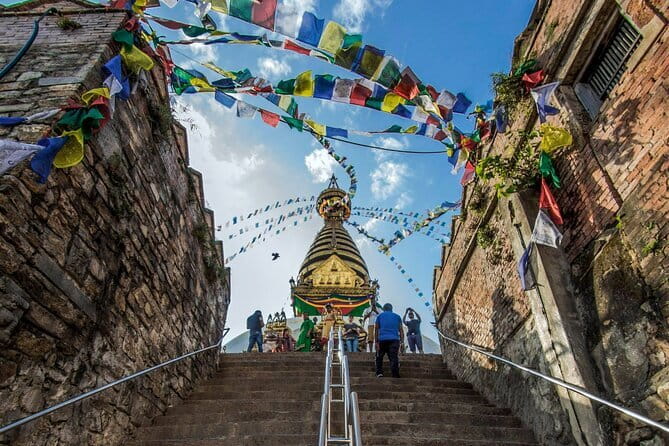
The common theme across the experiences is that the guides weren’t just walking with people. They were guiding. Multiple guide names pop up, and they match the kind of service you’d hope for on a route that includes steep terrain and avalanche-known sections near base camp.
- Krishna is described as knowledgeable, friendly, and attentive to safety and comfort.
- Biru gets called out as bubbly, proactive, and knowledgeable, with an experience that feels fun rather than rigid.
- Milan is praised for organizing things flawlessly and making the journey unforgettable through kindness and attention to detail.
- Amrit is repeatedly described as a perfect mountain guide who makes a first-time trek feel easy.
- Deepak earns positive notes for explaining local culture and sharing insights about flora and fauna.
- Prakash is mentioned for making the trek feel easy, plus good arrangements and even an extra recovery moment with hot springs time.
- Sham appears as an organizer name, credited with professional and attentive trek setup.
That matters because logistics are only as good as the person on the ground. When guides communicate well, you spend more time enjoying the scenery and less time worrying about what happens next.
Who This Trek Is For (and Who Should Think Twice)
This tour is listed as suitable for travelers with moderate physical fitness. The daily times suggest a hike of roughly 6 to 7 hours most days, plus stairs and steep sections on multiple days.
You’ll likely love this trek if:
- You want a classic Annapurna Base Camp route with well-known stops like Ghandruk and Chhomrong
- You’re okay with steep uphill and downhill days
- You want a guide who handles permits and safety basics
- You prefer grouped structure with private tour feel for your party
You should think twice if:
- You don’t enjoy steep trails or long walking days
- You’re strongly uncomfortable with altitude and high mountain conditions
- You need a very gentle itinerary, because the route includes avalanche-known areas near the base camp segment
If it helps, use the itinerary as a truth serum. Day 4 and day 6 sound like the hardest mental shift days. Day 8 also has a steps-heavy segment that you should take seriously.
Final Verdict: Should You Book This Annapurna Base Camp Trek?
If you want the Annapurna Base Camp experience without spending weeks planning permits, transfers, and day-by-day details, this package is a strong option. The biggest strength is the combination of licensed guidance, permit handling, and realistic day structures paired with the comfort of starting in Pokhara with hotel nights and breakfast.
I’d book it if your goal is to walk the route, see the villages, reach base camp, and let someone else handle the admin and the trail coordination. I would hesitate if you’re looking for a lightweight trek or if you want maximum flexibility day to day, because the itinerary is clearly mapped with full hiking days and specific transport legs.
Quick check before you decide
- Are you comfortable with 6 to 7 hour hiking days, plus stairs and steep sections?
- Are you ready to budget for food and drinks on your own?
- Do you want a licensed guide guiding the whole thing, including permits and safety elements?
FAQ
What is the total duration of the trek?
The trek is listed as 10 days (approx.).
Where does the experience start?
The experience is in Kathmandu, Nepal.
What is included for transport between Kathmandu and Pokhara?
It includes Kathmandu to Pokhara to Kathmandu transfers by luxury sofa seat tourist bus.
How many nights are included in Pokhara?
The tour includes 2 nights in a 2-star label hotel in Pokhara with breakfast.
Is a trekking permit included?
Yes, trekking permit and all official documents are included.
Do I get an English speaking trekking guide?
Yes, the tour includes a government-licensed English speaking trekking guide.
Is the tour private?
Yes, it is listed as a private tour/activity, with only your group participating.
Is food included in the price?
No. Food and drinks are not included, but they are available on purchase.
Are gratuities included?
No. Gratuities are optional.
What is the start time?
The start time is 11:15 am.
FAQ
What happens if I cancel?
The tour lists free cancellation, with a full refund if you cancel up to 24 hours in advance.
Is there flexibility for extra stops like hot springs?
The provided itinerary does not mention hot springs, but one review notes that hot springs were visited on day 10.
More day tours out of Kathmandu
- Nagarkot Sunrise View and Day Hiking from Kathmandu
★ 5.0 · 471 reviews - Private Bhaktapur and Nagarkot Day Tour From Kathmandu
★ 5.0 · 305 reviews - Day Trip to Bhaktapur and Panauti from Kathmandu
★ 5.0 · 184 reviews - From Kathmandu: 1 hour Panoramic Everest Flight
★ 4.4 · 175 reviews
Latest additions near Kathmandu
- White Water River Rafting – 1 Day★ 4.3 · 3 reviews
- Traditional Momo Making Class★ 5.0 · 10 reviews
- Kathmandu to Pokhara Premium sofa bus ticket★ 4.0 · 17 reviews
- Ghorepani Poon Hill Trek★ 5.0 · 16 reviews
- Amazing 1 Day Trekking Experience in Kathmandu Nepal★ 5.0 · 24 reviews
- Ghorepani Poonhill Trek★ 5.0 · 5 reviews
- Walking tour of real Kathmandu through back streets.★ 5.0 · 3 reviews
- Wildlife Adventure in Chitwan Nepal★ 4.0 · 4 reviews
Annapurna Base Camp Treks, compared.
Kathmandu to Annapurna Base Camp (ABC) 5-Day Trek
Read our review →
Browse the lists this tour appears in