
Reviewed · GOKYO LAKES TREKS
Gokyo-Ranjo Pass Trek On 16 Days (Cheapest Trip On Nepal)
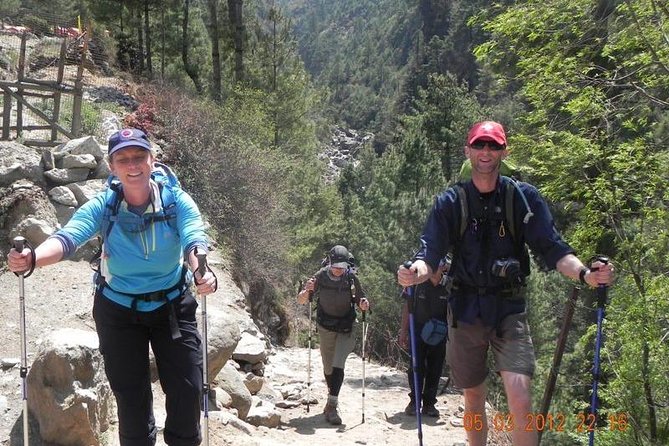
Two passes, endless mountain views. This classic Khumbu trek mixes a Lukla flight with walk days along the Dudh Kosi and then swaps the crowded Everest trail for quieter Sherpa villages and the Gokyo Valley. You also get the big panoramic payoff of Renjo La, with time to appreciate the views instead of just rushing through them.
I love how the route is paced for altitude, with real acclimatization stops at Machhermo and a day set aside around Gokyo Ri. I also like the practical support packed into the program, from a Sherpa trek guide to porters, trekking permits, hot drinks, and even a duffle bag for your gear. One consideration: the plan depends on flights, including Lukla, so you should be ready for weather timing and to use the provided buffer day.
In This Review
- Key things I’d circle before you book
- Khumbu with a smarter route: Lukla, Dudh Kosi, then Gokyo and Renjo La
- Days 1 to 2 in Kathmandu: the part that saves you later
- Lukla to Phakding, then Namche: where the trek “clicks”
- Dole and Machhermo: the altitude work that makes Gokyo feel reachable
- Gokyo, Gokyo Ri, and lake-country atmosphere
- Renjo La to Namche to Lukla: the home stretch with a realistic rhythm
- Price and logistics: what $2,100 gets you, and what you should double-check
- Guides, porters, and the small stuff that changes your comfort
- Trek fit: who will enjoy this most, and what to watch
- Should you book this Gokyo-Ranjo Pass trek?
- FAQ
- Where does the trek start and what time do I meet?
- How long is the trek?
- What is included for lodging in Kathmandu?
- Are meals included, and do you provide drinking water?
- Do I need trekking permits?
- What trekking gear is provided?
- What medical insurance do I need?
- Can I cancel for a full refund?
Key things I’d circle before you book
- Private group trekking: Only your group participates, so you are not squeezed into a big herd.
- Gokyo Valley detour: Less time on the most crowded Everest corridor, more time with Sherpa villages and lake-country scenery.
- Altitude pacing built in: Stops at Dole, Machhermo, and a high viewpoint day help your body adjust.
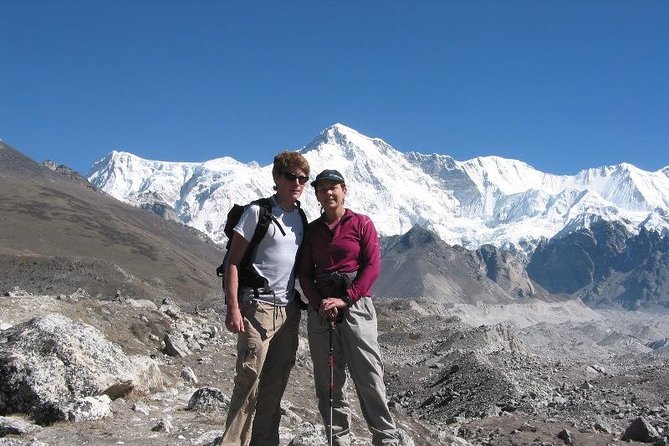
- Renjo La panorama day: A high pass crossing with wide views of the Everest region.
- In-country support included: Guide, porters, permits, park fees, and a first aid kit, plus shared logistics.
- Comfort extras for cold days: Rental sleeping bag and down jacket, plus treated drinking water and hot drinks.
Khumbu with a smarter route: Lukla, Dudh Kosi, then Gokyo and Renjo La
This trek is for you if you want the Everest region feel without spending all your time on the busiest trail. You start with the small-plane jump to Lukla, then spend the middle stretch walking the Dudh Kosi corridor toward Sherpa hubs like Namche Bazaar. After that, the route peels away toward Khumjung and the Everest view-area vibe, then continues into the Gokyo side where the crowds tend to thin out.
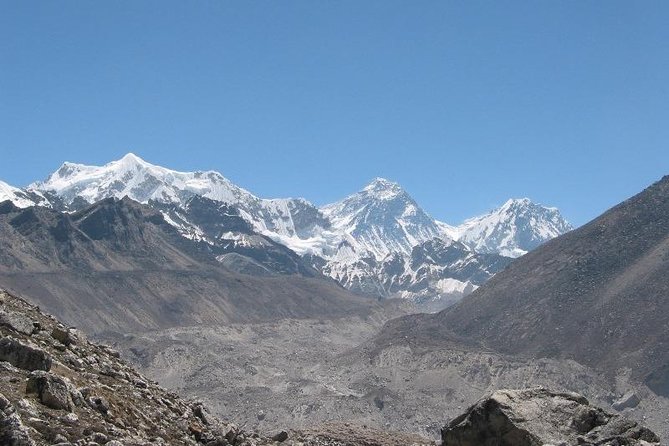
The really memorable part is the combination of two different “wow” moments. First you reach Gokyo, with the lakes area and a climb to Gokyo Ri. Then you top out at Renjo La, a high pass crossing at 5,340m that’s known in this route for big panoramas. If you like seeing more than one kind of mountain scenery in a single trip, this itinerary gives you that.
More Treks in Kathmandu
- Everest Base Camp Trek – 14 Days
★ 5.0 · 1,499 reviews - Everest Base Camp Trek
★ 5.0 · 842 reviews - Everest Base Camp Trekking
★ 5.0 · 485 reviews
Days 1 to 2 in Kathmandu: the part that saves you later
Your trek begins in Kathmandu with arrival, a transfer to the hotel, and a briefing. The program also includes a half-day tour of world heritage sites with a guide and private transport, which is a good way to get oriented before you leave the city.
Why this matters: once you are out trekking, your options shrink. You will want your permits, packing plan, and gear check done properly before the altitude starts stacking up. The tour’s structure includes that early prep time, plus the hotel nights in a 3-star setup on a twin sharing, bed-and-breakfast basis.
One detail to note: the hotel portion is listed as 3 (four) nights. That means you should confirm the exact number of nights for your specific departure, especially if you are trying to match Kathmandu downtime with flight schedules.
Lukla to Phakding, then Namche: where the trek “clicks”
On day 3, you fly from Kathmandu to Lukla at about 2,840m and trek to Phakding around 2,610m. The walking time here is short enough to help you settle into the rhythm, and it’s a gentle lead-in before the bigger climbs.
Day 4 takes you up to Namche Bazaar, at about 3,440m, for roughly a five-hour walk. Namche is the Sherpa crossroads town, so you get the feel of the Everest region at full volume. It’s also a practical stop for food, tea, and supplies, which matters because meals can vary a lot once you leave the main hubs.
Then day 5 shifts toward Khumjung. You trek up to about 3,840m in around three hours. Khumjung is a good change of pace from the main trail, and it sets you up for the more interesting, less direct line into the Everest view area and back into Sherpa villages.
Dole and Machhermo: the altitude work that makes Gokyo feel reachable
Day 6 brings you to Dole, around 4,200m, with a longer walk of about six hours. This is one of the key “earn it” days, because you are gaining altitude steadily and you still need to keep energy for what comes next.
On day 7 you move to Machhermo at about 4,470m in around four hours. This is a classic acclimatization setup. The itinerary includes day hikes and a rest day at 4,470m on day 8. That pattern, walk a bit, rest, then walk again, helps your body adapt before you push higher.
Why I like this part of the plan: many people underestimate how much time altitude takes from your legs. Building in acclimatization makes the later Gokyo days more enjoyable. You do not just suffer for the sake of reaching a number.
More Gokyo Lakes treks:
- Gokyo to Everest Base Camp Trek
★ 5.0 · 113 reviews - Everest Base Camp – Cho La Pass – Gokyo Trek
★ 5.0 · 65 reviews - Everest Gokyo Valley Trek – 12 days
★ 5.0 · 27 reviews - Landing Private Helicopter at Everest base camp & Gokyo for photo
★ 5.0 · 20 reviews
Gokyo, Gokyo Ri, and lake-country atmosphere
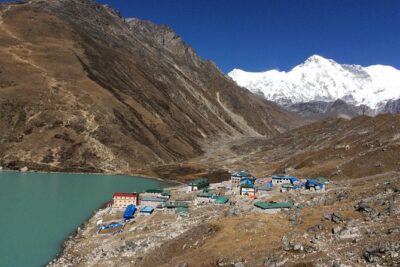
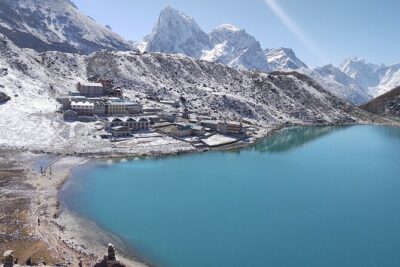
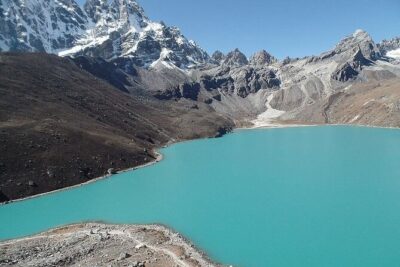
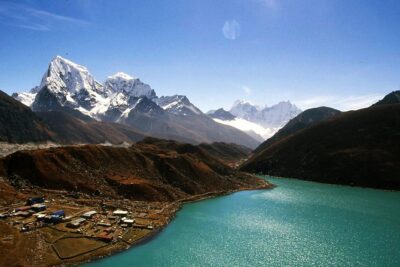
Day 9 takes you to Gokyo at about 4,790m, for around four hours. Once you are in the Gokyo Valley area, the scenery and daily feel shift from the main Everest trail rhythm. The trek is less about the big town hustle and more about mountain-country calm.
Day 10 is a day trip to Gokyo Ri, at 5,483m. This is your high viewpoint moment in the Gokyo zone, and it’s the kind of day that rewards sensible pacing. Even if you feel fine in the morning, you want to manage effort because the return to camp still comes with fatigue.
Then day 11 brings you to Renjo La crossing around 5,340m, followed by a trek down to Lungden at about 4,400m. This is listed as a six-hour day. For many hikers, this is where legs and breathing both have to work together: you climb to the pass, enjoy the views, and then get moving downhill again.
Renjo La to Namche to Lukla: the home stretch with a realistic rhythm
Day 12 takes you back to Namche around 3,440m for about five hours. This downhill and re-entry into the busier corridor is a relief, but don’t treat it like a free day. Your body still has to adjust after the high pass work.
Day 13 moves you toward Lukla, around 2,840m, for about six hours. This is a longish final trek day, and it’s often where people feel the trip in their knees. It helps to keep steps short and consistent rather than trying to catch up.
Day 14 flies you back to Kathmandu and includes an evening celebration meal. That’s a nice touch because it gives you a proper stop point mentally. Day 15 is a free day, plus an emergency day for the Lukla to Kathmandu flight. I really like that this is built in, because Lukla scheduling can be weather dependent, and you do not want your whole itinerary to snap if a flight gets delayed.
Day 16 covers transfer to the airport for onward flight, or an optional extension if you want extra time in Nepal.
Price and logistics: what $2,100 gets you, and what you should double-check
At $2,100 per person for a roughly 16-day trek, this sits in the budget-to-mid range for Everest region treks. The key question is what you are getting for that money, and here the inclusions are strong on the big ticket items people forget until they are stuck.
Included items that really add value:
- 3-star hotel accommodation in Kathmandu on a twin sharing, bed-and-breakfast basis (listed as 3 to 4 nights).
- All meals on trek days, described as high quality and hygienic, plus hot drinks and treated drinking water.
- Trekking permits and conservation or national park fees, plus government taxes.
- Transfers between airport and hotel by private vehicles.
- A dedicated experience Sherpa trek guide plus a support team, including porters and insurance for local team members.
- Trek duffle bag for each trek member.
- Trek sleeping bag and down jacket on rental basis (big deal for comfort in cold altitudes).
- A trek first aid kit.
- A half-day world heritage sites tour in Kathmandu with guide and private transport.
- A farewell celebration dinner.
Not included items you should budget for:
- Bottled water, boiled water, soft drinks, and beers.
- International departure taxes.
- Medical or personal high-risk insurance, especially emergency evacuation cost coverage.
- Personal trek gear.
- Major meals in Kathmandu.
- Tips to local staff and personal expenses like laundry and phone use.
One practical double-check: the itinerary clearly includes flights to and from Lukla, but the inclusions list does not spell them out explicitly. Before you pay final balances, ask the operator to confirm that your Lukla flights are included in the package price for your exact dates.
Guides, porters, and the small stuff that changes your comfort
This trek leans on a Sherpa guide and porters, which is more than a logistics detail. It changes the whole tone of the trip. When you have a guide who understands pacing, altitude, and the rhythm of the trail, you waste less energy guessing.
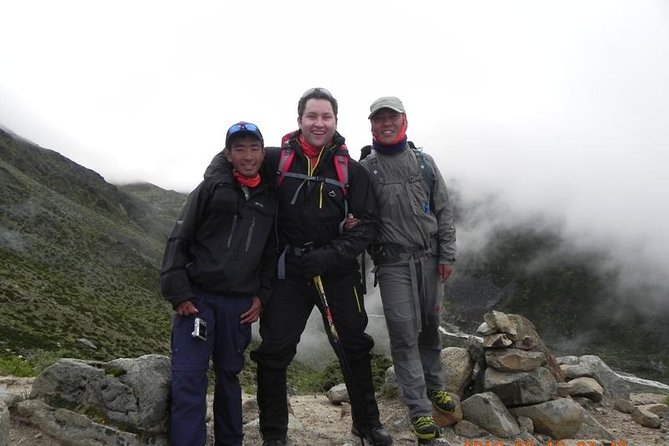
The reviews highlight guides named Pema and Kami as part of the Dream Himalaya experience, with praise for kindness and caring. I also like that this program mentions a support Sherpa staff team and insurance for local team members, which usually means fewer gaps when problems show up.
Also, don’t ignore the comfort inclusions:
- Treated drinking water and hot drinks make a real difference on cold mornings.
- A rental down jacket and rental sleeping bag means you can travel lighter and avoid renting at the last second.
- The first aid kit and local support are peace of mind, especially when you are dealing with altitude fatigue.
Trek fit: who will enjoy this most, and what to watch
The tour asks for strong physical fitness. That’s fair because you have multiple days of 4 to 6 hours walking, with altitude gains like Dole at 4,200m, Machhermo at 4,470m, Gokyo at 4,790m, and viewpoint or pass days at much higher elevations.
A possible drawback to keep in mind is simply altitude stress plus the reality of flight timing. This is not a trek you treat like a casual walk. You need to respect your breathing, hydrate, and avoid ego pacing.
If you enjoy route variety, this works well. You get Sherpa villages (like Namche Bazaar and Khumjung), lake-country trekking, and a high pass day to Renjo La. If you prefer only classic Everest trail, you might feel this is a detour. But if you want different scenery and fewer peak-corridor crowds, it’s a smart mix.
Should you book this Gokyo-Ranjo Pass trek?
Yes, if you want a well-supported Khumbu loop that balances classic walking with quieter Gokyo Valley scenery, plus a real high viewpoint day at Gokyo Ri and a pass crossing at Renjo La.
I’d hesitate if:
- You are not comfortable with altitude, long walk days, and the chance of flight delays linked to Lukla.
- You do not have emergency evacuation coverage in your medical insurance.
- You are trying to keep Kathmandu costs fully locked in, because major meals in Kathmandu are not included.
If you like a trip that handles the permits, logistics, meals, and key cold-weather gear, while still giving you a meaningful Everest region route, this is a solid choice.
FAQ
Where does the trek start and what time do I meet?
The start point is Tribhuvan Airport in Kathmandu, Nepal, with a start time listed as 5:00 am.
How long is the trek?
It runs for approximately 16 days.
What is included for lodging in Kathmandu?
The tour includes 3 (four) nights of 3-star hotel accommodation on a twin sharing basis with breakfast.
Are meals included, and do you provide drinking water?
Yes. The tour includes all meals of high quality and hygienic (breakfast, lunch, dinner), plus hot drinks and beverages like tea and coffee, and treated drinking water. Bottle water and soft drinks are not included.
Do I need trekking permits?
No. Required trekking permits are included, along with conservation or national park fees and all government taxes.
What trekking gear is provided?
You receive a trek duffle bag to each member, and you can rent a trekking sleeping bag and a down jacket (on rental basis). A trek first aid kit is also provided.
What medical insurance do I need?
Medical or personal high-risk insurance is not included. You must have insurance that covers emergency evacuation costs.
Can I cancel for a full refund?
Yes, free cancellation is offered if you cancel up to 24 hours in advance of the experience start time.
Latest additions near Kathmandu
- White Water River Rafting – 1 Day★ 4.3 · 3 reviews
- Traditional Momo Making Class★ 5.0 · 10 reviews
- Kathmandu to Pokhara Premium sofa bus ticket★ 4.0 · 17 reviews
- Ghorepani Poon Hill Trek★ 5.0 · 16 reviews
- Amazing 1 Day Trekking Experience in Kathmandu Nepal★ 5.0 · 24 reviews
- Ghorepani Poonhill Trek★ 5.0 · 5 reviews
- Walking tour of real Kathmandu through back streets.★ 5.0 · 3 reviews
- Wildlife Adventure in Chitwan Nepal★ 4.0 · 4 reviews
Gokyo Lakes Treks, compared.
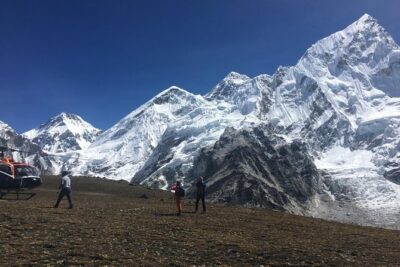
Landing Private Helicopter at Everest base camp & Gokyo for photo
Read our review →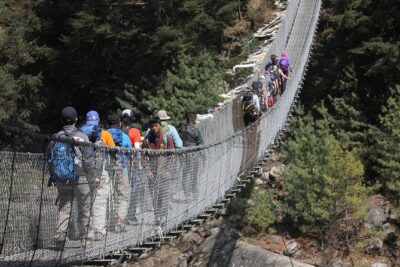
Browse the lists this tour appears in