
Reviewed · GOKYO LAKES TREKS
Gokyo Lake trek(gokyori trek, Chola pass trek, Renjola pass trek)
Turquoise lakes and big passes steal the show. The Gokyo Lakes Trek turns the Everest region into a quieter, more romantic world, with turquoise water at the heart of it and Sherpa villages woven into your days. I like that you are not only chasing summit views, you are also living the pace of the valley, with a route that ties together lakes, culture, and high mountain viewpoints.
Just be realistic about one thing: altitude and long trekking days are non-negotiable here. Also, the trip price does not include most meals, so you’ll want to budget for food and drinks along the way.
In This Review
- Key highlights worth knowing
- Why Gokyo Lakes, Chola Pass, and Renjola Pass feel like a step off the main trail
- How the route uses the Everest Base Camp trail, then breaks away
- Altitude strategy: Everest Base Camp, Gokyo Ri, and a hike to Everest View Hotel
- The Gokyo lake country: what those turquoise views actually mean on the ground
- Chola Pass and Renjola Pass: the part where you earn the views
- Sherpa culture and the villages: small visits that add real meaning
- Getting support on the ground: what organization looks like here
- Price and value: what $1,290 covers, and where your money goes next
- What to physically prepare for before you book
- Packing and small decisions that make a big difference
- Who this trek is best for
- Should you book this Gokyo Lake Trek?
- FAQ
- Where does the trek start in Kathmandu?
- How long is the Gokyo Lake Trek (Gokyo Ri, Chola Pass, Renjola Pass)?
- What is included in the $1,290 per person price?
- What is not included in the price?
- Is this a private tour?
- Is cancellation free?
Key highlights worth knowing
- 19 freshwater lakes linked into one special lake system in the Everest region
- Mong La Pass is the key junction where the route leaves the classic Everest Base Camp flow
- Gokyo Ri (5,357 m) for high, close views over the Everest area
- Chola Pass and Renjola Pass for real high-pass trekking, with serious effort
- UNESCO World Heritage conservation area scenery and wildlife-friendly forests on the trek
Why Gokyo Lakes, Chola Pass, and Renjola Pass feel like a step off the main trail
If you like Everest for the big views, this trek gives you that, but with a different emotional tone. Instead of only thinking about Base Camp, you spend meaningful time in the Gokyo valley, where the lakes sit in a way that feels calm even when the terrain turns demanding.
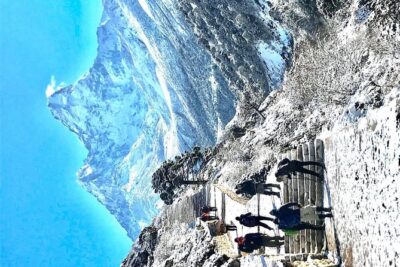
What I like most is how the high points connect directly to what you’re seeing below. Climbing Gokyo Ri is not just for bragging rights, it is for getting an angle on the lake system and the wider Khumbu mountain scene that makes everything click.
One more plus: Sherpa culture is not treated like an optional side trip. You pass through traditional villages and you can include a visit to the Sherpa Museum, which helps you understand what you’re walking through.
More Treks in Kathmandu
- Everest Base Camp Trek – 14 Days
★ 5.0 · 1,499 reviews - Everest Base Camp Trek
★ 5.0 · 842 reviews - Everest Base Camp Trekking
★ 5.0 · 485 reviews
How the route uses the Everest Base Camp trail, then breaks away
This trek is often described as a variant of Everest Base Camp, and that is accurate. You follow the traditional Everest Base Camp trekking route up to Mong La Pass (3,610 m), then the itinerary diverts into the Gokyo area and the lake country.
That matters for two reasons. First, it means you get the familiar Everest-region trekking structure early on, so the learning curve feels manageable. Second, the switch at Mong La Pass is where the trip becomes more distinct, shifting your focus from Base Camp logistics to lakes, ridgelines, and big views.
You also have flexibility around the timing of visiting Everest Base Camp itself. The trek is set up so you can visit the Sherpa valley after or before reaching Everest Base Camp (5,364 m), depending on how your guide manages acclimatization and day-to-day conditions.
Altitude strategy: Everest Base Camp, Gokyo Ri, and a hike to Everest View Hotel
Altitude is the backbone of this itinerary, not a detail. You may reach Everest Base Camp at 5,364 m, and you will also be aiming for Gokyo Ri (5,357 m), plus a route that includes time at high pass elevations.
Another smart add-on is the chance to hike to Everest View Hotel (3,880 m). Even if you are not staying there, the altitude alone changes how you experience the mountains. It is also a practical way to get a close-up feel for Mt. Everest while staying in an area that is easier to manage than pushing everything to the highest points back-to-back.
For me, the best mindset is to treat altitude as a pacing problem. You are not just walking higher, you are training your body to keep functioning. Having a local guide who can manage day-by-day effort and acclimatization rhythm is one of the reasons this style of trek works for many people.
The Gokyo lake country: what those turquoise views actually mean on the ground
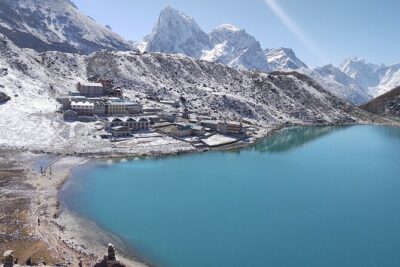
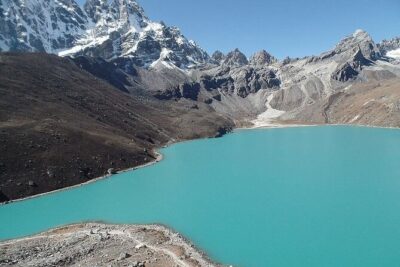
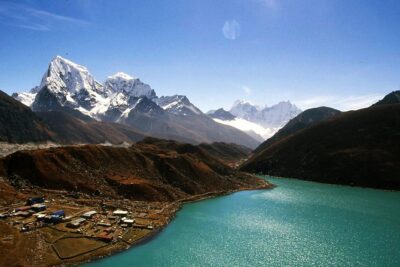
The headline is obvious for a reason: Gokyo Lake (Dudhpokhari) sits at the foothills of Gokyo Ri, near the passes in this trek’s name. You are surrounded by a high valley setting where the lakes feel like they belong to the mountain, not just a scenic stop.
This route is also about more than one lake. It is built around the idea of a system of 19 freshwater lakes, interconnected in the landscape, so your days can shift between viewpoints, lake areas, and the ridges that let you see the bigger pattern.
You might also notice the environment changing as you climb and move between areas. The trek runs through a conservation area where you can find pine, oak, and rhododendron forests, plus alpine birds and other wildlife signs. You will likely feel that shift as you go, even if you are mainly focused on breathing and footing.
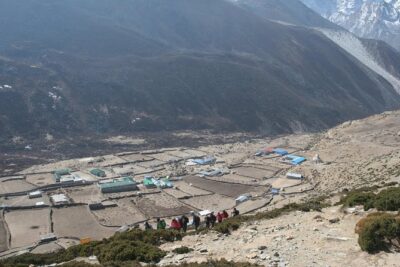
Finally, the lakes are a cultural stage too. Traditional Sherpa villages show up along the way, and even short stops can turn into real learning moments when your guide points out what you are looking at.
More Gokyo Lakes treks:
- Gokyo to Everest Base Camp Trek
★ 5.0 · 113 reviews - Everest Base Camp – Cho La Pass – Gokyo Trek
★ 5.0 · 65 reviews - Everest Gokyo Valley Trek – 12 days
★ 5.0 · 27 reviews - Landing Private Helicopter at Everest base camp & Gokyo for photo
★ 5.0 · 20 reviews
Chola Pass and Renjola Pass: the part where you earn the views
High passes are the ticket price you pay for unforgettable panoramas. Chola Pass and Renjola Pass are the two big names in this itinerary, and they both come with that familiar truth of Himalayan trekking: you’ll feel the climb, you’ll feel the altitude, and your legs will remember it later.
One reason I respect these passes is that they are not isolated. They are connected to the logic of the trek’s route, including the junction areas that lead back into the Gokyo valley and lake region. In other words, you are not just doing a straight climb over a pass and hoping for the best. The pass is part of how the route builds your overall mountain perspective.
A practical note: the trek is described as challenging in the pass sections, so strong planning matters. If you tend to overpush on day one, passes like these punish that habit quickly. Save your top efforts for the days when you have a clear purpose and the energy to handle it.
Sherpa culture and the villages: small visits that add real meaning
One of the most rewarding aspects is how Sherpa life appears along the trail in practical ways. You are not only walking through scenery, you are walking through a living community, with villages that help you understand what the mountains mean to people who call this region home.
If your itinerary includes stops around the Sherpa Museum and nearby villages, treat it like part of your acclimatization too. A museum visit or a village walk gives your body a break from altitude strain, and it gives your mind context for what you are seeing.
This is also where the trek feels romantic, in the best sense. Not theme-park romantic, but quiet, communal, and grounded. When you pause near a lake and watch village life in the distance, it is easier to feel why Gokyo is often picked over a more rushed Everest Base Camp plan.
Getting support on the ground: what organization looks like here
A good Everest-region trek is equal parts legs and logistics. I like that this experience includes hotel/port pickup and drop-off in Kathmandu and that you get a mobile ticket, so you are not stuck guessing what happens next.
On the human side, Nepal Trekking Routes has a reputation for personal attention. In past experiences with this operator, I’ve seen mention of Shailesh Pokharel welcoming people on arrival, with names shown on a board, plus guides who stay available on site. I’ve also seen Bishnu Magar specifically called out for making the trip feel well managed and not lonely.
For you, the practical takeaway is simple. A guide helps you move through confusing moments, like pacing decisions, route changes, and the everyday reality of high-altitude trekking. When those are handled well, the trip becomes about walking and seeing, not troubleshooting.
Price and value: what $1,290 covers, and where your money goes next
At $1,290 per person, this trek is not a budget project. But it can still feel like good value if you look at what is included and what is handled for you.
Included:
- Accommodation as per itinerary
- National Park fees
- Local guide
- Hotel/port pickup and drop-off
Not included:
- Food and drinks, including lunch, breakfast, and dinner
- Alcoholic drinks (available to purchase)
Here’s how I’d think about it. The big cost items on a trek like this are usually the guide, accommodations, and required fees, plus the ongoing daily spending on meals. Since meals are not included, you should assume your final trip cost will be higher than the base price, especially if you want comfortable daily food choices.
If you want the best value, ask your operator how they expect meals to be managed day by day. You do not need every meal choice locked in, but you do want to know where you’ll eat and how flexible options will be as altitude changes.
What to physically prepare for before you book
The provided info is very clear on one point: you should have strong physical fitness for this trek. That is not just marketing language. Pass days and high viewpoints demand good stamina and a steady rhythm.
In practical terms, you’ll want to be comfortable walking uphill for hours, managing fatigue, and keeping your breathing under control. Also, get used to the idea that your pace may slow as elevation rises. That is normal, but it requires patience, not willpower alone.
If you are coming from sea level or low altitude, prioritize acclimatization planning and be honest about your limits. The route hits major altitude milestones including Everest Base Camp and Gokyo Ri, and passes like Chola and Renjola raise the difficulty quickly.
Packing and small decisions that make a big difference
The data you provided does not list gear requirements, so I’ll keep this general. For a trek with high passes and early morning starts, I suggest you pack for cold mornings, sun exposure, and layered comfort. Weather can swing fast in high mountain areas, and your body temperature will change with effort.
Also, think about comfort at the lakes. When you hike to viewpoints around the Gokyo lake area, you will often want time to sit and watch. If you are constantly uncomfortable, you’ll spend more energy fixing that than enjoying the scene.
Finally, check that your travel documents and mobile access are ready before you arrive. Since this experience uses a mobile ticket, the simplest win is ensuring you can access it reliably without panic on arrival.
Who this trek is best for
This is ideal if you want Everest, but you also want something quieter than the busiest Base Camp rhythm. If you love lake scenery, 19 freshwater lakes, and the idea of a calmer Sherpa valley experience, this trek fits your style.
It is also a great match if you enjoy route variety. Following the Everest Base Camp trail up to Mong La Pass, then turning toward Gokyo, keeps the trek from feeling repetitive.
Where it might not fit is if you are looking for a low-intensity hike. With high passes like Chola and Renjola, plus major altitude points, you need to be serious about fitness and pacing.
Should you book this Gokyo Lake Trek?
Book it if you want a classic Everest-region trek that gives you more than one kind of payoff: turquoise lake country, major viewpoints, and real high-pass trekking. The included national park fees, local guide, and pickup/drop-off can also reduce the common headaches of planning.
Consider another option if you want meals fully included, or if you are not ready to handle altitude and long hiking days. Since breakfast and dinner are not included, you should plan your food budget early and confirm how meals will work on the trail.
If you do book, lean on the operator’s organization. The personal approach and guide support described by previous trekkers, including named mentions like Shailesh Pokharel and Bishnu Magar, suggests you’re not just buying a route, you’re buying help when the mountain gets complicated.
FAQ
Where does the trek start in Kathmandu?
The start point listed is Tribhuvan Airport in Kathmandu, Nepal.
How long is the Gokyo Lake Trek (Gokyo Ri, Chola Pass, Renjola Pass)?
The duration is listed as approximately 18 days.
What is included in the $1,290 per person price?
Included items are accommodation as per the itinerary, national park fees, a local guide, and hotel or port pickup and drop-off.
What is not included in the price?
Food and drinks are not included. That includes lunch, breakfast, and dinner. Alcoholic drinks are also not included.
Is this a private tour?
Yes, it is listed as a private tour/activity, meaning only your group participates.
Is cancellation free?
The policy provided says you can cancel up to 24 hours in advance for a full refund. If you cancel less than 24 hours before the experience’s start time, the amount you paid is not refunded.
Latest additions near Kathmandu
- White Water River Rafting – 1 Day★ 4.3 · 3 reviews
- Traditional Momo Making Class★ 5.0 · 10 reviews
- Kathmandu to Pokhara Premium sofa bus ticket★ 4.0 · 17 reviews
- Ghorepani Poonhill Trek★ 5.0 · 5 reviews
- Ghorepani Poon Hill Trek★ 5.0 · 16 reviews
- Amazing 1 Day Trekking Experience in Kathmandu Nepal★ 5.0 · 24 reviews
- Walking tour of real Kathmandu through back streets.★ 5.0 · 3 reviews
- Wildlife Adventure in Chitwan Nepal★ 4.0 · 4 reviews
Gokyo Lakes Treks, compared.
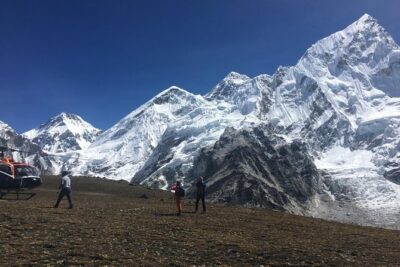
Landing Private Helicopter at Everest base camp & Gokyo for photo
Read our review →
Browse the lists this tour appears in