
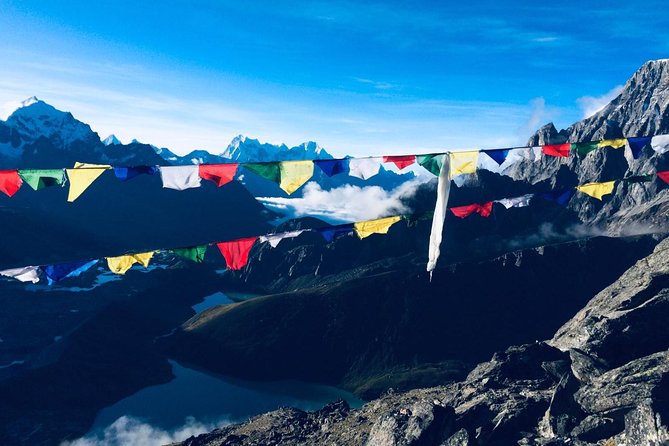
Reviewed · EVEREST BASE CAMP TREKS
Everest Base Camp+Gokyo Ri
Everest Base Camp plus Gokyo Ri is the kind of trek that makes the map feel too small. You chase Everest views, but the bigger story is how the route threads through Sherpa communities, yak herding, and mountain life where the farming season is short and tourism matters.
I like how the mountain list is not just one peak. You get standout sightlines of Everest (8848m), Lhotse (8511m), Makalu (8463m), Cho Oyu (8153m), Nuptse (7861m), Thamserku (6623m), plus other big names that show up on clear days. I also like that the trip is run as a private experience, so your group gets focused attention from guides and porters who know how to keep things moving.
One thing to consider: the data you have points to early starts and serious altitude country, so even with moderate fitness, you should plan for cold, long days, and a weather-dependent trek.
In This Review
- Key Things to Know Before You Go
- From Kathmandu to High Country: How This Trek Really Feels
- Why Gokyo Ri Is the Point of No Return for Views
- Cho La Pass: Where the Trek Becomes a Test of Focus
- The Everest Base Camp Finish: Awe, Then Logistics
- Food, Coffee, and the Tea House Reality Check
- Guides and Porters: What You Want to Hear in Your First Day
- What You Should Pack for a 5:00am Mountain Start
- Price and Value: Is $1,333.34 Fair for This Route?
- Who Should Choose This Everest Base Camp + Gokyo Ri Trek?
- Should You Book Everest Base Camp + Gokyo Ri?
- FAQ
- What time does the trek start?
- Is this a private tour?
- What meals and drinks are included?
- Is pickup included?
- What is the cancellation policy?
- What fitness level is needed?
Key Things to Know Before You Go
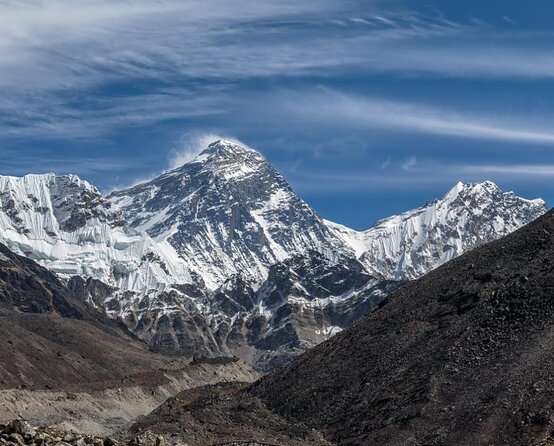
- Gokyo Ri is built for views, with a dramatic payoff before you push onward.
- Cho La Pass adds edge, so expect a more serious feeling than the gentler walking days.
- Big mountains, many faces, including Everest, Lhotse, Makalu, Cho Oyu, and Nuptse in a single trek story.
- Sherpa culture is part of the route, with yak herding, tourism, and day-to-day village routines shaped by the short cropping season.
- Meals and tea are handled, with normal coffee and tea included, plus breakfast and dinner.
From Kathmandu to High Country: How This Trek Really Feels
This is a 15-day trek that starts in Kathmandu and then lives at walking speed for days on end, with the mountains doing the talking. Your start time is listed as 5:00am, so expect early mornings to be part of your routine from the beginning. Pickup is offered, and the meeting point is near public transportation, which is handy if you are already moving around the city before the trek.
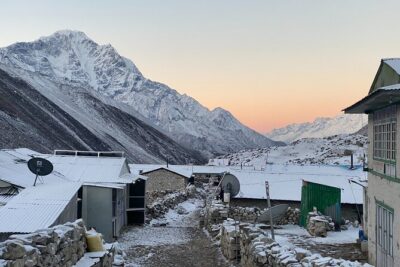
What you should picture is not just a hike. It is a slow shift in altitude, air, and temperature where even the daily rhythm changes. In the communities along the way, the economy is mostly yak herding and tourism, with only a short cropping season when a few crops are grown. That blend shows up in how people live, how they run tea house work, and how they manage guest logistics.
You’ll also notice that the trek is not only about altitude drama. The route gives you chances to see different plant species and wild animals, which is a nice bonus when the weather gifts you clearer visibility for more than just peak photos.
More Everest Base Camp treks:
- Everest Base Camp Trek – 14 Days
★ 5.0 · 1,499 reviews - Everest Base Camp Trek
★ 5.0 · 842 reviews - Everest Base Camp Helicopter Tour landing at Everest View Hotel
★ 5.0 · 668 reviews
Why Gokyo Ri Is the Point of No Return for Views
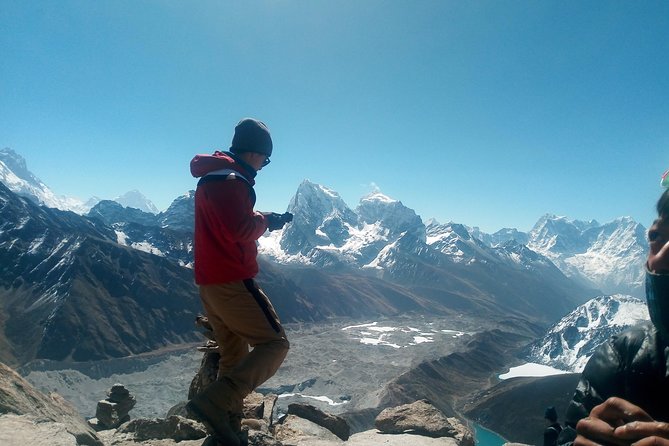
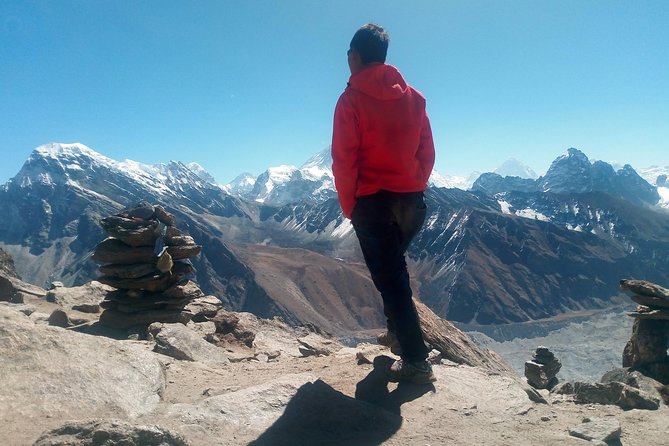
Gokyo Ri is the route’s major turning point for mountain energy. The trek story you’re aiming for is specifically described as going from Gokyo Ri to the Everest Base Camp finish, with Cho La Pass in between. That means you’re not just arriving at viewpoints, you are building to them.
Here’s why that matters for your planning. A trek like this can go either way depending on weather. If skies open early, Gokyo Ri can feel like a shortcut to the big names. If conditions stay cloudy, at least you know you still have one strong high viewpoint before the pass and the final base camp area.
Also, the mountains listed for this route are not small or polite. You’re looking at Everest (8848m) and Lhotse (8511m) as headline acts, with Makalu (8463m) and Cho Oyu (8153m) also in the mix. Nuptse (7861m) shows up too, plus Thamserku (6623m). When you’re walking for days, it helps to have a route that keeps your eyes busy with multiple giants, not just one distant silhouette.
Cho La Pass: Where the Trek Becomes a Test of Focus
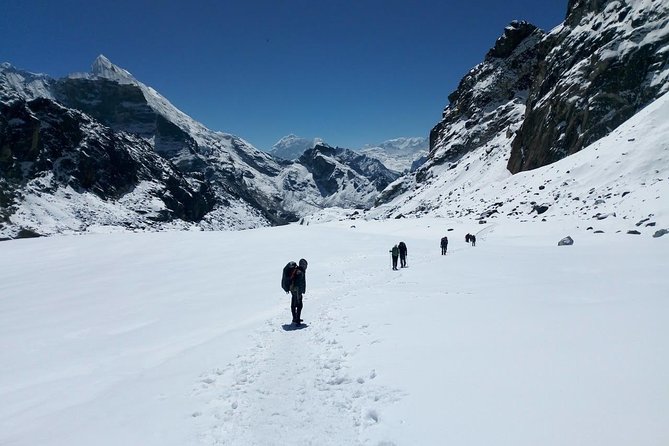
The crossing of Cho La Pass is what gives this itinerary its serious feel. The trek route you’re considering is described as going from Gokyo Ri over Cho La Pass to reach Everest Base Camp. That sequence is the kind of design that keeps you from thinking the hardest part is still ahead, because the pass is already part of the middle plot.
What I’d watch for as a practical matter is mental and physical pacing. Even when you’re not chasing speed, passes change how you breathe, how your legs feel, and how you judge conditions underfoot. Your best strategy is to keep your efforts steady, not heroic. If the air feels thinner or the wind picks up, you slow down, drink water regularly, and let your guide set a rhythm.
Also, this is a weather-dependent trek. Your cancellation policy notes that if conditions are poor enough for the experience to be canceled, you get a different date or a full refund. That’s a signal to take mountain conditions seriously, especially on pass days where visibility and footing matter.
The Everest Base Camp Finish: Awe, Then Logistics
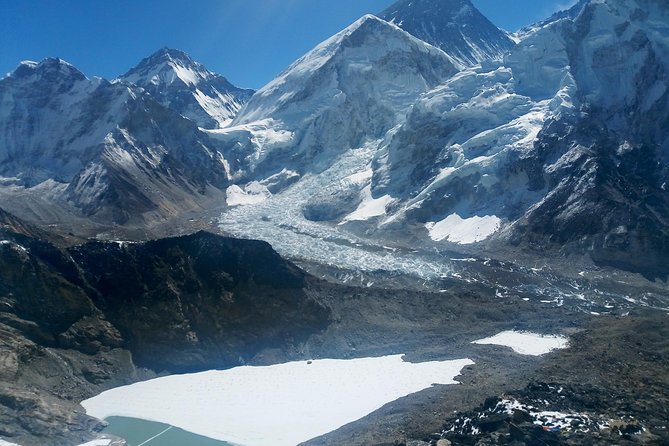
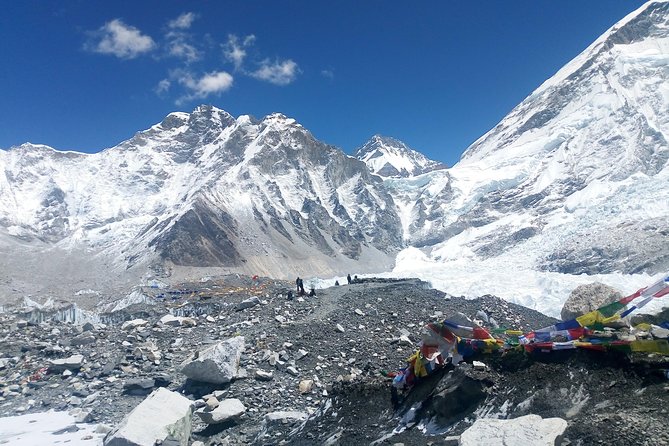
Everest Base Camp (EBC) is a bucket-list end point for a reason: it concentrates your effort into a single place. In your trek outline, the route ends at Everest Base Camp after the Cho La Pass segment. That final approach usually comes after many days of adjusting, so EBC tends to hit you in two waves, awe first, then reality second.
The reality part is that you’re in a working, visitor-heavy base camp zone where time and temperature matter. You’ll want warm layers you can access fast, and you’ll want to keep your schedule simple once you arrive. The good news in your plan is that meals are included and tea house dining is part of the experience. That means you are not constantly negotiating where to eat while you try to savor the moment.
You should also expect that the final days may feel different than the “climb to the next viewpoint” phase. At base camp, the focus shifts toward rest, photos, and absorbing the scale of the mountains you’ve been hearing about for years. You’ll likely find that being in a place tied to the world’s tallest peak changes how everything looks, even the smaller details.
More Gokyo Lakes treks:
- Gokyo to Everest Base Camp Trek
★ 5.0 · 113 reviews - Everest Base Camp – Cho La Pass – Gokyo Trek
★ 5.0 · 65 reviews - Everest Gokyo Valley Trek – 12 days
★ 5.0 · 27 reviews - Landing Private Helicopter at Everest base camp & Gokyo for photo
★ 5.0 · 20 reviews
Food, Coffee, and the Tea House Reality Check
This trek includes breakfast and dinner, plus coffee and/or tea described as normal coffee and all type of tea. Lunch is listed as something you can choose from tea house or hotel, but there is a confusing note in the non-included list that also mentions lunch dinner. Because the information conflicts, I’d treat lunch as a “confirm it clearly” item when you book.
Here’s the practical value of how this is set up. You spend enough time on the trail that meals can become a major part of your mental load. Having breakfast and dinner handled cuts down on decisions, and having tea and coffee expected means you won’t have to budget your energy by skipping warm drinks.
If you’re used to planning every meal, the tea house style dining along the route can feel simple. But that’s the point, it is efficient, it keeps you fed on trekking hours, and it lets you focus on the view and the walk. Choose what you can eat comfortably, keep portions realistic for altitude, and don’t gamble on spicy meals if your stomach is still adjusting.
Guides and Porters: What You Want to Hear in Your First Day
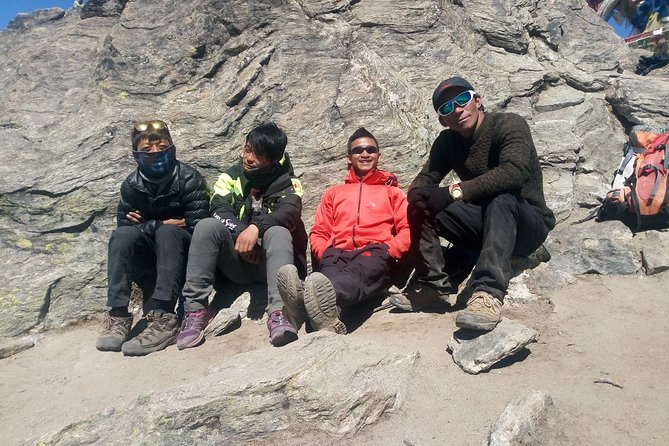
Even without a full daily roster, the reviews you have tie this trip to strong guiding. Names like Raj and Nara come up with praise for professionalism and friendliness. One described guide feeling both tough and protective, and another was credited as kind, experienced, and great at giving the right trekking support.
That matters because the trek is not a solo mission. A good guide helps you pick pace, handle weather swings, and stay calm when conditions shift. A good porter team also matters because it keeps your pack manageable, so your body can do the work you actually came for.
If you have a chance before you start, ask your guide how they handle cold mornings and whether you can expect steady day-by-day pacing or more variable effort. You’re not trying to micromanage, you’re trying to match your expectations to how the route is run.
What You Should Pack for a 5:00am Mountain Start
You may not have an itemized packing list, but the route clues are enough to plan responsibly. With a 5:00am start and a trek heading toward Everest country, think in layers and plan for temperature swings. You’ll want:
- Warm outer layer you can move in on cold mornings
- A mid-layer for steady warmth while walking
- Gloves and a hat for early starts and wind exposure
- Sunglasses and sun protection for high altitude glare
- Water and a way to keep it from freezing when it gets cold
This is also the kind of trek where footwear matters. The pass element in your plan signals that footing can get tricky. Bring boots or shoes you already trust, then break them in before you leave home.
Price and Value: Is $1,333.34 Fair for This Route?
The price is listed at $1,333.34 per person for a trek around 15 days, with features like pickup offered and a mobile ticket. That number will feel reasonable or steep depending on what you expect to be included.
Here’s how I’d judge value using only what you’re told is included. You get breakfast, dinner, coffee and/or tea, and lunch you can choose from tea house or hotel. Your tour also runs as a private activity, and you’re told the operator has been leading expeditions and trekking tours since 2010, which usually correlates with smoother logistics and less guesswork for routes in this region.
What’s not included is also important. Non-included items list Kathmandu stay and many personal costs like bar bills, alcoholic bills, personal insurance, and some meal categories. Because the meal inclusion details have some contradiction around lunch and dinner, your best move is to confirm exactly what meals are covered on your specific dates.
Bottom line: if your priority is a guided, private, big-view trek that includes main meals and tea, the pricing can make sense. If you hate uncertainty around meals or you expect all costs bundled in, you may need to budget extra and confirm details early.
Who Should Choose This Everest Base Camp + Gokyo Ri Trek?
This trek is aimed at people with at least moderate physical fitness. That doesn’t mean it’s easy, it means the route is not positioned as an extreme technical climb. You’ll still be walking in mountain terrain for about two weeks, reaching high elevation viewpoints, and eventually reaching Everest Base Camp.
You’ll likely enjoy it most if you want:
- A route that hits multiple high peaks in one story, not just one viewpoint
- A blend of Sherpa culture and big-mountain scenery
- A private guide and a group that stays together
If you hate early starts, strong altitude days, and weather uncertainty, you might find this style of trek stressful. But if you’re okay with planning around mountain conditions, it’s a powerful way to experience the Everest region beyond the single postcard moment.
Should You Book Everest Base Camp + Gokyo Ri?
I think you should book this trek if your “must” list includes Gokyo Ri, Cho La Pass, and the Everest Base Camp finish in one connected plan. The route’s mountain lineup, Sherpa-focused lifestyle context, and the presence of proven guides like Raj and Nara all point to a trip that’s built for both awe and day-to-day competence.
Hold off or ask extra questions before committing if:
- You want perfectly clear meal inclusion with no conflicts, especially around lunch and dinner
- You’re not comfortable with a 5:00am start and long walking days
- You prefer itineraries that are less weather dependent
If you’re the type who enjoys preparation, steady pacing, and chasing clear-view windows in the Himalayas, this is a strong pick.
FAQ
What time does the trek start?
The meeting start time is listed as 5:00am.
Is this a private tour?
Yes. It is described as a private tour/activity, with only your group participating.
What meals and drinks are included?
Breakfast and dinner are included, and coffee and/or tea are included (normal coffee and all type of tea). Lunch is listed as something you can choose from tea house or hotel, but there is also a note saying lunch dinner may be excluded, so it is worth confirming what applies to your booking.
Is pickup included?
Pickup is offered, and the meeting point is described as near public transportation.
What is the cancellation policy?
You can cancel for a full refund if you cancel up to 24 hours in advance of the experience start time. If the trek is canceled due to poor weather, you are offered a different date or a full refund.
What fitness level is needed?
The trek calls for travelers with a moderate physical fitness level.
Latest additions near Kathmandu
- White Water River Rafting – 1 Day★ 4.3 · 3 reviews
- Traditional Momo Making Class★ 5.0 · 10 reviews
- Kathmandu to Pokhara Premium sofa bus ticket★ 4.0 · 17 reviews
- Ghorepani Poonhill Trek★ 5.0 · 5 reviews
- Ghorepani Poon Hill Trek★ 5.0 · 16 reviews
- Amazing 1 Day Trekking Experience in Kathmandu Nepal★ 5.0 · 24 reviews
- Walking tour of real Kathmandu through back streets.★ 5.0 · 3 reviews
- Wildlife Adventure in Chitwan Nepal★ 4.0 · 4 reviews
Everest Base Camp Treks, compared.
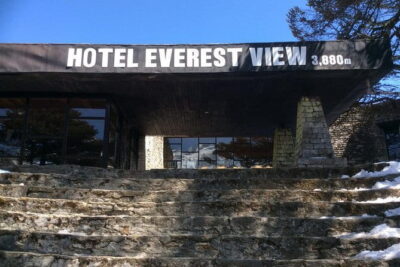
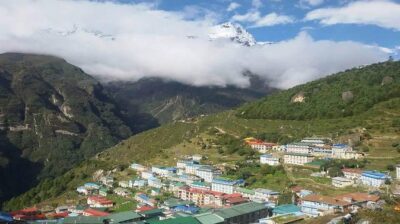
Everest Base Camp Helicopter Tour landing at Everest View Hotel
Read our review →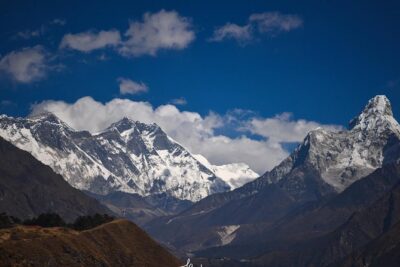
Everest Base Camp Helicopter Tour landing at Hotel Everest View
Read our review →
Browse the lists this tour appears in