
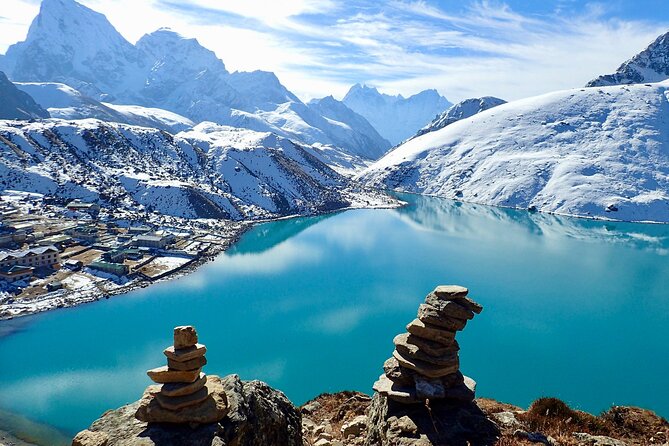
Reviewed · EVEREST BASE CAMP TREKS
Everest Base Camp Trek with Helicopter Return to Lukla – 10 Days
If your idea of Everest is equal parts challenge and convenience, this trek fits the bill. You hike through classic Sherpa country to Everest Base Camp and then take a helicopter ride back from Gorakshep to Lukla, which means less backtracking at altitude. The trip also handles a lot of the hard-to-plan pieces like flights, permits, and a licensed English-speaking guide.
I like that you get comfortable planning support, including a 3-star hotel in Kathmandu with breakfast and private transfers. I also like the practical gear and safety items included, like a duffel bag, sleeping bag, a medical kit, and the required permits for the Sagarmatha region. You can travel lighter and focus on acclimatizing and walking.
One possible drawback is the weather factor. Helicopters and domestic flights depend on conditions, and if the weather turns, your schedule can change.
In This Review
- Key things I would focus on
- Everest Base Camp plus a Gorakshep-to-Lukla helicopter, what you really gain
- Kathmandu hotel, pickup, and the farewell dinner that makes it feel complete
- How the Lukla flight day usually shapes your trek
- Trekking through Sherpa villages and the Dudh Koshi corridor
- Namche Bazaar and Tengboche, where the trip gets both cultural and physical
- Dingboche acclimatization, the altitude day you should respect
- Everest Base Camp and Kala Patthar sunrise, the payoff that stays with you
- The helicopter ride from Gorakshep to Lukla, your last big view from above
- Value check on the $799 price: what you are buying, and what you still plan
- Who should book this, and who should reconsider it
- Should you book Everest Base Camp with a helicopter return from Gorakshep?
- FAQ
- What is included in the helicopter portion of the trip?
- What permits are included for the trek?
- Are flights included, or do I need to arrange them myself?
- Is there a porter service included?
- What hotel do I stay in during Kathmandu?
- What meals are included during the trek?
- Does the tour provide trekking gear?
- How large is the group?
- Do I need special insurance?
Key things I would focus on
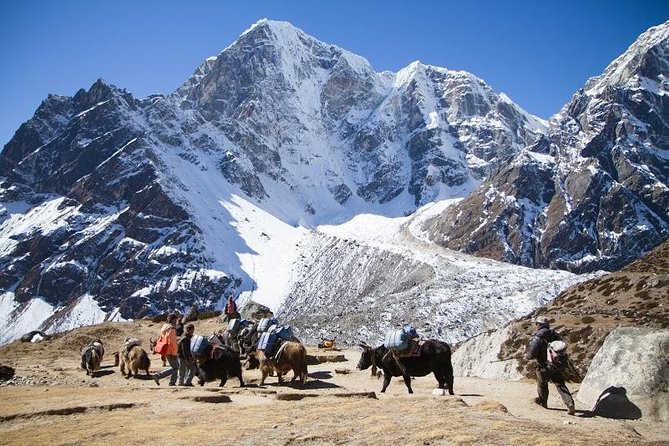
- Helicopter return from Gorakshep to Lukla, so you avoid the long slog back down
- Licensed English-speaking guide, plus pacing help for altitude days like Namche and Dingboche
- Included permits for Sagarmatha National Park, TIMS, and Pasang Lhamu Entry
- Guesthouse trekking, meaning real mountain life without going full roughing-it
- Kathmandu hotel and farewell dinner, a good wrap-up after the trek
Everest Base Camp plus a Gorakshep-to-Lukla helicopter, what you really gain
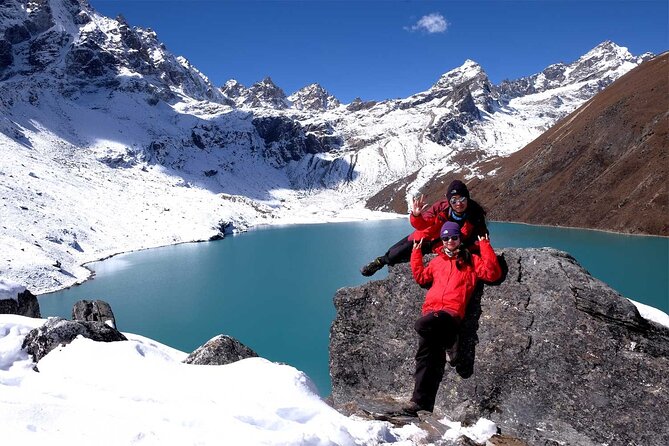
This is not a standard tea-house trek where you simply go out and retrace your steps. The big twist is the helicopter return from Gorakshep to Lukla. That single decision changes how the whole trip feels, because the hardest part is not just reaching high places. It is also getting down safely with enough energy left to enjoy the last night.
Hiking to the Everest Base Camp area is demanding, mostly because the air gets thin. On this route, you still earn your views the old-fashioned way, step by step. Then you switch to air for the return leg, so your body gets a break when it usually needs it most.
The tradeoff is that you are trading control for convenience. A helicopter is amazing when it runs, but it is also dependent on mountain weather. You are doing Nepal in real conditions, not a guaranteed slideshow.
More Treks in Kathmandu
- Everest Base Camp Trek – 14 Days
★ 5.0 · 1,499 reviews - Everest Base Camp Trek
★ 5.0 · 842 reviews - Everest Base Camp Trekking
★ 5.0 · 485 reviews
Kathmandu hotel, pickup, and the farewell dinner that makes it feel complete
You start in Kathmandu with private vehicle transfers and a 3-star hotel with breakfast. You also meet at Tribhuvan Airport around 9:00 am, which helps you avoid the common early-day scramble of figuring out where to be and when.
Kathmandu time matters on an Everest trip. Even a short city window lets you handle basics like settling your gear, double-checking documents, and catching your breath after travel. If you prefer a plan with less stress, this setup is a good fit.
At the end, you get a farewell dinner in Kathmandu with Nepali cuisine and a cultural show, including traditional dance. That is not just entertainment. It gives you a clean emotional landing after days of altitude, quiet mornings, and the mental grind of pacing yourself.
How the Lukla flight day usually shapes your trek
This tour includes domestic flights Kathmandu/Manthali to Lukla round-trip. That means the trekking starts in the classic high-mountain way, with a quick jump to the region where the trails begin. Flying in also reduces the time you spend traveling on the ground before you even start walking.
What is worth planning for: you are stacking travel days into a short window. If you get motion sickness easily, or if you feel stressed by tight schedules, you will want to go in with calm expectations. Bring layers for airport and plane temperatures, and plan to hydrate steadily.
Also note what is included and what is not. Your trek lodging is included, but meals are not fully included in the cost. Lunch and dinner in Kathmandu are not included, and all meals during the trek are not included. That is a key detail for budgeting, because mountain meals add up.
Trekking through Sherpa villages and the Dudh Koshi corridor
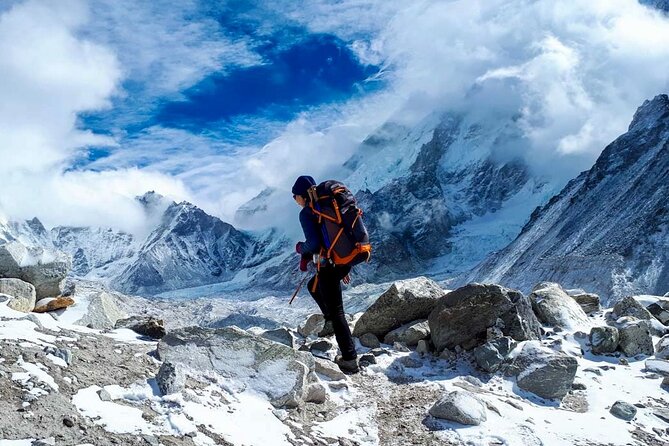
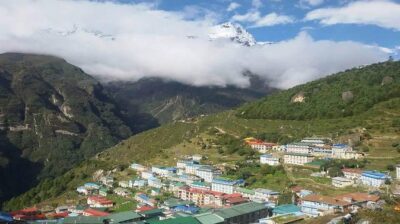
Once you are on the trail, you move through the kinds of settings that make Everest so culturally distinct from other big hiking regions. Expect Sherpa villages, forests, and sections along the Dudh Koshi River as you gradually ascend.
This part of the trek is where you learn your rhythm. You will likely spend time adjusting your pace to the altitude, not to the trail difficulty alone. In many Everest routes, the early days are deceptively simple. The legs feel fine, but the body is still negotiating the elevation.
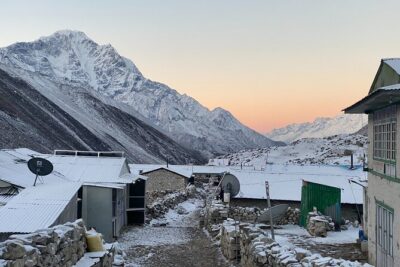
Staying in standard guesthouses is part of the practical comfort. Guesthouses are basic but workable, and they give you a predictable routine: walk, eat, rest, repeat. That predictability matters when the air gets thinner later.
One thing to be ready for, because it can catch people off guard, is cold and limited creature comforts. The included sleeping bag helps, but you still need to dress smartly for early mornings and nighttime in the mountains.
More Everest Base Camp treks:
- Everest Base Camp Helicopter Tour landing at Everest View Hotel
★ 5.0 · 668 reviews - Everest Base Camp Trekking – 13 Day
★ 5.0 · 365 reviews - Everest Base Camp Trek
★ 5.0 · 350 reviews - Everest Base Camp Trek -14 Days
★ 5.0 · 321 reviews
Namche Bazaar and Tengboche, where the trip gets both cultural and physical
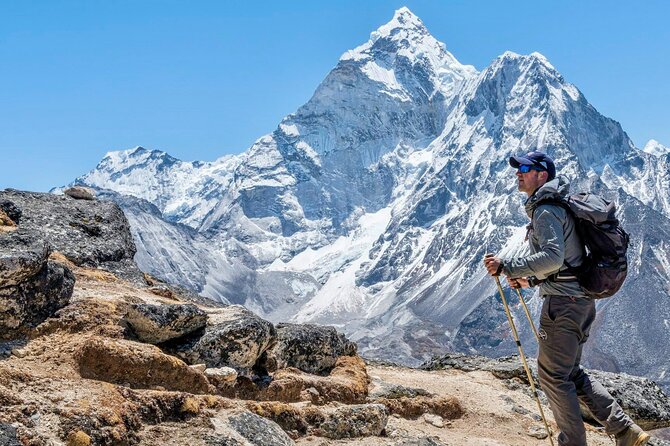
Two stops you should treat as more than checkboxes are Namche Bazaar and Tengboche. Namche Bazaar is a focal point for the region, a place where you feel the mix of trade, tradition, and mountain ambition. It is also a useful day psychologically, because it breaks up the monotony of rising into thinner air.
Tengboche is known for monastery life, and this trek includes time to visit monasteries here. That is one of the reasons the route feels more meaningful than a pure altitude scramble. You are walking in a place with active spiritual traditions, not just climbing a mountain.
Practically, these days also influence how you handle altitude. You do not just want to reach high elevations. You want to function when you are there. That is why pacing and rest days are such a big deal on Everest itineraries.
If you like a guided plan, the structure of a licensed English-speaking guide helps you manage the day better. On this kind of trek, good guidance is not about big speeches. It is about when to slow down, when to drink water, and how to keep your group calm when you feel the altitude.
Dingboche acclimatization, the altitude day you should respect
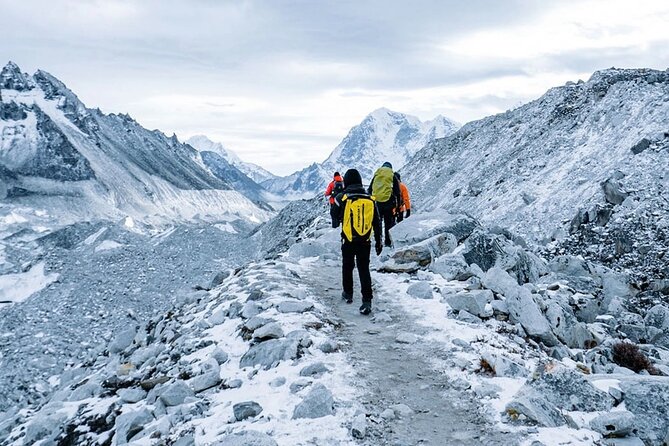
Dingboche is an acclimatization stop on this route, which means it is a day built around a simple idea: arriving high is not the same as being ready high. The trek includes acclimatizing time here, which is exactly what you want before moving deeper into the high country.
This is also where the group dynamic matters. A trek with up to 15 travelers tends to feel more personal than huge groups, but it still requires coordination. The guide has to manage pacing and condition checks so people do not push too hard too early.
I especially like that the tour includes a comprehensive first aid medical kit. It does not replace medical care, but having proper supplies and basic preparedness is a real comfort on a remote trek.
Most important: this is where you should listen to your body more than your plans. If you find yourself short of breath faster than expected, or if you feel unusual headache or nausea, speak up early. On Everest, the smart move is to slow down early, not tough it out.
Everest Base Camp and Kala Patthar sunrise, the payoff that stays with you
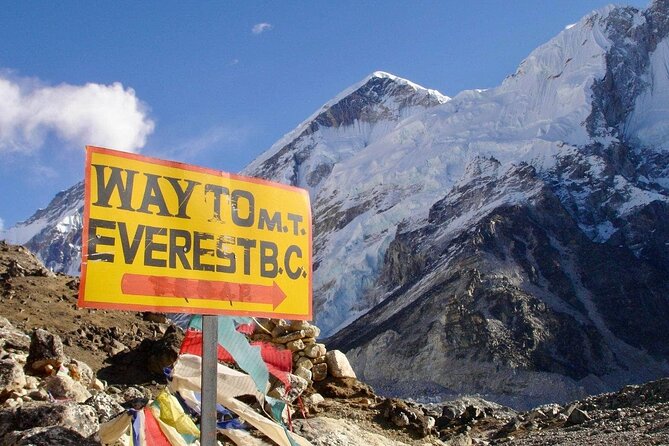
Reaching Everest Base Camp is the whole reason most people come here, and it is still the kind of place that hits hard, even if you have seen photos before. The views in this region are a mix of raw rock and immense scale, and the experience feels bigger than the map can explain.
Then there is the hike to Kala Patthar, which is famous for sunrise over the Himalayas. If sunrise is your thing, treat this as a high-effort morning. It is not a walk you do at an easy pace. You will be outside in cold temperatures, and you will want to dress in layers that you can manage quickly.
This is where a licensed English-speaking guide pays off. Good guidance helps you stay steady when the air is thin and your hands are not as responsive as they are at home. People often underestimate how much the early cold matters, so use the sleeping bag support and pack warm layers you know you can rely on.
The helicopter ride from Gorakshep to Lukla, your last big view from above
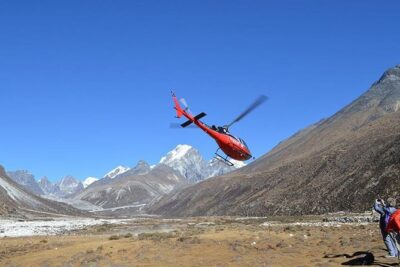
The helicopter leg is the signature feature: Gorakshep to Lukla. This is where the trip earns its name as an experience that blends adventure with relief. You get aerial views of the area you worked for, and you avoid the long, repetitive descent that many hikers do not love, especially when altitude fatigue is already in play.
It is also a chance to reset mentally. After days of focused walking, the helicopter turns the mountain into a moving panorama. Even if you only get limited time in the air, it is a different way of seeing Everest country.
Just remember the practical catch: the tour requires good weather. That is not a minor note. Mountain aviation is weather-dependent, so you should go with flexibility in your mindset. If the weather changes, your plan can shift.
Value check on the $799 price: what you are buying, and what you still plan
At $799 per person, this package bundles a surprising number of moving parts. You get domestic flights to and from Lukla, permits for the Sagarmatha region, trek lodging in guesthouses, and a helicopter return. You also get private transfers in Kathmandu and the 3-star hotel with breakfast.
You are also getting gear and safety support included. The trip provides a duffel bag, sleeping bag, a T-shirt, a map, and a comprehensive first aid medical kit. That means you do not have to guess what gear to rent or buy for the trek.
Where you still need to budget separately is food. Meals like lunch and dinner in Kathmandu are not included, and all meals during the trek are not included. Also not included is porter service, which is optional, with a recommendation of one porter for two trekkers.
And do not skip the insurance requirement. Insurance must cover medical issues and high-altitude evacuation. For a trek that reaches high elevations and involves aviation transport, that is not optional in practice.
This is also a smaller-group style trip with a maximum of 15 travelers, which can mean easier logistics and a smoother pace than very large groups.
Who should book this, and who should reconsider it
This is best for you if you want Everest Base Camp without committing to a full out-and-back descent on foot. The helicopter return is a great match for people who want to protect their energy for the big moments, especially reaching Kala Patthar and enjoying the last days without feeling completely drained.
It also fits if you value guidance. The trip uses a licensed English-speaking guide, and the overall setup handles permits, flights, and lodging so you are not wrestling logistics while you are breathing thin air.
Consider it carefully if you do not have flexible expectations about weather. The helicopter and domestic flights rely on conditions. You should also be sure your insurance covers high-altitude evacuation and that your physical fitness is at the moderate level expected.
If you love the idea of hiking, this is still a real trek. It is not a sightseeing tour in name only.
Should you book Everest Base Camp with a helicopter return from Gorakshep?
If you want Everest country with less hassle, this is a strong choice. The included helicopter ride is the headline, but the real win is how the package reduces uncertainty around permits, flights, and on-trail lodging, so you can focus on acclimatization and pacing.
I would book it if you are okay paying for most meals yourself and you have the right insurance in place. I would hesitate if you need absolute schedule certainty regardless of mountain weather, since aviation depends on conditions.
Overall, this route is built for travelers who want the classic Everest goals, plus a smart exit from the hardest part of the return.
FAQ
What is included in the helicopter portion of the trip?
The tour includes a helicopter ride from Gorakshep to Lukla. This is in addition to the domestic flights that also run between Kathmandu/Manthali and Lukla.
What permits are included for the trek?
The included permits are for Sagarmatha National Park, TIMS, and Pasang Lhamu Entry.
Are flights included, or do I need to arrange them myself?
Domestic flights are included as Kathmandu/Manthali to Lukla round-trip. International flights to and from Kathmandu are not included.
Is there a porter service included?
Porter service is optional. The guidance is to use one porter for two trekkers, if you choose to add it.
What hotel do I stay in during Kathmandu?
You stay in a 3-star hotel with breakfast in Kathmandu.
What meals are included during the trek?
Meals during the trek are not included, and lunch and dinner in Kathmandu are also not included. Only the Kathmandu hotel breakfast is included.
Does the tour provide trekking gear?
Yes. Included trekking gear covers a duffel bag, sleeping bag, T-shirt, and map.
How large is the group?
The tour has a maximum of 15 travelers.
Do I need special insurance?
Yes. Your insurance must cover medical needs and high-altitude evacuation. A medical kit is included, but evacuation coverage is still required.
More Helicopter Tours in Kathmandu
- Everest Base Camp Helicopter Tour landing at Hotel Everest View
★ 5.0 · 218 reviews - Everest Base Camp Trek with Helicopter Return from Gorakshep to Lukla
★ 5.0 · 161 reviews - Everest Base Camp helicopter tour with landing
★ 5.0 · 61 reviews - Everest Base Camp Helicopter Tour with Hotel Everest View Landing
★ 5.0 · 52 reviews
Latest additions near Kathmandu
- White Water River Rafting – 1 Day★ 4.3 · 3 reviews
- Traditional Momo Making Class★ 5.0 · 10 reviews
- Kathmandu to Pokhara Premium sofa bus ticket★ 4.0 · 17 reviews
- Ghorepani Poon Hill Trek★ 5.0 · 16 reviews
- Amazing 1 Day Trekking Experience in Kathmandu Nepal★ 5.0 · 24 reviews
- Ghorepani Poonhill Trek★ 5.0 · 5 reviews
- Walking tour of real Kathmandu through back streets.★ 5.0 · 3 reviews
- Wildlife Adventure in Chitwan Nepal★ 4.0 · 4 reviews
Everest Base Camp Treks, compared.
Everest Base Camp Helicopter Tour landing at Everest View Hotel
Read our review →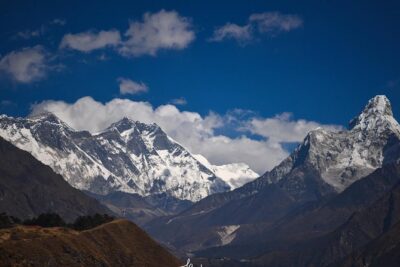
Everest Base Camp Helicopter Tour landing at Hotel Everest View
Read our review →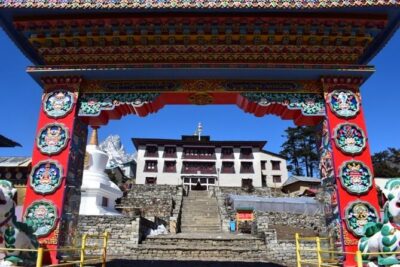
Browse the lists this tour appears in