
Reviewed · EVEREST BASE CAMP TREKS
Everest Base Camp Trek with Helicopter Return from Gorakshep to Lukla
The helicopter ride changes the whole trek. This Everest Base Camp walk is famous for one reason: after you push up to Gorakshep, you’re flown back to Lukla in a short, scenic jump. Along the way, you’ll move through Khumbu valleys, suspension bridges, and glacier country, always working your way toward the highest mountain’s doorstep.
I especially like the way the trip is built around real-world altitude and timing. You get two acclimatization days (including a day near Namche and a hike toward Nangkartshang) so your body has more chances to adjust. I also like that you’re not expected to run the logistics yourself, with an English-speaking, licensed guide and a porter system that shares the load.
One consideration, though: mountain weather can affect flights. The trek includes air travel to and from Lukla and a helicopter return that depends on conditions, so you need flexibility in your mindset, not just your schedule.
In This Review
- Key things that make this trek worth your attention
- Why the Gorakshep-to-Lukla helicopter return feels like a cheat code
- Kathmandu arrival, hotel base, and getting organized fast
- The Lukla flights: the start of the adventure, and why timing matters
- Phakding to Namche Bazaar: rivers, suspension bridges, and the first real altitude push
- Namche to Everest View Point: acclimatization with a payoff
- Tengboche: monastery time with glacier-fed scenery
- Dingboche and the Imja Khola crossings: mani stones and steady climbs
- Nangkartshang peak day: acclimatization without the Base Camp grind
- Lobuche: Khumbu Glacier edges and memorials for those who didn’t return
- Everest Base Camp day: the glacier walking that tests your legs
- Kala Pattar: the steep, high reward day
- Back to Lukla, then down to Kathmandu: recover with purpose
- The price tag, and what it buys you in real trekking terms
- Who this EBC trek with helicopter return is for
- A quick note on the team you might work with
- Should you book this Everest Base Camp trek with helicopter return?
- FAQ
- What is included in the trekking price?
- How long is the helicopter flight from Gorakshep to Lukla?
- Do I get acclimatization days during the trek?
- What are the accommodation options during the trek?
- What kind of fitness level do I need?
- What permits are included?
- Is travel insurance included?
Key things that make this trek worth your attention
- Shared helicopter from Gorakshep to Lukla saves major downhill time after Everest Base Camp
- Two acclimatization stops help you manage the altitude more smartly
- Guide and porter support includes a porter for every two guests, plus a first-aid trained team
- Oxygen monitoring and filtered water are built into the trek day to day
- Meals plus permits are included, so you’re not piecing things together last minute
Why the Gorakshep-to-Lukla helicopter return feels like a cheat code
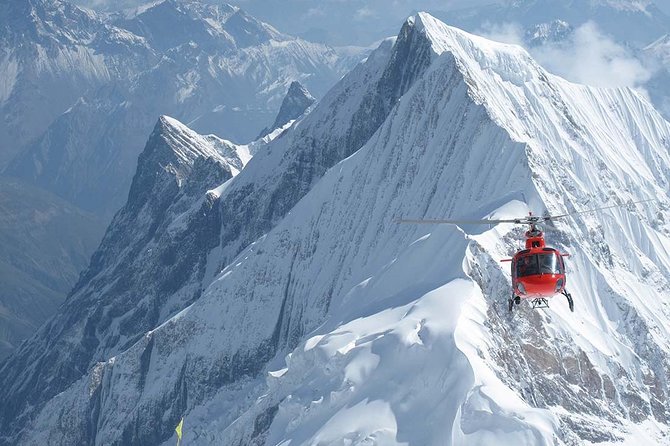
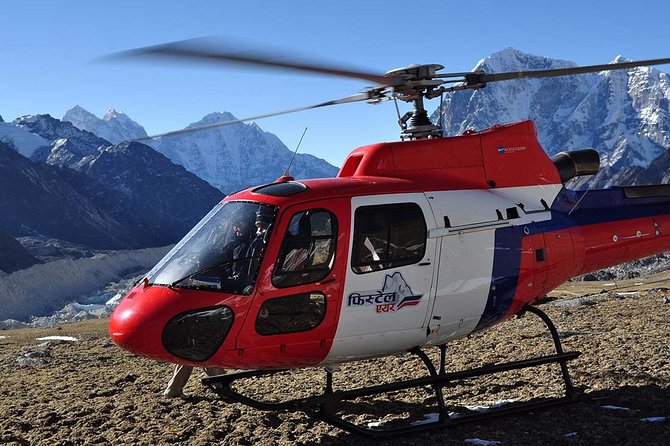
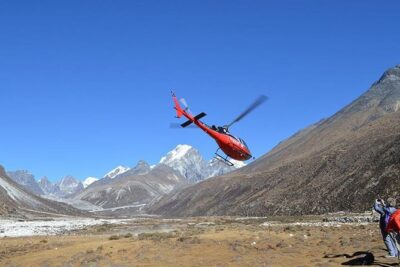
On many EBC treks, the hardest part is often the last part, the “how do I get back down with my legs destroyed” section. Here, the experience is designed with a clear payoff: once you reach Gorakshep, you take a shared helicopter ride to Lukla. The schedule notes a flight of about 20 minutes, which is a big deal at the end of a high-altitude trek.
What you get is not just convenience. You also reduce the time you spend bouncing along trails when your body is already tired and oxygen levels are lower than what you’re used to. That matters because the EBC trek is tough even when conditions are good. By trimming the return leg, the trip makes it more realistic for people who want the Everest experience without turning it into a week-long punishment.
The helicopter also gives you a different kind of view. Even if you’ve seen mountain photos before, flying in a Himalayan valley has a “map becomes real” effect. You’ll spot ridgelines, villages, and river cuts in a way that’s hard to get when you’re hiking on footpaths.
More Treks in Kathmandu
- Everest Base Camp Trek – 14 Days
★ 5.0 · 1,499 reviews - Everest Base Camp Trek
★ 5.0 · 842 reviews - Everest Base Camp Trekking
★ 5.0 · 485 reviews
Kathmandu arrival, hotel base, and getting organized fast
Your trip starts with a greeting at Tribhuvan International Airport in Kathmandu. You’ll transfer to your hotel in a private tourist vehicle, then meet your guide before you head out. That matters more than it sounds. In Nepal, a smooth first day helps you focus, especially when you’ll be switching into trekking mode quickly.
You get twin-sharing hotel accommodation in a three-star property for two nights, with breakfast included. That’s a practical setup. You can wash up, stretch, and handle the small stuff you might not think about at home, like double-checking gear and charging devices. Even if you’re traveling light, it helps to have a stable base before the Lukla flight.
You’ll also be working within a set start time (meeting point at 8:00 am). I like that the plan is structured. It reduces that travel-day guesswork when you’re dealing with domestic flights and early departures.
The Lukla flights: the start of the adventure, and why timing matters
Day two includes an early start from Kathmandu to the domestic airport, then a scenic flight to Lukla (Tenzing and Hillary Airport). The flight time listed is about 35 minutes, and Lukla sits at 2,804 meters. That altitude jump is part of why this trek is so demanding and why acclimatization matters later.
Why I think this is smart: if you had to reach Lukla by road and long hikes, you’d burn energy before the trek even begins. Flying in gives you a cleaner start and more time for gradual altitude work.
One thing to keep in mind is weather. Lukla is famous for being weather-dependent. The same is true for the helicopter return later. So if you’re the kind of traveler who hates uncertainty, you’ll want to bring a flexible attitude.
Phakding to Namche Bazaar: rivers, suspension bridges, and the first real altitude push
From Phakding toward Namche Bazaar, the route is described as around six hours of hiking total. You’ll trek along the Dudh Koshi river and cross suspension bridges decorated with prayer flags. This is one of those sections that feels like a moving postcard, but it’s also a physical warm-up for the altitude.
The suspension bridges do more than look dramatic. They make you pay attention to your footing and pacing. When you’re already at elevation, careful walking helps you avoid overexertion early. I like that the itinerary builds in steady movement rather than throwing you straight into steep climbs.
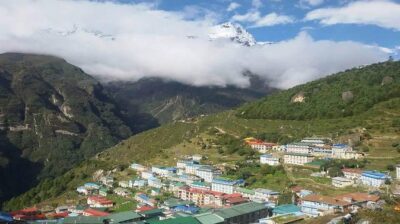
Namche Bazaar is also your first major hub. Even if you don’t spend a lot of extra time there, the village feel sets expectations for the rest of the Khumbu. You’re going from trail to town to trail, which changes how you experience cold nights and meals.
More Everest Base Camp treks:
- Everest Base Camp Helicopter Tour landing at Everest View Hotel
★ 5.0 · 668 reviews - Everest Base Camp Trekking – 13 Day
★ 5.0 · 365 reviews - Everest Base Camp Trek
★ 5.0 · 350 reviews - Everest Base Camp Trek -14 Days
★ 5.0 · 321 reviews
Namche to Everest View Point: acclimatization with a payoff
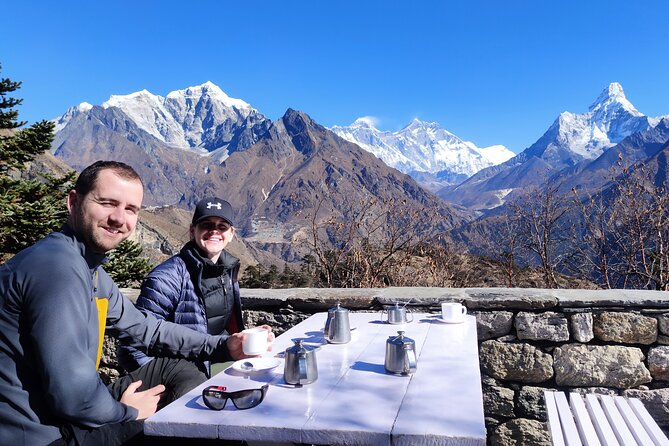
The itinerary includes a day around Everest View Point for acclimatization. The plan mentions short trekking around Namche Bazaar and rewards you with Himalayan views, including a strong sunrise angle.
This is a classic strategy: don’t just rest in place, move gently, then recover. You’re adjusting to thinning air pressure, but you’re also getting the kind of viewpoint that makes the effort feel worth it. If you’re worried about “wasting a day,” this section is the opposite. It’s an investment in how you’ll feel later near Lobuche and Gorakshep.
This day also sets your pacing habits. If you walk too fast on acclimatization days, you’ll pay for it later. If you keep it controlled, you’ll be in a better rhythm.
Tengboche: monastery time with glacier-fed scenery
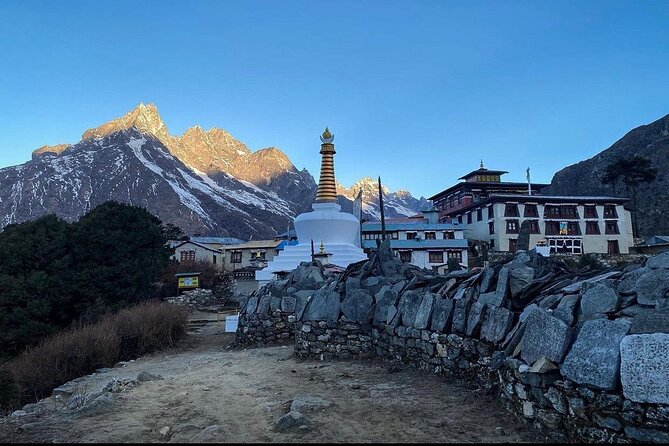
On day five, you head toward Tengboche, reaching an altitude of about 3,860 meters. The route follows glacial waters of the Dudh Kosi and is known for big mountain presence.
Tengboche is described with a monastery visit inside, which means this stop isn’t only about geography. It’s also about culture and silence. For many hikers, these are the moments where the trek stops feeling like a checklist and starts feeling like a journey.
Practically, monasteries and village stops can also help you manage heat and cold. You’ll likely be thinking about layers, wind, and how long you’ll wait outside for photos. I recommend using this day to get your routine down: wear what you need while walking, then slow down and protect yourself when you stop.
Dingboche and the Imja Khola crossings: mani stones and steady climbs
From Tengboche you go toward Dingboche, with notes about dropping to Debuche, crossing the Imja Khola on another suspension bridge, and climbing among thousands of mani stones toward Pangboche. Then you continue up to Dingboche.
This is a section where the trek becomes more “high altitude” feeling. The walking is still along trails with bridges, but the air and the visual range start to shift. You’ll feel more exposed, and nights get colder.
What I like about this portion is that the itinerary keeps your elevation gain tied to a sense of route rhythm. You’re not just sprinting upward. You’re working with the terrain, which helps you stay consistent.
Nangkartshang peak day: acclimatization without the Base Camp grind
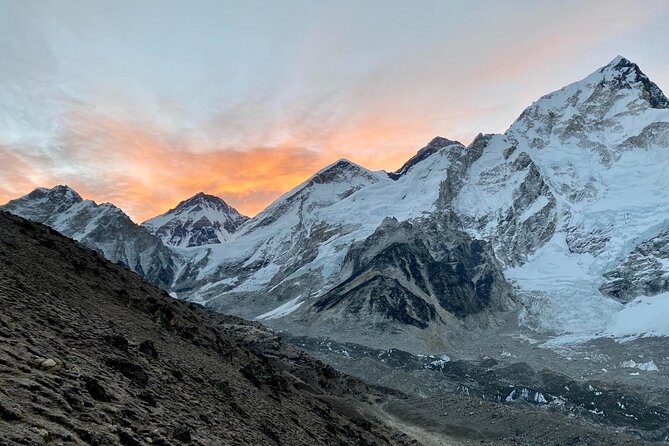
Day seven is planned as an acclimatization day, and it explicitly says you do not push toward Everest Base Camp that day. Instead, you hike to Nangkartshang Peak just above Dingboche.
This kind of detour is smart. It’s proof the trek is designed around altitude management, not just maximizing itinerary box checks. The plan mentions the peak as an excellent viewpoint, which means you still get that emotional reward without forcing your body through the toughest section too early.
If you’re new to high altitude trekking, I’d treat this as a model day. Take it slow, watch your breathing, and keep your energy for the later glacier walk.
Lobuche: Khumbu Glacier edges and memorials for those who didn’t return
On day eight you move to Lobuche, traveling along the lateral moraine of the Khumbu Glacier. You’ll also pass stone memorials for climbers who perished nearby.
This is one of those parts where the trek turns reflective. The memorials aren’t just decoration. They’re reminders that Everest is not a casual hike, and that the mountain punishes rushed decisions.
Technically, this day is described as 16 hours, so you’ll want to treat it like a full effort day. The key is to keep your pace steady and let your guide and porter team handle what they’re trained for. With filtered water and standard meals provided, you can focus on the walking rather than logistics.
Everest Base Camp day: the glacier walking that tests your legs
Day nine is the big one: a difficult walk to Everest Base Camp at 5,365 meters. The plan frames it as a “big and difficult day” along the Khumbu Glacier, and it mentions the closest you can get to Mt. Everest without mountaineering equipment.
Here’s what you should expect mentally. Base Camp is not a short sightseeing hop. Even when you arrive, you’ll feel the altitude in your breath and legs. Your body may not feel like it’s cooperating, and that’s normal.
The best approach is not to treat arrival as a sprint. It’s more like a steady push, then a careful stop. Drink water, eat something simple, and keep your movements calm. You’re going high, and the day is about getting there safely, not setting a personal best.
Kala Pattar: the steep, high reward day
On day ten, the trek includes Kala Pattar at around 5,555 meters. This is described as one of the most difficult yet rewarding days, with a morning ascent.
Kala Pattar matters because it gives a different perspective than Base Camp. You’ll be above many of the trekkers’ main viewpoints. The plan notes a demanding ascent, but also the kind of view that makes people remember the trek long after the sore days fade.
If you’re chasing the classic Everest photos, this is your best bet. If you’re chasing a safe day, the trick is pacing again. Start slowly, keep your breathing under control, and don’t let the crowd energy set your rhythm.
Back to Lukla, then down to Kathmandu: recover with purpose
After Kala Pattar, you finish with the helicopter return from Gorakshep to Lukla, then fly back to Kathmandu. Day eleven describes the flight as about 35 minutes to Kathmandu, then a transfer back to your hotel.
This is where the trip design really shows. The helicopter return means you’re not spending one more long day hiking back from Gorakshep. Instead, you can shift from trekking endurance mode into recovery mode.
And because meals and key trekking logistics are already covered, you can focus on simple things: warm food, hydration, and sleep. I also like that the trip keeps you tied to a clear end point, with the final day devoted to departing via Tribhuvan International Airport.
The price tag, and what it buys you in real trekking terms
At $3,000 per person for a roughly 12-day experience, this isn’t a budget trek. But it also isn’t just paying for a guide and “good luck.” The included costs are the big-ticket items that often surprise people.
What you get for the price includes:
- Airfare Kathmandu to Lukla and back
- Shared helicopter ride from Gorakshep to Lukla
- Everest National Park permits and TIMS permit
- Kathmandu hotel with breakfast for two nights
- Trek guesthouse stays in Lukla, Phakding, and Namche, with attached toilets noted for those stops
- Porters (one porter for every two guests)
- Standard trek meals (breakfast, lunch, dinner), plus a farewell dinner
- A first-aid trained guide team, comprehensive first-aid kit, and an oxymeter to measure oxygen saturation
- Filtered water using a Katadyn Pocket Water Filter
- Seasonally available fruits during the trek
Where you should expect extra costs:
- Travel insurance that covers rescue and evacuation is not included
- Nepal entry visa and international airfare are not included
- Alcoholic and other personal drinks are not included
- Tips for trekking staff and driver are expected
- Personal trekking gear is not included
For value, the big question is whether the helicopter return and included logistics reduce stress enough for you. If you want EBC without adding extra days of brutal descending, the heli component is the core reason this price makes sense.
Who this EBC trek with helicopter return is for
This trek is best for hikers with moderate physical fitness who want a guided path to Everest Base Camp, but also want help with the heavy pieces: permits, flights, meals, and porter support.
It also fits people who want a smoother end to the trek. The helicopter return is a major advantage if you’re concerned about finishing in poor shape after Kala Pattar and Gorakshep.
The pace is still serious. Days like Everest Base Camp (day nine) and Kala Pattar (day ten) are described as the toughest. You should be ready for cold mornings, high altitude fatigue, and long walking days.
A quick note on the team you might work with
One of the strongest signals from past trips is how much people appreciated their guide and porter teams. Names that show up include guides like Raj, Ram, Madan, and Maddy, with porters including Bishal, Krishna, Probin, Saman, Jit, Ser, Girija, Pesal, Jot, and Sher.
Even without knowing who you’ll be paired with, it’s clear the operator leans into real on-the-ground support. You’re not just buying routes. You’re buying a working relationship with people who understand altitude days, pacing, and the practical side of trekking.
Should you book this Everest Base Camp trek with helicopter return?
Book it if you want:
- Everest Base Camp and Kala Pattar, with a thoughtful acclimatization rhythm
- A guided experience with permits, meals, oxygen monitoring, filtered water, and porters
- A faster, less exhausting finish thanks to the helicopter return from Gorakshep to Lukla
Consider skipping or adjusting plans if:
- You know you struggle with weather-linked travel changes, since both Lukla flights and the helicopter depend on conditions
- You’re not comfortable with high altitude walking and long effort days, even with guidance and support
If your goal is the Everest experience with real logistics handled for you, this is a solid way to do it.
FAQ
What is included in the trekking price?
The package includes airport and hotel transfers by private tourist vehicle, twin-sharing lodging in Kathmandu with breakfast for two nights, twin-sharing guesthouse stays in Lukla, Phakding, and Namche (with attached toilets noted for those stops), a licensed English-speaking trekking guide, porters (one porter for every two guests), meals during the trek, Everest National Park permits and TIMS permit, airfare Kathmandu to Lukla and back, and a shared helicopter ride from Gorakshep to Lukla. It also includes an oxymeter and first-aid kit, filtered water with a Katadyn Pocket Water Filter, seasonal fruits, and standard administrative expenses.
How long is the helicopter flight from Gorakshep to Lukla?
The helicopter portion is described as a shared helicopter ride from Gorakshep to Lukla, with the scenic ride noted as about 20 minutes.
Do I get acclimatization days during the trek?
Yes. The plan includes a day around Everest View Point for acclimatization and another day planned as an acclimatization hike to Nangkartshang Peak, without trekking toward Everest Base Camp that day.
What are the accommodation options during the trek?
During the trek you’ll stay in twin-sharing guesthouses in Lukla, Phakding, and Namche. Attached toilets are specifically noted for those stops. Kathmandu lodging is described as a three-star hotel with twin sharing and breakfast included for two nights.
What kind of fitness level do I need?
The information says travelers should have a moderate physical fitness level.
What permits are included?
The package includes Everest National Park permits and a TIMS permit for trekking.
Is travel insurance included?
No. Travel insurance that covers emergency rescue and evacuation is not included.
More Helicopter Tours in Kathmandu
- Everest Base Camp Helicopter Tour landing at Hotel Everest View
★ 5.0 · 218 reviews - Everest Base Camp helicopter tour with landing
★ 5.0 · 61 reviews - Everest Base Camp Helicopter Tour with Hotel Everest View Landing
★ 5.0 · 52 reviews - Guaranteed Landing at Everest Base Camp Kalapathar by Helicopter
★ 5.0 · 38 reviews
Latest additions near Kathmandu
- White Water River Rafting – 1 Day★ 4.3 · 3 reviews
- Traditional Momo Making Class★ 5.0 · 10 reviews
- Kathmandu to Pokhara Premium sofa bus ticket★ 4.0 · 17 reviews
- Ghorepani Poon Hill Trek★ 5.0 · 16 reviews
- Amazing 1 Day Trekking Experience in Kathmandu Nepal★ 5.0 · 24 reviews
- Ghorepani Poonhill Trek★ 5.0 · 5 reviews
- Walking tour of real Kathmandu through back streets.★ 5.0 · 3 reviews
- Wildlife Adventure in Chitwan Nepal★ 4.0 · 4 reviews
Everest Base Camp Treks, compared.
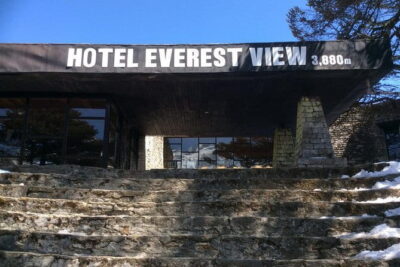
Everest Base Camp Helicopter Tour landing at Everest View Hotel
Read our review →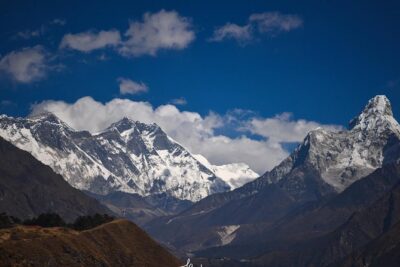
Everest Base Camp Helicopter Tour landing at Hotel Everest View
Read our review →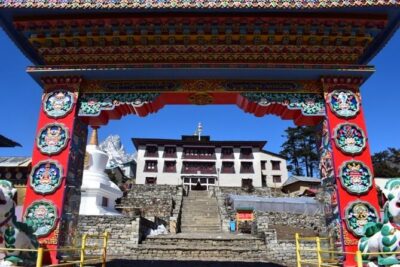
Browse the lists this tour appears in