
Reviewed · EVEREST BASE CAMP TREKS
Everest Base Camp trek with Helicopter return 9 days
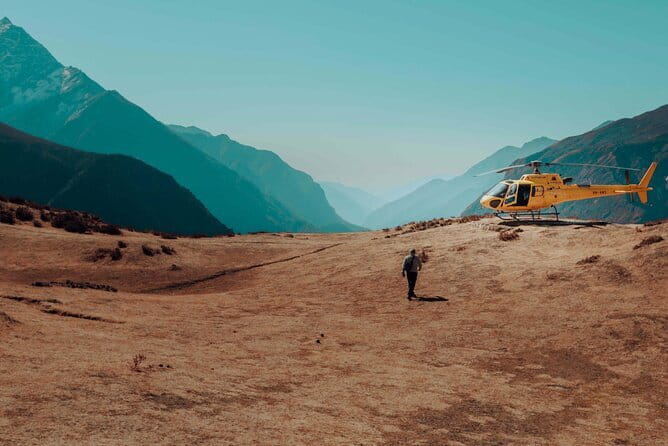
This is one of the smartest ways to reach Everest without taking a month. I love the mix of a guided mountain trek with real altitude support, and I also like the helicopter return that keeps your last day from becoming another long descent slog. One thing to think about, though, is that the schedule is tight, so you will spend less time slowly soaking in every stop along the way.
For a moderate trek, the itinerary still gives you the big checklist of Everest country: Lukla flight, Namche acclimatization, Tengboche vibes, Khumbu Glacier walking, and the classic Kala Patthar viewpoint. In past experiences led by guides like Raj and Ramesh, people have praised how smoothly the days ran and how easy it felt to keep moving at the right pace.
In This Review
- Key Things to Know Before You Go (9 Days, Helicopter Return)
- What Makes This Everest Base Camp Trek Special in Real Life
- Day-by-Day: From Kathmandu Arrival to Kala Patthar Sunrise Finish
- Day 1: Airport pickup and getting settled in Kathmandu
- Day 2: Fly Kathmandu to Lukla, then start trekking with porters
- Day 3: Phakding and Monjo bridges into Namche Bazaar
- Day 4: Namche acclimatization, then up to Everest View Hotel
- Day 5: Kyangjuma views and the climb toward higher villages
- Day 6: Tengboche, sunrise timing, and rhododendron descent
- Day 7: Dingboche area to the Khumbu Glacier on a higher, more remote day
- Day 8: Gorak Shep, rocky walking, and a long day before your finish
- Day 9: Kala Patthar viewpoint, then helicopter to Lukla and back to Kathmandu
- Price and Value: Why $3,888 Can Make Sense Here
- What the Included Safety and Support Actually Means for You
- Packing and Pace: How to Make the Moderate Days Feel Easier
- Who This Everest Base Camp Helicopter Return Trek Fits Best
- Should You Book? My Practical Verdict
- FAQ
- How long is the Everest Base Camp trek with helicopter return?
- What is the trekking difficulty?
- Where does the helicopter return take you?
- Are flights included?
- What travel support is included in Kathmandu?
- What meals are included?
- Are permits and taxes included?
- Does the trek include altitude monitoring?
- What is not included in the price?
Key Things to Know Before You Go (9 Days, Helicopter Return)
- Helicopter return from Gorak Shep to Lukla saves your legs and compresses the overall trip.
- Oximeter checks twice daily (pulse, oxygen saturation, heart rate) keep altitude monitoring practical.
- Rest day in Namche Bazaar helps you adjust before the higher, more remote walking.
- One porter for two people takes some weight off, which matters on rocky sections.
- Kala Patthar on Day 9 is the finish line, timed for early sunrise-style mountain views.
- Private car transfers in Kathmandu reduce stress on travel days.
What Makes This Everest Base Camp Trek Special in Real Life
The Everest Base Camp helicopter return idea works because it respects two realities. First, Everest country takes time to walk properly. Second, most people do not have weeks to spare. This 9-day plan gives you the main Everest landmarks while trading some extra hiking time for faster recovery.
You still trek for seven full days in the mountains. That means you get the rhythm of altitude travel, tea house stops, gradual climbs, and the satisfaction of walking into the Everest region. But you avoid the classic, long, foot-heavy reverse trip by taking the helicopter on the last day from Gorakshep to Lukla.
I also like that the trip is guided with safety systems built in, not just promises. There is a first aid kit, and the included oximeter checks are done twice a day during the trek. You are not left guessing how your body is coping.
More Treks in Kathmandu
- Everest Base Camp Trek – 14 Days
★ 5.0 · 1,499 reviews - Everest Base Camp Trek
★ 5.0 · 842 reviews - Everest Base Camp Trekking
★ 5.0 · 485 reviews
Day-by-Day: From Kathmandu Arrival to Kala Patthar Sunrise Finish
Day 1: Airport pickup and getting settled in Kathmandu
Your day starts with an airport team meeting you at the international terminal. They help with hotel check-in and carry your bags, then you meet the core team. This matters because Kathmandu arrival days often run on little sleep and lots of logistics, and you want that first step handled.
After you rest, you get a feel for the people running the trip. That early face-to-face time helps when questions pop up later, like what to pack for colder nights or how to pace the first flight day.
Day 2: Fly Kathmandu to Lukla, then start trekking with porters
On Day 2, you catch an early flight from Kathmandu to Lukla, landing at Tenzing Hillary Airport. The flight is short, but it is a huge part of the Everest experience since it drops you into the Khumbu area fast and puts you in “trail mode” immediately.
Once you land, porters join the group and you begin trekking. The included porter support (one porter for two people) can make the difference between enjoying the day and feeling like you are just surviving it.
More Everest Base Camp treks:
- Everest Base Camp Helicopter Tour landing at Everest View Hotel
★ 5.0 · 668 reviews - Everest Base Camp Trekking – 13 Day
★ 5.0 · 365 reviews - Everest Base Camp Trek
★ 5.0 · 350 reviews - Everest Base Camp Trek -14 Days
★ 5.0 · 321 reviews
Day 3: Phakding and Monjo bridges into Namche Bazaar
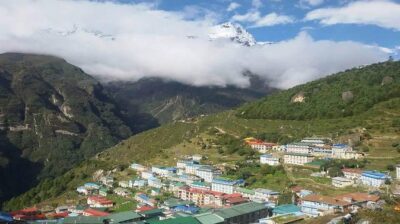
Day 3 usually feels like the first real “busy” day on the trail. You head from the Phakding area toward Toktok (2,760 m), moving through forested sections with rhododendron and magnolia. Early forest walking is often easier on the mind, because you are not staring at rock just yet.
Then you work toward Monjo and keep crossing bridges as you progress. Expect time on your feet and a steady climb that sets up the next day’s acclimatization. When you arrive in the Namche area, you are positioned for a high-value rest.
Day 4: Namche acclimatization, then up to Everest View Hotel
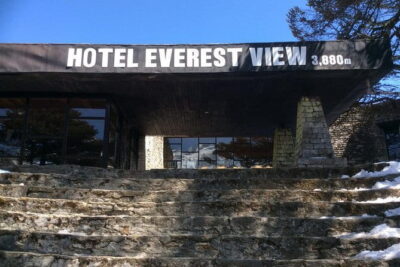
This is an important day because you do not rush past Namche. The plan includes a rest period in Namche Bazaar to let your body adjust to altitude. After that, you use the Syangboche Airstrip to reach the Everest View Hotel.
This is a clever compromise if you want acclimatization without overloading your legs. You still gain elevation, but you avoid turning Day 4 into another full-on endurance grind. Many people find this day helps the rest of the trek feel more manageable.
If you are the type who likes views, this is also one of the best “eyes-on” days of the whole trip.
Day 5: Kyangjuma views and the climb toward higher villages
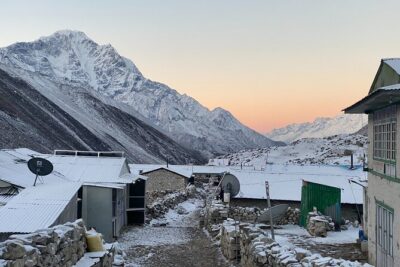
Day 5 starts with upward walking from Namche Bazaar to Kyangjuma (3,550 m). You get mountain views along the way, then the trail continues with ups and downs that reflect the reality of high-altitude hiking.
Kyangjuma is not just a stop for sleep. It’s a transition point where you feel the trail getting more serious. The air feels sharper, and you start noticing that each climb costs more than you expect.
Day 6: Tengboche, sunrise timing, and rhododendron descent
Day 6 is built around a sunrise start. You get up early to see the view, then after breakfast you head out toward Deboche (3,320 m) through rhododendron forest. This mix is great because it gives you a classic viewpoint moment and then a more visually soothing walking segment.
On this section, there is a chance to see wildlife like musk deer and blue sheep. You should not count on sightings, but the area around Tengboche and the forested slopes often feel alive compared to purely rocky days.
Day 7: Dingboche area to the Khumbu Glacier on a higher, more remote day
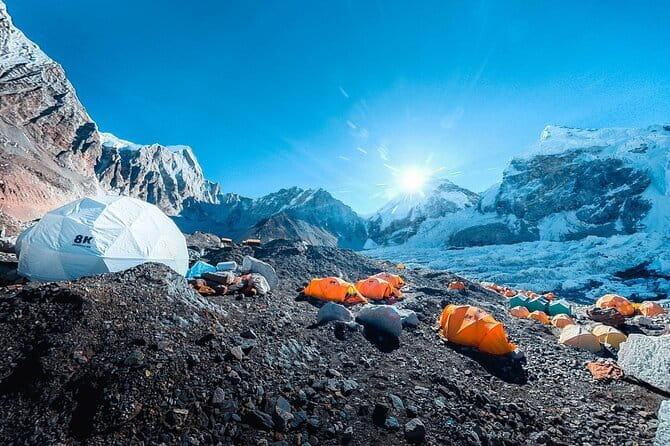
Day 7 is where the trek starts feeling more remote. After leaving Dingboche, you climb through a ridge, then spend most of the day walking along the Khumbu Glacier.
Glacier walks are not just scenery. They are also pacing practice, because the ground can be uneven and the route can feel more exposed. The upside is that you get sweeping views of peaks like Cholatse and Tawache, which make the work feel worth it.
This is a day where the included guide-led pacing matters. You want to keep your breathing steady and avoid sprinting because the altitude makes “fast” feel expensive.
Day 8: Gorak Shep, rocky walking, and a long day before your finish
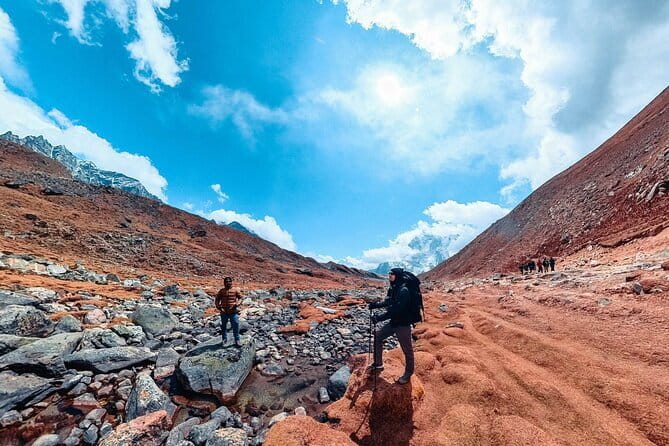
Day 8 is described as a big day, and the profile supports that. You leave Lobuche and follow a wide valley up to Gorak Shep. The trail becomes steeper as elevation increases, and you will likely do some up-and-down movement over rock.
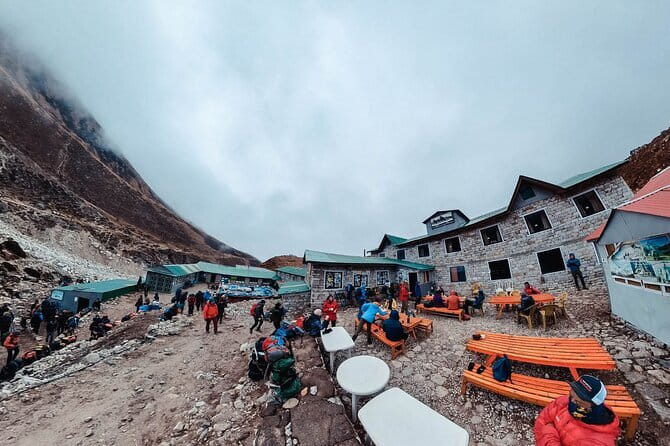
Gorak Shep is often where the trek’s emotion peaks. You are tired, the sky feels closer, and the next morning’s goal becomes real. Even if you do not feel fully ready yet, the structure of the trip gets you to the right starting point for Kala Patthar.
Day 9: Kala Patthar viewpoint, then helicopter to Lukla and back to Kathmandu
The last day is the payoff. You cannot leave the Everest area until you see the view from Kala Patthar. The trail is well-used and easy to follow, starting above Gorakshep, and the plan emphasizes the early sun and golden mountain light.
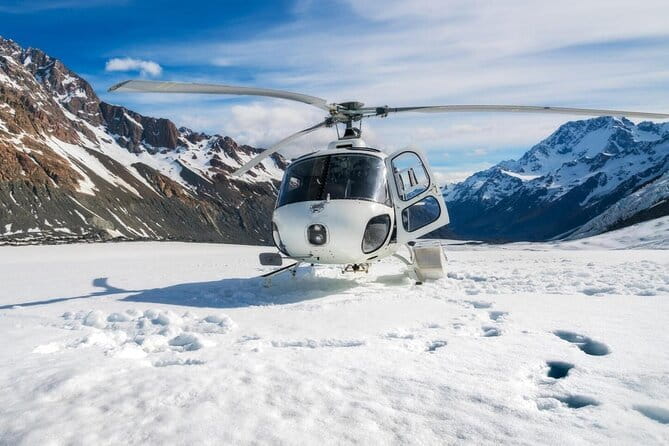
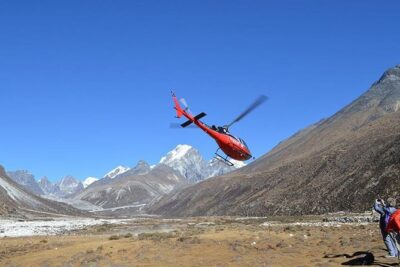
After that, the trek finishes with the helicopter segment from Gorakshep to Lukla. The helicopter return is the big selling point here because it replaces a long, repetitive down-only day with a quick, efficient exit.
Once you are in Lukla, you transition back toward Kathmandu travel plans. The trip structure is built to keep you from feeling like you need to earn your last step with extra walking.
Price and Value: Why $3,888 Can Make Sense Here
At $3,888 per person, this is not a budget trek. You are paying for three things that cost real money in Nepal’s Everest region.
First, you are paying for the flight infrastructure: Kathmandu to Lukla, plus the helicopter return from Gorakshep to Lukla. Those air components are expensive, but they are also the reason the trip can be done in 9 days.
Second, the price includes guided support plus altitude monitoring gear. The guide’s food, lodging, transportation, insurance, and salary are covered. You also get a first aid kit and oximeter checks twice daily. That reduces risk and adds confidence, especially if you are not experienced with high-altitude self-assessment.
Third, the tour includes official costs and paperwork for permits and taxes. Having those handled removes a lot of admin stress while you are already focused on acclimatization.
Where the value can feel smaller is in costs you still pay separately. Kathmandu meals for lunch and dinner are not included, and tea house hot showers and charging often cost extra (listed at about $2 to $5). Alcohol, cold and hot drinks, and desserts are also not included.
So the math is simple: if you want the fastest practical Everest Base Camp version, with air return and real monitoring, this price can feel fair. If you want a slower, cheaper trek with full hiking both ways, you would compare against other options.
What the Included Safety and Support Actually Means for You
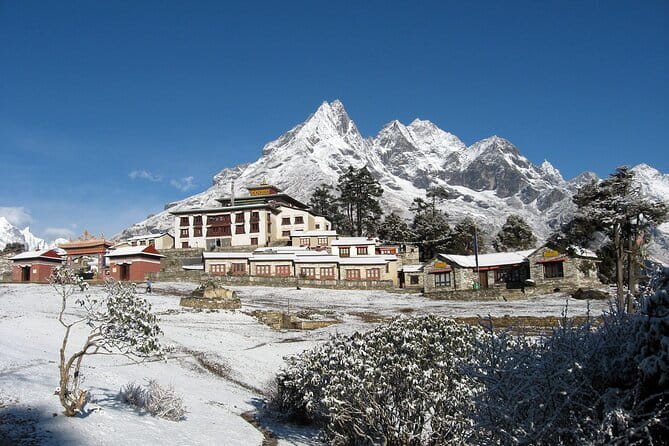
A lot of Everest tours say safety, then hand you a checklist. This one is more concrete.
You have an experienced guide whose salary, food, drinks, lodging, transportation, and insurance are included. On top of that, the trek provides a first aid kit and an oximeter to track your pulse, oxygen saturation, and heart rate twice a day.
That matters because altitude problems are not always dramatic at first. Sometimes you just feel off. Regular checks can help catch patterns early, so you can adjust pace and rest before you feel crushed.
You also get porter support. The plan includes one porter for two people, which means you should be able to pack smarter instead of hauling everything in a backpack that slows you down.
Packing and Pace: How to Make the Moderate Days Feel Easier
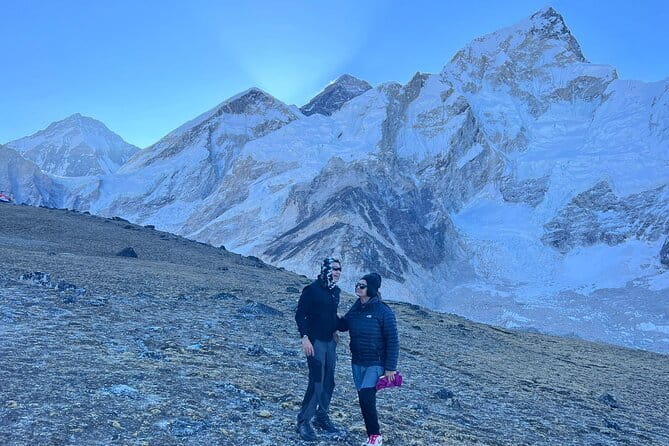
The trek is listed as moderate, but do not treat that as “easy.” Even moderate Everest hiking involves thin air, frequent stone steps, and cold nights. Your best move is to pack for warmth and plan to walk consistently instead of aggressively.
A few practical strategies that fit this itinerary:
- Go slow on the early climbs out of Lukla, save energy for higher sections.
- Expect the days above Dingboche to feel steeper and more remote.
- Keep your clothing layers ready for temperature swings, especially around sunrise and the Kala Patthar morning.
- Use the porter system wisely. If you overload your own bag, the “moderate” label will start to feel like a lie.
If you tend to get altitude headaches or feel unusually winded, the included oximeter checks become extra important. Even then, follow your guide’s instructions and do not try to prove toughness.
Who This Everest Base Camp Helicopter Return Trek Fits Best
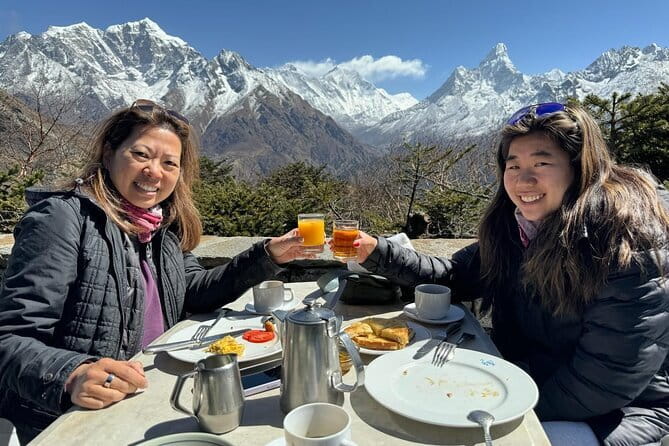
This trek is built for people who want Everest without a long vacation schedule. You get the core highlights: Everest Base Camp walking time, the acclimatization stop at Namche, glacier hiking, and the Kala Patthar finish.
It is also a good fit if you prefer structure. The private tour setup means only your group participates, and logistics like airport pickup and ground transport are handled with a private car in Kathmandu.
Where it may not fit is if you want a slow, deeply immersive route with extra nights in the Everest region. With the helicopter return and a 9-day schedule, you will move on quickly. It’s efficient by design.
Should You Book? My Practical Verdict
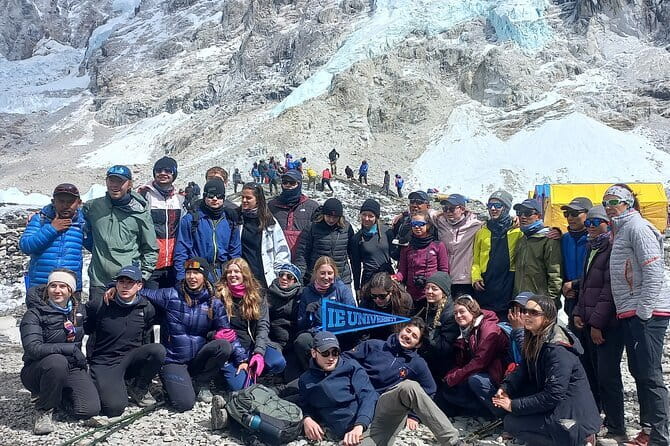
I would recommend this trek if you check all these boxes:
- You want Everest Base Camp but your time window is tight.
- You value the helicopter return that removes a huge chunk of last-day hiking.
- You want a guided experience that includes twice-daily oximeter monitoring and a first aid kit.
- You are okay with paying some extras on top, like Kathmandu meals and tea house charging.
You should pause before booking if you need a longer decompression period in the mountains or if you want to spend more days at the highest elevations. This itinerary is intentionally compact, and the compactness is the trade-off for getting back faster.
FAQ
How long is the Everest Base Camp trek with helicopter return?
The duration is listed as 9 days (approx.), with about 7 full days hiking in the mountains and a helicopter return on the last day.
What is the trekking difficulty?
The difficulty is described as moderate.
Where does the helicopter return take you?
The helicopter flight goes from Gorakshep (Gorak Shep) to Lukla.
Are flights included?
Yes. The itinerary includes flights from Kathmandu to Lukla.
What travel support is included in Kathmandu?
There is an airport team for pickup at the international terminal, help with hotel check-in, and private car transport for ground travel to and from the airport.
What meals are included?
Breakfast (8), lunch (8), and dinner (8) are included during the trek. Meals in Kathmandu for lunch and dinner are not included.
Are permits and taxes included?
Yes. Fees for entering permits, taxes, and official costs are included.
Does the trek include altitude monitoring?
Yes. There is a first aid kit and an oximeter to check pulse, oxygen saturation, and heart rate twice a day.
What is not included in the price?
Not included are your visa, your travel and medical insurance, international airfare, personal expenses, Kathmandu lunch and dinner, tea house extras like hot showers and charging, desserts, and alcoholic or non-alcoholic drinks on the trek. Tipping to guide, porter, and driver is also expected.
More Helicopter Tours in Kathmandu
- Everest Base Camp Helicopter Tour landing at Hotel Everest View
★ 5.0 · 218 reviews - Everest Base Camp Trek with Helicopter Return from Gorakshep to Lukla
★ 5.0 · 161 reviews - Everest Base Camp helicopter tour with landing
★ 5.0 · 61 reviews - Everest Base Camp Helicopter Tour with Hotel Everest View Landing
★ 5.0 · 52 reviews
Latest additions near Kathmandu
- White Water River Rafting – 1 Day★ 4.3 · 3 reviews
- Traditional Momo Making Class★ 5.0 · 10 reviews
- Kathmandu to Pokhara Premium sofa bus ticket★ 4.0 · 17 reviews
- Ghorepani Poon Hill Trek★ 5.0 · 16 reviews
- Amazing 1 Day Trekking Experience in Kathmandu Nepal★ 5.0 · 24 reviews
- Ghorepani Poonhill Trek★ 5.0 · 5 reviews
- Walking tour of real Kathmandu through back streets.★ 5.0 · 3 reviews
- Wildlife Adventure in Chitwan Nepal★ 4.0 · 4 reviews
Everest Base Camp Treks, compared.
Everest Base Camp Helicopter Tour landing at Everest View Hotel
Read our review →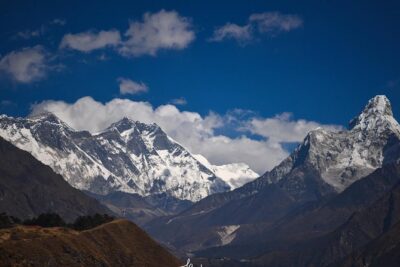
Everest Base Camp Helicopter Tour landing at Hotel Everest View
Read our review →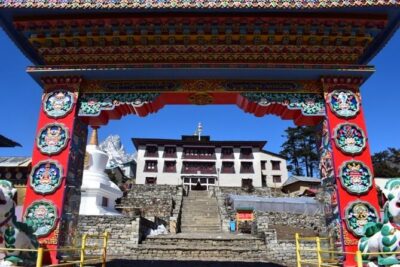
Browse the lists this tour appears in