
Reviewed · EVEREST BASE CAMP TREKS
Everest Base Camp Trek with Helicopter Return – 10 Days
Helicopter return makes Everest smarter. This 10-day trek takes you into Sagarmatha National Park from Lukla, works in an acclimatization rhythm, and saves your legs with a helicopter return from the Kalapathar area back to Kathmandu. It’s also built around a theme of seeing Everest plus other Himalayan giants, including Lhotse, Makalu, and Cho Oyu.
I love that the hard-to-coordinate parts are handled for you: Lukla flights, guesthouse tea house stays, daily meals during the trek, guide and porter support, and the permits you need for the Everest region. I also really like the small-group size, with a maximum of 15 people, plus a porter setup of 1 porter for 2 trekkers, which keeps the trek feeling more manageable and less about logistics.
One possible drawback: the helicopter is weather-dependent, and you do need a moderate physical fitness level. If conditions are bad, timing can shift, and the whole point of this tour, skipping the backtrack, depends on that flight working.
In This Review
- Key Things I’d Notice First
- The Big Idea: Everest Base Camp in 10 Days, Without the Walk-Back Tax
- Day 1 in Kathmandu: Settle In Before You Fly to Lukla
- Day 2: Lukla to Phakding, Pine Forest and the Dudh Koshi Feel
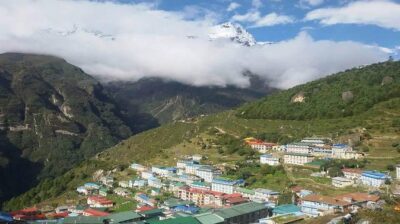
- Day 3: Namche Bazaar and the Sherpa Capital Vibe
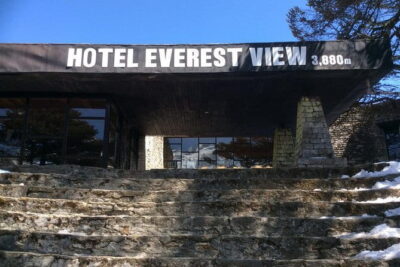
- Day 4: Acclimatization Day to Everest View Hotel at Syangboche
- Day 5: Tengboche and the Big Monastery Moment
- Day 6: Toward Dingboche, Chortens, Mani Walls, and 3,900m Terrain
- Day 7: Khumbu Khola Valley, Chola Lake, and the Approach to Glacier Country
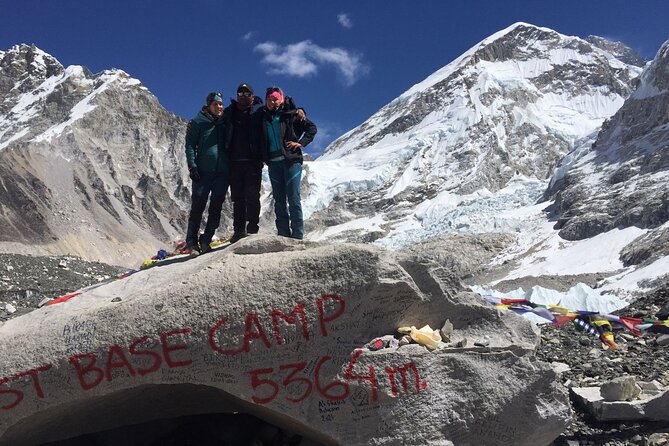
- Day 8: Everest Base Camp From the EBC Side, Then Back to Gorakshep
- Day 9: Kalapathar 360 Views, Then Helicopter Back to Kathmandu
- Day 10: Kathmandu Transfer and Head Home
- What You Actually Get for $3,400 (And What You Still Pay)
- Gear, Fitness, and Altitude Reality Check (No Drama, Just Prep)
- Support That Matters: Guides, Porters, and Calm Coordination
- Who This Tour Best Fits
- Should You Book Everest Base Camp With Helicopter Return?
- FAQ
- What time does the tour start?
- How long is the trek?
- Are flights and the helicopter return included?
- What lodging and meals are included during the trek?
- What permits do I need, and are they included?
- How many people are in the group?
- What is not included in the price?
Key Things I’d Notice First
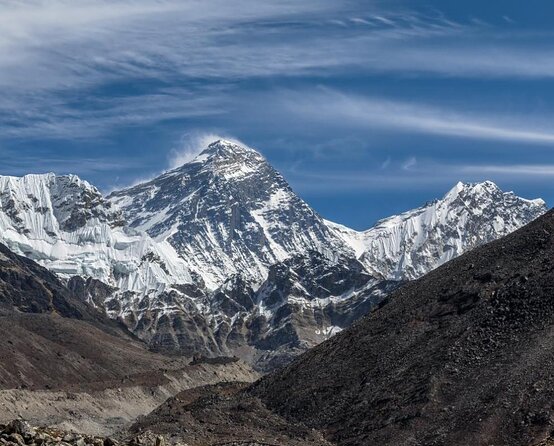
- Helicopter exit after Kalapathar: you trade a long hike back for a fast hop to Kathmandu
- Sagarmatha National Park time on route: the trek includes protected-area entry and UNESCO context
- All tea house lodging plus meals during trekking: fewer meals to plan, fewer bills to track
- Small-group pacing with strong support: English speaking guide plus porters, 1 porter per 2 trekkers
- Gear support included: down jacket, sleeping bag, and a walking pole are part of the package
The Big Idea: Everest Base Camp in 10 Days, Without the Walk-Back Tax
If you have limited time, this tour makes a clear choice: get to Everest Base Camp fast, then cut the return hike using a helicopter. That changes the entire feel of the trip. Instead of doing the classic up-and-down shuffle all the way back to Lukla, you end with big viewpoints like Kalapathar and then fly down to Kathmandu.
The other smart design choice is how much is covered for you. Flights to Lukla and back by helicopter are included, along with tea house lodging and meals during the trek. For many people, that’s the difference between a stressful trip and a calm one where you can focus on altitude, footing, and soaking in views.
More Treks in Kathmandu
- Everest Base Camp Trek – 14 Days
★ 5.0 · 1,499 reviews - Everest Base Camp Trek
★ 5.0 · 842 reviews - Everest Base Camp Trekking
★ 5.0 · 485 reviews
Day 1 in Kathmandu: Settle In Before You Fly to Lukla
Your first day is straightforward: arrive in Kathmandu, meet at the airport, then transfer to your hotel. The rest of the day is free for exploring or resting. I like this, because Kathmandu can be busy, and you do not want your first day to feel like a forced march.
Practically, use this day to do the boring prep: double-check what you’ll carry versus what you’ll leave with your duffle bag, confirm your start time, and get your head around altitude logistics. Even if you feel fine today, Everest will remind you later.
Day 2: Lukla to Phakding, Pine Forest and the Dudh Koshi Feel
On day two, you fly from Kathmandu to Lukla and then start trekking toward Phakding. You’re moving through green scenery with sights like Kusum Kangaru, and the trail includes crossings that give you a real sense of the river valley, including the Hillary suspension bridge.
What I like here is the immediate transition from flight mode to trail rhythm. It’s not just “walk and walk,” you get a mix of forested segments, river views, and that early taste of the Everest region without dumping you straight into the hardest climbs.
A consideration: the day is long on the schedule, so if you’re the type who needs frequent breaks, mentally plan for a slower pace early on. Your body is learning the altitude game as you go.
Day 3: Namche Bazaar and the Sherpa Capital Vibe
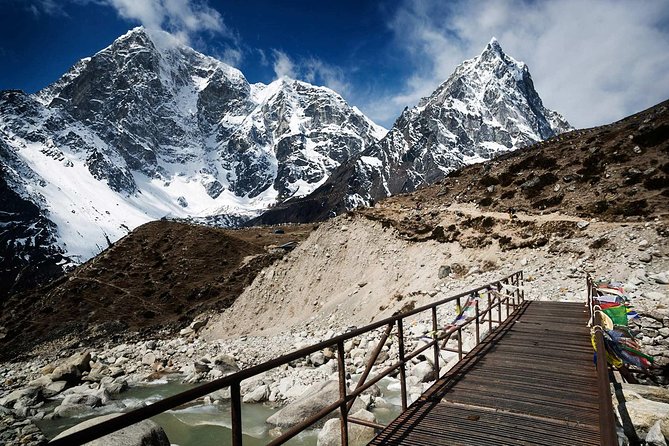
Day three keeps building the climb. You’ll move through pine forest alongside the Dudh Koshi River, cross the Hillary suspension bridge, and hit check-posts and entrance areas for Sagarmatha National Park.
Then comes Namche Bazaar, the Sherpa capital and the gateway to the Everest region. You also have time for the Sherpa Museum, a short visit that helps you understand the people and traditions tied to this landscape. It’s not just a rest day, it’s a perspective day.
Potential drawback: Namche is where many people start feeling the altitude a bit more. You still have forward motion, but it’s also a mental checkpoint. If you take pride in pushing too hard, this day is where you’ll want to practice restraint.
More Everest Base Camp treks:
- Everest Base Camp Helicopter Tour landing at Everest View Hotel
★ 5.0 · 668 reviews - Everest Base Camp Trekking – 13 Day
★ 5.0 · 365 reviews - Everest Base Camp Trek
★ 5.0 · 350 reviews - Everest Base Camp Trek -14 Days
★ 5.0 · 321 reviews
Day 4: Acclimatization Day to Everest View Hotel at Syangboche
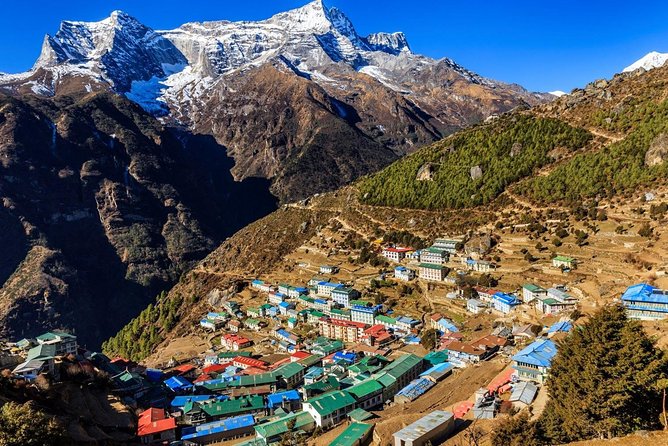
This is your intentional slow day. You acclimatize in Namche and hike up toward Everest View Hotel for strong views of Mount Everest. Syangboche is en-route, so you’re not just walking randomly, you’re aiming for a payoff viewpoint.
I like acclimatization days like this because they turn “rest” into a purpose. You’ll still hike, but you do it with a goal and a built-in rhythm that helps you adjust for the higher altitudes ahead.
The tradeoff is time and energy. You’ll feel like you should go faster than you are. The whole point is to go slow, even when the view is making you impatient.
Day 5: Tengboche and the Big Monastery Moment
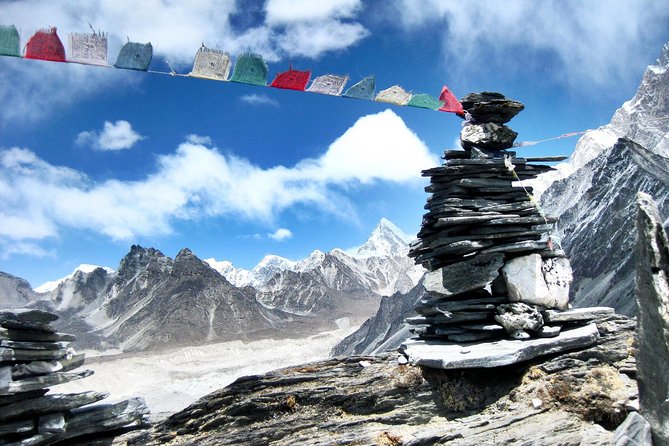
Day five is a step up. You’ll trek through Kayangjuma and Sanasa, cross the Dudh Koshi bridge to reach Punki Tenga, then deal with a tougher climb before arriving in Tengboche.
Tengboche is famous for its monastery, and this trek specifically calls out the largest monastery in the Khumbu region. Even if you’re not the religious type, it’s still a powerful place to pause, because you’re surrounded by the mountain context and the community that lives with it.
What to watch: the day includes smoother sections, but it also includes rougher climb segments. This is the part of the trek where your legs start to map the differences between easy uphill days and the days that demand steady pacing.
Day 6: Toward Dingboche, Chortens, Mani Walls, and 3,900m Terrain
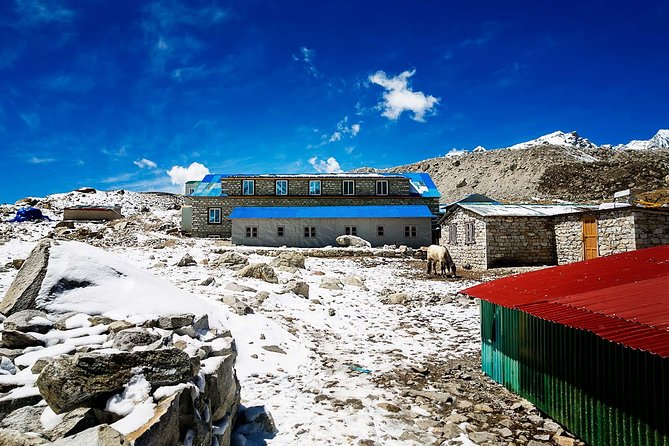
You’ll continue upward along higher trails, passing chortens and mani walls and moving through small villages. The itinerary includes crossing the Imja Khola and reaching Pangboche village at about 3,900m.
Then you descend to the Lodging area you continue from, including a stop at Dingboche, a small village that functions as another acclimatization stop.
This day’s value is how it blends culture markers with altitude progression. The mani walls and chortens aren’t “extra,” they act like trail anchors while you’re getting used to higher air.
A consideration: because you cross water features and move between valleys, it can feel mentally choppy. Keep your focus on consistent steps, and let the day come in pieces instead of one big blur.
Day 7: Khumbu Khola Valley, Chola Lake, and the Approach to Glacier Country
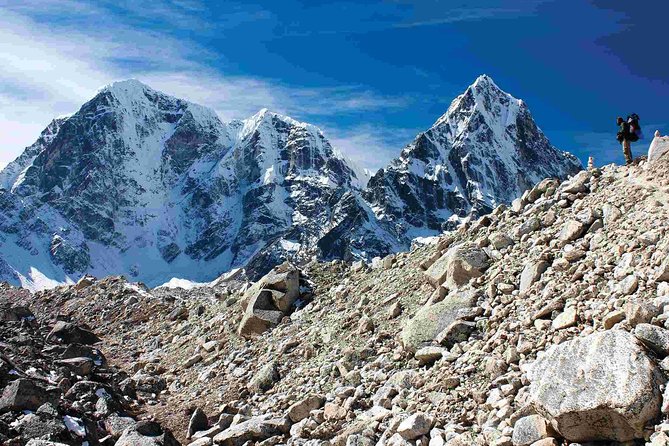
Day seven heads toward Duglha, with the route passing along the Khumbu Khola Valley. You go through places like Dusa and Phulung Karpo, and you reach Chola Lake before continuing onward, with additional climbing higher still.
The tour also highlights Lobuche peak as being closer to the Khumbu Glacier area. Even if you don’t feel the glacier up close in every moment, you’re entering the bigger, harsher vibe of the high Himalaya.
What I’d take seriously here is how “ups and downs” can be mentally tiring even when the hiking isn’t technically extreme. Plan to keep effort steady and let altitude be the boss, not your ego.
Day 8: Everest Base Camp From the EBC Side, Then Back to Gorakshep
Day eight is the day you finally get to Everest Base Camp. After a mix of ups and downs, you hike for about three hours to reach EBC, where you can witness the Khumbu Glacier and the icefall.
Then you return to Gorakshep. This back-and-forth is important for timing. You’re there, you take it in, and you position yourself for the next day’s big viewpoint.
A practical note: the schedule is built so you can still move again the next day. If you burn all your energy at Base Camp itself, Kalapathar might feel like a fight. I’d treat Base Camp like a celebration, then pace your recovery.
Day 9: Kalapathar 360 Views, Then Helicopter Back to Kathmandu
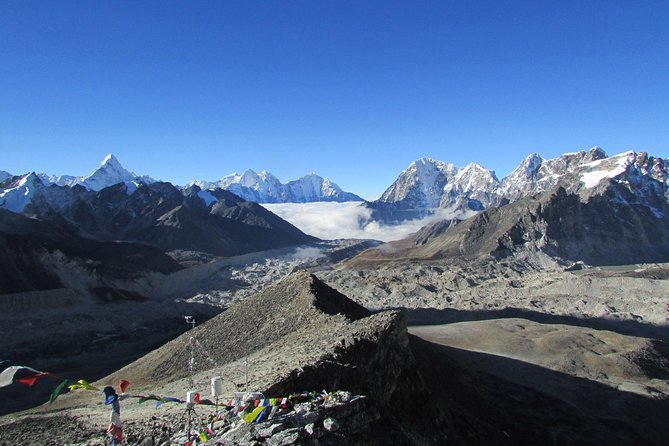
Day nine is the payoff stack. You hike to Kalapathar, known for popular 360-degree panoramic views of the Khumbu mountains, including Everest. This is where people usually feel the trek fully click, because you’re not just seeing the mountain, you’re seeing the whole system.
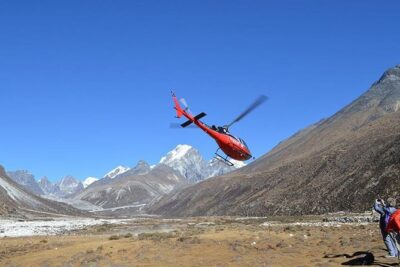
After Kalapathar, the tour flies you back to Kathmandu on a group sharing helicopter. That is the defining feature here. You’ve done a lot of walking, then the trip basically turns the page and switches to flight mode.
One important consideration: because the helicopter depends on weather, you should be mentally ready for the day to feel more time-flexible than a typical trek. The good news is that the tour’s cancellation rules also recognize weather dependency, offering a different date or full refund if it cancels due to poor weather.
Day 10: Kathmandu Transfer and Head Home
After breakfast, you’re transferred to the international airport for your flight home or onward destination. It’s a clean finish, and it helps that you don’t have an extra hiking day after the helicopter.
This final day is also a reality check. You’ll be tired, but not in the same way as after a long walk-down day. You can usually transition to travel mode faster.
What You Actually Get for $3,400 (And What You Still Pay)
At $3,400 per person, the price is high, but it’s not only for “walking to a place.” You’re paying for a package that includes a lot of expensive and complicated pieces:
- flights between Kathmandu and Lukla
- helicopter return from the high route area to Kathmandu on a group sharing basis
- tea house or guesthouse accommodation during the trek
- meals (breakfast, lunch, dinner) during the trek
- a guide and porters (with a porter rate of 1 porter for 2 trekkers)
- permits for the Everest trek plus a TIMS card
- airport transfers and Kathmandu hotel including breakfast
- gear support, including a down jacket, sleeping bag, and walking pole
- trekking map and an achievement certificate
What’s not included is equally important for budgeting. Lunch and dinner in Kathmandu are on you, plus the Nepal entry visa fee (you’re advised to bring accurate USD cash and two passport photos). You’ll also pay for personal expenses and any drinks, including tea, coffee, hot chocolate, boiled water, bottled water, or alcohol. Tips for guide and porters are expected but not mandatory.
For value, the helicopter is the big lever. If you were doing a standard return hike, you’d be paying with time and body wear. Here, the money buys you a shortcut back to Kathmandu.
Gear, Fitness, and Altitude Reality Check (No Drama, Just Prep)
The tour includes key items you’d otherwise have to rent or buy: a down jacket, sleeping bag, and walking pole, plus a duffle bag. That’s meaningful if you’re coming from overseas or you prefer not to haul extra gear through airports.
For fitness, you should have moderate physical fitness, and the best approach is simple: keep your effort consistent, drink fluids, and follow your guide’s pacing. The itinerary is staged with acclimatization stops, including Namche and Dingboche, plus an acclimatization hike to Everest View Hotel.
Also, remember this is not a solo trek. You’ll be in a group of up to 15, and that means some shared rhythm, shared waiting, and shared timing around weather.
Support That Matters: Guides, Porters, and Calm Coordination
One of the strongest themes tied to this operator is service that feels organized, especially around communication and day-to-day decisions. English speaking trekking guides are included, and porters are part of the plan with food, accommodation, salary, equipment, insurance, and transportation handled.
If it helps you picture the team, past groups for this operator have worked with guides such as Dipak, Ram, and Ramesh Sapkota, plus assistant staff like Rabi, and support from porters such as Ram and Santos. You can ask who your guide and porter team will be for your dates, and you’ll get a clearer sense of what to expect.
Who This Tour Best Fits
I think this works best if you want:
- a real Everest Base Camp trek experience in about 10 days
- the big scenic moments, including Kalapathar
- the helicopter return to Kathmandu as a body-saving feature
- a guided, supported package where permits, flights, lodging, and meals are already set
It may not be ideal if you:
- need guaranteed helicopter timing regardless of weather
- prefer fully independent travel with no structured support
- are very sensitive to altitude and would struggle with a moderate fitness requirement
Should You Book Everest Base Camp With Helicopter Return?
If you’re comparing options, I’d book this if your priority is time-efficient Everest and you want the helicopter to replace the hardest part of the return. The included permits, Lukla flights, tea house lodging, trekking meals, guide and porter support, and gear help explain why the price is what it is.
I’d think twice if weather truly scares you, or if you would be disappointed by schedule shifts tied to helicopter conditions. But if you can roll with that reality, this is one of the most logical ways to see Everest Base Camp and still feel human on the final days.
FAQ
What time does the tour start?
The meeting point start time is 6:15 am.
How long is the trek?
The duration is 10 days approximately.
Are flights and the helicopter return included?
Yes. Flights to Lukla and a group sharing helicopter return to Kathmandu are included.
What lodging and meals are included during the trek?
You get all tea house accommodation and meals during the trek, including breakfast, lunch, and dinner.
What permits do I need, and are they included?
The Everest Trek permit and TIMS card are included.
How many people are in the group?
The tour has a maximum of 15 travelers.
What is not included in the price?
Not included are lunch and dinner in Kathmandu, the Nepal entry visa fee, personal expenses, drinks, and tips for the guide and porters (tipping is expected but not mandatory).
More Helicopter Tours in Kathmandu
- Everest Base Camp Helicopter Tour landing at Hotel Everest View
★ 5.0 · 218 reviews - Everest Base Camp Trek with Helicopter Return from Gorakshep to Lukla
★ 5.0 · 161 reviews - Everest Base Camp helicopter tour with landing
★ 5.0 · 61 reviews - Everest Base Camp Helicopter Tour with Hotel Everest View Landing
★ 5.0 · 52 reviews
Latest additions near Kathmandu
- White Water River Rafting – 1 Day★ 4.3 · 3 reviews
- Traditional Momo Making Class★ 5.0 · 10 reviews
- Kathmandu to Pokhara Premium sofa bus ticket★ 4.0 · 17 reviews
- Ghorepani Poon Hill Trek★ 5.0 · 16 reviews
- Amazing 1 Day Trekking Experience in Kathmandu Nepal★ 5.0 · 24 reviews
- Ghorepani Poonhill Trek★ 5.0 · 5 reviews
- Walking tour of real Kathmandu through back streets.★ 5.0 · 3 reviews
- Wildlife Adventure in Chitwan Nepal★ 4.0 · 4 reviews
Everest Base Camp Treks, compared.
Everest Base Camp Helicopter Tour landing at Everest View Hotel
Read our review →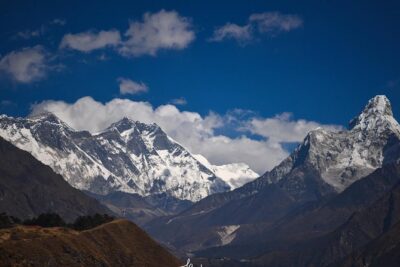
Everest Base Camp Helicopter Tour landing at Hotel Everest View
Read our review →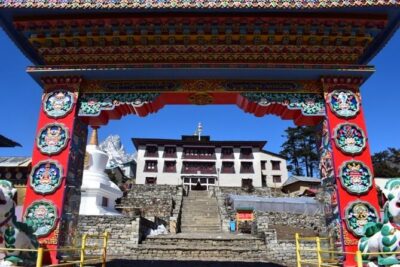
Browse the lists this tour appears in