
Reviewed · EVEREST BASE CAMP TREKS
Everest Base Camp Trek with Helicopter Flight Back
Mount Everest on your doorstep, then you fly out. This Everest Base Camp trek with Bold Himalaya mixes classic Khumbu trekking with a helicopter return to Kathmandu, so you get the big sights without the full backtracking. You also start with Kathmandu pickup and an evening briefing, which matters when you are juggling gear, altitude, and flight timing.
I like two things right away: the trip is built around altitude acclimatization days that help your body adjust, and the logistics feel handled, including domestic flights to Lukla and required permits. In some accounts, the guide team also made a real difference in how calmly the days ran, with guide Surendra and porter Uncle Doma Ghale noted for safety and steady pacing.
One possible drawback is that the helicopter part is weather-dependent, and the provided details conflict on whether the helicopter is included in the price. Also, you still need moderate fitness because this is real altitude trekking, not a walk in the park.
In This Review
- Key highlights you should care about
- Kathmandu setup: pickup, hotel night, and that first briefing
- Lukla flight and the first downhill: getting your bearings fast
- Phakding to Namche: suspension bridges and Sherpa villages
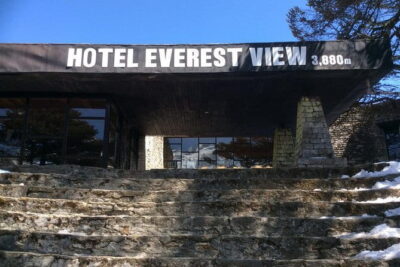
- Namche rest and Everest View Hotel: the day you chase panoramic views
- Tyangboche to Dingboche: temples, rhododendrons, and the climb that slows you down
- Dingboche acclimatization and Nagarjun Peak: doing the hard work earlier
- Lobuche and the Memorials: higher, colder, and close to the glaciers
- Everest Base Camp day: Khumbu Icefall views and smart gear handling
- Kala Patthar sunrise and the helicopter back: finish fast, stay safe
- Price and value: what $446.50 gets you (and what you should confirm)
- Lodging comfort and crew care: what makes this feel less stressful
- What to watch for: altitude, weather, and gear reality checks
- Who this trek fits best
- Should you book Bold Himalaya’s Everest Base Camp with heli return?
- FAQ
- Where does the tour start?
- How long is the Everest Base Camp trek?
- How do you get to Lukla from Kathmandu?
- What permits or fees are included?
- Does the trek include trekking gear?
- Is the helicopter flight back included?
- Can I cancel for a full refund?
Key highlights you should care about
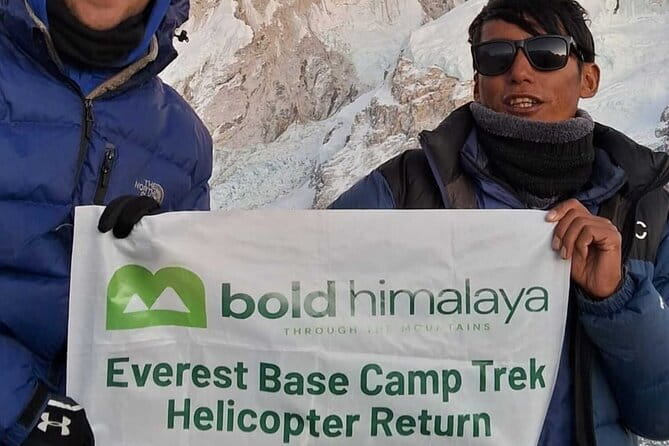
- Helicopter return concept: You finish with Kala Patthar sunrise and then fly from Gorak Shep back to Kathmandu, cutting out the long trek back down.
- Acclimatization day in Dingboche: A dedicated hike to Nagarjun Peak helps you adjust before higher sections.
- Iconic viewpoint timing: Everest View Hotel day plus an early Kala Patthar morning are designed for the best mountain light.
- Permits and fees included: Sagarmatha National Park fee, TIMS, and local municipality entry are part of the package.
- Crew support is a big deal: A recent review specifically called out guide Surendra and porter Uncle Doma Ghale for keeping things safe and organized.
Kathmandu setup: pickup, hotel night, and that first briefing
Your trip starts in Kathmandu, with pickup from Tribhuvan Airport and a transfer to your hotel (listed as Thrive or similar) for the first night, twin sharing, breakfast included. After you settle in, you get an evening briefing to go over what the trek will look like, how to handle gear, and what to expect from the flight and lodge rhythm.
This is more than just a meeting. When you are about to start climbing into thinner air, having clear expectations early reduces stress later. There is also a cultural show and dinner program included in Kathmandu, which is a nice way to balance the physical effort with something local and relaxed.
More Treks in Kathmandu
- Everest Base Camp Trek – 14 Days
★ 5.0 · 1,499 reviews - Everest Base Camp Trek
★ 5.0 · 842 reviews - Everest Base Camp Trekking
★ 5.0 · 485 reviews
Lukla flight and the first downhill: getting your bearings fast
Day 2 begins with a domestic flight from Kathmandu to Lukla, with an alternate routing to Ramechap to Lukla mentioned in the plan. Lukla is the gateway for Everest treks, and the flight itself is often the first big “wow” moment because you land close to dramatic Himalayan terrain.
Once you are in Lukla, the trek starts downhill to Phakding. The route is described through scenic alpine forests, which is a good early reality check. You are moving, but you are not immediately hammering steep uphill, and that helps you settle into trekking pace.
The practical win here is timing. You get the mountain views from the air, then your first walking day feels like a ramp-up rather than a shock to your legs.
Phakding to Namche: suspension bridges and Sherpa villages
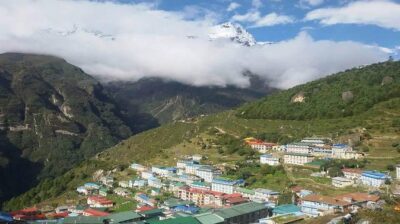
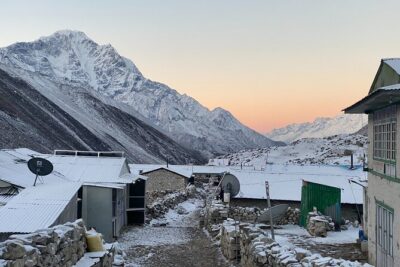
On Day 3, you trek from Phakding to Namche Bazaar, passing Himalayan Sherpa villages along the way. You also cross the Dudhkoshi River via suspension bridges, which are classic Khumbu moments and also a reminder that trail conditions matter on every day.
This is a key day because Namche is where you start to feel the altitude shift. You are still in the early phase of the trek, so I’d treat this day as “steady effort,” not a speed test. The plan gives you time and a guided structure, which is especially helpful if you do not yet know how your body reacts at elevation.
Namche rest and Everest View Hotel: the day you chase panoramic views
Day 4 includes a rest and exploration day in Namche Bazaar. There is a Sherpa Museum stop, which helps you understand the people behind the trekking and climbing tradition, not just the mountain itself.
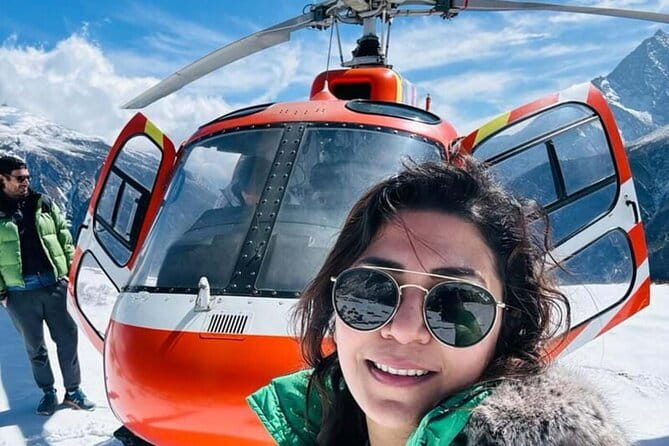
In the afternoon, you hike up to Everest View Hotel for panoramic views of Mount Everest. This is a smart pairing: you get some museum time to ground the trip in local culture, then you spend daylight chasing the views that people come here for.
Two things to keep in mind. First, the hike to viewpoints at altitude can feel tiring even if the distance is not huge. Second, the view quality can depend on weather and cloud cover, so going with the schedule and trusting the day plan is the best way to avoid second-guessing.
More Everest Base Camp treks:
- Everest Base Camp Helicopter Tour landing at Everest View Hotel
★ 5.0 · 668 reviews - Everest Base Camp Trekking – 13 Day
★ 5.0 · 365 reviews - Everest Base Camp Trek
★ 5.0 · 350 reviews - Everest Base Camp Trek -14 Days
★ 5.0 · 321 reviews
Tyangboche to Dingboche: temples, rhododendrons, and the climb that slows you down
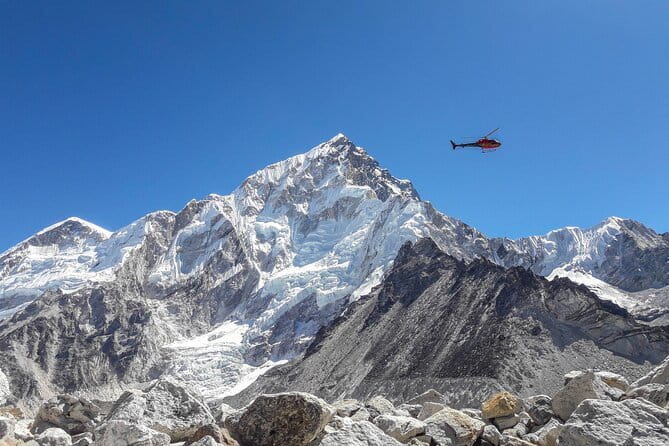
Day 5 continues the trek to Tyangboche. The plan includes time for views of Everest and Lhotse, lunch at Phungi Thanga, and then arriving at Tyangboche with a chance to visit the well-known religious site there.
Day 6 takes you onward to Dingboche, crossing a suspension bridge over the Imja Khola. You also pass through rhododendron forests and villages such as Pangboche and Somare on the way in.
These days tend to feel different from the earlier stretch. As elevation rises, your breathing changes, and your pace naturally slows. That is not failure. That is your body adjusting, and the itinerary’s rhythm reflects that reality.
Dingboche acclimatization and Nagarjun Peak: doing the hard work earlier
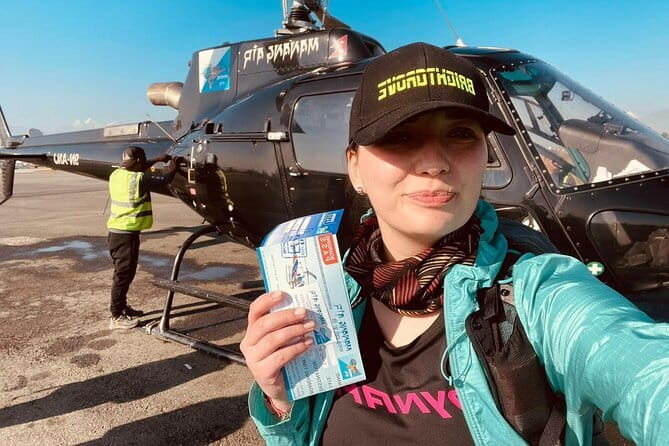
Day 7 is your preparation day for higher altitudes. You explore Dingboche Valley and hike up to Nagarjun Peak, which is explicitly included as an acclimatization move.
This is one of the best parts of the whole itinerary, because it is designed to reduce the chance you feel wrecked later. You are not gaining the highest elevation for the sake of it. You are practicing altitude management so the higher days feel more doable.
A tip I always share with friends heading to altitude: treat the acclimatization hike like training, not a summit mission. You want a controlled effort where you can still enjoy the views and keep moving comfortably the next day.
Lobuche and the Memorials: higher, colder, and close to the glaciers
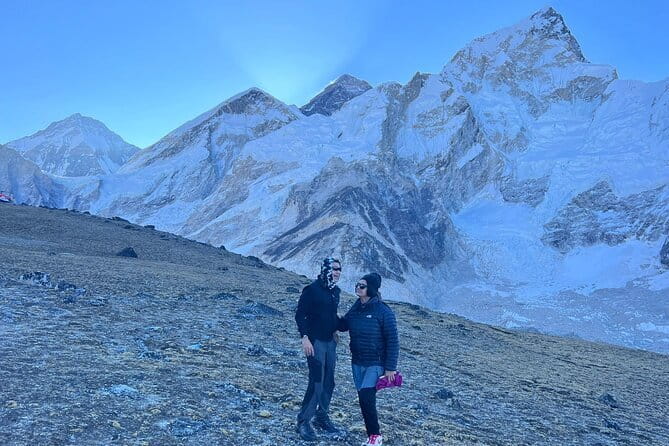
Day 8 brings you to Lobuche (listed at 4,940m). The route includes Thukla Pass, where you see memorials dedicated to climbers, and then you reach Lobuche with close-up glacier views.
This section can feel serious. The air is thinner, the scenery turns more stark, and the trail can feel more exposed. The emotional tone also shifts when memorials enter the day, because the mountain’s climbing history becomes harder to ignore.
Overnight is built into the plan with a typical lodge rhythm. You may not sleep perfectly, and that is common at altitude. I’d focus on staying warm, sipping fluids regularly, and letting your body settle rather than trying to force deep sleep.
Everest Base Camp day: Khumbu Icefall views and smart gear handling
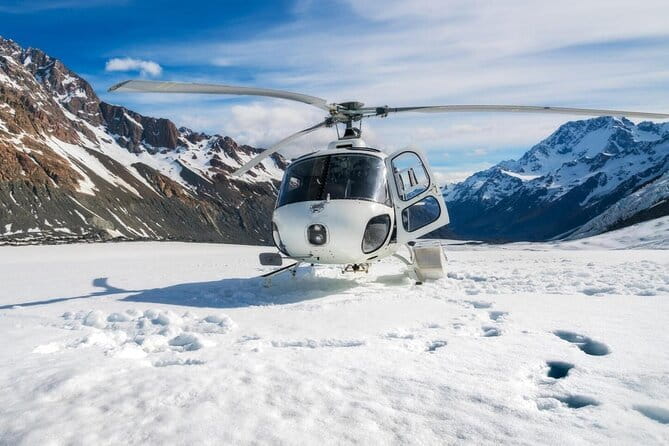
Day 9 is the big one: trek to Everest Base Camp (5,364m) and overnight in Gorak Shep (listed at 5,170m). The plan includes a practical step that matters at this height, you trek to Gorak Shep, leave your gear, and then continue to Everest Base Camp.
On the walk toward Base Camp, you can savor views of the Khumbu Icefall. That’s one of the most famous visual signatures of the Khumbu region, and it also helps you understand why conditions on Everest are so demanding.
This day is usually tiring even for strong hikers because you are working at high elevation. The payoff is that Base Camp is not just a dot on a map. It is a concentrated moment where the scale of the mountain hits all at once.
Kala Patthar sunrise and the helicopter back: finish fast, stay safe
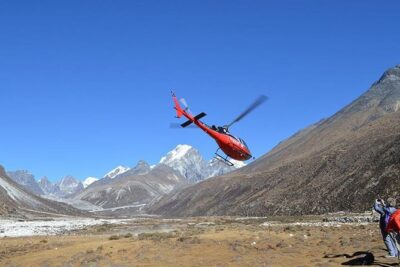
Day 10 starts with an early morning hike to Kala Patthar (5,550m) for sunrise and panoramic Himalayan views. Then you return to Gorak Shep and board the helicopter back to Kathmandu, followed by transfers onward.
Kala Patthar is a classic reason to go all the way to this point. You get a different perspective than Base Camp, and sunrise lighting can make the mountain look sharper and more dramatic. That early start is a test, but it is also part of why this itinerary feels like a once-in-a-lifetime highlight.
Now the key practical note: the day description says you take the helicopter flight back, but the provided cost breakdown lists the helicopter flight from Gorak Shep to Kathmandu as not included. I would treat this as a must-confirm point before you pay in full. Also, the trip info stresses that the experience requires good weather, which is exactly the kind of situation where flight operations can change.
Price and value: what $446.50 gets you (and what you should confirm)
At $446.50 per person, this trek is positioned as a value-for-money option that bundles a lot of real-world costs. You get guide support (with salary and insurance mentioned), domestic flights to Lukla, private transportation, permits and entry fees, and a hotel night in Kathmandu.
You also get meal support across the trek, with breakfast, lunch, and dinner counts listed in the package. Plus, the plan includes trekking essentials like a sleeping bag and down jacket, and trekking poles if you need them. You also receive a duffle bag, cap, and a trip certificate.
Where value can wobble is in the helicopter line. The overall concept is helicopter return, but the cost list suggests the helicopter may not be included. That matters because helicopter flights can be the biggest variable cost on an Everest “speed out” plan.
So here is my practical approach: price looks like strong value if the helicopter is included as part of what you pay. If not, you need to budget the helicopter separately and be ready for weather-driven schedule changes.
Lodging comfort and crew care: what makes this feel less stressful
One of the most praised aspects in the details you have here is how well the trip handles comfort and care. A recent account specifically mentioned top-notch accommodations in Kathmandu and all the lodges, with hot water and comfort even during difficult weather, while still accommodating a couple of lodging changes when unexpected circumstances happened.
That kind of flexibility matters on Everest treks. Weather, lodge availability, and flight schedules can shift. What you want is not perfect conditions, but solid handling when things move around.
I also like that this plan acknowledges human support as a core part of the experience. In one account, guide Surendra and porter Uncle Doma Ghale were praised for safety and dedication. The gear load question is worth a quick check, because porters are listed as not included in the package details. Still, some groups may end up with porter help depending on how your trip is staffed, so confirm what you personally will have.
What to watch for: altitude, weather, and gear reality checks
This itinerary is best suited for people with moderate physical fitness, because you are doing multiple long trekking days plus high-altitude segments. Even with a guide and a structured plan, your pace and energy management will matter.
Weather is the other big variable. The trip info says good weather is required, and if the experience is canceled due to poor weather, you can be offered a different date or a full refund. The helicopter return, in particular, is where weather can force changes.
Gear is also worth checking against your own habits. A sleeping bag, down jacket, and trekking poles are listed as provided if needed, and you also get a duffle bag and cap. If you already own quality trekking poles, you might prefer to bring your own. But if you are traveling light, this included gear list is genuinely useful.
Who this trek fits best
This works well if you want the full Everest Base Camp experience but you value saving time on the return. It is also a good choice if you prefer a guided structure that manages flights, permits, lodging, and daily planning.
It is not the best match if you want total independence and zero scheduling. This is a private tour, meaning your group is handled directly, but that also means you are following the plan and altitude sequence.
Should you book Bold Himalaya’s Everest Base Camp with heli return?
I’d book it if your top priorities are strong organization, a supported trekking pace, and the chance to turn the final day into a helicopter fly-out after Kala Patthar sunrise. The itinerary also includes real acclimatization logic, plus permits and entry fees that can save you hassle before you even start walking.
Before you commit, do two quick checks that will protect your budget and expectations: confirm whether the helicopter flight from Gorak Shep to Kathmandu is included in what you are paying, and confirm how lodging and flight changes are handled if weather disrupts plans.
If you get those answers clear up front, this can be a smart way to experience Everest’s key moments without dragging out the trek on the way back.
FAQ
Where does the tour start?
The start point is Tribhuvan Airport in Kathmandu, Nepal, with pickup offered.
How long is the Everest Base Camp trek?
The duration is listed as 10 days, approximately.
How do you get to Lukla from Kathmandu?
You fly from Kathmandu to Lukla according to the itinerary. There is also an alternate route mentioned, Ramechap to Lukla.
What permits or fees are included?
The package lists Sagarmatha National Park entrance fee, Pasang Lhamu Rural Municipality Entrance fee, and TIMS.
Does the trek include trekking gear?
Yes. Sleeping bag, down jacket, and trekking poles are listed as included if you needed them, and you also receive a duffle bag, cap, and a trip certificate.
Is the helicopter flight back included?
The day plan describes a helicopter flight back to Kathmandu from Gorak Shep, but the cost list shows the helicopter flight from Gorakshep to Kathmandu as not included. Confirm this before you book.
Can I cancel for a full refund?
You can cancel for a full refund if you cancel up to 24 hours in advance. The policy also notes the experience requires good weather, and if canceled due to poor weather you will be offered a different date or a full refund.
More Helicopter Tours in Kathmandu
- Everest Base Camp Helicopter Tour landing at Hotel Everest View
★ 5.0 · 218 reviews - Everest Base Camp Trek with Helicopter Return from Gorakshep to Lukla
★ 5.0 · 161 reviews - Everest Base Camp helicopter tour with landing
★ 5.0 · 61 reviews - Everest Base Camp Helicopter Tour with Hotel Everest View Landing
★ 5.0 · 52 reviews
Latest additions near Kathmandu
- White Water River Rafting – 1 Day★ 4.3 · 3 reviews
- Traditional Momo Making Class★ 5.0 · 10 reviews
- Kathmandu to Pokhara Premium sofa bus ticket★ 4.0 · 17 reviews
- Ghorepani Poon Hill Trek★ 5.0 · 16 reviews
- Amazing 1 Day Trekking Experience in Kathmandu Nepal★ 5.0 · 24 reviews
- Ghorepani Poonhill Trek★ 5.0 · 5 reviews
- Walking tour of real Kathmandu through back streets.★ 5.0 · 3 reviews
- Wildlife Adventure in Chitwan Nepal★ 4.0 · 4 reviews
Everest Base Camp Treks, compared.
Everest Base Camp Helicopter Tour landing at Everest View Hotel
Read our review →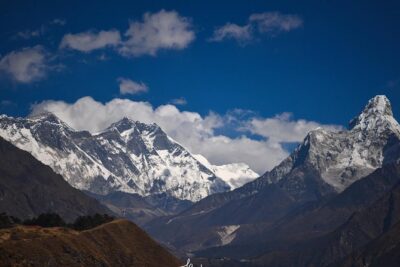
Everest Base Camp Helicopter Tour landing at Hotel Everest View
Read our review →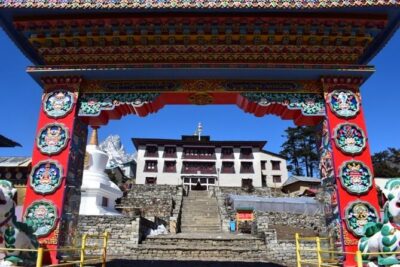
Browse the lists this tour appears in