
Reviewed · EVEREST BASE CAMP TREKS
Trek to Everest Base Camp
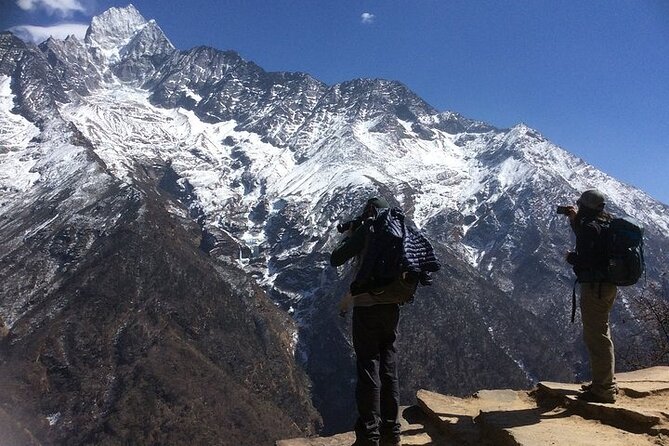
Everest Base Camp is a long climb. This 14-day trek turns that climb into a clear plan, with a private group setup and acclimatization rest days built in. I like that you are not juggling permits and logistics yourself, and that a porter shares the load (1 porter for 2 clients). The main consideration is also simple: you will be above 5,000m, so you need moderate fitness and sensible pacing.
After you land in Kathmandu, you get hotel time, a briefing, and an English-speaking guide to keep the trek moving at a workable rhythm. The route focuses on the Khumbu valley and classic trail towns, then saves the biggest goals for the end.
Once you are high in the Himalaya, the trip has a satisfying structure, from Lukla to Namche, then Tengboche, Dingboche, Everest Base Camp, and finally Kalapathar before the return loop. If you want high mountains with real-world support, this is the kind of organized trek that still feels like trekking.
In This Review
- Key Points That Matter Before You Go
- Kathmandu Setup: Pickup, Hotel Nights, and a Real Briefing
- Flying to Lukla and Walking Dudh Koshi to Phakding
- Namche Bazaar via Sagarmatha National Park: Permits and First Big Views
- Namche Rest Day: Everest Viewpoint Time and Sensible Acclimatization
- Tengboche and the Monastery Stop: A Day Built Around Views and Rhythm
- Dingboche Free Day and the 4,900m Push
- Gorak Shep to Everest Base Camp: The Tougher Day When It Counts
- Kalapathar Morning Climb to 5,545m and the Return Descent
- Pangboche to Namche, Then Lukla: Your Big Loop Back to Kathmandu Air
- Back in Kathmandu: Flight Time, Free Time, and a Keepsake Certificate
- Price and Value: What the $1,597 Covers, and What Costs Extra
- Who This Trek Suits Best (and Who Might Want Another Plan)
- Should You Book This Everest Base Camp Trek with Happyland Treks?
- FAQ
- How long is the Everest Base Camp trek?
- Where does the trek start, and what time?
- Is this a private tour?
- What lodging is included?
- Are meals and drinks included on the mountain days?
- Are trekking permits and park fees covered?
- What transport is included for the flights and airports?
- What is not included, and what is the cancellation rule?
Key Points That Matter Before You Go
- Private trek for just your group, so the schedule is not crammed into a big mixed crowd.
- Permits and entry fees are covered, plus government and local taxes.
- Acclimatization breaks in Namche Bazaar and Dingboche, with optional hikes for extra help.
- Tea house nights for 11 days on the route, giving you a traditional routine at altitude.
- Kalapathar is planned for an early push, then you descend and keep moving back down.
- Porter support (1 porter per 2 clients) helps you keep your pack manageable.
Kathmandu Setup: Pickup, Hotel Nights, and a Real Briefing
Your trek starts in Kathmandu, with airport pickup and drop by private transport. You also get 2 nights in Kathmandu with breakfast, which matters more than it sounds like. After travel, you want a day to settle in, eat something normal, and get your body ready for the altitude swing.
On arrival day, you transfer to the hotel and attend a briefing session in the evening. This kind of prep is practical. It helps you understand what is coming next, how the days will feel, and what to expect from your guide and porter before you step onto the trail.
One useful detail is that your start time is listed as 6:45 am at Happyland Treks, Nepal Trekking, Everest Trek, South Asia, Paknajol Marg, Kathmandu 44600. So even if Day 1 is about settling in, you are not waiting around forever before the trek rhythm begins.
More Treks in Kathmandu
- Everest Base Camp Trek – 14 Days
★ 5.0 · 1,499 reviews - Everest Base Camp Trek
★ 5.0 · 842 reviews - Everest Base Camp Trekking
★ 5.0 · 485 reviews
Flying to Lukla and Walking Dudh Koshi to Phakding
Day 2 is a quick, scenic jolt: you fly from Kathmandu to Lukla in about 35 minutes. Then you start walking along the Dudh Koshi River, passing stone villages and snow-topped mountains, with your first overnight in Phakding.
The walking distance for this day is about 8 km, roughly 3 to 4 hours. That is a good “wake-up” day. It is enough time to feel like you are trekking, but not so long that you are already cooked before the real altitude work begins.
Phakding sits at about 2,652m. You are still far from the high points, but you are also not in Kathmandu anymore. This is where you learn your pace, how your legs handle changes in trail surface, and how your breathing feels when the air gets thinner.
Namche Bazaar via Sagarmatha National Park: Permits and First Big Views
On Day 3, the trek becomes more serious. You head through pine forests, cross Dudh Koshi on a long suspension bridge, and continue toward Monjo Village. From there, you reach the entrance of Sagarmatha National Park, where your trekking permits get registered.
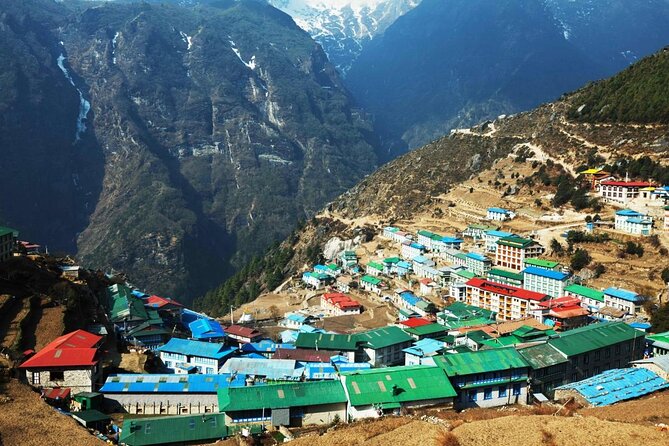
You then begin a steep ascent and arrive in Namche Bazaar for the night. Namche sits at about 3,440m, and it is a key hub because it helps you orient to the Khumbu region while getting your first taste of that towering mountain feeling.
The Day 3 pattern is important: permit registration, then climb, then settle. You do not want to arrive tired and confused. Having that structure helps you focus on acclimatization instead of logistics.
Namche Rest Day: Everest Viewpoint Time and Sensible Acclimatization
Day 4 is a rest and acclimatization day in Namche Bazaar. This is one of the best parts of the plan because it is not a throwaway day. You relax, explore Namche, and you can also choose a 3 to 4 hour hike to an Everest viewpoint hotel.
The altitudes you are working with make this choice feel smart. Namche is already at 3,440m, and you are headed higher soon. A short acclimatization hike can help your body adjust while you enjoy sunrise and sunset views over peaks like Ama Dablam, Nuptse, Lhotse, and Everest.
Here is the practical takeaway: this is the day you should protect. Even if you feel great, do not try to “win” the trek early. Your job is to arrive at higher elevations with your breathing in check, not to smash every schedule.
More Everest Base Camp treks:
- Everest Base Camp Helicopter Tour landing at Everest View Hotel
★ 5.0 · 668 reviews - Everest Base Camp Trekking – 13 Day
★ 5.0 · 365 reviews - Everest Base Camp Trek
★ 5.0 · 350 reviews - Everest Base Camp Trek -14 Days
★ 5.0 · 321 reviews
Tengboche and the Monastery Stop: A Day Built Around Views and Rhythm
Day 5 climbs to about 3,800m (walking around 9.2 km, 5 to 6 hours). The route goes through villages like Phunki Tenga, and you end up in Tengboche, famous in the Khumbu region for its Buddhist monastery.
Why this stop matters: Tengboche gives you a classic high-valley atmosphere. You get a meaningful cultural pause, plus the views are part of why people come this far. It can feel like the trek shifts from “getting there” to “being here.”
Day 6 continues with descent and progression, dropping through a rhododendron forest toward Debuche, then crossing the Imja Khola River before reaching Pangboche. You walk about 9 km, roughly 5 to 6 hours, and the scenery leans heavily toward Ama Dablam and surrounding peaks.
Dingboche Free Day and the 4,900m Push
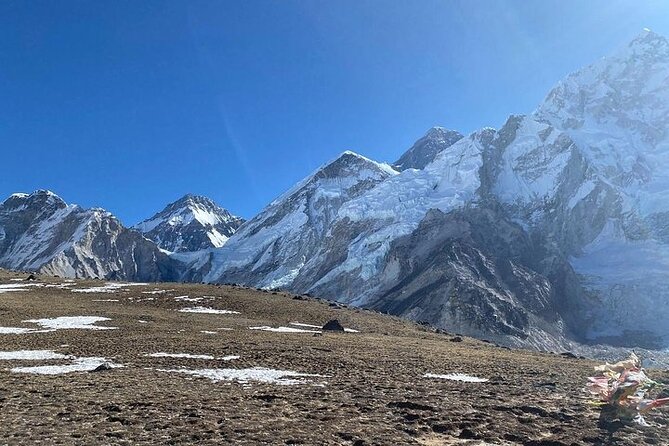
Day 7 is a free day in Dingboche, around 4,200m, with an optional hike to Nangkhartshang Peak (5083m) for acclimatization. This is another smart setup day. It gives you flexibility depending on how your body feels, and it adds a second chance to adjust before higher altitude demands more effort.
Day 8 is the step upward again, reaching about 4,900m with a steep ascent along the moraine of the Khumbu Glacier. Even without needing extra details, you can expect this to feel harder than the earlier village days. It is one thing to walk uphill between towns. It is another to feel the glacier edge and the higher, thinner air.
If you want a smooth trek experience, this is where you keep your plan simple: go slow, drink water, and treat every step like it counts. At these elevations, small pacing choices feel big.
Gorak Shep to Everest Base Camp: The Tougher Day When It Counts
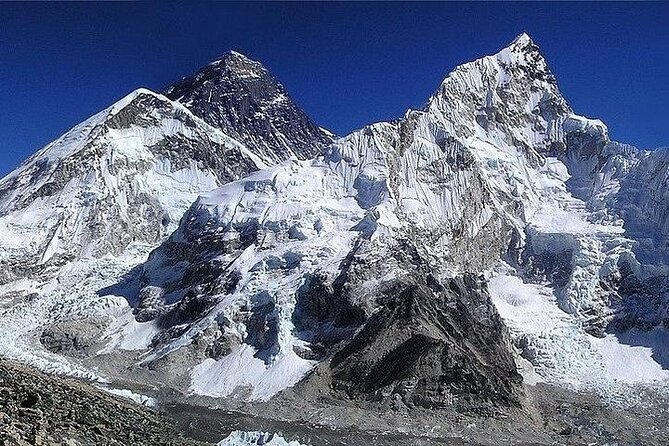
Day 9 brings two crucial altitudes: Gorakshep at about 5,180m and Everest Base Camp around 5,364m. The walking is listed as about 15 km, roughly 6 to 8 hours, and it is described as challenging due to rocky terrain and icefalls.
This is the day that tests both legs and nerves. The trail can feel more uneven, the effort can spike, and you may be moving slower than you want. But it is also the day where the entire trek makes sense. You continue climbing on the Khumbu glacier route, and you arrive at Everest Base Camp for photos and scenery.
I like how the plan does not rush past the difficulty. It calls out that this part of the trek is harder, so you can mentally prepare. That matters because mountain days are as much about expectations as they are about footsteps.
Kalapathar Morning Climb to 5,545m and the Return Descent
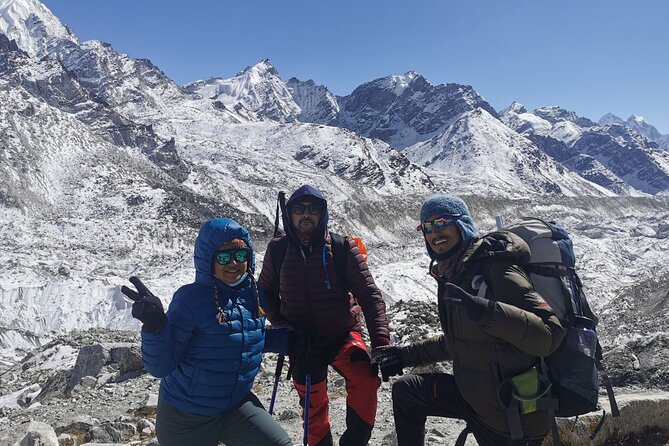
Day 10 starts early with a climb to Kalapathar, about 5,545m, meaning black rock in Nepali. You then retrace steps down to Gorakshep and continue descending toward Pangboche at about 4,320m.
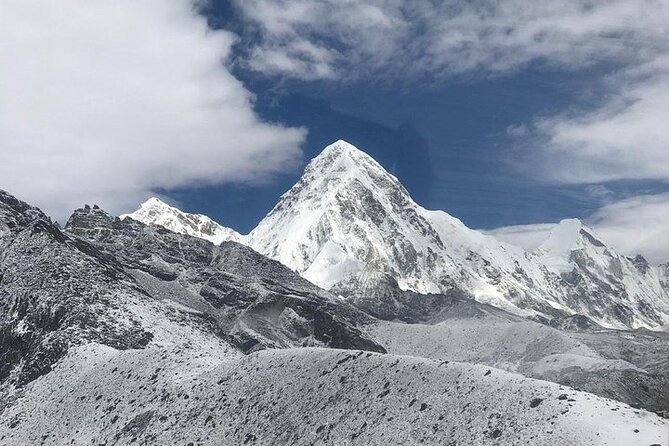
This is a high-effort morning, but it is also a classic one. The plan is designed for big panoramic views over the Khumbu glacier below and peaks above, including Everest, Nuptse, Changtse, and Lhotse.
Here is the trade-off. If Day 9 feels like your hardest push uphill, Day 10 is the follow-up that drains you if you move too fast. Your win is not speed. Your win is reaching Kalapathar early, absorbing the view, then managing the descent and still having enough energy for the long return days.
Pangboche to Namche, Then Lukla: Your Big Loop Back to Kathmandu Air
Day 11 drops you from Pangboche back toward Namche Bazaar, with a walking distance of about 13 to 15 km, around 7 to 8 hours. The route includes lunch via Tengboche, and you move through rhododendron and juniper trees where birds and animals may appear along the trail.
Day 12 is a longer descent day. You go from about 3,440m down to about 2,800m, walking roughly 16 km over 6 to 7 hours. You follow the Dudh Koshi River route back toward Lukla, crossing suspension bridges along the valley.
The plan also ends Day 12 with a celebration with your trekking crew in the evening. That is a nice touch. After 10-plus days of effort, it helps you close the loop with people who have been part of the climb.
Back in Kathmandu: Flight Time, Free Time, and a Keepsake Certificate
Day 13 brings your return flight to Kathmandu, about 35 minutes, followed by transfer to your hotel. You can explore the city or relax the rest of the day.
Day 14 is a final Kathmandu day, with time for a stroll or souvenir shopping. Then you drive to Tribhuvan International Airport for your scheduled flight home, or you can add extra days for other activities.
Two included items deserve a quick note. First, your package includes a trip certificate tied to reaching Everest Base Camp achievement. Second, there is a farewell dinner plus welcome drinks. These are small comforts, but they turn the trek into a complete storyline rather than just a trail log.
Price and Value: What the $1,597 Covers, and What Costs Extra
At $1,597 per person, this package looks like it is pricing for logistics plus guided support, not just walking. You get Kathmandu setup (2 nights with breakfast), 11 nights in tea houses on the trek, an English-speaking guide, and porter support (1 porter per 2 clients). You also get trekking permits, entry fees, and all government and local taxes covered.
That is the value side: the big headaches are handled, and you are paying for structure. In a trek like this, structure matters because it reduces decision fatigue. You can focus on walking, acclimatization, and enjoying the places you pass.
Now the costs to watch. The biggest “not included” items are travel medical insurance and emergency evacuation cost, plus the Nepal entry visa fee and international airfare. Also, any food and drinks in the mountains are not included. Your budget should also consider personal expenses like alcohol, hot shower access, water bottle costs, cold drinks, hot water, battery charge, and donations.
And yes, tipping is expected for the guide and porter. That is normal for guided trekking, but it is still an extra cost you should plan for from the start.
Who This Trek Suits Best (and Who Might Want Another Plan)
This Everest Base Camp trek is a strong fit if you want a private experience, steady guidance, and a clear acclimatization rhythm. The plan is built for people with moderate physical fitness, and it repeatedly gives you chances to adjust in Namche Bazaar and Dingboche rather than forcing one long climb after another.
It is also a good match if you value support on the ground. Having an English-speaking guide and a porter ratio helps you keep the focus on the trail, not on carrying everything yourself or figuring out the next step.
If you are the type who hates altitude, or you want a fully packaged trip with mountain meals included, this might frustrate you. Food and drinks in the mountains are not included, and the trek goes above 5,000m. You should go in with clear expectations, then pack and plan accordingly.
Should You Book This Everest Base Camp Trek with Happyland Treks?
If you want Everest Base Camp with practical support and less stress about permits, logistics, and daily flow, I would say it is worth serious consideration. The inclusion of permits and taxes, the tea house schedule, and the acclimatization rest days make it feel designed for real humans, not just marketing copy.
Book it if you:
- like the idea of a private group with a guide and porter plan
- want acclimatization built into the schedule in Namche and Dingboche
- can budget extra for mountain meals, drinks, visa, flights, and tips
Think twice if you:
- need everything including mountain food and drinks to be in the price
- are not comfortable with high altitude or do not feel you meet the moderate fitness requirement
If you match the fitness and budget, this trek gives you a classic Khumbu route with enough structure to help you get to Everest Base Camp, and enough planning to get back down safely and smoothly.
FAQ
How long is the Everest Base Camp trek?
It lasts 14 days approximately.
Where does the trek start, and what time?
The meeting point is Happyland Treks, Paknajol Marg, Kathmandu 44600, Nepal, with a listed start time of 6:45 am.
Is this a private tour?
Yes. It is listed as a private tour or activity, so only your group participates.
What lodging is included?
You get Kathmandu stay for 2 nights with breakfast, and 11 nights in tea houses on the trekking trail.
Are meals and drinks included on the mountain days?
No. Any food and drinks in the mountains are not included in the price.
Are trekking permits and park fees covered?
Yes. All your trekking permits, entry fees, and all government and local taxes are covered. Permits are registered when you reach the Sagarmatha National Park entrance.
What transport is included for the flights and airports?
You get airport pickup and drop by private transport in Kathmandu. Flights from Kathmandu to Lukla and Lukla back to Kathmandu are listed as about 35 minutes.
What is not included, and what is the cancellation rule?
Not included: travel medical insurance and emergency evacuation cost, Nepal entry visa fee, international airfare, any food and drinks in the mountains, personal equipment, tips for guide and porter, and personal expenses like alcohol, hot shower, and battery charge. Cancellation is free if you cancel up to 24 hours in advance for a full refund.
Latest additions near Kathmandu
- White Water River Rafting – 1 Day★ 4.3 · 3 reviews
- Traditional Momo Making Class★ 5.0 · 10 reviews
- Kathmandu to Pokhara Premium sofa bus ticket★ 4.0 · 17 reviews
- Ghorepani Poon Hill Trek★ 5.0 · 16 reviews
- Amazing 1 Day Trekking Experience in Kathmandu Nepal★ 5.0 · 24 reviews
- Ghorepani Poonhill Trek★ 5.0 · 5 reviews
- Walking tour of real Kathmandu through back streets.★ 5.0 · 3 reviews
- Wildlife Adventure in Chitwan Nepal★ 4.0 · 4 reviews
Everest Base Camp Treks, compared.
Everest Base Camp Helicopter Tour landing at Everest View Hotel
Read our review →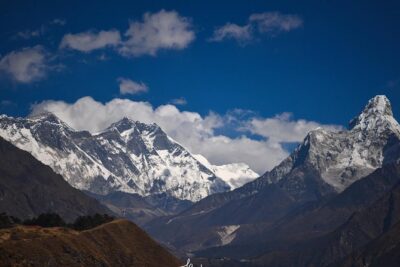
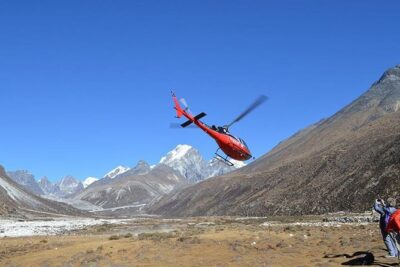
Everest Base Camp Helicopter Tour landing at Hotel Everest View
Read our review →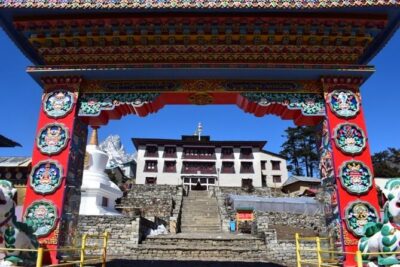
Browse the lists this tour appears in