
Reviewed · EVEREST BASE CAMP TREKS
Tibet Tour With Everest Base Camp – FLY IN DRIVE OUT- 8 DAYS
Tibet at altitude is a real eye-opener. This 8-day fly-in, drive-out route from Kathmandu strings together Lhasa’s main sights, the Gyantse stupa area, and an Everest Base Camp hike, with Tibet permits and entry fees included plus an English-speaking local guide. The upside is that the trip handles the paperwork and daily logistics for you. One thing to plan for: the flight from Kathmandu to Lhasa costs extra, and you’ll cross several high passes, so you need to take altitude seriously.
I also like that the schedule builds in rest right after landing, then gives you focused time in Lhasa before the longer driving days start. It’s a private tour, so your group gets the attention you’d expect for a route this busy, with pickups and drops handled in Kathmandu and on arrival in Tibet. The return drive includes border formalities at Rasuwagadi, which keeps the whole trip feeling like one continuous journey rather than disconnected parts.
In This Review
- Key Points Worth Noticing
- Fly In to Lhasa, Drive Out to Kathmandu by Land
- Price and Logistics: What Your $2,299 Actually Buys
- Day 1 in Tibet: Arrival at Gonngar Airport and Easy Lhasa Timing
- Day 2 and Day 3: Potala Palace, Jokhang Temple, Barkhor Bazaar, Drepung, Sera
- Day 4: Gyantse via Yamadroke Lake and High Passes (Kora La, Kamba La)
- Day 5: Panchen Lama’s Tashilhumpu Monastery and the Gyatchula Pass Push to Xegar
- Day 6: Ronbuk Monastery, the Highest Monastery in the World Feel
- Day 7: Everest Base Camp Hike, Then Back to Ronbuk and On to Kerong
- Day 8: Rasuwagadi Border Formalities and a Return to Kathmandu
- What Makes This Tour Feel Well Run (Based on What Stays Consistent)
- Practical Tips Before You Go
- Who Should Book, and Who Might Reconsider
- Should You Book This Tibet with Everest Base Camp Fly In Drive Out Tour?
- FAQ
- Is the flight from Kathmandu to Lhasa included?
- Are Tibet permits and entry fees included?
- Is this tour private?
- What meals are included?
- Where do you stay in Tibet?
- Do I need visas, and are they covered?
Key Points Worth Noticing
- Fly to Lhasa, drive back to Kathmandu with overland border formalities on the way out
- Permits and sightseeing fees included so you spend less time chasing paperwork
- English-speaking, trained Tibetan guide on the ground for monastery days and the Everest Base Camp portion
- High-pass route with scheduled acclimatization time after arrival in Lhasa
- Breakfast included for the full 8 days to keep mornings simple
- Private vehicle transport throughout for a smoother, less stressful pace than DIY
Fly In to Lhasa, Drive Out to Kathmandu by Land
This is a classic Fly in, drive out setup. You start in Kathmandu and then head to Lhasa by air, which can save you from a very long overland push right off the bat. The return is the opposite style, leaving Tibet by road back toward Nepal, with border formalities handled on the way out.
That matters because it changes how you experience the trip. The first day is calmer, built around your arrival and acclimatization in Lhasa. Then you shift into a driving rhythm across Tibet’s interior, with multiple monastery stops and high-elevation passes before you finish back in Kathmandu.
Do note the cost detail that often catches people: the flight from Kathmandu to Lhasa is not included in the tour price. The itinerary clearly treats that flight as extra, so budget for it up front. It’s still a great “value” move if you want to cover a lot of ground in only 8 days without turning the whole trip into a bus marathon.
More Everest Base Camp treks:
- Everest Base Camp Trek – 14 Days
★ 5.0 · 1,499 reviews - Everest Base Camp Trek
★ 5.0 · 842 reviews - Everest Base Camp Helicopter Tour landing at Everest View Hotel
★ 5.0 · 668 reviews
Price and Logistics: What Your $2,299 Actually Buys
At $2,299 per person for 8 days, the best way to judge this is by what’s wrapped up versus what you still handle yourself.
Included in the price, you get:
- All necessary Tibet travel permits and entry fees for the sights on your route
- Pickups and drops from the airport and hotel
- Private vehicles for transportation
- Accommodation in Lhasa on a twin-sharing basis, plus daily breakfasts (8 breakfasts are listed)
- English-speaking Tibetan guide
- All fees for sightseeing and monasteries in the itinerary
- Driver support details like salary, meals, and accommodation, plus applicable taxes and service charges
Not included:
- Accommodation in Nepal or mainland China (so if you need extra nights outside the exact tour window, that’s on you)
- Chinese visa fee
- International flights
- Travel insurance
- Meals other than breakfast in Tibet
- Tips for guides and driver
- Nepal visa
So is it good value? I think it is if you want a guided, permit-supported itinerary with private vehicles and predictable daily planning. The price starts to feel more expensive if you’re the type who likes full DIY flexibility. But if you want your permits, drivers, and sightseeing fees managed, this structure is exactly where group tour pricing can pay off.
Day 1 in Tibet: Arrival at Gonngar Airport and Easy Lhasa Timing
Day 1 is built around an uncomplicated landing. You fly from Kathmandu to Gonngar airport, then you’re driven into Lhasa (about 1 hour in the plan). After that, you get full rest for acclimatization, and you sleep in a hotel in Lhasa.
This “rest first” approach is smart. Lhasa is high, and your first job is to get comfortable before you start stacking visits. Even if you feel fine after arrival, the schedule gives you room to adjust rather than rushing you into a marathon day of temples and walking.
Practical tip: keep your first afternoon low-key. Save your big shopping splurges and long walks for later days when you’re settled.
Day 2 and Day 3: Potala Palace, Jokhang Temple, Barkhor Bazaar, Drepung, Sera
You get two days in Lhasa with the same major set of sights scheduled across your time in the city. The plan includes:
- Potala Palace
- Jokhang Temple
- Barkhor Bazaar
- Drepung Monastery
- Sera Monastery
This grouping works because it balances “iconic” Lhasa with a monastery-heavy feel. Potala Palace and Jokhang Temple are the headliners, but Drepung and Sera add depth with large monastic complexes. Barkhor Bazaar gives you the everyday side of Lhasa, where you’ll see how religion and street life overlap.
One practical consideration: these are high-demand places, and the day will involve a lot of walking and uneven surfaces. Going with a guide helps you pace it properly and focus on what you came to see, rather than spending time guessing your way through.
Also, two days here is a gift for your energy. With only one day in Lhasa, these sights can turn into a checklist. With two days, you have enough time to slow down and actually notice details, from temple courtyards to the flow of people around Barkhor Bazaar.
Another way to spend the time in Nepal:
- Private Kathmandu Sightseeing Tour | UNESCO World Heritage sites
★ 5.0 · 756 reviews - Kathmandu: 7 UNESCO Sites with Lunch
★ 4.8 · 744 reviews - Half day cooking class in Thamel kathmandu
★ 5.0 · 607 reviews - Everest Base Camp Trekking
★ 5.0 · 485 reviews
Day 4: Gyantse via Yamadroke Lake and High Passes (Kora La, Kamba La)
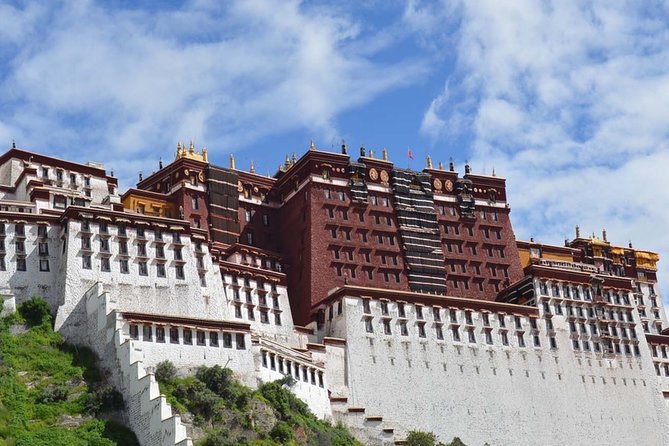
On Day 4, you shift from Lhasa to the Gyantse area. The route goes through Yamadroke Lake and two high passes: Kora La (5,010m) and Kamba La (4,794m). After breakfast, you also tour Gyantse, including Pholkor and the Kumbum Monastery area. Then you drive onward toward Xigatse and overnight there.
This is where the trip starts feeling like real Tibet driving. High passes make the road dramatic, and the itinerary’s sequencing matters. You’re not doing these passes on day 1. You’ve already had rest in Lhasa, which is important for comfort.
What to expect: longer segments in the vehicle and frequent opportunities for photos when the road opens up. Since this is a private tour with a driver and guide, you’re less likely to lose time to confusion about where to park or what order to do stops.
The Gyantse portion is a highlight because the Kumbum area is a signature sight. It gives you a different visual and spiritual feel than Lhasa, while still staying firmly in the same Tibetan cultural world.
Day 5: Panchen Lama’s Tashilhumpu Monastery and the Gyatchula Pass Push to Xegar
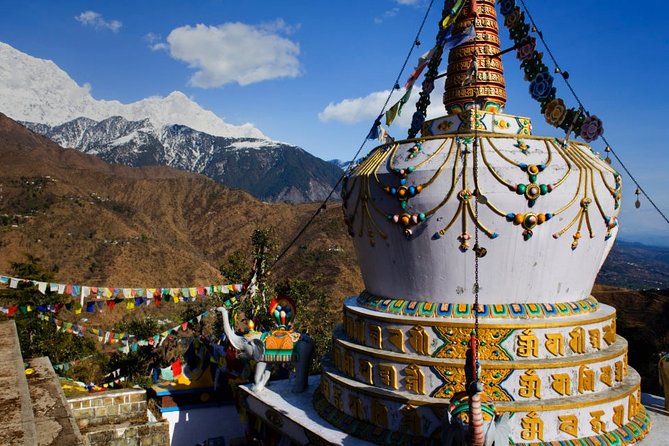
Day 5 is a monastery morning followed by a serious drive. You start with Panchen Lama’s Tashilhumpu Monastery, then you drive onward crossing Gyatchula, listed as a pass of 5,200m, before you overnight at Xegar.
This day shows you how the itinerary keeps mixing “human scale” spiritual stops with “big altitude” road days. Tashilhumpu gives you a strong anchor in the morning, and then Gyatchula is the altitude test that turns travel time into the main event.
My advice here is simple: treat this day like a careful day, not a “push to see everything fast” day. High passes can be harder on the body than you expect, even if you handled Lhasa fine. If you start feeling unusually tired or headachy, you don’t win by forcing it.
Day 6: Ronbuk Monastery, the Highest Monastery in the World Feel
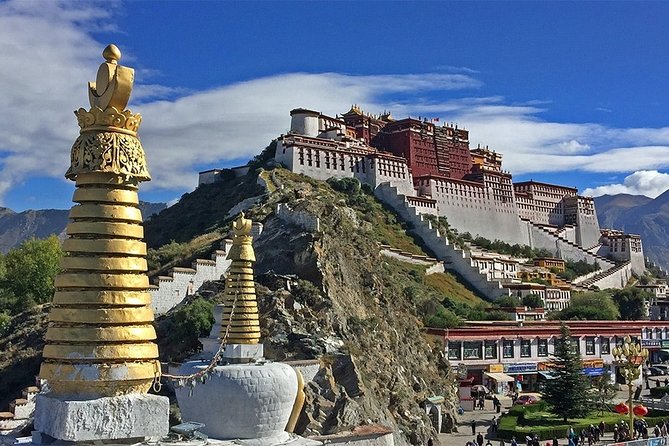
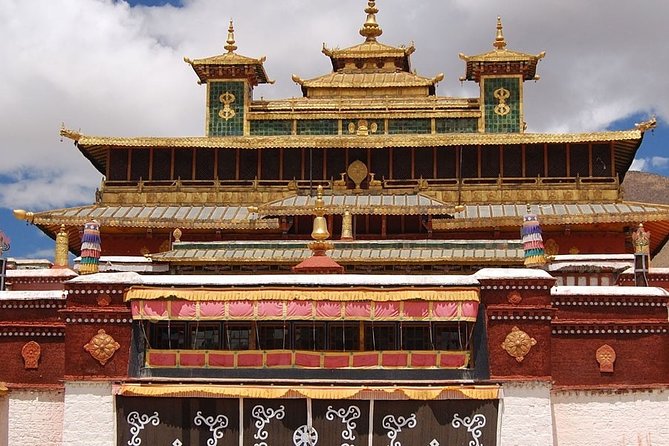
Day 6 is all about the Ronbuk area. You have a scenic drive to Ronbuk, then you explore Ronbuk Monastery, described as the highest monastery in the world. Overnight is at a guest house.
Ronbuk is the kind of stop that makes sense before Everest Base Camp. It gives you a mountain-focused spiritual setting and a sense of place before you hike. Even if you’re not “religious,” a monastery stop at this altitude changes how you experience the air, the quiet, and the sense of scale.
Because this is part of a Fly in, drive out plan, the logistics are already handled. You’re not coordinating vehicles yourself, and that keeps the day from getting stressful. You can focus on pacing, photos, and letting your body adjust to the elevation.
Day 7: Everest Base Camp Hike, Then Back to Ronbuk and On to Kerong
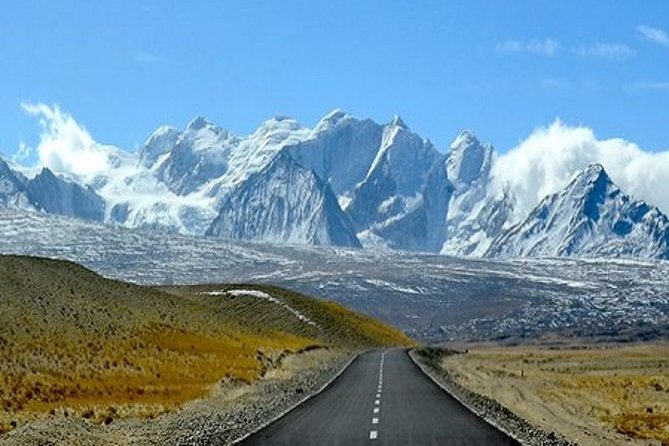
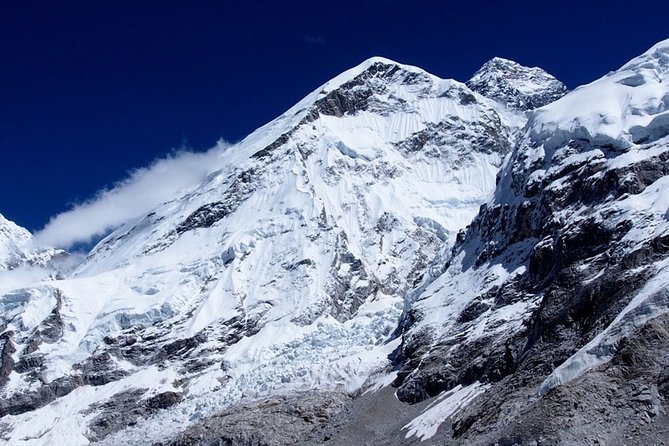
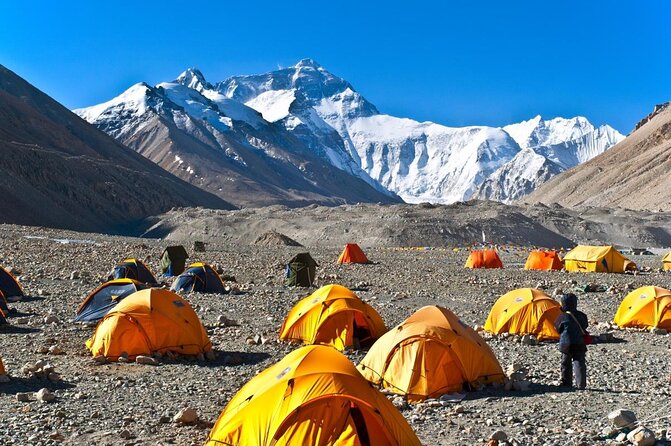
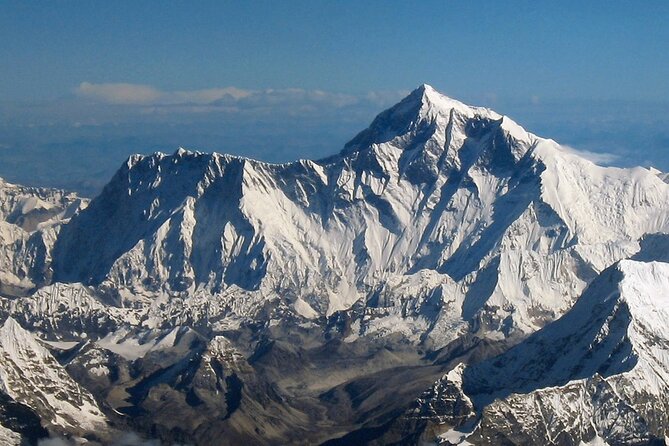
Day 7 is your Everest Base Camp moment. The plan includes a hike up to Everest Base Camp, exploring around, then you go back to Ronbuk and drive to Kerong for the night.
This is the big “do not overthink it” day. You’ll want to move steadily, take breaks as needed, and keep layers ready. The goal here is not speed. It’s reaching the base camp area and enjoying it.
Also, this day ties back into everything that came before it. Lhasa helped you get your cultural footing. Gyantse and Tashilhumpu added the broader Tibetan religious geography. Ronbuk sets up the mountain connection. Then you hike to the EBC area when the timing and altitude progression is already in motion.
If you’re someone who likes a clear highlight, this is your payoff day.
Day 8: Rasuwagadi Border Formalities and a Return to Kathmandu
Your final day is travel back to Nepal. You drive to Rasuwagadi Border, complete necessary border formalities, then drive back to Kathmandu.
This is one of the “quiet but important” days. Border processes can change the flow of any cross-border route, and doing it with a vehicle and guide reduces stress. You won’t be stuck figuring out how the paperwork works with no support.
Once you hit Kathmandu, you’re done with the Tibet driving loop. If you need an extra night in Kathmandu for comfort, check your own arrival and departure times because tour pricing does not include Nepal accommodation.
What Makes This Tour Feel Well Run (Based on What Stays Consistent)
The strongest part of this trip is how tight the planning feels. People who choose this exact style do it for two reasons: they want the route value, and they want the day-to-day guidance without chaos.
This tour is set up as a private experience with a trained English-speaking guide in Tibet, private vehicles, and a tight match between sightseeing time and transportation. The result is a smoother flow than DIY attempts. You’re also not managing Tibet permits on your own, which is usually the hardest part for independent plans.
One more thing I like: the itinerary is action-packed but not careless. There’s rest on arrival day in Lhasa, then a sequence of culturally strong stops, then altitude-heavy driving days, then the EBC hike. That progression helps you avoid the common mistake of doing the hardest altitude stuff first.
Practical Tips Before You Go
Here are a few practical points that fit this specific itinerary.
Altitude pacing matters. You cross passes like Kora La, Kamba La, and Gyatchula. Even if you’re fit, plan to go slow on driving days and take breaks without shame.
Build your packing around layers. High elevation usually means temperature swings, and an Everest Base Camp day is not the place to show up in the wrong clothing.
Budget for what’s not included. Your big line items to remember:
- flight to Lhasa from Kathmandu
- China visa fee
- Nepal visa
- travel insurance
- meals beyond breakfast
- tips
Finally, remember the trip is private. That’s great for flexibility within the plan, but it also means your timing and comfort depend on the schedule your guide follows. If you need lots of open time every day, you might find this pace full.
Who Should Book, and Who Might Reconsider
This tour fits best if you:
- want a guided, permit-handled Tibet experience
- like seeing multiple major monasteries and Lhasa’s signature sites
- want the Everest Base Camp hike without trying to coordinate every vehicle and border step
- prefer a private group setup over joining a large public group
You might reconsider if you:
- dislike altitude changes or have health concerns that require a gentler plan
- don’t want to handle visas and extra costs for the flight and meals
- want a trip with lots of free time and minimal driving
Also, you should be realistic about the pace. This is 8 days, and it includes big highlights and long road stretches. It’s not a slow sightseeing stroll.
Should You Book This Tibet with Everest Base Camp Fly In Drive Out Tour?
If your goal is one trip that covers Lhasa, Gyantse, the Ronbuk area, and Everest Base Camp in a structured way, this booking makes sense. The biggest reasons are practical: permits and entry fees are included, you get an English-speaking guide, and you’re not paying for planning headaches you could avoid.
Before you click confirm, do your homework on the extras you’ll need to pay for yourself: the flight from Kathmandu to Lhasa, visas (including the Chinese visa fee), travel insurance, meals beyond breakfast, and tips. If those costs fit your budget, you’ll likely feel like you got a solid deal for a route this full.
FAQ
Is the flight from Kathmandu to Lhasa included?
No. The itinerary uses a flight from Kathmandu to Lhasa, and it states that flights cost extra.
Are Tibet permits and entry fees included?
Yes. The tour includes all necessary Tibet travel permits and entry fees, plus the sightseeing fees for the listed monasteries and visits.
Is this tour private?
Yes. It is a private tour/activity, and only your group will participate.
What meals are included?
Breakfast is included for the 8 days. Meals other than breakfast in Tibet are not included.
Where do you stay in Tibet?
You have accommodation in Lhasa on a twin-sharing basis with breakfast included. The plan also includes overnights in places like Xigatse, Xegar, and Kerong, but only Lhasa is specifically described in the included details.
Do I need visas, and are they covered?
You need a Nepal visa and a Chinese visa. The Chinese visa fee and Nepal visa are not included in the tour price.
Latest additions near Kathmandu
- Traditional Momo Making Class★ 5.0 · 10 reviews
- White Water River Rafting – 1 Day★ 4.3 · 3 reviews
- Kathmandu to Pokhara Premium sofa bus ticket★ 4.0 · 17 reviews
- Ghorepani Poon Hill Trek★ 5.0 · 16 reviews
- Amazing 1 Day Trekking Experience in Kathmandu Nepal★ 5.0 · 24 reviews
- Ghorepani Poonhill Trek★ 5.0 · 5 reviews
- Walking tour of real Kathmandu through back streets.★ 5.0 · 3 reviews
- Wildlife Adventure in Chitwan Nepal★ 4.0 · 4 reviews
Everest Base Camp Treks, compared.
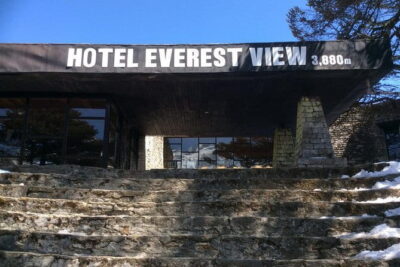
Everest Base Camp Helicopter Tour landing at Everest View Hotel
Read our review →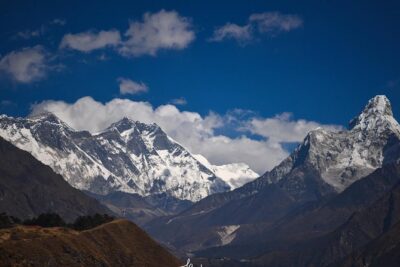
Everest Base Camp Helicopter Tour landing at Hotel Everest View
Read our review →
Browse the lists this tour appears in