
Reviewed · EVEREST BASE CAMP TREKS
Short Everest Base Camp Trek – 10 Days
Everest in 10 days is a rare thing. This short trek routes you from Kathmandu to Lukla and then through iconic Khumbu villages, ending at Everest Base Camp (5,364 m / 17,598 ft).
I like how the plan mixes big sights with real village days. You pass monasteries, markets, and teahouses, and you also get structured altitude awareness instead of rushing at full speed.
One thing to consider is that the itinerary depends on mountain weather, especially for flights. If clouds roll in, your return from Lukla to Kathmandu can get delayed.
In This Review
- Key highlights worth your attention
- Why this trek works when you have limited time
- Lukla flight and the first descent toward Phakding
- Namche Bazaar acclimation, permits, and those suspension bridges
- Tengboche Gompa, first big Everest sightings, and monasteries with meaning
- Dingboche and Lobuche, where altitude becomes real
- Everest Base Camp and Gorakshep, the big-moment day
- Kalapathar at 4 a.m., then down toward Pheriche
- The return days: Tengboche to Namche to Lukla
- Price and logistics, and why $1,680 can be good value
- The people make the experience: guides and porters that keep it human
- What you should pack and how to pace for altitude
- Who should book this trek, and who should reconsider
- Should you book the Short Everest Base Camp trek?
- FAQ
- Is the Lukla flight included in this trek?
- Do I need to arrange the Sagarmatha National Park permit myself?
- What meals are included during the trek?
- Is gear like a sleeping bag included?
- Are there extra costs during the trek?
- Can I get a full refund if I cancel?
Key highlights worth your attention
- Lukla flight for first-Himalaya thrills: a short, scenic ride plus the famous landing.
- Guide support for Sagarmatha National Park permits: checkpoints handled for you.
- Namche Bazaar acclimation day: the right amount of time before higher trekking.
- Tengboche Gompa stop: monastery atmosphere and classic Everest viewpoints.
- Everest Base Camp moment with Gorakshep teahouses: sleep high, then go.
- Kalapathar at 4 a.m.: tough uphill, huge payoff at sunrise.
Why this trek works when you have limited time
This Short Everest Base Camp trek is built for people who want Everest without the long haul. You get the classic Khumbu experience, but in a tight schedule that still gives you a few chances to adjust to altitude before the highest days.
The tradeoff is simple: you’ll work. Even on a shorter itinerary, you’re still walking in a thin-air environment, crossing suspension bridges, and spending long stretches on uneven stone trails. The good news is that the pacing is clear day to day, with enough time in key villages like Namche and Dingboche so you’re not just climbing blindly toward 5,000 m plus.
A big practical win: you’re not arranging flights, permits, guides, or sleeping arrangements on your own. The included services cover logistics that can otherwise turn stressful fast in Nepal. Plus, you’ll be traveling with a small group (up to 15), which usually keeps things smoother on narrow trails and at teahouses.
More Treks in Kathmandu
- Everest Base Camp Trek – 14 Days
★ 5.0 · 1,499 reviews - Everest Base Camp Trek
★ 5.0 · 842 reviews - Everest Base Camp Trekking
★ 5.0 · 485 reviews
Lukla flight and the first descent toward Phakding
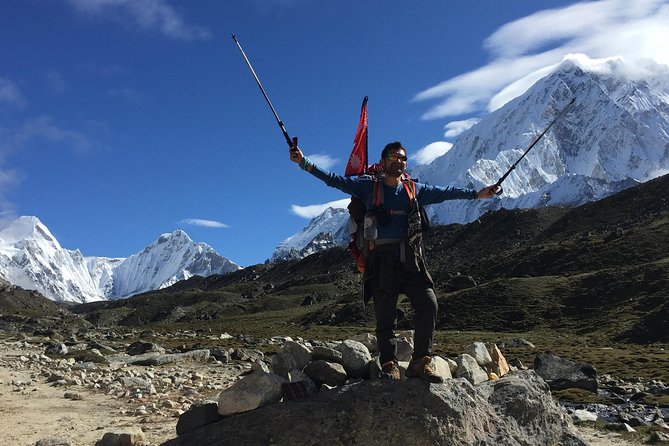
Day one starts with the Kathmandu to Lukla domestic flight. It’s short, scenic, and the highlight for many people is the landing at Lukla Airport. The advice I’d take from this itinerary is to ask for the left front raw seat when you can, since it tends to offer the best views of the surrounding mountains during approach.
Once you land, the trek begins with a descent toward Phakding. This is a smart start. Dropping in altitude makes the first day feel less punishing, even though you still get that immediate “I’m really in the mountains now” feeling. The trail is described as stone-paved stairs with rhododendron-shaded sections, which matters for comfort, because spring blooms can make the walk feel less like a chore and more like scenery with a purpose.
What to watch for: even on the first day, footing matters. Stairs and stones can be hard on knees. Start slow, and keep your pack snug so the weight doesn’t bounce. Also, because Lukla weather can be unpredictable, it’s worth thinking of day one as “timed to flights,” not “timed to your schedule at home.”
Namche Bazaar acclimation, permits, and those suspension bridges
Day two pushes you from Phakding up to Namche Bazaar, the hub of the Khumbu region. The route follows the Dudh Kosi River and includes multiple suspension bridges crossing back and forth. If you like that mix of adrenaline and views, this is your day.
Another key moment is the permit situation. You’ll collect your Sagarmatha National Park trekking permit with your guide at checkpoints on the way. That sounds bureaucratic, but having your guide handle the process is practical. Nepal park rules are real, and getting this part right helps you avoid hassles later when you want to focus on the trail.
En route, you’ll pass small villages such as Tok Tok, Monjo, and Jorsale. Jorsale is a known stop point for trekkers on this route, and it’s the kind of place where you get a quick sense of the rhythm of the trek: groups moving through, tea houses working, and that gradual switch from “tourist Nepal” to “mountain life Nepal.”
Why this day matters: Namche isn’t just a sightseeing stop. It’s also an acclimation anchor. Your body needs time to adjust before you start climbing higher for the monastery views and the Everest pushes.
Tengboche Gompa, first big Everest sightings, and monasteries with meaning
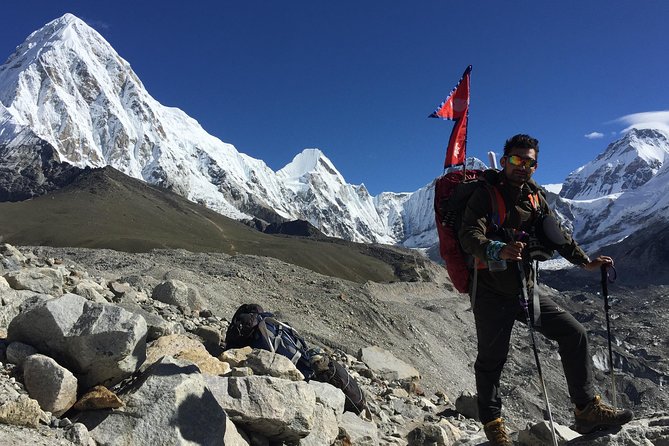
Day three is where the trek starts feeling iconic. You set off from Namche after breakfast, and the route includes big viewing points. Along the way, you get early mountain drama, with mentions of Mt. Thamserku and classic Khumbu peaks appearing as you gain perspective.
The itinerary also highlights small stupas and donation moments on the trail. That matters because it’s part of how Sherpa culture shows up in everyday walking life. You’re not just passing landmarks. You’re moving through a landscape that has spiritual and community routines built around trekking traffic.
Then you get the first real Everest focus. You should expect to see Mt. Everest, plus surrounding peaks like Lhotse and Ama Dablam, described as part of the big view sequence from the trail.
The day ends at Tengboche, with its famous gompa (monastery) stop. You’ll pass a checkpoint just before the ascent and confirm permits again. I like this because it makes the process structured. Instead of worrying, you know there’s a check and your guide stays on top of it.
Possible drawback: Tengboche days often bring a colder feel as you climb. Teahouses and warm layers matter more than you think. Bring layers you can actually move in, because you’ll be walking, then standing around waiting for views.
More Everest Base Camp treks:
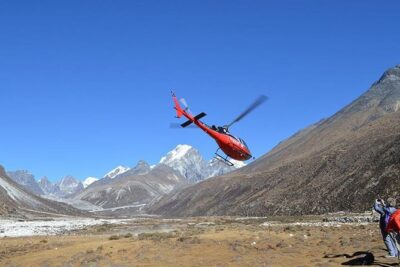
- Everest Base Camp Helicopter Tour landing at Everest View Hotel
★ 5.0 · 668 reviews - Everest Base Camp Trekking – 13 Day
★ 5.0 · 365 reviews - Everest Base Camp Trek
★ 5.0 · 350 reviews - Everest Base Camp Trek -14 Days
★ 5.0 · 321 reviews
Dingboche and Lobuche, where altitude becomes real
Days four and five are about settling into higher terrain. From Tengboche you descend toward Pangboche, then the route becomes flatter for stretches, before you continue toward Dingboche. Dingboche is described as a lovely village, and the itinerary notes potato and barley cultivation, which is a helpful reminder that people live here year to year, not just during trekking season.
This is where you learn the value of “slow to grow.” Even if you feel fine at lunch, your body can change quickly in higher villages. The route later goes above 4,000 m, and the itinerary specifically tells you to walk slow, drink plenty of water, and pay attention to altitude sickness signs. That advice is not optional. It’s the difference between a tough but manageable trek and a trek that stops feeling fun.
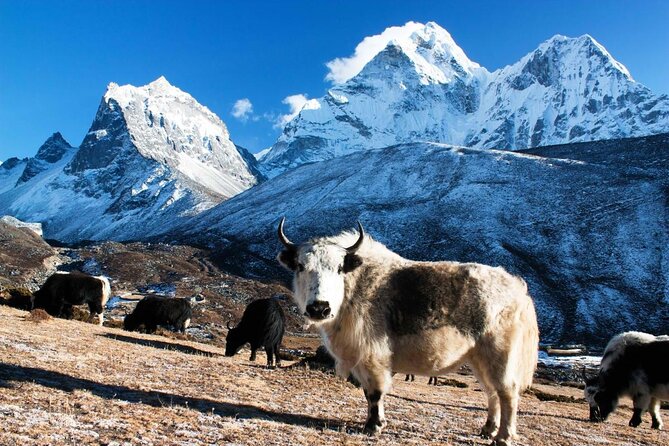
Day five continues toward Lobuche. You get a ridge area with close views of Mt. Tawache and Cholatse, then pass yak pastures around Thukla (4,620 m). The route climbs steeply toward the terminal moraine of the Khumbu Glacier before reaching Lobuche.
That section can be mentally tiring because it’s not just walking uphill. It’s walking uphill while your breathing feels different. This is where pacing matters most. Take shorter steps. Keep breathing steady. If you find yourself speeding up because the views are amazing, that’s when altitude can catch up.
Everest Base Camp and Gorakshep, the big-moment day
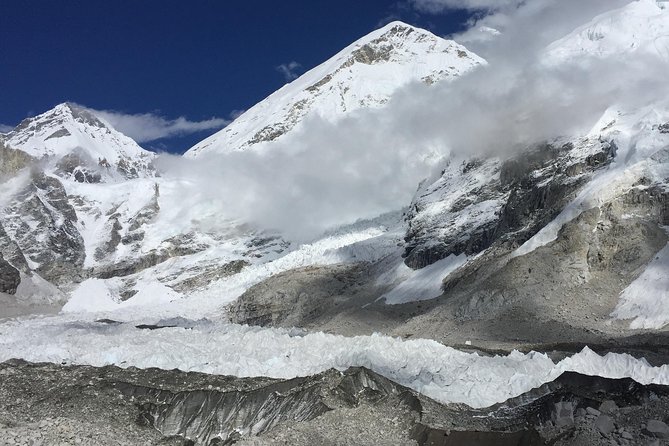
Day six is the payoff. You start from Lobuche after breakfast and trek toward Gorakshep, where teahouses are available for an overnight stay. The itinerary describes the walk to Gorakshep as easier in the beginning, then you continue with the base camp approach after settling in.
Here’s the practical part: this is a long day even if the route doesn’t feel like a constant steep climb. You’re spending energy moving between high villages, dealing with colder air, and then adding the final push to Everest Base Camp (5,364 m).
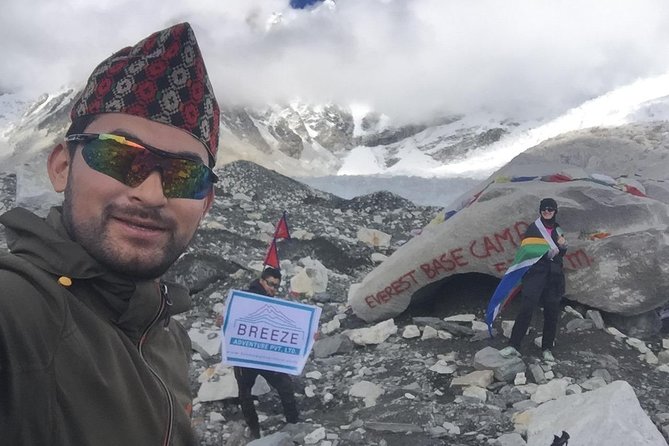
When you reach base camp, the itinerary frames it as a blissful moment, with climbers from around the world preparing for ascents. Whether there’s activity on the day you arrive or not, you still get the emotional jolt of being at the world’s most famous staging ground. It’s one of those places where even people who swear they’re not the sentimental type will look around and go quiet.
After base camp, you return to Gorakshep for the night. Teahouse comfort is basic, so think of sleep as fuel, not luxury. If you’re someone who hates waking early, this trek won’t care. Your next day starts before sunrise.
Kalapathar at 4 a.m., then down toward Pheriche
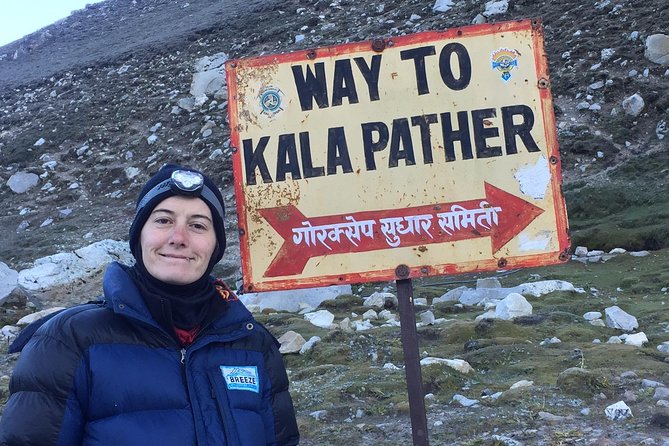
Day seven is the classic sunrise challenge. From Gorakshep you trek toward Kalapathar, described as the best viewpoint of Everest, with a 360-degree view of the Everest massif. The start time is early, nearly 4 a.m., and the itinerary notes a difficult uphill climb on icy terrain.
This is not the day to test your ego. If you’re going to Kalapathar, respect the cold and the uneven footing. If you rush, your legs will pay for it later, and icy sections turn rushed footsteps into slippery risk.
The sunrise payoff is the reason most people do this trek at all. Photographs are common here, but the real value is seeing the full mass of Everest and neighboring peaks with the light coming up behind you. It’s a view that feels bigger than it looks in photos, because you can actually trace the mountain geometry in your mind.
After Kalapathar, you return to Gorakshep, carry luggage, and trek down toward Pheriche. Pheriche is described as a beautiful village with rocky hills and teahouses. This is a good day to breathe, reset, and remind yourself that descending is also work, especially when legs are tired.
The return days: Tengboche to Namche to Lukla
The return leg is often emotionally easier but physically tricky, because descending can loosen up your confidence too fast. Day eight brings you back through familiar regions, moving from Pheriche to Namche Bazaar.
You’ll trek toward Debuche, continue on to Pangboche for lunch (described as the spot most trekkers stop), then climb back uphill to Tengboche. From there it’s a continuous downhill with river crossings and then another ascent before the trail levels out toward Namche.
On the return route, it helps to remember why the first half mattered. Even though you’re going down overall, your body has less margin now. Keep drinking water, and don’t celebrate too early by walking faster than your breathing.
Day nine is Lukla day. The itinerary describes crossing the famous Hilary suspension bridge, then gradually hiking along with other trekkers, with lunch at Tok Tok. There’s a specific caution here: don’t run on the way back. It’s a smart message. Most accidents on treks happen when people think they’re near the finish line.
When you reach Lukla, there’s time to buy gifts, plus shops and bakeries. That part is more than a bonus. It’s how you transition from trekking pace to normal life pace.
Day ten is the flight to Kathmandu, if the weather is good. If it’s not, expect delays.
Price and logistics, and why $1,680 can be good value
The price listed is $1,680 per person, and the value depends on what’s included versus what you’d pay anyway.
What you do get included:
- Transportation for the trek, including flights to and from Lukla
- Government-authorized, experienced guides
- Gear like sleeping bag and warm layers
- First aid kit
- Meals: breakfast (10), lunch (9), dinner (9)
- Local village entry fees, plus service charges and government taxes
What’s not included:
- International airfare
- Shower and electronic charging fees at guest houses
- Alcoholic drinks, chocolates, tea and coffee
- Tips for guide and porter
For many people, the biggest cost saver is not having to source flights and a guiding team for one of Nepal’s most weather-sensitive routes. Add the included sleeping bag and warm layers, and the trek cost starts to look more realistic as a “supported package” rather than just a walking fee.
Where you might spend extra: teahouse charging and showers add up, and it’s normal to want a hot drink beyond what’s included. Also budget for tips. The itinerary doesn’t include them, and that’s the simplest way to ensure your guide and porter team is supported for the work they do.
Finally, the operator uses a pickup option and a mobile ticket, which tends to reduce last-minute scramble in Kathmandu.
The people make the experience: guides and porters that keep it human
Short Everest Base Camp treks can feel big and mechanical if the team is weak. This one has a strong service reputation built around friendly, organized leadership.
In past traveler feedback shared through the operator’s public responses, you’ll see names like Kishwor credited as a host and Sarki as a guide. Other credited team members include guide Mr. Ngwang and porter Pemba, described as the mountain-goat type who keeps the pace manageable.
The practical takeaway for you: with a solid team, you get better rhythm on crossing days, permit days, and the long high-altitude push. You also get safer decision-making if weather shifts or if someone in the group shows early altitude stress.
Small groups up to 15 also help. You’re not fighting a huge flow through narrow paths or teahouses.
What you should pack and how to pace for altitude
Even with included gear, you’ll want to think through the essentials that make you comfortable and safe.
Based on the itinerary’s own altitude advice, pace matters:
- Walk slow, especially after 4,000 m
- Drink plenty of water
- If you see signs of altitude sickness, get to lower altitude as soon as possible
That’s not just a guideline. It’s the core of staying on track.
Packing priorities:
- Warm layers for dawn starts and cold teahouse nights
- Footwear with good grip for stone and potentially icy sections
- A water plan you can stick to, because dehydration sneaks up in dry cold air
- Basic comfort items for teahouse living (you’ll likely be spending nights in Gorakshep and higher villages where comfort is simple)
A gear note: since sleeping bag and warm layers are included, you should still confirm what you’ll receive and whether it fits your temperature needs. If you run cold, you may want to add a hat or extra layer, but don’t assume the included kit covers every scenario.
Also, think about your knees and shins. Descents happen every day on some segment, especially on the return. Trek poles can be helpful, but they aren’t mentioned in the included list, so plan based on what you personally use.
Who should book this trek, and who should reconsider
This trek is a great fit if:
- You want a serious Everest experience without several weeks
- You’re comfortable with long days on trekking trails
- You want Sherpa culture stops, like Tengboche Gompa and village moments in Namche, Dingboche, and Pheriche
- You prefer a supported group with a guide handling permits and logistics
It may not be your best match if:
- You have zero flexibility for weather delays, especially for Lukla flights
- You’re looking for a mostly flat walk with minimal altitude stress
- You dislike early mornings, because Kalapathar starts around 4 a.m.
If you’ve never trekked above 3,000 to 4,000 m, treat the itinerary seriously. The tour does mention moderate physical fitness as a baseline, but your real goal should be to arrive with training and a plan to listen to your body.
Should you book the Short Everest Base Camp trek?
If you want Everest Base Camp on a tight schedule, this trek is one of the most sensible ways to do it. The value comes from the package support: flights to Lukla, permits handled, meals included, and gear provided. The route also does a smart job balancing iconic sights with key acclimation stops like Namche and Dingboche.
I’d book it if you can handle early starts, long walking days, and cold teahouse nights, and if you’re okay with the reality of mountain weather affecting flight timing. If that sounds like your kind of trip, this is a strong choice.
If you want, tell me your travel month and your fitness background (how many days of hiking per week and your highest altitude). I can help you sanity-check whether 10 days to Everest Base Camp feels realistic for you.
FAQ
Is the Lukla flight included in this trek?
Yes. Transportation for the trek includes domestic flights to and from Lukla, plus the flight back to Kathmandu on the final day (weather permitting).
Do I need to arrange the Sagarmatha National Park permit myself?
No. The guide helps you collect the trekking permit at the checkpoints on the trail.
What meals are included during the trek?
Breakfast is included for 10 days, lunch for 9 days, and dinner for 9 days.
Is gear like a sleeping bag included?
Yes. The tour includes all equipment such as a sleeping bag and warm layers, plus a first aid kit.
Are there extra costs during the trek?
You should expect additional costs for shower and electronic charging fees at guest houses. Alcoholic drinks, tea and coffee, and other items like chocolates are also not included.
Can I get a full refund if I cancel?
Yes. You can cancel up to 24 hours in advance for a full refund, based on local time. If you cancel within 24 hours, the amount paid is not refunded.
Latest additions near Kathmandu
- White Water River Rafting – 1 Day★ 4.3 · 3 reviews
- Traditional Momo Making Class★ 5.0 · 10 reviews
- Kathmandu to Pokhara Premium sofa bus ticket★ 4.0 · 17 reviews
- Ghorepani Poon Hill Trek★ 5.0 · 16 reviews
- Amazing 1 Day Trekking Experience in Kathmandu Nepal★ 5.0 · 24 reviews
- Ghorepani Poonhill Trek★ 5.0 · 5 reviews
- Walking tour of real Kathmandu through back streets.★ 5.0 · 3 reviews
- Wildlife Adventure in Chitwan Nepal★ 4.0 · 4 reviews
Everest Base Camp Treks, compared.
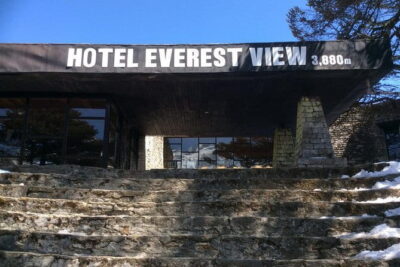
Everest Base Camp Helicopter Tour landing at Everest View Hotel
Read our review →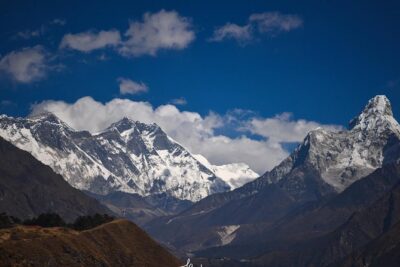
Everest Base Camp Helicopter Tour landing at Hotel Everest View
Read our review →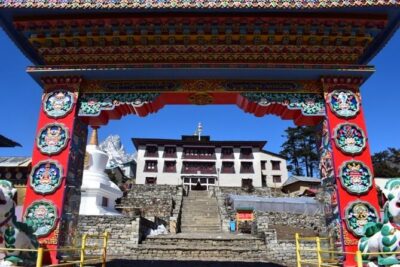
Browse the lists this tour appears in