
Reviewed · EVEREST BASE CAMP TREKS
Short Everest Base Camp Trek 10 Days
Everest Base Camp in 10 days, no fluff. This trek is built around the classic Khumbu corridor, with teahouse stays, an experienced English-speaking guide, and the big payoff of reaching Everest Base Camp and sunrise from Kala Patthar. I like how the route mixes walking with acclimatization stops, so you are not just racing uphill for a checkmark. I also love that it is packaged in a way that takes the stress out of logistics, since Kathmandu-Lukla-Kathmandu flights, transfers, permits, and lodging are covered.
The main drawback to keep in mind is the short timeline. With only about 10 days on the mountain, the trek leans on steady pacing and your fitness. If you are prone to altitude issues or you struggle with long days on steep trails, you might feel the squeeze.
In This Review
- Key Things That Make This Trek Work
- Why This 10-Day Everest Base Camp Plan Fits the Short-Trip Dream
- Price and Value: What the $1,400 Really Includes
- Kathmandu to Lukla: Starting Early and Staying Focused
- Namche Bazaar and Tengboche: The Acclimatization Zone in Plain English
- Dingboche and Lobuche: When the Trail Starts Feeling Serious
- Gorakshep to Everest Base Camp: The Big Reward Section
- Kala Patthar Sunrise and the Descent Back Through the Khumbu
- Guides, Teahouses, and Group Dynamics You Should Expect
- What to Budget For: Meals, Tips, and Optional Porters
- Who Should Book This Short Everest Base Camp Trek
- Should You Book This Trek, or Choose a Longer Option?
- FAQ
- Where does the trek start, and what time do we meet?
- What is included in the $1,400 price?
- Are meals included during the trek?
- Do I need a porter, and is one available?
- How large is the group?
- What kind of insurance is needed for emergencies?
- What is the cancellation policy?
Key Things That Make This Trek Work
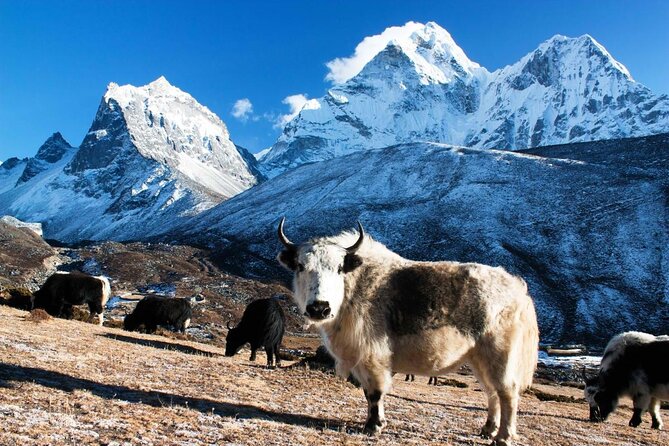
- A tight route with major milestones: Lukla, Namche Bazaar, Tengboche, Dingboche, Gorakshep, Everest Base Camp, Kala Patthar.
- Included flights and transfers: flights between Kathmandu and Lukla plus domestic airport tax, and private vehicle transfers.
- A proper guide setup: one experienced, English-speaking trekking guide, with guide and porter insurance, food, and expenses covered.
- Acclimatization built into the days: Namche and Dingboche give you time to adjust instead of constant climb-only pressure.
- The best sunrise view moment is planned: early Kala Patthar timing is part of the route, not an optional side quest.
- Small-group feel: maximum of 15 travelers, plus group discounts.
Why This 10-Day Everest Base Camp Plan Fits the Short-Trip Dream
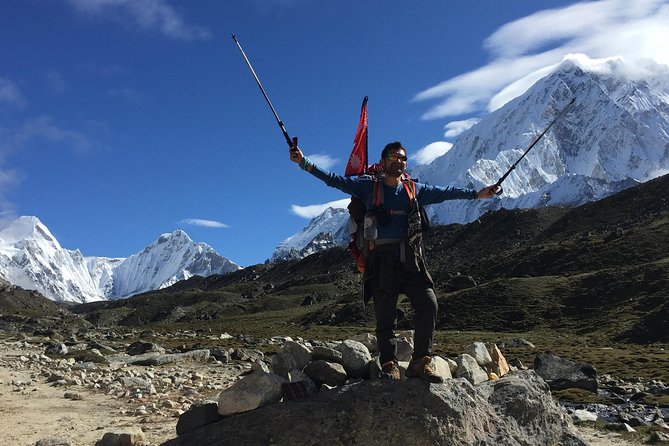
This is the kind of Everest trip that makes sense if you have limited vacation time but still want the heart of the Khumbu. You get the signature stages most people picture: landing at Lukla, moving through Namche Bazaar, seeing the famous Tengboche area, reaching the high-basin region around Gorakshep, and finally making it to Everest Base Camp plus the sunrise viewpoint at Kala Patthar.
What makes the plan feel practical is the rhythm. You spend a chunk of time in the middle elevations before pushing higher. That matters because the mountains do not care about your schedule. The route is still “short,” but it is not purely a sprint. You’ll have a chance to catch your breath, keep an eye on how you feel, and adjust your pace under your guide’s guidance.
Also, the trek is offered as a small-group experience (up to 15 people). That changes the vibe. You are not stuck in a huge crowd at every junction. Instead, you can actually listen to your guide’s explanations in the evenings and get a sense of what to expect tomorrow.
More Treks in Kathmandu
- Everest Base Camp Trek – 14 Days
★ 5.0 · 1,499 reviews - Everest Base Camp Trek
★ 5.0 · 842 reviews - Everest Base Camp Trekking
★ 5.0 · 485 reviews
Price and Value: What the $1,400 Really Includes
At $1,400 per person, this is not a bargain trek. But it is also not just a ticket to Nepal. The price covers the big cost drivers that normally create chaos when you try to plan yourself.
Here is what your money buys:
- Domestic logistics: private transfers and Kathmandu-Lukla-Kathmandu flights with domestic airport tax.
- Trek support: one English-speaking trekking guide, plus the guide’s and porters’ expenses, food, accommodation, transportation, and insurance.
- Sleeping covered: all lodge and teahouse accommodations during the trek.
- Paperwork handled: all necessary trekking permits and government taxes or service charges.
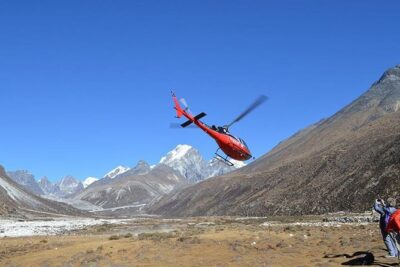
- Emergency planning: an arrangement for emergency helicopter service paid by your travel insurance company (meaning you still must have the right insurance).
The items that usually cause surprise are the ones not included. Standard meals (breakfast, lunch, dinner) during the trek are not included, and tipping for guide and porter is expected. You’ll also need personal trekking gear. If you want lighter packing, you might find your guide can help with gear loans, but that is not something you should count on.
In other words, the value is strongest if you want an organized, guided, lodge-based trek with the heavy lifting already done for you.
Kathmandu to Lukla: Starting Early and Staying Focused
Your trek starts with an early meeting time of 6:15 am, so plan for a real beginning, not a slow tourist morning. The trip begins in Kathmandu and then moves fast into trekking mode.
On day one, the key moment is the commercial flight to Lukla. Flights include the relevant airport tax, and once you land, you start walking toward Phakding, with about 3.5 hours of trekking on that first day. That first day is about getting your legs used to the trail and your mind used to altitude, not about breaking records.
Practical tip: make sure you have your essentials easy to reach on the flight day. You will be moving quickly, and you do not want to waste energy later searching for things like sunscreen, a headlamp, or snacks.
Another point I appreciate is how the schedule respects the “real world.” This route is built around teahouses and village stays, so you’re not gambling on wild camping or complicated food logistics.
Namche Bazaar and Tengboche: The Acclimatization Zone in Plain English
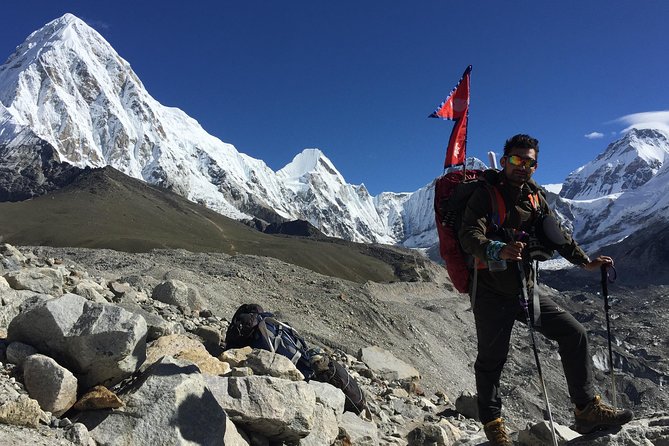
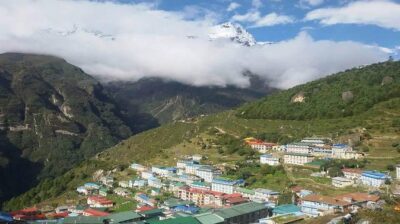
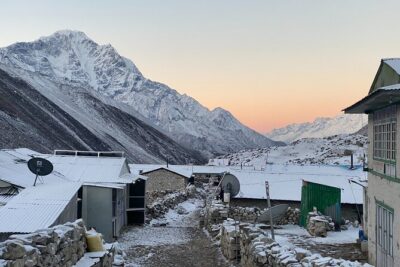
After breakfast in Phakding, you head toward Namche Bazaar (3,440 m). The walk is about 6 hours and follows the Dudh Koshi river corridor. This section is often where you start feeling the altitude in subtle ways: a faster heartbeat during climbs, a slower rhythm on the flat, and a need to hydrate consistently.
Namche is also where you start experiencing the Khumbu culture beyond just mountain views. You’re in a Sherpa-populated region, and the village serves as a hub for travelers and locals. Your body likes these “in-between” places because you can settle in and keep your walking style controlled.
Day three takes you to Tengboche (3,867 m) in around 5 hours. The trail drops toward the Dudh Kosi in places, and you’ll get long sightlines toward big peaks on clear days. This is also a turning point emotionally. By now, you are no longer in the approach phase, you are in the classic Everest country.
One consideration here: on this kind of trek, your success often comes down to pacing, not willpower. Your guide will likely encourage the classic slow-up, pause-often approach. Past trekkers have specifically praised guides like Mohan, AJ, and Padam dai for keeping the plan achievable and safe, with advice like moving slowly to be steady at altitude.
More Everest Base Camp treks:
- Everest Base Camp Helicopter Tour landing at Everest View Hotel
★ 5.0 · 668 reviews - Everest Base Camp Trekking – 13 Day
★ 5.0 · 365 reviews - Everest Base Camp Trek
★ 5.0 · 350 reviews - Everest Base Camp Trek -14 Days
★ 5.0 · 321 reviews
Dingboche and Lobuche: When the Trail Starts Feeling Serious
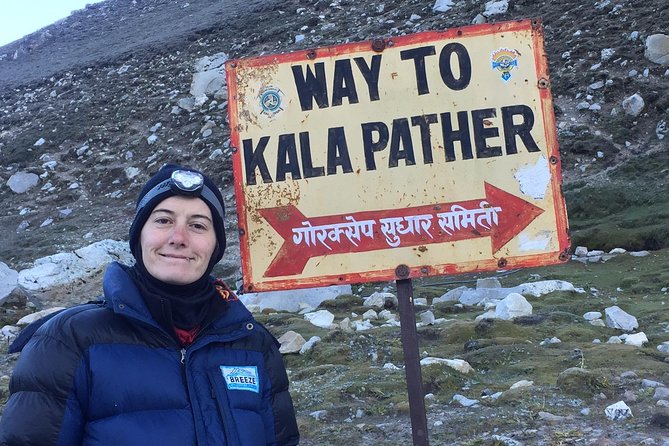
Day four moves you from Tengboche to Dingboche (4,260 m) in about 5 hours. Expect a descent through a rhododendron forest, then onward through Deboche and a suspension bridge crossing the Imja Khola area. This is the kind of day where the scenery is great, but the work is in managing effort across ups and downs.
Day five climbs onward to Lobuche (around the 5,160 m range on the trek route), taking about 5 hours 30 minutes. The day starts gentler through Pheriche village. That detail matters because it gives you a ramp-up into higher terrain. From a practical standpoint, you want those “slightly easier” miles before the more challenging glacier-adjacent section.
At this stage, teahouses become more than just places to sleep. They are your altitude management base. You’ll want to keep meals and hydration consistent, and you’ll benefit from listening carefully to your guide’s day-plan talk. Several guides mentioned in trek feedback, including Padam Bahadur Bhujel and Anjan, were praised for explanations and for checking how trekkers feel.
Gorakshep to Everest Base Camp: The Big Reward Section
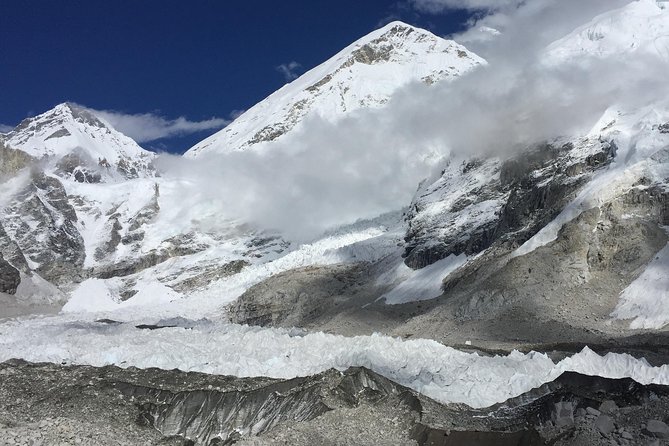
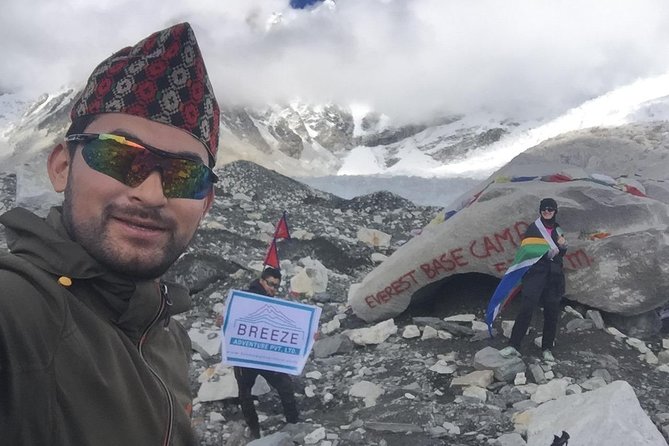
Day six is a long day. You go from Lobuche to Gorakshep (around 5,140 m), and then you reach the Everest Base Camp area via the high paths, including rocky terrain and the Khumbu glacier region. The itinerary lists around 8 hours. This is the section where your brain finally gets to land on something concrete: Everest Base Camp.
This part can feel more physical than the earlier days because the ground can be uneven, and the air is thinner. The good news is that the route is structured for you to keep moving while still reaching the key destination.
Day seven is built for the viewpoint and the morning light. You move from Gorakshep toward Kala Patthar (5,545 m) early, then continue toward Pheriche (4,243 m). Your sunrise window is part of the plan. That is important because sunrise climbs are not just about the view, they are also about timing and momentum. You start early enough that you can make it before the day gets too warm.
If you are the type who likes reward versus work ratios, this is your payoff. You are trading energy for one of the most iconic high-altitude scenes in the world.
Kala Patthar Sunrise and the Descent Back Through the Khumbu
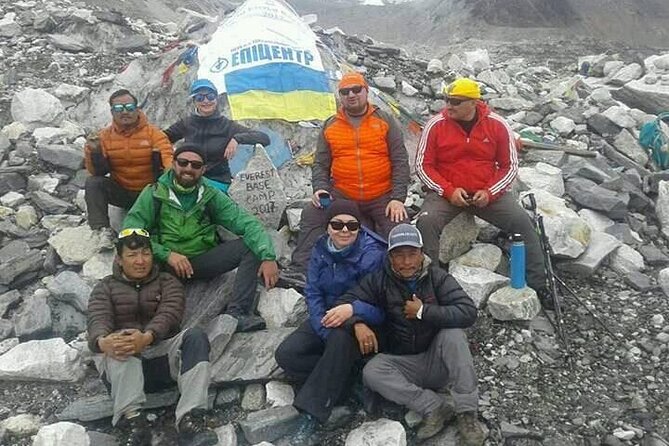
The Kala Patthar segment is often why people choose this “short” trek style, because it compresses a major highlight into a schedule that still feels structured. The itinerary calls out the early climb for sunrise and direct sightlines toward Everest, Pumori, and nearby peaks in clear conditions.
Then you drop down to Pheriche and continue moving toward lower elevations. You cannot “out-willpower” altitude. But descending helps you recover, and you also get the comfort of returning to familiar teahouse rhythms.
Day eight brings you back to Namche Bazaar, and the plan includes a stop-style walk through villages like Khumjung and Khunse on the way. It is around 4.5 hours to Namche. I like this because it shifts your brain from survival focus back to exploration focus.
Day nine is the final trekking day: Namche Bazaar to Lukla in about 7 hours, with lunch served on the way. That day is emotional for a lot of people, because the trail turns into a return journey, not a forward climb.
Day ten closes the loop with an early flight Lukla to Kathmandu. Once you land at Tribhuvan International Airport (TIA), you get met and transferred to a hotel. The schedule also includes a planned farewell dinner in Bhojan Griha.
Guides, Teahouses, and Group Dynamics You Should Expect
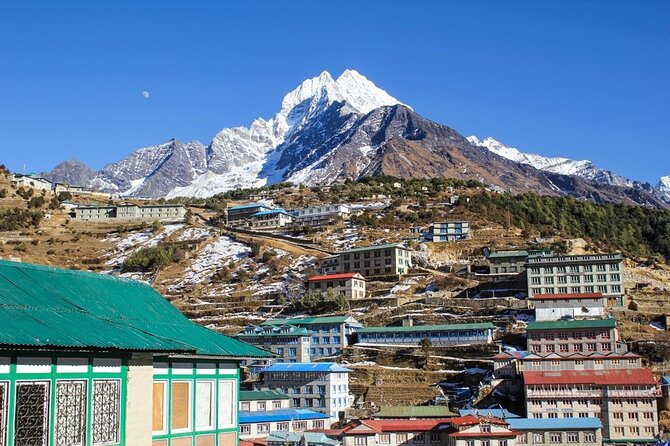
This trek includes one trekking guide for the group, and his expenses and equipment are covered. In past feedback about Welcome Nepal Treks, guides like Mohan, AJ, Padam dai, Padam, Padam Bahadur Bhujel, and Anjan came up repeatedly. The consistent theme is clear communication: explaining the day plan each evening, keeping trekkers healthy, and adjusting pace so people can make the route feel achievable.
Group size is capped at 15, which is a real quality-of-life detail. Smaller groups tend to handle slower walkers better, and your guide can actually spend time with you instead of just herding the group.
Teahouses are central to the experience. You stay in lodges/tea houses along the route, which is part of why this trek can be offered as a clean, organized package. The tradeoff is that the “comfort level” is basic. Your bed is usually fine, your shower options are limited (if you have any), and hot meals are available but not automatically included in the trek price.
What to Budget For: Meals, Tips, and Optional Porters
Your trek price covers accommodations and logistics, but it does not cover the daily meal bill. The tour data says standard meals during the trek are not included. In plain terms, you should plan on paying for breakfast, lunch, and dinner at teahouses or along the way.
Tips are expected. That is normal in Nepal trekking. Since the included price covers the guide and porter salaries and logistics, tipping is a separate, personal decision.
Porters are optional but offered at extra cost, listed as 1 porter for 2 people. If you are carrying less, it can help you save energy for the higher sections like Gorakshep and Kala Patthar. If you plan to carry a minimal day pack and your main luggage is manageable, you might not need a porter.
Also note that trekking gear is not included. Make sure you bring what you need for cold mornings, layered clothing, and good boots. Some past trekkers reported that their guide lent gear without charge, but that is not guaranteed.
Who Should Book This Short Everest Base Camp Trek
This trek is a good fit if:
- You want the classic Everest Base Camp experience without committing to a longer expedition.
- You are comfortable with trekking days that run several hours and include uphill and high-altitude walking.
- You want an organized plan with flights, permits, lodges, and a guide handled.
It might be less ideal if:
- You are very new to altitude or you get sick easily at elevation.
- You need a lot of extra buffer days for recovery.
- You prefer fully catered meals with no extra spending on food.
If you do have strong fitness, this “short” structure can feel rewarding, because you reach major highlights like Everest Base Camp and Kala Patthar without wasting days in Kathmandu.
Should You Book This Trek, or Choose a Longer Option?
I’d book it if you want a well-run Everest Base Camp trek that focuses on movement, sensible pacing, and high-impact views in a tight schedule. The value is strongest because it includes the costly pieces: Lukla flights, private transfers, permits, and teahouse lodging, plus a real guide.
I would pause and consider a longer trek if you are worried about acclimatization time. This one is designed for people who can handle the workload and listen to their bodies.
Best decision rule: if your fitness is solid and you’re ready for a mountain routine with basic teahouse comforts, this is a smart way to make Everest happen.
FAQ
Where does the trek start, and what time do we meet?
The experience starts in Kathmandu, with a meeting time listed as 6:15 am.
What is included in the $1,400 price?
It includes domestic hotel and airport transfers by private vehicle, the Kathmandu-Lukla-Kathmandu flight with domestic airport tax, lodge or teahouse accommodations during the trek, trekking permits and government taxes, and one experienced English-speaking trekking guide with his expenses covered. Emergency helicopter service is arranged and paid by your travel insurance company.
Are meals included during the trek?
No. Standard meals (breakfast, lunch, and dinner) during the trek are not included in the price.
Do I need a porter, and is one available?
Porters are available for an extra cost, listed as 1 porter for 2 people. Tipping for guide and porter is expected.
How large is the group?
The trek has a maximum of 15 travelers.
What kind of insurance is needed for emergencies?
Your travel insurance needs to cover emergency high-altitude rescue and evacuation. The operator also arranges emergency helicopter service, which is paid by your travel insurance company.
What is the cancellation policy?
There is free cancellation. You can cancel up to 24 hours in advance for a full refund. If you cancel less than 24 hours before the start time, the amount paid is not refunded.
Latest additions near Kathmandu
- White Water River Rafting – 1 Day★ 4.3 · 3 reviews
- Traditional Momo Making Class★ 5.0 · 10 reviews
- Kathmandu to Pokhara Premium sofa bus ticket★ 4.0 · 17 reviews
- Ghorepani Poon Hill Trek★ 5.0 · 16 reviews
- Amazing 1 Day Trekking Experience in Kathmandu Nepal★ 5.0 · 24 reviews
- Ghorepani Poonhill Trek★ 5.0 · 5 reviews
- Walking tour of real Kathmandu through back streets.★ 5.0 · 3 reviews
- Wildlife Adventure in Chitwan Nepal★ 4.0 · 4 reviews
Everest Base Camp Treks, compared.
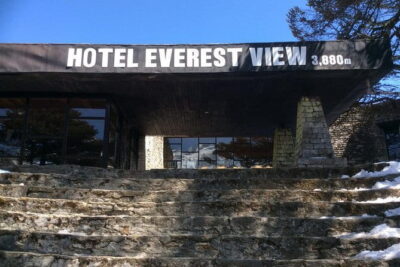
Everest Base Camp Helicopter Tour landing at Everest View Hotel
Read our review →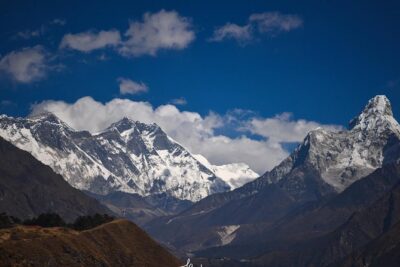
Everest Base Camp Helicopter Tour landing at Hotel Everest View
Read our review →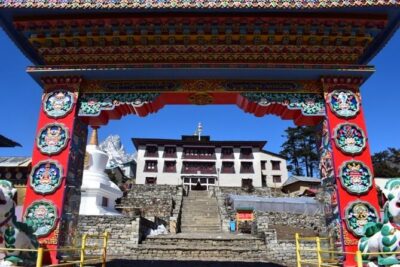
Browse the lists this tour appears in