
Reviewed · EVEREST BASE CAMP TREKS
Private 12 – Day Everest Base Camp Trekking
Everest Base Camp is one of those trips that changes your math. This private 12-day trek from Kathmandu takes you to Lukla, then step by step to the base of Mount Everest, with the logistics handled end to end.
I especially like the all-inclusive trekking support: guide, porters, lodge accommodation, meals on trek days, tea house style lodging, and the permits you need. I also like the safety and admin backup, including oxygen saturation monitoring, water purification, and assistance with emergency rescue evacuation, plus public liability insurance.
One possible drawback is timing risk. Lukla flights can be weather dependent, and the trip also does not include Kathmandu hotels or extras like hot shower, battery charging, and tips, so budget beyond the base price.
In This Review
- Key things to know before you go
- Price and logistics that actually affect your stress level
- Lukla flights: the day that sets expectations
- Day 1 to 3: Phakding, Namche Bazaar, and a Sherpa culture reset
- Day 4 to 6: Tengboche, Dingboche, and acclimatization that feels earned
- Day 7 to 9: Lobuche, Everest Base Camp, and Kala Patthar’s big payoff
- Day 10 to 12: The descent through Namche and back to Kathmandu
- Permits, water, and safety basics that matter on Everest
- Picking the right trekking pace with a private guide and porter setup
- Who this 12-day Everest Base Camp trek is for
- Should you book this private Everest Base Camp trek?
- FAQ
- What is the duration of the private Everest Base Camp trek?
- Where does this trek start and end?
- Is round-trip transportation from Kathmandu to Lukla included?
- Are guide and porters included?
- What permits or park fees are included?
- What meals and lodging are included during the trek?
- What is not included in the price?
- Is travel insurance included?
- What time does the activity start?
- Is it a private tour?
- Is there free cancellation?
Key things to know before you go
- Private pacing with a guide who can keep you moving at your comfort level
- Lukla flights round-trip are included, removing one big DIY headache
- Permits and park fees included, including Sagarmatha National Park and Pashang Lhamu entry
- Acclimatization is built in with a Namche rest day and a Dingboche hike day
- Everest Base Camp plus Kala Patthar for maximum views without skipping the hard bits
- Team responsiveness is a standout theme, including help during Lukla flight disruptions
Price and logistics that actually affect your stress level
This trek is expensive enough that you should care how the price is structured. Here, the money buys more than “a guide.” You get round-trip flights from Kathmandu to Lukla, park permits (Sagarmatha National Park and Pashang Lhamu entry), lodge accommodation during the trek, and meals on the trek schedule (breakfast each morning, plus lunch and dinner on the listed days). You also get porters and the guide, with porter expenses covered.
For me, that matters because Everest treks are logistics heavy. Miss a permit or arrive without the right plan and you lose time and energy that you need for acclimatization and daily walking. In this setup, you can focus on the rhythm: walking, resting, eating, sleeping, repeating.
The other half of “stress” is safety and problem solving. Your package includes oxygen saturation monitoring and water purification, and it includes assistance for emergency rescue evacuation. Add public liability insurance, and you have more structure than you would if you were winging it.
More Treks in Kathmandu
- Everest Base Camp Trek – 14 Days
★ 5.0 · 1,499 reviews - Everest Base Camp Trek
★ 5.0 · 842 reviews - Everest Base Camp Trekking
★ 5.0 · 485 reviews
Lukla flights: the day that sets expectations
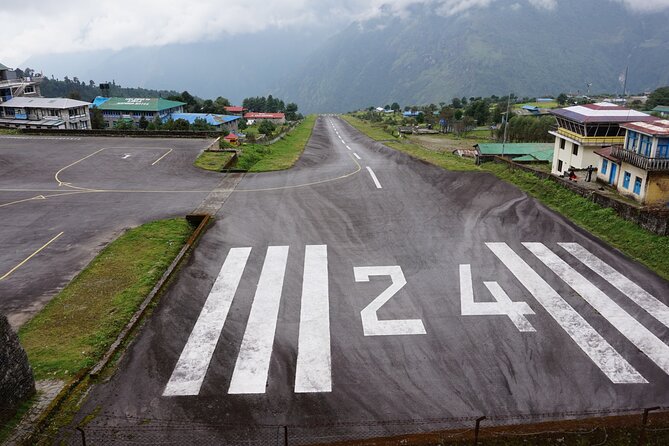
You fly Kathmandu to Lukla on Day 1, and you fly back to Kathmandu on Day 12. That means you avoid a long approach trek to the Khumbu region and you get right into the famous Everest route.
The flight itself is short, and you get the classic view over forested hills and deep ravines before landing in Lukla. But here is the real point: since Lukla is an airport with weather challenges, delays can happen. The good news is this operator is set up for the kind of “plan adjustment” that pops up when flights get grounded. Past trekkers specifically praised fast help in these situations, including managing admin complications and contacting insurance.
Practical takeaway for you: treat the Lukla travel days like they are flexible, even if your itinerary looks firm. Keep your mindset calm. When the runway closes, it is not about your fitness or planning. It is weather.
Day 1 to 3: Phakding, Namche Bazaar, and a Sherpa culture reset
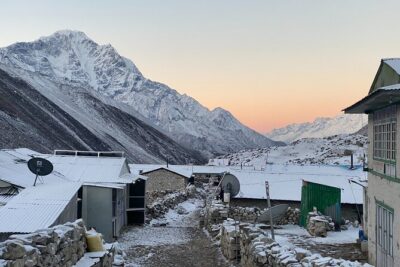
Day 1 starts early in Kathmandu, with a drive to Tribhuvan International Airport and then the hop to Lukla. After breakfast in the Lukla area, you trek along the Dudh Koshi River to Phakding. This first day is about getting your legs and lungs online. It is also a gentle introduction to the valley views, river bends, and the start of the Khumbu trail feel.
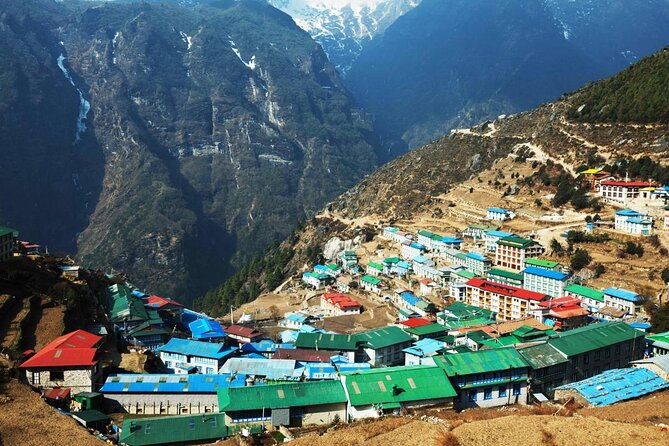
Day 2 pushes farther to Namche Bazaar, trekking upstream along the Dudh Koshi. You pass waterfalls and reach Monjo, where you get the Sagarmatha National Park permit. Then the trail continues through Jorsalle and crosses suspension bridges on the way to Namche. Namche is the largest village in the Everest region, and it is also where the trip starts to feel like an ecosystem of Sherpa communities, trekkers, and mountain work.
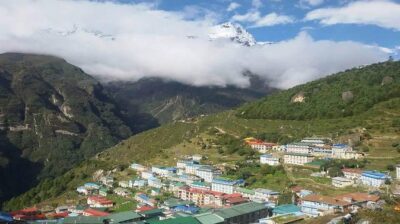
Day 3 is your “stay alive and still have fun” day. You rest and do a short local circuit, including visits around Khumjung and Khunde. The Khumjung Monastery stop is a unique cultural feature of this route, including the famous story tied to the Yeti remains that have been preserved there. You can also hike up toward Khumjung monastery and pass places like Edmund Hillary School on the way back toward the main trail.
What I like about using Day 3 this way is simple: acclimatization does not have to mean boredom. You get movement, views, and culture, without stacking another big climb right after Day 2.
Day 4 to 6: Tengboche, Dingboche, and acclimatization that feels earned
Day 4 takes you toward Tengboche. The route leaves the river path in a way that makes your lungs work a bit harder, and you climb toward Phunki Tenga. Along the way, you get a major visual reward: Ama Dablam in the 6,800 meter range. You also gain altitude toward Tengboche village, home to Tengboche Monastery, the largest monastery in the Everest region, with the Mani Rimdu festival mentioned for October.
Day 5 continues the upward rhythm to Dingboche. You leave forest trails and enter more rocky terrain, crossing and following along river and glacial zones, including Imja Khola. You walk past Mani stones, which are a quiet reminder that this is both a trekking corridor and a lived landscape for local communities. Dingboche is where you start feeling the cold more clearly, and where the route begins to shift from “valley trek” to “high-altitude trek.”
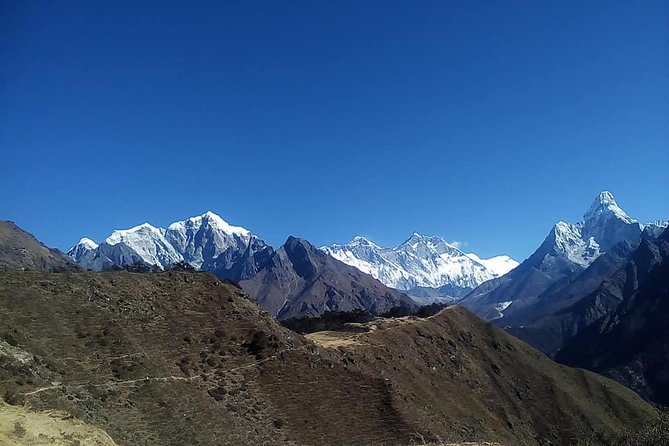
Day 6 is acclimatization done right: a full day to rest in Dingboche plus an optional hike to Nangkartshang Peak (5,083 meters). If you do it, you are in the altitude sweet spot, gaining elevation while still staying close enough to come back down to sleep. The views described here are the kind you remember later: Taboche, Ama Dablam, Island Peak, Lhotse, and even Mount Everest. Then you return to Dingboche for the night.
Key value for your body: this day gives you a chance to adjust before the route gets more demanding. It is not just scenic. It is pacing with purpose.
More Everest Base Camp treks:
- Everest Base Camp Helicopter Tour landing at Everest View Hotel
★ 5.0 · 668 reviews - Everest Base Camp Trekking – 13 Day
★ 5.0 · 365 reviews - Everest Base Camp Trek
★ 5.0 · 350 reviews - Everest Base Camp Trek -14 Days
★ 5.0 · 321 reviews
Day 7 to 9: Lobuche, Everest Base Camp, and Kala Patthar’s big payoff
Day 7 leads you to Lobuche. The trek passes through Pheriche and Thukla, with the Climber’s memorial park as a standout stop. That memorial park is built in memory of climbers who lost their lives on Everest. It is one of those places where the mountains feel closer to human history, and it adds gravity to the routine.
From Thukla, the route keeps climbing uphill along the Lobuche Glacier toward Lobuche village. This is a day where your legs may feel it. The terrain is more exposed, and everything is colder and drier.
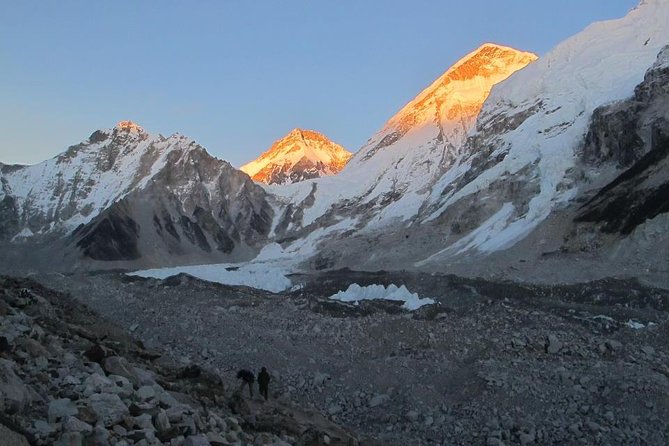
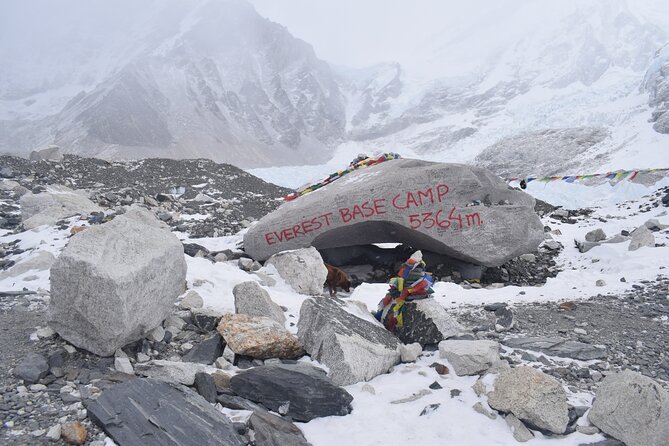
Day 8 is the “base camp day,” but it is not just one thing. You trek toward Gorakshep, then head onward for a short excursion to Everest Base Camp. The route goes uphill along glacial terrain toward Khumbu Glacier and then to the base camp area. From the base camp, you get views of the Khumbu Icefall and the base camp area itself, plus multiple peaks listed around the viewpoint, including Pumo Ri, Lingtren, Khumbutse, and Nuptse.
Important reality check: the base camp day includes extra walking and cold exposure, even if it is described as an excursion. If you feel fine, you will want to go. If you feel rough, you should still push gently forward but listen to your body, especially because you are already at high altitude.
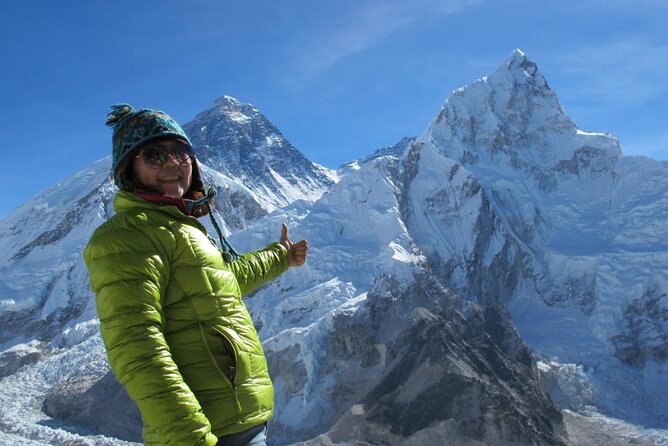
Day 9 starts very early with a hike to Kala Patthar, described as the tourist landmark in the Everest region. That climb through rocky moraine can be tough, but the payoff is huge: panoramic views of Mount Everest (8,848 meters) plus Nuptse, Lhotse, Khumbutse, Pumo Ri, and Ama Dablam among others. After that, you descend back toward Gorakshep, then continue down to Pheriche for the night.
To me, this combination makes sense: Everest Base Camp gives you the “this is where expeditions stage” moment, and Kala Patthar gives you the “I can see everything at once” moment.
Day 10 to 12: The descent through Namche and back to Kathmandu
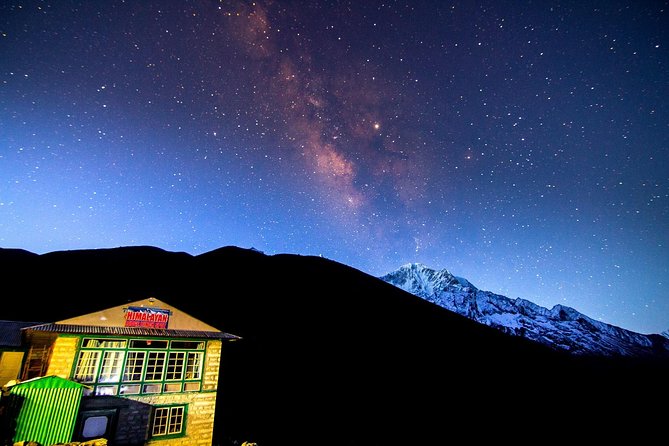
Day 10 takes you from Pheriche back toward Namche Bazaar, with a route that includes Pangboche and a stop at Debuche on the way, then continuing on toward Tengboche before lunch. After lunch, you head downstream along the Dudh Koshi River, crossing Phunki Tenga and reaching Namche for the night.
This day can feel easier because you are going down more often, but don’t underestimate it. Descents can punish your knees and hips if you move too fast, too soon.
Day 11 brings you back to Lukla. You trek downhill to Monjo and cross Jorsalle again, then exit Sagarmatha National Park and continue down to Phakding for lunch. The final short stretch gets you back to Lukla. Expect the mental boost here. You are tired, but you are almost done.
Day 12 finishes the story. You catch an early morning flight back to Kathmandu, with mountain views described from the air. After landing, you drive to your hotel and get the rest of the day free.
Permits, water, and safety basics that matter on Everest
This package includes the permits and park fees you need for the route: Sagarmatha National Park fee plus Pashang Lhamu entry, along with necessary permits. You do not have to scramble in a high-altitude place for paperwork.
It also includes practical health items that you can actually feel. Oxygen saturation is included, and water purification is included. Those are not glamorous add-ons, but they matter because hydration and monitoring are part of staying functional at altitude.
Safety and emergency support is also explicitly included: assistance for emergency rescue evacuation, plus public liability insurance. In plain terms, this reduces the chance that you are left on your own to handle complicated steps if something goes wrong.
Picking the right trekking pace with a private guide and porter setup
This is a private trekking excursion, meaning it is your group only, not a mixed crowd. That is useful because on Everest, pace is not about being tough. It is about managing breath, tired legs, and how quickly you accumulate fatigue.
Your team includes one government registered trekking guide and required porters. Porter expenses are covered, which matters because you can focus on walking rather than logistics and negotiation. The kit includes a trekking map, a duffel bag, and a company t-shirt. You also get included oxygen saturation monitoring and water purification, which you should take seriously.
One more angle that surprised me in the info you provided is the way the company owner Tej is described as responsive and quick in real-world problems, including insurance coordination and help when Lukla planes were grounded. That kind of “keep things moving” energy is a big deal on a mountain trek, where delays and weather shifts are not rare.
A small caution: guide quality can vary by person. One account flagged weaker knowledge about flora, fauna, and the Himalaya while on trek. That does not mean every guide will be the same, but it is a reminder to ask questions about what you want to learn, before you start walking.
Who this 12-day Everest Base Camp trek is for
You should consider this trek if you have moderate physical fitness and want an efficient, organized way to reach Everest Base Camp. The itinerary includes rest and acclimatization days that make sense for most people, plus the classic highlights: Namche Bazaar, Tengboche, Dingboche, Lobuche, Everest Base Camp, and Kala Patthar.
It is also a good fit if you want control without micromanaging. “Private” here means your guide can manage timing and pacing for your group, while the organizer handles permits, flights, and most of the day-to-day friction.
You might think twice if you know you handle delays badly. Lukla is weather dependent, and even the best-run trips can face changing flight schedules. Also, if you want frequent hot showers, hot water, battery charging, or lots of extra comfort items in Kathmandu, remember those are not included.
Should you book this private Everest Base Camp trek?
Book it if you want the EBC experience without playing travel agent at altitude. The value is strongest in what you do not have to manage: Lukla flights, permits, guide and porter support, lodge accommodation during the trek, and meals on the trek schedule. Add the included oxygen saturation monitoring and emergency evacuation assistance, and you get a level of structure that helps you focus on walking and acclimatization.
Consider shopping for a different option only if the non-included items matter a lot to you, or if you know delays in Lukla would stress you out. Also, if you have very specific expectations for interpretive guiding, send a message ahead of time about what you want to know on trek.
If your goal is to reach Everest Base Camp with less friction and more mountain time, this is a strong choice. You will still earn every viewpoint, you will just spend less energy on logistics and more on the views, the culture stops like Khumjung, and the big days like Kala Patthar.
FAQ
What is the duration of the private Everest Base Camp trek?
It is listed as 12 days approximately.
Where does this trek start and end?
It starts at the meeting point in Kathmandu and ends back at the same meeting point.
Is round-trip transportation from Kathmandu to Lukla included?
Yes. Round-trip flights from Kathmandu to Lukla are included.
Are guide and porters included?
Yes. A government registered trekking guide is included, along with required porters, whose expenses are covered.
What permits or park fees are included?
Sagarmatha National Park fee, Pashang Lhamu entry fee, and necessary permits are included.
What meals and lodging are included during the trek?
You get lodge accommodation during the trek, plus meals listed as breakfast (12), lunch (11), and dinner (11).
What is not included in the price?
Not included: hotel accommodation and meals in Kathmandu, tea/coffee, hot water, hot shower, battery charge, alcoholic drinks, laundry, phone bill, and desert.
Is travel insurance included?
No. Travel insurance is not included.
What time does the activity start?
The listed start time is 6:15 am.
Is it a private tour?
Yes. It is private, and only your group participates.
Is there free cancellation?
Yes, free cancellation is offered, and you can cancel up to 24 hours in advance for a full refund.
Latest additions near Kathmandu
- White Water River Rafting – 1 Day★ 4.3 · 3 reviews
- Traditional Momo Making Class★ 5.0 · 10 reviews
- Kathmandu to Pokhara Premium sofa bus ticket★ 4.0 · 17 reviews
- Amazing 1 Day Trekking Experience in Kathmandu Nepal★ 5.0 · 24 reviews
- Ghorepani Poonhill Trek★ 5.0 · 5 reviews
- Ghorepani Poon Hill Trek★ 5.0 · 16 reviews
- Walking tour of real Kathmandu through back streets.★ 5.0 · 3 reviews
- Wildlife Adventure in Chitwan Nepal★ 4.0 · 4 reviews
Everest Base Camp Treks, compared.
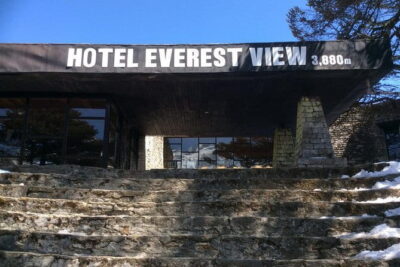
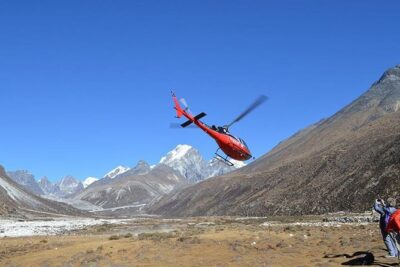
Everest Base Camp Helicopter Tour landing at Everest View Hotel
Read our review →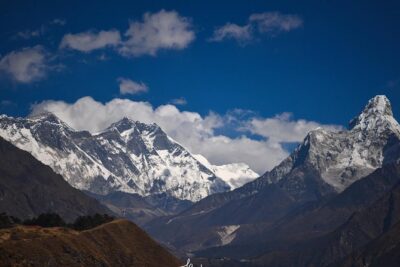
Everest Base Camp Helicopter Tour landing at Hotel Everest View
Read our review →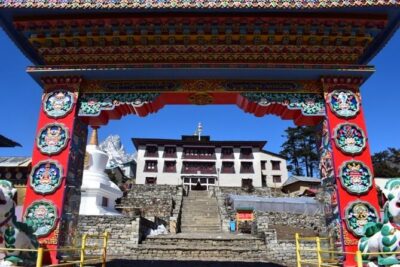
Browse the lists this tour appears in