Reviewed · TREKS IN KATHMANDU
Poonhill Trek
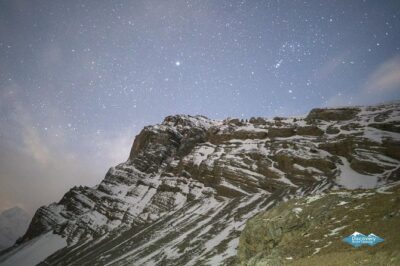
That first morning view is the whole point. A 7-day Poon Hill trek gives you time to adjust, enjoy the rhododendron forests, and earn those Annapurna-range panoramas. I like this route because it balances big-mountain scenery with a human pace, and it includes the boring-but-important logistics like permits, guides, and most meals. One thing to plan for, the walking days include real uphill effort and steep steps, especially around the Ulleri climb.
What I like most is how the trip is built for comfort while still feeling like a true trek. You get overnight stays in guesthouses on the hiking route, plus a proper night in Pokhara and Kathmandu, so you are not just bouncing day to day. I also like that the itinerary keeps you moving toward the sunrise moment, with Ghorepani and Poon Hill treated as the centerpiece.
The only drawback is the physical demand. Even when you are moderately fit, you should expect steep ascents, stairs, and a long day or two of trekking. If you hate heights or hate climbing stairs, think carefully about the effort you are signing up for.
In This Review
- Key highlights worth planning around
- A 7-day Poon Hill trek that is all about payoff
- Price and value: what $600 covers (and why it matters)
- Kathmandu to Pokhara: you get a real travel choice
- Day 2 from Nayapool to Ulleri: river trails, teahouses, and steep steps
- Day 3 to Ghorepani: forests, a gentle ascent, and the route that sets up sunrise
- Day 4 up to Poon Hill (3210m): the short hike that drives the whole trek
- Day 5 to the hot springs area: rhododendron forests and a recovery day
- Day 6 downhill via Modi Khola: views of Fish Tail and the Annapurna range
- Day 7 back to Kathmandu: farewell dinner and a proper finish
- Guides, group size, and why you will likely feel looked after
- Who this trek fits best, and who should think twice
- Should you book this Poon Hill Trek?
- FAQ
- What’s the duration of the Poon Hill Trek?
- Where does the trek start and what time?
- How big is the group?
- Are permits and park fees included?
- What meals are included?
- Is accommodation included?
- Do I get help with transfers from Kathmandu to Pokhara and back?
- Is hotel pickup and drop-off included?
- Can children join?
- Is free cancellation available?
Key highlights worth planning around
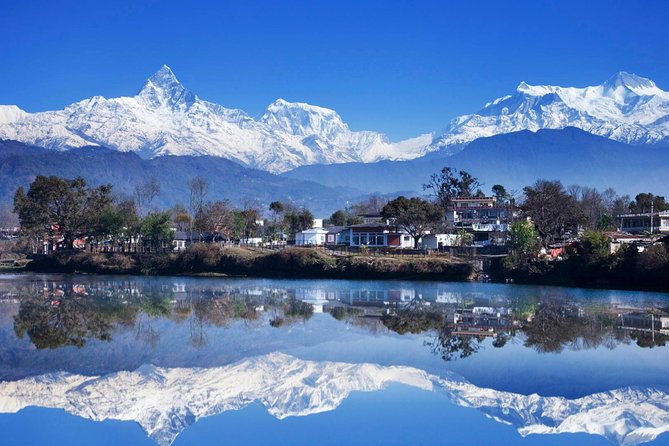
- Poon Hill sunrise timing at 3210m: a short early hike for huge payoff
- A gentler 7-day rhythm: more breathing room than the common rushed versions
- Ulleri’s steep climb: challenging steps in a big Magar village area
- Rhododendron and oak trail days: forests on the way up to Ghorepani and beyond
- Hot springs as a recovery day: a welcome reset after hiking
- Small-group feel (max 14): easier to get personal attention from your guide
A 7-day Poon Hill trek that is all about payoff
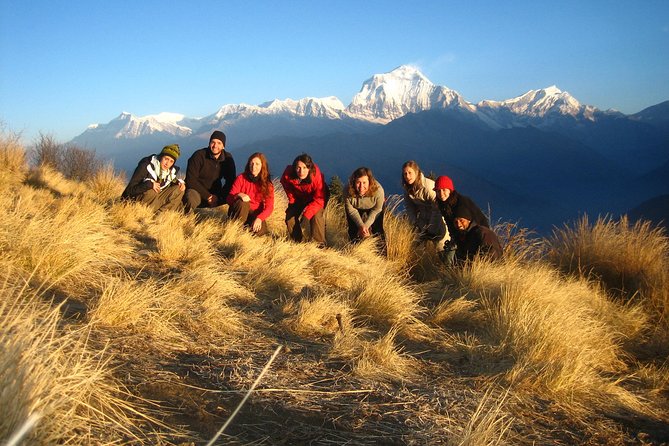
Poon Hill Trek is one of the smartest ways to see the Annapurna region without signing up for a weeks-long trekking commitment. What makes this 7-day version work so well is the pacing. You do not just sprint uphill for two days and then call it done. Instead, you climb, sleep, and recover in a way that makes sunrise viewing and mountain panoramas feel earned rather than squeezed.
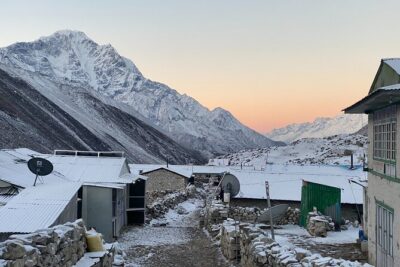
I also like that this route is grounded in normal trail life: village stops, steady tea-house breaks, and daytime walks that gradually change what you see. You start near the Modi River with warmer, lower elevation vibes, and then you steadily feel the trek turning cooler and steeper.
If you’re aiming for the classic mountain photos, you still get them, but you also get the in-between moments. That means fewer “only walking” days and more time to notice how the region changes from riverbanks to forests and then up toward the viewpoints.
More Treks in Kathmandu
- Everest Base Camp Trek – 14 Days
★ 5.0 · 1,499 reviews - Everest Base Camp Trek
★ 5.0 · 842 reviews - Everest Base Camp Trekking
★ 5.0 · 485 reviews
Price and value: what $600 covers (and why it matters)
At $600 per person, the real question is value for your time and stress level, not just the headline price. This package includes accommodation along the trek and in Pokhara and Kathmandu nights as per the plan, plus most meals. Breakfast is included for 5 days, lunch for 5 days, and dinner for 4 days, which helps you avoid hunting down food while you are tired.
You also get the stuff people often forget to budget for on their own: national park fees and permits, plus professional guiding. Your trek moves with planned transfers and a round-trip shared transfer structure rather than you stitching everything together last minute.
There’s also the small-group angle. With a maximum of 14 travelers, you’re less likely to feel lost in a crowd, and it is easier for a guide to check in when the trail gets steep. In feedback you can see names like Krishna, Phurba, Kishore, Sushanta, Bhairas, Gopal, Rajan, and Yadu showing up as guides and team members, and the repeated theme is responsiveness and care while you’re on foot.
Does this mean you will pay less than a DIY trip? Probably not. But it often ends up costing less than the DIY version once you factor in missed permits, wrong timing, and the hassle of coordinating buses and connections.
Kathmandu to Pokhara: you get a real travel choice
Day 1 is about getting you into trek mode without turning the trip into an all-day grind. From Kathmandu, you drive to Pokhara, covering about 200 km. The bus ride takes around six hours, and you stop for lunch during the journey, which is helpful because you’re starting with an early departure time (6:30 am from the meeting point).
If you want to save energy, there is an option to fly from Kathmandu to Pokhara, taking about 30 minutes. That matters if you’re sensitive to long travel, or if you simply want to arrive fresh enough to explore Pokhara that evening.
After you reach Pokhara, the plan includes time to look around. Pokhara is known for scenic lakeside downtime, and you’ll sleep in a guesthouse in Pokhara, which is a sensible base for Day 2.
Practical note: this first day sets the tone. If you arrive worn out, the next day feels harder. The travel plan here gives you the chance to arrive ready, either by using the bus well (with lunch) or using the flight.
Day 2 from Nayapool to Ulleri: river trails, teahouses, and steep steps
The trek begins from Nayapool, reached by a short transfer from Pokhara that takes about one hour. The start is along the banks of the Modi River, after which you head toward Birethani. This is a good warm-up section because you are not thrown directly into maximum altitude effort.
You then follow a route filled with small teahouses, which is exactly what you want for a guided trek. It means you can plan rest stops without guessing where the next decent break will be.
From there, the walking gets more uphill. You cross a village and climb toward Hille and Tikhedhunga. The big effort comes when the trail pushes up to Ulleri, described as a large Magar village area with a steep ascent. This day is the first real test of your legs and your patience with stairs.
Why this stage is valuable: Ulleri is where you start feeling that this is not just a stroll. Getting this climb on Day 2 makes sense in a paced itinerary, because it gives you time to recover overnight before higher viewpoint days.
What to watch: even if you’re fine on flat ground, stair climbing tires people quickly. Bring poles if you like them, and plan on steady, not fast.
Another way to spend the time in Nepal:
- Private Kathmandu Sightseeing Tour | UNESCO World Heritage sites
★ 5.0 · 756 reviews - Kathmandu: 7 UNESCO Sites with Lunch
★ 4.8 · 744 reviews - Everest Base Camp Helicopter Tour landing at Everest View Hotel
★ 5.0 · 668 reviews - Half day cooking class in Thamel kathmandu
★ 5.0 · 607 reviews
Day 3 to Ghorepani: forests, a gentle ascent, and the route that sets up sunrise
After Ulleri, the trail becomes more forgiving. The route turns into a gentle ascent, passing through rhododendron and oak forests on the way to Banthanti. Then you continue onward to Ghorepani.
This is the day that builds your rhythm. You walk long enough to feel accomplished, but you’re not just grinding uphill the whole time. For many people, it is the “settling in” day that makes the next morning work.
Ghorepani is your base for the classic sunrise approach. The town itself is popular because it gives you access to Poon Hill at dawn, and your overnight guesthouse there makes the early start less stressful. If you are the type who hates waking up too early with no plan, Ghorepani solves that problem.
Practical tip: because you’re going to get up early on the next day, keep your pack organized tonight. Put your warm layers and camera gear where you can grab them fast.
Day 4 up to Poon Hill (3210m): the short hike that drives the whole trek
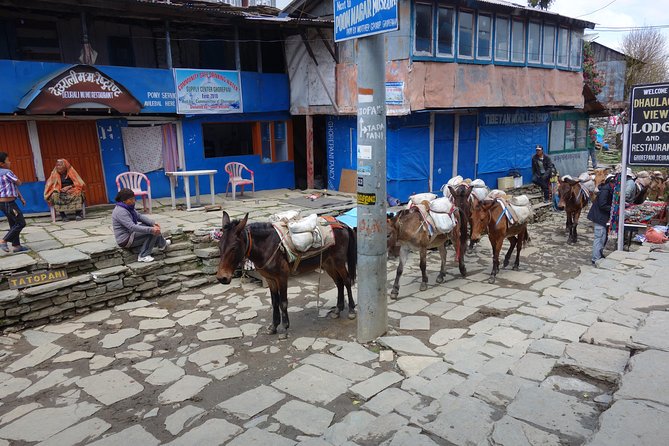
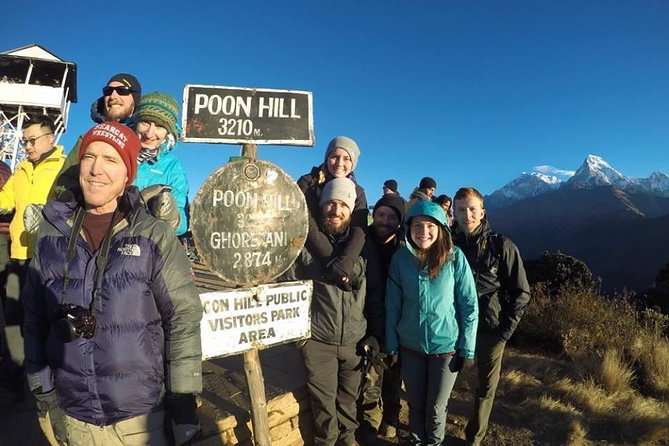
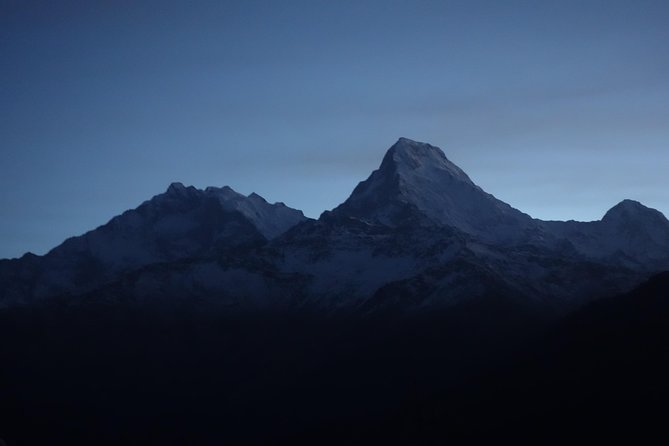
Day 4 is the star of the show. You start with a short hike to Poon Hill, and you will feel the excitement quickly because this is a photography-first viewpoint. The top is at about 3210m, and the climb is described as around 45 minutes.
When you reach the viewpoint, expect panoramic mountain ranges and the classic sunrise scene. This is the moment most people come for, so it helps that the itinerary keeps the hike itself relatively short. You get big views without spending the entire day climbing before breakfast.
After the viewpoint time, you return to Ghorepani for breakfast, then you move onward. The next part includes a steep climb to Deurali, followed by an easier jungle route down toward Banthanti. From there you continue to Tadapani for overnight.
Along this stretch, you might come across monkeys and langurs, which is a fun reminder you’re not just hiking through scenery, you’re walking through an inhabited natural area.
What to watch: even though the Poon Hill climb is short, the morning air can be cold. You’ll want layers that you can adjust quickly because you warm up once you start walking.
Day 5 to the hot springs area: rhododendron forests and a recovery day
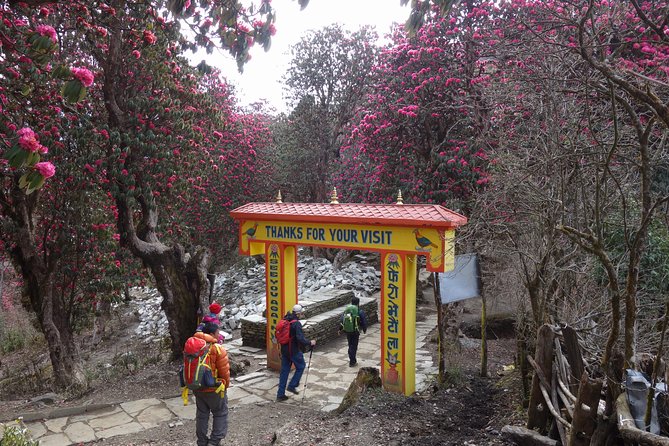
After breakfast in Tadapani, Day 5 is built like a reset. You start by moving down gradually along rhododendron forests, then you cross the Kimsung River and climb toward Gurjung, described as a Gurung village.
The day continues with ascending until you reach the Hot Spring area. The plan gives you time to enjoy the hot springs and relax for the rest of the day.
This is one of the best reasons to pick a 7-day version over a super-short itinerary. That hot spring break changes how the whole trek feels. Instead of stacking one tough day right on top of another, you get a chance to soothe sore muscles and slow down.
If you love hiking but hate the “I’m wrecked for days after” feeling, this is the day that helps.
Day 6 downhill via Modi Khola: views of Fish Tail and the Annapurna range
Day 6 is where you start transitioning from trekking days to travel days. You head from Jhinu and take the trail down to Modi Khola, with magnificent views of Fish Tail and the Annapurna range along the way.
Then you keep following the Modi Khola riverbanks. The plan continues until you reach Birethani, which is where the trek originally started on the lower segment. That route familiarity can feel satisfying, like your steps are closing a loop.
After that, there is a short walk of around half an hour to the van, and you return to Pokhara. You sleep in a hotel in Pokhara overnight, which is a nice change from guesthouses.
What to watch: downhill days can be harder than they look. Even when the route is scenic, your knees will notice. Go slow, take shorter steps, and keep your footing careful.
Day 7 back to Kathmandu: farewell dinner and a proper finish
The final day is travel. You take a 6 to 7 hour bus ride from Pokhara back to Kathmandu. The end of the journey is celebrated with a farewell dinner, and you sleep in Kathmandu overnight.
This matters because Poon Hill style trekking can feel abrupt when you just hop straight onto another long travel segment. A farewell dinner is a gentle landing, and it gives you a chance to compare notes with your group while everything is still fresh.
You also start and end at the same general meeting point area, so you’re not managing a confusing end location.
Guides, group size, and why you will likely feel looked after
This is a small-group trek with a maximum of 14 travelers, which is a big deal on trails where pacing varies. A big crowd can turn a “guided experience” into a slow shuffle. With a smaller group, it is easier for your guide to adjust the pace when someone is struggling or when the group needs a quick regroup.
The guiding team behind this trek shows up in many names across feedback, including Arjun (as owner or planner), plus guides like Rajan, Krishna, Phurba, Kishore, Sushanta, Bhairas, and Gopal, along with porters such as Santosh. The common thread in these comments is practical support, communication before the trek, and care on the trail.
There is also the personal attention angle. The trek is structured so you are not just one number in a schedule. Guides can help you with day-to-day choices like when to push, when to slow down, and how to handle the steep parts.
Who this trek fits best, and who should think twice
This trek is best suited to moderately fit travelers. That means you can handle stairs and steady uphill walking, you do not need to be an endurance athlete, but you should be honest about your leg strength and your comfort with steep steps.
It is also described as suitable for most travelers with the right expectations. Families do join and the route can work, but it depends on the family’s comfort with climbs and early mornings. If you are new to hiking, you may find the steep ascents and descents demanding even if you take them slowly.
If you have mobility issues or you strongly dislike uneven steps, this itinerary may feel like too much. The good news is the 7-day format is more forgiving than the super-short versions, but the physical hiking parts are still real.
Should you book this Poon Hill Trek?
I think this is a smart booking if you want classic Annapurna views without a long multi-week trek. The included permits, guide, national park fees, and most meals reduce the “what am I missing?” stress that can ruin a DIY plan. The 7-day pacing also gives you the best chance to enjoy sunrise and the hot springs without running yourself ragged.
Book this trek if:
- you want Poon Hill sunrise and not just a quick look
- you like small-group travel with personal guidance
- you want an organized plan from Kathmandu to Pokhara to the trail and back
- you can handle steep stairs for parts of the route
Consider another option if:
- steep ascents and stair-heavy hiking are a deal breaker for you
- you want a mostly flat hike (this is not that)
If you decide to go, pack for cold early mornings, plan on slow climbing on steep days, and treat the hot springs day like part of the training plan, not a luxury.
FAQ
What’s the duration of the Poon Hill Trek?
It runs for about 7 days.
Where does the trek start and what time?
The meeting point is Green Valley Nepal Treks & Research Hub Pvt Ltd in Kathmandu, and the start time is 6:30 am.
How big is the group?
The maximum group size is 14 travelers.
Are permits and park fees included?
Yes. National park fees are included, and necessary permits are included.
What meals are included?
Breakfast is included for 5 days, lunch for 5 days, and dinner for 4 days. Drinks are not included.
Is accommodation included?
Yes. Accommodation is included as per the itinerary, including guesthouses on the trekking route and hotels for the non-trek nights.
Do I get help with transfers from Kathmandu to Pokhara and back?
Yes. Round-trip shared transfers are included. The route includes either a bus drive (about 6 hours each way) or an optional flight of about 30 minutes to Pokhara on Day 1.
Is hotel pickup and drop-off included?
It is included if you select the pickup option. If you do not select it, pickup and drop-off are not included.
Can children join?
Children must be accompanied by an adult, and most travelers can participate.
Is free cancellation available?
Yes. You can cancel up to 24 hours in advance for a full refund. If you cancel less than 24 hours before the start time, the amount paid is not refunded.
Latest additions near Kathmandu
- White Water River Rafting – 1 Day★ 4.3 · 3 reviews
- Traditional Momo Making Class★ 5.0 · 10 reviews
- Kathmandu to Pokhara Premium sofa bus ticket★ 4.0 · 17 reviews
- Ghorepani Poon Hill Trek★ 5.0 · 16 reviews
- Amazing 1 Day Trekking Experience in Kathmandu Nepal★ 5.0 · 24 reviews
- Ghorepani Poonhill Trek★ 5.0 · 5 reviews
- Walking tour of real Kathmandu through back streets.★ 5.0 · 3 reviews
- Wildlife Adventure in Chitwan Nepal★ 4.0 · 4 reviews
Treks in Kathmandu, compared.

Nagarkot Sunrise View and Day Hiking from Kathmandu
Read our review →