Reviewed · TREKS IN KATHMANDU
Pikey Peak Trekking
Pikey Peak is the shortcut to serious Himalayan views. From 4,067m, you can look across big ranges of the eastern and central Himalayas, and sunrise here is the main event. I also like how this route strings together real village stops instead of feeling like one long, empty hike.
Two things stand out for your day-to-day comfort. First, full-board meals are included during the trek, so you are not hunting for meals after each hard stretch. Second, this is a private tour, which usually means less waiting around and a more flexible pace for your group.
The main drawback to consider is that you still need moderate fitness. The trek climbs to a high point, so you should plan for a real workout, especially if you come in from sea level or have a tight schedule.
In This Review
- Key highlights you will care about
- Pikey Peak: The view play at 4,067m
- Price and what you actually get for $1,435.90
- Getting from Kathmandu to the trek start: the 6:15 am reality
- Route overview: Phaplu, Kerung, Pattale, Jhapre, Pikey Peak, Lamajura, Junbesi
- Phaplu: where your loop really begins
- Kerung and Pattale: classic village rhythm on the Solu Khumbu trek
- Jhapre to Pikey Peak: the climb you plan for, not the one you improvise
- Lamajura and Junbesi: culture and calm after the view peak
- Food and comfort: breakfast and full-board meals, plus smart drink planning
- Altitude reality: what “moderate fitness” means for you
- Guides and the private-tour feel with Sherpa Expedition & Trekking
- Who should book this Pikey Peak trek?
- Should you book Pikey Peak Trekking?
- FAQ
- Where is the meeting point for Pikey Peak Trekking?
- What time does the experience start?
- How long is the trek?
- What is the highest point on the trek?
- Is this a private tour?
- What meals are included, and are drinks included?
- Can I cancel for a full refund?
Key highlights you will care about
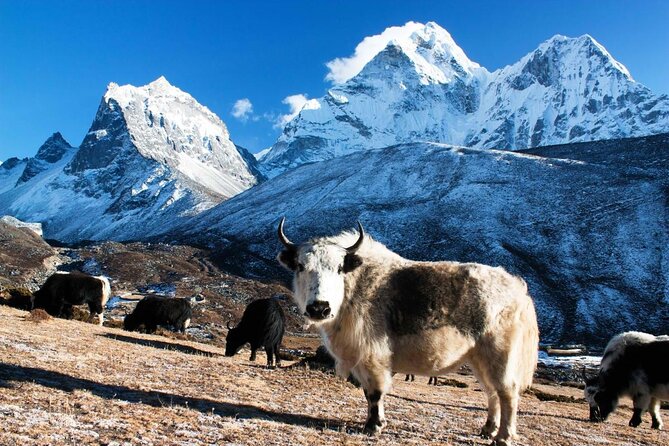
- Everest-range sunrise from Pikey Peak, plus sunset potential on clear days
- Solu Khumbu views that include landmarks like Everest, Makalu, Kanchenjunga, Annapurna, and more
- Phaplu as the start and finish, with a loop feel through classic villages
- Meals included (breakfast and full-board), while hard and soft drinks are not
- Private group trek, guided for your dates, not a busload of strangers
Pikey Peak: The view play at 4,067m
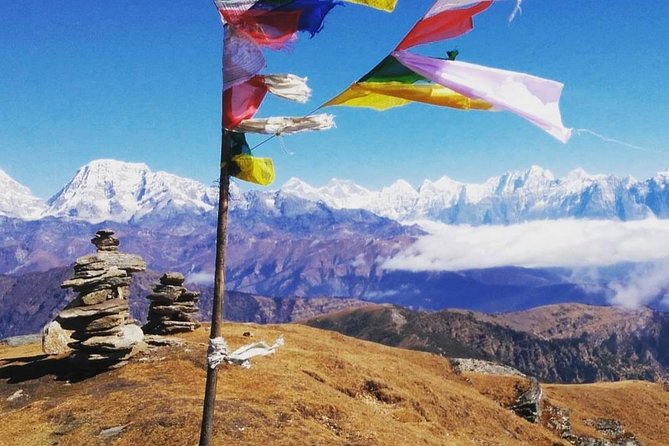
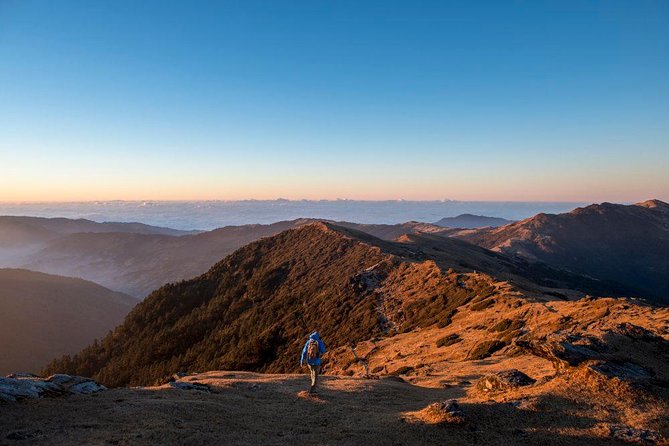
Pikey Peak is one of the higher “hill” options in the Solu Khumbu region, and that matters because you get big rewards without targeting a technical summit. You hike to 4,067m, then you earn the kind of panoramic payoff that makes you stop checking your phone and just stare.
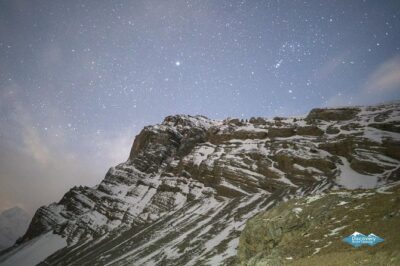
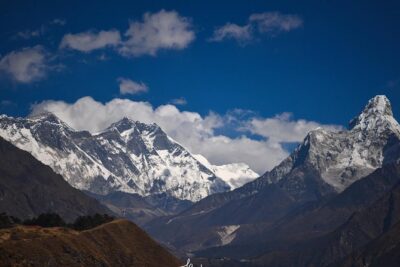
What makes Pikey special is the reach of the view. On a good day, you can see multiple mountain groups across the eastern and central Himalayas. The viewpoint area is described as offering sightlines to major giants such as Mt. Everest, Makalu, Kanchenjunga, Annapurna, Gaurishankar, Lhotse, Nuptse, Numbur, Sishapangma, Thamserku, and Mera Peak.
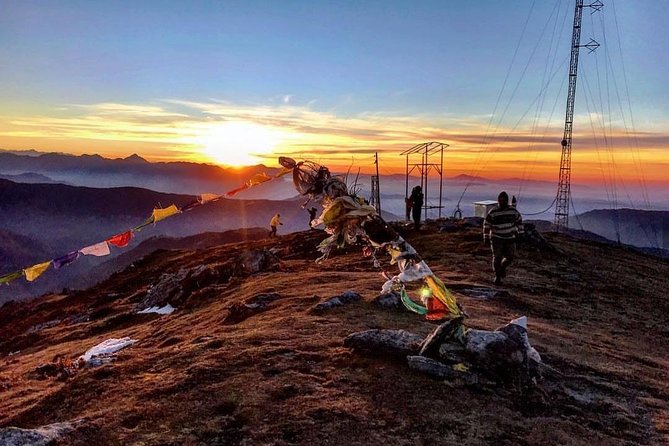
Also, the “big moments” are not only scenic. Sunrise and sunset views are specifically called out as attractions. That means the trek is built around timing, not just distance. If you like the idea of early starts for a payoff you remember later, you are in the right place.
More Treks in Kathmandu
- Everest Base Camp Trek – 14 Days
★ 5.0 · 1,499 reviews - Everest Base Camp Trek
★ 5.0 · 842 reviews - Everest Base Camp Trekking
★ 5.0 · 485 reviews
Price and what you actually get for $1,435.90
At $1,435.90 per person for an 8-day trek, you are paying for the full logistics of getting you into the right Himalayan terrain with a guided setup and included meals. The most concrete value in what you are told is the food plan: breakfast plus full-board meals during the trek.
Hard and soft drinks are not included. That is a normal split on trekking routes, but it is worth budgeting for. If you tend to drink tea often, or you like soda or juice after a long day, you will want cash or cards ready, depending on what is available along the way.
Because the data you have does not list every single line-item (like specific lodging details), I recommend you treat this price as “meals and guided trek logistics included,” and then confirm what else is bundled by the provider before you pay in full. The good news is that the company explicitly states what is included for food, so you can plan around that.
Getting from Kathmandu to the trek start: the 6:15 am reality
Your meeting point is Tribhuvan International Airport (Ring Rd area, Kathmandu) with a start time of 6:15 am. So yes, this is not a casual “wake up whenever” kind of trip. It is an early-day plan from the jump.
What you should expect next is some form of transfer from Kathmandu to the trek area before walking begins at Phaplu. The trek itself is said to begin and end at Phaplu, so the airport meeting is best understood as the start of the overall experience, not the first step onto the trail.
This timing matters because altitude trips work better when you do not waste energy on chaos. A clear morning plan helps you get moving, and it reduces that stress where you spend your first day in Nepal trying to catch up.
Route overview: Phaplu, Kerung, Pattale, Jhapre, Pikey Peak, Lamajura, Junbesi
This trek is a loop that starts and ends at Phaplu. Along the way, you pass through Kerung, Pattale, Jhapre, Pikey Peak, Lamajura, and Junbesi.
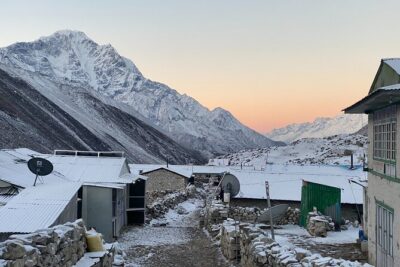
The practical value of this route is variety. You are not stuck doing the same kind of walking over and over. Each village stop is a chance to reset your body, manage gear, and experience daily life in the region. The overview specifically notes that the trail passes through some beautiful settlements in the area, which is exactly what you want on a “limited time” trek.
One more practical note: the elevation highlight is Pikey Peak at 4,067m. That does not mean the whole trek is flat or easy. It means you will spend your energy climbing to a high viewpoint that is reachable for many people with moderate fitness, when compared to higher, more technical summit goals.
Another way to spend the time in Nepal:
- Private Kathmandu Sightseeing Tour | UNESCO World Heritage sites
★ 5.0 · 756 reviews - Kathmandu: 7 UNESCO Sites with Lunch
★ 4.8 · 744 reviews - Everest Base Camp Helicopter Tour landing at Everest View Hotel
★ 5.0 · 668 reviews - Half day cooking class in Thamel kathmandu
★ 5.0 · 607 reviews
Phaplu: where your loop really begins
Phaplu is listed as the start and end point. Think of it as your base village for the trek rhythm. The biggest advantage of starting and finishing at the same place is that you are not left wondering how you will get back to your real-world plans in Kathmandu. The experience is designed as a self-contained trek.
What I like about a Phaplu start is that it sets the tone for a slower, steadier adjustment to mountain walking. You are heading into the Solu Khumbu region with the expectation that the hiking days are paced by terrain and altitude needs, not by speed records.
As you begin, keep your focus on the basics:
- Start with comfortable boots and layers you can adjust fast
- Keep your pace conservative early
- Save your big energy for the view day, not the first long slog
Kerung and Pattale: classic village rhythm on the Solu Khumbu trek
Kerung and Pattale sit along the path and help define the “settlements” part of this trek. These are the kinds of stops where the walking feels connected to lived-in places, not just scenery.
The overview frames this as passing through beautiful settlements in the region, and that aligns with why people choose Pikey Peak for a “lower alpine and spectacular cultural experience.” You are trekking through a part of Nepal where the mountains are real, but daily culture still drives the experience.
A smart approach here is to let the villages slow you down in a good way. Do not treat every stop as a pit stop only for photos. Use the time to:
- hydrate steadily
- eat what is offered during included meals so you keep energy up
- adjust your layers as temperatures change
Even if you are chasing sunrise at the top, village days are where your body either sets you up for success or makes it harder later.
Jhapre to Pikey Peak: the climb you plan for, not the one you improvise
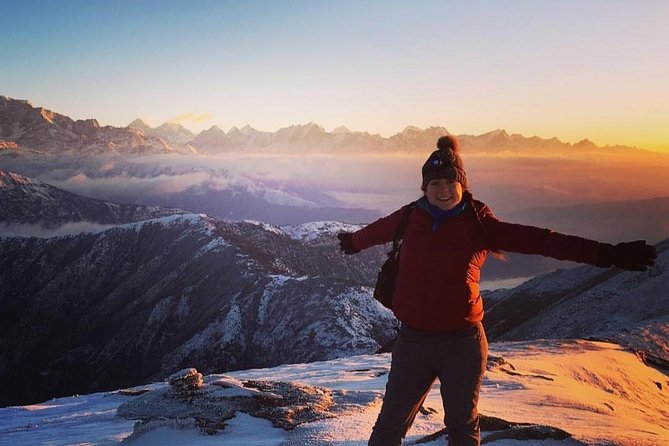
Jhapre leads into the push toward Pikey Peak. This is where you should expect more intensity than the early village legs. The key reason is simple: you are heading to 4,067m, and that means your body will ask for a slower rhythm.
This is also the segment that connects directly to the trek’s big promise: sweeping mountain views, especially sunrise. The overview calls out breathtaking sunrise and sunset. That does not happen by accident. You need the right timing and the right pacing.
Practical tips for this phase, based on how sunrise trekking typically works at viewpoint peaks:
- Dress for cold. Early hours at altitude can feel sharper than you expect.
- Keep your breathing steady. If you sprint uphill, you will pay for it later.
- Bring a small, easy-to-access snack for when you pause. You have full-board meals, but short breaks still help.
If you want the best payoff, you do not need speed. You need patience, and you need to show up early enough to let the morning light do the work.
Lamajura and Junbesi: culture and calm after the view peak
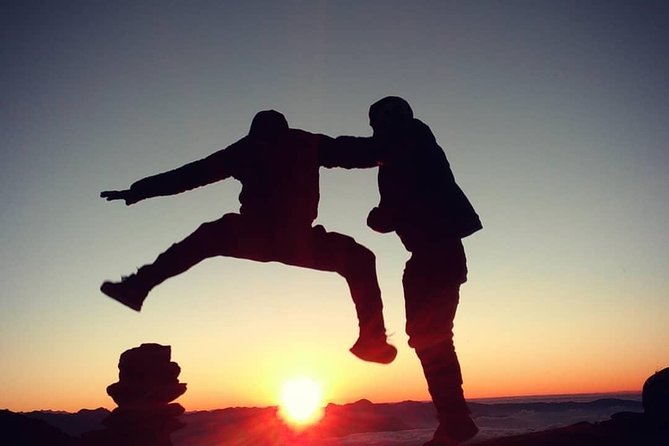
After Pikey Peak, you pass through Lamajura and Junbesi on the way back toward Phaplu. The point of including these stops is not just “checkpoints.” They keep the trek feeling human.
Lamajura and Junbesi are part of the route sequence that helps turn the trek into more than one sunrise moment. You get time to experience the region at a trekking pace, with breaks that feel like small chapters. That matters if you are coming for culture as much as scenery.
One consideration here is energy management. People often feel wired on view-day, then tired on the descent and onward. Keep your pace controlled, because you will still be walking after the highlight.
A good rule of thumb: treat the post-peak days like you are on a long recovery hike. You are moving, but you are also protecting your legs.
Food and comfort: breakfast and full-board meals, plus smart drink planning
Food is one of the cleanest, most reliable inclusions for this trek. You get breakfast and full-board meals during the trek. That is valuable because it takes away decision fatigue. When you are hiking daily, you want your energy plan to be simple.
What is not included is hard and soft drinks. That means if you like soda, juice, beer, or even frequent sweet drinks, you will need to budget. Also, it is a reminder to drink water steadily during the day, since your hydration costs can stack up when you buy beverages at stops.
Comfort-wise, this is a moderate fitness trek, not a resort vacation. Think in terms of what helps you keep moving:
- comfortable layers for temperature swings
- a pack you can manage without fighting straps
- gloves or a warm layer if you get cold at early hours
Even with good food, your body will still need rest and consistent movement.
Altitude reality: what “moderate fitness” means for you
The trek is described for travelers with a moderate physical fitness level, and it climbs to 4,067m at Pikey Peak. That combination is a clue: this is not a flat walk, but it is also not framed as a technical climb.
Still, altitude affects everyone differently. Your pace, hydration, and rest quality matter. If you have never hiked at elevation, this is a good place to learn slowly, because the trek is built around gradual movement through villages and terrain.
A practical way to approach it:
- Walk slower than you think you should in the first hiking segments
- Use breaks to catch your breath and steady your heartbeat
- Focus on steady food intake because it is harder to eat when you start feeling “off”
If you arrive in Nepal tired, under-hydrated, or skipping sleep, your hike will feel harder than it needs to.
Guides and the private-tour feel with Sherpa Expedition & Trekking
This is listed as a private tour/activity, meaning only your group participates. That usually matters more than people expect. You get less waiting, fewer schedule compromises, and you can ask questions at the moments you actually need answers.
The provider is Sherpa Expedition & Trekking, and guide names shared include Dawa Sherpa, Jay Bir, Hiese Lama, Nee-ma Sherpa, and C-erpa Pasang. Those names come up in the context of guests praising the experience, which is a sign that the company works with experienced people who know the terrain and how to keep you moving.
Even with a guide, your job is to communicate clearly:
- tell the guide if you have knee issues, asthma, or altitude anxiety
- ask what pace is right for the group
- let them know if you want extra time for photos at sunrise
Because Pikey Peak is about specific lighting moments, timing and guidance can make a real difference in how smooth the day feels.
Who should book this Pikey Peak trek?
Book this trek if you want:
- big mountain views without committing to a higher, more summit-focused goal
- a trek that mixes scenery with village culture
- an 8-day window that still feels like a real walking trip
- meals handled for you during the trek, so you can focus on hiking
It is also a good fit for someone who likes sunrise priorities. If you can be up early and you want the Everest-range view in the morning light, this is built for that.
Consider skipping or choosing something else if:
- you are looking for a very easy hike with minimal altitude impact
- you do not want early starts, since the sunrise element is part of the attraction
- you prefer a fully “everything included” drink setup, because drinks are not included
Should you book Pikey Peak Trekking?
Yes, if your main goal is unforgettable Himalayan viewpoints with a realistic 8-day commitment. The combination of sunrise potential, serious views from 4,067m, and a route that moves through real settlements makes this feel like more than a checkbox trek.
I also think the value is strongest if you like the comfort of meal inclusions. Breakfast plus full-board meals during the hike means you can plan fewer details and focus on walking well.
My final advice: before you book, confirm what is included beyond meals, especially anything related to lodging or personal gear support, since the details you have are specific about food but not everything else. If that checks out and your fitness is in the moderate zone, Pikey Peak is the kind of trek that delivers a view you will talk about for years, and a route that keeps you connected to the people living under those peaks.
FAQ
Where is the meeting point for Pikey Peak Trekking?
The meeting point is Tribhuvan International Airport, Ring Rd, Kathmandu, Nepal.
What time does the experience start?
The start time is 6:15 am.
How long is the trek?
The duration is listed as 8 days (approx.).
What is the highest point on the trek?
Pikey Peak is listed at 4,067m.
Is this a private tour?
Yes, it is a private tour/activity, and only your group will participate.
What meals are included, and are drinks included?
Breakfast and full-board meals during the trek are included. Hard and soft drinks are not included.
Can I cancel for a full refund?
You can cancel up to 24 hours in advance for a full refund. If you cancel less than 24 hours before the start time, you will not get a refund.
Latest additions near Kathmandu
- White Water River Rafting – 1 Day★ 4.3 · 3 reviews
- Traditional Momo Making Class★ 5.0 · 10 reviews
- Kathmandu to Pokhara Premium sofa bus ticket★ 4.0 · 17 reviews
- Ghorepani Poon Hill Trek★ 5.0 · 16 reviews
- Amazing 1 Day Trekking Experience in Kathmandu Nepal★ 5.0 · 24 reviews
- Ghorepani Poonhill Trek★ 5.0 · 5 reviews
- Walking tour of real Kathmandu through back streets.★ 5.0 · 3 reviews
- Wildlife Adventure in Chitwan Nepal★ 4.0 · 4 reviews
Treks in Kathmandu, compared.
Nagarkot Sunrise View and Day Hiking from Kathmandu
Read our review →