Reviewed · TREKS IN KATHMANDU
Pikey Peak Trek
Pikey Peak gives you Everest views without the madness. This 7-day trek from Kathmandu focuses on early hikes, sunrise panoramas, and a quieter route that still feels like real Nepal. I also really like the human scale of the trip, with a small group size (up to 20) and a strong local team, including office help from Kishwor and on-trail guidance like Sabine or Raj.
The second big plus for me is the mix of trekking and culture. You walk sections tied to the Hillary Trail and you visit the Tuptencholing Monastery, described as one of the region’s largest nun monasteries. One thing to think about up front: you will start early most days, including a 6:15 am start from Thamel, and the long drives can feel like a second hike day.
In This Review
- Pikey Peak Trek in One Look: What Makes It Worth Your Time
- Four Things You’ll Feel Fast on This Trek
- Entering The Pikey Peak Experience From Kathmandu
- Price and Logistics: What $899 Buys You
- The Route That Trades Crowds for Calm
- Day-by-Day Breakdown: How the Trek Builds Momentum
- Day 1: Kathmandu to Dhap, with Mountains on the Way
- Day 2: Sunrise Views and an Easy Start Toward Jhapre
- Day 3: Toward Pikey Peak Base Camp, Mostly Uphill
- Day 4: Pikey Peak Sunrise, the Big Panoramic Payoff
- Day 5: Junbesi and Rhododendron-Style Trek Days
- Day 6: Phaplu Area and the Tuptencholing Monastery Visit
- Day 7: Long Drive Back to Kathmandu, with a Breakfast Stop
- Sunrise Strategy: Why This Trek Feels Different From Everest Headliners
- Tea Houses, Food, and What “Comfort” Usually Means Here
- Your Guide and Team: The Real Difference Maker
- Who This Trek Fits Best (and Who Might Reconsider)
- Packing and Physical Reality Check
- Should You Book the Pikey Peak Trek?
- FAQ
- What is the duration of the Pikey Peak Trek?
- Where does the Pikey Peak Trek start and end?
- What time does the tour start?
- How much does the trek cost?
- What meals are included?
- What is not included in the price?
- How big is the group?
- Can I bring a service animal?
Pikey Peak Trek in One Look: What Makes It Worth Your Time
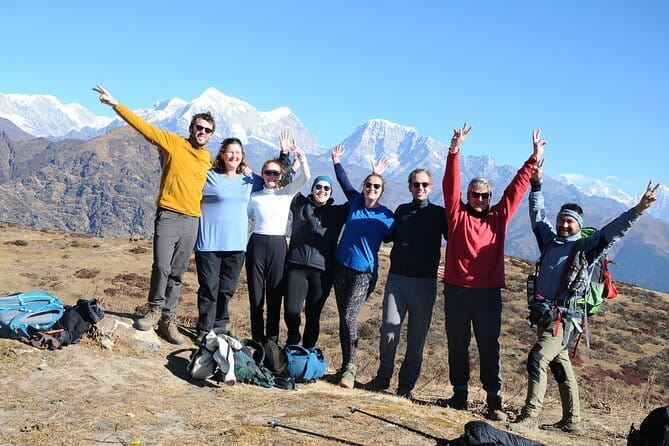
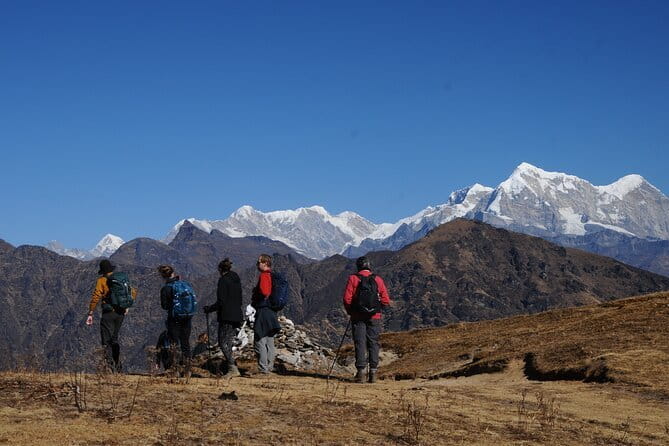
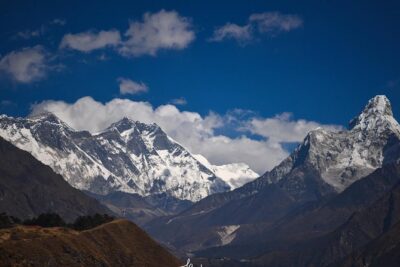
This trek is built around one idea: see a big chunk of the Himalaya from a viewpoint that many people skip. Pikey Peak sits at a height where early morning light does its magic, and the reward is a view that includes Everest along with several of the world’s highest peaks.
It also avoids the two common headaches. You get to enjoy Everest-style scenery without jumping into the busiest Everest crowd patterns, and you do not need to fly to Lukla to reach the high country. Instead, you work up to elevation on foot, with tea-house nights and steady cultural contact.
Four Things You’ll Feel Fast on This Trek
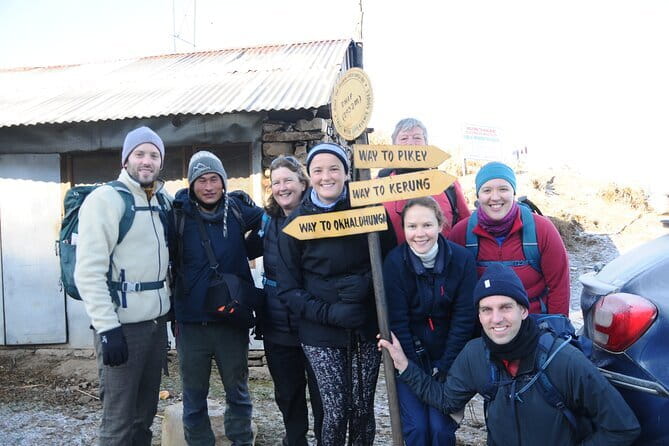
- A sunrise-first schedule that makes mornings count, especially on the Pikey Peak day
- Everest views without Lukla, using a route that feels calmer than the headline trails
- Hillary Trail walking plus a stop at Tuptencholing Monastery for a meaningful cultural break
- Small group trekking, capped at 20 people, which keeps the pace more human
More Treks in Kathmandu
- Everest Base Camp Trek – 14 Days
★ 5.0 · 1,499 reviews - Everest Base Camp Trek
★ 5.0 · 842 reviews - Everest Base Camp Trekking
★ 5.0 · 485 reviews
Entering The Pikey Peak Experience From Kathmandu
You meet in Thamel at Breeze Adventure Pvt. Ltd, Thamel Marg, Kathmandu, and the start time is 6:15 am. From there, the trip begins with a drive toward Dhap, which sets the tone. You get moving early, and you start seeing Himalaya views as the road climbs away from the city.
This route also has a practical feel. It is not a technical mountaineering plan, and it is described as suitable for a wide range of ages, including seniors and families. That does not mean it is effortless, but it does mean the logistics tend to match people who want trekking, not a survival course.
Price and Logistics: What $899 Buys You
At $899 per person, this trek sits in the middle of the Nepal trekking spectrum. You are paying for more than “walking with a guide.” You are also paying for the chain of decisions that make a trek go smoothly: food planning, timing, and moving between villages and tea houses without guesswork.
Here is what is included, based on what the trip lists:
- WiFi on board
- Meals: 7 breakfasts, 7 lunches, and 6 dinners
- Tour logistics for the full trek duration, using tea-house style lodging
What is not included is a fuel surcharge. That is worth confirming before you go, because it can shift your final total.
I like the value logic here: you get a full guided trek with daily meals, plus a small group size. If you would otherwise spend money on a guide, transfers, and meal planning separately, the package tends to make sense.
The Route That Trades Crowds for Calm
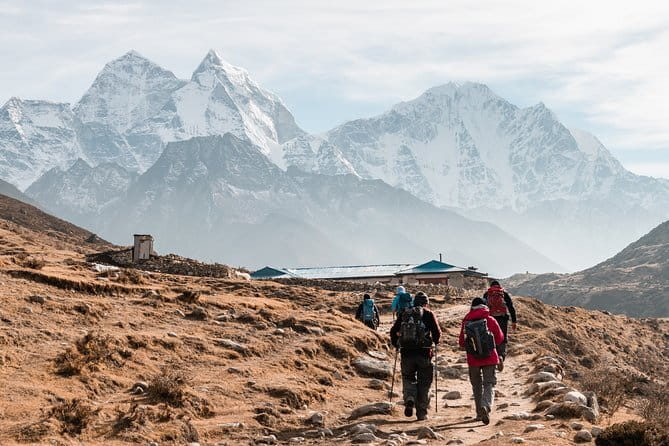
The Pikey Peak Trek is often described as peaceful, with long stretches where you do not bump into lots of other people. That calm matters. When trails are busy, you spend energy weaving around groups. On this route, you can focus on your own pace, your own photo moments, and conversations with locals.
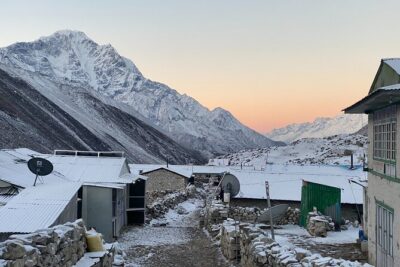
You also get a more lived-in Nepal feel. You are not just passing through for a checklist shot. You move through villages, tea house evenings, and mountain rhythm where people run guest rooms and cook the meals that keep the whole trek going.
Another way to spend the time in Nepal:
- Private Kathmandu Sightseeing Tour | UNESCO World Heritage sites
★ 5.0 · 756 reviews - Kathmandu: 7 UNESCO Sites with Lunch
★ 4.8 · 744 reviews - Everest Base Camp Helicopter Tour landing at Everest View Hotel
★ 5.0 · 668 reviews - Half day cooking class in Thamel kathmandu
★ 5.0 · 607 reviews
Day-by-Day Breakdown: How the Trek Builds Momentum
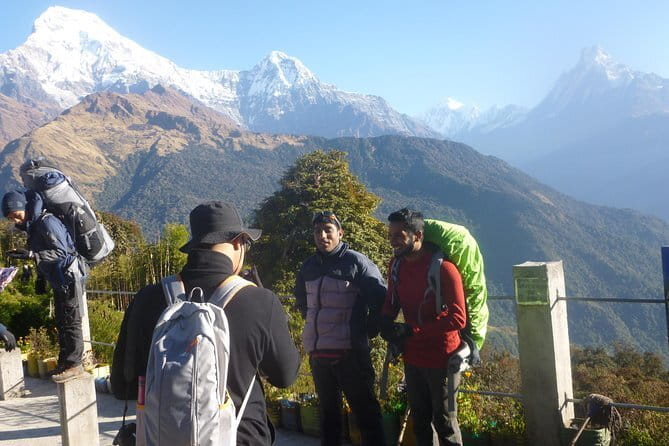
Day 1: Kathmandu to Dhap, with Mountains on the Way
Day 1 is a scenic drive. You leave Kathmandu and head toward Dhap, with Himalaya views and glimpses of villages along the route.
This matters for pacing. It gives you a chance to adjust before your first proper walking day, and it also helps you understand what the trek will feel like, because you start noticing how the terrain changes.
Day 2: Sunrise Views and an Easy Start Toward Jhapre
Day 2 includes a sunrise wake-up with big Himalayan views. After breakfast, you trek to Jhapre on a day that is described as easy, with sections along a newly constructed road.
That detail is more important than it sounds. When a trek day is easier underfoot, you can save your legs for the next uphill pushes and still enjoy the views. It is the kind of day that works well if you are not training hard at home.
Day 3: Toward Pikey Peak Base Camp, Mostly Uphill
Day 3 starts again with a sunrise view and a hearty breakfast. The walk toward Pikey Peak Base Camp is mostly uphill, with some downhill sections mixed in.
This is where you start feeling the trek as a trek. It is not described as extreme, but it is clearly more effort than Day 2. If you pace well, you keep the day enjoyable, not exhausting.
Day 4: Pikey Peak Sunrise, the Big Panoramic Payoff
Day 4 is the highlight. You wake early and hike for about an hour to reach Pikey Peak for sunrise.
The viewpoint is the star. The goal is panoramic views of Himalayan peaks, and Pikey Peak is at about 4066 meters, at least on the reference height shared in trek feedback. You also get a sunrise moment that is not just “pretty.” It is a payoff for the days of steady climbing.
Practical tip from how this trek is structured: keep your energy for the sunrise push. On this day, you do not want a late breakfast habit or heavy pacing. You want to be ready when the sun hits.
Day 5: Junbesi and Rhododendron-Style Trek Days
Day 5 takes you to Junbesi. You wake up, enjoy breakfast in the mountain air, and begin another trek day.
This is also a day with a small routing note. If your night was in Jasmane Bhanjyang, you will likely trek first to Taktor for about 3.5 hours before continuing onward. Either way, the day is built around reaching Junbesi without turning it into a marathon.
One of the most-loved moments here is the feeling of nature on the trail, including blooming rhododendrum forests. Even if you do not catch the exact same blooms, you can expect a greener, more “alive” walking experience than dusty trail-only routes.
Day 6: Phaplu Area and the Tuptencholing Monastery Visit
After breakfast on Day 6, you head toward the Phaplu Airport area and visit Tuptencholing Monastery. This monastery is described as one of the largest nun monasteries in the region and is located near the foot of a mountain.
This stop is a nice change of pace. Trek days can blur into each other, so adding a focused cultural moment helps your brain reset. It also gives the trek more meaning than just views, because you see how the region’s spiritual life fits alongside daily life and trekking.
Day 7: Long Drive Back to Kathmandu, with a Breakfast Stop
Day 7 includes a long drive from Phaplu to Kathmandu. You start early, and after about two hours you stop at Dhap Thade for breakfast with mountain views.
The key consideration here is mental, not physical. By Day 7, your body might feel like it wants to be done, so plan for a calm finish. You are not hiking late into the day, but you are spending time in the vehicle.
Sunrise Strategy: Why This Trek Feels Different From Everest Headliners
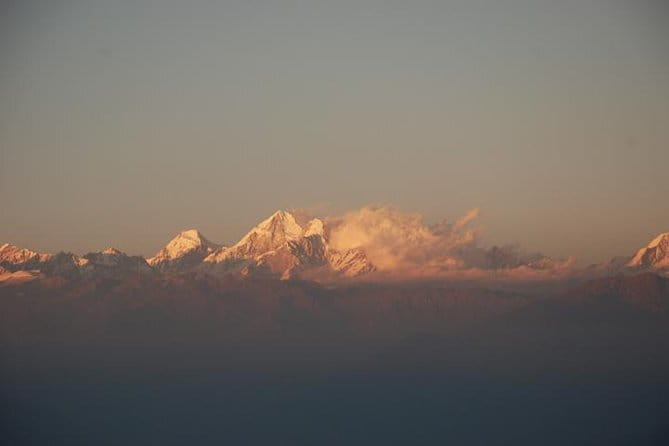
Everest gets attention, but it also brings crowd management issues and altitude logistics that can be harder for beginners or people who just want a calmer trip. This trek aims at the Everest view reward without the Lukla hop.
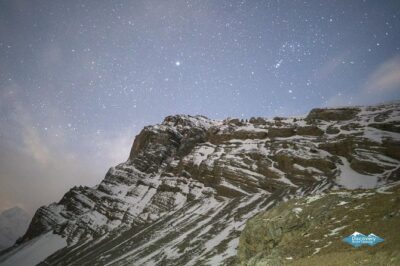
The sunrise routine is the glue. You get mountain light at multiple points, then you get the main event on Pikey Peak itself. That rhythm gives you several chances for good weather and clears the path for memorable “first light” photos.
Also, because the trail is described as less crowded, you are more likely to experience the sunrise without a wall of people jostling for position. You still need to be early, but the vibe can be more peaceful.
Tea Houses, Food, and What “Comfort” Usually Means Here
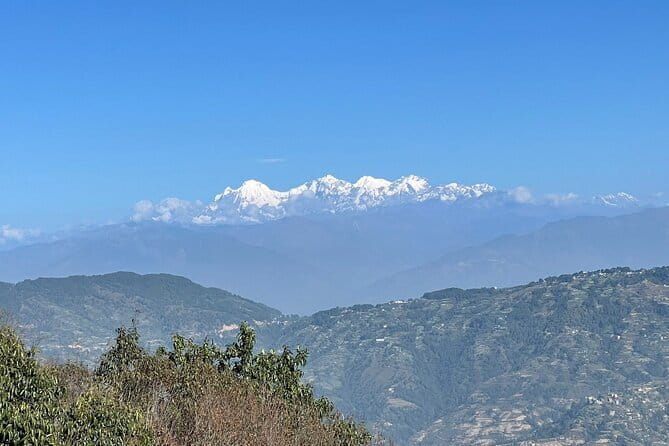
This trek uses tea-house style lodging, and the food is included for most meals listed in the plan. Based on the information provided, you get breakfast every morning, lunches on trekking days, and dinners for six evenings.
What I look for on a trek like this is consistency. If you know you are getting breakfast and warm meals without negotiating prices every day, your energy goes into walking and enjoying the scenery.
There is also mention of tea houses being comfortable. That does not mean luxury. It means you can sleep and eat in a way that keeps you moving rather than fighting your way through cold, rough arrangements.
Your Guide and Team: The Real Difference Maker
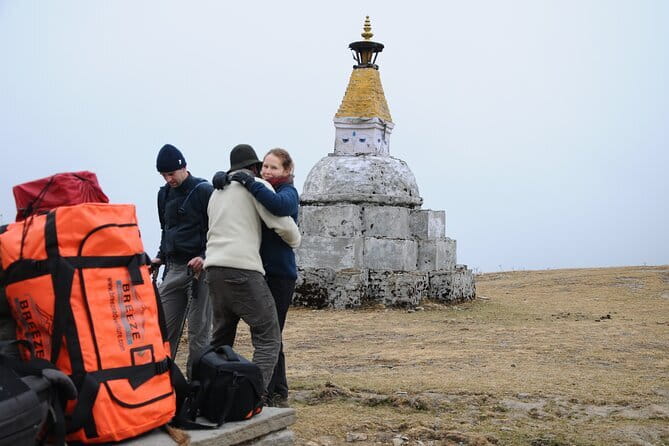
The trip’s biggest advantage, in my view, is the quality and support around it. Multiple names show up in the feedback: Kishwor at the Breeze office, and on-trail guides such as Sabine and Raj. There is also mention of Geli as part of the team, plus a porter named Amrit.
What this usually means for you: someone is managing the details and also managing your comfort. In trek conditions, that matters. A good guide can shift your pace, spot you when you need a slower rhythm, and keep you motivated without turning every hill into a battle.
If you want to get the most out of this trek, ask your guide about your pace early. People tend to do better when they agree on what “comfortable effort” means for them. That is especially true on the more uphill days.
Who This Trek Fits Best (and Who Might Reconsider)
This trek is described as suitable for people of all ages, including seniors and families. If you want a trek that is doable without being watered down, this can be a strong match. The days include hiking with a few easier sections, plus a clear peak highlight day.
You should reconsider if you strongly prefer long daily hikes or if you want a fully technical climbing challenge. This route is about viewpoints, culture, and walking, not mountaineering.
If you are chasing the Everest view but not the Everest chaos, this trek is the kind of compromise that feels satisfying rather than frustrating.
Packing and Physical Reality Check
The trek includes multiple sunrise starts and a hiking day with a mostly uphill approach toward base camp. That means your pack and your pace matter.
I recommend focusing on basics:
- layers you can manage at dawn and later in the day
- comfortable shoes that handle stone and uneven paths
- a day layer you can bring out for sunrise photo time
You do not have to be an athlete, but you do have to be consistent. Think steady effort over brute force.
Should You Book the Pikey Peak Trek?
Book this trek if you want Everest-class views with a calmer route, and you like the idea of sunrise hiking plus a meaningful monastery stop. The small group cap helps keep things friendly, and the meal plan removes daily logistics stress.
I would not book it if early mornings and long drives sound like a deal-breaker. Day 7 in particular is a long vehicle finish, and the experience is built around starting the day early, not sleeping in.
If you fit the sweet spot, this is a smart choice. It is a way to see the big mountains, walk through village life, and come away with a sense of both energy and quiet, without needing to chase the most famous crowd routes.
FAQ
What is the duration of the Pikey Peak Trek?
The trek is listed as 7 days, approximately.
Where does the Pikey Peak Trek start and end?
It starts at Breeze Adventure Pvt. Ltd in Thamel, Kathmandu, and ends back at the same meeting point.
What time does the tour start?
The start time is 6:15 am.
How much does the trek cost?
The price is $899.00 per person.
What meals are included?
Lunch is included for 7 days, dinner for 6 days, and breakfast for 7 days. WiFi on board is also included.
What is not included in the price?
Fuel surcharge is listed as not included.
How big is the group?
The maximum group size is 20 travelers.
Can I bring a service animal?
Service animals are allowed, and the tour is described as suitable for most travelers.
Latest additions near Kathmandu
- White Water River Rafting – 1 Day★ 4.3 · 3 reviews
- Traditional Momo Making Class★ 5.0 · 10 reviews
- Kathmandu to Pokhara Premium sofa bus ticket★ 4.0 · 17 reviews
- Ghorepani Poonhill Trek★ 5.0 · 5 reviews
- Ghorepani Poon Hill Trek★ 5.0 · 16 reviews
- Amazing 1 Day Trekking Experience in Kathmandu Nepal★ 5.0 · 24 reviews
- Walking tour of real Kathmandu through back streets.★ 5.0 · 3 reviews
- Wildlife Adventure in Chitwan Nepal★ 4.0 · 4 reviews
Treks in Kathmandu, compared.

Nagarkot Sunrise View and Day Hiking from Kathmandu
Read our review →