
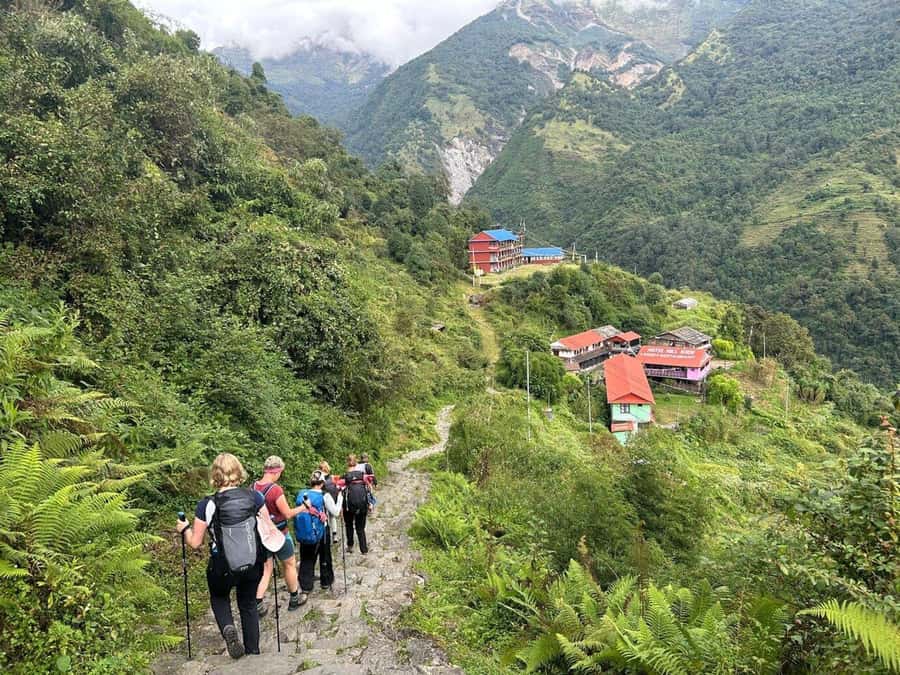
Reviewed · ANNAPURNA BASE CAMP TREKS
Nepal: Time For Easy Annapurna Base Camp Trek
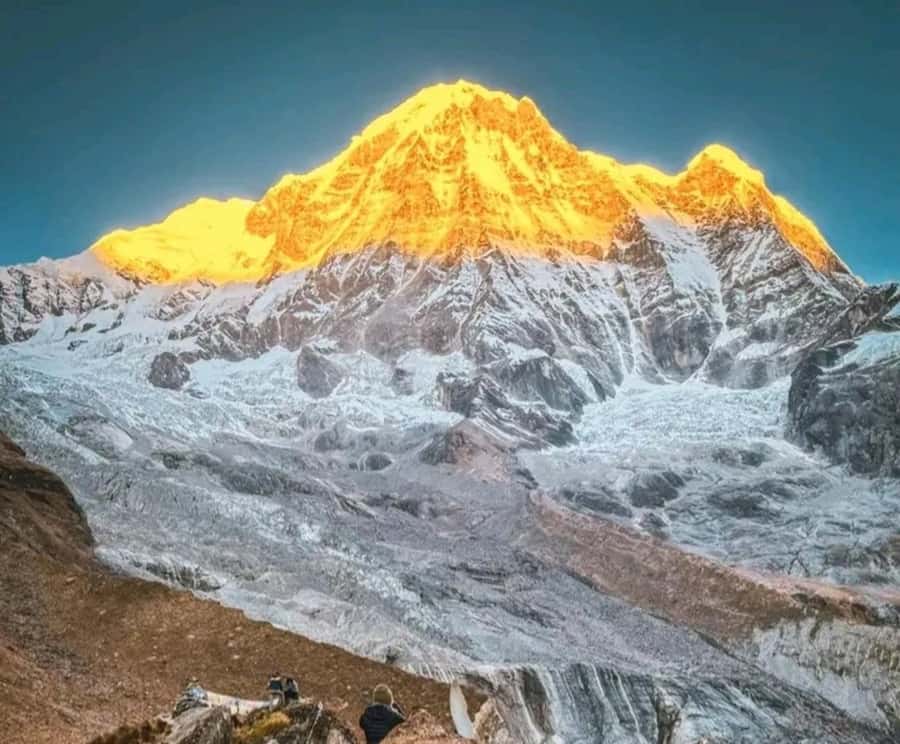
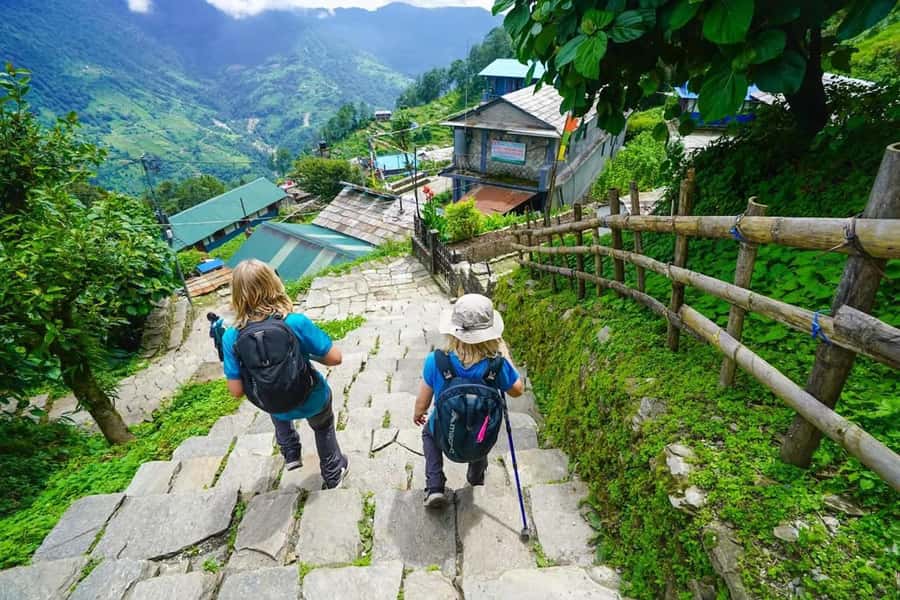
That first view of Annapurna pulls you in fast. This 5-day trek from Pokhara brings you to Annapurna Base Camp for big mountain moments and a real taste of village life. I especially like the English-speaking guide support and the way the route mixes forests, terraced fields, and stone paths. The main catch is that even if it is marketed as easy, the schedule is still demanding, and altitude can hit you.
I also like that you get included permits, first aid, and trekking accommodations, so you can focus on walking and pacing. On top of that, the communication and guidance quality can be excellent, with guides like Sagar or Arjun looking after your plan and your comfort. The consideration I’d flag is simple: you need solid fitness and steady nerves, since some stretches can feel tough and vertigo is a real concern.
In This Review
- Key highlights you’ll feel on the trail
- Annapurna Base Camp in 5 days, the real deal
- Price and logistics that affect your wallet and your sanity
- Your day-by-day walk, from Pokhara into the Annapurna zone
- Day 1: Pokhara to Jhinu, then Lower Sinuwa
- Day 2: Lower Sinuwa to Deurali
- Day 3: Deurali to Annapurna Base Camp via Machhapuchhre Base Camp
- Day 4: Explore Annapurna Base Camp, then trek to Bamboo
- Day 5: Bamboo to Jhinu, drive back to Pokhara (hot springs)
- Guides who keep the trek on track (and your spirits up)
- Acclimatization, altitude, and why “easy” can mislead
- What the route teaches you about culture and trail manners
- Meals, where your energy comes from, and how to plan
- What to bring, and what not to
- Should you book this 5-day Annapurna Base Camp trek?
- FAQ
- How long is the Annapurna Base Camp trek?
- Where does the trek start and where do you end?
- Is this trek really easy since it is called an easy Annapurna Base Camp trek?
- Are meals included in the price?
- What is included in the $180 per person price?
- Do I need a porter?
- What languages are available for the guide?
- What should I bring for the trek?
Key highlights you’ll feel on the trail
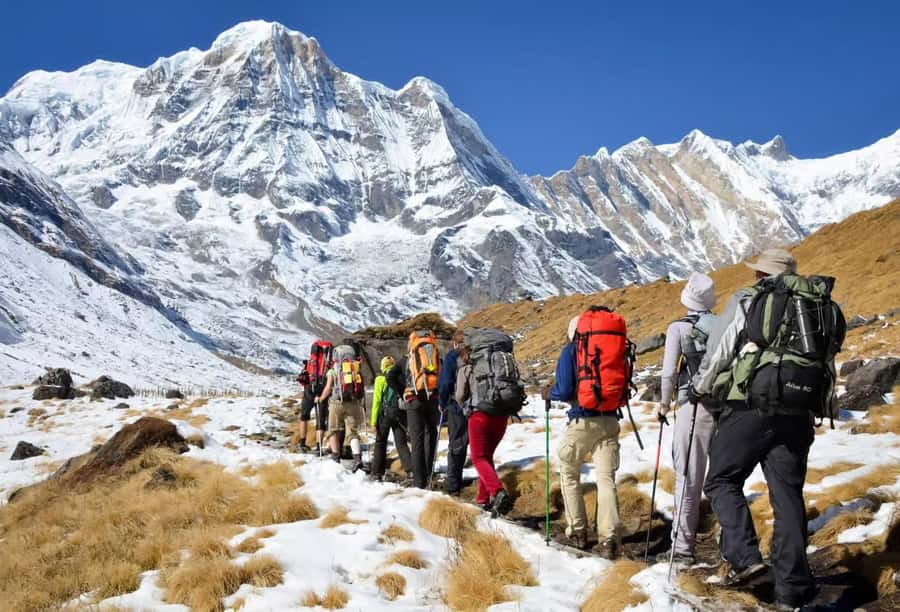
- Big Annapurna viewpoints: Annapurna I, Annapurna South, Hiunchuli, Fishtail, and Dhaulagiri show up during the climb.
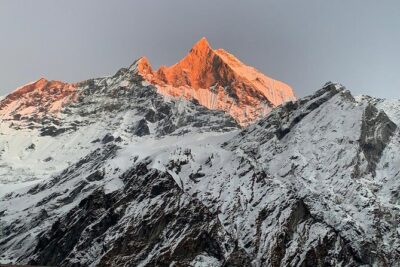
- Machhapuchhre Base Camp detour: Day 3 includes a route that brings you toward that iconic Fishtail area.
- Village rhythm in the Annapurna region: You pass through places with daily life, terraced fields, and welcoming tea house culture.
- Rhododendron forests and rocky paths: The trail changes texture often, which makes the hike more interesting than one long grind.
- Private-group pace with real safety focus: You’re not in a massive crowd, and guides can steer you to a steady rhythm.
- Optional porter service: If your pack feels heavy, you can rent help for $25 per day.
Annapurna Base Camp in 5 days, the real deal
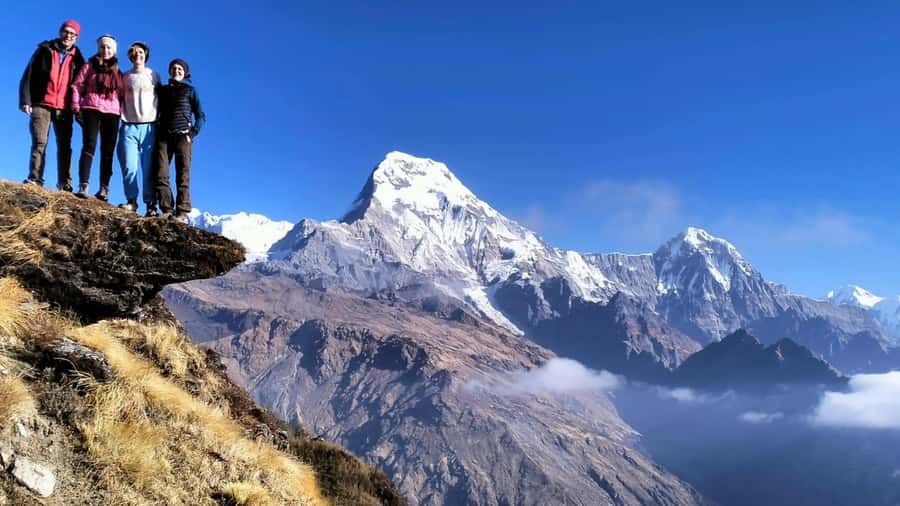
Annapurna Base Camp is the kind of trek destination that sticks in your head. It is a high, dramatic staging area surrounded by major peaks, where the air feels crisp and the win comes from finishing a tough day-by-day journey.
What makes this version attractive is the compact timing. You are compressing a classic Himalayan route into a 5-day window, which means more walking intensity and fewer rest days. If you like fast momentum and you can handle long uphill efforts, you’ll probably enjoy the pace.
If you want an easy stroll, adjust your expectations. One of the clearest pieces of advice from people who have done it is to not trust the word easy. A day can run long, including sections around 18 km for some schedules, and descents can be steep and draining. Also, altitude is not optional. Even if you do everything “right,” you might still feel off.
More Treks in Pokhara
- Poon hill Trek 3 days
★ 5.0 · 176 reviews - Trekking in Annapurna/Langtang/Everest/Upper Mustang regions
★ 5.0 · 161 reviews - Pokhara: 4-Day Ghorepani, Poonhill & Ghandruk Mountain Trek
★ 5.0 · 132 reviews
Price and logistics that affect your wallet and your sanity
At $180 per person for a 5-day private-group trek, the value is mostly in what’s bundled. You get an English-speaking trekking guide, first aid support, and all permits and fees. You also get hotel rooms during the trek, plus a shared vehicle for pickup and drop-off.
The parts that are not included are worth planning for now:
- Meals: You buy meals on your own.
- Personal expenses: Shopping, extra drinks, snacks, and tips are on you.
- Porter: Optional at $25 per day if you want load help.
That meals detail matters more than it sounds. Trek days can burn calories fast, and when the plan is tight, hunger makes decisions harder. Expect common options like dal bhat, noodles, rice dishes, and soups, and budget cash in Nepalese Rupee (NPR) for easy ordering.
Your day-by-day walk, from Pokhara into the Annapurna zone
This trek is built around a classic progression: start lower near Jhinu, gain altitude steadily, and reach base camp with a highlight detour. Then you come back down through bamboo and end with a drive back to Pokhara, with a hot spring stop along the way.
You’ll feel the route in your legs. Even the shorter days can pack work, because altitude makes every step cost more. The good news is that the schedule also gives you chances to adjust your pace and take breaks.
Day 1: Pokhara to Jhinu, then Lower Sinuwa
Day 1 starts with a transfer from Pokhara to Jhinu. From there, you trek up to Lower Sinuwa at about 2,300 meters over roughly 5 hours.
Why this day matters: it’s your on-ramp. Lower Sinuwa is a realistic place to settle in after the travel, and it helps your body start adjusting without jumping too high too fast.
What to watch: this is where you should resist the urge to start too fast. If you go hard on Day 1, you can pay for it later on Day 2 or Day 3.
More Annapurna Base Camp treks:
- Kathmandu/Pokhara: 5-Day Annapurna Base Camp (ABC) Trek
★ 4.9 · 72 reviews - Annapurna Base Camp Trek -8 days
★ 5.0 · 56 reviews - Private 7 – Day Annapurna Base Camp Trekking
★ 5.0 · 50 reviews - Annapurna Base Camp Trek (8 days)
★ 5.0 · 45 reviews
Day 2: Lower Sinuwa to Deurali
You climb to Deurali, around 3,200 meters, with about 6 hours of trekking. This is the day that begins to separate “I can hike” from “I can hike while gaining altitude.”
Why Deurali is a good checkpoint: it gives you a chance to steady your breathing, hydrate, and reset mentally before the higher push. It also keeps your route moving through the kinds of trails that can include forest sections and rocky stretches.
What to watch: cold can come on quickly at height, so don’t pack for only one temperature. You want a jacket layer you can use without overheating when the sun is out.
Day 3: Deurali to Annapurna Base Camp via Machhapuchhre Base Camp
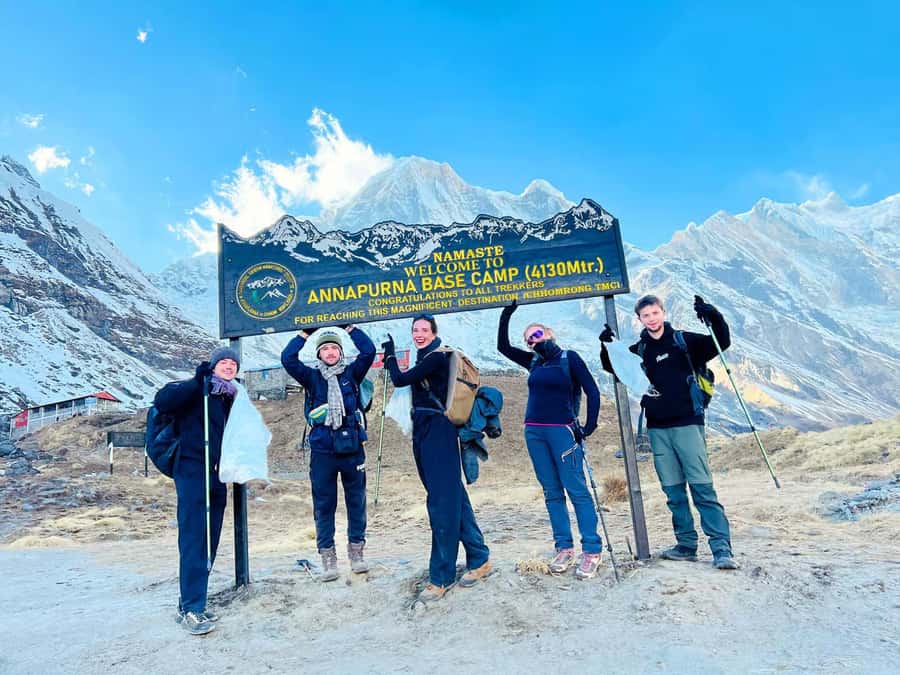
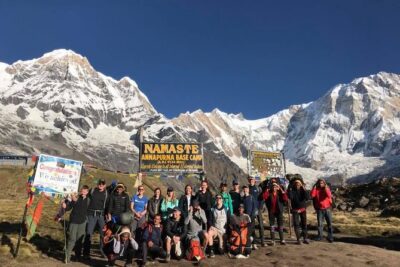
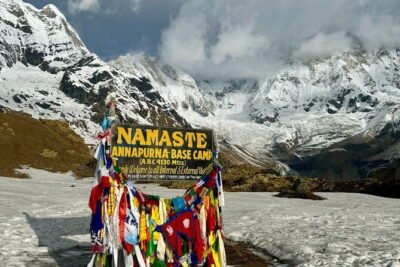
This is the big day. You trek from Deurali to Annapurna Base Camp, reaching about 4,130 meters, with around 4 hours of walking. The route includes Machhapuchhre Base Camp, which is a standout in terms of Himalayan scenery, especially for Fishtail views.
Why this day is a highlight: you’re not just going up in altitude, you’re moving through a zone where the peaks begin to dominate your day. Annapurna Base Camp can feel like a finish line, but it’s also the start of the emotional payoff, because the surrounding mountains suddenly look close and massive.
What to watch: even with fewer hiking hours than Day 2, the altitude makes it harder. If you feel headache, nausea, or unusual fatigue, take it seriously. Your pace is part of your safety plan.
Day 4: Explore Annapurna Base Camp, then trek to Bamboo
Day 4 is split. You spend time at Annapurna Base Camp, then trek onward to Bamboo at about 2,400 meters over roughly 6 hours. This drop in altitude helps your body recover, but it does not make the walk “easy.”
Why the Bamboo stop is smart: it keeps you moving forward and sets you up for a smoother final day. It also lets you see different sections of the trail, not just the high point you came for.
What to watch: descents can be tough on knees and ankles. Even when you feel better at lower altitude, your body still has to absorb downhill work.
Day 5: Bamboo to Jhinu, drive back to Pokhara (hot springs)
On the final day, you trek from Bamboo back to Jhinu, then drive to Pokhara. Expect about 6 hours total, and the altitude drops to roughly 822 meters by the end.
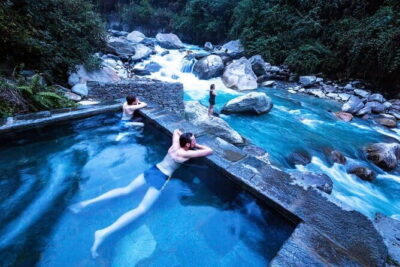
The reason people remember this day: the change from trekking mode to recovery mode happens fast. It’s also when the hot springs stop can feel like a reward, because you’re transitioning from pounding steps to soaking and relaxing.
What to watch: go easy with your walking speed. Final days are when people try to “finish strong,” but tired legs can make slips and balance issues more likely.
Guides who keep the trek on track (and your spirits up)
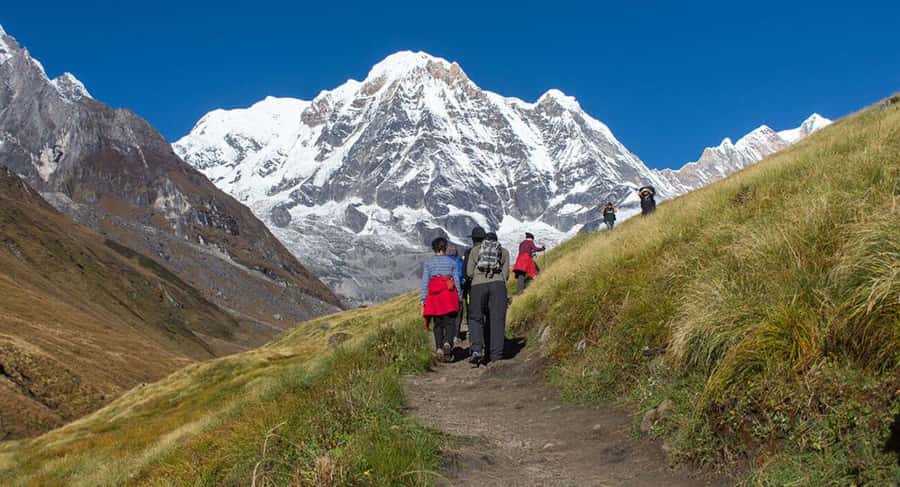
A huge part of whether this trek feels doable is your human support. Many participants highlight guides who are patient and safety-minded, and this trek includes an English-speaking trekking guide.
You might run into guides known for thoughtful pacing and real attention to how you’re doing. In past experiences with this route, guides like Sagar and Arjun have been praised for steady breaks, clear communication, and keeping a cheerful tone. There’s also an emphasis on checking in often, which can matter on hard days when you’re tempted to push through discomfort.
If you’re thinking about comfort, here’s the practical takeaway: ask your guide how you should pace based on your fitness and how you feel. A steady rhythm is often the difference between enjoying the views and just surviving the uphill.
Acclimatization, altitude, and why “easy” can mislead
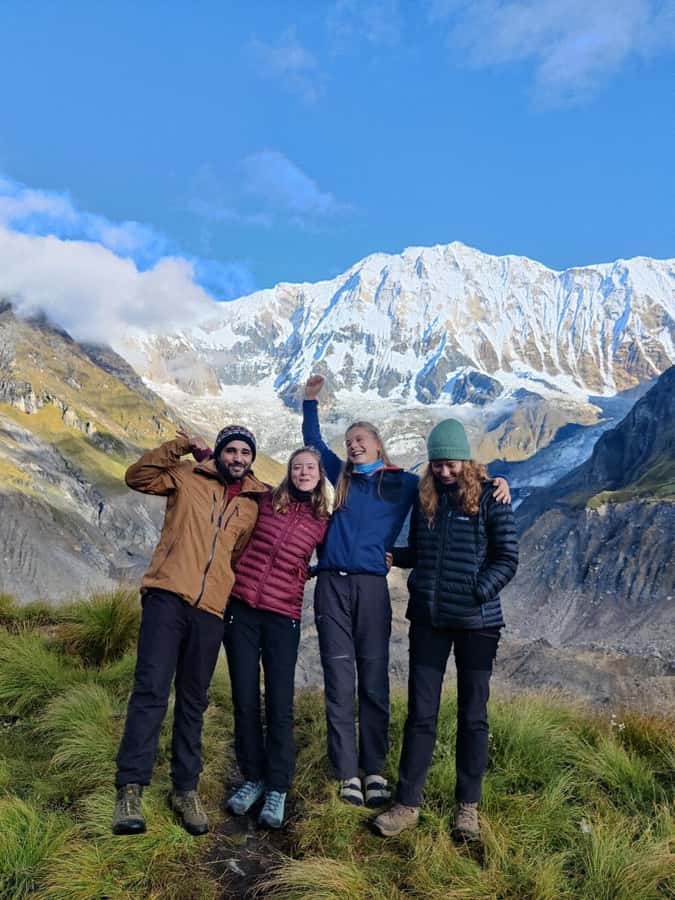
This trek climbs quickly enough that acclimatization is crucial, and the plan explicitly calls for gradual ascent and hydration. That matters because you’re going to feel altitude effects even if you’re in good shape.
A key caution from real-world experiences: altitude and effort can make people feel sick, even if they’re fit. Some days can also be physically strenuous, and vertigo can become an issue depending on your comfort with exposed sections.
So how do you make this safer and more enjoyable?
- Hydrate early and often.
- Keep a slow pace you can maintain, not a pace you can only “start.”
- Tell your guide immediately if you feel off, so adjustments can happen.
And dress for temperature swings. Higher altitude can be cold, and you need layers that work when the sun drops and the wind picks up.
What the route teaches you about culture and trail manners
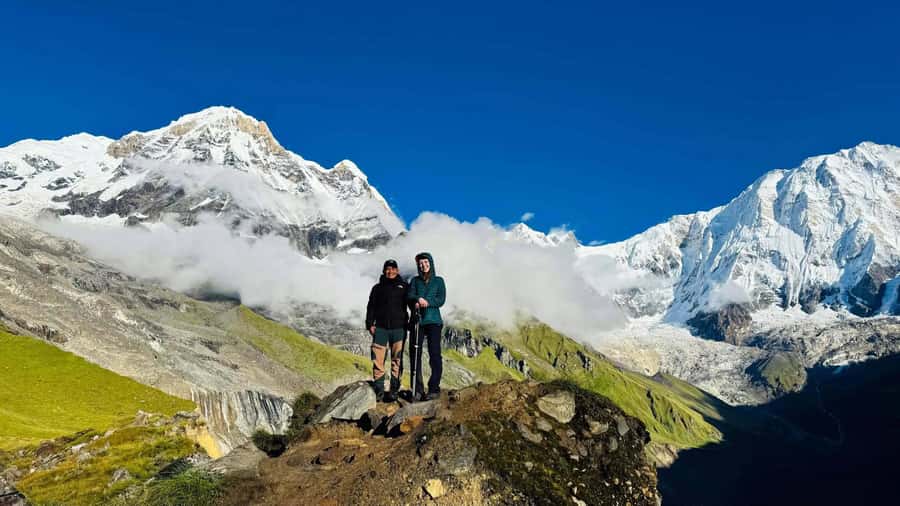
Annapurna Base Camp is not just a mountain photo mission. The trail passes through villages and fields where people live with the rhythm of farming and hospitality, and it shows up in the tea houses and simple guest rooms you use along the way.
Two practical etiquette habits go a long way:
- Dress modestly as you pass through villages.
- Ask before taking photos of people.
Also, remember that tea house meals and lodge stays are part of local life. If you respect that, you usually get more patience and better service, especially when conditions are cold or busy.
Meals, where your energy comes from, and how to plan
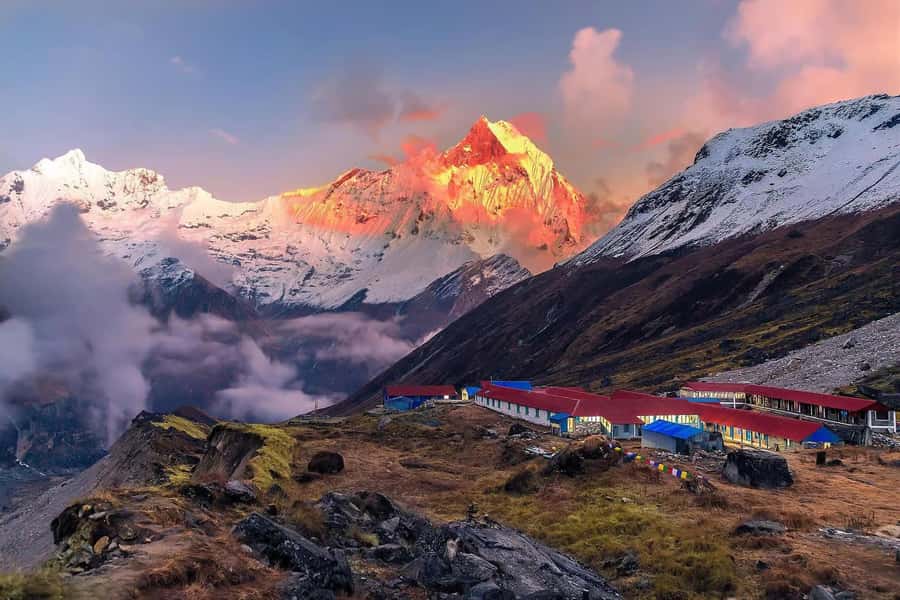
Meals are not included, but there are typical trekking staples available for purchase. You can expect dishes like dal bhat, noodles, rice meals, and soups.
Since meals are optional, you can choose what fits your stomach on each day. On uphill days, prioritize simple, warm food. On colder mornings, start with something that feels comforting and easy.
One more small but useful point: bring cash and plan for NPR. Credit cards may not be reliable in remote areas, and you’ll want quick, friction-free transactions.
What to bring, and what not to
This trek gives you a short list for a reason. You want the right layers, not extra weight.
Bring:
- Passport or ID card
- Hat
- Jacket
- Comfortable and breathable clothing
- Headscarf
- Cash
- Credit card
Don’t bring:
- Weapons or sharp objects
- Oversize luggage
- Alcohol and drugs
- Explosive substances
- Anything that breaks local rules on public decency, like nudity
One practical move: pack like you’ll be switching between sun-warm and wind-cold. That way you can adjust fast instead of rushing back to your room every time the weather changes.
Should you book this 5-day Annapurna Base Camp trek?
Book it if you want major Annapurna views and you’re comfortable hiking for multiple days with altitude in the mix. This is a good fit for people who take pacing seriously and can handle a tougher-than-advertised effort level without drama.
I would skip or choose a longer schedule instead if:
- You already know altitude makes you feel sick.
- You have vertigo or strong anxiety about exposed walking.
- You can’t do regular cardio and strength training right now.
If you do book, do it with the right mindset. Treat this as an active trek with real mountain conditions, not a casual stroll. And if your pack feels heavy, consider the optional porter so you can put more energy into steady steps and good decisions on the trail.
FAQ
How long is the Annapurna Base Camp trek?
It runs for 5 days from start to finish.
Where does the trek start and where do you end?
It starts from Pokhara, goes up toward Jhinu, and ends back in Pokhara after trekking from Bamboo and returning by vehicle.
Is this trek really easy since it is called an easy Annapurna Base Camp trek?
The route is marketed as easy, but you should plan for a physically demanding trek with strenuous sections and the effects of altitude.
Are meals included in the price?
No. Meals are not included, and you can purchase meals during the trek.
What is included in the $180 per person price?
It includes first aid, an English-speaking trekking guide, all permits and fees, hotel rooms during the trekking period, and a sharing vehicle for pickup and drop-off.
Do I need a porter?
A porter is optional. If you choose one, the listed cost is $25 per day.
What languages are available for the guide?
The guide languages are Japanese, English, and Chinese.
What should I bring for the trek?
You should bring a passport or ID card, hat, jacket, comfortable and breathable clothing, headscarf, cash, and a credit card.
Latest additions near Pokhara
- Pokhara: Pokhara Highlights Tour by Bus★ 3.6 · 10 reviews
- Discover Pokhara in Style: Private Vehicle Service with Driver★ 5.0 · 5 reviews
- Pokhara in 5 Hours: Lake, Museum, Cave, Falls & Pagoda Hill★ 4.5 · 16 reviews
- 7-Day Trek to Annapurna Base Camp from Pokhara★ 5.0 · 12 reviews
- 4 Day Mardi Himal Base Camp Trek from Pokhara★ 5.0 · 18 reviews
- The World Peace Pagoda in Pokhara★ 4.5 · 7 reviews
- Unique Easy Hiking to Foxing Hill from Pokhara★ 5.0 · 4 reviews
- World Peace Stupa Day Hike From Pokhara★ 5.0 · 4 reviews
Annapurna Base Camp Treks, compared.
Kathmandu to Annapurna Base Camp (ABC) 5-Day Trek
Read our review →
Browse the lists this tour appears in