Reviewed · TREKS IN KATHMANDU
Nepal Round Tour with Annapurna Trek 14 Days
Himalaya treks plus real Kathmandu culture. This private 14-day Nepal plan pairs Annapurna trekking with guided heritage days, and I love that trekking permits and national park fees are handled for you. I also like the comfort upgrade of 3 star hotels in Kathmandu and Pokhara between trek days. One thing to consider, the trek is dependent on good weather, so you’ll want flexibility.
What makes this kind of trip work well for you is the balance. You get the big mountain days, then you switch gears to temples, squares, and everyday life in the Kathmandu Valley, followed by Pokhara’s calmer pace before and after your hiking stretch.
Because this is a private tour with a cap of 15 people, you should expect easier communication and less rushing. You’ll still need moderate physical fitness for the Annapurna week, and you’ll want to pack smart since trekking gear is not included.
In This Review
- Key highlights worth planning for
- The big picture: how Kathmandu, Pokhara, and Annapurna fit together
- Value and price: what you get for $1,227.78 (and what you handle yourself)
- Kathmandu Valley days: Pashupatinath, Boudha Stupa, Patan Durbar Square, and Bhaktapur
- Pokhara in the middle: your altitude buffer and your reset
- The Annapurna trek week: guesthouses, village life, and Khopra Danda area views
- Guides and planning support: Shiva, plus a city guide and trekking guide
- What to pack and how to get ready for moderate fitness
- Weather, permits, and pace: the stuff that can make or break your dates
- Should you book this Annapurna round tour?
- FAQ
- Is this a private tour, and how many people are in the group?
- What fitness level do I need for the Annapurna trek?
- How long is the trekking portion in the Annapurnas?
- Are trekking permits and national park fees included?
- Where will I stay during the trip?
- What meals are included during trekking days?
- What is not included in the package?
- What is the cancellation policy, especially if weather affects the trip?
Key highlights worth planning for
- Private setup with up to 15 people, so you are not stuck in a huge crowd
- 7 days trekking in the Annapurnas, with mountain guesthouse stays and solid meal coverage
- Permits and national park fees included, so you avoid last-minute paperwork stress
- Kathmandu Valley heritage stops you can actually orient yourself around, including Pashupati and major squares
- Pokhara as a real pivot point, helped by domestic flights to cut travel time
- Trip planning support from Shiva, plus a city tour guide and a trekking guide to keep things smooth
The big picture: how Kathmandu, Pokhara, and Annapurna fit together
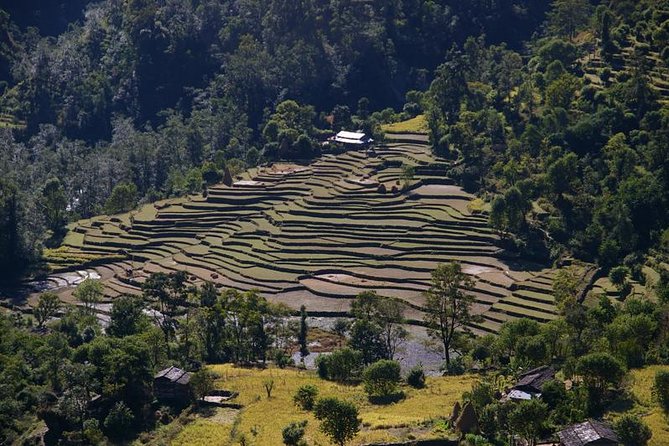
This is built as a true Nepal round tour, not just a trek with a quick add-on. You start in Kathmandu, then you shift to Pokhara, then you spend a full week in the Annapurna region, and after that you wrap up with more Kathmandu Valley sightseeing. The result is a rhythm that makes sense: culture first, then mountains, then a breather.
For you, the practical win is transition time. Trekking is physically demanding, so you want comfortable recovery blocks. This tour includes 3 star hotel accommodation in Kathmandu and Pokhara, plus guesthouse lodging during trekking days. That mix helps you sleep well enough to keep your legs moving.
Also, your trip can be customized. That matters when you have specific interests, like more spiritual site time, more time in a cultural city, or more buffer around your trekking schedule.
If you’re the type who gets itchy when every day is a sprint, this plan is a better match than the speed-run style itineraries. If you want the mountains but also want to understand why people care about these places, the structure gives you space to do both.
More Treks in Kathmandu
- Everest Base Camp Trek – 14 Days
★ 5.0 · 1,499 reviews - Everest Base Camp Trek
★ 5.0 · 842 reviews - Everest Base Camp Trekking
★ 5.0 · 485 reviews
Value and price: what you get for $1,227.78 (and what you handle yourself)
At $1,227.78 per person for about 14 days, you are paying for more than a bed and a route. The package includes private transportation, 3 star hotels in Kathmandu and Pokhara, mountain guesthouse stays during the trek, and guides for both the city portion and the hiking portion.
It also includes trekking permits and national park fees. That’s one of those costs that often gets added later with confusing paperwork. Here, it’s built in, and it saves time when you’re preparing to move.
On the food side, you get breakfasts plus lunch and dinner on trekking days. That is a big deal on an Annapurna trek week, because it reduces meal planning, and it keeps your energy steady without constantly budgeting in small increments.
Now the stuff you need to handle yourself. Trekking gear is not included, travel insurance is not included, and tips to the guide and driver are also not included. If you do not already own hiking shoes, a reliable daypack, layers, and rain protection, you should budget time and money to buy or rent them before you go.
Bottom line on value: this price makes sense if you want a guided, permit-covered trek with hotel comfort and meal support. If you are traveling on extreme DIY mode, you might find cheaper routes, but you’ll also take on more of the planning and risk.
Kathmandu Valley days: Pashupatinath, Boudha Stupa, Patan Durbar Square, and Bhaktapur
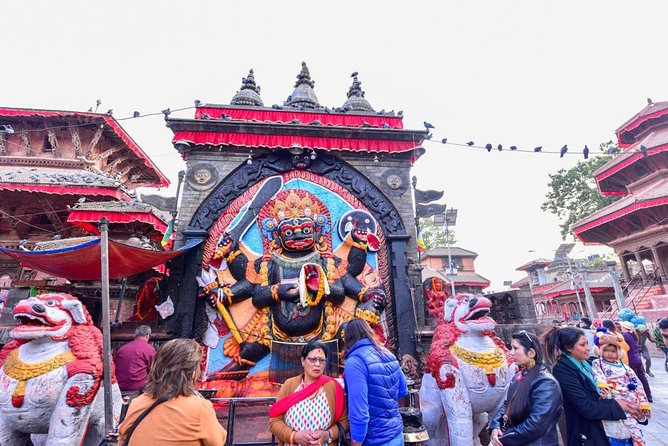
Kathmandu is where you get the Nepal that people write poems about, but you also get street life, religious routines, and a city that never fully shuts down. In this tour setup, your time focuses on major heritage and spiritual sites, with a city tour guide to help you make sense of what you are seeing.
A standout set of stops includes Pashupati and the crematory area nearby, plus Boudha Stupa. These are not tourist photo backdrops. They are active religious spaces, so the visit is best approached with patience and respectful behavior. If you go with an open mind, you’ll come away with a clearer sense of how faith shapes daily rhythms here.
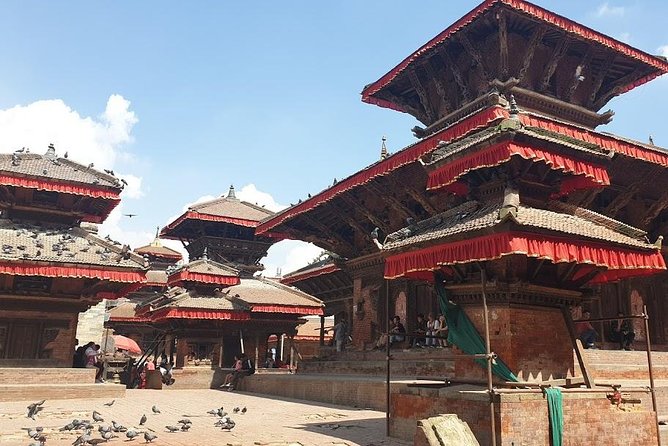
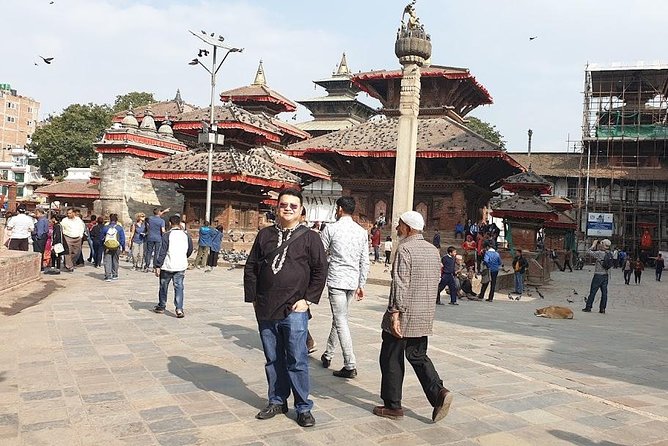
You’ll also spend time around Patan Durbar Square and Bhaktapur, which helps you compare different artistic and architectural styles without needing to guess. In practical terms, this is one of the best parts of the package for first-time visitors, because the guide helps you understand why these squares matter beyond their appearance.
One traveler also highlighted pottery and local people in the mix of the cultural experience. That kind of stop can be a good counterbalance to temples, because it shows you how heritage lives in crafts, not only monuments.
There is also a community volunteering element in the overall experience that some people found meaningful. The details are not spelled out here, so treat it as a possible add-on that may connect you with local humanitarian work while you are in the area.
If you like your travel days to have both meaning and logistics handled, Kathmandu Valley is where this tour performs.
Pokhara in the middle: your altitude buffer and your reset
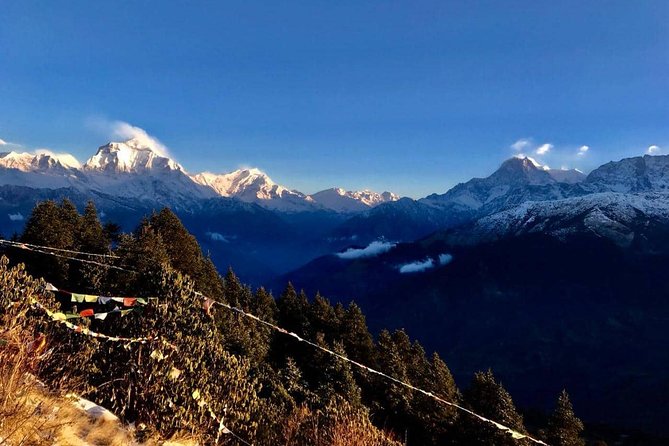
Pokhara is often described as a relaxing stop, but in this itinerary it’s more useful than that. It works as a stepping stone between Kathmandu and your trekking week in the Annapurnas.
The tour includes 3 star hotel accommodation in Pokhara, which gives you a proper base to rest and sort out your trek day routine. That matters because, after the Kathmandu heritage days, you’ll want sleep, good meals, and a chance to organize your layers.
You also save time with domestic flights between Kathmandu and Pokhara. That’s a practical advantage if you are trying to protect your energy. Long road travel can eat your day and can make the trek start feel rushed.
Once you arrive, you’ll likely have time for sightseeing in Pokhara as part of the overall itinerary. Think of this as a softer day where you can adjust your pace and confirm your trek plans with your trekking guide.
One thing to know, Pokhara days can feel more casual, so it’s smart to keep your essentials close at all times. You do not want to be scrambling for your rain gear or water bottle when trekking morning arrives.
Another way to spend the time in Nepal:
- Private Kathmandu Sightseeing Tour | UNESCO World Heritage sites
★ 5.0 · 756 reviews - Kathmandu: 7 UNESCO Sites with Lunch
★ 4.8 · 744 reviews - Everest Base Camp Helicopter Tour landing at Everest View Hotel
★ 5.0 · 668 reviews - Half day cooking class in Thamel kathmandu
★ 5.0 · 607 reviews
The Annapurna trek week: guesthouses, village life, and Khopra Danda area views
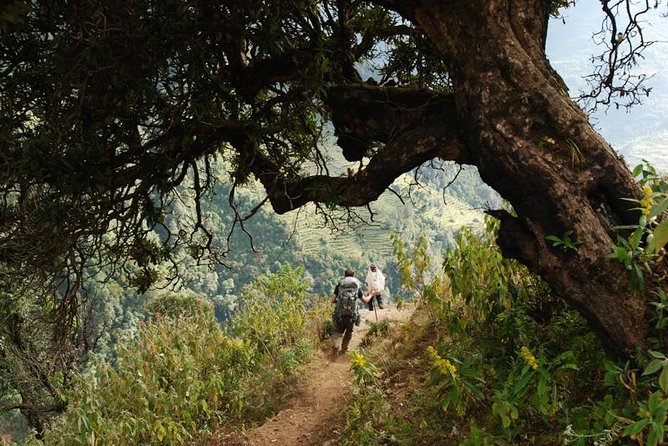
Seven days trekking in the Annapurnas is the core of this trip. This is where the tour earns its name, and where the experience becomes less about checklists and more about your own rhythm: walking, resting, looking up, repeating.
You stay in mountain guesthouses during trekking days. That’s a realistic setup for the Himalaya compared to luxury lodges. It also keeps the experience grounded. You’ll see how people host hikers and how meals work at altitude, even though the exact comfort level can vary by location and season.
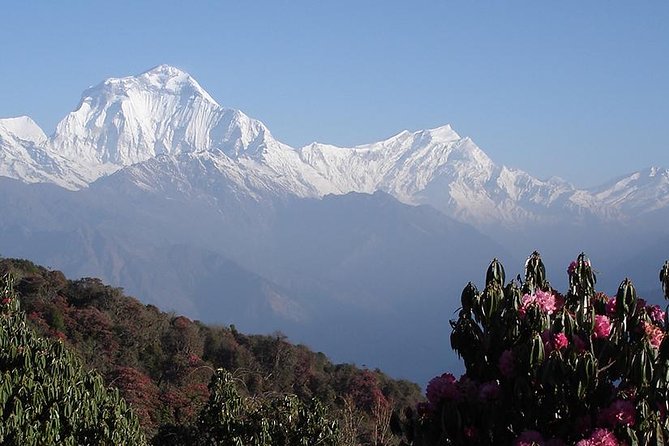
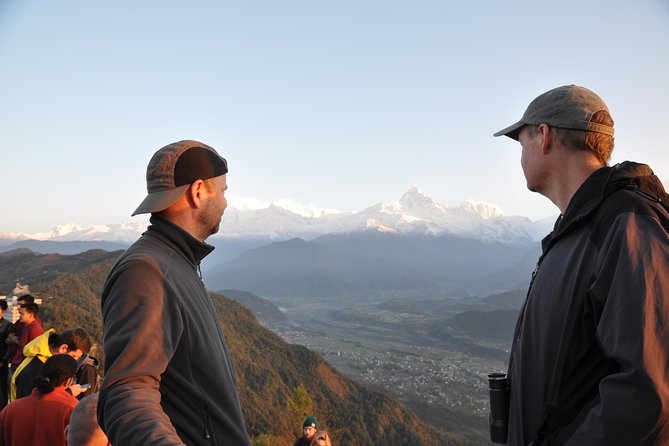
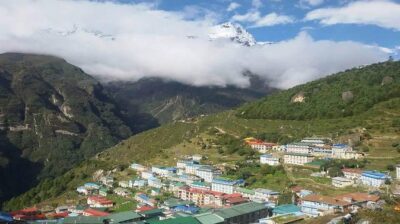
The itinerary is described as a walk around a world-class Himalayan summit area, and one review specifically mentioned trekking to the Khopra Danda area. That detail matters for your expectations. Khopra Danda is known for its viewpoint potential, which is why it shows up in so many Annapurna trekking stories.
Also, your trek includes breakfast and dinner plus lunch during trekking days. That’s a helpful structure for you, because it removes a lot of uncertainty. On a multi-day trek, consistent meals mean you can plan energy instead of constantly guessing.
Village life is part of what you should look for. Quiet communities and everyday routines are often what make the trek memorable, not just the big views. If you pay attention, you’ll notice how trail life works, where you pause, what people trade and share, and how guides keep the flow moving.
Potential drawback: you need moderate physical fitness. This is not marketed as a laid-back stroll, and altitude plus daily hiking time can test you even if you are generally active. Train before you go, and plan your pace so you finish strong rather than fast.
Guides and planning support: Shiva, plus a city guide and trekking guide
A trip like this lives or dies on human support. The package includes a city tour guide and a trekking guide, and your planning support includes Shiva, who was specifically praised for arranging transport to Pokhara, accommodation, and the trekking team setup.
That kind of continuity matters. When your guide already knows how your day should run, you spend less time sorting out logistics and more time seeing what you came for. It also helps when questions pop up, like how to pace yourself or how to handle a weather shift.
You should also expect friendly, helpful staff support. Reviews referenced trekking guide support and overall friendliness from the team, which is exactly what you want when you are tired from hiking.
One more practical benefit: the tour includes private transportation. That means you are less likely to get separated during transitions between Kathmandu, hotels, and flight days. In a country where traffic and schedules can be unpredictable, private transfers reduce the chance of stress.
What to pack and how to get ready for moderate fitness
This tour asks for moderate physical fitness. That is not vague marketing language, it’s your key constraint. If you can walk for sustained periods, climb stairs, and handle some uphill hiking with breaks, you’ll likely be fine.
Trekking gear is not included, so pack like you are responsible for your comfort. At minimum, plan for layers, rain protection, sturdy footwear, and a daypack you can access quickly. If you’re unsure what gear matters most, you can ask your tour team during confirmation. The confirmation is received at booking time, so you should have time to check before travel.
Also, think about daily stamina. A week of trekking days means you will feel it in your legs even if you’re not going for a personal best. Bring a plan for simple self-care: water management, foot care, and rest when you can.
If you tend to run cold at altitude, plan your layers accordingly. If you run hot, you still want breathable options that you can regulate during climbs. Your comfort directly impacts how much you enjoy the views.
Weather, permits, and pace: the stuff that can make or break your dates
The experience requires good weather. That doesn’t mean you never go if clouds appear, it means your trek timing depends on conditions. The good part is the tour includes contingency behavior: if it is canceled due to poor weather, you are offered a different date or a full refund.
Permits and national park fees are included, so you do not have to chase paperwork during a stressful planning window. Still, remember that trekking in Nepal is not just about walking. It’s about following rules, carrying what you need, and letting your guide handle the permit details tied to your route.
Pace is another invisible variable. On Annapurna routes, you need to manage your effort so you can enjoy the pauses and viewpoint moments. This is where a trekking guide helps you avoid the classic mistake of going out too hard early and paying for it later.
Finally, keep your schedule realistic. This tour is 14 days for a reason, with a dedicated trek week plus Kathmandu and Pokhara days. If you add extra activities on top without buffer, you’ll feel it.
Should you book this Annapurna round tour?
I think you should book if you want a well-managed mix of Nepal culture and a real Annapurna trekking week, without having to coordinate permits, guides, or guesthouse logistics yourself. The included trekking permits and national park fees, plus the guide support and trek meal coverage, are the kind of value that helps you stay present instead of busy.
You should be cautious if you already have your own trekking gear and you prefer to travel completely DIY, because this package pays for convenience. Also, if you can’t commit to moderate fitness, the trek days will likely feel harder than you want.
If you are planning a sabbatical or gap-year style break, this itinerary has that slow, meaningful energy people often look for: spiritual and heritage stops in Kathmandu Valley, a Pokhara reset, then seven days walking through the Annapurna region with mountain guesthouses and included meals. It’s not just a checklist tour, it’s a route that tries to make room for both the mountains and the meaning.
FAQ
Is this a private tour, and how many people are in the group?
Yes. This is described as a private tour, with a maximum of 15 travelers.
What fitness level do I need for the Annapurna trek?
The tour suggests you should have a moderate physical fitness level.
How long is the trekking portion in the Annapurnas?
You’ll spend seven days trekking in the Annapurna region.
Are trekking permits and national park fees included?
Yes. Trekking permits and national park fees are included.
Where will I stay during the trip?
You’ll stay in 3 star hotels in Kathmandu and in Pokhara. During the trekking days, you’ll use mountain guesthouse accommodation.
What meals are included during trekking days?
Breakfast is included, and lunch and dinner are included during trekking days.
What is not included in the package?
Trekking gears, travel insurance, and tips to the guide and driver are not included.
What is the cancellation policy, especially if weather affects the trip?
Cancellation is free. You can cancel up to 24 hours in advance for a full refund, and if the trip is canceled due to poor weather you’ll be offered a different date or a full refund.
Latest additions near Kathmandu
- White Water River Rafting – 1 Day★ 4.3 · 3 reviews
- Traditional Momo Making Class★ 5.0 · 10 reviews
- Kathmandu to Pokhara Premium sofa bus ticket★ 4.0 · 17 reviews
- Ghorepani Poon Hill Trek★ 5.0 · 16 reviews
- Amazing 1 Day Trekking Experience in Kathmandu Nepal★ 5.0 · 24 reviews
- Ghorepani Poonhill Trek★ 5.0 · 5 reviews
- Walking tour of real Kathmandu through back streets.★ 5.0 · 3 reviews
- Wildlife Adventure in Chitwan Nepal★ 4.0 · 4 reviews
Treks in Kathmandu, compared.
Nagarkot Sunrise View and Day Hiking from Kathmandu
Read our review →