
Reviewed · EVEREST BASE CAMP TREKS
Mt. Everest Base Camp Trek Nepal – 16 Days
Everest Base Camp feels close, fast. This 16-day private trek pairs Lukla flights with Sherpa villages and big mountain monasteries.
I like that the plan is all-inclusive on the trek: guide, porter, permits, and full-board meals keep your brain free for altitude and views.
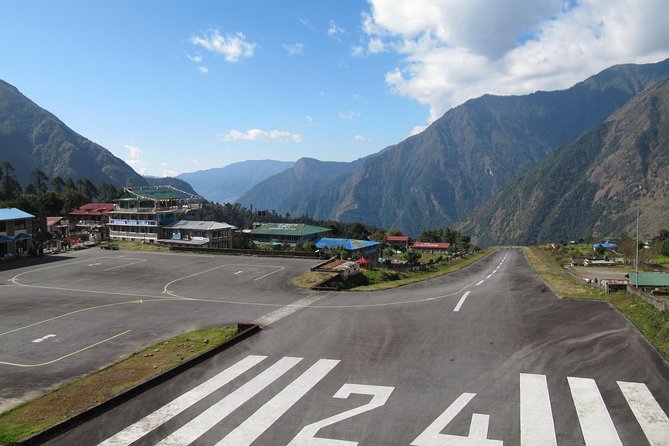
One thing to plan around is the big wildcard, Lukla weather delays, since flights can shift or cancel, and that can affect your schedule.
This route also builds in the two most important tools for this hike: steady acclimatization and a clear day-by-day rhythm. I especially like the way it includes a dedicated Namche rest day and another in the Dingboche area.
You also get a practical gear package for the cold, with a sleeping bag, down jacket, duffel bag, and trekking poles included.
The main drawback is logistical stress if your Lukla flight does not cooperate. The operator may try another similar airline, but in some cases you might face extra cost for helicopter transfer if time gets tight.
In This Review
- Key points that make this trek worth considering
- Kathmandu Day One: pickup, briefing, and a cultural welcome dinner
- Lukla Flight Day Two: what that short hop really changes
- Phakding to Namche Bazaar: bridges, Sagarmatha National Park, and controlled effort
- Namche Bazaar acclimatization and the Everest View Hotel option
- Tengboche: forests, rhododendron colors, and the monastery stop
- Dingboche and Chukung: rest day planning for thin air
- Lobuche to Gorakshep: memorial stones and the final staging area
- Everest Base Camp day plus Kala Patthar: the payoff zone
- The descent from Tengboche to Namche and back to Lukla
- Kathmandu finishing days: when flights change, you stay flexible
- Price and logistics: is 1,900 USD good value here?
- The big “gotcha” is the Lukla flight risk
- Who should book this Everest Base Camp trek
- Should you book this Everest Base Camp package?
- FAQ
- What is included in the trek package?
- Are meals included on the trek?
- Do I need travel insurance for this trek?
- What happens if the Lukla flight is delayed or canceled?
- How early does the trek day start?
- Is this trek private or shared?
- Can I cancel for a refund?
Key points that make this trek worth considering
- Private trek setup for only your group, with guide and Sherpa porter support built in
- Gear included: sleeping bag, duffel bag, down jacket, and trekking poles (you still need your own layers too)
- Full-board meals on trek plus city breakfast, so you are not constantly hunting food options
- Acclimatization stops in Namche Bazaar and the Dingboche area to help your body adjust
- Everest views from key points like Gorakshep, Everest Base Camp, and Kala Patthar
- Built-in cultural time in Kathmandu, plus a welcome and farewell dinner
Kathmandu Day One: pickup, briefing, and a cultural welcome dinner
Day one starts in Kathmandu with airport pickup. Once you land at Tribhuvan International Airport, the agent meets you by name and takes you to your hotel. Then you get a proper briefing about the trek program in the hotel lobby so you know what comes next, and you are not trying to piece things together later.
That first evening is built for jet lag recovery and orientation. You will have a welcome dinner at a typical Nepalese restaurant, and it includes cultural programs. It is a nice way to get your bearings, learn what to expect from your team, and meet the vibe of Nepal without rushing straight into the mountains.
You should also treat Kathmandu as your gear checkpoint. The trek needs proper trekking gear, and the sooner you verify what you have, what you are missing, and what you can borrow or buy nearby, the less hassle you will face once you are committed to the route.
More Treks in Kathmandu
- Everest Base Camp Trek – 14 Days
★ 5.0 · 1,499 reviews - Everest Base Camp Trek
★ 5.0 · 842 reviews - Everest Base Camp Trekking
★ 5.0 · 485 reviews
Lukla Flight Day Two: what that short hop really changes
The trekking begins after a quick transfer to the domestic airport for the flight to Lukla. The flight is about 35 minutes and is often described as scenic for a reason, because you land at a gateway altitude of roughly 2,800 m (9,186 ft).
This is where your trek stops being a normal hike and becomes a high-altitude commitment. Even before you walk much, you feel the altitude more than you would at lower elevations. On arrival, your luggage is loaded and your porters (called droghers in the itinerary description) handle transport arrangements on the walking days.
Then you hike toward Phakding. The first day on the trail follows a classic Khumbu rhythm. You walk alongside river views and pass Sherpa farm areas. You also start seeing the big names of the region in the distance, like Number Himal and Mt. Phari, which helps you understand why Everest Base Camp draws people in again and again.
Phakding to Namche Bazaar: bridges, Sagarmatha National Park, and controlled effort
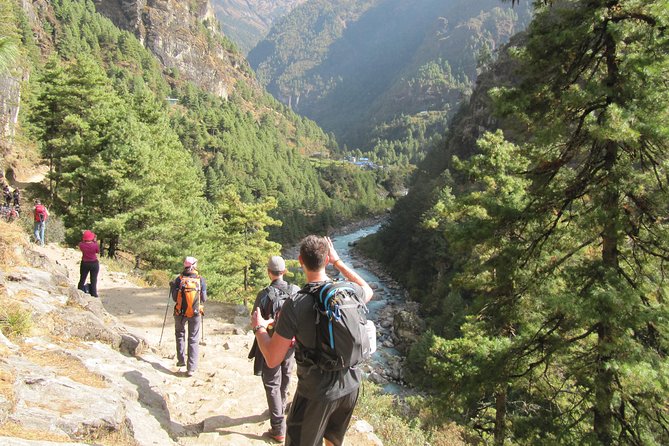
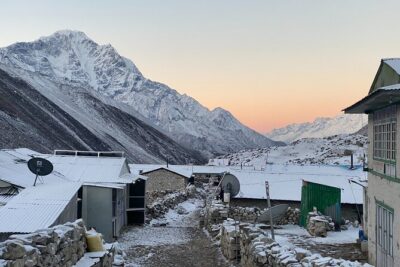
On the route into Namche Bazaar, you cross the Dudh Koshi suspension bridge, and the trail includes short uphill sections that keep your legs working without turning the day into a marathon. You also keep getting mountain views, including Mt. Thamserku from areas near Benkar Village.
This is also where the national park story becomes real. When you reach Monjo, you enter the Sagarmatha National Park area and your trekking permit is checked. That little checkpoint matters because it is part of how the region manages trekking routes and permits.
From there, you continue through Jorsalle and head onward to Namche Bazaar. The walking time described for these sections is moderate, but the altitude will still make it feel serious. Your best move is simple: pace yourself, keep breaths steady, and treat every uphill as a slow tax, not a sprint.
Namche Bazaar acclimatization and the Everest View Hotel option
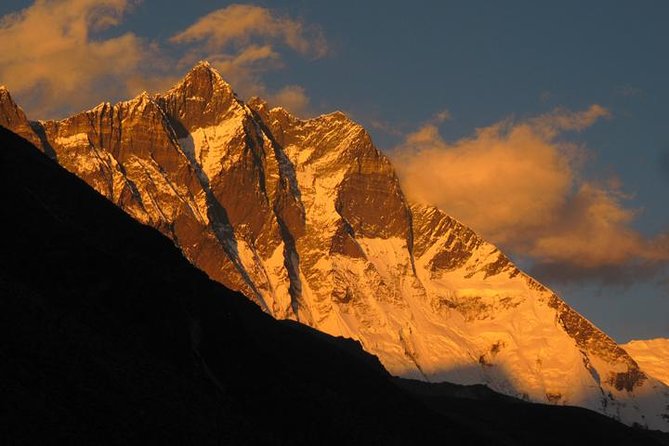
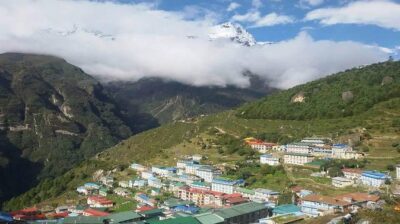
Day four is a full acclimatization day in Namche Bazaar. This is one of the most valuable parts of the whole itinerary. You rest your body, let it adapt, and still get to move in a controlled way so you do not feel like you are losing the trip.
If it lines up with a Saturday, you can stroll around the bazaar area and see daily shopping life. You may also visit a Sherpa Museum, which is a practical add-on because it gives context to what you see later on the trail: Sherpa culture, the history around mountaineering, and how people live with the mountains nearby.
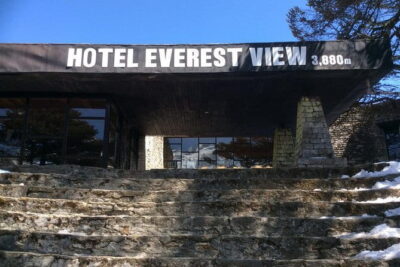
There is also a higher-view option described in the plan. You can visit up toward the Everest View Hotel and Syangboche airstrip before returning to your lodge. Even if you do not go up to the hotel, the day still serves the real purpose: acclimatization.
It also gives you time to regroup mentally. When the trek is longer than most people expect, this kind of breathing room can be the difference between enjoying the mountains and feeling worn down.
More Everest Base Camp treks:
- Everest Base Camp Helicopter Tour landing at Everest View Hotel
★ 5.0 · 668 reviews - Everest Base Camp Trekking – 13 Day
★ 5.0 · 365 reviews - Everest Base Camp Trek
★ 5.0 · 350 reviews - Everest Base Camp Trek -14 Days
★ 5.0 · 321 reviews
Tengboche: forests, rhododendron colors, and the monastery stop
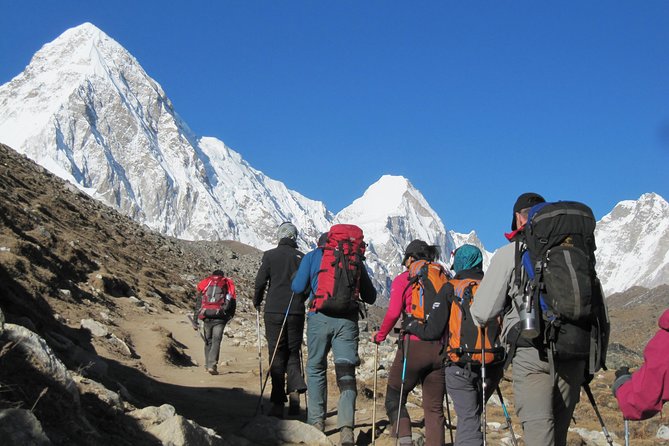
After Namche, the trek moves toward Tengboche. Day five starts with an easy walking feel, and the route brings you past broad views of Everest, Nuptse, Lhotse, Ama Dablam, Thamserku, and Kwangde.
The trail includes a descent and then an uphill push through forests. The itinerary describes silver fir, blue pine, rhododendron, magnolia, and birch trees. In this zone, the scenery is not just about peaks. You also get the feel of the Khumbu ecosystem, and walking beneath trees makes long days less monotonous.
You reach Tengboche after roughly 4 to 5 hours of trekking time, and it is known in the itinerary for the big monastery or Gumba. This is your cultural anchor day. You get the chance to experience a religious site surrounded by tea houses and views of major peaks, including a framed look at the grandeur of the Khumbu.
A practical consideration: monasteries can be quiet places, so keep your voice low and respect the environment. Also remember that cool air moves differently at higher elevations, so bring layers even on days that feel easy.
Dingboche and Chukung: rest day planning for thin air
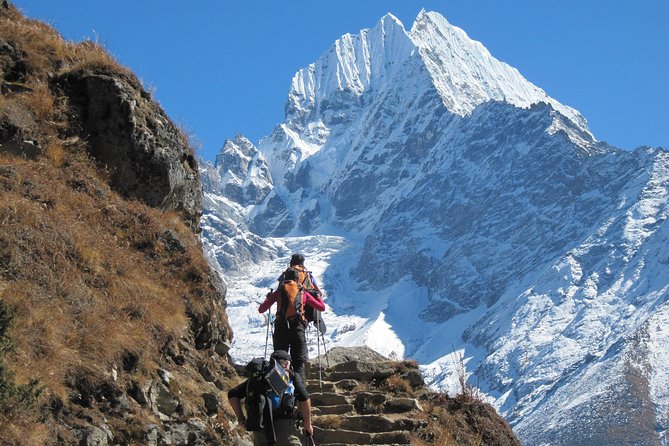
Day six is the walk into Dingboche. The route passes Deboche and then Pangboche, and the itinerary includes details like mani walls, which are long lines of prayer stones where people stop, read, and move on. It is a small detail, but it helps you understand the culture you are walking through, not just the peaks above you.
The Dingboche area is where altitude starts to be a serious factor. You get treated to views of Amadablam, Nuptse, and Lhotse, plus a glimpse of the eastern snow-capped peaks. The air is thinner here, so your pace needs to slow down.
Day seven is another rest day in Dingboche. You can take a full rest, or do a shorter outing toward Chukung at about 4,730 m. The itinerary describes this as a gradual trek, around 3 to 4 hours from Dingboche. The idea is to go high enough to help acclimatization, but not so high that you drain yourself.
Chukung is also described as a place with teahouses and striking summit and glacier views, including Lhotse, Ama Dablam, and Imja Glacier. Then you return to Dingboche for the evening.
This is the section where you learn the most important trick for big treks: you do not conquer altitude by pushing harder. You conquer it by using rest days correctly.
Lobuche to Gorakshep: memorial stones and the final staging area
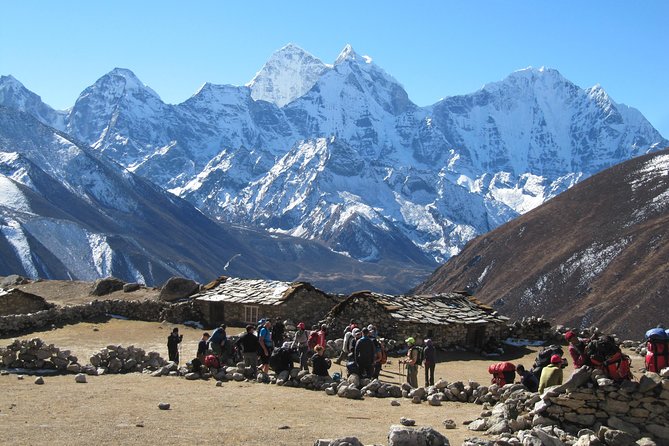
As you go north, the trail shifts toward harder, more exposed trekking conditions. Day eight heads to Lobuche, with a route described as gradual for about an hour. You pass a mani-prayer stupa and continue toward viewpoints that include Mt. Pumori and western summits.
The itinerary calls out Thukla, where you get an hour of sheer up. From there, you can see Mt. Pumori and memorials for climbers who lost their lives during expeditions. That stop is heavy emotionally, but it is also part of the reality of Everest. You are not just chasing a photo. You are walking through a place where people have risked everything.
Day nine brings you to Gorakshep for the overnight. The itinerary mentions early dawn walking on a windy and rocky path. From Gorakshep, you have big views including Pumori, Nuptse, and the Everest Base Camp area, plus Kalapathar in the distance. You also continue toward Everest Base Camp and the Khumbu icefall after checking in.
This is also where the walking time can feel longer than it sounds on paper because the air is thinner and the terrain is rough. Your guide and Sherpa leader help by keeping you on the right line, and by pacing you through the toughest sections.
Everest Base Camp day plus Kala Patthar: the payoff zone
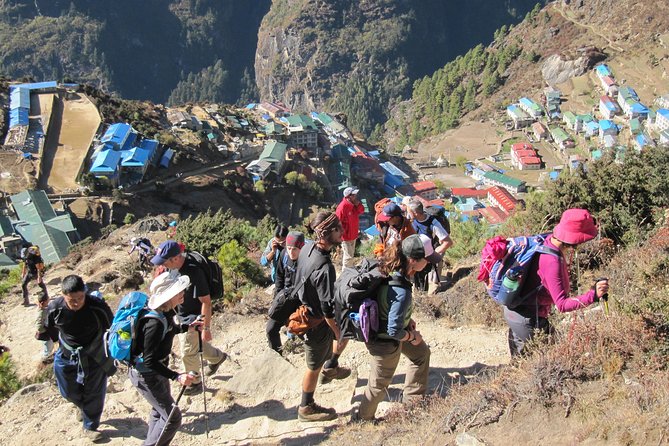
Day ten focuses on Kala Patthar. You start early and hike about 2 hours to reach it at your pace. When you get to the top, the itinerary describes that moment as the one you came for. The views are described as intense and worth the effort, including Everest Base Camp below and the Khumbu Glacier nearby.
This is also the kind of spot where timing matters. Start early so you have the best chance of clearer visibility. Bring gloves and good lip protection, because cold wind can bite even when the sun is up.
After the Kala Patthar moment, you walk back to Gorakshep for the night.
On day nine, you also have the Everest Base Camp approach described, with a push from Gorakshep toward Base Camp and the Khumbu icefall area. Even if you do not get the same photo angles as other groups, you still experience the base camp reality: ice, movement, and the scale of the mountain system.
The descent from Tengboche to Namche and back to Lukla
The return trip is easier in altitude terms but not always in energy. Day eleven includes the move down toward Tyangboche after reaching Pangboche. The itinerary frames Tyangboche as one of the most beautiful places in the Himalayas, with a big Gumba or monastery, fields, and tea houses below views of Amadablam, Everest, and surrounding peaks.
Day twelve continues your descent to Namche Bazaar. The route passes forests again, with silver fir, blue pine, rhododendron, and magnolia and birch trees. You cross the suspension bridge over the Dudh Koshi, hike to Sasana, and then return to Namche for the night.
Day thirteen is the long return toward Lukla. You descend, cross bridges, and pass through Phakding for lunch. The plan estimates 7 to 8 hours of trekking time before arriving in Lukla. You then have time to stroll locally, and your escorts re-confirm your air ticket.
That last supper with the crew is a nice touch. When you finish a trek like this, you realize how much logistics you were outsourcing to your team, from meals to luggage handling to permit checks. Taking a moment to thank the guide and porter team is worth it.
Kathmandu finishing days: when flights change, you stay flexible
Day fourteen returns you to Kathmandu by flight, normally scheduled in the morning due to afternoon wind issues. The plan is honest about flight timing shifts due to wind and weather.
If your return flight is delayed or rerouted, day fifteen adds a buffer. It includes a day plan that helps you avoid missing your international flight. If you already flew back, you can use the day for sightseeing and shopping in Thamel, then finish with a farewell dinner and an overnight.
Day sixteen is your final flexible day. It is for last-minute souvenirs and then transfer to Tribhuvan International Airport if you are departing.
Price and logistics: is 1,900 USD good value here?
At $1,900 per person for a 16-day trek, the value comes from what is included rather than what is excluded. This package includes Kathmandu to Lukla and return flights, 3 nights twin sharing in Kathmandu, and 12 nights in teahouses. It also includes permits and fees, a guide and Sherpa porter, and full-board meals on the trek.
On top of that, you get practical cold-weather gear: a sleeping bag, duffel bag, down jacket, and trekking poles. That gear can reduce what you need to buy or rent locally, which matters because Everest gear is not cheap.
What you should budget separately is mostly personal comfort and unpredictability. The itinerary lists personal expenses like hot shower, hot water, laundry, bar and beverage, Wi-Fi, and extra porter if needed. Also, travel insurance is not included, and emergency evacuation insurance is a serious must for a trek like this.
Also plan your gratuities. Gratuities for guide and Sherpa are recommended. Even if you keep it modest, set aside some cash in advance so you can handle it smoothly.
The big “gotcha” is the Lukla flight risk
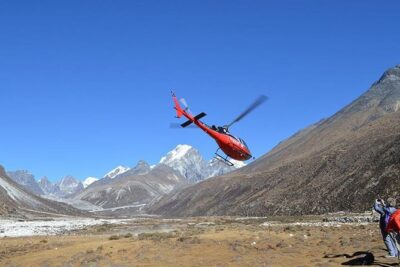
The plan explains that Lukla flights can delay or cancel due to weather or technical issues. The operator tries another similar airline if possible. If a transfer becomes complicated, helicopter lifting may be required at additional cost, roughly $500 to $600 per person sharing, or about $2,500 total if you do not share, each way.
That is why the itinerary recommends keeping a few extra days. If your schedule is tight, this is the part that can sting.
Who should book this Everest Base Camp trek
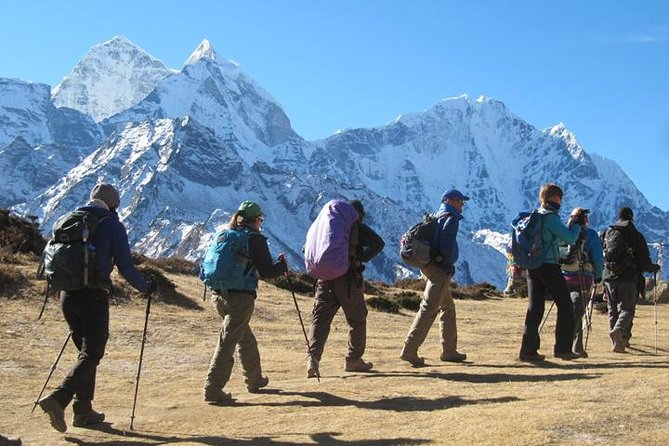
This trek suits you if you want a structured experience with a guide and porter handling the human logistics. If you are comfortable with moderate physical fitness and willing to walk daily in altitude, the itinerary pacing fits the classic Everest rhythm: gradual progress, then rest days where your body can adjust.
It is also a strong fit if you prefer less decision fatigue. Many treks are a mix of planning, negotiating, and figuring out permits. Here, the permits, fees, flights, meals, and core trek gear are already tied together.
Should you book this Everest Base Camp package?
I would book it if you want an organized, private-feeling Everest Base Camp trek that covers the essentials and still leaves room for cultural stops and acclimatization days. The included gear is a real advantage, and the full-board meal setup means you can focus on walking, hydration, and rest.
I would think twice if your travel days are extremely fixed or if you cannot handle the possibility of Lukla flight changes. Even the best planning in Nepal can get bumped by weather, so your flexibility matters as much as your fitness.
FAQ
What is included in the trek package?
The package includes Kathmandu and trek accommodation (3 nights twin sharing in Kathmandu and 12 nights in teahouses), a trekking guide and Sherpa porter, permits and fees, flights from Kathmandu to Lukla and return, meals on full board during the trek plus breakfast in the city, and gear including a sleeping bag, duffel bag, down jacket, and trekking poles.
Are meals included on the trek?
Yes. Meals are included on a full-board basis during the trek, plus breakfast in Kathmandu. Kathmandu lunch and dinner are not included except for the welcome and farewell dinners.
Do I need travel insurance for this trek?
Travel insurance is not included. The tour notes that travel insurance including emergency evacuation is not provided, so you should arrange it yourself.
What happens if the Lukla flight is delayed or canceled?
The plan says the flight may delay or cancel due to weather or technical problems. The operator will try to shift to another similar airline if seats are available. If helicopter transfer is required, it would be an additional cost you pay yourself, with approximate pricing given.
How early does the trek day start?
The start time is listed as 5:00 am.
Is this trek private or shared?
This is described as a private tour or activity, so only your group will participate.
Can I cancel for a refund?
Yes, free cancellation is offered. You must cancel at least 24 hours before the experience’s start time for a full refund. If you cancel less than 24 hours before, the amount paid is not refunded.
Latest additions near Kathmandu
- White Water River Rafting – 1 Day★ 4.3 · 3 reviews
- Traditional Momo Making Class★ 5.0 · 10 reviews
- Kathmandu to Pokhara Premium sofa bus ticket★ 4.0 · 17 reviews
- Ghorepani Poon Hill Trek★ 5.0 · 16 reviews
- Amazing 1 Day Trekking Experience in Kathmandu Nepal★ 5.0 · 24 reviews
- Ghorepani Poonhill Trek★ 5.0 · 5 reviews
- Wildlife Adventure in Chitwan Nepal★ 4.0 · 4 reviews
- Walking tour of real Kathmandu through back streets.★ 5.0 · 3 reviews
Everest Base Camp Treks, compared.
Everest Base Camp Helicopter Tour landing at Everest View Hotel
Read our review →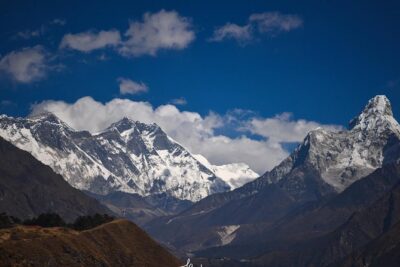
Everest Base Camp Helicopter Tour landing at Hotel Everest View
Read our review →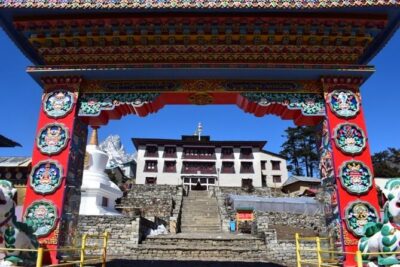
Browse the lists this tour appears in