Reviewed · TREKS IN KATHMANDU
Mohare Danda Trek
Tucked away in Nepal’s Annapurna foothills, this trek is an easy way to see a lot. You get a mix of eco-community lodge nights, quiet village trails, and wide Annapurna and Dhaulagiri views around Mohare Danda and Poon Hill. The route also focuses on sustainable tourism and local community projects, so your hike directly helps the places you pass through.
Two things I really like here are the structure of the trip, with smooth transfers plus lodge-based trekking days, and the way the itinerary builds to standout viewpoints instead of throwing you into a random grind. One consideration: you are still hiking most days for 5 to 7 hours, and some of it is an early-start sunrise routine.
In This Review
- Key highlights you’ll remember
- A Sustainable Annapurna Foothills Trek With Eco-Community Lodges
- Kathmandu Temple Circuit, Gardens, and Thamel Time
- Pokhara Transfer: Why Your Lakeside Base Is More Than a View
- Kali Gandaki to Bans Kharka: Your First Real Trek Day
- Naangi and an Organic Farm School Stop
- Mohare Danda: Sunset Views From 3300m
- Ghorepani: Sunrise Morning and Then More Trail Work
- Poon Hill Sunrise to Ghandruk: Classic Views, Village Living
- The Last Trek Day: Nayapul, Pokhara, and a Calmer Finish
- Kathmandu Valley Add-Ons: Bhaktapur, Patan, and a Pottery Workshop
- Price and Logistics: Where Your $1,375.33 Actually Goes
- The Human Part: Guide and Porter Support Makes or Breaks It
- What to Pack and How to Handle the Trek Rhythm
- Who This Trek Suits Best
- Should You Book Mohare Danda Trek?
- FAQ
- What is the duration of the Mohare Danda Trek?
- Where does the trip start?
- Are pickups and transportation included?
- How large is the group?
- What kind of guide support do I get?
- Are permits included?
- Is porter service included?
- What kind of accommodation is provided during the trek?
- Are meals included?
- Are heritage site entrance fees included?
Key highlights you’ll remember
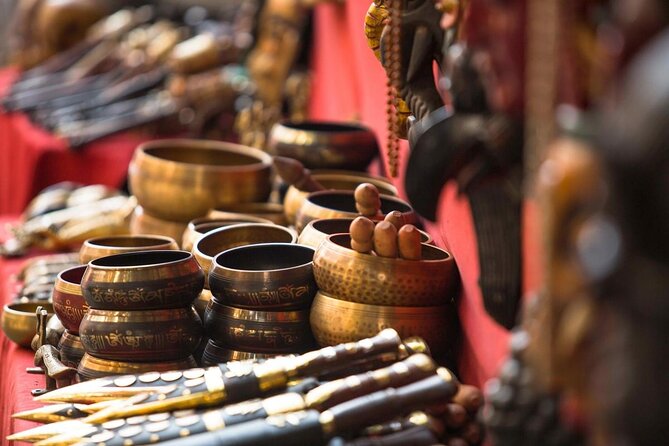
- Eco-community lodge style stays on full board during the trek, so you’re not hunting for meals or scrambling for logistics
- Mohare Danda at 3300m gives a close view of the Annapurna and Dhaulagiri ranges, plus a sunset payoff
- Kali Gandaki corridor early on includes crossings like a suspension bridge over the Kali Gandaki River
- Poon Hill sunrise (3210m) is built into the plan, then you continue on to village life
- Small group size (max 12) helps your guide manage the pace and timing better
- Porter support is included (2 trekkers share 1 porter), which matters when you’re carrying less every day
A Sustainable Annapurna Foothills Trek With Eco-Community Lodges
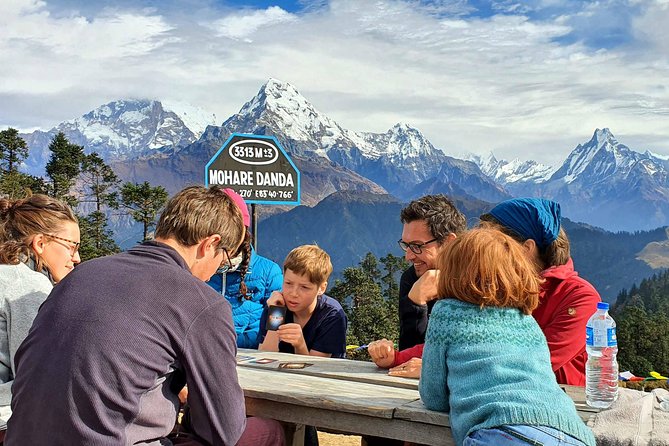
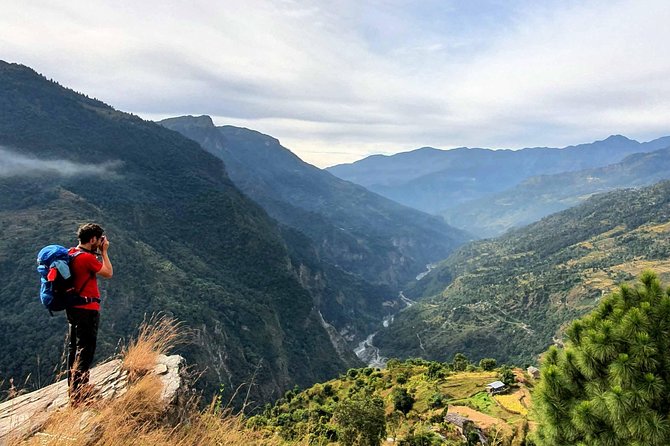
Mohare Danda is pitched as an off-the-main-path trek in the Annapurna foothills, and the eco-community lodge approach is the heart of it. Instead of staying in standard tea house setups only, you spend five nights in eco-community lodges on a full board basis. That matters in real life. Full board means you usually arrive, settle, eat, and repeat, with less decision-making and fewer “what now?” moments.
The trek’s also designed with sustainable ecotourism in mind. The program is meant to support local community projects tied to the lodges and village areas you pass through. If you care about travel that leaves more benefit than just photos, this kind of route tends to fit better than pure sightseeing-only itineraries.
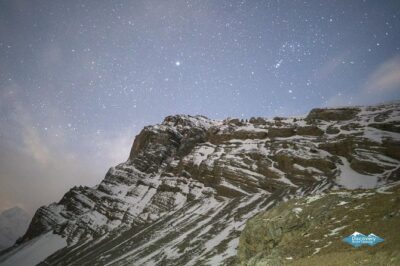
You also get the geography payoff. From Mohare hill station at around 3300m, the plan promises close views of the Annapurna and Dhaulagiri ranges. Then later, the trek connects into the classic sunrise zone at Poon Hill (3210m). You’re not only chasing peaks, you’re doing it on a route that keeps you walking through forests like oak, rhododendron, bamboo, and pine.
More Treks in Kathmandu
- Everest Base Camp Trek – 14 Days
★ 5.0 · 1,499 reviews - Everest Base Camp Trek
★ 5.0 · 842 reviews - Everest Base Camp Trekking
★ 5.0 · 485 reviews
Kathmandu Temple Circuit, Gardens, and Thamel Time
Most Nepal treks start with jet lag, so it helps that Day 1 and Day 2 are a gentle, guided warm-up. Day 1 brings you from Tribhuvan Airport into Kathmandu with stops that set your bearings fast: Pashupatinath Temple, the Royal Palace Museum (Narayanhity), and the Garden of Dreams before heading to Thamel. You should expect a day that feels like orientation plus browsing.
Day 2 is a strong culture sampler. You visit Swayambhunath (the Monkey Temple), which is famous for that blend of Buddhist and Hindu traditions in one place, plus big city and mountain views from the hill. Then you go to Boudhanath Stupa, described as an architectural marvel and an important Buddhist pilgrimage site dating back to around 600 A.D. Finally, you reach Pashupatinath again, this time with time to explore the temple grounds and even watch cremation ceremonies on the Bagmati River banks if the timing lines up.
Practical note: temple days mean walking and standing. Don’t assume it’s “light.” Still, it’s a good way to manage your first day without committing to a long hiking day before you head out of town.
Pokhara Transfer: Why Your Lakeside Base Is More Than a View
Day 3 is a drive from Kathmandu to Pokhara. The itinerary positions Pokhara as a clean, scenic valley where you can get mountain reflections at Fewa Lake and close views of peaks in the surrounding area. Even if cloud cover decides your photo results, Pokhara is still useful as a staging point: you break up the long travel day, and you’re closer to the trailhead area when you start trekking.
Day 9 and Day 10 also use Pokhara as a buffer, which is a smarter move than rushing straight from trekking into another long-distance leg. You descend to Nayapul, reach Pokhara, and transfer to your hotel. That keeps your “last day” calmer instead of turning it into another full travel marathon.
Kali Gandaki to Bans Kharka: Your First Real Trek Day
Your trekking starts on Day 4 with a transfer to Galeshwor along the Kali Gandaki River, then a walk to Bans Kharka. The day combines a drive plus a hike, and it’s designed to introduce you to the rhythm: mostly ascending, forest walking, and one big landmark, the suspension bridge over the Kali Gandaki River.
This is a good day to watch your pace. The route goes through lush forest and then a decent hike to reach Bans Kharka. That phrase is important, because it suggests you should plan for steady effort, not just a casual stroll.
Also, start thinking about altitude strategy. The trek climbs gradually, and Day 6 onward is where the viewpoint stakes feel higher. On these early days, your job is to arrive with energy for later sunrise mornings.
Another way to spend the time in Nepal:
- Private Kathmandu Sightseeing Tour | UNESCO World Heritage sites
★ 5.0 · 756 reviews - Kathmandu: 7 UNESCO Sites with Lunch
★ 4.8 · 744 reviews - Everest Base Camp Helicopter Tour landing at Everest View Hotel
★ 5.0 · 668 reviews - Half day cooking class in Thamel kathmandu
★ 5.0 · 607 reviews
Naangi and an Organic Farm School Stop
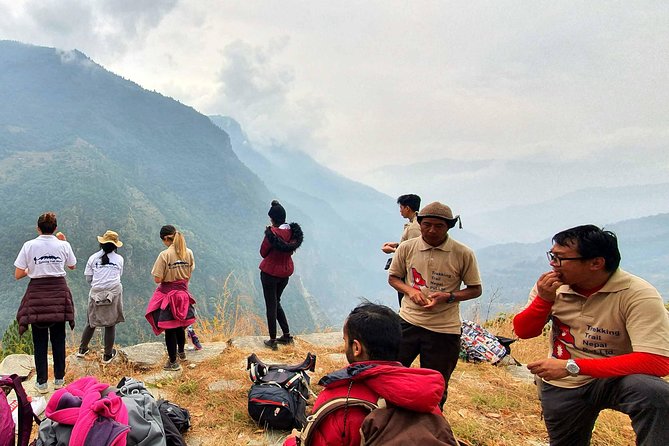
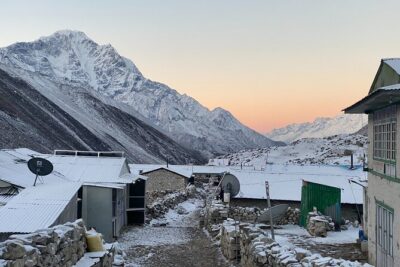
Day 5 takes you from Bans Kharka to Naangi, about 6 hours on the trail. This part of the hike is framed as village walking with mountain views and impressive landscapes. The itinerary also includes visits to an organic farm school and a Magar settlement.
This is one of the “meaningful stops” on the trek. If you’re the type who likes to understand what you’re seeing, these are quick windows into local daily life and agriculture. It’s also a nice break from only focusing on elevation and distance.
The drawback is time and momentum. It’s still a hiking day, so you’ll want to keep your breaks short and snack consistently. Bring a simple routine: water, quick bite, then walk.
Mohare Danda: Sunset Views From 3300m
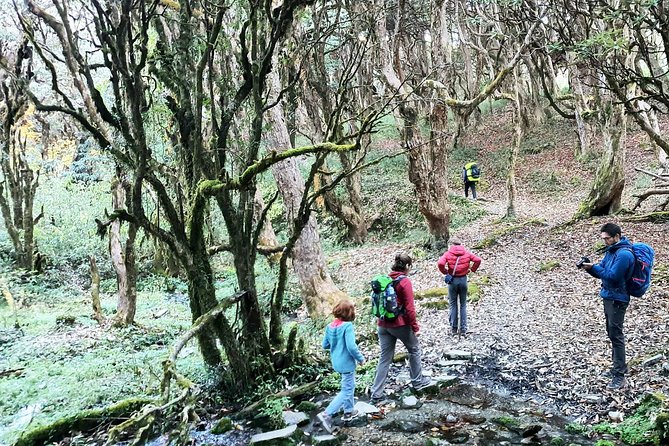
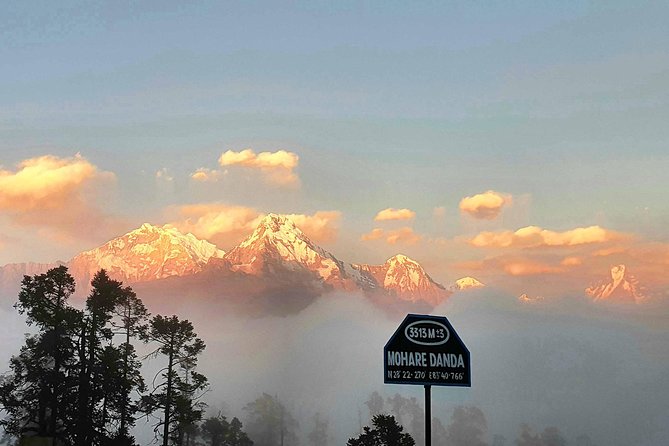
Day 6 is the trek’s big moment. You reach Mohare Danda / Mohare Danda station and get a sunset viewpoint, with forests of oak and rhododendrons along the way plus mountain views that include Mt. Fishtail, south Annapurna, Dhaulagiri, and Tukche.
A few things make this day feel special beyond the view list. First, you’re moving through forested trails, so the hike doesn’t feel like a single note of rock and stairs. Second, the itinerary includes a dedicated sunset viewing window at Mohare Danda station. That’s the kind of planning detail that saves you from scrambling at the last minute to find the best angle.
Once you finish sightseeing, you return to the eco-community management lodge for the night. That rhythm matters. It turns your “view day” into a relaxed evening instead of a messy search for food and shelter.
Ghorepani: Sunrise Morning and Then More Trail Work
Day 7 starts early for sunrise from the area around Mohare Danda, then you trek toward Deurali and continue until you reach Ghorepani after about 5 hours of walking from Mohare Danda. The route is described as gradual ups and downs.
You’ll check in at the lodge and rest. This is a key transition day because it sets you up for the next morning’s Poon Hill sunrise plan.
If you’re coming from flatter ground, this is the moment when you’ll likely feel it in your legs. Keep your steps light, take small breaks, and do not start the next day with a heavy breakfast plan. The goal is comfort, not a food challenge.
Poon Hill Sunrise to Ghandruk: Classic Views, Village Living
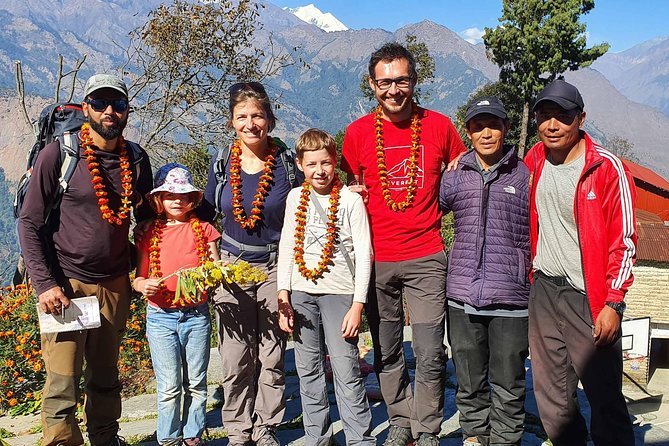
Day 8 is a two-stage day: morning sunrise at Poon Hill (3210m), then continuing down to Ghandruk village. The itinerary mentions a sunrise pass through culturally rich villages with mountains as the backdrop, and Poon Hill is described as a panoramic viewpoint over Annapurna and Dhaulagiri ranges.
After sunrise, you return for breakfast at Ghorepani and then begin the trek to Ghandruk, around 7 hours. Along the way you cross forests, cultivated land, and a suspension bridge over Khumbu Khola.
Two practical notes here. One, sunrise mornings usually mean less sleep and a faster pace. Two, a 7-hour trek after sunrise can feel long, especially if you’re eager to photograph everything. Decide in advance: do you want the best view, or do you want an easier arrival into Ghandruk? You can’t do both perfectly, so choose.
Ghandruk is positioned as scenic and beautiful village walking. If your idea of the “best part” of trekking includes local life, this is one of the days that delivers.
The Last Trek Day: Nayapul, Pokhara, and a Calmer Finish
Day 9 is your final hiking day. You descend to Nayapul, taking about 5 hours. The itinerary says you walk on a stone-paved trail through villages and terrace framing, cross Modi Khola, reach Birethanti, and then enter Nayapul. A private vehicle picks you up from Nayapul, and you’re transferred to Pokhara.
This is a smart ending sequence. A good finish matters because it shapes how you remember the trek. Instead of ending with a long ride right after a punishing climb, you get a classic downhill rhythm and then a direct exit from the trail.
Day 10 then drives you back to Kathmandu, with optional time in Thamel for shopping and a relaxed evening.
Kathmandu Valley Add-Ons: Bhaktapur, Patan, and a Pottery Workshop
Days 11 and 12 are about bringing Nepal culture back into focus after the hike. Day 11 includes Bhaktapur Durbar Square, Pottery Square with a clay pot workshop, and Patan Durbar Square with additional sites listed like the Krishna Temple and other attractions. You’ll also have time mentioned for Nepali or international cuisine, depending on what you feel like that day.
This is where the trip feels more rounded. You started with major religious sites early on, you hiked for mountain views and village life, then you return to UNESCO-type heritage stops and hands-on crafts.
Day 12 ends the program with a transfer to Tribhuvan International Airport by private van, timed around 3 hours before your flight.
Price and Logistics: Where Your $1,375.33 Actually Goes
At $1,375.33 per person for a roughly 12-day itinerary, the big question is what you get that you would not easily cobble together on your own. Here, you’re paying for a package that includes:
- All land transportation by private vehicle
- A professional English-speaking local tour/trekking guide
- ACAP, TIMS, and other necessary permits
- Porter service with a 2 trekkers to 1 porter ratio
- Accommodation: 4 nights in Kathmandu at a listed 4* property (or similar), 2 nights in Pokhara (or similar)
- Trek nights: 5 nights in eco-community lodges on full board
- Included meals during the trek window (breakfast, lunch, dinner counts are listed)
That is a lot of friction removed. Trekking in Nepal is not just the hiking, it’s permits, routing, lodge management, and timing. Bundling those pieces into one plan usually makes your experience less stressful, and it can help keep your budget under control compared to piecing together guides and lodge reservations separately.
What’s not included is also clear. Entrance fees for heritage sites are estimated at around USD 50 per person, plus tipping, travel insurance, and the Nepal visa fee. If you already have insurance and know your visa situation, you can budget this trip with less guesswork.
One more value point: the group size is limited to max 12 travelers. That’s not a huge number. Fewer people means your guide can keep everyone moving on reasonable timing, especially with sunrise starts.
The Human Part: Guide and Porter Support Makes or Breaks It
The best praise in the reviews centers on people doing their jobs well. One review specifically named Norris as the guide and Melan as the porter, calling out how they took good care of the group and shared lots of local knowledge. That kind of support is not just comfort. It affects your day-to-day decisions: where to pace, how to approach the trail, when to take breaks, and how to understand what you’re seeing.
If you’ve trekked before, you know that a porter can change everything. When you hike with less weight, you arrive fresher at viewpoints. You also reduce the chance that small gear mistakes turn into misery.
What to Pack and How to Handle the Trek Rhythm
The data you have here says “moderate physical fitness level” is required. So you don’t need to be a mountain athlete, but you do need to be ready for repeated hiking days that run long enough to matter.
Think in terms of routine:
- Expect early starts for sunrise viewpoints on at least two days.
- Expect hiking days roughly in the 5 to 7 hour range, sometimes with ups and downs.
- Expect lodge nights with meals included, so your main packing priority is comfort and trail essentials, not food planning.
For gear, you’ll want the usual essentials, plus a layer strategy for mornings at higher elevations. The itinerary includes a high point around 3300m and sunrise at 3210m, which generally means it can feel cooler than you expect at dawn. I’d rather you be slightly over-prepared on warmth than regret it after you’ve already left the lodge.
Who This Trek Suits Best
Mohare Danda fits best if you want:
- An Annapurna foothills trek without going full hardcore for days and days
- Big sunrise viewpoints built into the plan
- A route that mixes village culture with forest walking and mountain views
- More comfort than camping, since your trek nights are eco-community lodges on full board
You might consider a different style of trek if you:
- Don’t like early mornings, since Poon Hill and other sunrise timing are central
- Want a fully self-guided experience, because this one is tightly structured with guided sightseeing and included transfers
Should You Book Mohare Danda Trek?
If you’re aiming for a balanced Nepal trip, this one is a strong match. The itinerary gives you Kathmandu culture, Pokhara downtime, then a trek that builds to Mohare Danda and Poon Hill with lodge nights and porter support. For the price, you’re paying for real organization: permits, guides, private transfers, meals during the trek, and eco-community lodging that ties into community projects.
My advice: book it if you want mountain views plus village life, and you value convenience after a flight. If you dislike hiking most days or hate sunrise wakeups, you’ll feel the schedule more than you’ll enjoy it. But if you like being outdoors, walking through real communities, and ending each day with a warm meal and a bed, Mohare Danda is the kind of trek that makes Nepal feel close up.
FAQ
What is the duration of the Mohare Danda Trek?
The trek runs for about 12 days, including time in Kathmandu and Pokhara plus trekking days.
Where does the trip start?
It starts at Tribhuvan Airport in Kathmandu, Nepal, with a start time listed as 9:00 am.
Are pickups and transportation included?
Yes. The itinerary includes all land transportation by private vehicle, and the summary says pickup is offered.
How large is the group?
The maximum group size is 12 travelers.
What kind of guide support do I get?
You’ll travel with a professional English-speaking local tour and trekking guide.
Are permits included?
Yes. The package includes ACAP, TIMS, and other necessary permits.
Is porter service included?
Yes. Porter service is included with a ratio of 2 trekkers to 1 porter.
What kind of accommodation is provided during the trek?
For the trekking portion, you stay 5 nights in eco-community lodges on a full board basis.
Are meals included?
Yes for the trek: the package lists breakfast (10), lunch (6), and dinner (5). Meals in Kathmandu and Pokhara are not included.
Are heritage site entrance fees included?
No. Entrance fees for heritage sites are listed as approximately USD 50 per person. Tipping is also not included.
Latest additions near Kathmandu
- White Water River Rafting – 1 Day★ 4.3 · 3 reviews
- Traditional Momo Making Class★ 5.0 · 10 reviews
- Kathmandu to Pokhara Premium sofa bus ticket★ 4.0 · 17 reviews
- Ghorepani Poon Hill Trek★ 5.0 · 16 reviews
- Amazing 1 Day Trekking Experience in Kathmandu Nepal★ 5.0 · 24 reviews
- Ghorepani Poonhill Trek★ 5.0 · 5 reviews
- Walking tour of real Kathmandu through back streets.★ 5.0 · 3 reviews
- Wildlife Adventure in Chitwan Nepal★ 4.0 · 4 reviews
Treks in Kathmandu, compared.

Nagarkot Sunrise View and Day Hiking from Kathmandu
Read our review →