Reviewed · TREKS IN KATHMANDU
Mohare Danda Trek
Mohare Danda is the trek with a purpose. You walk through Magar villages and community lodge life while chasing big sky views of up to 42 peaks, including Annapurna, Dhaulagiri, and Manaslu. Two things I like a lot: the trip is built around women empowerment and rural development, and the logistics are set up so you are not stuck figuring out permits, transfers, and gear sourcing.
The guiding here feels like part of the value, not an afterthought. People highlight guides who stay patient, give practical mountain behavior advice, and make support feel real when conditions shift.
One drawback to consider: the walking can include stone stairs and uneven descents. If you have joint issues or mobility limits, tell the team early so they can route you in an easier way.
In This Review
- Quick hits before you go
- Why Mohare Danda feels different than a typical trek
- Getting oriented in Kathmandu and Pokhara
- Walking day by day, from Beni Bazaar to Baseri
- Day 3: Beni Bazaar, your first trekking day
- Day 4: Ramche to the walk toward Nagi Village
- Day 5: Reaching the Mohare Danda destination area
- Day 6: Mohare Community Lodge at 3,313 meters and sunrise views
- Day 7: Tikot village and viewpoint walking
- Day 8: The final trekking day to Basari
- Day 9 and 10: Overland back to Kathmandu, then fly out
- The views: up to 42 peaks and the 8000-meter giants
- Community lodge life and meals that keep you steady
- Gear and safety: included warmth and support tools
- Price and value: what $799 actually buys you
- Who should book this Mohare Danda trek
- Should you book Mohare Danda?
- FAQ
- How long is the Mohare Danda Trek?
- Where does the trek start?
- What is the highest elevation on this trek?
- Is pickup or transfers included?
- What group size should I expect?
- What meals are included?
- Are permits and documentation included?
- Is a sleeping bag and down jacket provided?
- Is drinking water included?
- What if I have joint problems or difficulty with stone stairs?
- Is there a weather contingency?
Quick hits before you go
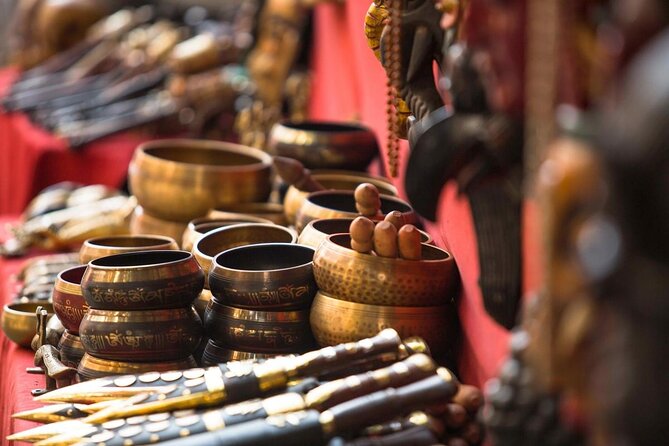
- Community Lodge focus means you are sleeping inside the same local story you are walking through
- Up to 42 peak views with three 8000-meter giants visible on clear days
- Guide, porter, permits, and safety gear included, so you are not doing extra admin
- Mohare Danda sunrise moment at the highest point of the trek around 3,313 meters
- Small group size (max 11) keeps the pace human and the experience calmer
- Women empowerment and education support ties your ticket to real community funding
Why Mohare Danda feels different than a typical trek
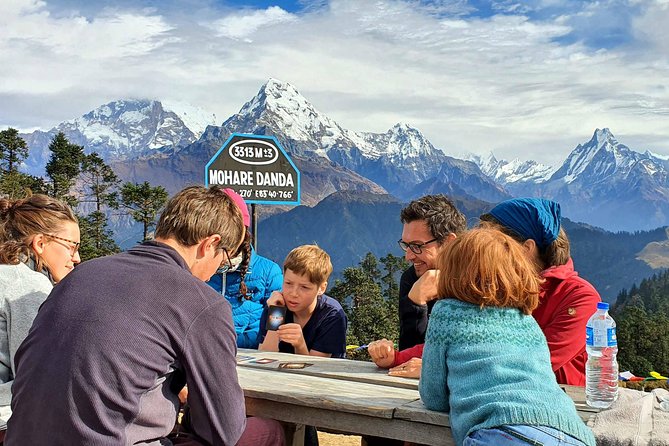
Most Nepal treks sell mountains. This one also sells a direct connection to the people living under those mountains. The core pitch is community welfare and women empowerment, with the idea that your trek dollars support education, economy, and rural development.
That matters because the itinerary is designed around community stops and lodge nights, not just scenic photo points. You get time moving through culturally rich villages, and the program is especially associated with Poon Magar tradition. In practical terms, it means your days feel more social and less like you are passing through.
And yes, the views are the headline. On good weather days, the trek is positioned for seeing an impressive number of peaks, including three of the great 8000-meter range names: Annapurna, Dhaulagiri, and Manaslu. You are not guaranteed all of that, but the trek route is clearly chosen for maximum sightlines.
More Treks in Kathmandu
- Everest Base Camp Trek – 14 Days
★ 5.0 · 1,499 reviews - Everest Base Camp Trek
★ 5.0 · 842 reviews - Everest Base Camp Trekking
★ 5.0 · 485 reviews
Getting oriented in Kathmandu and Pokhara
You start in Kathmandu, then shift west to Pokhara. Day 1 is built around arrival and settling in around Thamel, with a meet and greet after you clear airport formalities. The main value of this day is simple: it buys you time to get your bearings fast, handle money and gear needs, and meet your ground contact without rushing.
Day 2 moves you to Pokhara via a long overland ride, roughly 200 km and about 6 to 7 hours. You then connect with Pokhara’s lakeside area, with Phewa Tal specifically part of the plan. If you are the type who gets nervous about back-to-back travel days, this is still a lot of time in a vehicle. The upside is that the trek itself starts fresh the next day, not with a chaotic scramble.
Practical note: you are going from city to trekking logistics quickly. Plan to keep your essentials easy to grab, like a small daypack, a warm layer for early mornings, and anything you need in the first 24 hours after arrival.
Walking day by day, from Beni Bazaar to Baseri
This trek is set up as a peaceful circuit around Mohare Danda, with an “easy, short” feel compared to big expedition-style routes. That does not mean it is effortless. Expect a mix of uphill walking, descents, and village path conditions.
Here is how the trek unfolds, with what each section tends to feel like.
Day 3: Beni Bazaar, your first trekking day
You ride from Pokhara to Beni Bazaar (about 4 hours by road). Then you start trekking. This is a good “first legs” day because it breaks the mental switch from travel to hike. You are also transitioning from urban Nepal energy into farmland and village routes.
What to watch for: your body is still adjusting to walking after sitting. Keep your pace steady and do not try to power through the first hours. You want your legs fresh for the bigger view days.
Another way to spend the time in Nepal:
- Private Kathmandu Sightseeing Tour | UNESCO World Heritage sites
★ 5.0 · 756 reviews - Kathmandu: 7 UNESCO Sites with Lunch
★ 4.8 · 744 reviews - Everest Base Camp Helicopter Tour landing at Everest View Hotel
★ 5.0 · 668 reviews - Half day cooking class in Thamel kathmandu
★ 5.0 · 607 reviews
Day 4: Ramche to the walk toward Nagi Village
Today is about pristine nature plus culture. You trek along the trail toward Nagi Village, including time moving through viewpoints and village life. This is where the community angle starts to feel real, not just like a slogan.
What I like about a day like this: you are not only grinding. You are walking through lived-in places. You also get a sense of how locals manage daily movement between homes, fields, and community hubs.
Day 5: Reaching the Mohare Danda destination area
After breakfast at Nagi, you trek toward Mohare Danda, with about 4 to 6 hours of hiking noted for the day. This is a key transition day because you are moving from village rhythms into the “look up and watch the horizon” phase.
If you are sensitive to altitude comfort, this is where you should slow down and hydrate consistently. The program does not position this as a hard technical route, but you still want to respect the climb.
Day 6: Mohare Community Lodge at 3,313 meters and sunrise views
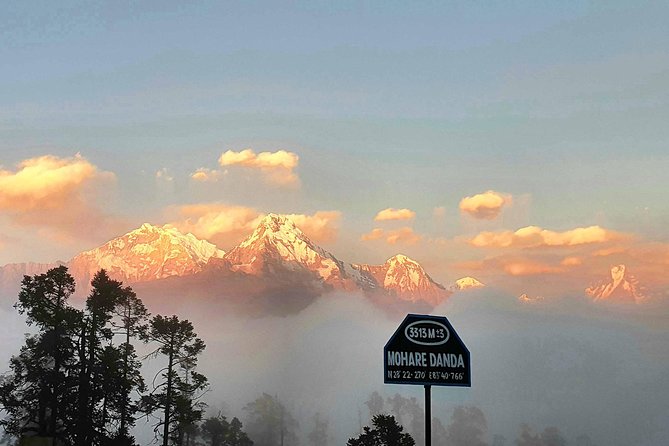
This is your big elevation moment. You reach Mohare Community Lodge, at about 3,313 meters, and the day is built around Himalayan views plus a sunrise experience.
This is also where the included gear support pays off. The package includes a sleeping bag and down jacket for the Mohare Danda portion, plus an oxygen monitor and a first aid medical kit. That means less stress about whether you packed enough warmth.
What this day feels like: slower pacing, bigger sky, and more time looking up. If you care about photos, this is your prime window. Bring a light layer for early hours, because sunrise on a mountain can feel cold even when the afternoon warms up.
Day 7: Tikot village and viewpoint walking
You trek toward Tikot village, a Magar settlement, passing scenic points along the route, including Thula Kharka and Sikha Danda. This is another culture-plus-view day. You are not just climbing, you are moving between communities and viewpoint stops.
This is also where patience matters. Village trails can be winding and irregular. You will do better if you accept a slower rhythm rather than pushing for a fast finish.
Day 8: The final trekking day to Basari
Today wraps up the mountain walking portion, trekking to Basari. The day is described as the last day on the mountain trekking trail, so expect it to feel like a mix of satisfaction and fatigue.
Practical tip: if you are prone to sore knees, plan your effort for descents. The program notes you should tell them about joint problems, and they can assist you with a better, easier route. That is not just a comfort promise, it can change your whole experience.
Day 9 and 10: Overland back to Kathmandu, then fly out
Day 9 drives you back from Pokhara to Kathmandu, about 7 hours overland. Then you have rest time in Kathmandu. Day 10 is the final airport transfer to Tribhuvan International Airport.
This two-day unwind matters. It prevents the classic mistake of treating the trek as the whole trip. Your body will thank you for having at least some downtime after the last hiking day.
The views: up to 42 peaks and the 8000-meter giants
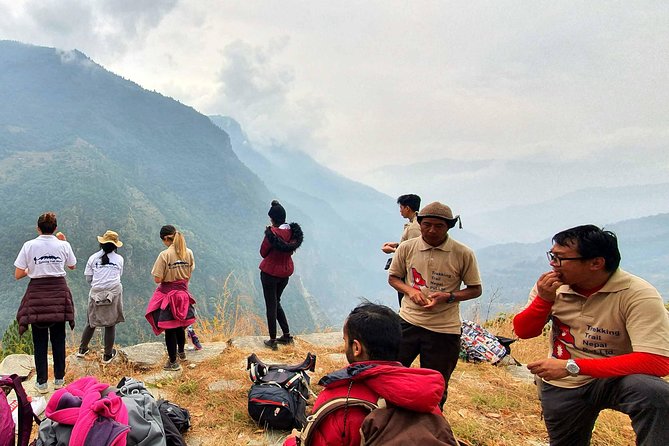
The trek is promoted for seeing up to 42 peaks, with a highlight that Annapurna, Dhaulagiri, and Manaslu can be visible on clear days. That kind of claim is always weather dependent, but the route makes sense if the goal is maximum visibility across a broad region.
If you want the cleanest odds:
- Aim for a calm morning on the Mohare Danda sunrise day
- Keep expectations flexible if clouds move in
- Bring warm layers for early hours, because photo time often means waiting
The best part of these view days is not just the photo. It is the feeling of being able to orient yourself, to see where your route sits in the wider Himalayan map.
Community lodge life and meals that keep you steady
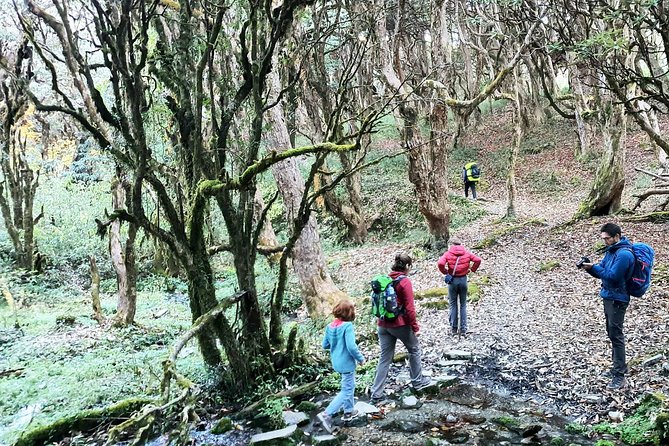
A big selling point is the community lodge experience around Mohare Danda. I like this model because it ties your stay to local hospitality rather than a hotel bubble. You are also far more likely to run into real conversation with locals as part of daily life.
Meals are included during the trek: 9 breakfasts, 6 lunches, and 5 dinners are listed. That helps a lot with budgeting and decision fatigue. What is not included is drinking water and personal snacks, drinks, and bar bills, plus any meals in Kathmandu and Pokhara.
So, plan like this:
- Use included meals as your anchor
- Budget extra for water and extra snacks
- Do not assume your drink choices will be covered
Gear and safety: included warmth and support tools
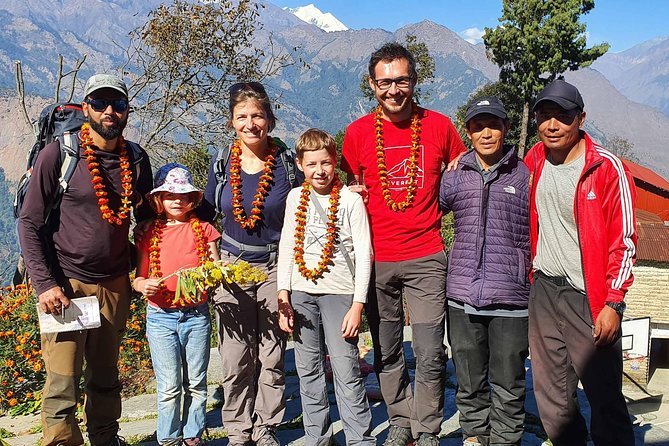
This trip stands out on paper because it includes real trekking support items. Along with a guide and porters, the package covers their wages, insurance, and gears. It also includes permits and documentation, plus first aid medical kit and oxygen monitor.
Most importantly for comfort, the package provides a sleeping bag and down jacket for the Mohare Danda section. That can be a big value boost if you would otherwise rent or buy cold-weather gear in Nepal.
And for the human side: guides are repeatedly described as professional and supportive, with practical advice for mountain behavior and safety. Even without seeing the guide dynamic firsthand, the structure suggests you get guidance, not just directions.
Price and value: what $799 actually buys you
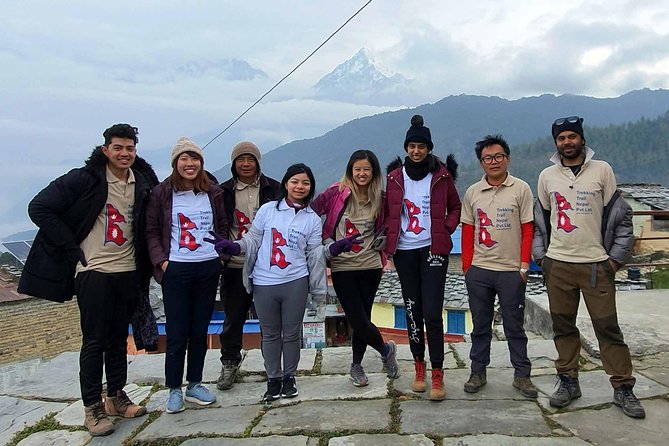
At $799 per person for an approximately 10-day experience, the price can look high if you only think in terms of walking. But once you map it against what is included, it starts to make more sense.
Included items that drive value:
- Trek guide and porters, with wages, insurance, and gear
- Permits and documentation
- Down jacket and sleeping bag for the coldest part
- Medical kit and oxygen monitor
- All ground transportation, plus baglung high bridge entry included
- A complimentary map and a trekking duffle bag
- Most meals during trek days
Not included items that can surprise you:
- Drinking water and personal snacks or drinks
- Tips for guide and porters
- Meals in Kathmandu and Pokhara
So the real question is: do you want to pay to offload logistics and gear worries? If yes, this pricing structure fits. If you are the kind of traveler who prefers independent planning and already owns all cold-weather gear, you might compare alternatives carefully.
Who should book this Mohare Danda trek
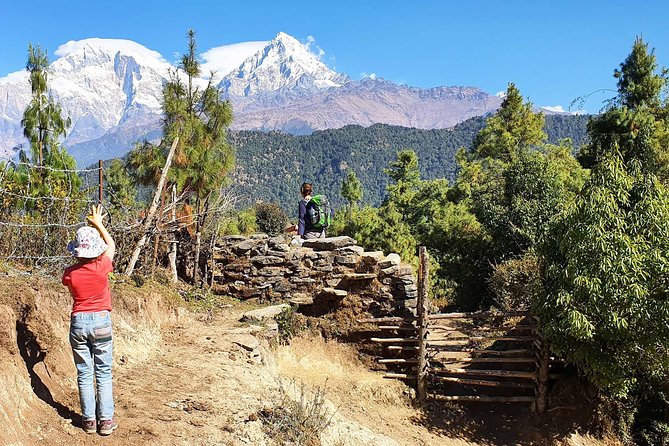
You will probably love this trek if:
- You want Himalaya views without a huge, technical commitment
- You care about a trek that supports women empowerment and education
- You like village interaction and community lodge stays
- You want a small group, capped at 11 travelers
You should think twice, or at least plan carefully, if:
- You have significant knee or joint limits and long stone stair descents are hard
- You hate long overland days. Day 2 and Day 9 are both substantial travel days
The good news is the provider explicitly says they can assist you with easier routes if you tell them about joint issues and difficulty on stone stairs.
Should you book Mohare Danda?
I would book Mohare Danda if you want a calmer trek with big views and a mission you can feel in day-to-day life. The included gear, permits, and mountain safety tools make it easier for you to travel light while still staying comfortable. And the community lodge approach makes your money matter beyond your own photos.
I would pause if you have very limited tolerance for vehicle time or if you know descents are a deal-breaker for your body. In that case, ask detailed questions about your routing and pace before committing.
If you want, tell me your fitness level and the month you plan to go. I can help you sanity-check whether the pace and travel days will match how you like to hike.
FAQ
How long is the Mohare Danda Trek?
It is listed as 10 days approximately, including travel from Kathmandu and back, plus the trekking portion.
Where does the trek start?
The trekking part starts from Beni Bazaar after arriving in the area by road from Pokhara.
What is the highest elevation on this trek?
The highest point noted is Mohare Danda at about 3,313 meters.
Is pickup or transfers included?
Yes. The experience includes pickup and ground transportation, including transfers from Kathmandu and back, and an airport transfer on the last day.
What group size should I expect?
The maximum group size is 11 travelers.
What meals are included?
Breakfast is included 9 times, lunch is included 6 times, and dinner is included 5 times. Meals in Kathmandu and Pokhara are not included.
Are permits and documentation included?
Yes. The price includes all required permits and documentation.
Is a sleeping bag and down jacket provided?
Yes. A sleeping bag and down jacket for the Mohare Danda section are included, along with an oxygen monitor and first aid medical kit.
Is drinking water included?
No. Drinking water is not included.
What if I have joint problems or difficulty with stone stairs?
You should let the team know in advance. They will assist you with a better and easier route when possible.
Is there a weather contingency?
Yes. This experience requires good weather. If it is canceled due to poor weather, you will be offered a different date or a full refund.
Latest additions near Kathmandu
- White Water River Rafting – 1 Day★ 4.3 · 3 reviews
- Traditional Momo Making Class★ 5.0 · 10 reviews
- Kathmandu to Pokhara Premium sofa bus ticket★ 4.0 · 17 reviews
- Ghorepani Poon Hill Trek★ 5.0 · 16 reviews
- Amazing 1 Day Trekking Experience in Kathmandu Nepal★ 5.0 · 24 reviews
- Ghorepani Poonhill Trek★ 5.0 · 5 reviews
- Walking tour of real Kathmandu through back streets.★ 5.0 · 3 reviews
- Wildlife Adventure in Chitwan Nepal★ 4.0 · 4 reviews
Treks in Kathmandu, compared.
Nagarkot Sunrise View and Day Hiking from Kathmandu
Read our review →