
Reviewed · EVEREST BASE CAMP TREKS
Luxury Everest Base Camp Trek -11 Days
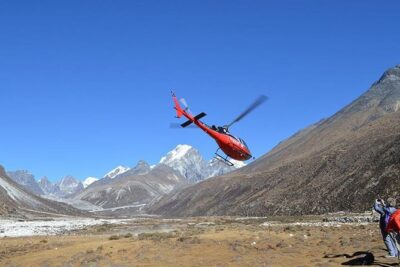
A helicopter ride changes the whole Everest feel. This Luxury Everest Base Camp Trek mixes classic Khumbu trekking with upgraded tea houses, a 5-star Kathmandu hotel stay, and an air-assisted return so you spend less time getting back down. I like the shared helicopter ride from Gorekshep to Kathmandu because it cuts the fatigue when altitude has already done its thing.
I also like that the trek leans into comfort without losing the real adventure, using upgraded tea houses on twin sharing and full meal coverage during the trek. One thing to keep in mind is weather can affect flights and helicopter plans, and any time you get stuck longer in the mountains can create extra costs that are not included.
In This Review
- Key highlights you will actually feel
- Why this Luxury Everest Base Camp trek is set up for comfort
- Price, value, and what you should expect to pay beyond the tour
- Timing matters: spring and autumn for Everest views and helicopter luck
- Kathmandu on day one: the luxury is in the setup
- Flying to Lukla on day two: fast altitude jump, short-term focus
- Phakding to Namche Bazaar: your first big “Khumbu” day
- Acclimatization day at 3,880m: where luxury becomes safety
- Tengboche and then higher to Dingboche: long legs, thinner air
- Dingboche acclimatization day at 4,360m: a smart second pause
- Lobuche to Gorak Shep and Everest Base Camp: the demanding stretch
- Kalapatthar at 5,545m and the helicopter return from Gorekshep
- Tea houses, meals, and the meaning of upgraded comfort
- The people behind the plan: guide support and organization
- Who should book this Luxury Everest Base Camp trek
- Practical tips to make your trek feel easier
- Should you book it?
- FAQ
- How long is the Luxury Everest Base Camp trek?
- Where does the trip start and where does it end?
- What time does the activity start?
- What flights are included?
- Is the helicopter ride included?
- Are meals included during the trek?
- Are permits and fees included?
- Is vegetarian food available?
- What is included versus not included in terms of costs?
- Can I cancel for a full refund?
Key highlights you will actually feel
- Shared helicopter return from Gorekshep to Kathmandu, saving you the last tough slog down.
- Upgraded tea houses on twin sharing with modern amenities higher in the route.
- Two nights in a 5-star Kathmandu hotel plus private airport transfers.
- Acclimatization built in with rest days at 3,880m and 4,360m.
- Guide and porter support, with 1 porter for every 2 clients.
- Farewell dinner with cultural performance in Kathmandu before you leave.
Why this Luxury Everest Base Camp trek is set up for comfort
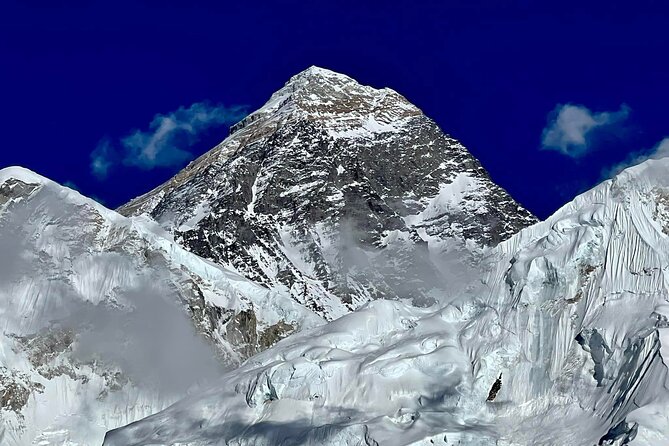
Everest Base Camp is still Everest Base Camp. You’ll trek high, you’ll work for every view, and you will feel altitude in your breathing. What makes this version feel more “luxury” is how much effort is removed from the logistics side, and how that directly helps your body.
You’re not relying on endless guesswork. You get private pickup and transfer in Kathmandu, flights between Kathmandu and Lukla, permits and Khumbu valley fees handled, and upgraded tea houses booked for you. Then there is the big differentiator, a helicopter ride back from Gorekshep to Kathmandu that lets you recover faster and enjoy the last day with less exhaustion.
The appeal for you is simple: if you want the Everest story but also want your trip to run cleanly, this itinerary is designed to keep the experience smooth. The comfort upgrades are not just “extra pillows” either. They reduce stress, which matters when the trail is steep and the air is thin.
More Treks in Kathmandu
- Everest Base Camp Trek – 14 Days
★ 5.0 · 1,499 reviews - Everest Base Camp Trek
★ 5.0 · 842 reviews - Everest Base Camp Trekking
★ 5.0 · 485 reviews
Price, value, and what you should expect to pay beyond the tour
At $4,500 per person for about 11 days, this is not a budget trek. But the price includes several costly items that normally add up fast in this region.
From what’s included, you should count these as major value drivers:
- Two night 5-star hotel in Kathmandu with breakfast
- Meals during trekking (lunch, dinner, breakfast as listed)
- Kathmandu to Lukla flight ticket (and it also mentions Ramachap to Lukla)
- Helicopter fare Gorekshep to Kathmandu (sharing)
- TIMS permit and Khumbu valley fees
- Upgraded tea houses on twin sharing
- Guide plus porter support (1 porter for 2 clients)
- Travel and rescue arrangements, plus a first aid kit on hand
What is not included matters just as much for your budget. You will need to plan for:
- Nepal visa fee
- International airfare to and from Kathmandu
- Travel and rescue insurance
- Personal expenses in the mountains, including items like phone calls, laundry, battery recharge, bottled or boiled water, and hot shower costs
- Tips for guide and porter
- Any extra costs if weather delays extend your time in the mountains
So the best way to judge value is this: you’re paying for fewer headaches plus a helicopter-assisted return. If you hate uncertainty and want comfort without skipping the real trekking, the price starts to make sense.
Timing matters: spring and autumn for Everest views and helicopter luck
This trip calls out spring and autumn as the best seasons because weather tends to be stable for Himalayan views and for helicopter rides. You should treat that as a practical tip, not marketing fluff. Helicopters in the mountains depend on conditions, and when conditions are rough, schedules can slip.
You should also remember that the itinerary is built around both trekking days and aircraft movements. The included helicopter and flights mean your plan is more efficient, but it also means weather can change timelines. The tour data even flags the possibility of getting stuck due to bad weather delay flights or other reasons, with extra mountain expenses not included.
If you want to maximize your odds for clear views and a smooth air return, go in spring or autumn and keep your schedule flexible. If your employer or school calendar is strict, you’ll want travel insurance and a realistic backup plan.
Kathmandu on day one: the luxury is in the setup
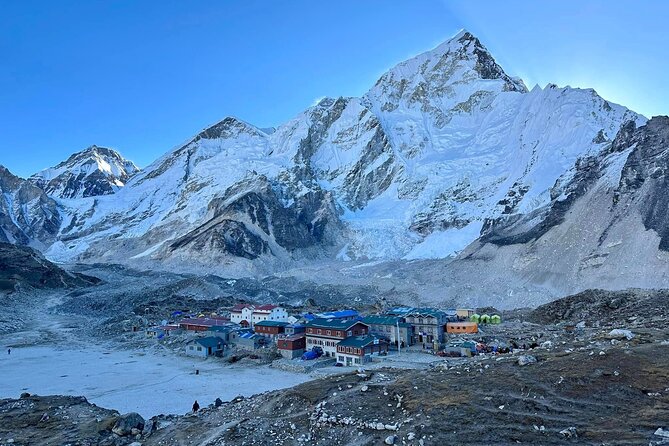
Your trek begins at Tribhuvan International Airport. You land in Kathmandu, meet a company representative, and get transferred to your hotel by private vehicle. That matters. After flights, the last thing you want is confusion, waiting, or shared rides.
You also get two nights in a 5-star hotel with breakfast. The practical benefit is that you have time to hydrate, eat well, and do small errands without rushing. And since the trek includes multiple high-altitude days right after, that first “buffer” in comfortable Kathmandu is part of the safety net.
A good move for your first evening is to keep it simple. Eat a normal dinner, sleep early, and don’t try to cram sightseeing into the same day you arrive. Altitude days come fast.
More Everest Base Camp treks:
- Everest Base Camp Helicopter Tour landing at Everest View Hotel
★ 5.0 · 668 reviews - Everest Base Camp Trekking – 13 Day
★ 5.0 · 365 reviews - Everest Base Camp Trek
★ 5.0 · 350 reviews - Everest Base Camp Trek -14 Days
★ 5.0 · 321 reviews
Flying to Lukla on day two: fast altitude jump, short-term focus
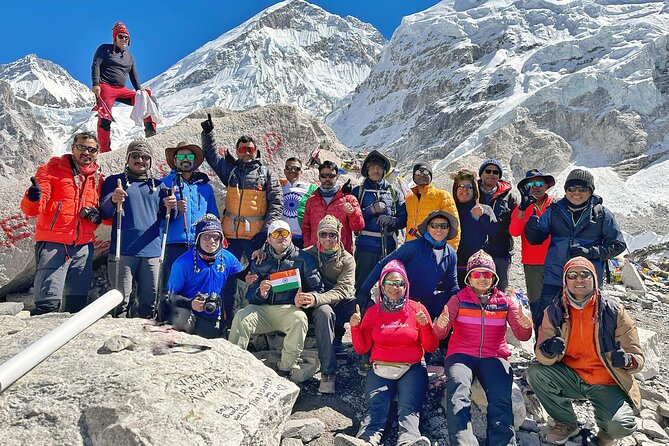
Day two includes a flight from Kathmandu to Lukla, where the altitude is listed as 2,860 meters. Then you begin trekking from there.
This is where you have to shift your mindset. This is not a gentle climb over several days. It’s a fast way into the Khumbu, so go easy the first time you feel your breathing get heavier. Keep your pace controlled and prioritize steady effort over speed.
One advantage of this “fly then walk” format is that it reduces total trek days compared with routes that start from lower elevations. The tradeoff is that your body has less time to adapt before the trail starts. That’s why the itinerary builds in acclimatization later.
Phakding to Namche Bazaar: your first big “Khumbu” day
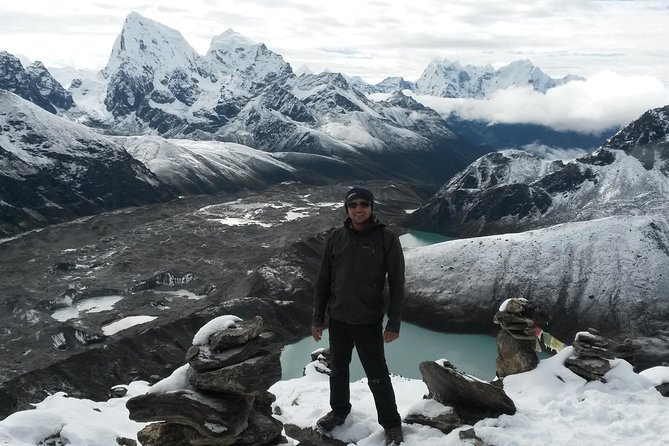
On day three, the trek is from Phakding to Namche Bazaar. Namche is described as a popular destination for trekkers, which tells you two things: expect a lively scene at altitude, and you’ll likely get a sense of the cultural and trekking rhythm of the region.
This is a day to focus on feel. You don’t need to win the day. You need to arrive without overcooking yourself. Drink fluids when available, eat what you can, and treat the climb as a warm-up for the higher days ahead.
If you get a little tired, that’s normal. The “luxury” here is not that the climb is easy. It’s that your schedule and rest structure support your body.
Acclimatization day at 3,880m: where luxury becomes safety
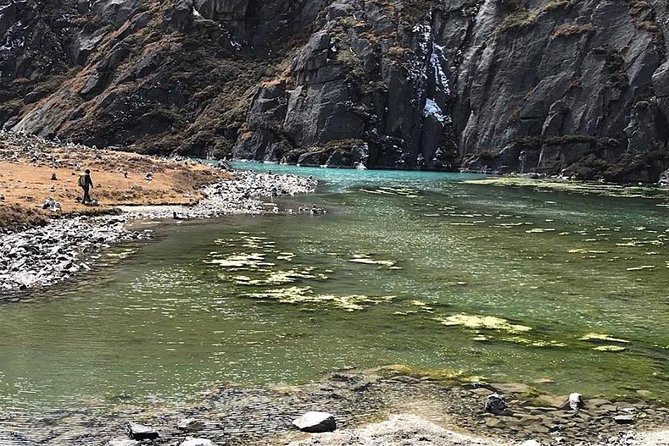
Day four is an acclimatization day at 3,880 meters. The point is simple: help your body adjust to altitude before you go higher. This is one of the best parts of the itinerary design because it reduces the chance you rush into the toughest elevations on a tired schedule.
Acclimatization days can be boring compared with big trekking days, but they usually make the later days more enjoyable. You’re buying comfort later by spending time earlier. It’s also a useful day to stay consistent with hydration and light movement, even if you’re just walking slowly and taking in views.
Tengboche and then higher to Dingboche: long legs, thinner air
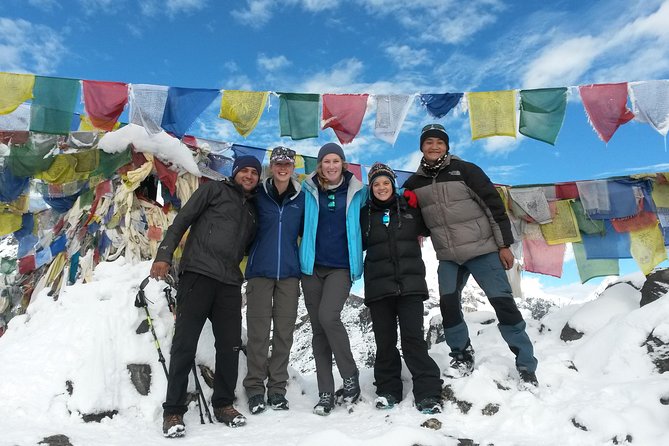
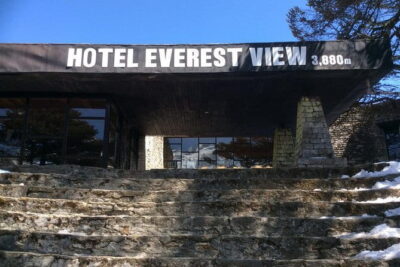
On day five, you leave Hotel Everest View and trek to Tengboche (3,820m). The leg is estimated at 4 to 5 hours. This is a solid hiking block, but not the longest of the journey.
Then day six moves you onward to Dingboche (4,360m) after leaving Diboche. This segment is estimated at 5 to 6 hours, and altitude is becoming more serious. The “luxury” part is how well the rest of the trip is staged, so you don’t just climb and hope for the best.
You’ll want to pay attention to how you sleep at this stage. Even without extra medical details provided, you can use your own body signals: if you feel unusually wiped out, slow your pace and keep your breathing steady.
Dingboche acclimatization day at 4,360m: a smart second pause
Day seven is another acclimatization day, this time in Dingboche at 4,360m. This is the kind of extra day that tends to be the difference between enjoying the high country and struggling through it.
With altitude, the goal is not only reaching a point. It’s reaching it with enough energy to enjoy the next climb. A proper acclimatization pause helps you feel more stable on the trail from here onward.
Lobuche to Gorak Shep and Everest Base Camp: the demanding stretch
Day eight takes you from Dingboche to Lobuche, described as a moderate-level hike taking around 5 to 6 hours. It also notes challenging weather conditions and high-altitude terrain. This is where you should expect the trail to feel more exposed and your effort to feel heavier.
Day nine is the big one. The trek from Lobuche to Gorakshep and Everest Base Camp is described as strenuous, with about 6 to 7 hours of hiking. The trail includes rocky terrain and glacial moraines, plus views of surrounding peaks.
This is the day to respect your limits. On Everest treks, the biggest mistake is treating it like a hike you can power through. Your breathing and pace are the real pace on this kind of route.
Also, remember that this trip includes upgraded tea houses and meal coverage, which helps on a day like this. After a long trek day, you want your lodging and meals handled so you can recover properly.
Kalapatthar at 5,545m and the helicopter return from Gorekshep
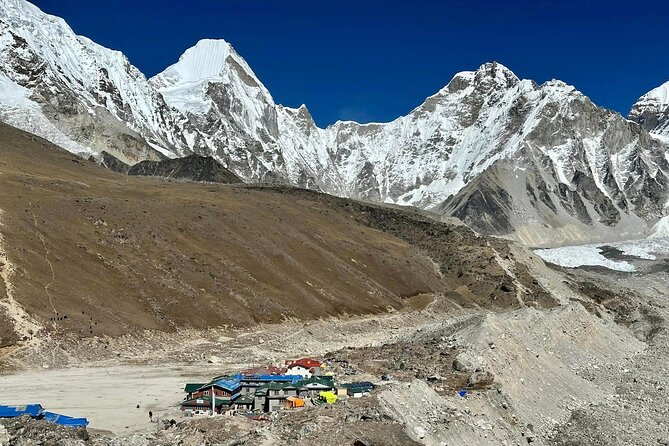
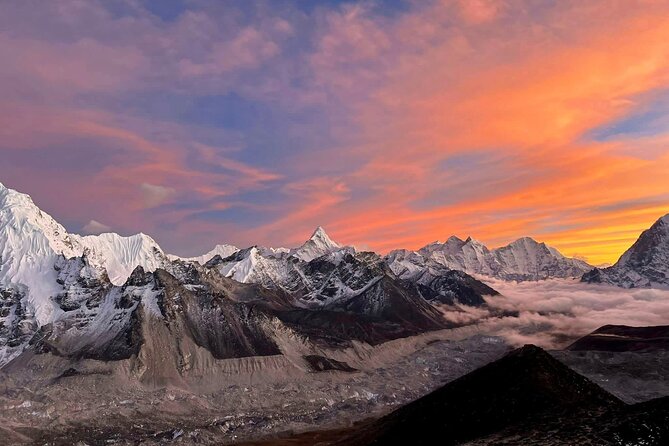
Day ten is a highlight: you trek from Gorakshep to Kalapatthar, at 5,545 meters (18,192 feet). Kalapatthar is described as a popular highlight with panoramic views of the surrounding peaks.
This is the kind of day where “luxury” is really about having the logistics ready. You still climb at altitude, but your energy is spent on moving and taking in views, not tracking details.
Then day ten includes the helicopter fare listed from Gorekshep to Kathmandu. So by day eleven, you’re back in the city rhythm.
Day eleven is straightforward. A representative takes you to the airport about 3 hours before your scheduled flight. That timing is smart because altitude and trekking days can make travel days feel longer than they should.
Tea houses, meals, and the meaning of upgraded comfort
A big promise here is upgraded tea houses with modern amenities during the trek. You also get twin sharing accommodations, and the trek includes lunch, dinner, and breakfast during the walking days.
This matters for how you experience Everest Base Camp. On cold, high days, comfortable lodging and predictable meals can make the difference between feeling miserable and feeling like the mountains are worth the effort.
Diet is also addressed. Vegetarian options are available if you request them at booking. If you have dietary needs, ask early, because that’s the easiest way to avoid last-minute surprises at altitude.
One small budgeting note: personal expenses can include hot shower costs, as well as bottled or boiled water and phone or laundry. So even with luxury upgrades, plan on some costs beyond the package.
The people behind the plan: guide support and organization
This trek is run with an experienced guide and a porter system of 1 porter for 2 clients. That porter ratio is a practical advantage on a trek where every extra kilo matters, especially when you’re tired after long days near higher elevations.
Support isn’t only about carrying. It’s also about staying organized across flights, permits, lodging changes, and daily meals. In the information you provided, the company owner Bhagwat Simkhada and guide Prakash are both singled out for strong organization, communication, and making the trip feel planned rather than stressful.
You should still do your part. Bring your questions to the guide, confirm your pacing plan, and tell them about any dietary needs or concerns in advance. Luxury works best when you communicate early.
Who should book this Luxury Everest Base Camp trek
This is a good fit if you:
- Want classic Everest Base Camp trekking, but not an austerity-style experience
- Like the idea of upgraded teahouses and full meal support
- Value smoother logistics in Kathmandu before and after the trek
- Appreciate built-in acclimatization days rather than racing to altitude
- Are traveling with family and want a more supportive structure
It may be less ideal if you:
- Want the cheapest possible version of Everest Base Camp
- Have a very rigid schedule with no flexibility for weather affecting helicopter and flights
- Are not comfortable with long or strenuous days, especially around the route to Gorak Shep and Base Camp
Practical tips to make your trek feel easier
You might not get told these things directly, but they matter. Since the itinerary includes high elevations up to 5,545m at Kalapatthar, treat pacing as your main tool. Slow down early and let your body catch up.
Also plan for the reality that mountain travel comes with uncertainty. The tour mentions the possibility of being stuck due to bad weather delays, and extra mountain expenses are not included. So make sure you have travel and medical insurance. Even though insurance isn’t included, it’s a smart move on a high-altitude trek.
Finally, pack with the idea of cold evenings. Even if tea houses are upgraded, you will still be at altitude and temperatures can drop quickly.
Should you book it?
Book this trek if you want Everest Base Camp with fewer logistics headaches and a real comfort upgrade, especially the helicopter return from Gorekshep. At $4,500 per person, you’re paying for a smoother run, upgraded lodging, meal coverage, and the big time and energy savings of flying back.
Don’t book yet if you are strictly budget focused or cannot handle possible weather disruptions. The trekking days themselves are demanding, and the helicopter depends on conditions. If that risk scares you, choose a more flexible plan with more cushion.
If you want Everest, but you also want your trip to feel managed and calm, this is one of the stronger ways to do it in 11 days.
FAQ
How long is the Luxury Everest Base Camp trek?
It lasts about 11 days.
Where does the trip start and where does it end?
It starts at Tribhuvan Airport in Kathmandu, Nepal and ends back at the meeting point.
What time does the activity start?
The start time is 6:00 am.
What flights are included?
The package includes a Kathmandu to Lukla flight ticket, and it also mentions Ramachap to Lukla as an option.
Is the helicopter ride included?
Yes. The package includes a shared helicopter fare from Gorekshep to Kathmandu.
Are meals included during the trek?
Yes. Lunch, dinner, and breakfast are included during the trekking portion, and breakfast is also included at the Kathmandu hotel.
Are permits and fees included?
Yes. TIMS permit and Khumbu valley fees are included.
Is vegetarian food available?
Yes, vegetarian options are available if you advise the company at the time of booking.
What is included versus not included in terms of costs?
Included costs cover hotel and meals during trekking, permits and fees, guide and porter support, flights, upgraded tea houses, and the helicopter fare. Not included costs include Nepal visa fee, international airfare, travel and rescue insurance, personal expenses in the mountains, and tips for guide and porter.
Can I cancel for a full refund?
Yes. Free cancellation is offered if you cancel up to 24 hours in advance for a full refund.
Latest additions near Kathmandu
- White Water River Rafting – 1 Day★ 4.3 · 3 reviews
- Traditional Momo Making Class★ 5.0 · 10 reviews
- Kathmandu to Pokhara Premium sofa bus ticket★ 4.0 · 17 reviews
- Ghorepani Poon Hill Trek★ 5.0 · 16 reviews
- Amazing 1 Day Trekking Experience in Kathmandu Nepal★ 5.0 · 24 reviews
- Ghorepani Poonhill Trek★ 5.0 · 5 reviews
- Walking tour of real Kathmandu through back streets.★ 5.0 · 3 reviews
- Wildlife Adventure in Chitwan Nepal★ 4.0 · 4 reviews
Everest Base Camp Treks, compared.
Everest Base Camp Helicopter Tour landing at Everest View Hotel
Read our review →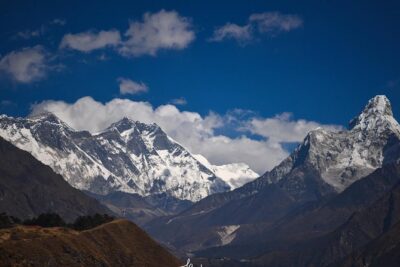
Everest Base Camp Helicopter Tour landing at Hotel Everest View
Read our review →
Browse the lists this tour appears in