
Reviewed · EVEREST BASE CAMP TREKS
Luxury Everest Base Camp Trek – 11 Days
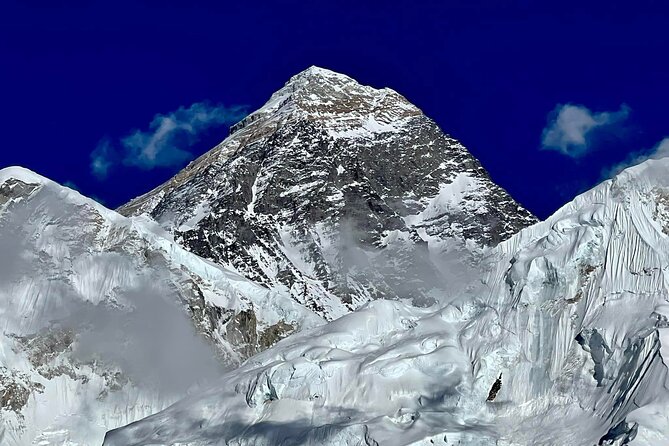
Luxury and Everest, handled with care. This 11-day Luxury Everest Base Camp Trek blends helicopter logistics with luxury accommodation in the Everest region, so you spend less time wrestling travel stress and more time adjusting to altitude. I also like the on-the-ground organization, with guides such as Surya, Prakash, Keshab, and Babu showing up in recent trip stories, plus porters like Govinda, Kumar, and Partap being named for solid support. One consideration: you still need moderate fitness and you should take the altitude seriously, especially since asthma is flagged in the trip notes and the itinerary depends on good weather.
You get the classic Khumbu story beats, but in a more comfortable package: Lukla, Namche, Tengboche, Dingboche, Lobuche, Gorak Shep, Everest Base Camp, and that early push toward Kala Patthar. The best part is how the plan spreads out the climb, giving you time to breathe before you go higher.
The tradeoff for the luxury touches is simple. You are paying for a lot of included services, including two helicopter segments, and that means you’ll want to be ready to go when weather allows, not when your calendar insists.
In This Review
- Key things to know before you go
- Luxury Everest Base Camp, what it actually changes for you
- Day 1 in Kathmandu, then a quick landing into the right mindset
- Kathmandu to Lukla by helicopter, then the trek starts fast
- Lukla to Namche via Phakding and Monjo, pine forests and real altitude
- Namche acclimatization with Everest View Point, no rushing required
- Tengboche with rhododendrons, then higher sleep toward Dingboche
- Dingboche to Chukhung, your acclimatization rhythm at altitude
- Khumbu Glacier moraine to Lobuche, then Everest Base Camp
- Gorak Shep and Kala Patthar, the early morning payoff
- Helicopter back to Kathmandu, so you don’t end where you started
- Guides and crews, the quiet reason people felt looked after
- Price and value at $4,070 per person, what you’re paying for
- What the itinerary tells you about pacing and effort
- Should you book this Luxury Everest Base Camp Trek?
- FAQ
- How much does the Luxury Everest Base Camp Trek cost?
- What parts of the trip use helicopters?
- What meals are included, and what meals are not included?
- What time does the trip start at the meeting point?
- Is there any fitness or health guidance?
- What is the cancellation window?
Key things to know before you go
- Helicopter to Lukla cuts out the hardest part of getting into the Khumbu, then you hike the rest in a structured way.
- Luxury accommodation during the trek means fewer compromises on sleeping arrangements compared with basic tea house setups.
- Big altitude moments are paced, with Namche and Dingboche used for acclimatization rhythm.
- Guide plus porters are built into the package, including wages, insurance, and meals for them.
- Small group size (max 15 travelers) helps keep the trip organized and manageable.
- Kala Patthar is an early-morning target, and it starts around the trip’s 5:15 am meeting time.
Luxury Everest Base Camp, what it actually changes for you
This trek is built for people who want the Everest story without the full backpacking grind. The phrase luxury can mean different things, but here it’s practical: you get luxury accommodation during the trek, and the logistics are handled by a guide and porters so you are not juggling every detail.
It also affects how you spend your energy. On Everest treks, fatigue is a real problem, and time management is part of the comfort story. When flights and timing are handled well, you can focus on walking, eating, and acclimatizing instead of scrambling for connections.
You’ll also like the support setup. The package includes a guide and porters with their daily wage, insurance, and meals taken care of. That’s the kind of behind-the-scenes stability that turns a tough mountain plan into something smoother.
More Treks in Kathmandu
- Everest Base Camp Trek – 14 Days
★ 5.0 · 1,499 reviews - Everest Base Camp Trek
★ 5.0 · 842 reviews - Everest Base Camp Trekking
★ 5.0 · 485 reviews
Day 1 in Kathmandu, then a quick landing into the right mindset
Day 1 is straightforward and helpful if you’ve never been to Nepal. Your guide meets you at the airport and takes you to a hotel in Thamel. That matters because Thamel is where you’ll find food, gear shops, and the general energy of Kathmandu, so you can settle without traveling across the city after a long flight.
Also, the tour offers pickup, which is one less moving part to worry about. If you arrive jet-lagged, you want “easy first day.” This trip is built to start that way.
Practical tip: plan to keep Day 1 calm. You’re setting up for helicopter travel the next day and real walking soon after, so don’t overbook your evening.
Kathmandu to Lukla by helicopter, then the trek starts fast
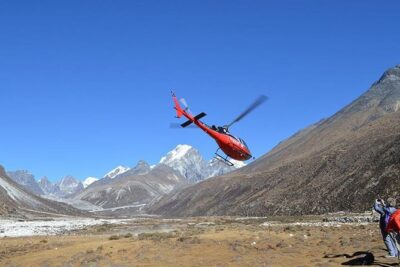
Day 2 is where the itinerary turns from city life into Khumbu reality. You transfer to Kathmandu Airport, take a helicopter to Lukla, and then meet the trekking crew. After that, you start walking to Phakding, which takes about 4 hours.
This helicopter hop is one of the biggest value points here. You avoid the long, uncertain ground travel options people sometimes face when getting to Lukla. More importantly, you’re not arriving exhausted from a travel day. That can help you enjoy Day 3 more, especially because the Namche approach involves elevation and effort.
A small note: helicopters are weather dependent. When weather is poor, plans can change. The upside is that the trip provider has experience navigating disruptions, and recent trip experiences praised how the team handled weather and flight problems efficiently.
Lukla to Namche via Phakding and Monjo, pine forests and real altitude
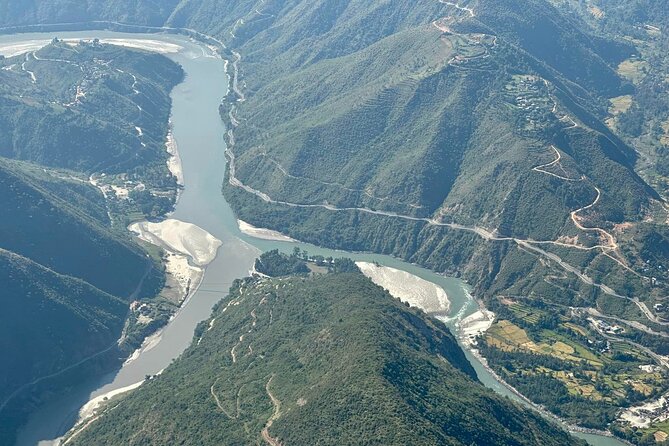
Day 3 centers on the route to Namche Bazaar, with Monjo on the way. The trail starts with a gentle ascent and runs through pine forests. That kind of forest walking is more than scenic filler. It makes the first real elevation gains feel steady instead of jarring.
Once you reach Namche, you’re in the hub of the Everest region. This is where Sherpa culture, mountaineering chatter, and trekking services meet. The real benefit of getting here on schedule is that your later acclimatization plan makes more sense.
Possible drawback: even on “gentle ascent” days, your body may feel sluggish if you start too fast. The best move is a steady pace. Let your breathing lead, not your adrenaline.
More Everest Base Camp treks:
- Everest Base Camp Helicopter Tour landing at Everest View Hotel
★ 5.0 · 668 reviews - Everest Base Camp Trekking – 13 Day
★ 5.0 · 365 reviews - Everest Base Camp Trek
★ 5.0 · 350 reviews - Everest Base Camp Trek -14 Days
★ 5.0 · 321 reviews
Namche acclimatization with Everest View Point, no rushing required
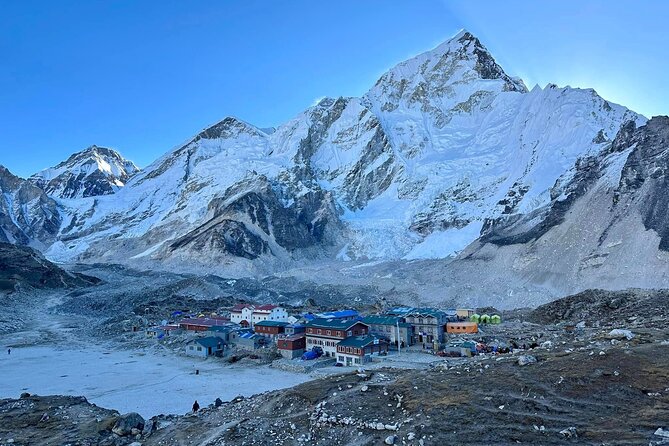
Day 4 includes Everest View Point, and Day 5 is described as a breather day in Namche Bazaar. In plain terms, this is the trip teaching you how to live at altitude, not just how to climb it.
The advantage here is pacing. You’re not pushed into steep climbs immediately. Instead, you get a chance to wander Namche, soak in the mountain vibe, and let your body respond to the elevation shift.
Why this matters: acclimatization is not a checkbox. It’s what often keeps the trip enjoyable. Even if you feel strong, your lungs need time.
If you’re the type who hates downtime, this is the one day to resist the urge to “just keep going.” You’ll likely thank yourself on the later higher days.
Tengboche with rhododendrons, then higher sleep toward Dingboche
Day 5 turns toward Tengboche, and the trek is described as moving through dense rhododendron forests. Rhododendrons are a classic Khumbu detail, but again, they’re useful. Forest trails usually offer shade and a more forgiving footing than exposed sections.
Tengboche also brings a cultural element to the trek through the mention of monasteries and the spiritual side of the region. You get a change of pace, not only higher altitude.
Day 6 continues with a trek toward Dingboche at an altitude of about 4,410 meters, typically taking 5-6 hours from Tengboche. This is a big step. And Dingboche is where the trip is setting you up for the next phase, including a dedicated acclimatization rhythm.
Watch-outs: at this height, you may notice reduced appetite and slower energy. That’s common on altitude treks, and it’s exactly why the itinerary includes calmer days.
Dingboche to Chukhung, your acclimatization rhythm at altitude
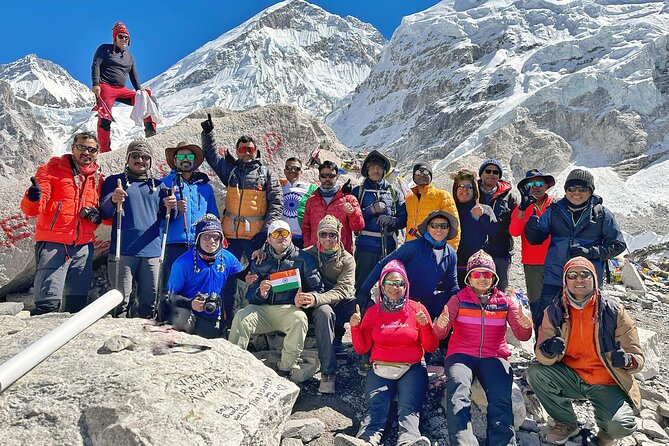
Day 7 includes Chukhung and frames this as allowing for acclimatization. The plan points out that Dingboche serves as an ideal place to acclimate as altitude increases.
I like this approach because it acknowledges a simple truth: you don’t win Everest Base Camp by sprinting toward it. You win by arriving with your system working and your mind clear.
If you’re sensitive to altitude, you’ll appreciate the fact that this portion is designed around breathing and adjustment, not just moving uphill all day.
A practical move: on acclimatization days, keep your pace modest and hydrate consistently. You’re not trying to prove fitness. You’re trying to stay comfortable enough to keep going.
Khumbu Glacier moraine to Lobuche, then Everest Base Camp
Day 8 is oriented toward Lobuche, and it highlights the trek through the terminal moraine of the Khumbu Glacier. Walking in glacier-moraine terrain can feel stark and high-pressure compared with forest sections. It’s also a reminder that you’re in the real high mountain zone, not a hiking trail for beginners.
Day 9 is the big milestone: Everest Base Camp. Reaching Base Camp is why most people sign up. The experience is emotional because you’ve spent days earning that moment, and because the scale of Everest shows up in how the route feels and how the air changes.
The luxury angle here matters too. When you are not focused on sourcing every comfort item, you can stay present. You’re more likely to actually enjoy the day instead of treating it like a checklist.
Gorak Shep and Kala Patthar, the early morning payoff
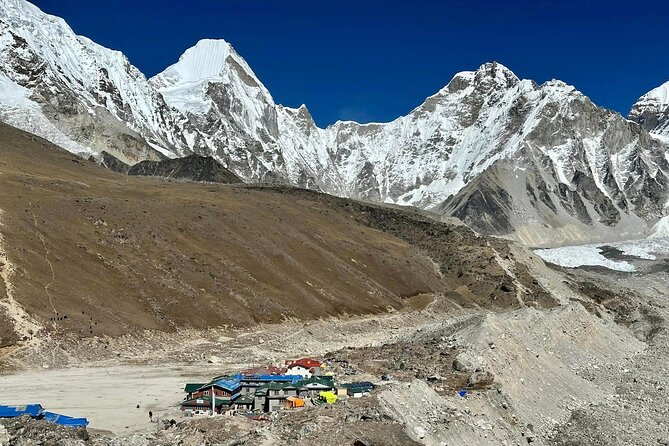
After Base Camp, the itinerary moves to Gorak Shep, described as a small village at about 5,164 meters. Gorak Shep is also positioned as the last stop on the trek to Base Camp.
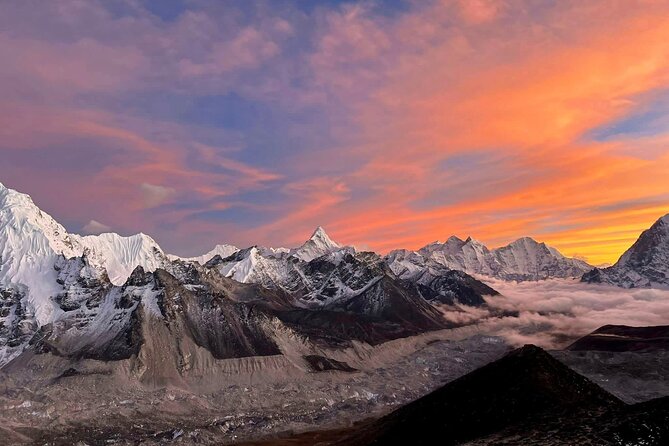
Day 10 includes helicopter landing at Kalapathar, and the plan notes a rise early for an early morning hike to Kala Patthar. Kala Patthar is described as on the south ridge of Pumori, above Gorak Shep.
This section is where you need to be mentally ready for cold and effort. Early starts are not optional. But the payoff is the reason people chase Kala Patthar in the first place: you get big views that feel like the Everest story finally clicks into place.
Practical tip: bring warm layers you can actually move in. This is not the day to rely on one thin jacket.
Helicopter back to Kathmandu, so you don’t end where you started
The trip includes Gorakshep to Kathmandu by helicopter, and that matters more than it sounds. The last stretch of an Everest trek can be the hardest emotionally. You feel tired, you want closure, and you don’t want your body paying the price for one more long walking day.
So the helicopter return helps you protect the ending of the experience. You still get the walk and the climb, but you are not doing a full, tiring descent to get back to civilization.
Day 11 finishes with a transfer to the airport and the flight back home. Clean ending, no messy extra plans required.
Guides and crews, the quiet reason people felt looked after
The itinerary is the map, but the people are the weather-proofing. In recent experiences, guides such as Surya and Prakash were praised for organization and for guiding skills on the Everest Base Camp portion. Other stories also named guides Keshab and Babu, described as knowledgeable and friendly, with one guide highlighted for cultural knowledge alongside mountain guidance.
Porter support also comes through in those notes, with Govinda, Kumar, and Partap credited for looking after the group well. That’s not a small thing. On an Everest trek, the difference between “struggling” and “working steadily” can be your load, your pace, and your comfort.
So when you choose this trip, you’re not just buying beds and meals. You’re buying a human system that reduces stress.
Price and value at $4,070 per person, what you’re paying for
At $4,070 per person, this is not an entry-level Everest plan. The good news is that the price isn’t just for a view and a guide. The package includes a lot of cost drivers.
Included items you should care about:
- All fees and taxes
- Luxury accommodation during the trek
- Guide and porters, including daily wage, insurance, and meals
- Kathmandu to Lukla by helicopter
- Gorakshep to Kathmandu by helicopter
- Meals: Breakfast (9), Lunch (8), Dinner (8)
What is not included:
- Extra nights in Kathmandu
- Travel insurance
- International flights to and from Nepal
- Kathmandu meals except breakfast and farewell dinner
- Personal expenses like laundry, internet, phone calls, shopping, cold drinks, drinking water
- Tips to crew
So what’s the real value? You’re paying to remove uncertainty and reduce your workload in the hardest-to-manage parts of the trip. Helicopters are expensive, but they can also protect your time and energy. Luxury accommodation also costs more than basic tea house stays, especially on a route where supplies are limited.
If you want to keep the experience comfortable and efficient, the price starts to make sense. If you want the cheapest possible Everest trek, this is not that.
What the itinerary tells you about pacing and effort
This is an organized trek with a clear climbing arc. Here’s the flow in human terms:
- You land in Kathmandu, then quickly move into the Khumbu.
- You reach Namche and use a rest day to acclimatize.
- You climb again to Tengboche, then step higher to Dingboche.
- You use Dingboche and Chukhung time to manage altitude.
- You push toward Lobuche and Base Camp through glacier moraine terrain.
- You end with Gorak Shep and the early Kala Patthar hike, then helicopter out.
The biggest consideration is simple: the trip is high altitude. The notes say travelers should have moderate physical fitness, and asthma is flagged. That doesn’t mean you can’t go, but it does mean you should talk to a medical professional and plan smart.
Also, the tour requires good weather, and cancellations due to poor weather can result in a different date or a full refund. That’s common in the region, but it’s still worth accepting in advance so you don’t feel blindsided.
Should you book this Luxury Everest Base Camp Trek?
Book it if you want a classic Everest Base Camp route but you also want organized logistics, helicopter segments, and comfort built into the mountain days. It’s a good fit for couples, friend groups, and solo travelers who want to share the experience while keeping the group small and the plan structured.
Skip it or reconsider if you hate early mornings, you have significant medical risk related to altitude, or you’re looking for the cheapest possible trip. This itinerary is weather and altitude dependent, and the early push to Kala Patthar is real effort.
If you’re on the fence, ask yourself one question: do you want Everest to be challenging in a meaningful way, or challenging in a chaotic way? This package is designed for the first option.
FAQ
How much does the Luxury Everest Base Camp Trek cost?
It costs $4,070.00 per person.
What parts of the trip use helicopters?
You take a helicopter from Kathmandu to Lukla. At the end, you also take a helicopter from Gorakshep to Kathmandu.
What meals are included, and what meals are not included?
The trek includes 9 breakfasts, 8 lunches, and 8 dinners. Meals in Kathmandu are not included except for breakfast and a farewell dinner.
What time does the trip start at the meeting point?
The start time at the meeting point is 5:15 am.
Is there any fitness or health guidance?
The trip notes say travelers should have moderate physical fitness. It also lists asthma problem as an additional info item, so it’s worth discussing your situation with a medical professional before booking.
What is the cancellation window?
You can cancel up to 24 hours in advance of the experience for a full refund.
Latest additions near Kathmandu
- White Water River Rafting – 1 Day★ 4.3 · 3 reviews
- Traditional Momo Making Class★ 5.0 · 10 reviews
- Kathmandu to Pokhara Premium sofa bus ticket★ 4.0 · 17 reviews
- Ghorepani Poon Hill Trek★ 5.0 · 16 reviews
- Amazing 1 Day Trekking Experience in Kathmandu Nepal★ 5.0 · 24 reviews
- Ghorepani Poonhill Trek★ 5.0 · 5 reviews
- Walking tour of real Kathmandu through back streets.★ 5.0 · 3 reviews
- Wildlife Adventure in Chitwan Nepal★ 4.0 · 4 reviews
Everest Base Camp Treks, compared.
Everest Base Camp Helicopter Tour landing at Everest View Hotel
Read our review →
Everest Base Camp Helicopter Tour landing at Hotel Everest View
Read our review →
Browse the lists this tour appears in