Reviewed · TREKS IN KATHMANDU
Khopra Danda Trek
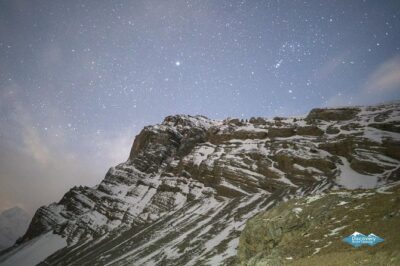
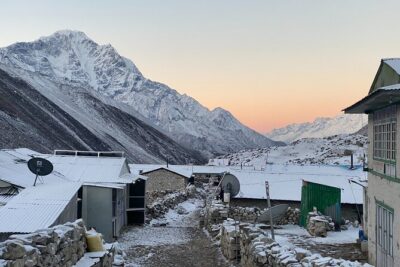
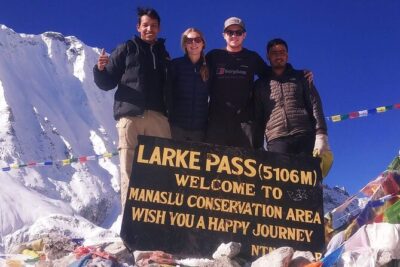
A new trek, same big-mountain wow. Khopra Danda is a newly introduced route in Nepal’s Annapurna region that follows the Ghorepani Poon Hill trail for a few days, then pushes higher toward ridge viewpoints and big, clear Himalaya panoramas. The trek tops out around 3637m, and it’s built for days that feel scenic and earned, not rushed.
I love how this itinerary blends classic sunrise payoff with quieter ridge time, especially at Khopra ridge above 3600m. You’ll also get a standout high-altitude day at Khayer Lake (4660m), where the lake is a sacred spot with a Brahma temple nearby. One consideration: you should plan for moderate fitness and expect at least a couple of demanding stretches at higher elevation, so good weather and pacing really matter.
In This Review
- Key highlights before you go
- What makes Khopra Danda Trek feel different
- The itinerary at a glance, with what each day really means
- Day 1: Kathmandu Durbar Square, then settle in
- Day 2: Drive to Pokhara and get your trekking base vibes
- Day 3: From Nayapul area up to Tikhedhunga
- Day 4: Ulleri steps to Ghorepani (guesthouse night)
- Day 5: Poon Hill sunrise, then onward to Tadapani
- Day 6: Tadapani to Dobato, with a village-and-fauna feel
- Day 7: Muldai viewpoint at 3637m, then onward to Chistibung
- Day 8: Khopra ridge, shorter walk, and a real rest day
- Day 9: Khopra danda to Khayer Lake (4660m), tents and carrying day
- Day 10: Descend to Tatopani, hot water ponds for sore muscles
- Day 11: Jeep back to Pokhara through Beni
- Day 12: Kathmandu return by tourist bus or flight
- Day 13: Airport transfer with your timing handled
- Price and value for a 13-day Annapurna trek
- Group size and pacing, the unglamorous parts that matter
- Weather, altitude, and your best planning move
- Who this trek is best for
- Should you book Khopra Danda Trek with Hike On Trek?
- FAQ
- Where does the Khopra Danda Trek start and what is the endpoint?
- How long is the trek?
- What is the scheduled start time?
- Is the trek suitable for everyone physically?
- What is the maximum group size?
- Is there any admission included during sightseeing?
- What happens on the day you reach Khayer Lake?
- What if the weather is bad?
- Is a mobile ticket provided?
Key highlights before you go
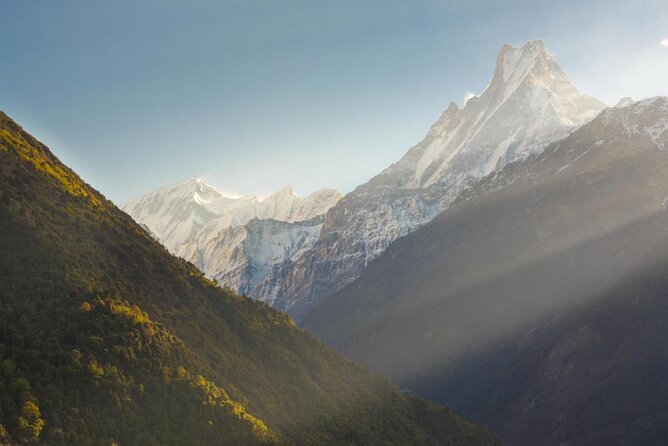
- 3637m ridge viewpoints focused on Annapurna and Dhaulagiri range views
- Khayer Lake at 4660m plus a sacred Brahma temple stop
- A trek that starts like Ghorepani Poon Hill, then breaks off into a newer route
- Small group size (max 25) for easier managing on the trail
- Tatopani hot water ponds for recovery after the highest day
- Included sightseeing time in Kathmandu, plus a mobile ticket for smoother entry
What makes Khopra Danda Trek feel different
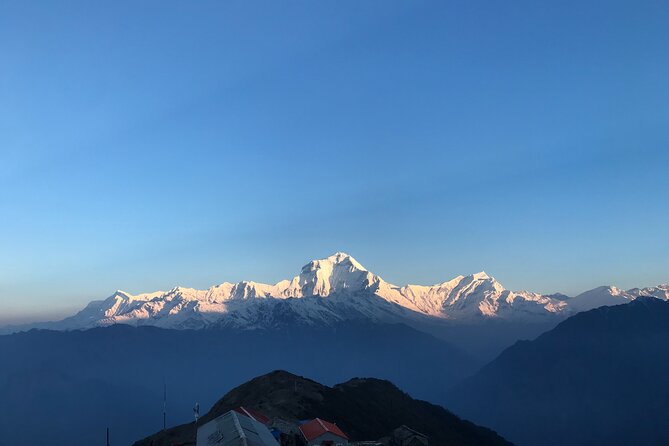
Khopra Danda sits in the Annapurna region, close enough to the Ghorepani Poon Hill classic that many people use the same general access route. The difference is what you do after that familiar early rhythm. Instead of ending the story with the main Poon Hill loop vibes, you head toward higher ridges and then add the memorable Khayer Lake day.
The big win here is variety. You get stone-step trekking and traditional guesthouse stops early on, then a ridge day where you settle in for mountain views, and finally a high day that includes tents and a sacred lake setting. That mix makes the trip feel like more than a single “point A to point B” hike.
Also, the company behind the trip, Hike On Trek, shows up in the feedback as consistent and fairly priced. One booking experience credited Samir for helping put together an itinerary that fit the travelers, and that matters, because trekking success often starts with planning that matches your pace.
More Treks in Kathmandu
- Everest Base Camp Trek – 14 Days
★ 5.0 · 1,499 reviews - Everest Base Camp Trek
★ 5.0 · 842 reviews - Everest Base Camp Trekking
★ 5.0 · 485 reviews
The itinerary at a glance, with what each day really means
This is a 13-day trek that blends city time, road transfers, guesthouse nights, and one night at Khayer Lake where tents are involved. You’ll start in Kathmandu, drive to Pokhara, then gradually move from the lower trail up toward 3000m plus viewpoints.
Below is how I’d think about the day-by-day flow, including what’s good and what to watch for.
Day 1: Kathmandu Durbar Square, then settle in
You start with an arrival-and-sightseeing day in Kathmandu, including Kathmandu Durbar Square. The schedule shows about 3 hours and includes admission.
Why this matters: it gives you an easy first block after landing, without forcing trekking logistics on Day 1. If your travel day runs long, this “buffer sightseeing” is a nice way to get your bearings fast.
Day 2: Drive to Pokhara and get your trekking base vibes
Day 2 is a 4-5 hour drive from Kathmandu to Pokhara, with another sightseeing block in town. The itinerary estimates 7 hours total and notes admission tickets are free.
Pokhara is practical here. You’re not just passing through, you’re using it as a setup stop, meaning you can sort gear and plan the next day’s trail start with less chaos. It’s also where the atmosphere shifts from city traffic to lakeside calm.
Another way to spend the time in Nepal:
- Private Kathmandu Sightseeing Tour | UNESCO World Heritage sites
★ 5.0 · 756 reviews - Kathmandu: 7 UNESCO Sites with Lunch
★ 4.8 · 744 reviews - Everest Base Camp Helicopter Tour landing at Everest View Hotel
★ 5.0 · 668 reviews - Half day cooking class in Thamel kathmandu
★ 5.0 · 607 reviews
Day 3: From Nayapul area up to Tikhedhunga
After driving from Pokhara to Nayapul (about 1.5 hours), you begin the trek at Tikhedhunga (1750m). The walking time is around 5 hours, and the route follows the Modi Khola downstream from the Annapurna valley.
This is the day that makes or breaks your confidence. Five hours is manageable, but it sets the tone. You’ll be dealing with early trail stamina and the mental adjustment to moving on uneven ground.
The itinerary notes that you’ll get your stuff sorted out and hire porters. Plan for that reality: even if you think you’ll travel light, you’ll still want a smooth process for packing what you’ll carry versus what porters handle.
Day 4: Ulleri steps to Ghorepani (guesthouse night)
Day 4 is the step-heavy push. You climb through more than 3000 stone steps to Ghorepani, and the total hike is about 6 to 7 hours. You stay overnight in a guesthouse.
This day is exactly why many people start with the Ghorepani Poon Hill portion. It gives you a familiar warm-up climb and positions you for the early morning views the next day.
Possible drawback: if your legs feel heavy after Day 3, the step volume on Day 4 can feel like a workout disguised as a scenic hike. You’ll do best with steady, slower pacing.
Day 5: Poon Hill sunrise, then onward to Tadapani
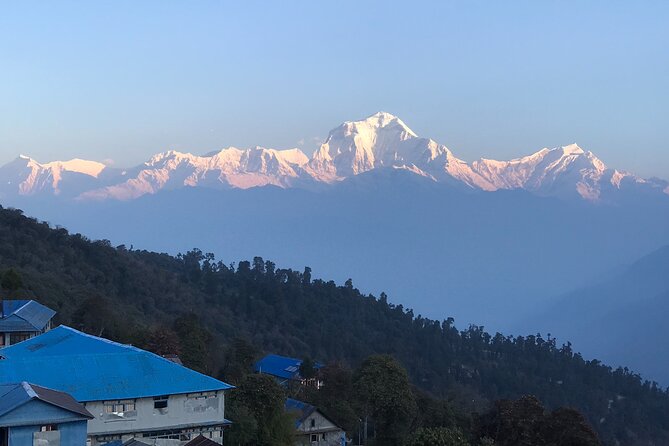
From Ghorepani, you reach Poon Hill for Himalayan views, including ranges like Annapurna and Dhaulagiri, then you descend back to Ghorepani and continue toward Tadapani. Total walking time is listed as 6 to 7 hours, and you stay overnight in a guesthouse.
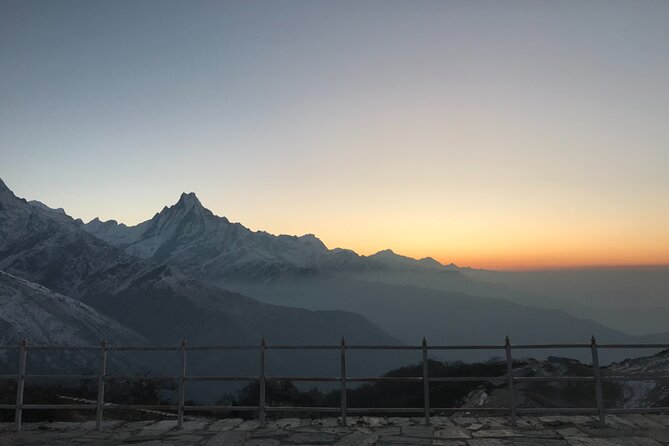
This is a high-value day because Poon Hill is built for that pre-sun experience where peaks can turn golden in the morning. Even when the light is less dramatic than you hoped, you’ll still be getting big panorama rewards.
Then you’re not stopping there. You’re moving forward to keep the trek’s momentum. Just know Tadapani is a longer day than it sounds on paper.
Day 6: Tadapani to Dobato, with a village-and-fauna feel
Day 6 climbs toward Dobato (around 3350m) after hiking from Tadapani. It’s about 5 to 6 hours, with a trek length listed as 6.5 kilometres. The route passes villages and you’re likely to notice flora and fauna, plus continued mountain views.
Dobato at 3350m is a sweet spot for “still high enough to feel altitude,” but not as intense as the top day later on. This day helps you acclimate while still moving up.
Day 7: Muldai viewpoint at 3637m, then onward to Chistibung
Early on Day 7, you hike up to Muldai viewpoint at 3637m, described as offering morning views of about 25 mountains across Annapurna and Dhaulagiri ranges. After that, you return to Dobato and trek to Chistibung, staying overnight there.
The hiking portion is listed as 5 hours total, with a segment to Bayli Kharka before reaching Chistibung. This is a day where the “destination feeling” is strong because you’re actively working toward a very specific morning payoff.
What to watch for: early starts at elevation can make you feel slower. Keep your goal simple, steady breathing, short breaks, no sprinting.
Day 8: Khopra ridge, shorter walk, and a real rest day
Day 8 is your lighter day on paper. After about 3 hours from Chistibung, you reach Khopra ridge, where you get sweeping views including Dhaulagiri, Annapurna, Nilgiri, and others. The plan is about 4 hours total walking, then you rest at Khopra community lodges overnight.
I like this kind of day because it gives you time to absorb the scenery and reset your body. After several days of uphill effort and early viewpoints, having a shorter trekking block helps with recovery before the Khayer Lake push.
Day 9: Khopra danda to Khayer Lake (4660m), tents and carrying day
Day 9 is the big one. After breakfast, you trek up to Khayer Lake at 4660m. The walk is listed at about 5 hours and includes a sacred setting with a Brahma temple.
Here’s the practical detail that matters most: the itinerary says you set tents and that all required stuff and food must be carried from Khopra danda for this day. That means you should be realistic about what you pack, and you’ll want to make your load decisions carefully.
Possible drawback: this day is exhausting on the body and on the planning side. If you pack too much, you’ll feel it. If you pack too little, you’ll be improvising. Aim for a simple, organized kit.
Day 10: Descend to Tatopani, hot water ponds for sore muscles
Day 10 descends toward Tatopani, where you can soak in hot water ponds for muscle pain relief. The plan lists 5 hours for the day and an overnight stay in Tatopani.
This is a smart recovery step after a very high day. Even if the hot ponds aren’t a miracle cure, taking the sting out of your legs can make tomorrow’s road transfer feel easier.
Day 11: Jeep back to Pokhara through Beni
Day 11 is a drive back to Pokhara by jeep. The itinerary estimates 5 hours and notes off-road travel until Beni, then black-topped road from Beni through Nayapul back to Pokhara.
This is a nice contrast. You go from trekking rhythm to vehicle rhythm, which helps your body cool down after days of stepping and climbing.
Day 12: Kathmandu return by tourist bus or flight
On Day 12 you return to Kathmandu. You have two options: a tourist bus with about 4 hours and countryside viewing, or a flight.
This flexibility is worth it. If you’re tired, the flight saves time. If you want a softer close, the bus gives you a slow look at rural road life between towns.
Day 13: Airport transfer with your timing handled
Your final day includes an airport representative transfer to Kathmandu International Airport, scheduled 3 hours before your flight. The itinerary shows 30 minutes for this block.
This matters more than it sounds. With treks, last-day timing can get stressful. Having transport coordinated and leaving early helps you avoid the classic travel-day panic.
Price and value for a 13-day Annapurna trek
The cost is listed at $1,120 per person for approximately 13 days. Value here comes less from any one line item and more from the whole structure: it includes city sightseeing time, multiple guided trek days, road transfers between Kathmandu and Pokhara and back, and specific support elements like the airport representative.
A key detail is the itinerary’s mix of included admissions. Kathmandu Durbar Square has admission included, while other admission lines are listed as free. It’s not a cheap “just a ticket” trekking deal, but it is priced like a full package rather than a DIY route.
The feedback also points to a fair price and good service, with people praising staff support and a tailored itinerary process during booking. That combination is usually what you want in Nepal: someone who can keep things organized when weather, trail timing, and logistics get real.
If you’re comparing options, don’t only look at the number. Think about whether you want someone coordinating the transitions between Kathmandu, Pokhara, and the trail, and whether you value reliable field support over doing everything yourself.
Group size and pacing, the unglamorous parts that matter
This trek has a maximum of 25 travelers, which is fairly small for a popular region. Smaller groups tend to feel easier on shared spaces, guesthouses, and viewpoint timing.
You also need a moderate physical fitness level. That phrase can sound vague, but the itinerary gives you the reality: long days around 6 to 7 hours, a step-heavy climb to Ghorepani, and a major high day at 4660m where you also have tent setup and carrying responsibilities.
So my practical advice is simple: train your legs for hills and steps, and plan to move at a pace that lets you keep breathing under control. The payoff views are worth it, but only if you arrive with energy, not just determination.
Weather, altitude, and your best planning move
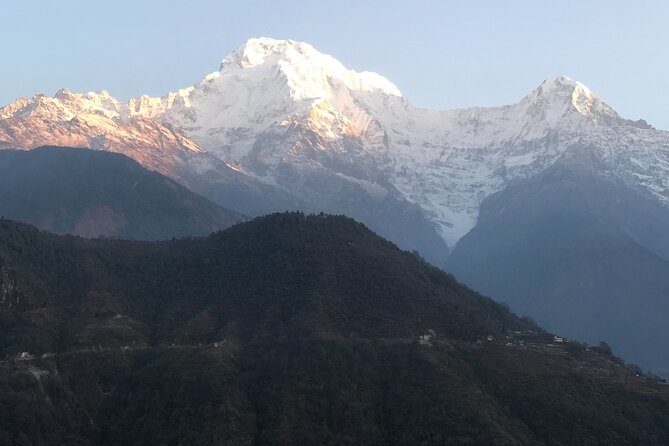
The experience requires good weather. If it’s canceled due to poor weather, you’ll be offered a different date or a full refund.
Altitude is another reality baked into the route: you’ll pass 3637m, and then go to 4660m for Khayer Lake. Your body’s response depends on many factors, but the itinerary’s structure does give you some acclimation building blocks through the 3350m and 3637m days.
Still, treat altitude like a variable. Go slow, drink water as your plan allows, and respect that your pace may drop as you climb.
Who this trek is best for
Khopra Danda is a strong fit if you want:
- Big Himalayan views with a route that feels like more than just Poon Hill
- A day that includes a real sacred lake stop at high altitude
- A recovery moment with Tatopani hot water ponds
- A package that handles Kathmandu and Pokhara movements without you building every piece alone
It’s likely less ideal if:
- You hate early starts or long hiking days on uneven ground
- You want a short, low-altitude trek only
- You’d rather avoid carrying responsibilities on the Khayer Lake day
Should you book Khopra Danda Trek with Hike On Trek?
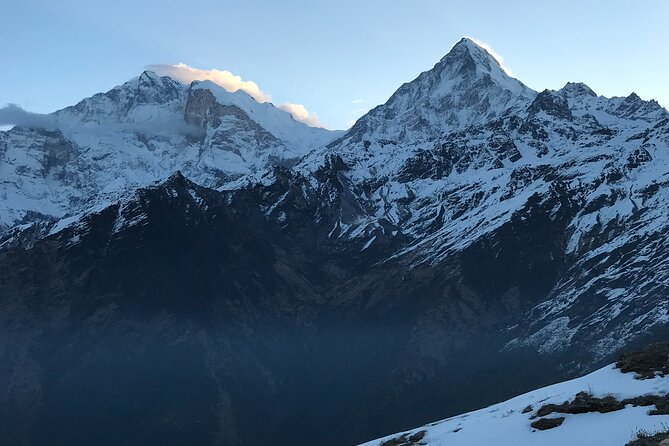
Yes, if you want a practical Annapurna trek that adds depth beyond the standard Poon Hill loop. The mix of ridge viewpoints, Khayer Lake at 4660m, and a recovery stop at Tatopani makes the 13 days feel purposeful rather than repetitive.
I’d book it with confidence if you’re comfortable with a moderate fitness level and you’re traveling during a season when weather is likely to cooperate. If your main priority is maximum comfort every single day, this route might push you, especially around the higher altitude days.
Go for it when you want the kind of trip where sunrise views are only the beginning, and the best moments come after you’ve earned them with steady walking.
FAQ
Where does the Khopra Danda Trek start and what is the endpoint?
The start is at Tribhuvan International Airport, Ring Rd, Kathmandu. The endpoint is in the Annapurna region on the Khopra Danda following the Ghorepani Poon Hill Trek route.
How long is the trek?
The duration is listed as 13 days approximately.
What is the scheduled start time?
The start time is 10:45 am.
Is the trek suitable for everyone physically?
The tour notes that travelers should have a moderate physical fitness level.
What is the maximum group size?
The maximum number of travelers is listed as 25.
Is there any admission included during sightseeing?
Yes. Kathmandu Durbar Square admission is included on Day 1. Other admission lines are marked as free within the itinerary.
What happens on the day you reach Khayer Lake?
You trek up to Khayer Lake (4660m), set tents, and the itinerary states that all required stuff and food must be carried from Khopra danda for that day.
What if the weather is bad?
The experience requires good weather. If it’s canceled due to poor weather, you will be offered a different date or a full refund.
Is a mobile ticket provided?
Yes, the tour includes a mobile ticket.
Latest additions near Kathmandu
- Traditional Momo Making Class★ 5.0 · 10 reviews
- White Water River Rafting – 1 Day★ 4.3 · 3 reviews
- Kathmandu to Pokhara Premium sofa bus ticket★ 4.0 · 17 reviews
- Ghorepani Poon Hill Trek★ 5.0 · 16 reviews
- Amazing 1 Day Trekking Experience in Kathmandu Nepal★ 5.0 · 24 reviews
- Ghorepani Poonhill Trek★ 5.0 · 5 reviews
- Walking tour of real Kathmandu through back streets.★ 5.0 · 3 reviews
- Wildlife Adventure in Chitwan Nepal★ 4.0 · 4 reviews
Treks in Kathmandu, compared.

Nagarkot Sunrise View and Day Hiking from Kathmandu
Read our review →