
Reviewed · ANNAPURNA CIRCUIT TREKS
Kathmandu: 9-Day Annapurna Circuit Trek via Thorong La Pass
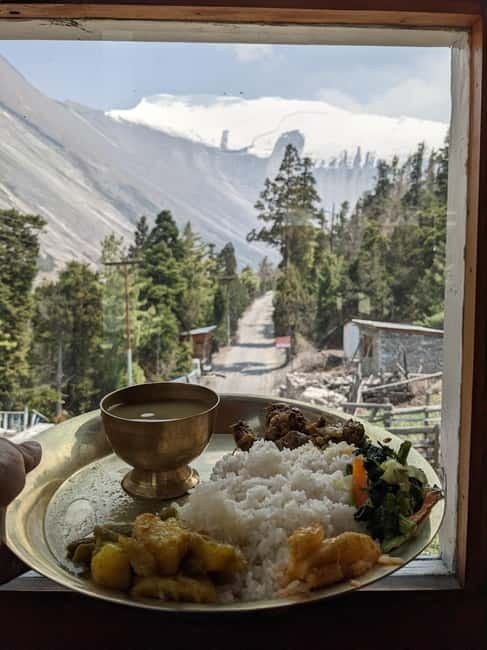
Thorong La feels like a planet switch. On this Annapurna Circuit trek to Thorong La Pass at 5,416 m, I like how the route keeps changing, from pine and oak forest to high, open Himalayan country, with Tibetan-style villages along the way. I also love the payoff of Upper Pisang, where the village sits under huge views that feel close enough to touch.
One heads-up, though: the pass day is serious. You start around 4:00 AM, and the cold can bite, especially on windy ridgelines. Planning your pace and bringing the right cold-weather gear matters here.
What makes the experience feel manageable is the people side. A trekking guide who stays on top of pacing and safety, like Parkash and Sishir are described as doing in past trips, can turn a scary day into a focused one.
In This Review
- Key things that make this trek click
- Thorong La Pass at 5,416 m: the real goal
- Getting to Dharapani: your easy start with 175 km of scenery
- Dharapani to Chame, then Chame to Upper Pisang: forest, villages, and your first real climb
- Upper Pisang to Manang: higher altitude, bigger views, and a smart rest plan
- Manang acclimatization day at 4,050 m: the best insurance you can buy
- Yak Kharka and Thorong Phedi: shorter days that protect your pass attempt
- Thorong Phedi to Muktinath via Thorong La: start at 4:00 AM, finish with meaning
- Muktinath Temple: the pilgrimage stop that changes the mood
- Pokhara wrap-up: one luxury night, plus a real dinner in Lakeside
- Permits, guides, and meals: why this package feels built for fewer headaches
- Packing smart for cold nights and a high pass
- When to go and who should skip this trek
- Should you book this 9-day Annapurna Circuit trek via Thorong La?
- FAQ
- What is the highest point on this trek?
- How long is the trekking portion?
- Is there an acclimatization day in Manang?
- When do you start crossing Thorong La?
- What kind of lodging do you get during the trek?
- Are meals included?
- Are permits included?
- Is travel and rescue insurance included?
- Can I drink alcohol or use drugs during the trek?
Key things that make this trek click
- Thorong La Pass at 5,416 m is the big achievement, with wide panoramas and prayer flags near the top
- Upper Pisang village time gives you culture plus mountain views without needing extra detours
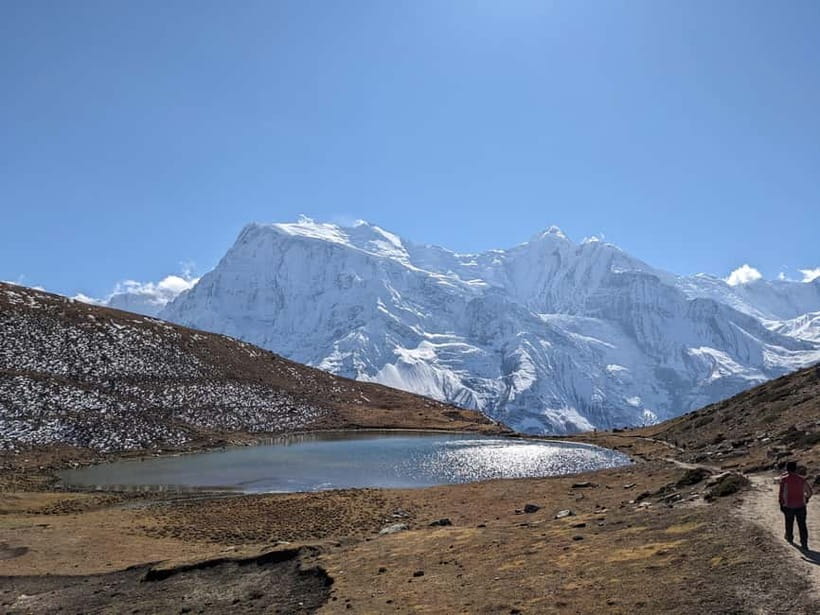
- A real acclimatization day in Manang (4,050 m) helps your body handle the higher elevations
- Teahouse trekking rhythm means consistent days, simple lodging, and meals that keep you fueled
- Muktinath Temple visit adds a meaningful pilgrimage stop after the pass
- A shorter climb on Day 6 (Yak Kharka) helps you arrive at the pass base camp feeling ready
Thorong La Pass at 5,416 m: the real goal
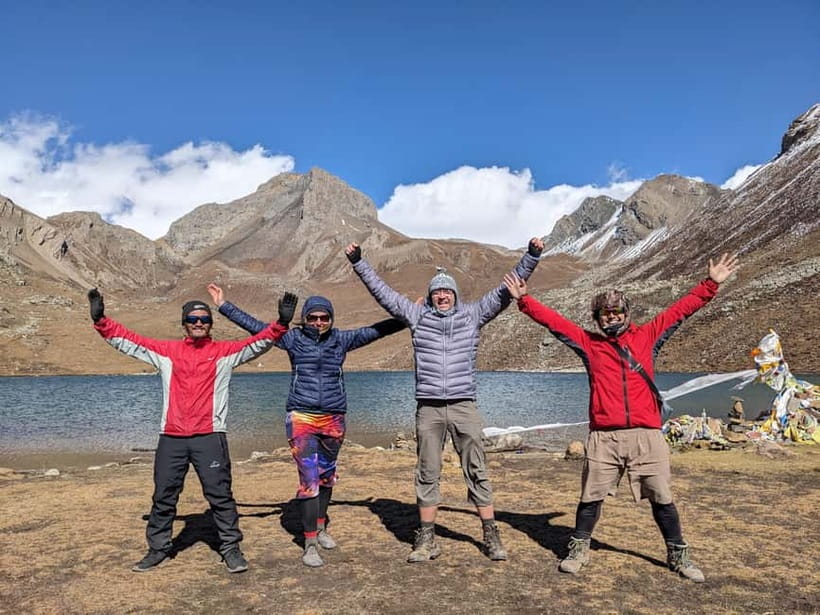
If you like mountain trekking that feels earned, this one has the right shape. The trek builds you up with steady climbs, then hands you the main event: crossing Thorong La Pass at 5,416 m.
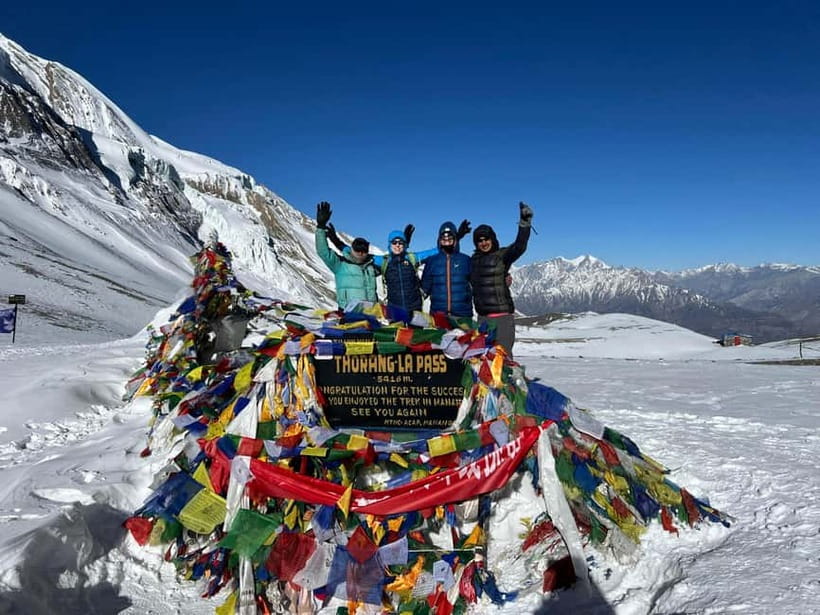
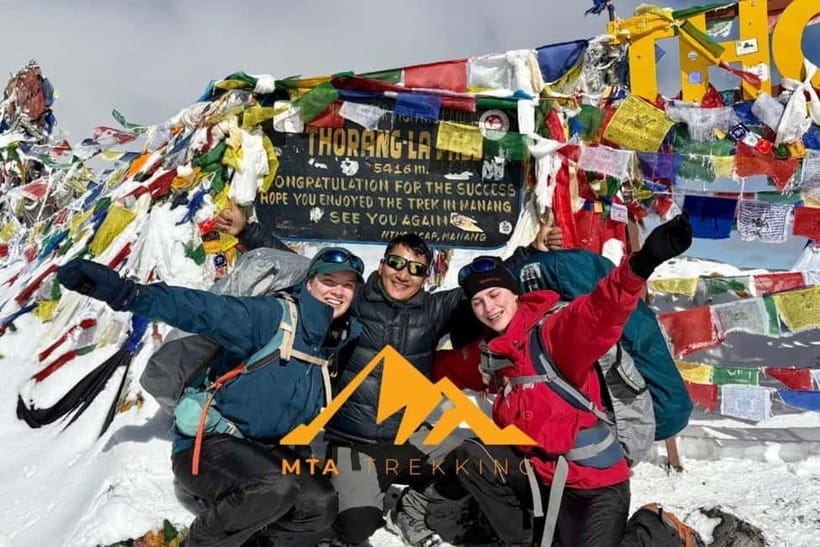
The pass day is tough in a very specific way. It is not just the height, it is the early start, the thin air, and the fact that the climb feels longer than you expect because you are moving slowly. You will likely work for every step, but the payoff is huge, wide views that make the effort click into place. Prayer flags help you see exactly where you are in the climb.
Also, the descent is its own test. Your legs can feel like they have forgotten what stairs are, even after you reach the pass. Still, crossing Thorong La is the kind of moment you remember for years, because it is clear, concrete progress.
More Treks in Pokhara
- Poon hill Trek 3 days
★ 5.0 · 176 reviews - Trekking in Annapurna/Langtang/Everest/Upper Mustang regions
★ 5.0 · 161 reviews - Pokhara: 4-Day Ghorepani, Poonhill & Ghandruk Mountain Trek
★ 5.0 · 132 reviews
Getting to Dharapani: your easy start with 175 km of scenery
Day 1 is basically an intro to Nepal’s countryside, not a fitness test. You are picked up early and taken by public bus toward Besisahar, then you transfer to a shared local jeep to Dharapani. The day is about 7 to 8 hours total, covering roughly 175 km.
This matters because it sets expectations. You are not waking up and going straight into altitude pain. You get long views over terraced fields and villages, and you arrive with daylight left to settle in at a teahouse.
The only real drawback is that the day is long in a seated way. If you are the type who hates travel days, plan to stretch and drink water before your trekking calories arrive on Day 2.
Dharapani to Chame, then Chame to Upper Pisang: forest, villages, and your first real climb
Day 2 runs about 6 hours (around 13 km) up to roughly 2,670 m, from Dharapani to Chame. Expect Bhote villages, pine and oak forests, and plenty of streams. The best part of this day is the gradual shift in feeling: the air gets sharper, the uphill becomes steady, and you start to notice how the mountains frame your path.
Then Day 3 is about 5 to 6 hours (around 15 km) up to about 3,200 m, from Chame to Upper Pisang via the Bhratang Valley. Here the vibe changes. You still climb, but the views open more. You also get time in the village itself, which is where Upper Pisang earns its reputation. You can slow down, talk to people, and soak up Himalayan culture without rushing back to the trail.
Practical tip: this is a great day to practice your altitude habits. Eat early, sip water often, and keep your pace slow enough that you can breathe comfortably through the whole section.
Upper Pisang to Manang: higher altitude, bigger views, and a smart rest plan
Day 4 takes you from Upper Pisang to Manang in about 5 to 6 hours (around 16 km) up to roughly 3,540 m. You will walk through forests and valleys, and the views become more dramatic as you approach Manang.
Why this stop matters: Manang is where your itinerary starts respecting altitude. When you arrive, you are not meant to just charge forward. You rest, settle into a teahouse, and give your body time to adjust.
In good trekking design, this is the difference between a trip you finish and one that turns into a medical story. Manang is also the place where you can feel the high-country atmosphere shift, from greener lower valleys to a more rugged, alpine feel.
More Annapurna Circuit departures:
- Kathmandu: 10-Day Annapurna Circuit Trek via Thorong La Pass
★ 5.0 · 10 reviews - 12 Days Annapurna Circuit Trek from Pokhara
★ 5.0 · 4 reviews - Annapurna Circuit Trek with Tilicho Lake
★ 5.0 · 368 reviews - Annapurna Circuit Trek
★ 5.0 · 94 reviews
Manang acclimatization day at 4,050 m: the best insurance you can buy
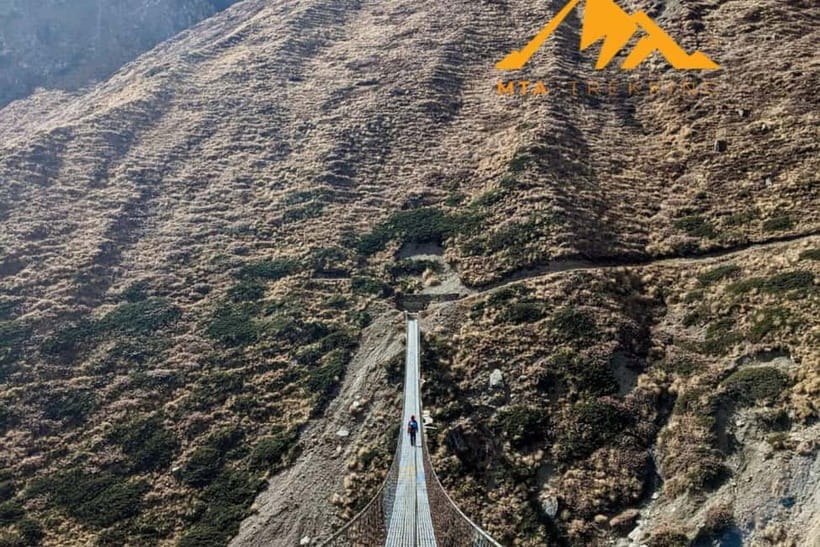
Day 5 is your acclimatization day in Manang at about 4,050 m. It is built for your body, not for your ego.
If you are up for it, there is an optional hike toward the Gangapurna Glacier Lake or nearby icefalls. Even if you do not go far, the point is simple: move a little higher, then come back and sleep where you are. That cycle helps your system handle the thin air for the days ahead.
This is also the day where you can get your gear sorted and your sleep set up. Because the next morning will be early, you want fewer worries and more comfort in your rhythm.
Yak Kharka and Thorong Phedi: shorter days that protect your pass attempt
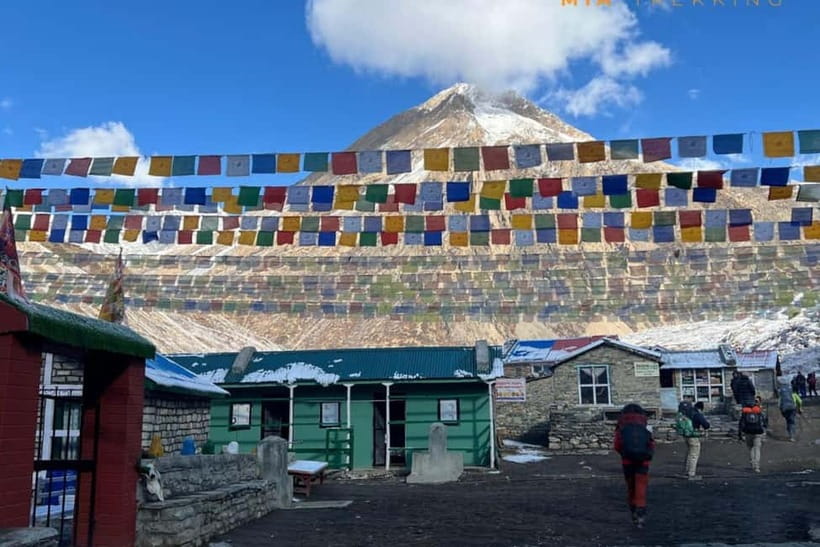
Day 6 goes from Manang to Yak Kharka in about 4 hours (around 7 km) reaching about 4,050 m. This is a shorter day by design. You walk alpine pastures with sweeping views and get the benefit of movement without exhausting yourself before the main push.
Then Day 7 climbs to Thorong Phedi in about 4 to 5 hours (around 6 km) to roughly 4,450 m. You will cross rocky sections and suspension bridges as you head to the pass base area. This is the place where you want to be mentally ready, because you will not have time to figure things out on the morning of the pass.
If you have never done a high-altitude trek before, think of Days 6 and 7 as training wheels for Thorong La. They let your body adapt while the route stays moving.
Thorong Phedi to Muktinath via Thorong La: start at 4:00 AM, finish with meaning
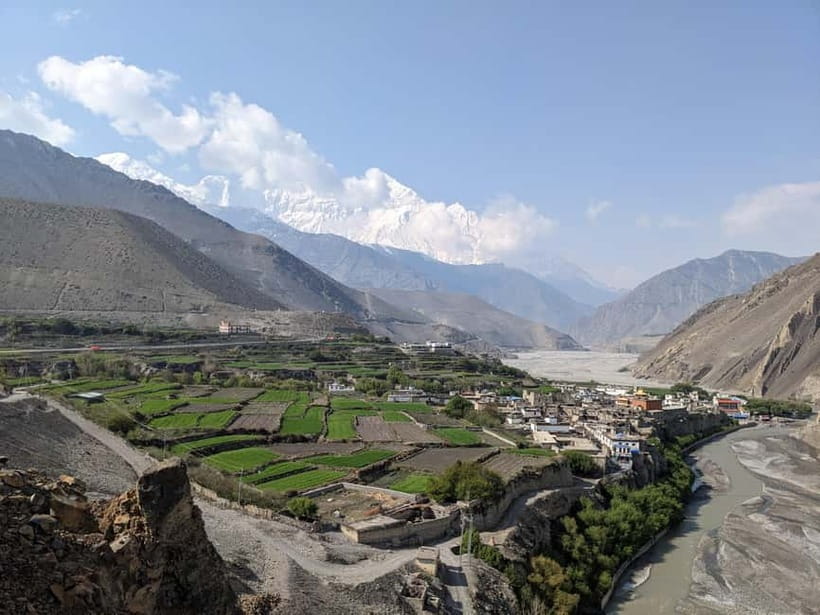
Day 8 is the big one. You start very early, around 4:00 AM, and you trek about 7 to 8 hours from Thorong Phedi to Muktinath after crossing Thorong La Pass at 5,416 m.
Why so early? The trek plan is aiming to beat the wind and make sure you are not stuck fighting the elements late in the day. This is also why sleep matters. If you arrive at Thorong Phedi tired, cold, and underprepared, the pass day can feel even harder.
When you cross, you get wide Himalayan panoramas and that line of prayer flags that tells you you made it. Then you descend steadily to Muktinath, arriving around 12:00 to 1:00 PM for lunch and an overnight.
Optional note: there is also an optional trip to Tatopani hot springs for sore muscles, but it involves an extra taxi cost of about USD 50, payable by participants.
Muktinath Temple: the pilgrimage stop that changes the mood
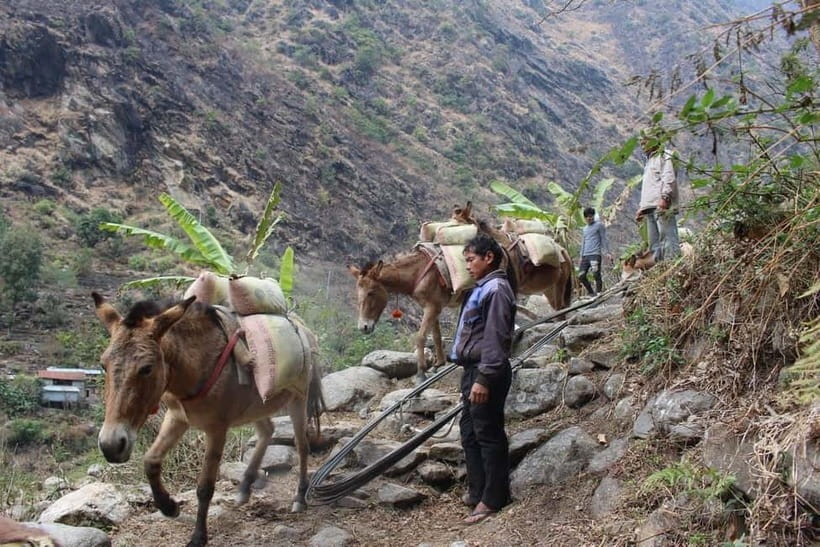
After the pass, Muktinath gives you a different kind of altitude relief. You are still high, but the feeling turns from survival to ritual.
Muktinath is a sacred temple site for both Hindus and Buddhists. So instead of staring at your feet, you start looking around, watching how people move through the space, and remembering that this region is not just about hiking. It is a living crossroads of faith.
If you want a practical takeaway, it is this: after Thorong La, do not rush your emotions. Take the time to eat well, hydrate, and let your body recover before you start thinking about the ride back.
Pokhara wrap-up: one luxury night, plus a real dinner in Lakeside
Day 9 takes you from Muktinath down toward Pokhara by bus, about 5 to 6 hours covering roughly 110 km. This is the last big movement of the trek, and it is a relief.
Once you reach Pokhara, the package includes a tourist-standard luxury hotel night at Hotel Orchid, plus a farewell dinner in Lakeside with traditional Nepali cuisine. That dinner matters more than it sounds. After nine days of simple teahouse food, you will appreciate a calmer meal and a warm bed that does not require you to think about trekking layers.
This is also when you can reflect on what you learned. The best part of a trek like this is not only the pass. It is how you learn to handle effort, pace, and discomfort without panicking.
Permits, guides, and meals: why this package feels built for fewer headaches
This is where the value shows up, even without a price in front of you.
Your included items cover the paperwork side: required trekking permits, TIMS fees, and the necessary government paperwork. That saves you time and stress, especially if you do not want to gamble with admin on your own.
You also get guided support. An authorized English-speaking trekking guide is included, with a porter available at an additional cost. Luggage storage is also included, which can reduce how much you need to carry day-to-day.
On the food side, it depends on the booking type. For full package bookings, meals during the trek are included as breakfast, lunch, and dinner. That means you do not have to keep solving the where-to-eat problem on an already busy schedule.
One more small comfort that matters: the package includes a luxury tourist AC sofa-seater bus for the long return from Pokhara to Kathmandu, plus transportation matching the itinerary and group size.
Packing smart for cold nights and a high pass
Altitude makes packing less about style and more about function. The tour lists basics like comfortable shoes, sunglasses, a sun hat, sunscreen, quick-dry clothing, and a passport or ID card copy.
For me, the big add-on is winter readiness. One past trek described how cold it gets and strongly recommended bringing a proper sleeping bag. Even if you think you will be fine with layers, the cold inside teahouses can surprise you.
Also, remember what is not allowed: alcohol and drugs. If you are tempted after the pass, save that for Kathmandu or Pokhara, because recovery days go better when you protect your sleep and hydration.
Practical gear rhythm for this specific trek:
- Wear layers you can adjust fast as temps shift
- Bring sunglasses and sunscreen early, not just on the pass day
- Keep a warm layer for mornings around 4:00 AM starts
- Bring comfortable shoes that already feel broken in
When to go and who should skip this trek
Timing changes everything in Nepal.
- Best seasons are spring (March to May) and autumn (September to November) for clearer skies and strong visibility.
- Spring can feel warmer with blooming flowers.
- Autumn often brings mild temps and some of the best views.
- Winter (December to February) is cold and snowy, and trail closures are possible.
- Monsoon (June to August) brings heavy rain and slippery trails, so this is not the safest bet for most people.
Health and limits are also clear. This trek is not suitable for children under 7, pregnant women, people with altitude sickness, and people with high blood pressure. If you have any medical concern, treat it as non-negotiable and talk to a professional before committing.
Should you book this 9-day Annapurna Circuit trek via Thorong La?
I would book it if you want a structured high-altitude trek that builds in rest, uses a Manang acclimatization day, and ends with a meaningful stop at Muktinath. You are getting the big pass moment at 5,416 m, plus the chance to see different cultures through villages like Upper Pisang.
You should think twice if you are not confident with early starts, cold conditions, or high-altitude walking. Thorong La is the toughest day on the route, and the itinerary is designed for trekkers who can pace themselves and accept slow progress when the air thins.
If your goal is one real mountain achievement, done with a professional guide and a plan that protects you from rushing your acclimatization, this is a strong choice.
FAQ
What is the highest point on this trek?
The highest point is Thorong La Pass, at 5,416 m.
How long is the trekking portion?
The trek runs for 9 days total, with multiple daily hikes and tea house stays during the trekking section.
Is there an acclimatization day in Manang?
Yes. There is a dedicated acclimatization day in Manang at around 4,050 m (Day 5).
When do you start crossing Thorong La?
You start very early, around 4:00 AM on the Thorong La crossing day (Day 8).
What kind of lodging do you get during the trek?
You stay in tea house or lodge accommodation for 8 nights during the trek.
Are meals included?
For full package bookings, meals during the trek are included as breakfast, lunch, and dinner.
Are permits included?
Yes. The package includes all required trekking permits and the associated TIMS fees and paperwork.
Is travel and rescue insurance included?
No. Travel and rescue insurance is not included, so you will want to arrange it separately.
Can I drink alcohol or use drugs during the trek?
No. Alcohol and drugs are not allowed.
Latest additions near Pokhara
- Pokhara: Pokhara Highlights Tour by Bus★ 3.6 · 10 reviews
- Discover Pokhara in Style: Private Vehicle Service with Driver★ 5.0 · 5 reviews
- Pokhara in 5 Hours: Lake, Museum, Cave, Falls & Pagoda Hill★ 4.5 · 16 reviews
- 7-Day Trek to Annapurna Base Camp from Pokhara★ 5.0 · 12 reviews
- 4 Day Mardi Himal Base Camp Trek from Pokhara★ 5.0 · 18 reviews
- The World Peace Pagoda in Pokhara★ 4.5 · 7 reviews
- Unique Easy Hiking to Foxing Hill from Pokhara★ 5.0 · 4 reviews
- World Peace Stupa Day Hike From Pokhara★ 5.0 · 4 reviews
Annapurna Circuit Treks, compared.
Browse the lists this tour appears in