
Reviewed · ANNAPURNA CIRCUIT TREKS
Kathmandu: 10-Day Annapurna Circuit Trek via Thorong La Pass
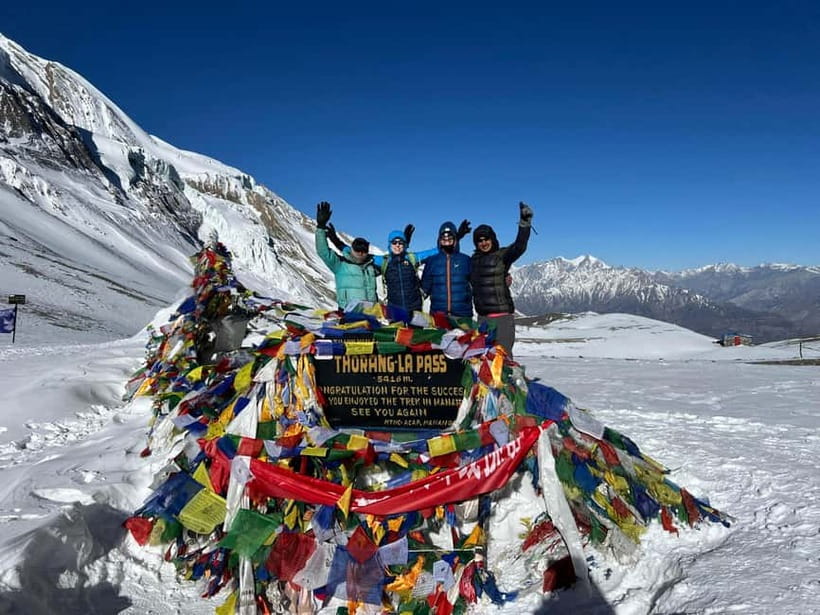
Thorong La turns a trek into a test. This 10-day Annapurna Circuit route takes you from Kathmandu’s streets to the 5,416m pass, with big views of Annapurna, Dhaulagiri, and Machapuchare plus Tibetan-style villages along the way. You spend your days hiking through changing climates, then top it off with the kind of high-altitude achievement that sticks in your head.
I love the way the plan builds in acclimatization in Manang, so you are not just guessing your way through altitude. And I really like the people side, too, because the guides I see for this trek, including Ganesh, Prakash, Chakra, and Ghanshyam, focus on safety habits like steady pacing, hydration, and smart food choices as you go higher.
The main drawback is simple: altitude and stamina. Day 8 is long and high, with the Thorong La crossing at 5,416m, so if you struggle with breathlessness or you try to rush, this trek will feel harsher than it needs to.
In This Review
- Key highlights worth your attention
- Why the Annapurna Circuit still feels like a full journey
- Kathmandu to Dharapani: getting into the rhythm on travel day
- Chame to Upper Pisang: forests, villages, and the apple-orchard surprise
- Manang: the acclimatization day that buys you confidence
- Yak Kharka to Thorong Phedi: making altitude feel workable
- Thorong La to Muktinath: the pass day you will talk about for years
- Kagbeni to Jomsom and the ride to Pokhara: how to finish well
- Tea houses and meals: what “included” really means on the trail
- Price, value, and what you are paying for
- Who should book this, and who should skip it
- Packing tips that actually help at altitude
- Should you book this Annapurna Circuit trek via Thorong La?
- FAQ
- What is the highest point on this trek?
- How long is the trek?
- Are permits included?
- Is food included during the trek?
- Where do you stay overnight during the trek?
- Do you have a guide?
- What about rescue or medical help if something goes wrong?
- What transport is included?
- What is not included in the price?
Key highlights worth your attention
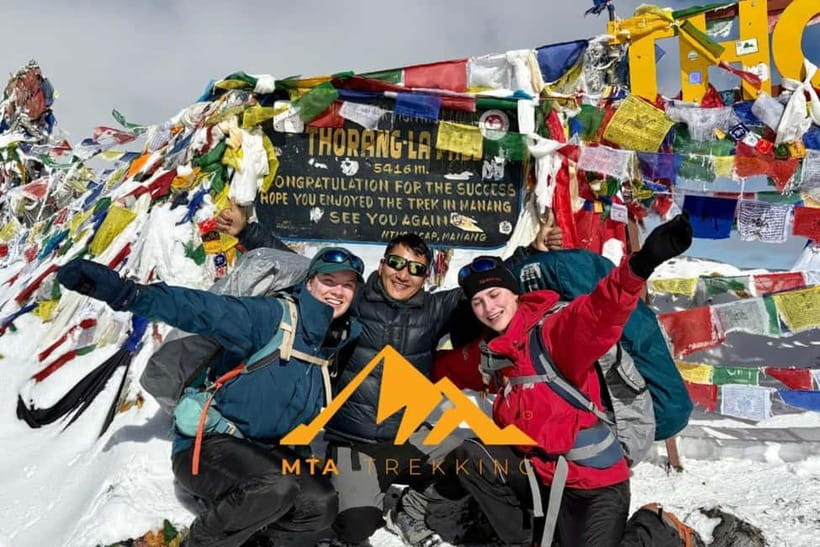
- Thorong La Pass at 5,416m, the trip’s obvious headline, with serious day-length and cold-factor
- Manang acclimatization, including optional short hikes like an icefall viewing route or a walk to Gangapurna Glacier Lake
- Tea house and lodge stays with full meals during the trek, so you are not constantly budgeting on the trail
- Village variety that actually feels different: Chame, Upper Pisang, Manang, and Kagbeni each bring their own character
- Government registered local guiding plus emergency rescue assistance, a comfort when conditions shift
- Transportation is handled, from Kathmandu pickup through to the Pokhara ride after Jomsom
Why the Annapurna Circuit still feels like a full journey
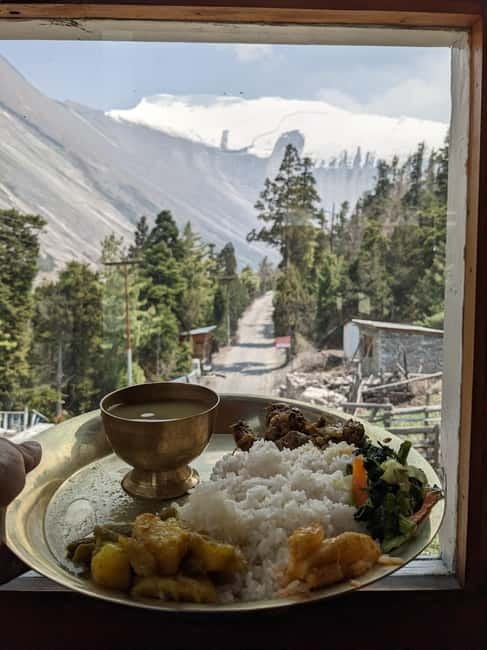
The Annapurna Circuit is popular for a reason. In just 10 days, you watch the region change from greener valley trekking into high, dry, high-desert vibes as you climb toward Thorong La. It is not only about getting higher, it is about learning how the mountains shape daily life.
What makes this version especially appealing is the balance between effort and structure. You are hiking most days, but you also get a real acclimatization rhythm, especially around Manang. That helps your brain keep up with your lungs.
You also get a culture-rich trek. You move through places like Chame and Manang, where you will see Buddhist influence and village life rather than just pass-through scenery. When your guide points out how people live here, the trek turns from a workout into a travel experience.
More Treks in Pokhara
- Poon hill Trek 3 days
★ 5.0 · 176 reviews - Trekking in Annapurna/Langtang/Everest/Upper Mustang regions
★ 5.0 · 161 reviews - Pokhara: 4-Day Ghorepani, Poonhill & Ghandruk Mountain Trek
★ 5.0 · 132 reviews
Kathmandu to Dharapani: getting into the rhythm on travel day
Your day starts with pickup in the Thamel area of Kathmandu. Then it is a bus ride to Besisahar, followed by a sharing jeep to Dharapani. Expect a full day of moving through Nepal’s countryside, forests, hills, and changing views as altitude slowly climbs.
Why I like this first day: it gets you out of the traffic-and-noise bubble without pretending you are trekking immediately. You are still working your legs, but you are also giving your body time to adjust.
A small consideration is logistics fatigue. You will be sitting for hours before you have even worn in your hiking boots. If you get stiff easily, plan for breaks, water, and layers you can adjust fast.
Chame to Upper Pisang: forests, villages, and the apple-orchard surprise
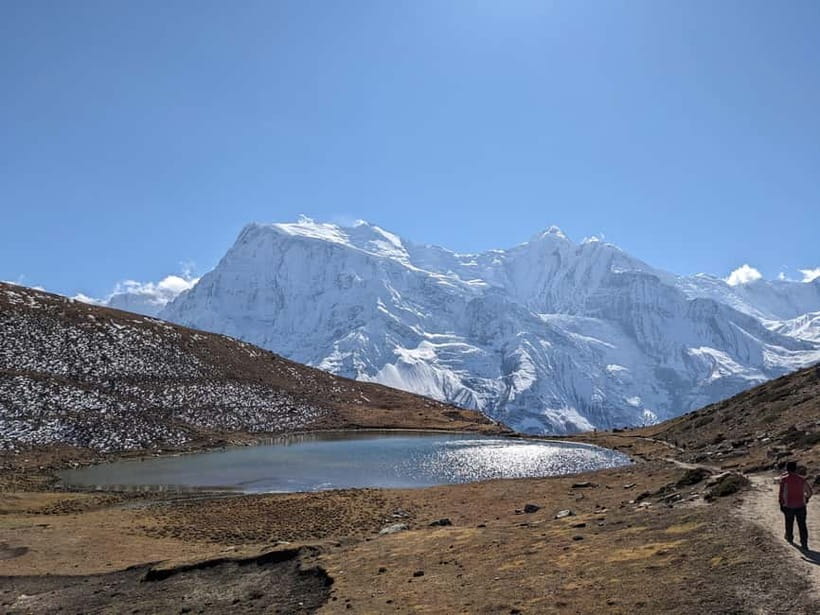
After a trek from Dharapani to Chame, you settle in for the night at a tea house. The route climbs through grassy areas and then into oak and pine forests. If you are lucky with weather, you get solid views of Annapurna II early on, which is a nice reward after the travel day.
Chame itself is a classic mountain stop. You pass by a Bhote village and a Buddhist temple in Bagarchhap, which adds texture beyond hiking alone. You are not just walking through a scenic corridor, you are moving through communities.
Then comes the next day to Upper Pisang. This stretch includes a notable pass-through moment, an apple orchard feel, and a swing between valleys before you reach Pisang or Upper Pisang. That mix matters because you are practicing how your body responds to repeated ups and downs, not just one big push.
The downside to this part of the trek is that it can feel a bit repetitive if you are expecting constant wow-factor every hour. For most people, this is where you get your footing, your routine, and your daily rhythm.
Manang: the acclimatization day that buys you confidence
Manang is where the Annapurna Circuit stops being just a trail and starts becoming a strategy. You get an acclimatization day there at a high altitude, and that extra time is a big deal for the Thorong La attempt.
You can take optional short hikes, like routes to see an icefall or a walk connected to the Gangapurna Glacier Lake area. Even if you do not do the longer option, the value of a full rest-acclimate day is that you can adjust without panicking.
I also like that your program includes time to explore Manang village and visit a stupa. That gives you a mental break from altitude thinking. When you have something human and cultural to focus on, you stop feeling like the mountain is the only subject.
One practical caution: Manang is busy with trekkers and services, but it is still high. You will likely feel it in your sleep and breathing. If your appetite drops, or you feel sluggish, that is normal. The goal is gradual improvement, not forcing big effort.
More Annapurna Circuit departures:
- Kathmandu: 9-Day Annapurna Circuit Trek via Thorong La Pass
★ 5.0 · 17 reviews - 12 Days Annapurna Circuit Trek from Pokhara
★ 5.0 · 4 reviews - Annapurna Circuit Trek with Tilicho Lake
★ 5.0 · 368 reviews - Annapurna Circuit Trek
★ 5.0 · 94 reviews
Yak Kharka to Thorong Phedi: making altitude feel workable
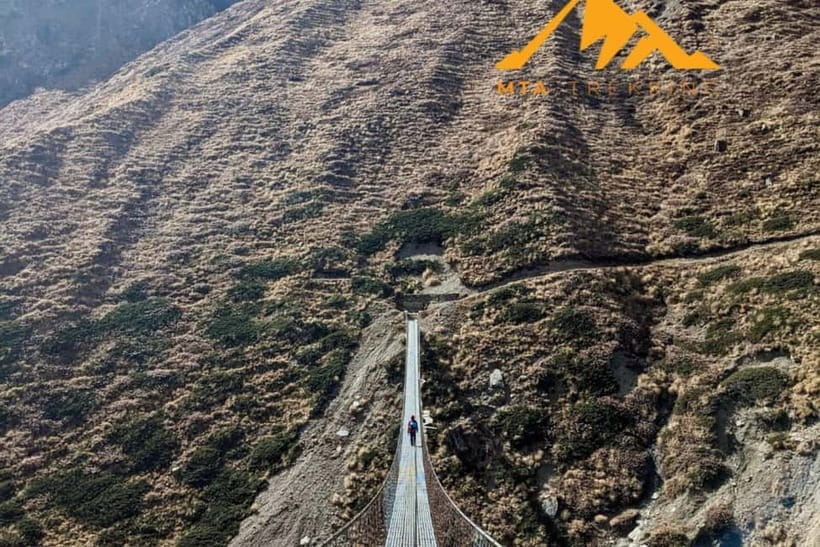
The trek from Manang to Yak Kharka is shorter on paper, but altitude makes it feel bigger. You are still going above the 4,000m mark, and the air gets thin fast. This is where your pace and breathing matter more than speed.
Onward to Thorong Phedi, the day becomes a careful climb. You gain height gradually, then descend toward the Marsyangdi headwaters before climbing again. The route includes crossing a wooden bridge and following the Marsyangdi River corridor on the right bank as you get closer to the pass.
This is also a good place to notice what your guide does right. In the feedback I’ve seen, guides often push simple habits like steady hydration, sensible food, and avoiding junk foods or certain meats at higher elevations. You do not need drama here. You need rhythm.
The drawback here is cold and tiredness creeping in before the big day. Thorong Phedi is often where you realize you are carrying more thermal stress than you expected. Pack for wind and night-time chill, not just daytime hiking.
Thorong La to Muktinath: the pass day you will talk about for years
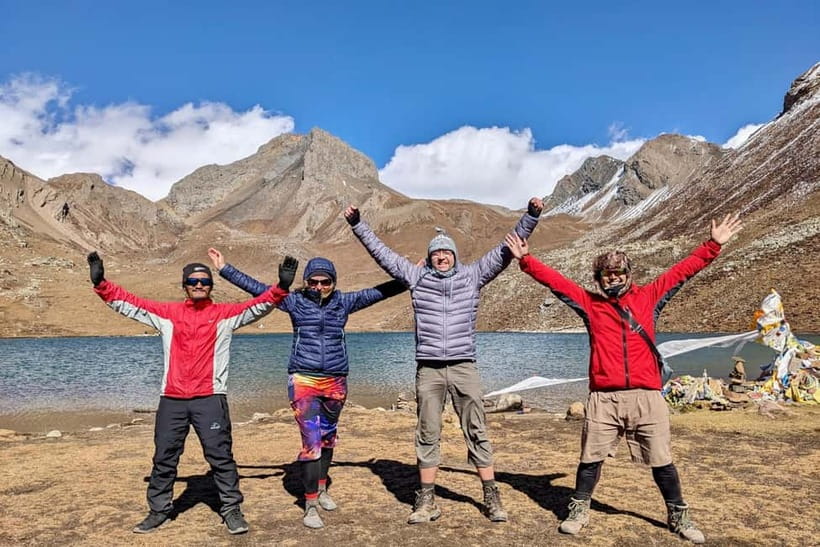
This is the heart of the trek: Thorong La crossing at 5,416m, then descent toward Muktinath with views over the Mustang Valley and Dhaulagiri. The day typically feels long, and in the guidance from this trekking program, you should expect an early start for the pass push. That is exactly when you want your energy steady and your gear ready.
What I like about this structure is that it forces a high-altitude lesson without pretending you can power through. You are set up with acclimatization earlier in the week, and you have a short but intense build-up through Yak Kharka and Thorong Phedi.
What to watch for on pass day: breath control and pacing. Do not chase other hikers. If your heart rate spikes early, that is a sign to slow down, not a sign you should grit harder. A good guide will keep you moving steadily and keep the group safe.
Then you land in the Muktinath area, which feels like a different world. You get that mix of spiritual sites and high-desert travel energy, plus a strong sense of accomplishment from crossing the highest point.
Kagbeni to Jomsom and the ride to Pokhara: how to finish well
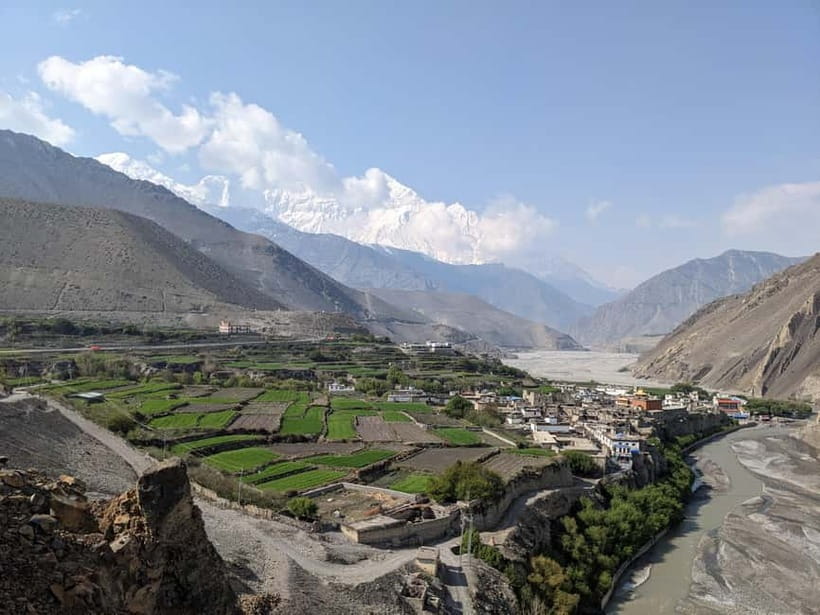
After the pass, the next day from Muktinath to Jomsom via Kagbeni gives you a scenic trek with village atmosphere. Kagbeni is a name you will remember because it has that distinct Upper Mustang-style feel with stone buildings and tight trails.
This is also your chance to steady your body. You are still hiking, but the altitude effort is more manageable than the pass day. If your appetite returns, take that as a good sign, and drink water consistently.
On the final day, you go from Jomsom to Pokhara by public bus, about an 8-hour ride. That long bus day is your reset. You go from crisp mountain air to warmer city life, which can feel like culture shock in the best way.
If you get motion sickness, consider taking precautions beforehand. It is not a luxury ride, but it is a practical one.
Tea houses and meals: what “included” really means on the trail
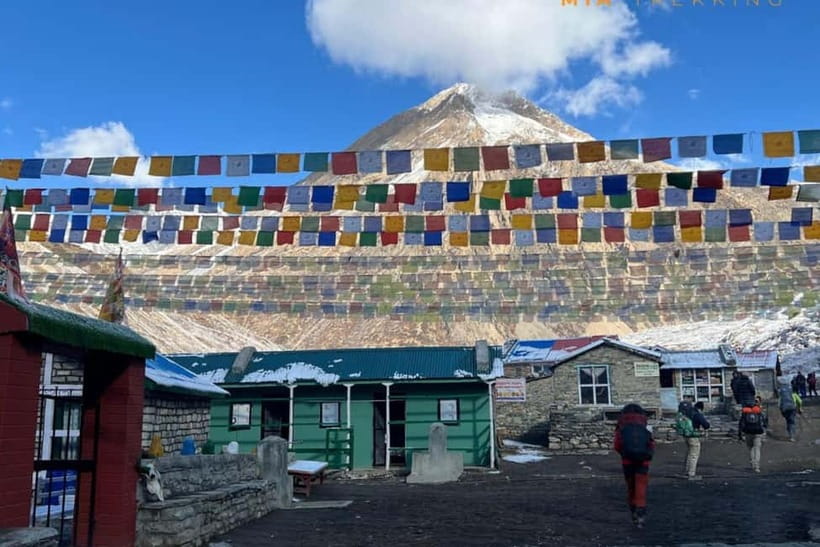
During the trek, your meals and lodging are part of the package. You will stay in tea house and lodge accommodations each night on the route, and breakfast, lunch, and dinner are included during the trek.
This matters more than people think. When you are moving through high-altitude zones, buying and deciding food becomes exhausting. Included meals let you focus on walking, hydrating, and staying warm.
As for water, you should still plan responsibly. Some guides provide practical help like water purification support, and that can make your daily routine easier. The exact setup can vary, but the overall expectation is that your guide will help you manage hydration safely.
One more realistic point: tea houses are basic by design. Bathrooms may not be what you expect back home, and rooms may be chilly at night. You are choosing a mountain life, not a hotel life.
Price, value, and what you are paying for
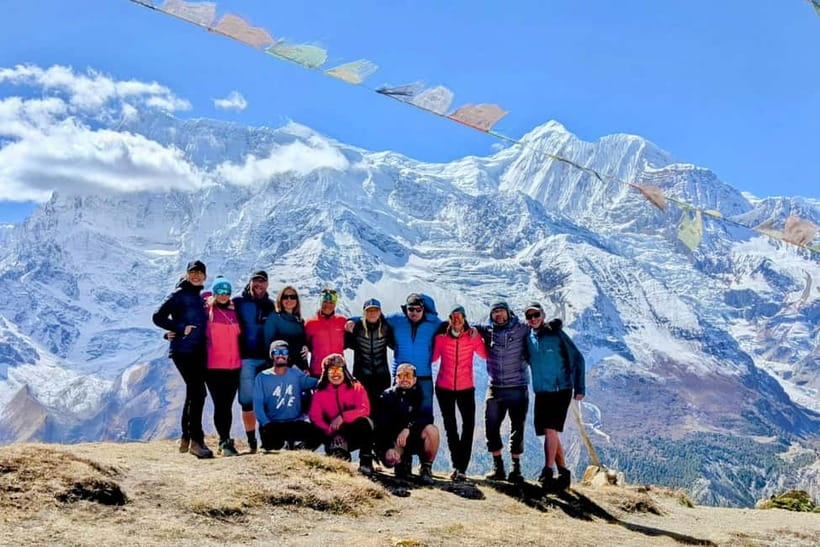
At $447 per person, this trip can look like a bargain or a fair deal, depending on what you expected to cover.
Here is what pushes the value in the right direction:
- Permits and TIMS card are included
- All meals during the trek are included
- Tea house and lodge stays are included during the trek
- Transport between destinations is included, including the ride into the trekking region and back out
- A government registered local guide is included
- A Pokhara hotel night (Hotel Orchid) after the trek is included, plus a farewell dinner
- Emergency rescue assistance is included, which is not something you want to scramble for on your own
What is not included is also important:
- Travel and rescue insurance
- Drinks, personal expenses, and things like phone calls, laundry, and extra porters
- Trekking gears
- International flights and the Nepal visa fee
So the question for you is not only price. It is risk management. This trek is high altitude, and you should budget for the kind of insurance that covers medical care and helicopter evacuation up to the pass altitude zone around 5,400m.
Who should book this, and who should skip it
This trek is not for everyone. The program itself flags clear limits: children under 15, people with altitude sickness, people over 70, people with respiratory issues, and pregnant women should not take this route.
That sounds strict because the altitude is real. You are hiking to a 5,416m pass. Even with acclimatization, the risk of Acute Mountain Sickness (AMS) exists, and you should take it seriously.
Who this suits best:
- You want a guided experience where someone manages the pacing and day-to-day safety choices
- You can handle long hiking days and cold mornings
- You like village trekking, not only summit pictures
- You value cultural moments, including temple and stupa visits
If you are unsure, talk to a clinician before you go, especially if you have any history of breathing problems or past altitude sickness.
Packing tips that actually help at altitude
Bring warm clothing, because nights and mornings can bite even when days feel bright. Long pants, sunglasses, and sunscreen are non-negotiable. A waterproof bag helps keep your daily essentials dry when weather changes fast.
You should also plan for changing layers. You do not just need one warm set. You need something for cold starts, something lighter for midday, and something insulated for breaks.
Good hiking shoes matter. You will be walking for hours on uneven terrain. Also bring a change of clothes, because you will want to feel human at tea house nights.
And yes, bring your ID or passport for permits. The program includes the paperwork like TIMS, but you still need your documents.
One last note: alcohol and drugs are not allowed. It is not a moral lecture. It is because high altitude punishes impaired judgment and disrupted recovery.
Should you book this Annapurna Circuit trek via Thorong La?
Book it if you want a structured high-altitude trek with real acclimatization time and full support on trail. The biggest strengths here are the Manang acclimatization day, the focus on safe pacing from experienced local guides, and the fact that meals and lodging during the trek are handled.
Skip it or rethink your timing if you are worried about altitude risk, you have breathing concerns, or your fitness level is not ready for long days around 4,000m and beyond. In that case, you might enjoy a lower-elevation trek first, then come back when your body is better trained for the pass.
If you do book, do the boring things well. Take the acclimatization day seriously. Follow your guide’s pacing cues. Keep your hydration and food choices simple. That is what turns Thorong La from a scare into a proud memory.
FAQ
What is the highest point on this trek?
The highest point is Thorong La Pass at 5,416 meters.
How long is the trek?
The trek takes 10 days.
Are permits included?
Yes. Permits and the TIMS card are included.
Is food included during the trek?
Yes. Breakfast, lunch, and dinner are included during the trek.
Where do you stay overnight during the trek?
You stay in tea house and lodge accommodations during the trek.
Do you have a guide?
Yes. You get an experienced government registered local guide, with English and Hindi spoken.
What about rescue or medical help if something goes wrong?
Emergency rescue assistance is included, and the trip advises having travel insurance with medical coverage and helicopter evacuation coverage up to around 5,400 meters.
What transport is included?
Transport between destinations is included, including public transportation from Kathmandu to Besishar and Besishar to Dharapani by sharing jeep, and the final day Jomsom to Pokhara by public bus.
What is not included in the price?
Not included are soft and hard drinks, travel and rescue insurance, international flights, Nepal visa fee, personal expenses (like phone calls, laundry, bar bills, battery recharge, extra porters, bottle or boiled water, and shower), and trekking gear.
Latest additions near Pokhara
- Pokhara: Pokhara Highlights Tour by Bus★ 3.6 · 10 reviews
- Discover Pokhara in Style: Private Vehicle Service with Driver★ 5.0 · 5 reviews
- Pokhara in 5 Hours: Lake, Museum, Cave, Falls & Pagoda Hill★ 4.5 · 16 reviews
- 7-Day Trek to Annapurna Base Camp from Pokhara★ 5.0 · 12 reviews
- 4 Day Mardi Himal Base Camp Trek from Pokhara★ 5.0 · 18 reviews
- The World Peace Pagoda in Pokhara★ 4.5 · 7 reviews
- Unique Easy Hiking to Foxing Hill from Pokhara★ 5.0 · 4 reviews
- World Peace Stupa Day Hike From Pokhara★ 5.0 · 4 reviews
Annapurna Circuit Treks, compared.
Browse the lists this tour appears in