
Reviewed · EVEREST BASE CAMP TREKS
Kathmandu: 14-Day Everest Base Camp with Kala Patthar Trek
That first flight toward Everest changes your whole mood. This 14-day route takes you from Kathmandu into the Khumbu region, with classic Sherpa stops like Namche Bazaar, then pushes up to Everest Base Camp and onward to Kala Patthar.
I especially like how the itinerary builds altitude in steps, with planned rest and acclimatization days at Namche Bazaar and Dingboche, so you’re not just grinding uphill every day. I also like the human side, the guided rhythm with an English-speaking guide, plus lodge stays along the way. One thing to consider: this is high-altitude trekking with long walking days, and the basics like meals during the trek are not included, so you’ll want to budget and pack for comfort in cold, thin air.
In This Review
- Key highlights you should know before you go
- Kathmandu arrival: private pickup, then a real pre-trek reset
- The Lukla flight and the first trek to Phakding
- Phakding to Namche Bazaar: the long climb into Sherpa country
- Namche rest day: acclimatization that still feels like a trip
- Tengboche to Dingboche: monasteries, altitude, and steady progress
- Lobuche and Gorak Shep: the approach to Everest Base Camp
- Kala Patthar at 5,545 meters: the high point payoff
- Price and logistics: where the $1,296 value actually comes from
- Accommodation and day-to-day comfort in tea houses
- What to pack for cold, sun, and thin air
- Health, safety, and who this trek is not for
- Should you book: who will love this 14-day Everest Base Camp and Kala Patthar trek?
- FAQ
- How long is the Kathmandu to Everest Base Camp with Kala Patthar trek?
- Where does the trek start and how do you get there?
- What is the highest point on the itinerary?
- What are the main trek stops and elevations?
- What does the tour include?
- Are meals included during the trek?
- Are hot showers available during the trek?
- Do I need travel insurance?
- Is a porter included?
- Who should not take this trek?
Key highlights you should know before you go
- An Everest-focused trek with Kala Patthar for big Khumbu views and that high-point feeling
- Sherpa heartland in Namche Bazaar, plus an acclimatization day with a short excursion
- Careful altitude pacing using rest days at Namche Bazaar and Dingboche
- The Lukla part of the journey, including a flight to Lukla and a classic first trek to Phakding
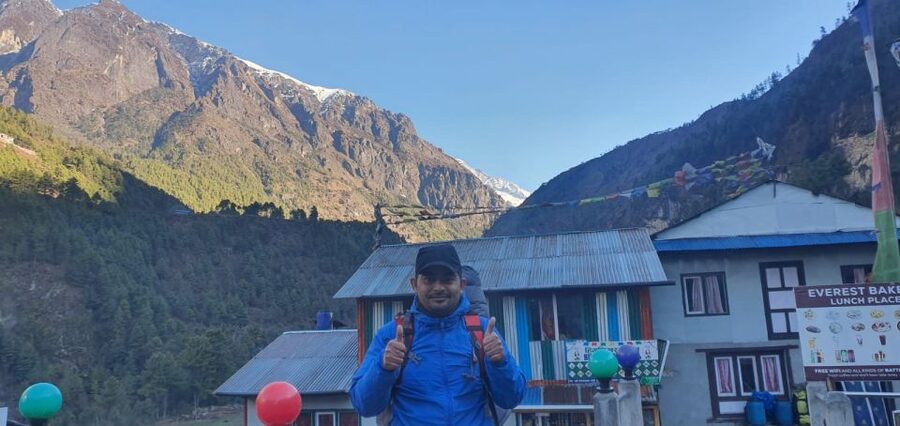
- Tea house lodging day after day, which keeps logistics simple in the mountains
- Gear support if you need it, with a jacket, sleeping bag, and duffle bag available to use (if required)
Kathmandu arrival: private pickup, then a real pre-trek reset
Your trip starts the moment you land. At Tribhuwan International Airport, you’ll be met by a tour representative and transferred to a Kathmandu hotel by private car, van, or bus. The next step is straightforward: two nights in Kathmandu with breakfast included. Those days matter, because trekking in the Himalaya is a game of timing and preparation. You want your body rested, your gear sorted, and your mind calm before the first big altitude move.
You’ll also be working with a team that handles the official bits, including necessary paperwork and national park entry permits. That sounds like admin, but it saves time and stress when your schedule is already packed with flight days and mountain days.
Practical note for your expectations: Kathmandu nights are your only real comfort baseline here. Once you start trekking, you’ll rely on tea houses and lodge rooms, and the trip becomes more about managing cold, hunger timing, and sleep quality at elevation.
More Treks in Kathmandu
- Everest Base Camp Trek – 14 Days
★ 5.0 · 1,499 reviews - Everest Base Camp Trek
★ 5.0 · 842 reviews - Everest Base Camp Trekking
★ 5.0 · 485 reviews
The Lukla flight and the first trek to Phakding
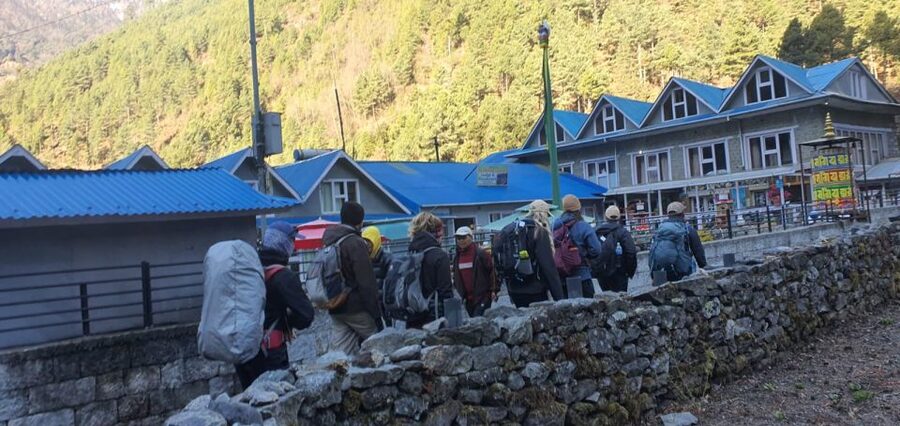
After your Kathmandu buffer, you fly to Lukla at 2,850 meters. Then you begin the trek with a first walk from Lukla down to Phakding at 2,640 meters. The timing is listed as about 4 to 5 hours, which is a gentle opener by Everest standards.
This day sets the tone. You’re moving early enough that you still have energy, but your lungs are already adapting to altitude, so it’s not a casual stroll. I like that the route starts with a lower-elevation landing day, because it gives you a chance to get your pacing right before you climb into the busier high valley areas.
Phakding itself is where you start seeing the practical side of Khumbu trekking: tea houses as your evening routine, simple meals, and a steady stream of hikers and local staff. You get the basics of mountain logistics quickly, without it feeling chaotic.
Phakding to Namche Bazaar: the long climb into Sherpa country
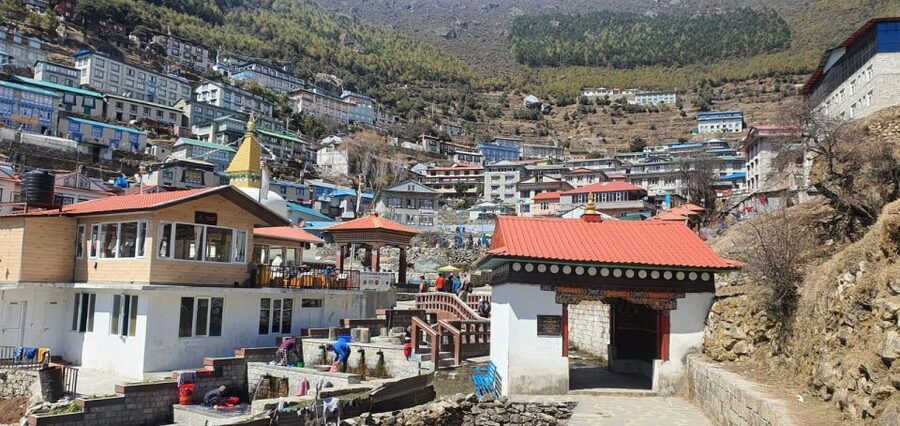
The next trek takes you from Phakding to Namche Bazaar at 3,440 meters, listed at 6 to 7 hours. This is where the effort ramps up, and it’s also where the route becomes culturally rich. Namche Bazaar is your Sherpa heartland stop, and the whole town layout is built around the trekking flow.
I love Namche because it’s not just a view point. It’s a living place you pass through: shops, tea houses, and local rhythm. You’ll feel how the mountain economy works, and you’ll see how people organize life at altitude, day after day.
You also get a rest and acclimatization day here. Day 4 is built in for that, with a 2 to 3 hour excursion. That structure matters more than people expect. At these heights, feeling good on day 1 does not mean you’re ready for day 3. The extra breathing room helps your body adapt while keeping you engaged instead of stuck in a room.
Namche rest day: acclimatization that still feels like a trip
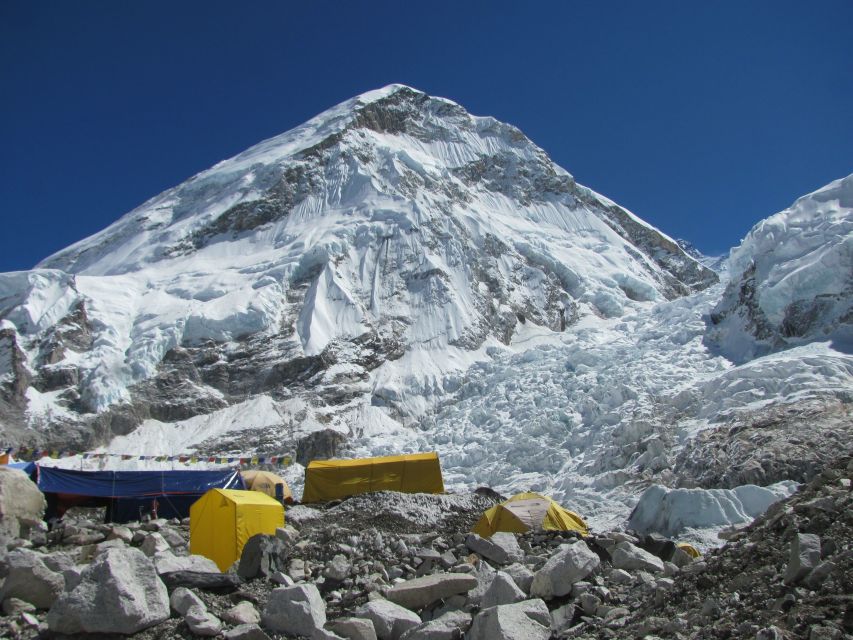
On day 4, you’re in Namche Bazaar for recovery and acclimatization. You’ll spend time with a short excursion, about 2 to 3 hours. This is a smart balance: you move enough to stay loose, but you don’t push too far.
If you’ve ever felt tempted to skip rest days, this itinerary is designed to break that habit. Rest and acclimatization here is a key part of reaching higher elevations later on, including Dingboche, Lobuche, and the big days around Gorak Shep and Kala Patthar.
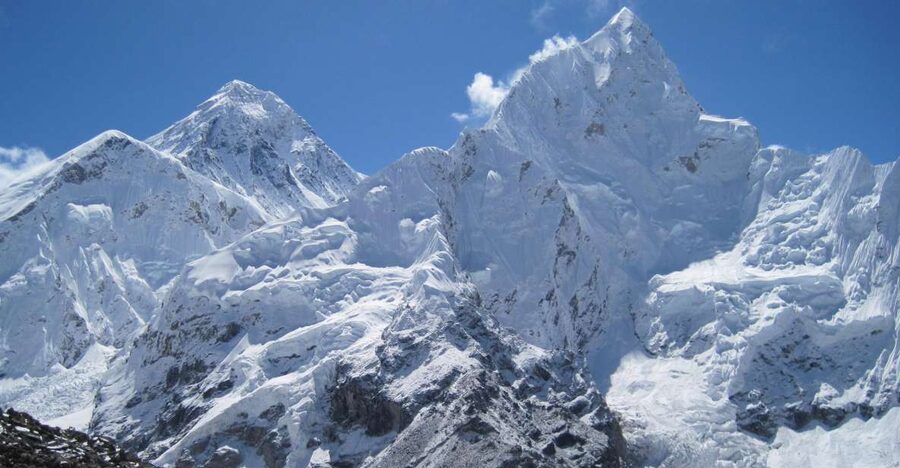
Also, Namche is a place where you can take in the wider Everest region views, even when you are not yet at the highest points. The route explicitly highlights views of Everest, Lhotse, Nuptse, and Ama Dablam. You’ll start appreciating why those names matter once you’re in the Khumbu skyline.
More Everest Base Camp treks:
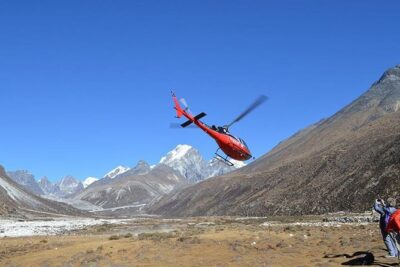
- Everest Base Camp Helicopter Tour landing at Everest View Hotel
★ 5.0 · 668 reviews - Everest Base Camp Trekking – 13 Day
★ 5.0 · 365 reviews - Everest Base Camp Trek
★ 5.0 · 350 reviews - Everest Base Camp Trek -14 Days
★ 5.0 · 321 reviews
Tengboche to Dingboche: monasteries, altitude, and steady progress
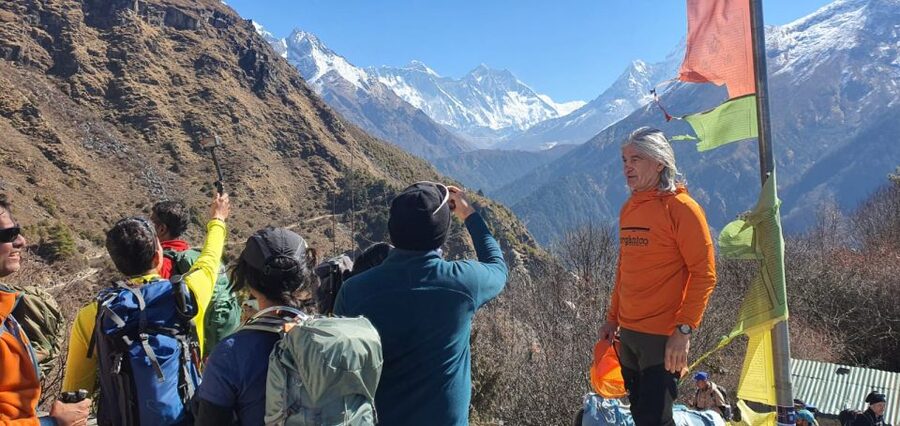
Day 5 takes you from Namche Bazaar to Tengboche at 3,870 meters in about 5 to 6 hours. Day 6 then goes from Tengboche to Dingboche at 4,410 meters, again around 5 to 6 hours. This is a solid two-day climb, and it teaches you a simple lesson: in thin air, comfort comes from consistency, not speed.
Tengboche is a common spiritual waypoint in the Khumbu, and even if you just notice the atmosphere and the way people gather, it helps the trek feel more human. Dingboche then becomes your next altitude anchor.
Day 7 is another acclimatization day at Dingboche. This time, it gives you the chance to recover at 4,410 meters before you go higher toward Lobuche. I like that the route doesn’t treat acclimatization as optional. It’s planned, built into the rhythm, and you’re not left guessing what to do next.
Lobuche and Gorak Shep: the approach to Everest Base Camp
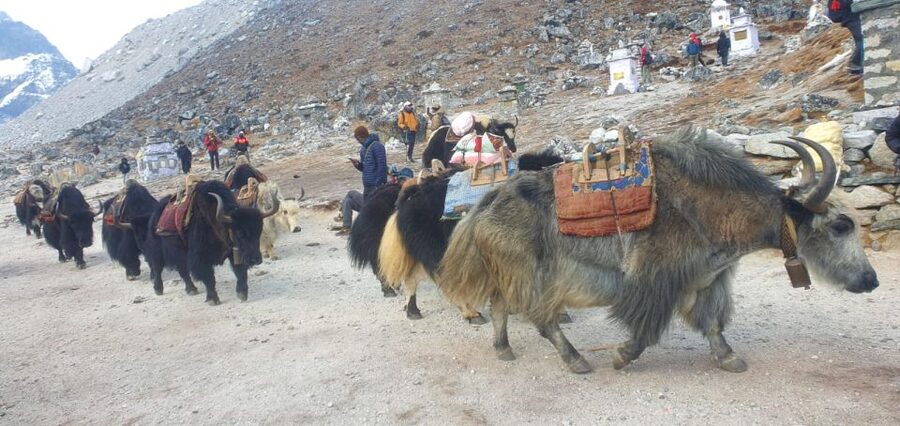
On day 8, you trek from Dingboche to Lobuche at 4,940 meters, taking about 5 to 6 hours. Then day 9 moves you from Lobuche to Gorak Shep at 5,170 meters, also about 5 to 6 hours.
Gorak Shep is where your trip starts to feel like a high-altitude staging area. You go from valley walking to a more exposed, colder atmosphere, and your whole day becomes more careful. The itinerary includes the key push to Everest Base Camp: from Gorak Shep, you hike up to 5,364 meters, then return back to Gorak Shep.
Everest Base Camp is famous for a reason. Even if you don’t think of yourself as a dramatic-scenery person, the idea of walking toward that world-class mountain frontier hits differently once you’re already operating at altitude. It’s not just about standing near a landmark. It’s about doing it step by step with your body under strain, and that’s the kind of achievement that sticks.
Kala Patthar at 5,545 meters: the high point payoff
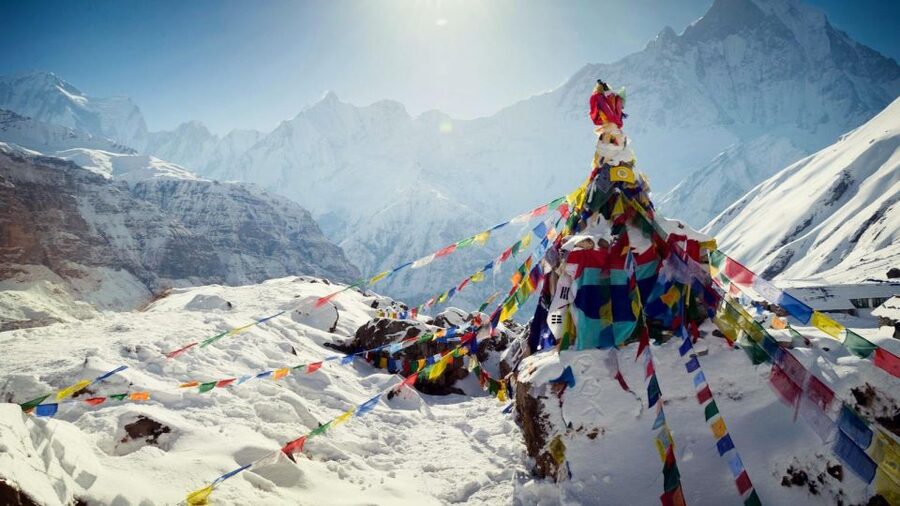
Day 10 brings the big moment. You hike from Gorak Shep up to Kala Patthar at 5,545 meters, then trek down to Pheriche at 4,371 meters. The climb to Kala Patthar is the part most people talk about after the trek, because it gives you a high vantage over the Khumbu region.
From the trail planning perspective, this is also where you need good pacing and discipline. Your legs will feel it, and your breath will be slower. This is not the time to sprint to prove a point. It’s the time to walk like you mean it, with small steps and controlled effort.
After Kala Patthar, the route goes into descent mode for the next 3 days. You’ll arrive back in Kathmandu on day 13, which gives you a final evening before departure the next day. That downtime in Kathmandu is not wasted. Descending after a high point can still leave you tired, and a full evening back in a city setting helps your body and mind catch up.
Price and logistics: where the $1,296 value actually comes from
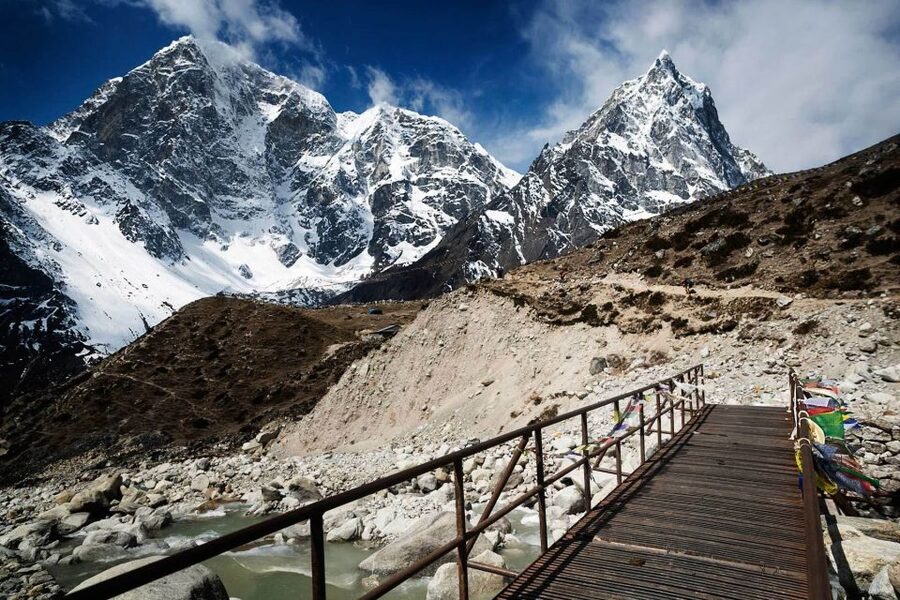
This trek is priced at $1,296 per person for 14 days. That number makes more sense when you break down what’s included.
Included items that carry real value:
- Flights Kathmandu to Lukla and back, which are a core part of this itinerary
- All accommodations in lodges or tea houses during the trek
- A strong admin bundle: Sagarmatha National Park entry permits, plus paperwork handled for you
- An experienced, helpful English-speaking guide
- Travel support infrastructure: airport pickup and drop-off in Kathmandu, domestic airport pickup and drop-off, and transfers
- Kathmandu lodging: 2 nights standard accommodation with breakfast
- Trek gear support if required: jacket, sleeping bag, and duffle bag to use
Now the tradeoffs that you need to plan for:
- Meals during the trek are not included (breakfast, lunch, dinner), and lunches and dinners in Kathmandu are not included either. In the Himalaya, food costs can add up, and what you eat matters when you’re climbing and sleeping cold.
- Porters are listed as not included even though the package covers porter and guide salary, food, drinks, accommodation, transportation, and insurance. You should treat this as a sign to confirm the exact porter payment piece before you go.
- Hot showers are not included during the trek, so expect cold-water washes for most of the trip.
Also, travel insurance with medical evacuation is not included. For high-altitude trekking, that’s not a nice-to-have. It’s part of being realistic.
When the price feels fair: if you want a guided Everest Base Camp and Kala Patthar trek that includes flights, permits, and consistent lodging support, and you’re okay handling meal costs and cold-water comfort.
When the price might feel tight: if you’re traveling on a strict food budget, or you don’t want the work of packing and meal planning at altitude.
Accommodation and day-to-day comfort in tea houses
During the trek, you’ll stay in lodges or tea houses. That means your day is built around arrivals that are more predictable than if you were camping. It also means you’ll learn a mountain schedule quickly: walk, rest, eat when possible, sleep when you can.
Comfort is basic, not fancy. The itinerary makes it clear that hot showers are not included during the trek, so plan to keep expectations simple. Nighttime temperatures at elevation can be harsh, and your best comfort strategy is the gear and layering you bring or get from the included jacket and sleeping bag (if required).
What I like about tea houses for this kind of route is that they turn logistics into routine. You can focus on walking, hydration, and acclimatization rather than worrying about where you will sleep each night.
What to pack for cold, sun, and thin air
The provided list is a good start, and I’d treat it as minimum gear thinking.
Bring:
- Sunglasses and a hat
- Hiking shoes
- Sunscreen
- Insect repellent
- T-shirt, plus long pants and shorts
- Socks
The know-before-you-go note also repeats a key practical point: bring 2 t-shirts, plus long pants, shorts, sunscreen, sunglasses, hat, mosquito repellent, toilet paper, trekking shoes, and socks.
That extra toilet paper mention is worth taking seriously. At altitude, simple supplies can become annoying. If you prefer having control, pack it and you’ll thank yourself later.
Also remember the trip includes a guide, and the gear you bring should let you move comfortably with your own pace. If you’re prone to blisters, pack smart with socks and shoes. If you’re prone to sunburn, sunscreen and sunglasses become non-negotiable.
Health, safety, and who this trek is not for
This trek is not suitable for:
- Pregnant women
- People with heart problems
- People with mobility impairments
That’s not small-print. Everest Base Camp and Kala Patthar put your body under sustained altitude stress, and even with acclimatization days, the effort is real. If you’re in any category where altitude could be risky, you should talk to a medical professional before considering this route.
Also, the itinerary is built around hiking at elevations that go from Lukla at 2,850 meters up past 5,500 meters. That’s the whole point of the trek, but it also means you need to be honest about your fitness and your ability to handle cold, long days, and thinner air.
Should you book: who will love this 14-day Everest Base Camp and Kala Patthar trek?
Book this trek if you want:
- A structured high-altitude plan with acclimatization built in at Namche Bazaar and Dingboche
- A guided route that handles the big logistics: permits, flights to Lukla, transfers, and lodge stays
- A trip that blends culture and mountains, especially around Namche Bazaar’s Sherpa life
Consider skipping or switching plans if:
- You don’t want to manage meals during the trek
- Cold-water routines and basic lodge conditions are a dealbreaker
- You have health limits that make altitude risky
One more practical note from the trip’s real-world history: Lukla flights can be affected by conditions, and in at least one case the plan needed to change when there was no flight to Lukla. If you’re choosing travel dates, build in flexibility so your adventure does not turn into a stress test.
FAQ
How long is the Kathmandu to Everest Base Camp with Kala Patthar trek?
The duration is 14 days.
Where does the trek start and how do you get there?
You start in Kathmandu, then fly to Lukla. After that, you trek through the Khumbu region.
What is the highest point on the itinerary?
Kala Patthar at 5,545 meters.
What are the main trek stops and elevations?
Key points include Phakding (2,640 m), Namche Bazaar (3,440 m), Tengboche (3,870 m), Dingboche (4,410 m), Lobuche (4,940 m), Gorak Shep (5,170 m), Everest Base Camp (5,364 m), and Pheriche (4,371 m).
What does the tour include?
It includes airport pickup and drop-off in Kathmandu, domestic airport pickup and drop-off, 2 nights standard Kathmandu accommodation with breakfast, paperwork and national park entry permits, flight tickets Kathmandu to Lukla and back, lodge/tea house accommodations during the trek, an experienced English-speaking guide, guide and porter support (salary, food, drinks, accommodation, transportation, and insurance), Sagarmatha National Park permit fees, and use of a jacket, sleeping bag, and duffle bag if required.
Are meals included during the trek?
No. Breakfast, lunch, and dinner during the trek are not included, and lunch and dinner in Kathmandu are also not included.
Are hot showers available during the trek?
Hot showers are not included during the trek.
Do I need travel insurance?
Yes. Valid travel insurance with medical evacuation is not included.
Is a porter included?
Porters are listed as not included. The note says 1 porter for 2 people.
Who should not take this trek?
It is not suitable for pregnant women, people with heart problems, or people with mobility impairments.
Latest additions near Kathmandu
- White Water River Rafting – 1 Day★ 4.3 · 3 reviews
- Traditional Momo Making Class★ 5.0 · 10 reviews
- Kathmandu to Pokhara Premium sofa bus ticket★ 4.0 · 17 reviews
- Ghorepani Poon Hill Trek★ 5.0 · 16 reviews
- Amazing 1 Day Trekking Experience in Kathmandu Nepal★ 5.0 · 24 reviews
- Ghorepani Poonhill Trek★ 5.0 · 5 reviews
- Walking tour of real Kathmandu through back streets.★ 5.0 · 3 reviews
- Wildlife Adventure in Chitwan Nepal★ 4.0 · 4 reviews
Everest Base Camp Treks, compared.
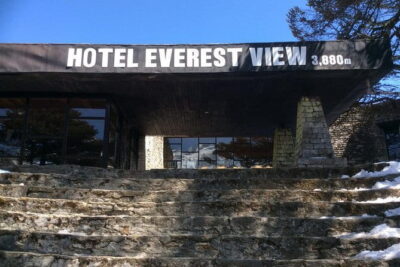
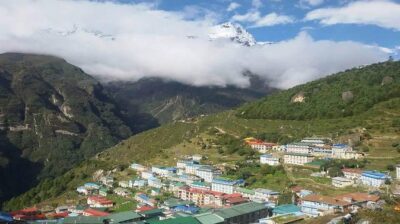
Everest Base Camp Helicopter Tour landing at Everest View Hotel
Read our review →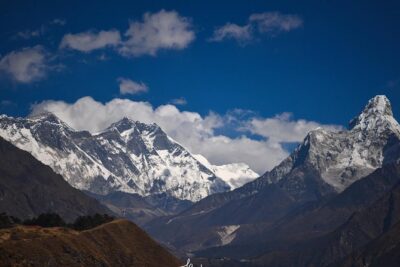
Everest Base Camp Helicopter Tour landing at Hotel Everest View
Read our review →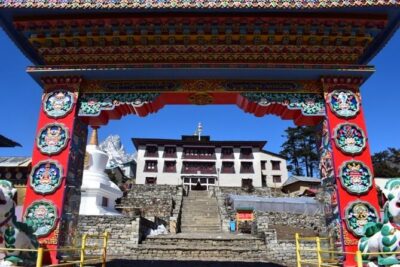
Browse the lists this tour appears in