Reviewed · TREKS IN KATHMANDU
Kanchenjunga Circuit Trek
Big peaks, quiet villages, real effort.
This Kanchenjunga Circuit Trek is built for people who want the long, remote side of Nepal, not the highway version. You’ll move from Suketar’s forested lower elevations up into big-pass country, including the Selela Pass area, and you’ll work toward Kanchenjunga’s high base-camp zone around Pangpema.
What I like most is the practical backbone of the plan. You get a government-licensed, English-speaking guide, daily meals during the trek, a trekking map, and the Kanchenjunga permit and conservation fees handled. I also like that the itinerary includes real altitude-thinking, like the rest and acclimatization day at Cheram plus a climb up to Ramche and then a back-and-forth that helps your body adjust.
One consideration: this trek is long and the altitude is serious. You’re heading to sleep at about 5,143m near Pangpema, and you should expect cold nights and fatigue even if you’re fit. Also, international airfare, visa fees, and emergency evacuation and medical insurance are not included, so plan those early.
In This Review
- Key Highlights That Matter On the Ground
- Why This Kanchenjunga Trek Feels Remote (And How That Affects Your Trip)
- Starting In Kathmandu, Then Up to Suketar at 2,420m
- Days 2 to 4: Building Altitude Through Villages Like Khesewa and Mamankhe
- Days 5 to 7: The Long Climb Toward Tortong and Cheram, Then the Acclimatization Day
- Days 8 and 9: Ramche at 4,580m and the Yalung Base Camp Day
- Day 10: Selela Pass Around 4,290m, Big Views but Cold Reality
- Days 11 to 13: Ghunsa, Kambachen, and Lhonak at High Altitude
- Day 14: Kanchenjunga Base Camp and an Overnight Near Pang Pema (About 5,143m)
- Day 15: Back to Lhonak, Then the Descent Starts to Feel Real
- Days 16 to 19: Ghunsa, Amjilosa, Chirwa, and Phurumbu Drop You Down the Mountain
- Day 20: Phurumbu to Suketar, Then Day 21 Back to Kathmandu
- What You Actually Get for the Price: The $3,000 Value Check
- Guides, Food, and Daily Comfort: The Stuff That Changes Everything
- Gear and Cold Nights: Why the Included Down Setup Matters
- Who This Trek Fits Best (And Who Might Want a Different Plan)
- Should You Book This Kanchenjunga Circuit Trek?
- FAQ
- What is the duration of the Kanchenjunga Circuit Trek?
- Where does the trek start, and what time is the meeting point?
- What’s included for transportation and lodging in Kathmandu?
- Are meals included during the trek?
- What permits and fees are covered?
- Do I need travel and medical insurance?
Key Highlights That Matter On the Ground
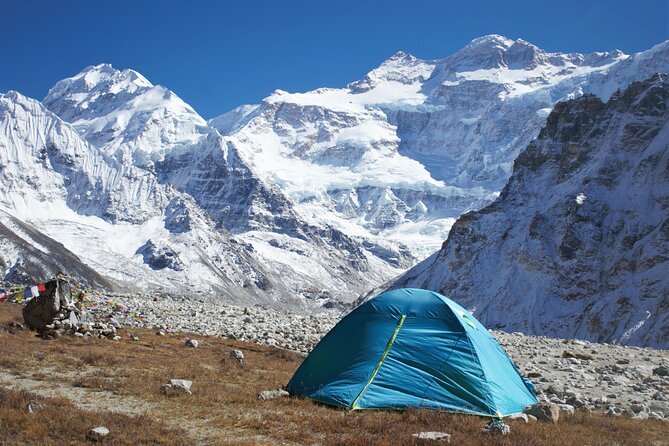
- A circuit through very different elevations: from roughly 2,000m villages to 5,000m nights and back down over two weeks.
- Selela Pass time: you cross it at about 4,290m, which usually means a sharper cold edge and big views.
- Pangpema base-camp push: the itinerary includes an overnight around 5,143m, then a return to higher trails.
- Multiple acclimatization moves: including a dedicated rest day at Cheram and a run to Ramche and back.
- Local-guided culture in Rai and Limbu communities: you’re trekking through ethnic villages, not just scenery.
Why This Kanchenjunga Trek Feels Remote (And How That Affects Your Trip)
Kanchenjunga sits in Nepal’s far northeast corner, and the trek route is designed to keep you away from crowds. That sounds like marketing, but you’ll feel it in the rhythm: fewer logistics shortcuts, more walking time that depends on trail and weather, and evenings where your biggest entertainment is usually the mountain, the tea, and seeing who in your group is still able to zip a jacket without swearing.
The “remote” part also shapes value. You’re paying for a real, escorted multi-week trek with permits and a guide, plus included trekking meals. A route like this is not just about a summit photo. It’s about living inside a wilderness setting, meeting local communities, and moving through changing forests and ridgelines.
More Treks in Kathmandu
- Everest Base Camp Trek – 14 Days
★ 5.0 · 1,499 reviews - Everest Base Camp Trek
★ 5.0 · 842 reviews - Everest Base Camp Trekking
★ 5.0 · 485 reviews
Starting In Kathmandu, Then Up to Suketar at 2,420m
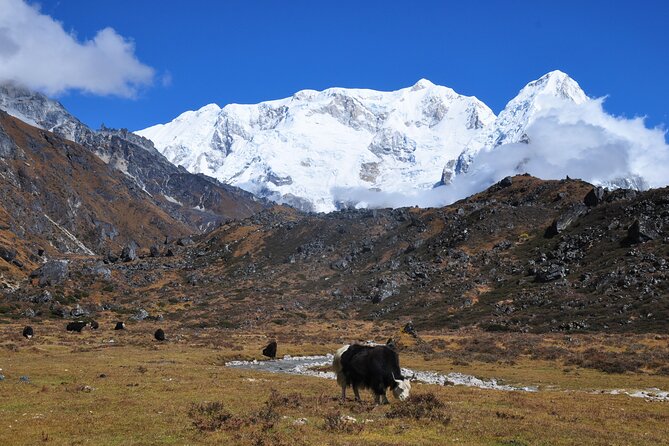
Your day starts at Tribhuvan Airport in Kathmandu, with the meeting time set for 7:15am. Then you fly to Suketar, around 2,420m, and begin trekking right away with a first stretch to Lalikha.
This first day is more than a warm-up. Suketar is where you start shedding city habits and picking up trek habits. You’ll likely notice the air feels thinner, even before the big climbs begin. If you’re the type who gets antsy when plans are delayed, this is where you practice patience, because flights and conditions set the tone for the whole trip.
By the end of Day 1, you’ll have a clear sense of the trek style here: steady movement, small village stops, and a route that slowly ramps altitude rather than jumping straight into the hardest passes.
Days 2 to 4: Building Altitude Through Villages Like Khesewa and Mamankhe
After Lalikha, Day 2 takes you from Lalikharka to Khesewa, about 2,120m. Day 3 goes onward from Khesewa to Mamankhe, around 1,785m. Day 4 is a push up from Mamankhe to Yamphudin at about 2,080m.
That up-down pattern matters. It’s not random. In trek design, small dips like the Day 3 descent often help your body recover before you ask it for more effort. You’ll still be working, but it’s a steadier approach to altitude than a straight ladder.
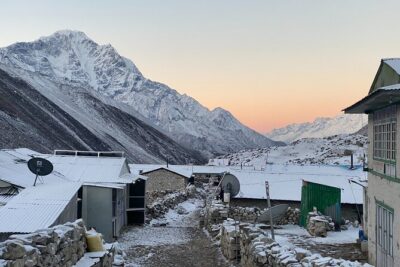
These early villages also give you a taste of the local communities you’re trekking through, including Rai and Limbu areas mentioned for this region. Even if you don’t know the names of every household, you’ll recognize what you’re seeing: daily life, small-scale hospitality, and a trail that threads through people’s routines.
Days 5 to 7: The Long Climb Toward Tortong and Cheram, Then the Acclimatization Day
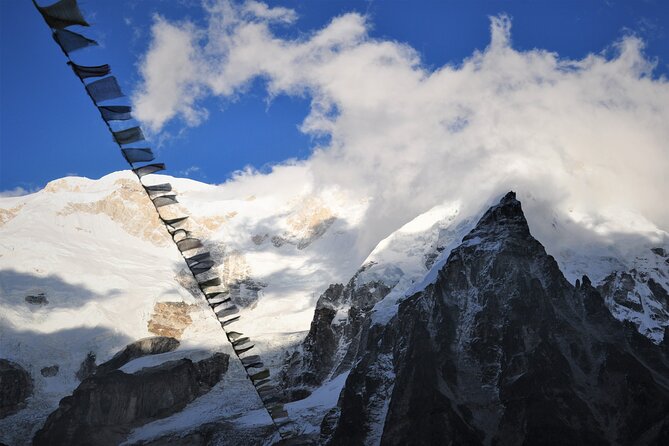
Day 5 goes from Yamphudin to Tortong, near 2,995m. Day 6 continues upward toward Cheram at about 3,870m. Then Day 7 is Cheram, with acclimatization and rest.
This is where I’d watch your pacing. You want to arrive feeling like you could do one more hour, not like you’ve emptied your tank. The included structure helps you here: three meals per day during the trek means you’re not spending time bargaining for calories while your body is trying to adapt.
Cheram’s rest day is the kind of detail that separates a tough trek from a miserable one. If you treat it like a free day to overdo it, you’ll still pay for it later. But if you use it smartly, you’ll start the next stretch with better breathing, better sleep, and more patience for cold mornings.
Another way to spend the time in Nepal:
- Private Kathmandu Sightseeing Tour | UNESCO World Heritage sites
★ 5.0 · 756 reviews - Kathmandu: 7 UNESCO Sites with Lunch
★ 4.8 · 744 reviews - Everest Base Camp Helicopter Tour landing at Everest View Hotel
★ 5.0 · 668 reviews - Half day cooking class in Thamel kathmandu
★ 5.0 · 607 reviews
Days 8 and 9: Ramche at 4,580m and the Yalung Base Camp Day
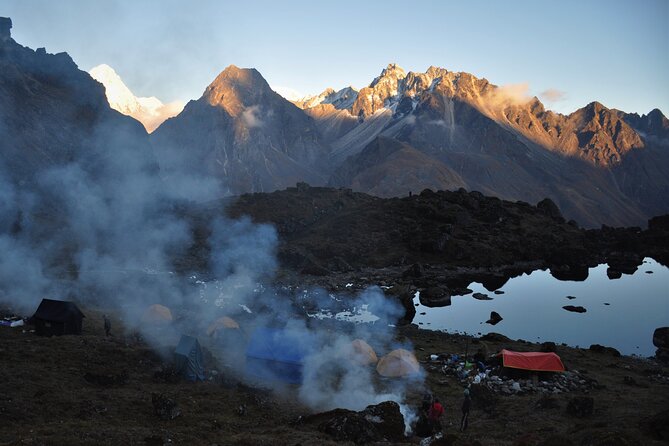
Day 8 climbs from Cheram to Ramchaur, also spelled Ramche, around 4,580m. Day 9 goes from Ramche to Yalung Base Camp at 4,500m, then back to Cheram.
This is classic high-altitude trek strategy: climb high, spend time where your body needs practice, then descend to sleep lower when possible. That back-and-forth is hard mentally if you’re chasing big distance every day. But it’s easier physically because it reduces the “jump too fast” effect.
Also, reaching Yalung Base Camp territory changes what the trek feels like. You’re transitioning from village-to-village movement into a more alpine mood, where the trail becomes less about comfort and more about focus.
Day 10: Selela Pass Around 4,290m, Big Views but Cold Reality
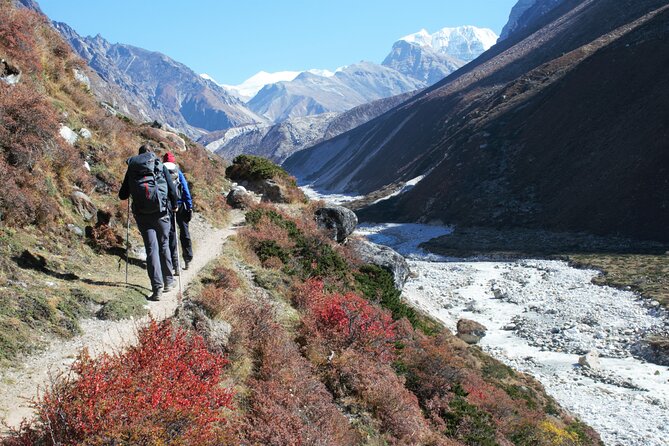
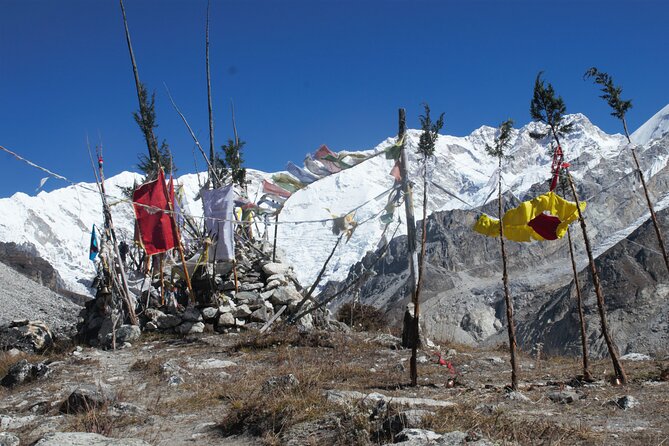
Day 10 moves from Cheram to Sele La at about 4,290m. This is the pass day, and it’s usually when weather matters most. Even if the trail is straightforward, wind and temperature can turn a normal walk into an endurance test.
I like that the itinerary doesn’t hide this. Pass days are rarely comfortable. They’re about timing, layers, and keeping your energy for the descent or the next leg.
If you’re sensitive to cold, plan to dress like you mean it. You’ll also appreciate that your trek includes a down jacket and sleeping setup during the trek after the trek, with the item refundable after. That doesn’t remove the need for layering, but it helps you avoid the “I brought the wrong warmth gear” problem.
Days 11 to 13: Ghunsa, Kambachen, and Lhonak at High Altitude
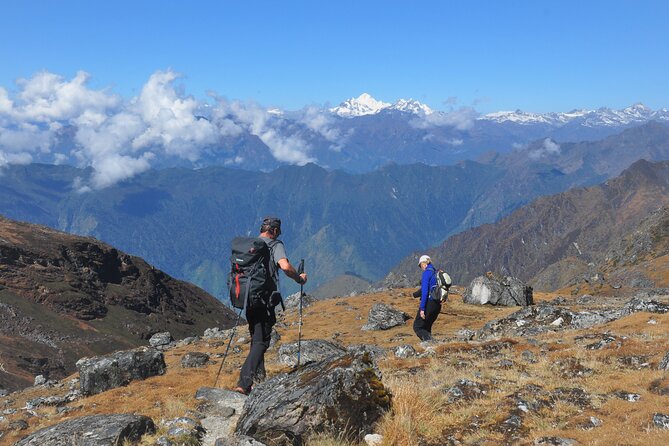
Day 11 takes you to Ghunsa at about 3,595m. Day 12 goes from Ghunsa to Kambachen around 4,050m. Day 13 continues to Lhonak at about 4,780m.
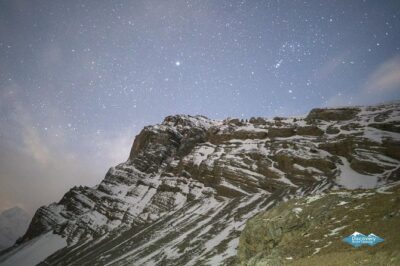
This stretch is where the trek becomes very clearly alpine. Trails get narrower, temperatures drop faster, and every extra stop takes longer because you’re negotiating with cold hands and slower breathing.
You’ll also start to notice the ecosystems changing. The region is known for pristine oak and rhododendron forests earlier on, and then the vegetation thins as you climb. Birds and larger wildlife sightings, like mask deer or the chance of snow leopards, are part of what the region is famous for, though sightings are never guaranteed.
This is also where your guide becomes more than a “planner.” A good guide helps you read the trail, adjust pace on windy sections, and keep the group together without turning every hour into a negotiation.
Day 14: Kanchenjunga Base Camp and an Overnight Near Pang Pema (About 5,143m)
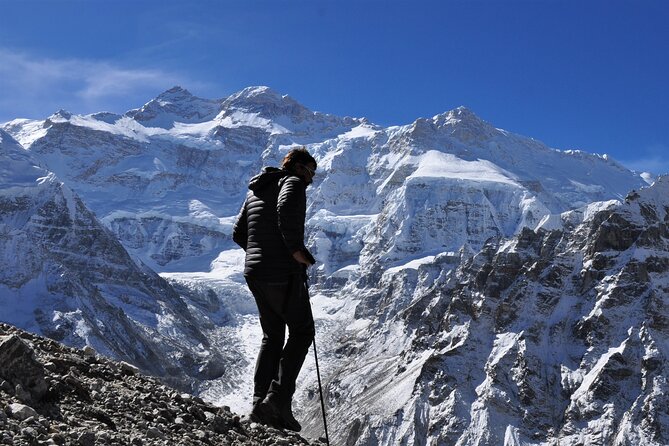
Day 14 is the big one: Kanchenjunga base camp, with an overnight at Pang Pema around 5,143m.
This is the toughest emotional and physical moment for many trekkers, not because walking is impossible, but because sleeping at high altitude can be uncomfortable. You’ll likely take small, practical steps: go slower, drink sensibly, and accept that rest might not feel perfect.
The payoff is that you’re at a true high point of the circuit. It’s the kind of night where you feel how big the mountains are. And it’s also why the acclimatization plan earlier in the itinerary matters so much. If you came in too fast, Pang Pema would punish you.
Day 15: Back to Lhonak, Then the Descent Starts to Feel Real
Day 15 runs from Pangpema to Lhonak. That means you’re giving your body a chance to recover while still staying in the high zone.
This day often feels like relief in the middle of intensity. You’re still far above sea level, but you’re not asking your body to climb higher. It’s a good time to focus on steady eating, gentle movement, and staying warm.
Days 16 to 19: Ghunsa, Amjilosa, Chirwa, and Phurumbu Drop You Down the Mountain
Day 16 takes you from Lhonak to Ghunsa at about 3,475m. Day 17 climbs down to Amjilosa at 2,308m. Day 18 drops further to Chirwa at 1,270m. Day 19 goes to Phurumbu around 1,549m.
This is where the trek starts to feel more like travel again, not just altitude management. Walking becomes easier on your lungs, and your legs get more grateful. But don’t get complacent. Descents can hurt knees and shins, especially after days of cold, uneven footing.
I like this section because it’s not one long grind. You’re moving through multiple village elevations, and the change in vegetation and light can feel like the mountains exhale.
Day 20: Phurumbu to Suketar, Then Day 21 Back to Kathmandu
Day 20 brings you from Phurumbu to Suketar. Day 21 finishes with your flight back to Kathmandu.
Getting to Suketar means you’re nearing the end, and it’s also when you’ll probably want your packing to make sense. You’ve got included down and sleeping gear during the trek after the trek with a refundable component, so keep track of what you must return and what you can keep based on the trek’s handoff.
In Kathmandu, you’ll have hotel accommodation inclusive of breakfast. If your schedule shifts or you return early, Kathmandu meals and accommodation are not included, so it’s worth confirming how the plan handles any timing changes.
What You Actually Get for the Price: The $3,000 Value Check
At $3,000 per person for a roughly 21-day circuit, the cost looks high until you translate what’s included in a remote trek like this.
Included items that reduce your risk and hassle:
- Private airport/hotel pickup and drop-off by vehicle in Kathmandu
- Hotels in Kathmandu with breakfast
- Three meals during the trek
- A government-licensed, experienced English-speaking guide
- Kanchenjunga permit and conservation fees
- One trekking map per person
- First aid kit
- Seasonal fresh fruit during the trek
- Down jacket and sleeping during the trek after trek refundable
What you still must cover yourself:
- International airfare and Nepal visa fees (including passport photographs mentioned)
- Travel and medical insurance, plus emergency evacuation
- Personal expenses like hot showers, extra snacks, drinks, and phone or internet costs
- Porter service is available, but extra cost
So, is it good value? For the people who want a guided, fee-managed Kanchenjunga circuit with included meals and key logistics, it can be strong value. If you’re the kind of traveler who already has equipment dialed, likes independent planning, and is comfortable sorting permits and guides yourself, the price may feel steep. This trip pays for the hard parts you’d otherwise spend time and energy duplicating.
Guides, Food, and Daily Comfort: The Stuff That Changes Everything
The tour includes a licensed English-speaking guide, and that’s not a small detail when you’re out for weeks. Language matters for safety, pacing, and communication during altitude stress or weather changes.
In past groups, local guides such as Nima Sherpa and Pasang were described as friendly and well spoken, with a strong handle on what’s going on around you. That kind of guiding style matters because it keeps the trek from feeling like a checklist.
Food is also part of comfort. This trek includes three meals during the trek plus seasonal fresh fruit. One strong data point from prior experience with this operator is that dietary needs, including a vegan diet, were handled without major problems. That’s not guaranteed in every trek everywhere, but it’s a reassuring sign that they think about what people need to eat when you’re far from restaurants and supply runs.
Gear and Cold Nights: Why the Included Down Setup Matters
You’ll be operating in big altitude swings, and the included warmth kit helps reduce guesswork. The trek includes a down jacket and sleeping system for the trek period (with the sleeping/down item described as refundable after).
You’ll still want to bring your own basics: layers you can adjust, warm socks, and gloves you can actually move in. What matters most is having a system that works when the day ends and temperatures drop fast.
If you’re trying to travel light, this is one reason the included down gear can be a win. But don’t skip proper layering. A jacket is one part of the cold equation, especially around pass days and the Pangpema night.
Who This Trek Fits Best (And Who Might Want a Different Plan)
This trek suits you if:
- You have moderate physical fitness and you’re comfortable on multi-day walks at altitude.
- You want a remote circuit with village culture and high-mountain moments, including a high base-camp overnight.
- You like structure, so you’re happy with guides, permits, and meals already arranged.
It may not fit you if:
- You’re looking for easy hiking or short daily distances.
- You’re not willing to arrange your own travel and medical insurance, since those are not included.
- You want lots of spare time in Kathmandu beyond the standard stay.
Should You Book This Kanchenjunga Circuit Trek?
Book it if you want a serious, long circuit that balances solitude, village life, and high-altitude payoff, with the permits, guide, and core trek meals already handled. The acclimatization rhythm and the inclusion of down gear make it feel more manageable than a DIY version.
Skip it or choose another option if you’re not ready for a high-altitude overnight around 5,143m, or if you’re depending on insurance or emergency evacuation being included. Also, double-check your equipment and warm-layer plan, because the mountains do not negotiate.
If you can handle the commitment, this is the kind of trek that leaves you with more than photos. It leaves you with altitude memory, cold-night quiet, and a very real sense that you walked through a corner of Nepal that still feels far from the rest of the world.
FAQ
What is the duration of the Kanchenjunga Circuit Trek?
The trek is listed as about 21 days.
Where does the trek start, and what time is the meeting point?
The start is at Tribhuvan Airport, Kathmandu, Nepal, with a start time of 7:15am.
What’s included for transportation and lodging in Kathmandu?
You get airport/hotel pickup and drop-off by private vehicle, plus hotels in Kathmandu inclusive of breakfast.
Are meals included during the trek?
Yes. The package includes three times meals during the trek, and it also notes seasonal fresh fruit during the trek.
What permits and fees are covered?
The trek includes Kanchenjunga permit and conservation fee.
Do I need travel and medical insurance?
Yes. Travel and medical insurance, and emergency evacuation are not included.
Latest additions near Kathmandu
- White Water River Rafting – 1 Day★ 4.3 · 3 reviews
- Traditional Momo Making Class★ 5.0 · 10 reviews
- Kathmandu to Pokhara Premium sofa bus ticket★ 4.0 · 17 reviews
- Ghorepani Poon Hill Trek★ 5.0 · 16 reviews
- Amazing 1 Day Trekking Experience in Kathmandu Nepal★ 5.0 · 24 reviews
- Ghorepani Poonhill Trek★ 5.0 · 5 reviews
- Wildlife Adventure in Chitwan Nepal★ 4.0 · 4 reviews
- Walking tour of real Kathmandu through back streets.★ 5.0 · 3 reviews
Treks in Kathmandu, compared.
Nagarkot Sunrise View and Day Hiking from Kathmandu
Read our review →