Reviewed · TREKS IN KATHMANDU
Kanchenjunga Circuit Trek 19 Days
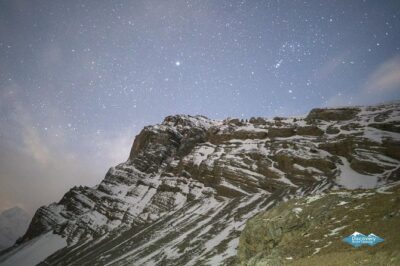
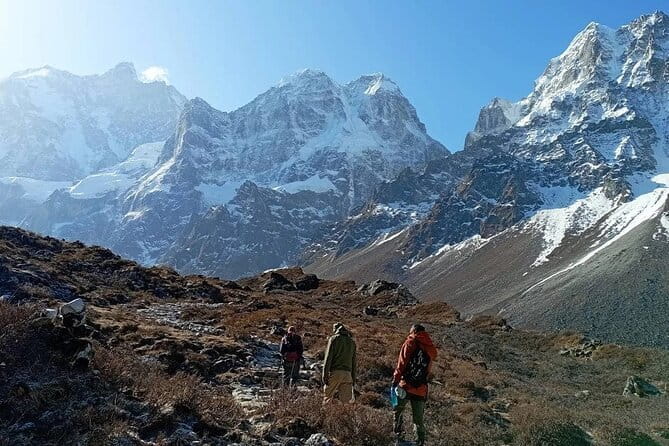
Kanchenjunga feels remote in the best way. I like this trek for its quieter, less-touristy route and for the way it builds toward serious mountain payoff, including the Pang Pema north base camp hike. You spend days moving through jungle woodland, real villages, and high-altitude passes where the views land hard, even when the trail is tough.
One thing to think about: you are trading comfort for access. Expect long drive and jeep time to reach and leave the trail, including remote 4×4-style rides that can feel rough after a long day of travel.
You’ll want solid fitness and a calm attitude toward basic food and simple tea-house life. The good news is the trip is run with a small group setup (up to 8 people) and includes a licensed guide, plus porters who help carry the load.
In This Review
- Key Highlights Worth Booking For
- Why the Kanchenjunga Circuit Feels Like Nepal Before the Crowds
- Price and Logistics: What $2,000 Buys You (and What You Still Have to Plan)
- Kathmandu Setup: Thamel, Permits, and Getting Your Trip Rolling
- Reaching the Trail: Flights, the Mechi Highway, and Long Jeep Time
- Trail Days That Build the Story: Sekathum to Ghunsa and Beyond
- Khambachen and Lhonak: Pine Forests, Views, and Glacier-Linked Trekking
- Pang Pema North Base Camp: The Day That Makes the Effort Feel Worth It
- Sele Le to the Passes: Snow Leopard Chances, High Altitude Pressure, and Panoramas
- Yalung Glacier and the Late Descent: Rathong, Kabru, and Rhododendron Quiet
- Ending the Circuit: Yamphudin to Kanyam and Back to Kathmandu
- Food, Tea Houses, and Comfort Expectations (This Is Where People Get Tripped Up)
- Guides, Porters, and Small-Group Care That Feels Real
- Who Should Book This Kanchenjunga Circuit Trek
- Should You Book It?
- FAQ
- What is included in the trek price?
- How many days is the Kanchenjunga Circuit Trek?
- What are the main transportation parts of the trip?
- Is there a limit on group size?
- How much support do we get for carrying gear?
- What should I expect about food during the trek?
- Is insurance included?
Key Highlights Worth Booking For
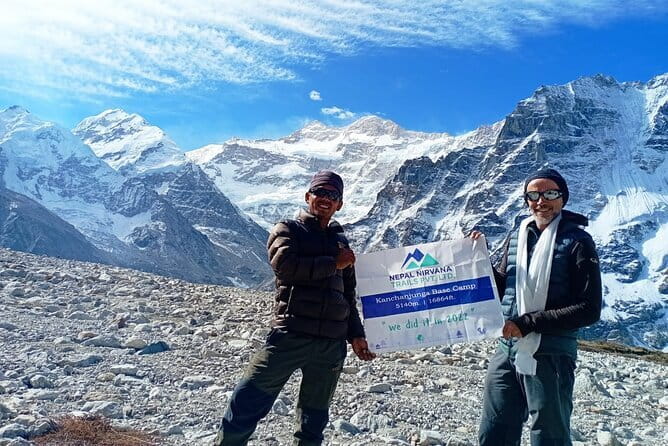
- A newer circuit with fewer crowds, so villages stay calm even in peak months
- Real base camp angles, including a dedicated hike to the north base camp area (Pang Pema)
- Acclimatization built in, including a rest day at Khambachen with short hikes for altitude adjustment
- High pass day with three major passes, including Sinion La, Mirgin La, and Sinelapche Bhanjyang
- North-side glacier day toward the Yalung Glacier, with views of Rathong and Kabru mentioned on the route
- Small group service, with a guide and porter support ratio of roughly 2 trekkers per 1 porter
Why the Kanchenjunga Circuit Feels Like Nepal Before the Crowds
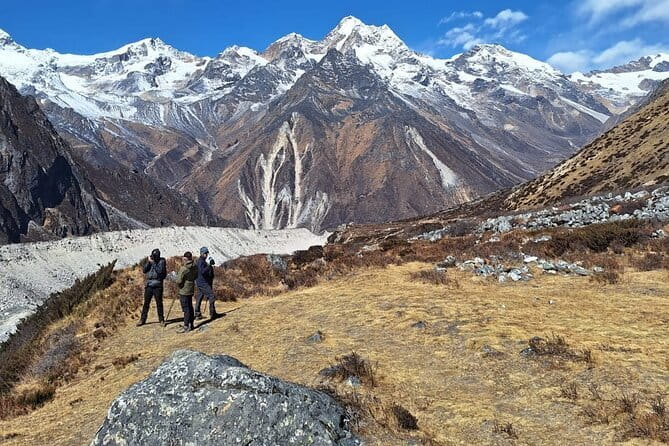
Kanchenjunga is not the same kind of trek as the big, well-oiled routes where you constantly see other groups. This circuit follows a trail that is newer compared to Nepal’s most famous trekking corridors, so the villages you pass through have had less pressure to gear up for mass tourism. That means you’re more likely to feel like you’re moving through the mountains rather than moving through a trekking highway.
I also like the “angles” idea here. The route is set up so you get views from both the north and south base camp sides during the loop. Even if weather changes what you see, the trek’s structure gives you multiple chances to catch dramatic Kanchenjunga views rather than pinning everything on a single sunrise and a single photo spot.
More Treks in Kathmandu
- Everest Base Camp Trek – 14 Days
★ 5.0 · 1,499 reviews - Everest Base Camp Trek
★ 5.0 · 842 reviews - Everest Base Camp Trekking
★ 5.0 · 485 reviews
Price and Logistics: What $2,000 Buys You (and What You Still Have to Plan)
At $2,000 per person, what you’re paying for is not just walking days. The package covers a lot of the heavy lifting that usually adds stress: trekking permits, tea-house accommodations during the trek, and Kathmandu hotel nights (3 nights in a 3-star place with breakfast). It also includes two domestic flights (Kathmandu to Bhadrapur, and back), plus private jeep transfers on key trail access segments.
It’s also priced like a guided expedition rather than a DIY trek. You get a government licensed guide and a porter, with the ratio listed as about 1 porter for between 2 trekkers. You also get meals set up for most days (breakfast is included 18 times, lunch 17 times, dinner 16 times). In plain terms, you’re buying less decision-making and more time to focus on the hike.
What is not included matters. You need your international flight and Nepal entry visa, and you must arrange travel and health insurance that covers emergency rescue and evacuation, because that is not included. Personal expenses like snacks, drinks, and charging can add up, and you should budget for tips for your guide and porter, even though tips are only described as appreciated, not guaranteed.
Kathmandu Setup: Thamel, Permits, and Getting Your Trip Rolling
Your trek starts in Kathmandu, with a pickup arranged from Tribhuvan International Airport and a transfer to your Thamel hotel. If you’re flying in late or you’re dealing with jet lag, that matters more than people admit. Kathmandu logistics can be a maze, and the trip’s early support helps you start fresh instead of spending day one arguing with SIM cards and buses.
Day two is about permits and admin. You meet the team management around 9 am, and they take your original passport for permit preparation. Later, around 5 pm, the team manager returns your passport. This is one of those unglamorous moments that is actually helpful, because trekking permits in Nepal require proper processing and timing.
If you like knowing the rhythm of a trip early, you’ll appreciate that the plan is structured from the first day, not scattered across last-minute calls.
Reaching the Trail: Flights, the Mechi Highway, and Long Jeep Time
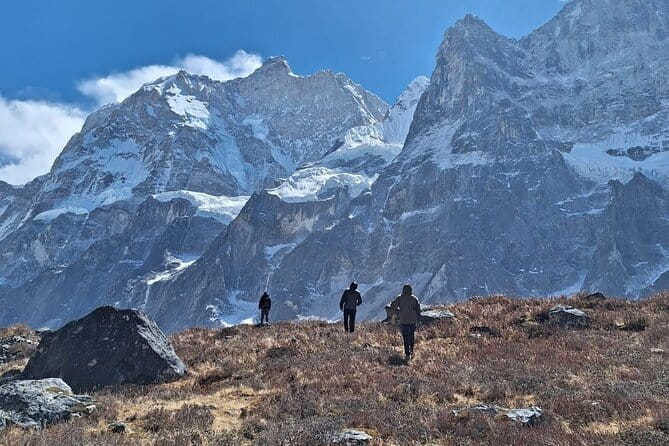
On day three, you fly from Kathmandu to Bhadrapur (the route is described as about 45 to 50 minutes). Then the group shifts to jeeps and drives through Kanyam, using the Mechi Highway route. That’s your first big taste of this trek’s reality: access is part of the adventure, and it takes time.
Day four continues the vehicle day logic. You ride via local jeep to reach Sekathum, where trekkers typically could walk up from Taplejung, but this package uses vehicle support to save time and energy. If you’re prone to getting cranky after bumpy rides, keep your expectations realistic. You’re moving through remote areas, and the remoteness comes with road conditions you can feel.
Still, for many hikers, this is the trade worth making. When your goal is a 19-day circuit with high passes, saving your legs for the mountain work is a smart value choice.
Another way to spend the time in Nepal:
- Private Kathmandu Sightseeing Tour | UNESCO World Heritage sites
★ 5.0 · 756 reviews - Kathmandu: 7 UNESCO Sites with Lunch
★ 4.8 · 744 reviews - Everest Base Camp Helicopter Tour landing at Everest View Hotel
★ 5.0 · 668 reviews - Half day cooking class in Thamel kathmandu
★ 5.0 · 607 reviews
Trail Days That Build the Story: Sekathum to Ghunsa and Beyond
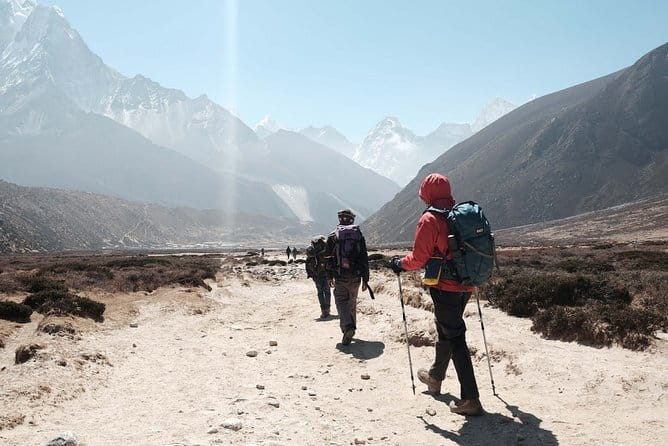
From Sekathum, day five starts the hike. You move along the Ghunsa Khola, crossing bridges and climbing step by step. The itinerary description hints at how quickly the trail begins to feel like a living corridor rather than a stamped walking path.
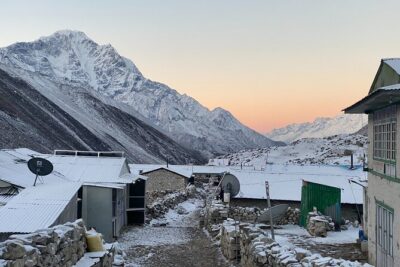
Day six pushes into dense forest territory toward Gyabla, also called Kyapra in the plan. This is one of the “less settled” sections, described as a trail without human settlement for stretches. If you like quiet trekking and you prefer time with birds, wind, and forest shade over constant village interruptions, this is where the trek starts to feel special.
Day seven brings you to Ghunsa village after a woodlands walk that leads via Phale village. Ghunsa is also noted as a common acclimatization stop, and that fits the logic of how your body handles altitude. You’re not just climbing blindly. You’re building your tolerance, one valley and one night at a time.
Khambachen and Lhonak: Pine Forests, Views, and Glacier-Linked Trekking
On day eight, you head to Khambachen (spelled Khambachen in the plan). The route includes a gradual ascent through an open pine forest, with the possibility of seeing blue sheep and even a mention of snow leopards. It also flags landslide-prone areas, which is a polite way of saying keep your footing and follow your guide’s cues.
Day nine is a rest day at Khambachen. You get a short hike to nearby glaciers, viewpoints, and lakes for altitude adjustment. I like these rest-day structures because they give you movement without the full day fatigue. It’s the right balance for a trek that later includes high passes and big altitude days.
Then day ten moves you to Lhonak, on the trail of the Kanchenjunga glacier. The plan notes that you’ll likely meet trekkers traveling in the main season on the route toward and returning from the north base camp. That means this part can feel busy compared to the middle of the circuit, but it’s still not the kind of constant crowding you get on more famous treks.
Pang Pema North Base Camp: The Day That Makes the Effort Feel Worth It
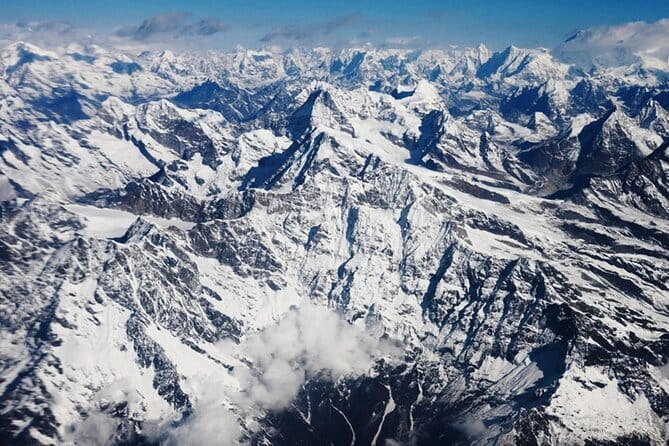
Day eleven is the big north base camp day. You hike gradually following moraines, and you reach Kanchenjunga Base Camp, also described as Pang Pema. This is where the trek’s promise becomes real for most people. After days of forest, ridges, and village rhythm, you shift into a more glacier-scored environment.
It’s not just about reaching a marker. The moraine trail is slow and deliberate. Your progress becomes careful, not fast. That pace can feel long, but it’s also where you get proper time to soak up the scale of the area when the weather cooperates.
Day twelve turns around and brings you back to Ghunsa, retracing the track. That’s a reminder that circuits are not straight lines. You’re earning the view, then returning through the same physical logic so your body and your schedule stay on track.
Sele Le to the Passes: Snow Leopard Chances, High Altitude Pressure, and Panoramas
Day thirteen moves toward Sele Le after arriving at Ghunsa. The route leaves the trail to Gyabla, and it again mentions possible snow leopard sightings as you pass through dense forest. There are isolated settlements with a few teahouses, and the plan notes that some are open only during certain periods. That affects what you can expect for comfort and meal choices on the margins.
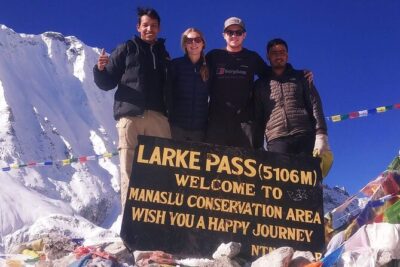
Day fourteen is the high-altitude pass day, and it’s the reason you need to be honest about fitness. You go over Sinion La (4440m), then Mirgin La (4480m), then Sinelapche Bhanjyang (4645m). This is multiple passes in one day, and the itinerary framing makes it clear you’re seeking spectacular panoramic views as the reward. Expect a big day, and expect that your decision-making, hydration, and pace control will matter as much as your legs.
Yalung Glacier and the Late Descent: Rathong, Kabru, and Rhododendron Quiet
Day fifteen heads to the Yalung Glacier. You’re described as getting higher and closer to the vistas early in the day, passing by Yalung with views of Rathong (6682m) and Kabru (7412m). This is another step-change in scenery, where your focus shifts from forests and villages toward glacier-linked terrain and wider mountain sightlines.
Day sixteen continues with downhill trekking. The plan says you pass through rhododendron forests and end at Tortong. The tone here is quieter and more restorative: mountains behind you, forest cover in front, and time to breathe after the altitude pressure of the earlier days.
Day seventeen continues descending to Yamphudin via Amji Khola, passing Lasiya or Lamite Bhanjyang (3415m) and Dhupi Bhanjyang (2665m). It also flags steep slope areas, so this is not a casual downhill day. You’re still in serious trekking country where footwork and attention keep you safe.
Ending the Circuit: Yamphudin to Kanyam and Back to Kathmandu
Day eighteen starts with exploring landscapes near the trails along Kabeli Khola, then you leave the mountain villages and drive to Kanyam. This is your transition day from hike rhythm to vehicle rhythm.
Finally, day nineteen brings the exit. You explore a green tea cultivation area briefly, then drive to Bhadrapur (about 2 to 3 hours). You catch the flight back to Kathmandu, about 45 to 50 minutes. If you want a practical closing thought, it’s this: schedule a little time the same day in Kathmandu for rest, because your body has been working for days and you’ll feel it even after the last flight.
Food, Tea Houses, and Comfort Expectations (This Is Where People Get Tripped Up)
The trek uses tea-house accommodations, which is great because it keeps life simple at night. But the package also clearly warns that food during the trek is very basic. I’d treat that as your planning baseline, not as a complaint.
A practical move is to choose the veg foods available while you’re on the trail. The guidance in the plan explicitly suggests this. If you’re picky, heavy on spice tolerance, or sensitive to how meals vary by altitude, you’ll be happier following that recommendation early instead of waiting to see if the menu improves.
Also, your day-to-day comfort at altitude is mostly about routine: consistent meals, hydration, and sleep timing. You won’t get luxury touches like hot showers or constant charging, since those are listed as personal expenses and not included.
Guides, Porters, and Small-Group Care That Feels Real
This is where I’d give this trek extra credit. The max group size is listed as 8 travelers, and that usually means you spend less time waiting and more time actually moving as a unit. You also get a licensed guide, plus porter support with a ratio of roughly 2 trekkers to 1 porter.
The human side shows up in the provided feedback. I’ve seen names like Raj, Jangbu, and Abinta highlighted for being warm and helpful with culture, trails, and route knowledge. That matters because the Kanchenjunga circuit is not just scenery chasing. It’s navigation, pacing, and managing conditions like landslide-prone areas and steep slope sections.
There’s also a first aid kit with basic medication included. That doesn’t replace proper trekking insurance for emergencies, but it does mean you’re not relying on luck for small issues.
If you’re older, less experienced, or just want a guide who keeps the group grounded, small-group structure plus experienced staff is a smart fit.
Who Should Book This Kanchenjunga Circuit Trek
This trek fits best if you want a real adventure off the busiest trekking circuit paths and you don’t mind working for the reward. It also suits hikers who value guidance and support, since the plan includes permits, flights, hotel nights, tea houses, and porter assistance.
You should think twice if:
- You hate long drive days and remote road access, because jeeps are a big part of getting there and leaving
- You expect gourmet food or lots of creature comforts at altitude
- You are not currently at a strong fitness level, since there are multiple altitude-focused days including high passes
If you’re a solo traveler, this is still workable because porters and guides are arranged by group, not by solo DIY logistics. But the vibe is best for people who like small-group travel and clear structure.
Should You Book It?
Yes, if you want Kanchenjunga without the heavy crowds and you’re comfortable trading comfort for access and authenticity. The value is strongest when you want the permits, flights, and day-to-day logistics handled, and when you trust your training for the high pass day.
I’d book with this operator if you like a smaller group experience, appreciate having a licensed guide and porter support, and you can plan for basic tea-house meals and simple daily living. If your main goal is maximum comfort, minimum travel time, and lots of amenities, you’ll probably feel frustrated. For everyone else, this is a trek that earns its stories.
FAQ
What is included in the trek price?
The price includes trekking permits, Kathmandu hotel for 3 nights (3-star with breakfast), tea-house accommodations during the trek, a government licensed guide and porter (with about 1 porter per 2 trekkers), private jeep transfers on specified segments, domestic flights between Kathmandu and Bhadrapur, a first aid kit with basic medication, and meals (breakfast 18 times, lunch 17 times, dinner 16 times).
How many days is the Kanchenjunga Circuit Trek?
It runs about 19 days.
What are the main transportation parts of the trip?
You fly Kathmandu to Bhadrapur, then use private jeeps for access to the trail areas. You also return by jeep from Kanyam to Bhadrapur and then fly back to Kathmandu.
Is there a limit on group size?
Yes, the maximum group size is listed as 8 travelers.
How much support do we get for carrying gear?
A licensed porter is included, with the plan stating about 1 porter for between 2 trekkers.
What should I expect about food during the trek?
Food is described as very basic during the trek. The plan suggests opting for the veg foods available while you are on the trail.
Is insurance included?
No. Travel and health insurance that covers emergency rescues and evacuations is not included, so you’ll need to arrange that yourself.
Latest additions near Kathmandu
- White Water River Rafting – 1 Day★ 4.3 · 3 reviews
- Traditional Momo Making Class★ 5.0 · 10 reviews
- Kathmandu to Pokhara Premium sofa bus ticket★ 4.0 · 17 reviews
- Ghorepani Poon Hill Trek★ 5.0 · 16 reviews
- Amazing 1 Day Trekking Experience in Kathmandu Nepal★ 5.0 · 24 reviews
- Ghorepani Poonhill Trek★ 5.0 · 5 reviews
- Walking tour of real Kathmandu through back streets.★ 5.0 · 3 reviews
- Wildlife Adventure in Chitwan Nepal★ 4.0 · 4 reviews
Treks in Kathmandu, compared.
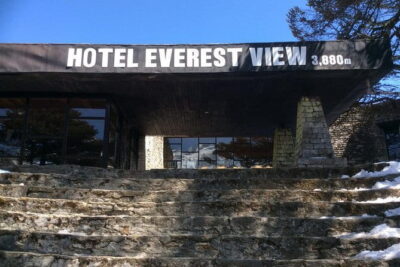
Nagarkot Sunrise View and Day Hiking from Kathmandu
Read our review →