Reviewed · TREKS IN KATHMANDU
Goisankunda, Trek of the Holy Lakes
That high lake day pulls you in.
This trek is a real, day-by-day walk into the holy lake country around Gosainkunda, with villages, tea houses, and big-mountain air. You start with a drive into the hills, trek for about five straight days, then roll downhill again to Kathmandu.
I especially like the way this trip handles the big logistics. You get a private jeep to Dhunche and a drive back from Sundarijal, so you are not wasting precious energy on messy transfers. You also travel with an experienced guide and the permits are handled, which keeps your focus where it should be, on walking and breathing.
One consideration: you are trekking every day for five days. If your fitness is not at least moderate, or if altitude hits you hard, this route can feel like a long haul.
In This Review
- Key things to notice before you go
- Why the Goisankunda Holy Lakes Trek is a smart 7-day challenge
- Price and what you actually get for $555 in Nepal
- Getting to Dhunche: the 7:15am start and private jeep ride
- Day 2 to Chandanbari (3330m): the warm-up climb you should take seriously
- Day 3 to Gosainkunda (4390m lake area): the day your lungs remember
- Day 4 to Ghopte (3530m): recovering while you keep moving
- Day 5 to Kutumsang (2470m): the long drop that feels like a reset
- Day 6 to Chisapani (2215m): steady descent toward Kathmandu country
- Day 7 to Sundarijal (1460m) and the ride back to Kathmandu
- Tea house nights and included meals: what it means for your daily comfort
- Gear and fitness: a moderate trek that still earns respect
- Who should book this private Goisankunda trek
- Should you book this Goisankunda Holy Lakes trek with Flyeast Nepal?
- FAQ
- What time does the Goisankunda trek start?
- How long is the trek?
- What’s included in the price?
- Are vegetarian meals available?
- How big is the group for this private tour?
- Can I cancel for a full refund?
Key things to notice before you go
- Private jeep in, drive out means less hassle and more trail time
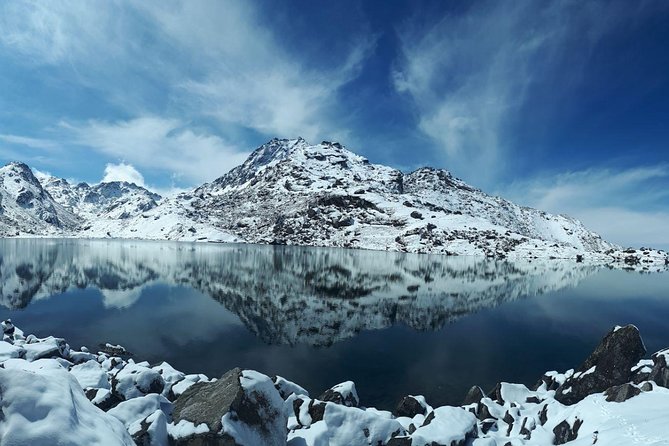
- Gosainkunda at 4390m is the high point, so pace and breathing matter
- Tea house or lodge nights keep things simple, but expect basic rooms
- Meals are included (3 per day, plus one menu item during trek), beverages are not
- Service feels personal with an experienced guide and caring porter support often highlighted by name
Why the Goisankunda Holy Lakes Trek is a smart 7-day challenge
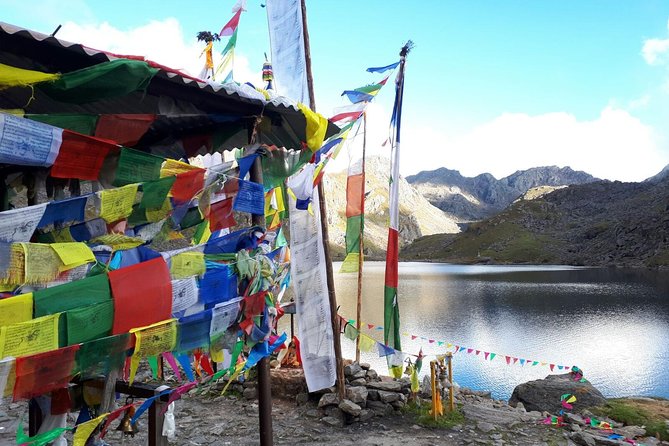
The Goisankunda trek works well if you want a mountain experience without turning it into an endless expedition. In about a week, you get a steady climb, a big high lake day, and then a gradual descent back toward Kathmandu.
What makes this route interesting is the rhythm. You are not doing one huge push with nothing in between. Instead, you move from one village to the next, day after day, which helps your body adjust and gives you frequent chances to recover in a real settlement with tea house stays.
Also, the fact that the trip is private to your group matters. A smaller, more controlled setup usually means fewer awkward wait times and more straightforward pacing. It is still a trek, so you will work for your views, but the experience is built to feel organized rather than chaotic.
More Treks in Kathmandu
- Everest Base Camp Trek – 14 Days
★ 5.0 · 1,499 reviews - Everest Base Camp Trek
★ 5.0 · 842 reviews - Everest Base Camp Trekking
★ 5.0 · 485 reviews
Price and what you actually get for $555 in Nepal
At $555 per person for about 7 days, the value is mostly about what is included versus what is not. You are getting:
- Private jeep to Dhunche, plus the drive back from Sundarijal
- An experienced guide
- Trek permit
- Food: 3 meals a day during the trek, plus one item from the menu
- Accommodation in tea houses or lodges
- Fuel surcharge and at least a breakfast component
What you are not getting is also clear: hotels in Kathmandu, personal insurance, and beverages of any sort. Tips are not included too. If you add those costs yourself, the all-in number can creep up, especially beverages.
Still, when you compare this to the alternative of piecing together transport, guide time, permits, and meals separately, this packaged approach often wins for stress and time. You are paying for fewer unknowns and more practical coverage.
Getting to Dhunche: the 7:15am start and private jeep ride
You start early, with the experience set to kick off around 7:15 am. That early start is not just for show. It gives you time to get to Dhunche (about 1900m) with daylight ahead, which makes day one feel like travel you can actually enjoy.
Day 1 is a drive to Dhunche, where you set your base for the trek. With a private jeep, you skip the common pain of crowded shared transport and confusing transfer lines. You also get the advantage of the same organized team later on your exit day, since there is a drive back from Sundarijal.
If you dislike starting tours before breakfast, plan ahead. Pack essentials the night before. You want to be ready when you are asked to move fast.
Day 2 to Chandanbari (3330m): the warm-up climb you should take seriously
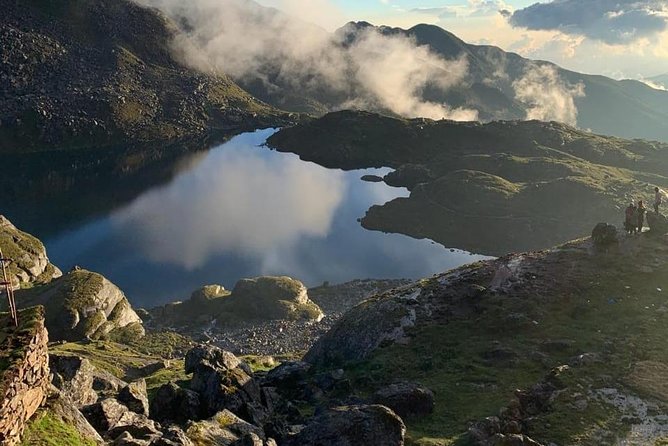
Day 2 is your trek day into the higher zones, from Dhunche up to Chandanbari at 3330m. This is a classic “wake up your legs” day. It is not the highest altitude you will see, but it is high enough to make your effort feel different than at lower elevations.
The itinerary keeps you moving from village to village. That’s a smart approach for acclimatization because you get breaks and predictable overnight stops rather than forcing one long, uninterrupted grind.
Here is your practical takeaway: use Chandanbari as a pacing checkpoint. If you treat this day like a race, the lake day will feel harder. If you treat it like warm-up, you will have more stamina for the real climb.
Another way to spend the time in Nepal:
- Private Kathmandu Sightseeing Tour | UNESCO World Heritage sites
★ 5.0 · 756 reviews - Kathmandu: 7 UNESCO Sites with Lunch
★ 4.8 · 744 reviews - Everest Base Camp Helicopter Tour landing at Everest View Hotel
★ 5.0 · 668 reviews - Half day cooking class in Thamel kathmandu
★ 5.0 · 607 reviews
Day 3 to Gosainkunda (4390m lake area): the day your lungs remember
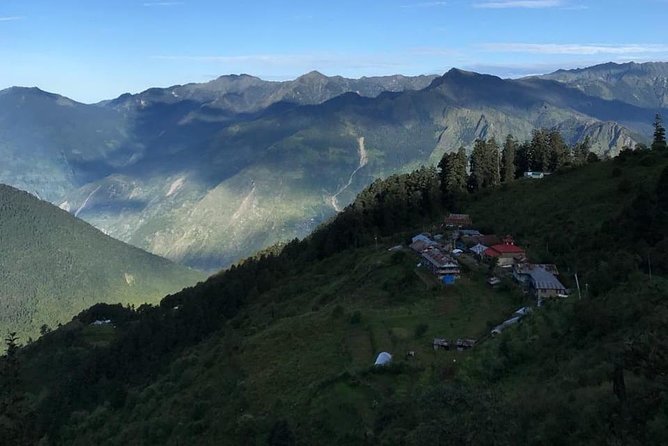
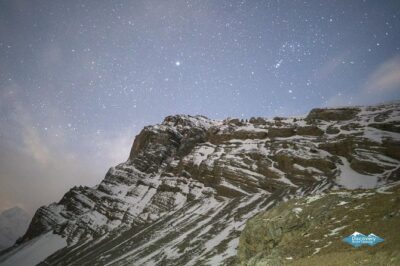
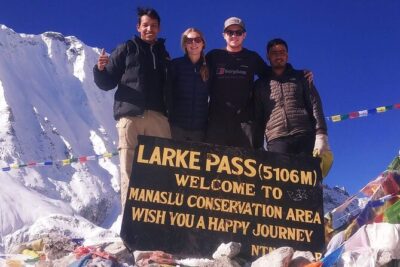
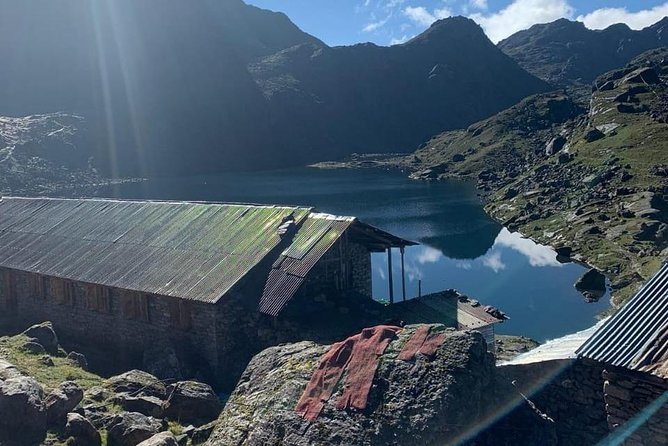
Day 3 brings you to Gosainkunda at 4390m, and this is the heart of the trek. The itinerary calls it the lake area, so your day likely builds around reaching the high point and spending time in that zone.
This is where altitude becomes a real factor. Even if you are a strong hiker, thinner air can slow your pace and make breathing feel more deliberate. The best strategy is boring but effective: steady steps, short pauses, and no big surges.
Also, plan for weather changes. High-elevation lake days can shift quickly, and you will appreciate having layers ready. You do not want to be stuck deciding whether to brave chill air without the right clothing.
What I like about making this the planned day 3 stop is that the trek gives you time to acclimatize beforehand. You are not going from low elevation to 4390m in one leap.
Day 4 to Ghopte (3530m): recovering while you keep moving
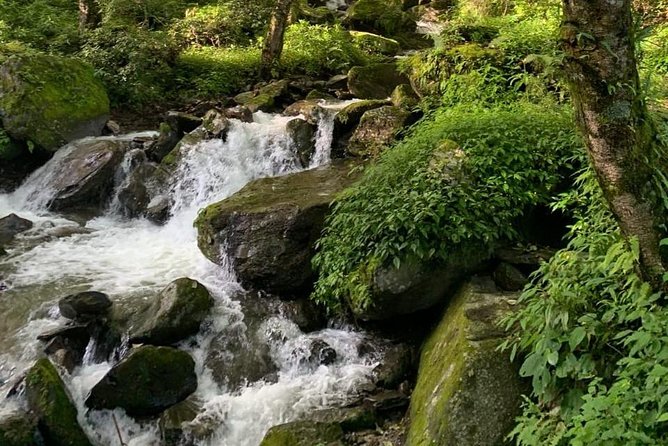
On Day 4 you trek to Ghopte (3530m). This is still high, but it is slightly lower than your lake day. That drop is valuable because it gives your body a chance to settle.
This kind of “higher, then slightly lower” pattern is one of the reasons short treks can work for people with limited time. You do not spend every single day at the maximum altitude. Instead, you keep a rhythm that helps you keep going.
Your main goal here is to keep your energy controlled. If you feel good, resist turning that into speed. Steady effort is your friend, especially when your route continues to drop and climb again later.
Day 5 to Kutumsang (2470m): the long drop that feels like a reset
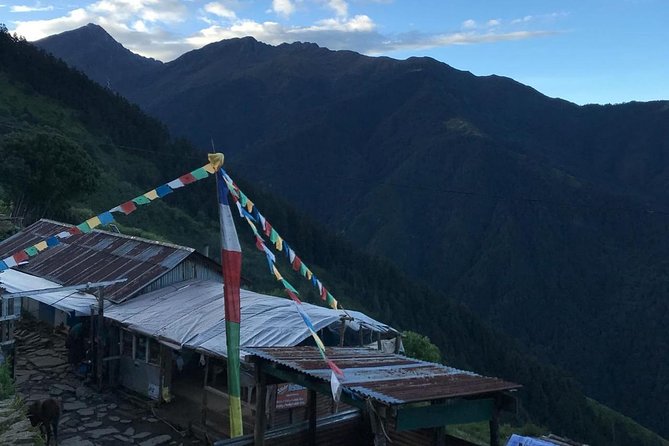
Day 5 goes down to Kutumsang at 2470m. That is a noticeable change compared to the earlier days, and it can feel like a reset for your body and your mood.
This is also a day where you can move with more comfort. Your heart rate may drop, and walking can feel more natural. Still, do not assume you are fully out of altitude territory. You are adapting, day by day, not flipping a switch.
One practical tip: even on lower days, your knees might feel the difference. If you have sensitive joints, use trekking poles if you have them, and keep descents controlled.
Day 6 to Chisapani (2215m): steady descent toward Kathmandu country
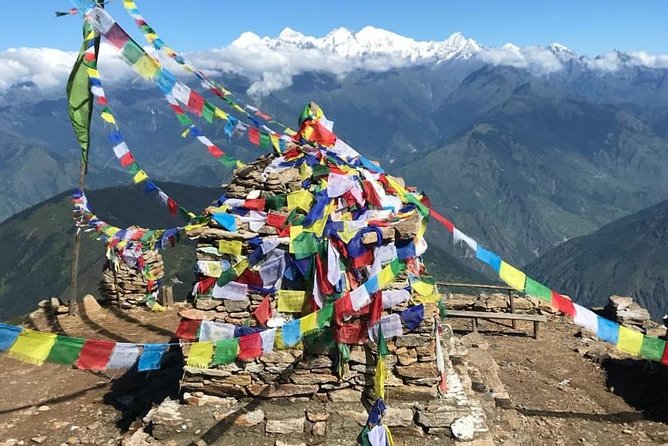
Day 6 takes you to Chisapani at 2215m. It is another drop, and it signals you are entering the final stretch of the trekking portion.
At this point, you will likely feel the difference between tired muscles and fatigue from altitude. Chisapani feels more like traditional walking country, which can be motivating.
If you have any small aches, treat them gently today. Hydrate well, eat your meals, and avoid pushing through pain just because you are close.
Also, remember you still have Day 7 as a trek plus a drive. You want to arrive with enough energy to enjoy the last day rather than feeling like you are merely surviving to end the trip.
Day 7 to Sundarijal (1460m) and the ride back to Kathmandu
Day 7 is your final walking day, taking you to Sundarijal at 1460m, followed by a drive back to Kathmandu. The combo is practical: you get the satisfaction of finishing the route on foot, then you recover with transport.
The descent helps you adjust to lower elevation quickly. Still, you should not underestimate the last day. Your legs may feel heavy even when the altitude is more forgiving.
Once you reach Sundarijal, the driving part is a nice payoff. You skip the extra complications of negotiating transport on your own. This is one of the quieter wins of the “private jeep in and organized drive out” setup.
Tea house nights and included meals: what it means for your daily comfort
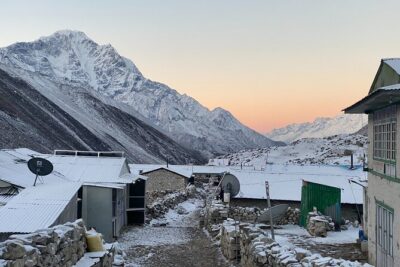
You stay in tea house / lodge accommodation during the trek. That usually means simple rooms and shared dining spaces. You should expect basic comfort rather than luxury, but you do get the big benefits: a roof, a place to eat, and a routine that keeps you from thinking too hard about logistics.
Food is one of the most valuable parts of this package. You get three meals a day during the trek, plus one item from the menu. That matters because at higher elevations, hunger becomes a performance issue. When meals are handled, you can focus on walking instead of negotiating hunger in a new place every day.
Vegetarian options are available, as long as you tell the team at booking. If you have any dietary requirements, add them early. It is the simplest way to avoid awkward meal compromises while you are far from home.
One thing to remember: beverages are not included. So if you expect tea, coffee, or other drinks during the trek, budget for that separately.
Gear and fitness: a moderate trek that still earns respect
The trip is described as suitable for moderate physical fitness. That is a good match for hikers who can handle daily walking and do not mind spending long hours on foot.
But you still trek every day for five days, so think of it as steady effort, not a gentle stroll. You are walking uphill and downhill depending on the day, and you are managing altitude changes from about 1900m up to 4390m.
My practical advice:
- Go slower than you think you need to on the first days, so Day 3 does not become a struggle
- Bring layers for changing weather at higher elevations, especially around the lake area
- Plan to rest when you can, not just when you want to
If you are unsure about your fitness, do a realistic test at home. If you can comfortably walk several hours with moderate elevation changes, you are likely in the right zone.
Who should book this private Goisankunda trek
This is a strong choice if you:
- Want a private group rather than a crowded trek
- Appreciate having a guide and permits handled
- Like predictable daily stages with tea house stays
- Are comfortable with daily hiking for about five trekking days
It is also a good fit for solo travelers in practice, since you are not joining a random public itinerary. The service quality stands out in the way the team supports you. Names like Ram come up in feedback as a porter guide who took extra care, and Nani is mentioned as kind and patient, answering questions with real warmth. Even if you are the quiet type, that kind of support makes it easier to ask the practical questions that keep a trek smooth.
Should you book this Goisankunda Holy Lakes trek with Flyeast Nepal?
If you want a well-organized week of trekking, this one makes sense. The biggest reasons are straightforward: private transport, an experienced guide, permits included, and the comfort of having meals and tea house lodging built into the schedule.
You should probably skip it if you hate daily hiking or if altitude usually knocks you down fast. Also, if you want a Kathmandu hotel package or free drinks on the trail, you will need to plan those extras yourself since they are not included.
My recommendation: book if you want an authentic trek where the planning is taken care of and your energy goes into the mountain. You will earn the Gosainkunda day, and the rest of the week is set up to get you there safely and steadily.
FAQ
What time does the Goisankunda trek start?
The start time is listed as 7:15 am.
How long is the trek?
The duration is 7 days (approx.), with driving on Day 1 and Day 7.
What’s included in the price?
The package includes a private jeep to Dhunche and a drive back from Sundarijal, an experienced guide, permit for the trek, accommodation in tea houses or lodges during the trek, and food (3 meals a day with 1 item from the menu). Fuel surcharge and breakfast are included too.
Are vegetarian meals available?
Yes. A vegetarian option is available, and you should advise at booking if you need it or have dietary requirements.
How big is the group for this private tour?
It is a private tour/activity. The booking requires a minimum of 2 people and allows a maximum of 14 people.
Can I cancel for a full refund?
Yes, free cancellation is available. You can cancel up to 24 hours in advance for a full refund, but if you cancel less than 24 hours before the start time, you will not receive a refund.
Latest additions near Kathmandu
- White Water River Rafting – 1 Day★ 4.3 · 3 reviews
- Traditional Momo Making Class★ 5.0 · 10 reviews
- Kathmandu to Pokhara Premium sofa bus ticket★ 4.0 · 17 reviews
- Ghorepani Poon Hill Trek★ 5.0 · 16 reviews
- Amazing 1 Day Trekking Experience in Kathmandu Nepal★ 5.0 · 24 reviews
- Ghorepani Poonhill Trek★ 5.0 · 5 reviews
- Walking tour of real Kathmandu through back streets.★ 5.0 · 3 reviews
- Wildlife Adventure in Chitwan Nepal★ 4.0 · 4 reviews
Treks in Kathmandu, compared.
Nagarkot Sunrise View and Day Hiking from Kathmandu
Read our review →