
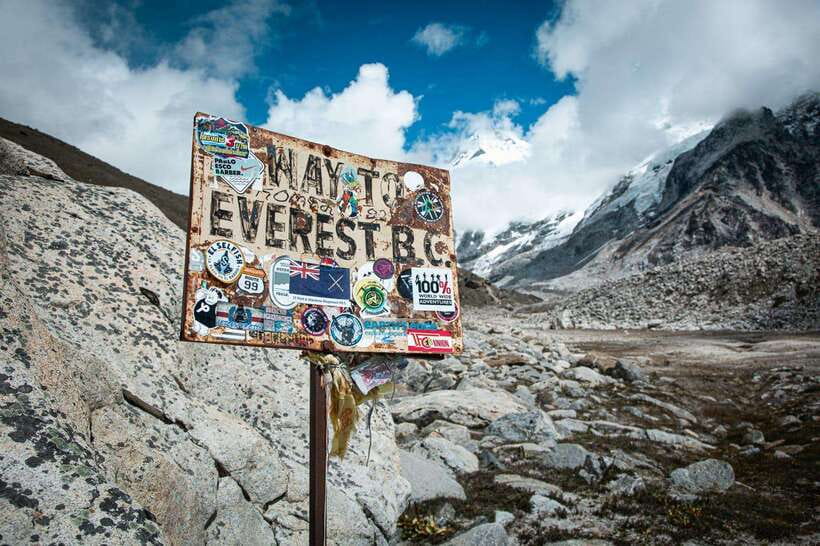
Reviewed · EVEREST BASE CAMP TREKS
From Kathmandu: Guided Everest Base Camp Trek
A flight to Lukla is the start of the whole altitude story. This guided Everest Base Camp Trek packs big mountain views, Sherpa culture moments, and classic stops like Namche Bazaar, Tengboche monastery, and the push to Kala Patthar and Base Camp. Two things I really like are the clear acclimatization plan with rest days in Namche and Dingboche, and the support you get from an English-speaking guide who can handle tough days calmly. One possible drawback to plan for up front, is that this is still a hard trek with steep climbs and long days at elevation, so you will need to pace yourself and accept slower progress.
You’re also traveling with a structure that makes sense for most people: small group style, guided pace, and a logistics layer that handles flights (when selected), permits, and trekking essentials. In recent trips tied to this operator, solo hikers especially appreciated fast communication from the office contact Rajesh and the way guides like Saran (and Prayas on another departure) stayed focused on safety, pacing, and support when conditions got tough.
In This Review
- Key Moments That Make This Everest Base Camp Trek Worth It
- Flying Into Lukla, Then Settling Into Trekking Rhythm
- Namche Bazaar: Your Acclimatization Window Plus Sherpa Culture
- Tengboche Monastery at Around 3,800m
- Dingboche Rest Day, Then the High Country Toward Lobuche
- Gorak Shep, Kala Patthar, and Everest Base Camp Day
- The Guide Makes the Difference, Especially Solo
- Price and Value: What $408 Includes and What You Still Need to Budget
- Who Should Book This Everest Base Camp Trek
- Should You Book It?
- FAQ
- How many days is the guided Everest Base Camp trek?
- Where does the trek start and how do you get to the trail?
- Is there an English-speaking guide?
- What are the key high-altitude destinations on this trek?
- Are permits included?
- Does the price include meals and drinks?
- What is not included in the price?
- Is pickup and drop-off included?
- Is there flexible cancellation or pay later?
Key Moments That Make This Everest Base Camp Trek Worth It
- Lukla to Phakding on day one, starting your trek right after the flight and easing in.
- Namche Bazaar acclimatization, with time to adjust at a gateway town and not just hike through.
- Tengboche monastery visits, adding spiritual stops and wide Everest-range views around 3,800m.
- Dingboche rest day, a smart pause before higher country toward Lobuche and Gorak Shep.
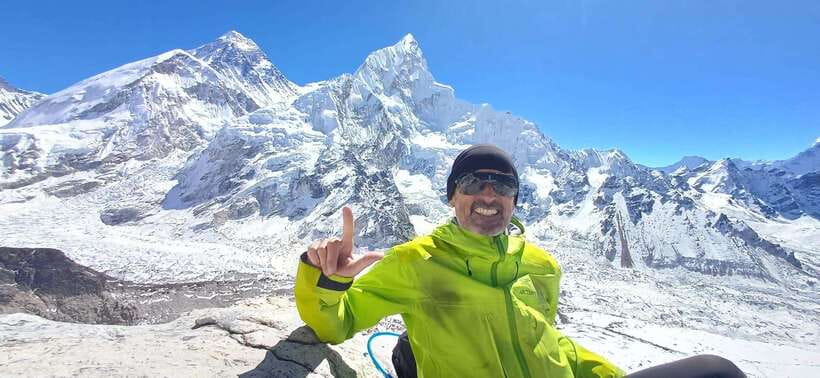
- Kala Patthar and Everest Base Camp, the signature payoff for close-up views of the Khumbu Icefall area.
Flying Into Lukla, Then Settling Into Trekking Rhythm
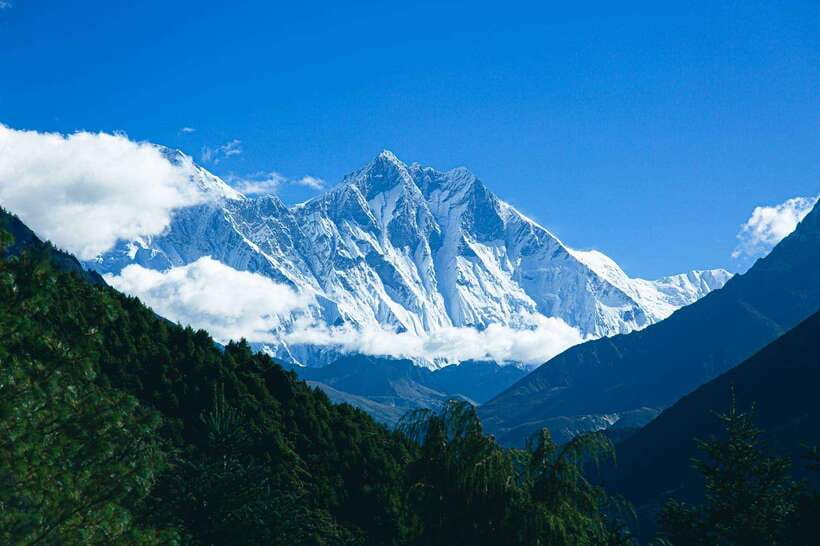
Most people think of Everest Base Camp as one destination, but the real experience starts with the approach. From Kathmandu, you fly to Lukla (roundtrip flights are included if you choose that option), then begin hiking from the Lukla area toward Phakding at about 2,610m. That first day matters because you’re not starting at sea level. Even early, your body is already working, so a guided pace helps you avoid the common mistake of going out too fast.
From there, the trek quickly shifts toward altitude gains that feel real. Day two takes you up to Namche Bazaar around 3,440m, the busiest acclimatization hub in the Khumbu. You’ll feel it in your legs and breathing, but the route also gives you that steady sense of getting closer to Everest with every hour outside.
If you’re the kind of traveler who likes having a plan, you’ll appreciate that the trip is paced across 12 days, with built-in high-altitude pauses rather than a straight-line slog. And if you hate uncertainty, you’ll probably like that the package includes the basics that make early days smoother, like hotel pickup and drop-off and a guide who’s there in English.
More Treks in Kathmandu
- Everest Base Camp Trek – 14 Days
★ 5.0 · 1,499 reviews - Everest Base Camp Trek
★ 5.0 · 842 reviews - Everest Base Camp Trekking
★ 5.0 · 485 reviews
Namche Bazaar: Your Acclimatization Window Plus Sherpa Culture
Namche Bazaar is more than a checkpoint. It’s where you start behaving like someone living in the mountains for a few days. After reaching Namche around 3,440m, you spend an acclimatization day there, so you’re not climbing higher every single day. That pause is one of the best parts of this trek for most first-timers because it gives your body a chance to catch up while your mind catches up too.
Namche is also where culture becomes part of the trek, not just scenery. You’ll have time to see a lively market town feel, shop for small craft items if you want them, and interact with Sherpa communities who call this region home. This trek is designed around that idea: you’re moving through Sagarmatha National Park terrain, but you’re also meeting people, hearing local stories, and seeing everyday mountain life.
One practical note: the altitude makes simple tasks feel harder. Use the acclimatization day for slow walking, resting when you need it, and staying hydrated. If you do that, you’ll usually arrive at the next higher sections feeling more confident instead of rushed.
Tengboche Monastery at Around 3,800m
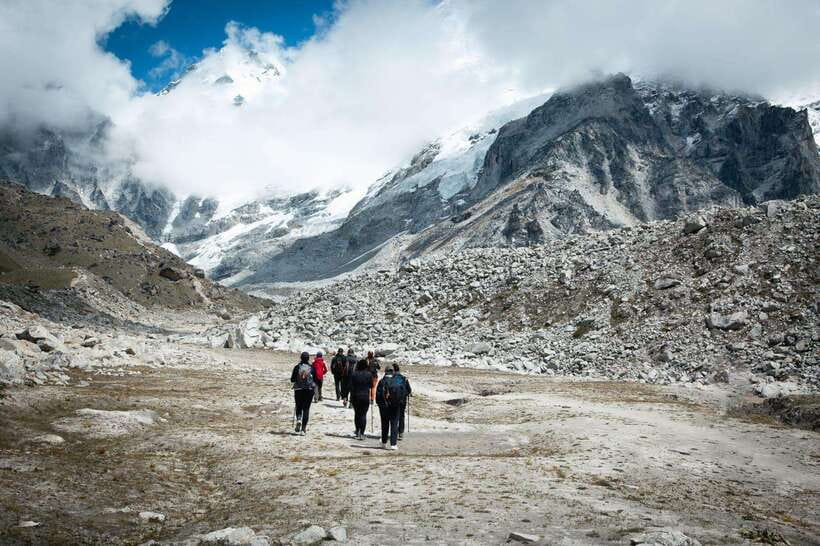
When you head from Namche toward Tengboche (around 3,800m), the scenery stays dramatic, but the tone changes. The monastery stop is a key reason this trek feels more than just a physical challenge. In the Tengboche area, you’ll visit the Buddhist monastery and see daily rituals, prayer moments, and that calm, ceremonial rhythm that feels worlds away from city schedules.
The view component is also real here. Tengboche sits high enough that you can get wide sightlines toward the Everest region, so you’re not only visiting a religious site. You’re also getting one of those classic “this is why people come” viewpoints that make the hours of walking feel worth it.
This is also a good day psychologically. By the time you’re at Tengboche, you’ve had your first altitude shock and your first acclimatization win in Namche. If your legs feel heavy, this is a day where you can still slow down and enjoy the moment without needing to push your pace.
Dingboche Rest Day, Then the High Country Toward Lobuche
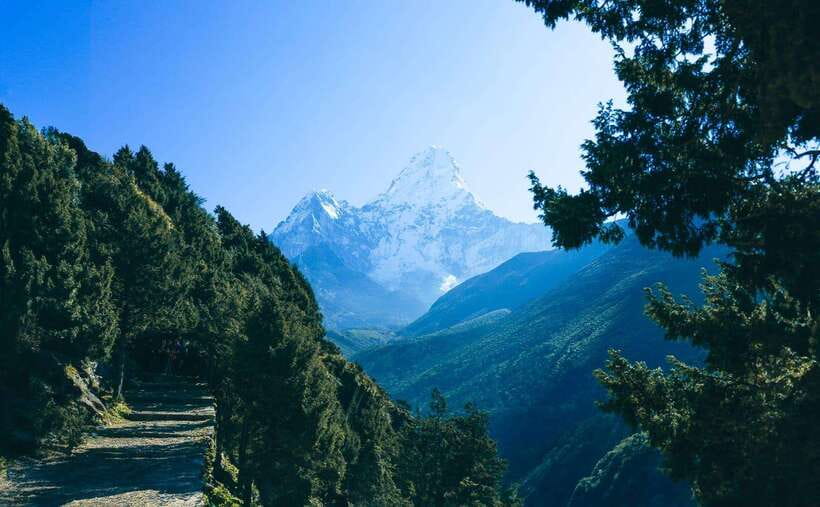
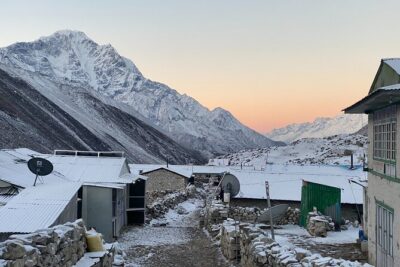
After Tengboche, the trek continues up to Dingboche around 4,400m. This is where the “difficult” part stops being a vague warning and starts becoming your daily reality. The good news is the program includes a rest day in Dingboche, not just a quick lunch break and then go higher. That decision makes a big difference for how you feel for the next steps.
Dingboche is often where trekkers start becoming more careful. You’ll likely notice that every movement costs a little more effort. A rest day helps you practice pacing, keep your focus on hydration and nutrition, and recover if you’re feeling the altitude. This is the kind of planning that reduces panic. You’re not guessing your way through high altitude, because the route already builds in that pause.
From Dingboche you push toward Lobuche around 4,900m, continuing the climb toward the final zones. The trail becomes steeper and rockier in places, with suspension bridge crossings along the route, which can feel exciting but also tiring. Having a guide here is more than convenience. It’s about keeping you moving steadily, checking in on how you feel, and managing your effort so you can still enjoy the last days.
More Everest Base Camp treks:
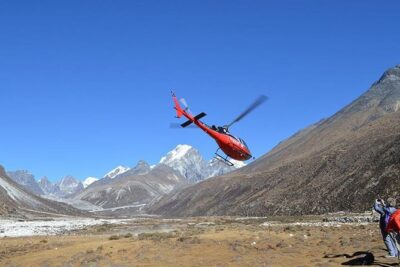
- Everest Base Camp Helicopter Tour landing at Everest View Hotel
★ 5.0 · 668 reviews - Everest Base Camp Trekking – 13 Day
★ 5.0 · 365 reviews - Everest Base Camp Trek
★ 5.0 · 350 reviews - Everest Base Camp Trek -14 Days
★ 5.0 · 321 reviews
Gorak Shep, Kala Patthar, and Everest Base Camp Day
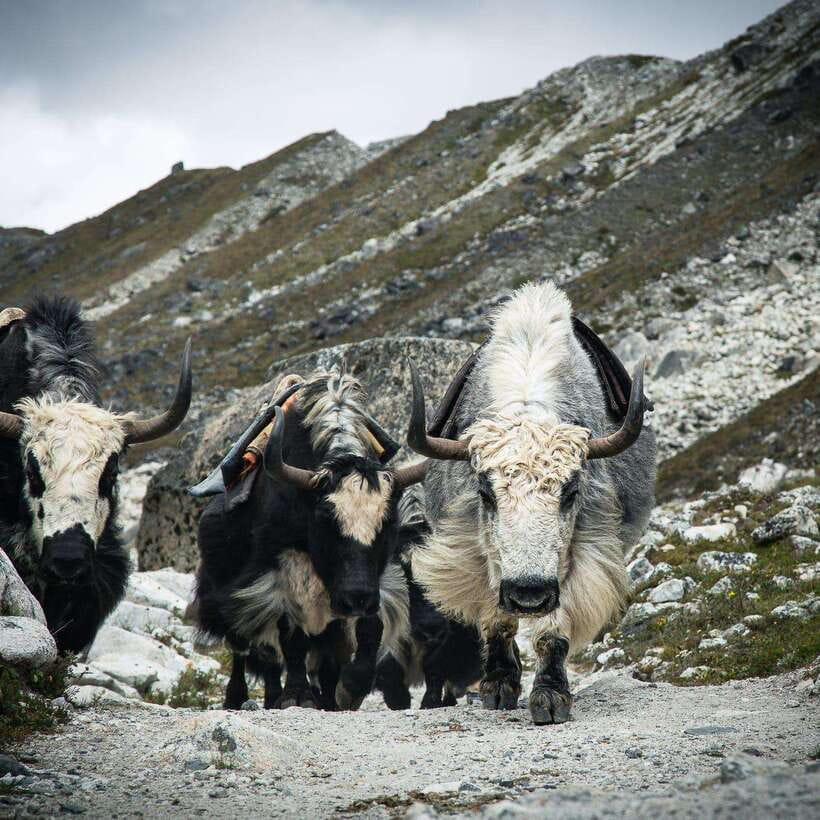
This is the payoff stretch. After Lobuche, you continue up to Gorak Shep around 5,150m, and then onward to Everest Base Camp around 5,365m. You’re high enough now that the air feels thin in a very physical way, and the goal stops being “keep hiking” and becomes “arrive and absorb.”
Everest Base Camp itself is where the Khumbu Icefall and surrounding glacier area create a dramatic sense of scale. Even if you’ve seen photos, being there changes the feeling. You’re not looking at Everest from far away. You’re standing in the shadow of it.
Then you wake up for Kala Patthar at about 5,545m. This is the classic viewpoint for a close-up perspective, often done early for sunrise-style lighting when conditions allow. It’s hard to describe what it’s like from the inside, but if you’re willing to get up and work through the altitude, the views can be genuinely unforgettable.
After that, you head back down to Pheriche around 4,200m, and then return toward Namche and Lukla for the final descent days. That downhill matters just as much as the climb because it’s where you start feeling human again.
The Guide Makes the Difference, Especially Solo
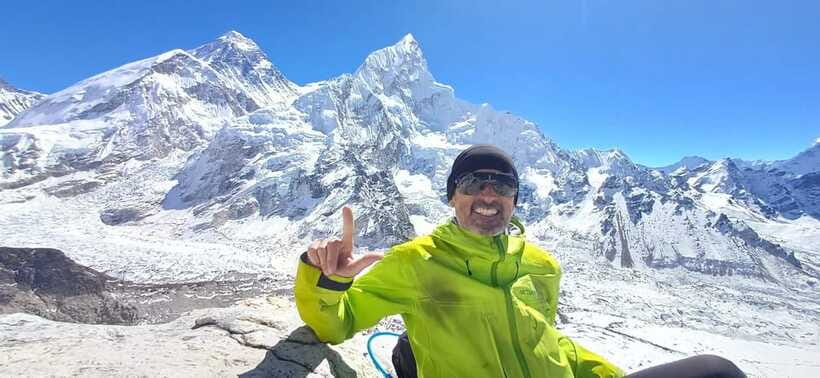
The Everest region is not a place to treat guidance as optional. The package includes an English-speaking guide, and that shows up in the practical way the trek is run.
In recent trips associated with this operator, solo trekkers highlighted that their guides were attentive about pace, helped manage steep sections, and kept communication clear even when English comfort was limited. Saran was specifically praised for support when a traveler felt too tired to move, including helping with a heavy pack and staying focused on day-to-day well-being. On another departure, Prayas received strong praise for helpfulness and English ability. That’s the kind of detail that matters because in the Everest region, “being helpful” is not a vague promise. It’s how you get through the tough parts without burning out early.
The operator also stands out for coordination. Rajesh was noted for quick communication in the run-up to the trek and for being organized when questions came up. For you, that usually translates to less stress: you show up knowing what to expect, and you’re not trying to figure out logistics while your lungs are already working overtime.
Price and Value: What $408 Includes and What You Still Need to Budget
This trek is listed at $408 per person for 12 days, and the best way to judge value is to look at what is covered rather than just the headline number.
Included essentials that protect your budget and reduce friction:
- Roundtrip Kathmandu to Lukla domestic flights (only if you select the flight option)
- Hotel pickup and drop-off
- Accommodation during the trek
- Guide
- Sagarmatha National Park permit
- A trekking map and a first-aid kit
- Welcome and farewell coffee
Meals are partially covered depending on option. The package says food and drinks are included with a full board option. Separately, it includes accommodation and food for the guide.
Not included, which you should plan for:
- Nepal visa fee
- Travel insurance
So is $408 good value? For this kind of route, it usually is when flights and permit are handled for you and when you want a guide managing timing and acclimatization structure. The only time it feels less like a deal is if you do not select the flight option and then have to pay for those logistics yourself. If you already know you want the flight plan, this pricing structure tends to make sense.
Who Should Book This Everest Base Camp Trek
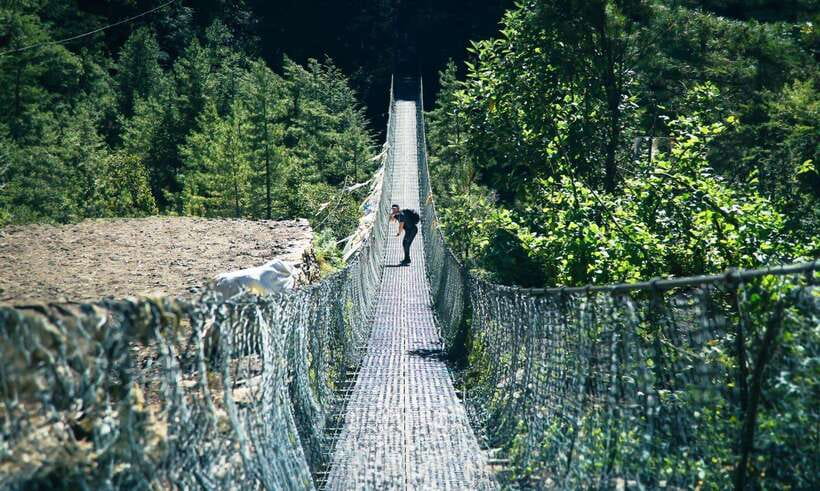
This trek is a strong fit if you want classic Everest landmarks, a route that uses acclimatization and rest days, and guidance in English. It also suits travelers who prefer a small group feel, where you get support without the chaos of huge groups.
I’d be cautious if you have limited tolerance for altitude or if you expect a purely easy walk. The program includes challenging ascents and descents and time at high elevations like Namche, Dingboche, and Gorak Shep. If you’re anxious about strenuous hiking, you can still do it, but you’ll want to train a bit beforehand and commit to a patient pace.
If you’re traveling solo, the guide support described in recent experiences is a big positive. If you’re traveling with someone, the structure still helps because it reduces decision fatigue about when to rest and when to push.
Should You Book It?
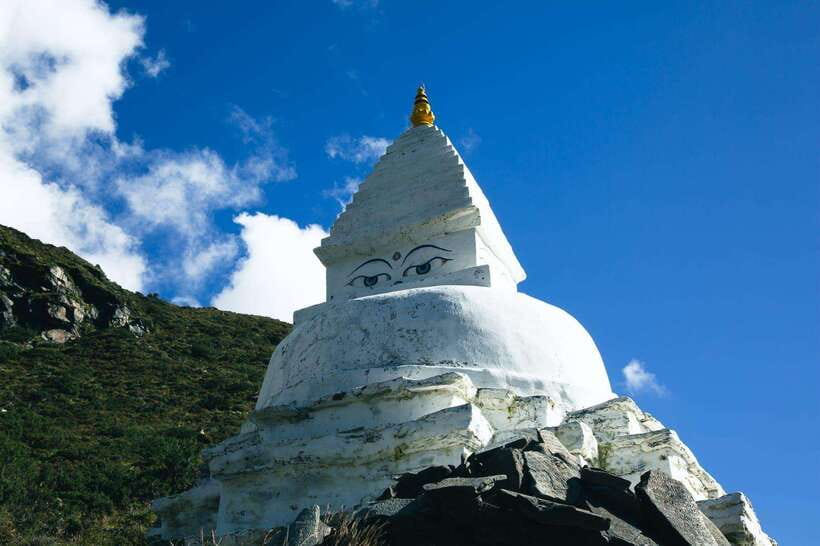
If you want the Everest Base Camp experience with the right amount of structure, I think this is a smart choice. You’re getting the key ingredients: Sagarmatha permit, a guide, and a schedule built around acclimatization stops in Namche and Dingboche, then the big hits at Gorak Shep, Kala Patthar, and Base Camp.
Book it if you’re ready for hard days but want a plan that helps you survive and enjoy the views. Skip it if you want a light, casual hike or if you know you won’t handle altitude well.
FAQ
How many days is the guided Everest Base Camp trek?
The trek is scheduled for 12 days.
Where does the trek start and how do you get to the trail?
You start from Kathmandu and fly to Lukla as part of the trek. Roundtrip domestic flights are included if you select the flight option.
Is there an English-speaking guide?
Yes. The tour includes a live guide in English.
What are the key high-altitude destinations on this trek?
You’ll reach Everest Base Camp, and you’ll also go to Kala Patthar. The route includes high points like Namche Bazaar, Dingboche, Lobuche, and Gorak Shep.
Are permits included?
Yes. The package includes the Sagarmatha National Park permit.
Does the price include meals and drinks?
Accommodation during the trek is included. Food and drinks are included if you select the full board option.
What is not included in the price?
The Nepal visa fee and travel insurance are not included.
Is pickup and drop-off included?
Hotel pickup and drop-off are included, and pickup is listed as optional.
Is there flexible cancellation or pay later?
The experience offers free cancellation up to 24 hours in advance for a full refund, and it also offers reserve now and pay later.
More day tours out of Kathmandu
- Nagarkot Sunrise View and Day Hiking from Kathmandu
★ 5.0 · 471 reviews - Private Bhaktapur and Nagarkot Day Tour From Kathmandu
★ 5.0 · 305 reviews - Day Trip to Bhaktapur and Panauti from Kathmandu
★ 5.0 · 184 reviews - From Kathmandu: 1 hour Panoramic Everest Flight
★ 4.4 · 175 reviews
Latest additions near Kathmandu
- White Water River Rafting – 1 Day★ 4.3 · 3 reviews
- Traditional Momo Making Class★ 5.0 · 10 reviews
- Kathmandu to Pokhara Premium sofa bus ticket★ 4.0 · 17 reviews
- Ghorepani Poon Hill Trek★ 5.0 · 16 reviews
- Amazing 1 Day Trekking Experience in Kathmandu Nepal★ 5.0 · 24 reviews
- Ghorepani Poonhill Trek★ 5.0 · 5 reviews
- Walking tour of real Kathmandu through back streets.★ 5.0 · 3 reviews
- Wildlife Adventure in Chitwan Nepal★ 4.0 · 4 reviews
Everest Base Camp Treks, compared.
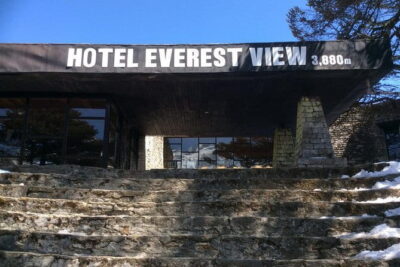
Everest Base Camp Helicopter Tour landing at Everest View Hotel
Read our review →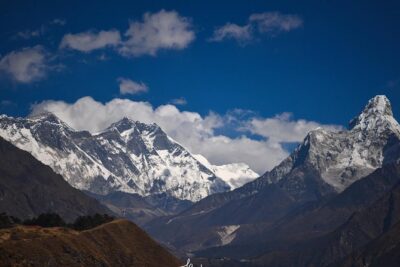
Everest Base Camp Helicopter Tour landing at Hotel Everest View
Read our review →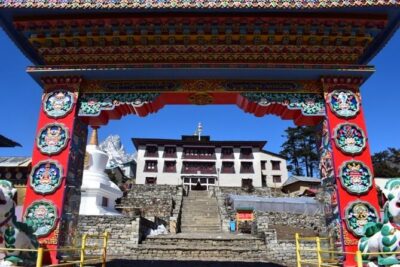
Browse the lists this tour appears in