
Reviewed · TREKS IN KATHMANDU
Everest View Trek – 7 Days
You are one flight away from the Everest region. The Lukla to Khumbu setup makes it feel big, scenic, and doable on a tighter schedule. I love the panoramic peak views you get without committing to the full Everest Base Camp grind, and I also like that the itinerary mixes trekking with cultural stops like Khumjung Monastery.
The route is built around the real backbone of the Khumbu: Namche Bazaar as the Sherpa hub, plus nearby villages where daily life looks different at altitude. You also get access to Sagarmatha National Park, which is UNESCO-listed, and you move through altitudes that make your body pay attention in a manageable way.
One consideration: flights to and from Lukla depend on weather. If conditions turn, your schedule can shift, and you will also be trekking at elevations where you need a moderate fitness baseline and a calm pace.
In This Review
- Key things I’d plan around
- Lukla Flights: Fast, Scenic, and Weather-Dependent
- Namche Bazaar and Khumjung Monastery: The Culture Stop You Actually Feel
- The Trek Legs: What Each Day Feels Like on the Ground
- Sagarmatha National Park: Why Entry Fees Matter Here
- Sherpa Villages and Daily Life at Altitude
- Guides, Porters, and the Operational Stuff That Keeps You Calm
- Price and Logistics: Is $1,324.62 Good Value?
- What to Pack and How to Pace Yourself
- Who This Trek Best Fits
- Should You Book the Everest View Trek?
- FAQ
- Where does the Everest View Trek start?
- How long is this tour?
- Is airport pickup included?
- Does the trek include flights to Lukla?
- What is the highest altitude on the route?
- What meals and gear are included?
- What is not included in the price?
Key things I’d plan around
- That first Lukla flight: quick, scenic, but weather can influence timing.
- Namche plus Khumjung: a day hike that adds culture and altitude at once.
- Only 5 trekking days: good for people who want Everest region views with less time on the trail.
- Sherpa villages and UNESCO park access: this is not just scenery, it is places and people.
- Small group size (max 10): you tend to move more comfortably and get more attention from your guide.
- Meals and gear during the trek: fewer logistics worries while you focus on the hike.
Lukla Flights: Fast, Scenic, and Weather-Dependent
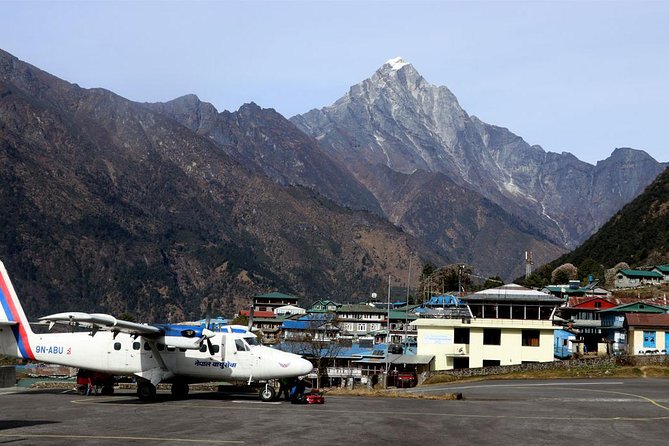
The experience starts with the Kathmandu to Lukla flight and the same route back. It is about a 30-minute hop each way, and it does two things at once: it places you right in the Everest region quickly, and it saves several days of trekking that you would otherwise need to reach the high country.
I like how the flights match the overall promise of the trek: you still get the Khumbu feeling, but you are not spending every day trudging uphill just to reach the viewpoints. The trade-off is simple. Lukla flights are weather sensitive. That means you should be ready for the reality that “the plan” can adjust when the sky does not cooperate.
One thing I take seriously in this kind of route is how the group and timing work together. You are in a small group (up to 10), so your guide can coordinate when schedules need to change. In one situation shared in reviews, Breeze coordinated a helicopter return to Lukla when weather forecasts shifted near the end. You should not count on a helicopter as part of your personal plan, but it does show the operator knows how to respond when the mountain changes the rules.
More Treks in Kathmandu
- Everest Base Camp Trek – 14 Days
★ 5.0 · 1,499 reviews - Everest Base Camp Trek
★ 5.0 · 842 reviews - Everest Base Camp Trekking
★ 5.0 · 485 reviews
Namche Bazaar and Khumjung Monastery: The Culture Stop You Actually Feel
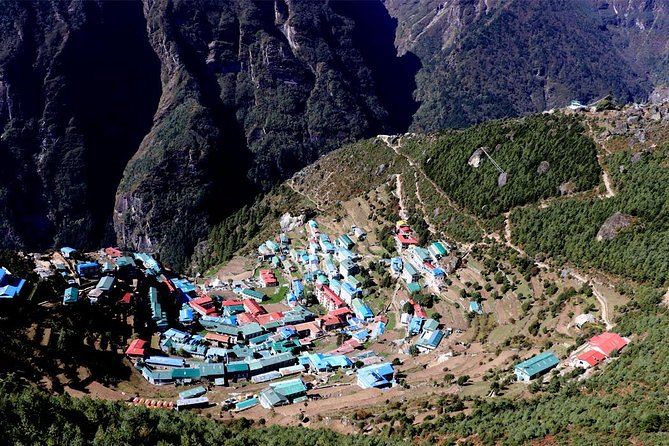
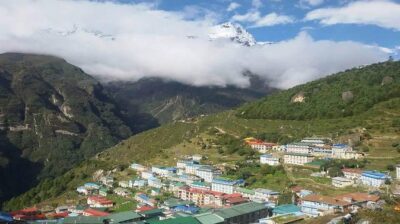
If you want a day that combines breathless views with a reason to pause, the Namche to Khumjung outing is it. Namche Bazaar sits at about 3,440m and functions as the major Sherpa hub for this region. In practical terms, it means you see how trade, trekking services, and local life connect all in one place.
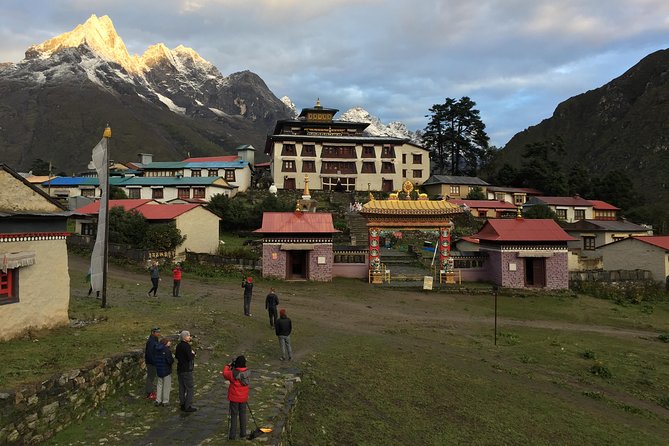
From there, the trek continues to Khumjung around 3,790m, with an exploration stop at Khumjung Monastery. This is where the experience gets memorable in a different way. You are not only looking at peaks, you are also stepping into Sherpa religious and cultural space.
The monastery is known for the story of the fabled Yeti scalp. Whether you treat that tale as legend or cultural artifact, it gives the day a hook. It also slows you down at the right moment, because at higher altitude you do not want to rush. You will want time to catch your breath, listen, and take in how faith and folklore move through daily life.
One more practical note: Khumjung adds altitude, so bring a mindset that this is a “grow into the height” trek, not a speed challenge.
The Trek Legs: What Each Day Feels Like on the Ground
This itinerary is structured as about 5 trekking days, with the other time built around transfers and the Lukla flights. It is designed for people who can handle steady hiking for a few hours at a time, then rest and recover.
Day 2: Lukla to Phakding
You land at Lukla (about 2,860m) and then trek to Phakding (about 2,610m) in roughly 2 to 3 hours. This is a gentle on-ramp. It helps you settle into boots, rhythm, and trail pace without going straight into a steep altitude jump.
Day 3: Phakding to Namche Bazaar
This is your bigger hiking day, roughly 6 to 7 hours. Namche at 3,440m will make you feel the height, even if you take it slow. The key is to treat it like a gradual climb, not a push. Your best tool here is patience, not heroics.
Day 4: Namche to Khumjung
Plan around about 3 hours for the hike component. You get the advantage of being in a hub first, because Namche gives you context for Sherpa culture before you step into a more specific village and monastery setting.
Day 5: Khumjung back to Phakding
This return is roughly 4 to 5 hours. It is often emotionally easier because you are not trying to climb new ground as aggressively. Still, your legs can feel it, especially after multiple altitude days.
Day 6: Phakding back to Lukla
This section is about 3 to 4 hours. It is a “finish strong” day. You will be tired, but you will also start to feel proud because the route is clear: get to the Everest region viewpoints, then work your way back down.
Then the final travel day is the flight back to Kathmandu in the morning, again about 30 minutes, followed by transport to Tribhuvan Airport.
Sagarmatha National Park: Why Entry Fees Matter Here
One reason I pay attention to included costs is that conservation fees can add up fast in protected areas. This trek includes Sagarmatha National Park entry fees and also includes the Khumbu Villages entry fee. Those details matter because they usually tie into how responsibly the region is managed and how local systems are supported.
This is not just a technical box. UNESCO protected status often means stricter rules, better trail monitoring, and more consistent management of what visitors can access. In practice, it can also mean you spend your time on trails and viewpoints that are part of the region’s established visitor rhythm.
When you combine park access with Namche and Khumjung, you get a broader sense of what makes the Everest region more than just a mountain photo backdrop. You see how people live and worship within a protected landscape.
Another way to spend the time in Nepal:
- Private Kathmandu Sightseeing Tour | UNESCO World Heritage sites
★ 5.0 · 756 reviews - Kathmandu: 7 UNESCO Sites with Lunch
★ 4.8 · 744 reviews - Everest Base Camp Helicopter Tour landing at Everest View Hotel
★ 5.0 · 668 reviews - Half day cooking class in Thamel kathmandu
★ 5.0 · 607 reviews
Sherpa Villages and Daily Life at Altitude
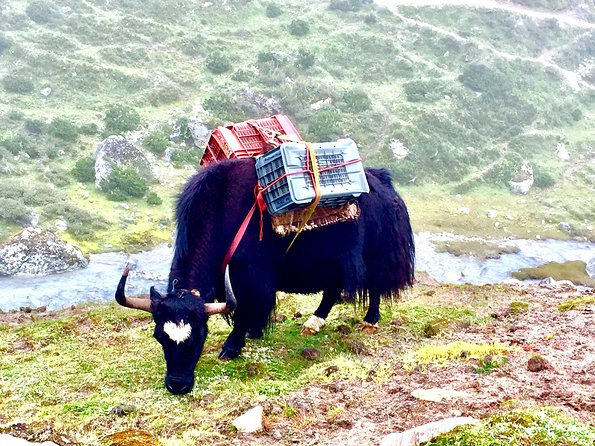
The trek is built to show you Sherpa village life, not just scenic stops. You pass through places like Phakding and use Namche as the cultural anchor. That matters because the Everest region has a strong service culture for trekking, with guest houses, guides, porters, and local businesses all tied into the same ecosystem.
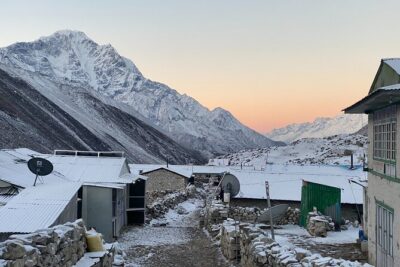
You also get a mix of scenery types during the trekking: forested stretches at lower elevations, and then higher, more alpine-feeling scenery as you climb. I like that the itinerary does not force you into one kind of hike. Your eyes and mind get variety, which helps on multi-day routes.
You will also notice that altitude changes how long everything takes. Meals, short rest breaks, even walking pace. The guide’s job is not only to navigate, it is to help the group move at a speed that keeps breathing steady.
Guides, Porters, and the Operational Stuff That Keeps You Calm
In the reviews, one name comes up in a positive way: Lakpha. The overall pattern is that Breeze handles the human side well, meaning communication before departure and organization once you are in Nepal.
That matters because the Everest region has a lot of moving parts. Flights can shift. Trail conditions can change. People can get nervous, especially the first time they see how quickly altitude affects effort.
The tour includes an experienced, government-authorized guide plus porters, and it also covers insurance, wages for guides and porters, and the included trekking meals. It also includes basic support items like a first aid kit and a map of the Everest region. I like seeing these details in the included list because they reduce the risk of you having to scramble in Kathmandu or on the trail.
One more point from reviews that I found helpful: porters do a lot of the heavy lifting, and they often carry very heavy loads. That is not an argument against using porters, it is a reminder to treat the system respectfully and keep things organized for them.
Price and Logistics: Is $1,324.62 Good Value?
The price is $1,324.62 per person for this Everest View Trek experience. That number may feel high if you only think about the trek days. But when you look at what is bundled, it becomes easier to judge value.
Included items that move the needle:
- Two nights in a 2 to 3 star hotel in Kathmandu, with breakfast
- Airport transfers between Tribhuvan Airport and the hotel
- All trek transportation, including the Lukla flight components
- Local guest house accommodation during the trek
- Meals during the trek (breakfast, lunch, dinner)
- Gear support, including a sleeping bag and warm layers
- Sagarmatha National Park and Khumbu Villages entry fees
- Insurance plus wages for guides and porters
- A post-trek celebration dinner in Kathmandu
So you are paying for more than “a guide and some days on a trail.” You are paying for flights, altitude logistics, and protected-area access.
What is not included, and how it affects you:
- Your international airfare
- Meals in Kathmandu beyond breakfast
- Shower and electronic charging fees at guest houses
- Alcohol and certain snacks like chocolates, tea, and coffee
- Tips for your guide and porter
One practical budgeting tip: charging fees and hot shower fees can add up on trekking days. If you can bring a plan for power needs, you will avoid last-minute spending.
What to Pack and How to Pace Yourself
The included gear list includes a sleeping bag and warm layers, which helps. Still, you should expect cold nights at altitude. Your day-to-day comfort depends on layering, gloves or warm headwear, and a system you can adjust as you hike.
Also, this trek climbs into the 3,790m range at Khumjung. That is not Everest Base Camp altitude, but it is still high enough that your body may feel slower. For a smooth experience, you want a moderate fitness level and you want to avoid turning the trek into a race.
The best pacing strategy is simple: keep your effort steady, take the breaks your guide suggests, and drink enough so your body is not struggling. If you feel sharp headaches, nausea, or unusual fatigue, you will want to tell your guide early. That is not the day to “tough it out.”
Who This Trek Best Fits
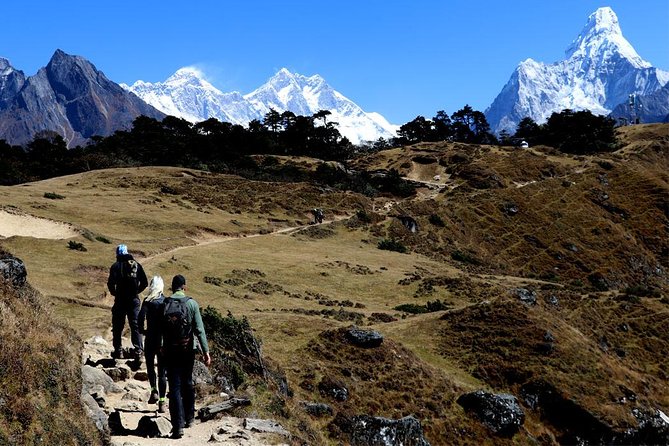
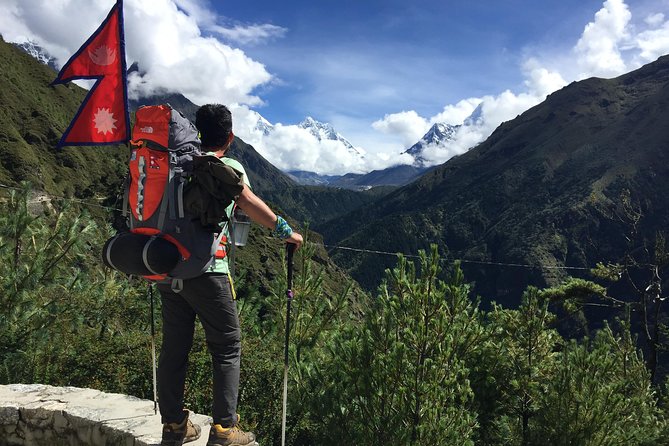
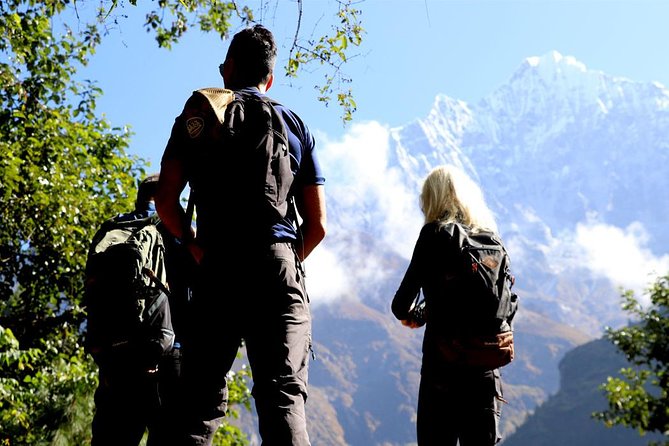
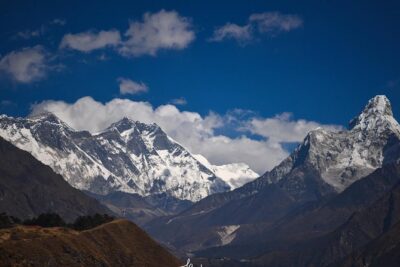
This is a strong choice if you want the Everest region without the full commitment of the Everest Base Camp style trek. You still get Lukla, you still get Sherpa villages, and you still get panoramic views of major peaks including Everest, Lhotse, Lhotse Shar, Ama Dablam, Cho Oyu, and the surrounding high country.
It also fits people who:
- Are short on time or budget
- Want a manageable amount of trekking days
- Prefer small-group guidance (max 10)
- Enjoy cultural stops, not only mountain viewpoints
If you are someone who loves a long, hard trek with many remote days on the trail, you might want a longer Everest itinerary. This one is about balance, not suffering.
Should You Book the Everest View Trek?
Book it if your goal is Everest region views plus Sherpa culture in a time-friendly format. The included flights to Lukla, the focus on Namche and Khumjung, and the fact that park and village entry fees are covered make it a clean, low-stress way to experience this part of Nepal.
Skip it or reconsider if you are easily stressed by weather-dependent flights, or if you want a very long daily hike with constant trekking time. Also, be honest about your fitness. This route expects steady hiking for several days, even if the plan is more approachable than the full Everest Base Camp trek.
If you book, do one smart thing: pack for cold and accept a slow pace. The mountain will do the rest.
FAQ
Where does the Everest View Trek start?
The tour starts at Breeze Adventure Pvt. Ltd, Thamel Marg, Kathmandu 44600, Nepal.
How long is this tour?
The duration is listed as approximately 8 days, including trekking and flights.
Is airport pickup included?
Yes. The itinerary includes transportation to and from Tribhuvan Airport, and pickup is offered.
Does the trek include flights to Lukla?
Yes. You fly Kathmandu to Lukla and fly back from Lukla to Kathmandu, with flights listed at about 30 minutes each way.
What is the highest altitude on the route?
The route includes trekking to Khumjung at about 3,790m.
What meals and gear are included?
During the trek, breakfast, lunch, and dinner are included. The tour also includes trekking gear such as a sleeping bag and warm layers.
What is not included in the price?
International airfare is not included, and meals in Kathmandu (besides breakfast) are not included. Shower and electronic charging fees at guest houses are also not included, along with alcohol, tips for the guide and porter, and personal expenses.
Latest additions near Kathmandu
- Traditional Momo Making Class★ 5.0 · 10 reviews
- White Water River Rafting – 1 Day★ 4.3 · 3 reviews
- Kathmandu to Pokhara Premium sofa bus ticket★ 4.0 · 17 reviews
- Ghorepani Poon Hill Trek★ 5.0 · 16 reviews
- Amazing 1 Day Trekking Experience in Kathmandu Nepal★ 5.0 · 24 reviews
- Ghorepani Poonhill Trek★ 5.0 · 5 reviews
- Walking tour of real Kathmandu through back streets.★ 5.0 · 3 reviews
- Wildlife Adventure in Chitwan Nepal★ 4.0 · 4 reviews
Treks in Kathmandu, compared.
Nagarkot Sunrise View and Day Hiking from Kathmandu
Read our review →
Browse the lists this tour appears in