Reviewed · TREKS IN KATHMANDU
Everest Three Pass Trek
There is nothing casual about this trek. Everest Three Pass Trek lines up three high, snow-fed crossings, with Kongma La (5535m), Cho La (5420m), and Renjo La (5360m), plus the big-view stops around Namche, Dingboche, Gorakshep, and Gokyo. What I like most is the clear rhythm of altitude gain with built-in acclimatization days and high points like Kala Patthar. The second thing I really appreciate is the support structure, including a licensed English speaking guide and porters, which keeps the focus where it should be on your legs and your breathing.
The main consideration is simple: this is a serious stamina and cold-weather challenge, especially on ice-covered and steep sections near the passes. If you’re not comfortable with sustained uphill hiking at altitude, or you get nervous on snow and rough terrain, you’ll feel it here.
In This Review
- Key things that make this trek stand out
- Three passes, one classic Khumbu circuit
- Altitude planning that matters (and how you feel it)
- Day-by-day: what to expect from Lukla to Namche again
- Day 1 to Day 2: Lukla arrival and the Dudh Koshi rhythm
- Day 3: Namche rest and peak-view orientation
- Day 4 to Day 6: Tengboche, Dingboche, then Chhukung
- Day 7: Kongma La (5535m), the toughest of the three passes
- Day 8 to Day 9: Gorakshep and Kala Patthar sunrise
- Day 10 to Day 11: Cho La (5420m) and the Gokyo lakes reward
- Day 12: Renjo La (5360m), the last pass and a return toward Namche
- Day 13 to Day 15: Namche downshift and the Lukla flight home
- The passes: what you’re really signing up for
- Your lodging and meals: guesthouses and a steady routine
- Price and value: is $1,800 fair for the Everest zone?
- Who should choose this trek, and who should not
- Gear you get versus gear you must bring
- Should you book the Everest Three Pass Trek?
- FAQ
- What are the main pass heights on this trek?
- How long is the Everest Three Pass Trek?
- Where does the trek start and what time does it begin?
- What permits are included?
- What meals are included?
- What gear is provided, and what do I need to bring myself?
- What is not included in the price?
Key things that make this trek stand out
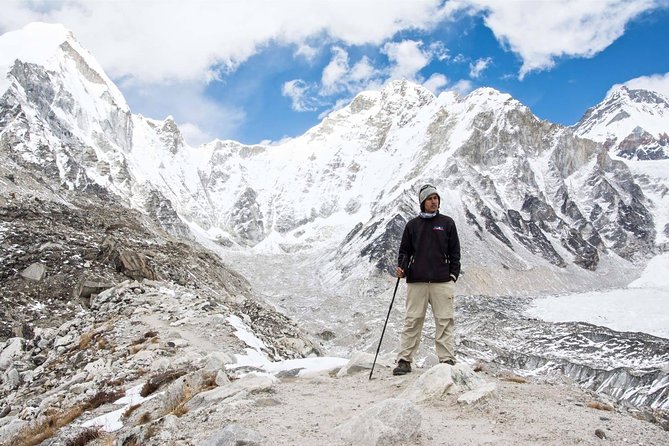
- Three snow passes on one route: Kongma La 5535m, Cho La 5420m, Renjo La 5360m
- Acclimatization built into the plan: Namche rest day, a stop at Chhukung, plus extra time around Gokyo
- Kala Patthar sunrise style timing: an early morning hike to catch the first light and wide views
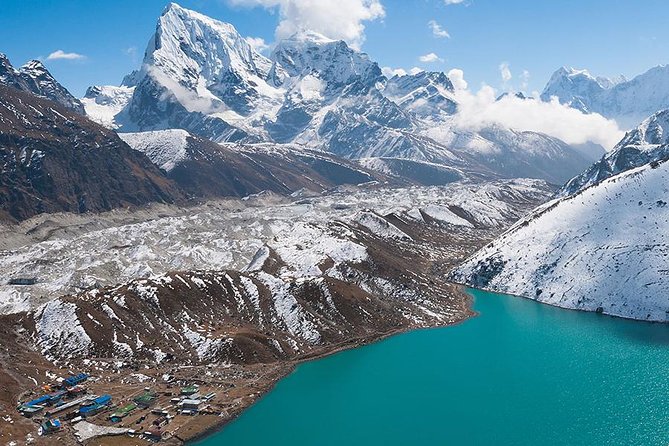
- Gokyo Lakes detour after Cho La: great reward for a tough day crossing the ice-covered pass
- Licensed guide and porter support: so you carry less and hike smarter
- Domestic flights included (Kathmandu to Lukla and back): important for a trek that starts high and begins early
Three passes, one classic Khumbu circuit
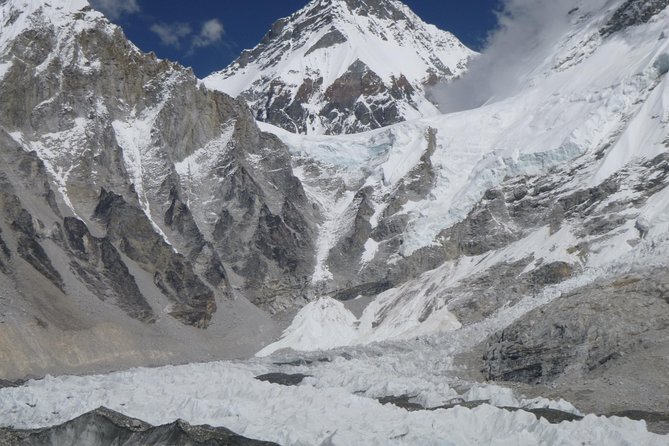
If you’ve only seen Everest treks that mainly focus on one big area, this one feels different on day one. Instead of one main goal, you’re collecting three “finish lines” at altitude. Each pass has its own tone.
- Kongma La is the highest of the three, and the plan pushes you toward it with a gradual build from villages and river valleys.
- Cho La leads you toward Gokyo, and the payoff is a change in scenery and a set of lakes and viewpoints that break up the push toward Everest.
- Renjo La brings you back toward Namche, finishing the loop feel of the trek.
The value for you is that this route forces your body to adapt through planned recovery, while still delivering that big “I’m really doing this” sense of accomplishment. It’s not just a hike in the clouds. It’s a route with multiple high-stakes days, where the weather, footing, and pace all matter.
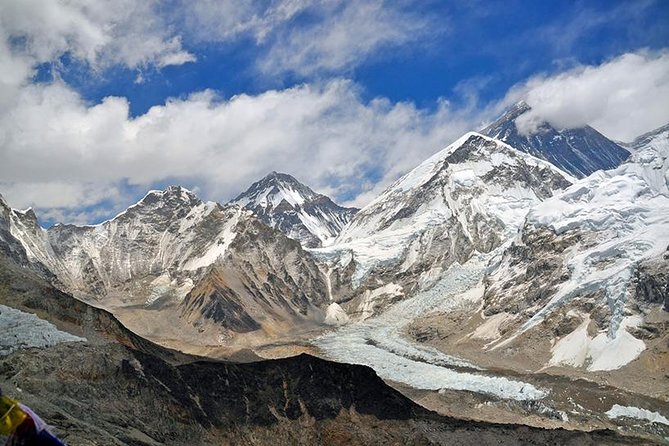
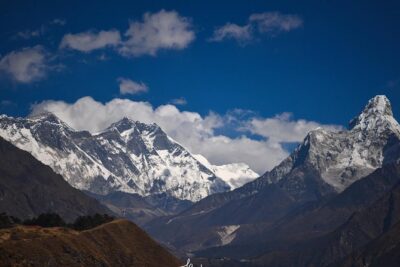
And yes, the views are the headline. You’ll be taking in the Mahalangur Himalayan range and the Everest area from multiple angles, not just one distant photo spot.
More Treks in Kathmandu
- Everest Base Camp Trek – 14 Days
★ 5.0 · 1,499 reviews - Everest Base Camp Trek
★ 5.0 · 842 reviews - Everest Base Camp Trekking
★ 5.0 · 485 reviews
Altitude planning that matters (and how you feel it)
This trek does a smart thing: it doesn’t pretend altitude is optional. It gives you several opportunities to gain height without always sprinting higher.
Here’s how the plan supports acclimatization based on the route structure:
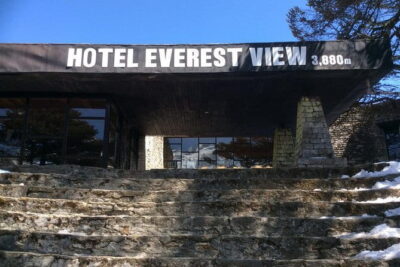
- Namche rest day (Day 3): you explore around town and walk up toward the Everest View Hotel area for peak views. This is where you start learning how the air feels when you’re not just walking, but also climbing for short bursts.
- Chhukung as a buffer (Day 6): instead of adding another long day in Dingboche, the route goes to Chhukung to manage the next day’s big effort toward Kongma La. For your body, that matters.
- Gokyo rest time (Day 11): after the Cho La grind, the plan adds a recovery day with a hike up toward Gokyo Ri (5360m) for panoramic rewards.
One more key moment: the early morning Kala Patthar sunrise hike (Day 9). That climb to 5550m is a test day, but it’s also one of the best ways to feel how the trek’s highest sections are supposed to be handled. You go early, move steadily, and you’re rewarded with a sunrise view and a wider sweep over valleys and peaks, including Everest.
Practical note for you: the route includes rough, stony tracks, steep uphill sections, and ice-covered segments on the passes. That means your trekking pace needs to be conservative. Your job is to finish strong, not to win a segment time trial.
Day-by-day: what to expect from Lukla to Namche again
Day 1 to Day 2: Lukla arrival and the Dudh Koshi rhythm
The trek starts with an early flight to Lukla from Kathmandu. You land at Tenzing-Hillary Airport (Lukla), known for dramatic mountain scenery right out of the gate. Then Day 2 follows the Dudh Koshi River, with multiple suspension bridge crossings marked by prayer flags.
Why this part matters: river valleys are where you build rhythm. You’re still at lower elevation compared to the passes, but your legs and your breath start getting trained for the weeks ahead.
Another way to spend the time in Nepal:
- Private Kathmandu Sightseeing Tour | UNESCO World Heritage sites
★ 5.0 · 756 reviews - Kathmandu: 7 UNESCO Sites with Lunch
★ 4.8 · 744 reviews - Everest Base Camp Helicopter Tour landing at Everest View Hotel
★ 5.0 · 668 reviews - Half day cooking class in Thamel kathmandu
★ 5.0 · 607 reviews
Day 3: Namche rest and peak-view orientation
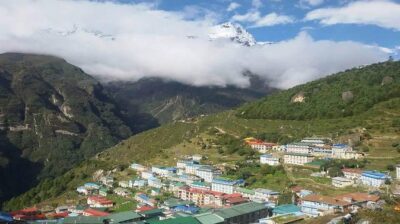
Day 3 is an acclimatization day in Namche, and you explore the Sherpa town area. There’s also an uphill walk toward the Everest View Hotel for classic views of peaks like Nuptse and Thamserku.
This day helps you in a very practical way: it lets you get used to charging uphill in thin air before you face the bigger days.
Day 4 to Day 6: Tengboche, Dingboche, then Chhukung
Day 4 heads upstream with prayer wheels near Phunke Tenga and continues above Imja Khola to Tengboche. Tengboche is a big stop because it’s the kind of village where the trail feels spiritual as well as practical. You get breaks, a chance to regroup, and strong mountain views.
Day 5 climbs onward to Dingboche, with big sight lines toward Ama Dablam, Lhotse, and Everest. This is also where rhododendron forest sections give you a change of pace and texture on the trail.
Day 6 shifts you to Chhukung. It’s described as a shorter walk uphill, and the point is clear: you’re preparing for Kongma La without wasting energy on extra long hiking the day before a major pass.
Day 7: Kongma La (5535m), the toughest of the three passes
Day 7 is your first high pass, Kongma La (5535m). The route notes that the ascent is steep uphill and difficult.
For you, the key here is mindset. This isn’t a “power through and hope for the best” day. You want steady movement, frequent micro-breaks, and a guide-led pace. When the trail gets rough and the cold bites, your breathing habits become your navigation tool.
Day 8 to Day 9: Gorakshep and Kala Patthar sunrise
After Kongma La, Day 8 goes to Gorakshep. The path is generally stony, and Gorakshep puts you close to the glacier world. You get mesmerizing views of peaks and glaciers as you make that approach.
Day 9 is an early hike to Kala Patthar (5550m). The route focuses on sunrise, with sweeping valley views and the first rays touching Mt. Everest (8848m).
This is the day that often justifies everything that came before it. Even if you’ve seen Everest photos, sunrise at Kala Patthar tends to reset how “real” the mountain looks.
Day 10 to Day 11: Cho La (5420m) and the Gokyo lakes reward
Day 10 crosses Cho La (5420m) toward Gokyo. The route emphasizes a steep uphill climb on an ice-covered trail to reach the top.
Then Day 11 is a rest day in Gokyo. In the morning, you hike up to Gokyo Ri (5360m) for views over the Gokyo valley and its lakes.
Why this pairing is smart: you tackle a high, icy pass, then you earn recovery with a shorter hike that’s still high-reward and view-focused.
Day 12: Renjo La (5360m), the last pass and a return toward Namche
Day 12 is your third and final high pass, Renjo La (5360m). The plan describes a gradually hiking on a snow-filled path to the top, with views over Cho La and surrounding peaks.
This day often feels different because the finish line is real in your head. You’re still dealing with thin air and cold. But you also know you’re turning the corner.
Day 13 to Day 15: Namche downshift and the Lukla flight home
Day 13 is a trek from Renjo La side to Namche, described as more relaxed on a relatively easier trail so you can enjoy the surrounding scenery and views of Everest from distance.
Day 14 completes the loop toward Lukla, crossing villages, forests, and rivers over suspension bridges. Day 15 is the flight back to Kathmandu, with mountain and green hill views along the way.
For you, the emotional arc is clear: those final days are where you start walking like a person again, not like an athlete in survival mode. You’ll still be tired, but the pace can feel more human.
The passes: what you’re really signing up for
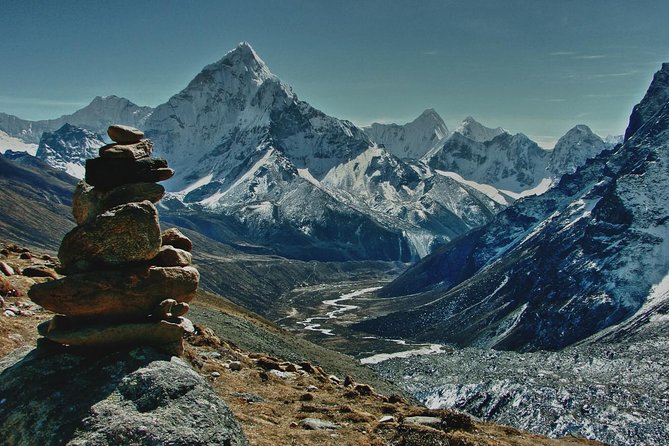
The three passes are the heart of the Everest Three Pass Trek. They’re also where your preparation shows up quickly.
What you can count on from this route’s description:
- Steep uphill climbs on the way to passes
- Rough and stony tracks at times, especially on the approaches
- Snow-filled and ice-covered terrain, especially around Cho La and during pass sections
So what’s the practical takeaway for you?
- You’ll want to move at a pace you can sustain all day. Short, frequent stops work better than long “stall breaks.”
- Cold and altitude can reduce your ability to think clearly, so don’t rush decisions. Stick with the guide’s pacing and watch how your body reacts.
- Mental toughness matters as much as leg strength. The passes can feel long, and your brain will look for a reason to panic. Training calm breathing helps.
Also, this route includes support: a local government licensed English speaking guide and the required number of staff and porters for luggage. That means you’re not juggling pack weight and navigation at the same time.
Your lodging and meals: guesthouses and a steady routine
This trek uses best available guesthouses, mainly in twin sharing. That’s a real value point. In the Everest region, “where you sleep” affects how well you recover.
Meals are also built into the package:
- Breakfast (14), Lunch (14), Dinner (14) are included.
From the provided reviews, the trekking food is the kind of simple, nourishing fare you need at altitude, with mention of a typical dal bhat dinner in the operator’s Everest-style trips. You should expect meals that focus on calories and comfort, not fine dining.
What I like for you is that a consistent guesthouse and meal schedule reduces decision fatigue. At altitude, less mental load helps.
Price and value: is $1,800 fair for the Everest zone?
The price is $1,800 per person, and it’s commonly booked about 39 days in advance. That timing matters because it usually means availability can fill up in peak periods, so earlier planning often gives you more options.
Here’s the part that makes this price easier to justify: a lot of the Everest trek overhead is included.
- Licensed English speaking guide
- Porters and staff for luggage
- National park entry permit and TIMS permit
- Staff food, accommodation, salary, insurance, and equipment
- Domestic airfare (Kathmandu-Lukla-Kathmandu) plus airport tax
- A key comfort package: down jacket, sleeping bag, and duffel/kit bag, which you return after the trek
You’re also getting 15 days shaped around transportation and the trek itself, not just a list of hikes.
What’s not included, and you should budget for:
- International flights and departure tax from your home country
- Alcoholic and other drinks, laundry, and hot shower
- Personal trekking equipment
- Tips for trekking staff
- Any extra expenses not listed
My take on value: this is priced like a full service trekking package because it covers the big cost drivers that matter most in Nepal, permits, staffing, and the Lukla air connection. If you already own solid cold-weather gear, you might still feel this is fair because the airfare and permits can add up quickly.
Who should choose this trek, and who should not
This route asks for a strong physical fitness level. The itinerary repeatedly calls out steep, rough, and difficult sections, plus snow and ice on the passes.
This trek is a great fit if you:
- Have previous trekking experience at altitude, or you’ve trained steadily for a demanding multi-day hike
- Know you can hike for hours at a slow, steady pace without pushing ego
- Want the Everest region story told through passes, not just through one viewpoint
It’s probably not the right match if you:
- Prefer shorter days and softer terrain
- Get anxious in icy conditions or you have limited cold-weather trekking experience
- Can’t comfortably handle sustained uphill hiking after multiple high-altitude days
The private tour format is also worth noting: it’s private, meaning only your group participates. That can feel more personal for guide attention and pacing, especially when weather or footing changes.
Gear you get versus gear you must bring
Included gear reduces the biggest “cost shock,” especially if you don’t already own cold-weather sleep and insulation basics:
- Down jacket
- Sleeping bag
- Duffel/kit bag (returned after the trek)
Still, you’ll need your own personal trekking equipment, and the listing doesn’t spell it out. So I suggest you plan your kit around the needs of high passes:
- Layers you can adjust fast
- Cold protection for hands and head
- Shoes or boots you trust on stony and icy ground
- A way to keep water from freezing when conditions get harsh
- Trekking poles if you use them
Your guide will set a practical pace, but the pass terrain means your footwear and layers matter a lot.
Should you book the Everest Three Pass Trek?
I’d book this trek if you want the Everest region experience with the volume turned up. Three passes, sunrise at Kala Patthar, and time in Gokyo gives you more variety than a straight-line “one summit viewpoint” style trek.
I’d think twice if you’re chasing comfort over challenge. This is physically demanding, and the pass days are not “scenic walks.” Go only if you’re ready for steep terrain and cold, and you can keep moving safely when the ground turns icy and uneven.
If you match that profile, you’re likely to love how the itinerary builds, tests you, and then rewards you with some of the most intense high-altitude views in the Khumbu region.
FAQ
What are the main pass heights on this trek?
The trek includes three snow-covered passes: Kongma La at 5535m, Cho La at 5420m, and Renjo La at 5360m.
How long is the Everest Three Pass Trek?
The duration is listed as 15 days (approx.).
Where does the trek start and what time does it begin?
The activity starts in Kathmandu (44600, Nepal) with a start time of 6:15 am.
What permits are included?
The price includes the National Park entry permit and the TIMS permit.
What meals are included?
Breakfast (14), lunch (14), and dinner (14) are included.
What gear is provided, and what do I need to bring myself?
The package includes a down jacket, sleeping bag, and duffel/kit bag that must be returned after the trek. Personal trekking equipment is not included.
What is not included in the price?
International airfare and airport departure tax are not included, and personal items like alcoholic drinks, hot and cold drinks, laundry, hot showers, tips for trekking staff, and any other expenses not listed are also not included.
Latest additions near Kathmandu
- White Water River Rafting – 1 Day★ 4.3 · 3 reviews
- Traditional Momo Making Class★ 5.0 · 10 reviews
- Kathmandu to Pokhara Premium sofa bus ticket★ 4.0 · 17 reviews
- Ghorepani Poon Hill Trek★ 5.0 · 16 reviews
- Amazing 1 Day Trekking Experience in Kathmandu Nepal★ 5.0 · 24 reviews
- Ghorepani Poonhill Trek★ 5.0 · 5 reviews
- Walking tour of real Kathmandu through back streets.★ 5.0 · 3 reviews
- Wildlife Adventure in Chitwan Nepal★ 4.0 · 4 reviews
Treks in Kathmandu, compared.
Nagarkot Sunrise View and Day Hiking from Kathmandu
Read our review →