Reviewed · TREKS IN KATHMANDU
Everest Three Pass Trek
Three passes. One big test. The Everest Three Pass Trek is fascinating because you tackle three high, snow-crossings in the Khumbu region, including Kongma La, Cho La, and Renjo La. I love that the trip is set up with serious support, like an English-speaking, licensed guide and full-board meals during the walk. I also like the way logistics are handled for you, including private vehicle transfers around Kathmandu plus the Kathmandu-Lukla-Kathmandu airfare. One drawback to plan for is that this trek demands strong fitness and you will need travel and rescue insurance, plus tips for guides and porters are expected.
What makes this feel extra real is how personal it can be, even though it is an adventure with big mountains. In past departures, solo trekkers have been made to feel comfortable, and guides like Jiban and Raman have been praised for care and patience, while Rabin, Raj, and Raji have shown strong communication for Japanese-speaking guests. You also have the benefit of a private format, so it is only your group.
In This Review
- Why the Everest Three Pass Route Feels Different Than a Standard Everest Trek
- Key Points I’d Highlight Before You Go
- Kathmandu Setup: Two Nights That Help You Start Smarter
- Flights to Lukla: The Moment You Trade Roads for Mountains
- Lodge Trekking Days: What Full-Board Meals and Twin Sharing Really Mean
- The Three Passes: How Kongma La, Cho La, and Renjo La Change Your Trek
- Kongma La Pass: The High-Altitude Test You Feel in Your Lungs
- Cho La Pass: Another Cold Crossing, Another Learning Curve
- Renjo La Pass: The Final Big Push Before You Can Feel Relief
- Gear, Safety, and Fees: What’s Included, What You Still Must Handle
- Fitness and Altitude Reality Check for 17 Days
- Price and Value: What $2,200 Buys You in the Real World
- Who Should Choose This Trek, and Who Might Rethink It
- Should You Book the Everest Three Pass Trek?
- FAQ
- How long is the Everest Three Pass Trek?
- Where does the trip start and end?
- What are the three passes on this trek?
- What is included in Kathmandu?
- What kind of accommodation do you get during the trek?
- Are meals included?
- Is a guide included?
- Is any trekking gear provided?
- What is not included?
- Is cancellation free?
Why the Everest Three Pass Route Feels Different Than a Standard Everest Trek
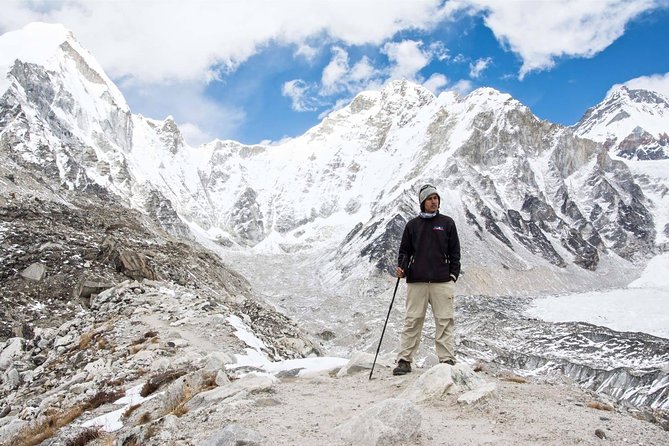
This is not a gentle acclimatization stroll. This trek is defined by three passes over 5,000 meters, each one adding a new kind of challenge and a new kind of payoff. Kongma La (listed around 5,555 m in one place, and 5,535 m in another), Cho La (listed around 5,330 m and also 5,420 m), and Renjo La (listed around 5,345 m and also 5,360 m) are where the bragging rights live, and they also where you learn how your body handles cold, altitude, and slow steady effort.
The Khumbu region is already high-altitude country, so you are not just chasing views. You’re learning the rhythm that keeps you moving safely: take it slow, follow your guide’s pacing, and treat every climb as training for the next one. The best part, in my view, is that each pass makes the route feel like a story. You do not just “arrive at the top,” you push through difficult terrain and then carry that momentum into the next valley day.
Potential drawback: if you are on the fence about fitness or altitude tolerance, this is the kind of trek that punishes overconfidence. The operator is clear that you should have strong physical fitness, so you should take that seriously.
Key Points I’d Highlight Before You Go
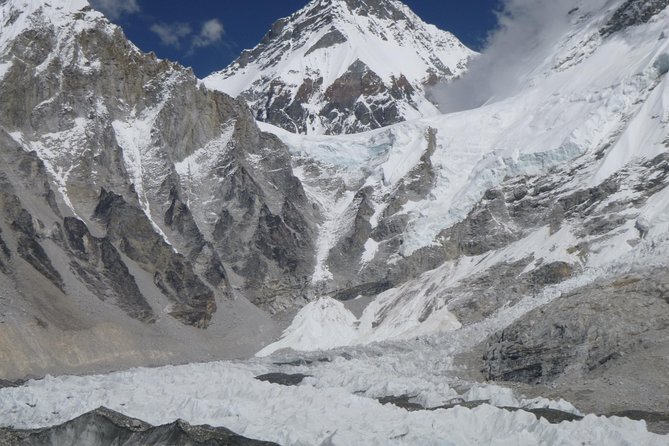
Three major high passes over 5,000 m define the whole trek and drive the adventure.
Licensed, English-speaking guiding plus experienced local support helps you stay on track.
Full-board lodge meals during the trek mean fewer daily decisions and less logistical load.
Kathmandu-Lukla roundtrip airfare and private Kathmandu transfers reduce travel hassle.
Down jacket and sleeping bag available if needed, helpful if you do not own serious cold-weather gear.
More Treks in Kathmandu
- Everest Base Camp Trek – 14 Days
★ 5.0 · 1,499 reviews - Everest Base Camp Trek
★ 5.0 · 842 reviews - Everest Base Camp Trekking
★ 5.0 · 485 reviews
Kathmandu Setup: Two Nights That Help You Start Smarter
Kathmandu is the place where your trek begins, even if your feet won’t hit trail for a while. You get 2 nights of standard hotel accommodation with breakfast, and that matters more than it sounds. After international travel, you want time to reset, hydrate, and sort out the little things that can otherwise become stressful when you are trying to leave for Lukla.
You also get airport pickup and drop, plus all ground transports in a private vehicle. That is a practical win. In a city with traffic and chaos, you do not want your first day to turn into a navigation puzzle. You also get a mobile ticket, which is small but helpful for a smooth start.
One more value point: the booking process includes confirmation at the time you book, so you are not left guessing. For a trek with high altitude and tight timing, that certainty helps you focus on the climb instead of admin.
If you want to prep well in Kathmandu, I recommend you do three simple things early: read your packing list twice, confirm your insurance plan covers high-altitude trekking and rescue, and ask your guide the exact gear you should expect to use on the passes.
Flights to Lukla: The Moment You Trade Roads for Mountains
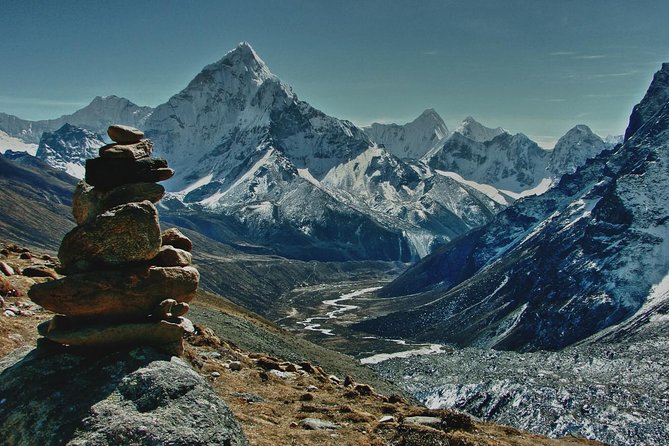
Your airfare is included for the Kathmandu to Lukla to Kathmandu route. That matters because it is one of the biggest time-savers for reaching the Khumbu. It also sets the tone immediately. Once you’re in the Lukla flight window and committed to trekking days, your schedule becomes mountain-based, not city-based.
From there, you’re in lodge accommodation during the trek, with twin sharing. You will have a roof at night, and that changes the feel of high-altitude travel. You can rest, recover, and keep your energy for the next push over rough ground.
The flights are included, but you should still plan for the real world. Mountain regions run on weather windows, so build some mental flexibility around departures and connections. Your operator is handling the transport, but the sky always has opinions.
Lodge Trekking Days: What Full-Board Meals and Twin Sharing Really Mean
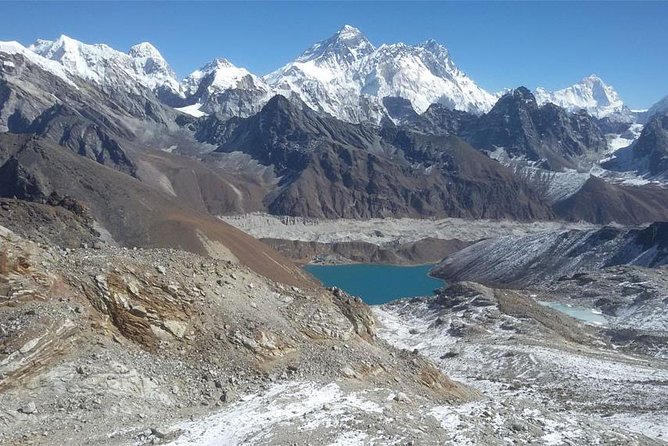
Most people picture Everest treks as all hero shots and summit drama. The truth is the middle part is mostly steady work: walking, stopping, eating, and sleeping so you can do it again. That is why full-board meals are included, with breakfast, lunch, and dinner every trekking day.
When meals are already covered, you can keep your attention on pace. You’re not constantly deciding where to eat, what’s available, or how much time you’re losing. It also helps with consistency, which is important when your body is adjusting to altitude and cold.
Twin sharing lodge accommodation is another detail that affects comfort. You’re sharing space, so you should pack with that in mind, keep your bag organized, and make peace with the basic reality of mountain lodging. This is not a spa trip. It is functional shelter, and your goal is sleep and warmth, not luxury.
If you’re sensitive to cold, prioritize layers and use the provided down jacket and sleeping bag if you need them. The offer is there for a reason, and it can save you the hassle of bringing bulky gear from home.
Another way to spend the time in Nepal:
- Private Kathmandu Sightseeing Tour | UNESCO World Heritage sites
★ 5.0 · 756 reviews - Kathmandu: 7 UNESCO Sites with Lunch
★ 4.8 · 744 reviews - Everest Base Camp Helicopter Tour landing at Everest View Hotel
★ 5.0 · 668 reviews - Half day cooking class in Thamel kathmandu
★ 5.0 · 607 reviews
The Three Passes: How Kongma La, Cho La, and Renjo La Change Your Trek
These passes are why you chose this trek. But they are also why your day-to-day experience changes. Each crossing feels like its own “mini expedition” inside the larger journey.
Kongma La Pass: The High-Altitude Test You Feel in Your Lungs
Kongma La is listed around 5,555 m in one section and around 5,535 m in another. Either way, it’s extreme altitude where breathing turns into a slower, more intentional task. This pass is where you’ll likely feel the combined effort of cold, wind, and altitude all at once.
What to do with that reality: follow your guide’s pacing, avoid sprinting climbs, and treat every pause as part of progress. You’re not just walking uphill. You’re managing energy and minimizing strain.
Cho La Pass: Another Cold Crossing, Another Learning Curve
Cho La is listed around 5,330 m and also 5,420 m depending on the provided values. That variation is less important than the overall point: this is another high pass above 5,000 m, with conditions that demand caution.
Cho La is the place where the trek stops being your first big challenge and becomes your second big challenge. If you handled Kongma La well, you’ll bring better technique here. If you struggled earlier, this is where your earlier choices show up, good or bad.
Renjo La Pass: The Final Big Push Before You Can Feel Relief
Renjo La is listed around 5,345 m and also around 5,360 m. By the time you reach this pass, you’ve already climbed high, recovered, and climbed high again. That makes Renjo La less about being totally new, and more about endurance.
This is often where people feel proud, but it can also be where fatigue shows up. You’ll do best when you keep moving smart, not fast. Save your energy for the descent and recovery that come after.
No matter which pass you’re on, the trek is in the Khumbu region under Sagarmatha National Park fees and TIMS card coverage. That adds a layer of oversight and legitimacy that matters on a route where safety depends on experienced local guidance.
Gear, Safety, and Fees: What’s Included, What You Still Must Handle
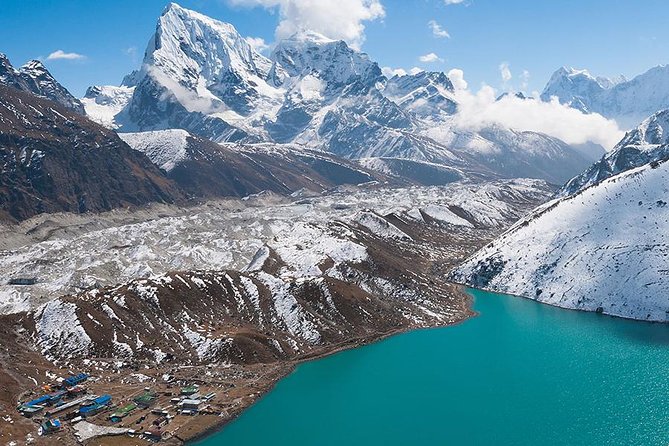
This trip includes down jacket and sleeping bag if needed, plus a first aid medical kit and a licensed English-speaking guide. That means you’re not starting from zero. The goal is to help you meet cold-weather requirements without you having to guess what you’ll need.
It also includes Sagarmatha National Park fees and TIMS card, plus local government tourism fees, and government taxes and office service charge. In plain terms, you’re paying for legal access and a managed trek structure, not just for walking in the mountains.
Here are the big items that are not included, and you should treat them as non-negotiable:
- Travel and rescue insurance is compulsory
- Nepal entry visa fee is not included
- Personal expenses like WIFI, laundry, battery charge, and hot shower are on you
- Tips for guides and porters are expected
You’ll also want to keep your own cash plan flexible for small personal needs. Battery charging and hot showers can be surprisingly common “extras” in the mountains, even if you think you won’t use them.
Fitness and Altitude Reality Check for 17 Days
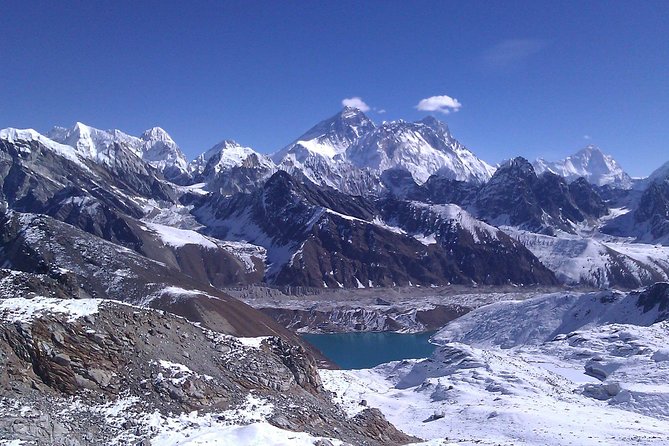
The operator says you should have strong physical fitness. With three high passes above 5,000 m, that guidance is the heart of choosing the right trek.
Here is how I’d interpret that for you. You do not need to be a mountain athlete, but you do need stamina, comfort with long days, and the ability to keep walking when you feel tired. Altitude is not just a height number. It affects how your body converts effort into movement.
A 17-day duration also means you should be able to stay consistent. This trek is long enough that poor rest or inconsistent effort early can show up later, when the passes stack together.
If you have any medical concerns, take them seriously and talk to a professional before committing. And once you’re on the trek, follow your guide’s advice even when your ego wants to push.
Price and Value: What $2,200 Buys You in the Real World
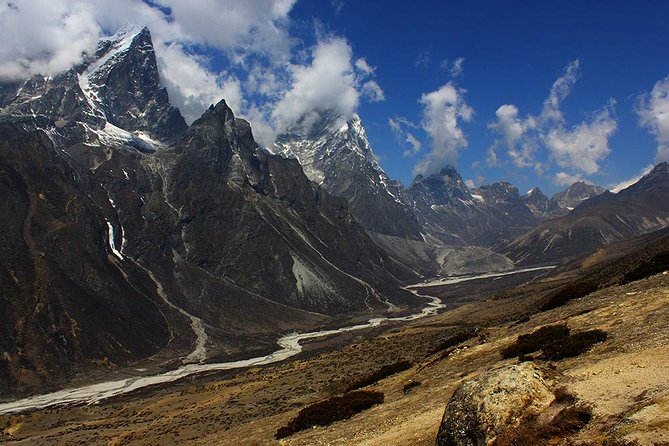
At $2,200 per person, this is not a budget trek. But for a private format with the Kathmandu-Lukla flights included, lodging, and full-board meals, it is easier to see where the money goes.
You’re paying for:
- A licensed guide and experienced local support
- In-country transport by private vehicle within Kathmandu
- 2 nights of Kathmandu hotel with breakfast
- Twin sharing lodge accommodation during the trek
- Full-board meals
- Park and permit related costs like Sagarmatha National Park fees and TIMS
- Down jacket and sleeping bag if needed
- First aid medical kit
The key value point is that logistics and access costs are handled. When you’re traveling in high-altitude remote terrain, that planning is not optional. It’s what keeps your trip from becoming a scavenger hunt.
The not-included items matter too, especially insurance and tips. If you add those correctly in your budget, the price starts to make sense as a full-service trek rather than a barebones hiking plan.
Who Should Choose This Trek, and Who Might Rethink It
This trek is a great match if you want a real Everest region challenge and you want it structured. You’ll like it if you enjoy purposeful days, steady effort, and the satisfaction of earning views after difficult crossings.
It can also work well for solo travelers because the guide support can be tuned to you. In past trips, people who were new to Nepal have felt comfortable, and guides like Raman and Jiban have been praised for support that goes beyond just leading the route.
You might rethink this trek if:
- You cannot meet the strong fitness requirement
- You are not prepared for very cold and high-altitude conditions
- You are not willing to carry your own insurance and accept that tips are expected
Also, if you’re new to trekking at altitude, you should plan to take pacing seriously. The mountain rewards humility.
Should You Book the Everest Three Pass Trek?
If you want an Everest region trek that is more than a warm-up, I think this is a strong choice. The combination of three high passes, a licensed English-speaking guide, private Kathmandu transport, included flights, and full-board meals makes it feel like a managed adventure rather than a risky DIY project.
But book only if your fitness and planning match the ambition. This is the kind of trek where insurance, gear readiness, and a calm mindset matter as much as your hiking legs. If you can handle that, you’ll come away with a trip that feels earned, not just experienced.
If you want, tell me your planned trekking month, fitness background, and whether you have cold-weather gear. I can suggest how to plan your kit and training around the three pass days.
FAQ
How long is the Everest Three Pass Trek?
It is listed as 17 days, approximately.
Where does the trip start and end?
The trip is based in Kathmandu, Nepal, and includes airfare between Kathmandu and Lukla and back to Kathmandu.
What are the three passes on this trek?
The trek includes Kongma La Pass (listed around 5,555 m and also 5,535 m), Cho La Pass (listed around 5,330 m and also 5,420 m), and Renjo La Pass (listed around 5,345 m and also 5,360 m).
What is included in Kathmandu?
You get 2 nights standard hotel accommodation with breakfast, plus airport pickup and drop and all ground transports in a private vehicle.
What kind of accommodation do you get during the trek?
You get twin sharing lodge accommodation during the trek.
Are meals included?
Yes. Full board meals are included during the trek, with breakfast, lunch, and dinner.
Is a guide included?
Yes. The trek includes a highly experienced, licensed English-speaking guide.
Is any trekking gear provided?
Down jacket and sleeping bag are provided if needed.
What is not included?
Not included are Nepal entry visa fee, travel and rescue insurance (compulsory), personal expenses like WIFI, laundry, bar bills, battery charge, and hot shower, and tips for guides and porters.
Is cancellation free?
Free cancellation is available. You can cancel up to 24 hours in advance for a full refund. If you cancel less than 24 hours before the start time, the amount you paid is not refunded.
Latest additions near Kathmandu
- White Water River Rafting – 1 Day★ 4.3 · 3 reviews
- Traditional Momo Making Class★ 5.0 · 10 reviews
- Kathmandu to Pokhara Premium sofa bus ticket★ 4.0 · 17 reviews
- Ghorepani Poon Hill Trek★ 5.0 · 16 reviews
- Amazing 1 Day Trekking Experience in Kathmandu Nepal★ 5.0 · 24 reviews
- Ghorepani Poonhill Trek★ 5.0 · 5 reviews
- Walking tour of real Kathmandu through back streets.★ 5.0 · 3 reviews
- Wildlife Adventure in Chitwan Nepal★ 4.0 · 4 reviews
Treks in Kathmandu, compared.
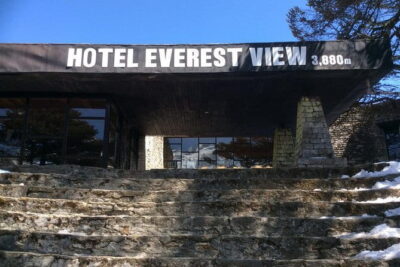
Nagarkot Sunrise View and Day Hiking from Kathmandu
Read our review →