Reviewed · TREKS IN KATHMANDU
Everest Three (High) Passes Trekking
Three passes, one serious Everest mission. This trek is built for people who want the big mountain payoff, but also want the journey to feel like an adventure, not just a sightseeing circuit. You get a mix of short flight, trekking days, and high pass crossings, all wrapped in Khumbu-region views and Sherpa cultural life.
I especially like how the trip stays non-technical while still feeling genuinely challenging. You do not need technical climbing skills, but you do need stamina. I also like the human touch from Three Jewels Adventures, with guides such as Amber (helpful from the start), Lok (steady support on hard days), and Suman and Sashi (welcoming reception and on-trail care).
The main drawback to plan for is altitude and effort. Reviews point to this as a serious trek with extended time at high altitude, so if you are not training, or if your pace is fragile, the high passes can become stressful fast.
In This Review
- Key highlights worth knowing
- From Tribhuvan Airport: The 6:15 am start that sets the tone
- Private Trek, real support: Three Jewels Adventures and your guide team
- The trek’s structure: short flight, then days of effort
- Sherpa culture in the Khumbu: more than just photos
- View days like Gokyo Ri: earning big panoramas the hard way
- Crossing high passes: serious hiking, no technical climbing
- Pacing, altitude, and weather: the practical reality behind Everest
- What the $2,500 price covers, and what it does not
- Packing and training: how to match a serious high-pass trek
- Who should book this trek, and who should think twice
- Should you book Everest Three (High) Passes Trekking? My call
- FAQ
- Where does the trekking start and end?
- What time does the trek start?
- How long is the trek?
- Is this a private trek?
- Do I need technical climbing skills for the high passes?
- What fitness level do I need?
- Is pickup offered, and do I get a ticket on my phone?
- What is the cancellation policy?
Key highlights worth knowing
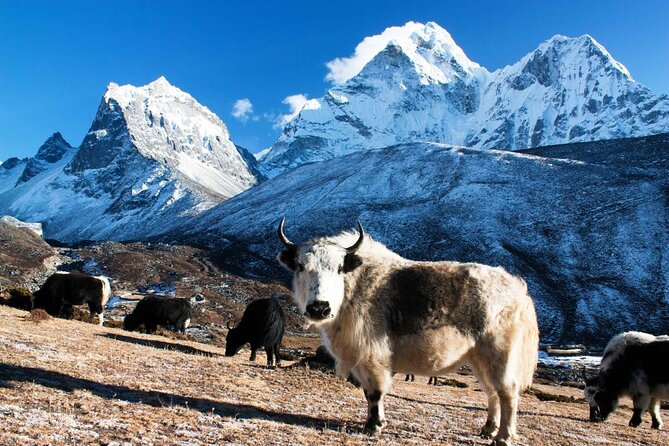
- Private trek, just your group: you avoid the big-tour shuffle and move at your team’s pace.
- Non-technical high passes: serious hiking and altitude, but no climbing know-how required.
- Sherpa culture as part of the trek: you are not only chasing views, you are walking through the living Khumbu world.
- Guides that adjust to reality: at least some groups describe hike flexibility based on how people are feeling.
- A 6:15 am start from Tribhuvan Airport: early momentum matters when you want the trip to stay on track.
- Price that reflects guided logistics: around $2,500 per person for a 17-day private Everest-region challenge.
From Tribhuvan Airport: The 6:15 am start that sets the tone
Your Everest Three High Passes Trek begins at Tribhuvan International Airport in Kathmandu, with a stated start time of 6:15 am. That early start is not a gimmick. It signals the real rhythm of mountain travel in Nepal, where flights, trail connections, and weather windows matter.
Why I think this matters for you: the faster you get out of Kathmandu and into the trekking machine, the less the trip feels like a waiting game. Also, an early start gives you better odds of making the early legs of the journey before fatigue stacks up.
One practical note: a 6:15 am start means you should treat sleep the night before as part of your packing. If you plan to wander Kathmandu at night, you will pay for it in the morning. Keep it simple, hydrate, and get ready.
More Treks in Kathmandu
- Everest Base Camp Trek – 14 Days
★ 5.0 · 1,499 reviews - Everest Base Camp Trek
★ 5.0 · 842 reviews - Everest Base Camp Trekking
★ 5.0 · 485 reviews
Private Trek, real support: Three Jewels Adventures and your guide team
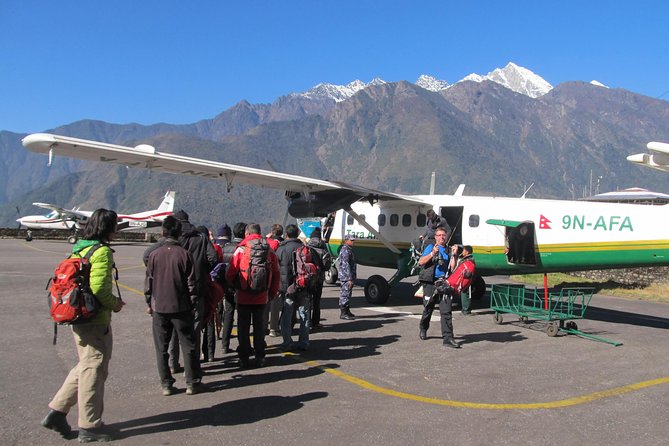
This is listed as a private tour/activity, meaning only your group participates. For a trek like this, that private structure is more than a checkbox. In high-altitude trekking, small decisions can save you discomfort, time, and stress.
You also travel with Three Jewels Adventures, and the description highlights over two decades of guiding experience in the region. That track record shows up in the way groups describe their communication and support. In particular, I saw names like Amber linked with smooth coordination before the trek, Lok described as a supportive guide through tough moments, and Suman and Sashi mentioned for a strong welcome and excellent on-trail rapport.
What you should take from that: you are not just buying a route. You are buying judgment, pacing help, and local decision-making. When weather shifts, when someone feels off, or when conditions change near a pass, the guide team’s ability to read what is happening becomes part of the value.
The trek’s structure: short flight, then days of effort
The trek is described as going through short flight, hiking, and trekking, plus the crossing of high passes. Even without a day-by-day timetable spelled out here, the overall flow is clear: get to the Khumbu, start moving, adapt to altitude, then work upward into the big pass terrain.
Here is how that structure helps you:
- The short flight saves days of road travel, so you can invest energy into acclimatization and walking.
- The trekking section gives you gradual exposure to the altitude, instead of a sudden jump straight to high, cold terrain.
- The high passes come later, when your body has had time to settle into the rhythm of moving at elevation.
The drawback is obvious but worth saying: if you are expecting a light, stroll-like trek, this will not match that. “Everest Three (High) Passes” is built on sustained effort, and altitude is part of the challenge.
Sherpa culture in the Khumbu: more than just photos
One of the trek’s promised features is the cultural experience of ethnic Sherpa people, alongside the Khumbu Himalayan scenery and Mt. Everest views. That matters because the Everest region can feel like a set of checkboxes if your trek is purely about taking pictures from the best angles.
Instead, this kind of trek format gives you time in the places where Sherpa culture is not staged. You are walking through communities shaped by mountain life, and you will likely notice how daily rhythms and decisions revolve around weather, work, and the realities of living at elevation.
For you, the best cultural payoffs usually come from simple behavior:
- Ask questions when someone is open to chatting.
- Be respectful with pacing and space.
- Keep your energy for walking, not for rushing.
If you want Everest views, you will get them. But you will enjoy the trek more if you see the culture as the “why” behind the journey, not just the background.
Another way to spend the time in Nepal:
- Private Kathmandu Sightseeing Tour | UNESCO World Heritage sites
★ 5.0 · 756 reviews - Kathmandu: 7 UNESCO Sites with Lunch
★ 4.8 · 744 reviews - Everest Base Camp Helicopter Tour landing at Everest View Hotel
★ 5.0 · 668 reviews - Half day cooking class in Thamel kathmandu
★ 5.0 · 607 reviews
View days like Gokyo Ri: earning big panoramas the hard way
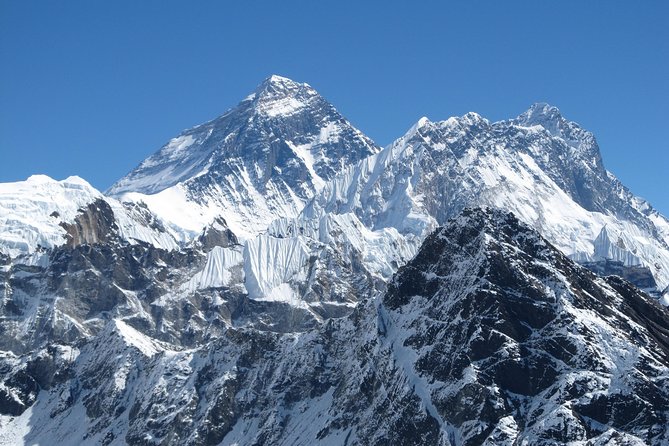
A few groups in the set of feedback talk about Gokyo Ri and major viewpoint energy in the Everest region. Even if your exact viewpoint mix varies with weather and timing, the takeaway is consistent: you may get strong high-elevation viewpoints that feel like a reward for the climb.
Why those viewpoint days are valuable:
- They turn your physical effort into something you can see immediately.
- They help you understand the geography of the Khumbu better, not just the idea of Everest.
- They create moments where cold air and hard breathing are replaced by pure sight.
The caution: high viewpoints usually mean cold temperatures and wind, plus the added strain of being higher while already tired. Go in expecting to move carefully, dress smart, and accept that you might need slower steps than you used to.
Crossing high passes: serious hiking, no technical climbing
The big headline is that you cross high passes, and the description is clear: you do not need technical climbing knowledge. This is a crucial distinction.
What it means in real terms:
- You are not roped up or solving rock-climbing problems.
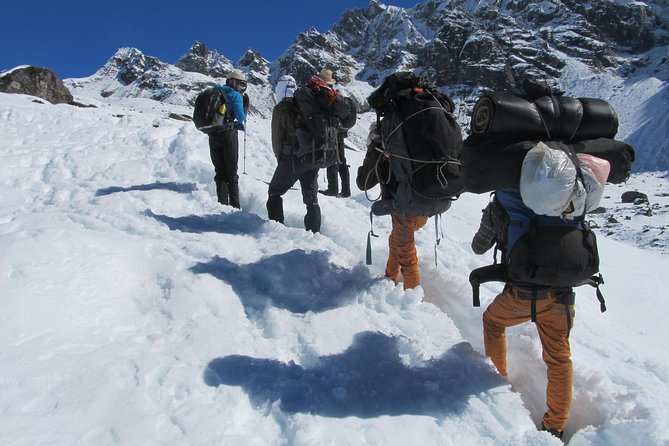
- Your challenge comes from steep hiking, altitude, and changing snow or wind conditions.
- Your progress depends on pacing, footing, and staying mentally calm.
This is where preparation and guide judgment become everything. One of the feedback highlights calls it a serious trek with extended high-altitude time. Another notes altitude hitting hard even when someone trained intensely. That matches what you should expect: even with fitness, elevation can slow your body and change your breathing.
If you are anxious about the passes, do not ignore that feeling. Tell your guide early. A good guide team can often help you adjust pacing and strategy so the pass crossing stays controlled instead of turning into a panic sprint.
Pacing, altitude, and weather: the practical reality behind Everest
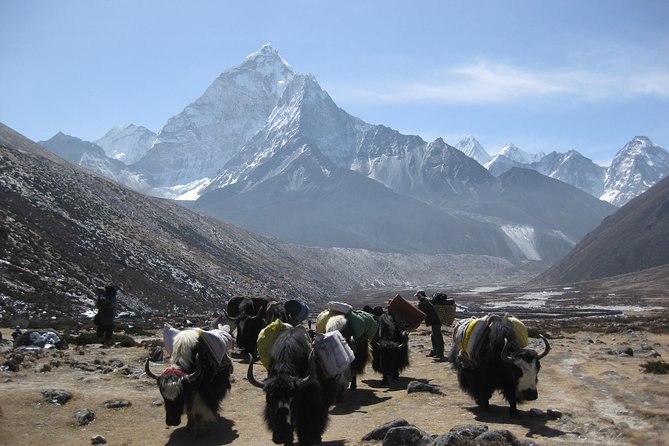
This experience requires strong physical fitness, and the listing also notes it requires good weather. In other words, you are not just planning for geography. You are planning for biology and conditions.
Altitude reality check:
- Extended high-altitude time means fatigue can arrive faster than you think.
- You might feel okay one day and struggle the next.
- Your best tool is steady pacing, not pushing because you feel brave.
The good news is that at least one set of feedback describes flexibility based on circumstances. That is what you want from a guide. If weather tightens or someone needs adjustments, you do better with a team that can adapt rather than a team that insists on a single “perfect” plan.
Weather reality check:
If weather ruins your plans, you will likely face itinerary changes rather than a simple cancellation of everything. The experience is explicitly described as dependent on good weather.
What the $2,500 price covers, and what it does not
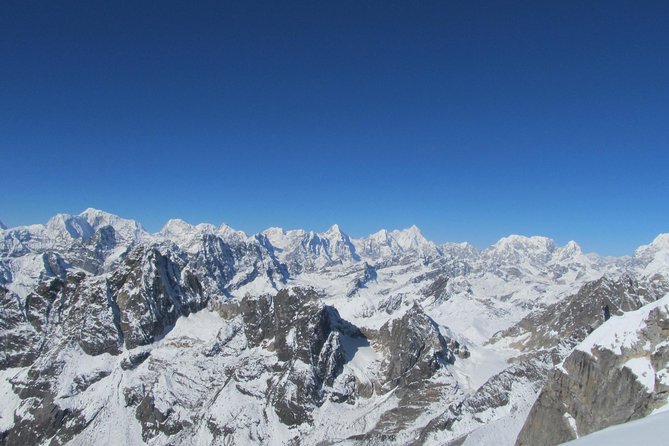
At $2,500 per person for about 17 days, this is not a bargain trek. But in the Everest region, the price usually reflects more than just the walking. You are paying for coordinated logistics, a guide team, and the hard planning needed for a multi-pass itinerary with altitude risk.
Here is the value angle that makes sense for you:
- You get a private group experience, which can reduce friction when you need to adjust pacing.
- You get professional local guide staff and decades of regional experience behind the plan.
- You are not trying to self-manage high pass terrain and altitude decisions.
What I cannot responsibly claim from the data here is exactly what is included beyond what is mentioned. The safest assumption is that you are paying for the guided trek and its coordination, not just a map and a hope.
So before booking, you should confirm what that price includes in your specific case. The operator listing mentions pickup offered and a mobile ticket, but it does not spell out every cost item here. Ask those questions directly.
Packing and training: how to match a serious high-pass trek
Because the main requirement is a strong physical fitness level, your preparation should match the type of effort you will face: long uphill days, altitude strain, and pass crossings where you keep moving even when your body wants to slow down.
Based on how groups describe the trek, I would treat training like this:
- Build comfort with sustained hiking time, not just short gym sessions.
- Practice walking with a pack you can tolerate for hours.
- Train for steady effort at your upper heart-rate limits, then learn to slow down without panicking.
What to prioritize on trek:
- Smooth, consistent pacing.
- Hydration and steady breathing.
- Sleep and recovery whenever you can.
And remember, altitude is not a mind game. Even strong hikers get hit. If you are expecting to feel invincible at elevation, Everest will teach you otherwise. That is not a reason to skip the trek, it is a reason to respect it.
Who should book this trek, and who should think twice
This trek is a strong fit for experienced hikers and people who want Everest, but also want a real challenge. The description specifically frames it as suitable for those who can handle challenging Himalayan trekking and high passes.
You are likely a great match if:
- You already hike regularly and can handle long days.
- You want adventure in the Everest region, not just a photo tour.
- You are okay with altitude being part of the experience, not an obstacle you can out-muscle.
You should think twice if:
- You want a low-effort trip or you struggle with altitude on shorter hikes.
- You are not willing to train and manage your pace.
- You expect technical climbing. The trek is non-technical, but it is still high and serious.
There is also a common travel mindset trap. Many people underestimate how much altitude can affect decision-making. If you tend to push through discomfort, you will need to practice listening to your guide and your own body.
Should you book Everest Three (High) Passes Trekking? My call
Book it if you want a genuine Everest-region trek with high-pass adventure, Sherpa cultural life, and mountain views that come after effort. This is the kind of trip where the guide team can make a big difference, and the feedback you provided leans toward supportive, flexible leadership, including named guides like Amber, Lok, Suman, and Sashi.
Do not book it if you are chasing a casual itinerary or you hate the idea of altitude seriously slowing you down. This is not a “show up and cruise” trek. It is a strong hiking challenge.
If you do book, treat the early start from Tribhuvan Airport at 6:15 am as part of your planning, and make sure your training and expectations match what high passes really require.
FAQ
Where does the trekking start and end?
It starts at Tribhuvan International Airport, Ring Rd, Kathmandu 44600, Nepal, and the activity ends back at the meeting point.
What time does the trek start?
The start time is listed as 6:15 am.
How long is the trek?
The duration is approximately 17 days.
Is this a private trek?
Yes. It is listed as a private tour/activity, so only your group will participate.
Do I need technical climbing skills for the high passes?
No. The trek is described as involving crossing high passes, but it does not require technical climbing knowledge.
What fitness level do I need?
You should have a strong physical fitness level.
Is pickup offered, and do I get a ticket on my phone?
Pickup is offered, and the trek uses a mobile ticket.
What is the cancellation policy?
Free cancellation is available. You can cancel up to 24 hours in advance of the experience start time for a full refund. If it is canceled due to poor weather, you will be offered a different date or a full refund.
Latest additions near Kathmandu
- White Water River Rafting – 1 Day★ 4.3 · 3 reviews
- Traditional Momo Making Class★ 5.0 · 10 reviews
- Kathmandu to Pokhara Premium sofa bus ticket★ 4.0 · 17 reviews
- Ghorepani Poon Hill Trek★ 5.0 · 16 reviews
- Amazing 1 Day Trekking Experience in Kathmandu Nepal★ 5.0 · 24 reviews
- Ghorepani Poonhill Trek★ 5.0 · 5 reviews
- Walking tour of real Kathmandu through back streets.★ 5.0 · 3 reviews
- Wildlife Adventure in Chitwan Nepal★ 4.0 · 4 reviews
Treks in Kathmandu, compared.
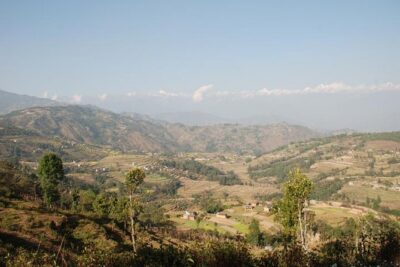
Nagarkot Sunrise View and Day Hiking from Kathmandu
Read our review →