
Reviewed · TREKS IN KATHMANDU
Everest Short Trek -5 Days
A short Everest trip can still feel meaningful. This Everest View short trek is designed for people with limited time, but it still gets you into the Khumbu Valley and the Sagarmatha National Park on an efficient 5-day route. You start with a flight into Lukla, then walk to Phakding, Namche Bazaar, Khumjung, and the famous Hotel Everest View for big 360° moments.
The best part for me is the payoff, you get a luxurious feel without buying a full-blown expedition. The other standout is the human side, this kind of trip lives or dies by the care of your guide and porter team, and names like Badri, Bhagwat, and Sherpa Pemba show up in real-world praise for exactly that kind of support. The one consideration to take seriously, Lukla flights can be weather-dependent, so build flexibility into your mindset.
In This Review
- Key highlights at a glance
- Why this 5-day Everest View trek works when time is tight
- The big reality check: Lukla flights and altitude timing
- Day 1, Kathmandu to Lukla then on to Phakding
- Day 2, Phakding to Namche Bazaar through Sagarmatha National Park
- Day 3, acclimatization with Khumjung and Hotel Everest View
- Day 4, Namche Bazaar back to Lukla via Phakding
- Day 5, fly Lukla to Kathmandu
- Price and value: what $1,300 is buying you
- Lodges, meals, and what the “luxury” really feels like
- The guide and porter team, why people rave about the care
- What to pack for this short Everest trek (without overthinking)
- Who this trek suits best, and who should reconsider
- Should you book this Everest Short Trek for 5 days?
- FAQ
- Is pickup and drop-off included in Kathmandu?
- Does this trek include meals?
- What permits and fees are covered?
- Are flights included?
- Where do you sleep during the trek?
- Is there a guide and porter?
- What are not included costs?
- Is the trek private and are there dietary options?
Key highlights at a glance
- Lukla flight start that gets you into the action fast, with plans tied to Tenzing Hillary Airport
- Namche Bazaar day with enough walking time to feel the region, without weeks on the trail
- Hotel Everest View stop for a rare 360° viewpoint in the Everest area
- Khumjung visit at higher altitude used as a practical acclimatization focus
- Private transfers in Kathmandu and included trekking documentation so you are not chasing paperwork
- Guide and porter staffing designed for comfort, including a porter setup of 1 porter for 2 clients
Why this 5-day Everest View trek works when time is tight
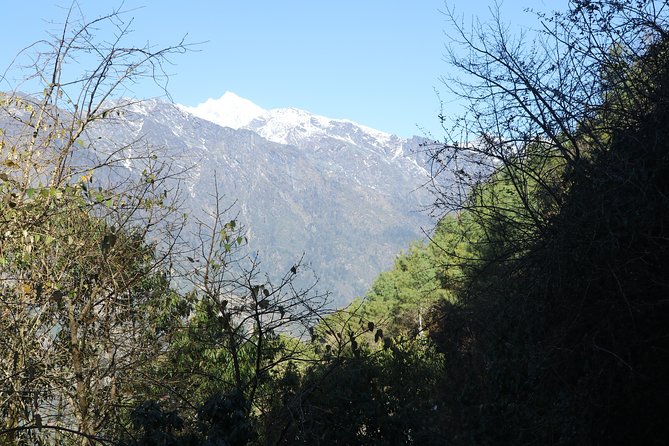
If you want Everest country but you do not have a lot of days, this style of trek is built for you. The route stays focused in the Khumbu Valley, and it tracks through Sagarmatha National Park, so you experience the Everest region without committing to a long trek schedule.
This also has a different vibe than the more extreme high-pass itineraries. The walking is short-to-moderate by Everest standards, and the route reaches the Hotel Everest View instead of pushing beyond it to the big technical climbs. In practice, that means you spend more time enjoying viewpoints and village life, and less time on relentless elevation grinding.
The “luxury” part is real but specific. You are not in a five-star resort at 3,000-plus meters, but you do get the comfort of lodge-based nights and a standout hotel viewpoint experience that most hikers only pass by in longer itineraries. That matters if you want the sense of Everest awe with fewer logistical headaches.
More Treks in Kathmandu
- Everest Base Camp Trek – 14 Days
★ 5.0 · 1,499 reviews - Everest Base Camp Trek
★ 5.0 · 842 reviews - Everest Base Camp Trekking
★ 5.0 · 485 reviews
The big reality check: Lukla flights and altitude timing
Most people do not struggle with the walking as much as they worry about the start. Here, the trek begins with a flight from Kathmandu to Lukla at Tenzing Hillary Airport. That is part of the magic, but it is also why delays sometimes happen.
Your schedule is structured around acclimatization. Day 2 climbs toward Namche Bazaar, and Day 3 intentionally uses a higher-altitude outing to Khumjung and the Hotel Everest View area. That pattern is key because it helps you adjust without turning the trip into a pure “go up, go up, go up” grind.
You should also keep expectations grounded about delays and extra costs. The tour plan includes flight segments, but you should know that if you get stuck due to weather or timing issues, any extra mountain expenses are not included. That is not a deal breaker, it is just smart to plan for it mentally and financially.
Day 1, Kathmandu to Lukla then on to Phakding
Day 1 is all about transitions. You fly from Kathmandu to Lukla, then walk north toward Phakding, around 3 to 4 hours of trekking. You start at roughly 2,610 meters in Phakding, which is a manageable entry altitude for many people.
What I like about this first day is that it keeps you moving without trying to exhaust you. After the flight, your body still needs to wake up to hiking, breathing thinner air, and walking on uneven trails. Arriving in a lodge/tea house setting in Phakding also helps because you settle in quickly and get your meal rhythm going.
If you are anxious about the logistics, this is one of the best days for peace of mind. The trip includes the big A to B steps, and your private vehicle pickup and drop in Kathmandu reduces the chance of you burning energy on confusing transfers.
Day 2, Phakding to Namche Bazaar through Sagarmatha National Park
Day 2 is your main “move up into the Everest orbit” day. You trek from Phakding to Namche Bazaar, about 6 to 7 hours, reaching around 3,446 meters. This is also when you enter Sagarmatha National Park, so the walk feels more like a protected wilderness journey than a simple village-to-village hike.
You will follow the Dudh Koshi River along the way. That is useful for you because a river corridor often means consistent trail conditions compared to steeper, more exposed routes. It also means you tend to get more chances to pause, hydrate, and regain your rhythm.
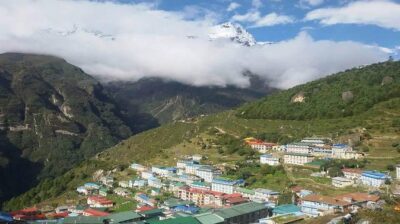
Namche Bazaar is the region’s hub town. Even if you keep it simple, it is a place where you can feel the mixture of local culture and trekking infrastructure. That balance is part of the value of doing this trek in 5 days: you get a real sense of the community without needing months of travel planning.
Another way to spend the time in Nepal:
- Private Kathmandu Sightseeing Tour | UNESCO World Heritage sites
★ 5.0 · 756 reviews - Kathmandu: 7 UNESCO Sites with Lunch
★ 4.8 · 744 reviews - Everest Base Camp Helicopter Tour landing at Everest View Hotel
★ 5.0 · 668 reviews - Half day cooking class in Thamel kathmandu
★ 5.0 · 607 reviews
Day 3, acclimatization with Khumjung and Hotel Everest View
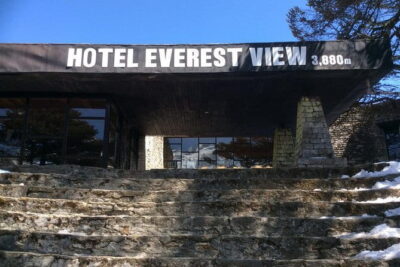
Day 3 is where the itinerary earns its name. You have an acclimatization day that includes a visit to Khumjung village and the Hotel Everest View area at about 3,880 meters.
Khumjung is described as the highest point on the trek, so it is not just a quick stop. It is a good altitude checkpoint for learning how your body responds while still keeping the day organized around comfort. The goal is to help your body adjust before the return leg, not to chase extra peaks.
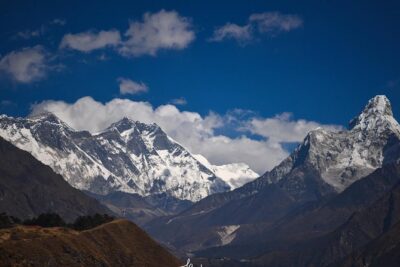
Then there is the highlight: the Hotel Everest View. The hotel is famous in this region for a luxurious feeling and a rare 360° viewpoint across the Everest range. From there you can enjoy sightlines that include Lhotse (8,516m), Cho Oyu (8,201m), and Mt. Everest (8,848m). That kind of view is why this trek is so popular for short schedules.
Practical tip: on a day like this, take it slow even if you feel good. The view is the prize, but your body still needs steady pacing at altitude. You do not want to win the day and lose the next one.
Day 4, Namche Bazaar back to Lukla via Phakding
Day 4 brings you back down, but it is not a free ride. You trek from Namche Bazaar to Lukla via Phakding, about 6 to 7 hours, and end around 2,800 meters in Lukla.
This reverse route is valuable. You are essentially retracing the main corridor, which makes navigation simpler and reduces the mental load of wondering where the trail goes. It also gives your legs a chance to reset after the higher portion of the trip.
The tradeoff is that descending can still be tough on knees and calves. If you have a history of leg pain on descents, use trekking poles if you have them, take shorter steps, and keep your hydration steady. The route is easier than the more demanding Khumbu alternatives, but it is still real hiking.
Day 5, fly Lukla to Kathmandu
Day 5 is the payoff day, you fly from Lukla back to Kathmandu. This is the moment when the whole trek compresses into one line: air, paperwork, and a city return.
Because you are flying instead of finishing with another multi-day hike, you also get a cleaner end point. It is easier to fit this into a broader Nepal trip, whether that means sightseeing in Kathmandu or connecting to other regions.
One more thing to keep in mind: the entire trip depends on operating flights. When weather disrupts operations, your trekking days can sometimes get shifted. Your operator includes arrangements for travel and rescue, but your best strategy is staying flexible and keeping a calm plan for the day the flight is supposed to happen.
Price and value: what $1,300 is buying you
At $1,300 per person, you are paying for more than walking time. You are buying a full package that includes Kathmandu pick-up and drop, trekking permits and fees, documentation support, meals during the trek, lodge/tea house accommodations, and the guide and porter staffing structure.
This is also the kind of trek where inclusions reduce hidden hassle. Getting trekking documents and the right permits handled can save you time and stress in Kathmandu. The same goes for the “all necessary paper works” and the included TIMS permit and Khumbu valley fees.
Also, the team model matters. The trip includes an experienced, helpful guide and a porter with a ratio of 1 porter for 2 clients. That helps you hike with less weight and arrive more comfortable, which is not just pleasant, it can directly affect how you experience altitude days like Day 3.
What you still must plan for:
- Your Nepal visa fee in Kathmandu is not included
- International flights are not included
- Travel and rescue insurance is not included
- Personal expenses like phone calls, laundry, battery recharge, hot showers, and extra bottles are not included
- Tips for the guide and porter are not included
- Any extra mountain expenses if delays cause you to stay longer are not included
Lodges, meals, and what the “luxury” really feels like
This is a lodge-based trek, so you should expect basic comfort rather than modern hotel standards at every stop. Still, the included lodging and included meals make the trip feel smooth.
Meals are specified during the trek as breakfast, lunch, and dinner across the days, with a clear schedule like L/D on Day 1 and B/L/D on the higher-impact days. That predictability matters because you are less likely to end up hungry when the altitude hits.
The most “special” comfort comes from the Hotel Everest View day. Instead of just passing a viewpoint, you get a structured experience there. You also get that 360° perspective, which turns a hard day into a memorable one.
The guide and porter team, why people rave about the care
In the best versions of this trek, the guide team turns a challenging region into a manageable one. Names that show up in praise include Badri for patient, caring coaching and a lot of good energy on the trail. Bhagwat is referenced as the person running the show with strong communication skills, which can make a big difference if anything shifts.
You also hear respect for Sherpa Pemba, described as indispensable and supportive. That is exactly what you want from the person helping you handle weight, pace, and day-to-day logistics.
If you care about authentic support, pay attention to how you feel on Day 2 and Day 3. If the guide keeps your pace steady and explains what you should do with hydration and altitude timing, you will feel better even when you are tired.
What to pack for this short Everest trek (without overthinking)
I recommend packing with two priorities: altitude comfort and walking comfort.
Think about:
- Layers for temperature swings, including a warm layer for mornings and evenings
- Hiking shoes that work on rocky trails
- A small daypack plus a comfortable system for water
- Sunscreen and sun protection, since high-altitude sun can be intense
- Basic essentials like a first aid kit, but note the trek provides medical supplies and a first aid kit in general
The tour includes a duffle bag that is returned after the trek, which helps you avoid carrying everything on your back. You will still want a small personal kit for the day, but the heavy items can usually stay in the duffle.
Who this trek suits best, and who should reconsider
This is a short trek, so it suits people who want Everest region highlights without sacrificing their whole vacation. The pace is relatively easier than tougher Khumbu Valley routes because the hike reaches the Hotel Everest View rather than pushing into the highest, most technical itineraries.
It is also a good fit if you want a cultural and view-based day in Khumjung, plus a clear routine of lodge living and included meals.
Consider a different option if:
- You are very sensitive to flight uncertainty and hate the idea of weather disruptions
- You want long high-altitude hiking with multiple high camps and longer acclimatization windows
- You are expecting luxury hotels in the classic sense, not lodge-based comfort plus a standout hotel viewpoint experience
Should you book this Everest Short Trek for 5 days?
If your goal is a meaningful Everest-region experience with a tight schedule, I think this one makes a lot of sense. You get the key elements people chase, Lukla access, Khumbu Valley walking, Namche Bazaar atmosphere, and that special Hotel Everest View day with a 360° sightline across the Everest range.
I would book it if you value an organized plan and want your guide and porter team to handle the practical pieces like permits and documentation, while you focus on pacing and enjoying the views. Just go in with the right mindset about flights and altitude timing, and you will be set up for a trip that feels both efficient and special.
If you want, tell me your walking comfort level and whether you get nervous about flights. I can help you decide if the 5-day format matches your expectations or if you should look at a slower version.
FAQ
Is pickup and drop-off included in Kathmandu?
Yes. The tour includes pick up and drop to the airport by private vehicle.
Does this trek include meals?
Yes. Breakfast, lunch, and dinner are included during the trekking days as outlined for each day, and dinner on Day 1 is also included.
What permits and fees are covered?
The package includes TIMS permit and Khumbu valley fees, plus the necessary paperwork.
Are flights included?
Yes. The tour includes flights from Kathmandu to Lukla and back. It also covers the Kathmandu to Lukla and Kathmandu/Ramachap to Lukla and Ramachap to Lukla flight arrangements.
Where do you sleep during the trek?
You stay in lodges or tea houses during the trek.
Is there a guide and porter?
Yes. An experienced guide is included, and a porter is included at a ratio of 1 porter for 2 clients.
What are not included costs?
Not included are the Nepal visa fee, international airfare, travel and rescue insurance, personal expenses (like phone calls, laundry, bar bills, battery recharge, hot shower, and bottled or boiled water), tips for guide and porter, and any extra mountain expenses if delays require more time.
Is the trek private and are there dietary options?
Yes, it is a private tour/activity where only your group participates. Vegetarian options are available if you advise the operator at booking.
Latest additions near Kathmandu
- Traditional Momo Making Class★ 5.0 · 10 reviews
- White Water River Rafting – 1 Day★ 4.3 · 3 reviews
- Kathmandu to Pokhara Premium sofa bus ticket★ 4.0 · 17 reviews
- Ghorepani Poon Hill Trek★ 5.0 · 16 reviews
- Amazing 1 Day Trekking Experience in Kathmandu Nepal★ 5.0 · 24 reviews
- Ghorepani Poonhill Trek★ 5.0 · 5 reviews
- Walking tour of real Kathmandu through back streets.★ 5.0 · 3 reviews
- Wildlife Adventure in Chitwan Nepal★ 4.0 · 4 reviews
Treks in Kathmandu, compared.
Nagarkot Sunrise View and Day Hiking from Kathmandu
Read our review →
Browse the lists this tour appears in