Reviewed · TREKS IN KATHMANDU
Everest Chola Pass Trek-17 Days
Seventeen days, three big passes, one huge goal. What I like most is the mix of Gokyo Ri viewpoints and the high drama of Chola Pass, with real Sherpa country you walk through day after day. The only drawback to flag up front is the effort: you’ll be hiking steep, cold sections at altitude, and weather can add pressure near Lukla.
This is a structured trek that still feels personal. You get airport transfers in Kathmandu, domestic flights to Lukla, and lodge based trekking with meals included, plus a guide and porter support that helps you keep moving safely. You should have strong fitness before you go, because there’s not much “easy day” time in the high season itinerary.
In This Review
- Key highlights to know before you go
- Price and value: what $2,100 covers (and what it doesn’t)
- Kathmandu arrival: getting your bearings in a country that runs on people
- Lukla flight and the first trail into the Khumbu
- Phakding to Namche: river paths, park entrance, and the real acclimatization setup
- Namche to Dhole to Machherma: a gentler climb into higher country
- Gokyo Valley: Gokyo Lake and the day you stop and stare
- Thagnag to Dzongla: snowfields and the slow build to Cho La
- Cho La Pass day: high altitude, big views, and no shortcuts
- Glacier country to Lobuche and Gorakshep: cold grows more noticeable
- Kala Patthar: the close-up Everest moment
- Back toward Namche and the final stretch to Lukla
- Flying home, plus a farewell dinner with culture
- Guides, porters, and the kind of help that keeps the trek on track
- What the trekking style feels like day to day
- Should you book the Everest Chola Pass Trek-17 Days?
- FAQ
- What is the meeting point and start time?
- How do you travel to Lukla?
- Are permits included for the Everest region?
- What kind of accommodation is provided?
- Are meals included?
- Do you provide a guide and porter?
- Is this tour private?
- What fitness level do I need?
- What is not included in the price?
- What is the cancellation policy?
Key highlights to know before you go
- Gokyo Ri (5,360 m) for wide Everest region views that feel different from the classic EBC route
- Cho La Pass (5,368 m) as a true high pass day, with scenery that pulls focus all day
- Everest Base Camp access from the Lobuche to Gorakshep area, then a separate push to
- Kala Patthar for a closer, iconic look at Everest and the surrounding giants
- Strong local logistics with Kathmandu transfers, TIMS and Khumbu Valley fees handled, and lodge stays included
- Guide-led pace, porter ratio, and first aid kit support for a safer, more comfortable trek
Price and value: what $2,100 covers (and what it doesn’t)
At $2,100 per person for a 17-day trek, you’re paying for more than walking. The value comes from the full package: Kathmandu to Lukla (and back), permits and local fees, lodge accommodations on twin sharing, and meals on the trail. They also include a return duffle bag service, plus basic medical supplies and travel and rescue arrangements.
A key point for your budget: the mountain trek meals are included (lunch, dinner, breakfast across the trek days), but Kathmandu meals are not. The same goes for the Nepal visa fee, international flights to Nepal, and travel and rescue insurance. If you want the trip to feel smooth financially, plan on paying those extras separately.
Also, read this part like a realist: if flights get delayed due to bad weather, extra time in the mountains can mean extra costs. That risk is not unique to this operator, but it is real on Lukla schedules. Bring buffer money in case the itinerary shifts.
More Treks in Kathmandu
- Everest Base Camp Trek – 14 Days
★ 5.0 · 1,499 reviews - Everest Base Camp Trek
★ 5.0 · 842 reviews - Everest Base Camp Trekking
★ 5.0 · 485 reviews
Kathmandu arrival: getting your bearings in a country that runs on people
Your trek starts the moment you land at Tribhuvan International Airport. You’ll be met by a company representative and transferred by private vehicle to a hotel in Kathmandu, with time to meet your guide and your trek group.
Two nights in a 3-star hotel with breakfast matters more than it sounds. It’s not about luxury. It’s about sleep, showers when you need them, and eating a normal meal before you start counting steps at altitude. Kathmandu is also where paperwork gets handled and where you can ask direct questions about gear, snacks, and pacing. You’ll often feel rushed on travel days. Here you get a little breathing room.
If you’ve heard good things about Himalayan Adventure Treks and Tours, one reason shows up in past experiences: the founder, Bhagwat, has been described as meeting people at the airport and handling day to day coordination. That kind of follow-through can make you calmer when you arrive tired.
Lukla flight and the first trail into the Khumbu
Day two is the classic Everest region entry: a short scenic flight to Lukla (less than 40 minutes). Even if you don’t love flying, this is one of the best parts of the trip because the approach gives you quick altitude context. You see river valleys, forested slopes, and mountain folds before your boots hit the trail.
Then you hike toward Phakding for about 3 to 4 hours. This first day is a warm-up, not a test. You’ll walk along paths that follow the local river system, and you get that first taste of the Khumbu rhythm: tea house stops, other trekkers, and a steady climb that feels manageable because you’re still near the start altitude.
A practical note: treat the first day as training for tomorrow. Keep a steady pace, drink water early, and don’t wait until you feel exhausted to slow down. Altitude punishes ego, not effort.
Phakding to Namche: river paths, park entrance, and the real acclimatization setup
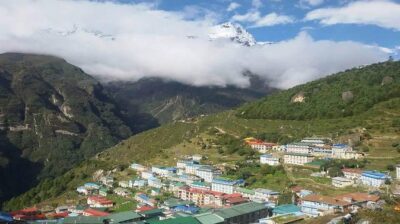
The hike to Namche Bazaar follows the Dudh Koshi riverside and passes through forests of pine, oak, and rhododendron. It’s not just pretty. This section gives your body a chance to work while conditions are still workable.
You’ll also reach Monjo, the entrance area for Sagarmatha National Park. That park boundary feels symbolic because you’re no longer in “just trekking roads.” You’re in the protected Everest region where the trail rules, permits, and overall structure matter.
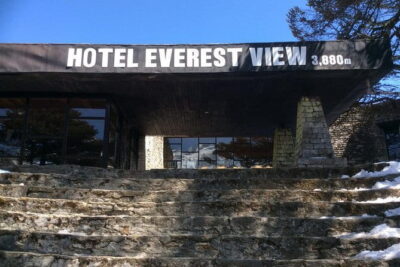
Then you get your first acclimatization day in Namche. This is smart, and it’s one reason people survive these treks with fewer problems than they expected. Instead of pushing higher every day, you go on a hike to the Hotel Everest View area for panoramic views of the Khumbu region.
Two things you’ll appreciate during acclimatization:
1) You get views without the full physical cost of a high pass day.
2) You get time to watch how the locals live and how the Namche community moves through the day.
If you’re prone to rushing, use this day to reset your breathing and walking style.
Another way to spend the time in Nepal:
- Private Kathmandu Sightseeing Tour | UNESCO World Heritage sites
★ 5.0 · 756 reviews - Kathmandu: 7 UNESCO Sites with Lunch
★ 4.8 · 744 reviews - Everest Base Camp Helicopter Tour landing at Everest View Hotel
★ 5.0 · 668 reviews - Half day cooking class in Thamel kathmandu
★ 5.0 · 607 reviews
Namche to Dhole to Machherma: a gentler climb into higher country
After Namche breakfast, the trek continues toward Dhole. This stretch helps you transition from the Namche area into deeper Khumbu trekking. You’ll notice how the mountains feel closer here, even when the elevation changes are still gradual.
Then comes the move to Machherma from Dhole. The trail ascends up to around 4,470 m, with long views of glaciated areas in the distance. You’re getting into the zone where the air feels thinner and the cold can start to bite, even when the sun is out.
Machherma is a good “culture and rhythm” night. You’ll have free time to walk around the village area and see daily life up close. That matters because the trek is not only about summiting anything. It’s also about understanding the places that exist around the big mountains.
Gokyo Valley: Gokyo Lake and the day you stop and stare
Getting to Gokyo Lake is a key pivot. The trek goes through rocky ascent to reach the lake area at around 4,470 m. This part often gives you that wow moment because of the water reflection. When light hits the lake, the surrounding peaks can look almost symmetrical.
Then you climb Gokyo Ri to about 5,360 m. This is the day that tends to convert “I came for Everest” into “I came for this entire region.” From the top, you can see Everest, Makalu, Cho Oyu, and many other peaks.
It’s not only a quick climb and leave. You also get full day excursion time around the Gokyo valley area, then overnight near the lakeside. That means you’re not rushing to the next town before you’ve really felt the place.
Thagnag to Dzongla: snowfields and the slow build to Cho La
Day nine takes you to Thagnag from the Gokyo valley area. Expect snowfields and mountain views with some challenge built into the walking. This day is a bridge: it reminds you that the trek is moving toward higher, colder terrain even if the scenery stays gorgeous.
Then you push toward Dzongla via the Chola Pass day, which is considered the most important part of this whole trek. This is your big commitment day, and it’s why the itinerary is structured the way it is.
Cho La Pass day: high altitude, big views, and no shortcuts
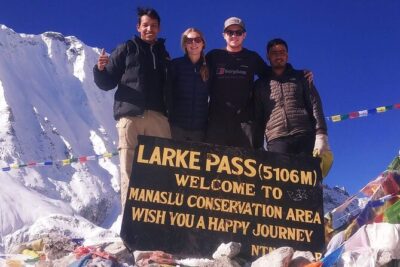
On the Chola Pass day, you climb up to Chola Pass (around 5,368 m) and then descend to Dzongla. Expect a long day, and expect to feel the altitude. This is not a photo-only moment. You work for it.
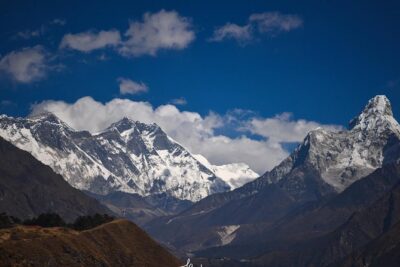
The payoff is the kind of view that makes your brain forget tired legs. The pass area puts Everest, Ama Dablam, Cho Oyu, Lhotse, Nuptse, Makalu, and more into the same visual space. It’s the sort of panorama where you don’t know what to look at first.
Practical reality: Chola Pass days can be cold and slow. Even with a guide, weather and trail conditions influence how quickly you move. You’ll want warm layers and gloves that actually keep your hands comfortable, not just “covered.”
After you reach Dzongla, you get time to explore the area around your overnight stop. That evening decompression is important because it helps you recover before the glacier country section.
Glacier country to Lobuche and Gorakshep: cold grows more noticeable
The next day continues from Dzongla toward the Khumbu Glacier area. You’ll have dramatic scenery around you, with big peaks like Tawache and Cholaste in view. This section also underlines the temperature factor. Cold feels more intense at these elevations, and it can make short breaks feel longer.
When you reach Lobuche, the cold can be serious, and this matters for gear. If you tend to feel cold easily, plan to treat warmth as part of pace. Warmth helps you walk more steadily, because you don’t constantly stop to re-warm.
Then you move to Everest Base Camp from the Lobuche to Gorakshep route. The plan includes reaching Gorakshep first, then visiting Everest Base Camp. For many people, being at the foothills of the world’s highest mountain is hard to describe, but you can prepare for the feeling by understanding this: it’s not just a viewpoint. It’s a staging place with a lot of meaning in mountaineering.
You’ll overnight at Gorakshep, which is a reminder that altitude nights are part of the challenge, not just the trekking hours.
Kala Patthar: the close-up Everest moment
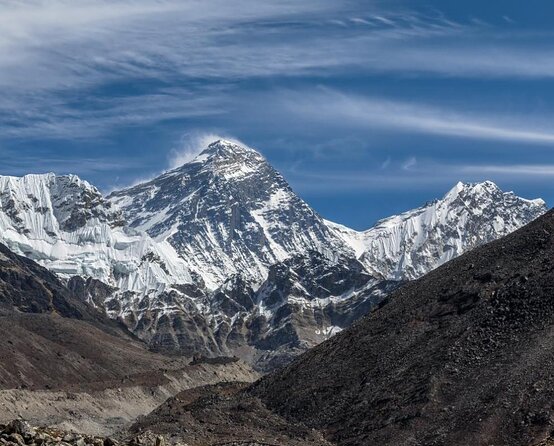
The Kala Patthar push is a must. You start from the high area and hike toward the viewpoint where you get close-up views of Everest, as well as Amadablam and Pumori. The giant glaciers around you make it feel like you’re standing inside the mountain’s model.
After the viewpoint, you keep trekking to a smaller settlement area, Pangboche. This shift is nice because it gives you a bit of texture after the extreme heights: calmer village vibes, a chance to eat and talk, and a walk that feels less like a technical fight.
Pangboche also sets up the next big descent day back toward Namche.
Back toward Namche and the final stretch to Lukla
Pangboche to Namche is a long downhill day, and it helps your body recover while still keeping your legs honest. You reach Namche Bazaar, and there’s also mention of Wi-Fi access in the area. That can be useful if you want to send photos, check in with home, and breathe for a minute.
The Lukla direction day follows a sandy path and can feel strenuous. You’ll also spend time around Lukla Bazaar and pick up local items. There’s a small celebration element here too, with time for drinks after you finish the harder trekking days.
The last trekking night in Lukla is your psychological landing. You’ve earned rest, but you’re also still at a point where you need to keep your routine consistent, eat well, and stay hydrated.
Flying home, plus a farewell dinner with culture
Day sixteen brings the morning flight back to Kathmandu. The route is described as scenic, and if weather allows, you may enjoy mountain views from the airplane window. Then you get transferred to your Kathmandu hotel again, with leisure time or last sights and shopping.
Day seventeen is the clean exit: you’ll be taken to the airport about 3 hours before your scheduled flight. That buffer matters in Kathmandu, where timing can be sensitive.
One warm touch is the farewell dinner at an authentic Nepalese restaurant with cultural performance. It’s included, so it doesn’t force you to make decisions after trekking for two weeks.
Guides, porters, and the kind of help that keeps the trek on track
The operator includes an experienced guide and porter support, with a porter for every two clients. That means your main job stays walking, while the team helps carry the right things so you don’t burn extra energy hauling your load.
I also like that they explicitly include travel and rescue arrangements and a first aid kit on the trip. That doesn’t eliminate risk, but it does show they plan for it.
From past experiences, the guide quality can be excellent. One named guide, Ang Pemba, was described as really nice, and the experience was recommended specifically because of his support. Another set of comments praised Bhogwat for being punctual and helpful with paperwork and even the smaller details that make arrival easier.
What the trekking style feels like day to day
This trek is a steady grind with a clear rhythm:
- acclimatize before you go higher,
- move into bigger altitude zones gradually,
- then hit the big pass and the high viewpoints.
The lodge based nights mean you’ll be sleeping in tea house accommodations on twin sharing during the trek. The trade-off is simple: no wild camping, and instead you rely on basic comforts, hot drinks, and predictable stops.
Meals are included during the trek portion, so you’re not constantly hunting food. Still, bring snacks for the steep moments. When you’re cold and working hard, a small calorie boost can keep your pace steady.
Also, if you need a vegetarian option, you should request it at booking. The program states vegetarian meals are available if you advise ahead.
Should you book the Everest Chola Pass Trek-17 Days?
Book it if you want Everest region highlights in one route, especially Gokyo Ri, Cho La, and Kala Patthar on the same journey. This itinerary gives you variety across the Khumbu, not just the classic end-to-end EBC feel. If you like the idea of seeing multiple valleys and not only one base camp area, this plan fits.
Skip or think twice if you know you struggle with cold, altitude, or long steep days. This trek includes high passes and high viewpoints, and the cold near the high camps is part of the deal. Also, if your schedule can’t handle flight delays, build extra flexibility into your travel dates.
If you do book, prep well: train your legs, pack warm layers you can actually use, and trust the acclimatization rhythm. That is where your safety margin comes from.
FAQ
What is the meeting point and start time?
The meeting point is Tribhuvan Airport, Kathmandu, Nepal, with a start time of 6:00 am. The activity ends back at the meeting point.
How do you travel to Lukla?
You fly from Kathmandu to Lukla, and the route is described as Kathmandu to Lukla and also Kathmandu or Ramachap to Lukla and then Ramachap flight on the return side, depending on the plan.
Are permits included for the Everest region?
Yes. TIMS permit and Khumbu Valley fees are included.
What kind of accommodation is provided?
In Kathmandu, you get two nights in a 3-star hotel with breakfast. During the trek, you stay in lodges or tea houses on twin sharing.
Are meals included?
Yes, during the trekking period lunch, dinner, and breakfast are included. Meals in Kathmandu are not included. A vegetarian option is available if you advise at booking.
Do you provide a guide and porter?
Yes. The tour includes an experienced guide and porter support, with 1 porter for 2 clients.
Is this tour private?
Yes. It is listed as a private tour or activity, so only your group participates.
What fitness level do I need?
You should have a strong physical fitness level.
What is not included in the price?
Not included: Nepal visa fee, international airfare to and from Kathmandu, extra hotel nights in Kathmandu, all meals in Kathmandu, any extra costs in the mountains due to schedule changes, travel and rescue insurance, personal expenses, and tips for the guide and porter.
What is the cancellation policy?
Free cancellation is available up to 24 hours in advance for a full refund. If you cancel less than 24 hours before the start time, the amount paid is not refunded.
Latest additions near Kathmandu
- White Water River Rafting – 1 Day★ 4.3 · 3 reviews
- Traditional Momo Making Class★ 5.0 · 10 reviews
- Kathmandu to Pokhara Premium sofa bus ticket★ 4.0 · 17 reviews
- Ghorepani Poon Hill Trek★ 5.0 · 16 reviews
- Amazing 1 Day Trekking Experience in Kathmandu Nepal★ 5.0 · 24 reviews
- Ghorepani Poonhill Trek★ 5.0 · 5 reviews
- Walking tour of real Kathmandu through back streets.★ 5.0 · 3 reviews
- Wildlife Adventure in Chitwan Nepal★ 4.0 · 4 reviews
Treks in Kathmandu, compared.
Nagarkot Sunrise View and Day Hiking from Kathmandu
Read our review →