
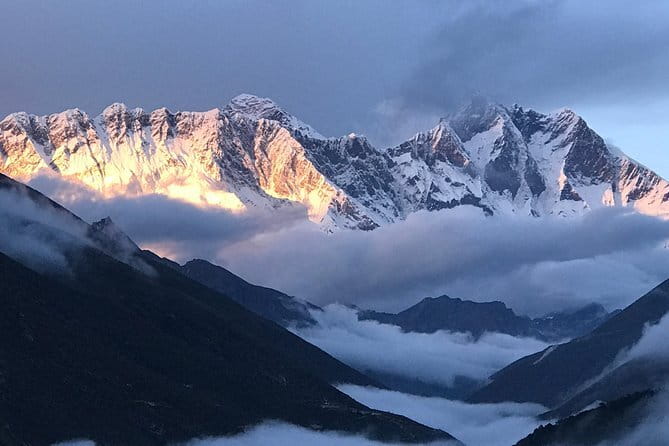
Reviewed · EVEREST BASE CAMP TREKS
Everest Base Camp
Everest Base Camp makes distance feel small. This trek is built around the mountains, but it also brings in Nepal’s day-to-day life, local culture and traditions, and the food you’ll actually eat along the way. You’re not just moving uphill, you’re learning how people live in the Himalayan region.
I love that you get real human support, with guides such as Devendra Rai and Mowli, plus a porter team named in past trips like Kamal, Pramod, Saroj, DK, Bimal, and Kamal again in different groups. I also like that meals and accommodations are included, so you can spend your energy on walking, breathing, and resting when you need to.
The main consideration is the hard reality of high altitude fitness and budgeting for drinks. The trek requires strong physical fitness, and beverages like mineral water and alcohol are not included, plus emergency evacuation is not part of the price.
In This Review
- Quick hits before you commit to Everest Base Camp
- Why Everest Base Camp feels like more than a checkbox
- Price and value: what $2,389.75 really covers
- Getting started in Kathmandu: Tribhuvan Airport at 10:15 am
- The Lukla to Everest Base Camp trek, step by step
- Kala Pattar: the day that turns the volume up
- Food and drinks: what’s included, what you must budget
- The team on the ground: why guides and porters change everything
- Logistics and comfort: accommodations and daily flow
- Who should choose this Everest Base Camp trek
- Should you book this Everest Base Camp experience?
- FAQ
- Where does the Everest Base Camp tour start?
- How long is the Everest Base Camp experience?
- What is included in the tour price?
- What is not included in the price?
- Do I need travel insurance?
- Is tipping mandatory?
- Do they offer pickup in Kathmandu?
- Are emergency evacuations covered?
- Is cancellation free?
- Is a service animal allowed?
Quick hits before you commit to Everest Base Camp
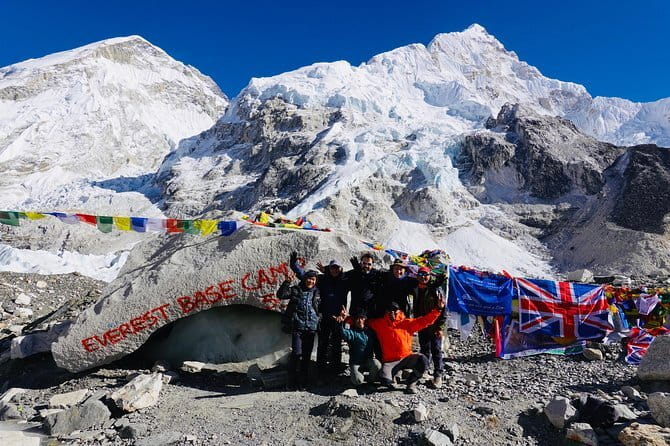
- Devendra Rai and Mowli’s team approach: people describe feeling safe and well cared for, not shoved along.
- Lodge acclimatization breaks: the pace includes rest stops in lodges, where acclimatization is treated as part of the plan.
- Meals are handled for you: breakfast, lunch, dinner, plus coffee and/or tea are included.
- The core trek runs Lukla to Everest Base Camp and back: one of the routes is noted as Lukla to EBC and back in about 11 days.
- Kala Pattar fits into the experience: past trips mention a superb day reaching Kala Pattar for big views.
- Drinks and safety add-ons cost extra: mineral water, alcohol, travel insurance, and emergency evacuation are not included.
Why Everest Base Camp feels like more than a checkbox
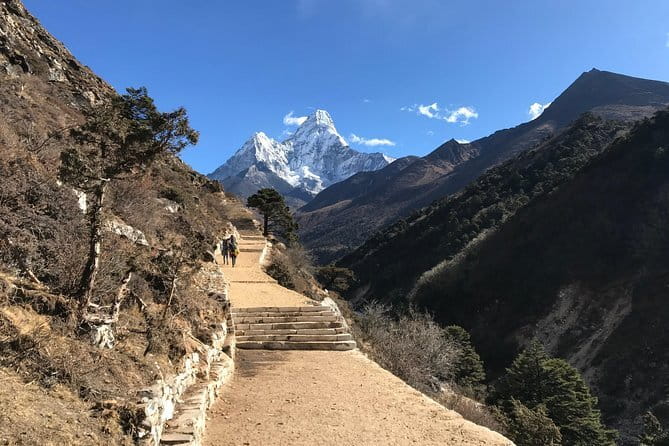
Everest Base Camp is one of those rare travel goals that changes your brain on purpose. The experience isn’t only about the final destination. It’s about the steady movement through high altitude conditions while your body learns to cope, and your mind gets quieter because you have to focus on breath, footing, and timing.
This particular trek also aims to keep the “Nepal part” present. You can expect culture and tradition to show up in daily life, not as a museum stop. The plan also includes time for nature, which matters in the Himalaya because you’re walking through ecosystems that feel very different from what you may be used to at sea level. Add in local food and you get a travel rhythm that’s more lived-in than tour-bus tourism.
More Everest Base Camp treks:
- Everest Base Camp Trek – 14 Days
★ 5.0 · 1,499 reviews - Everest Base Camp Trek
★ 5.0 · 842 reviews - Everest Base Camp Helicopter Tour landing at Everest View Hotel
★ 5.0 · 668 reviews
Price and value: what $2,389.75 really covers
The price is listed at $2,389.75 per person, and the duration is roughly 10 to 17 days depending on the exact route and pacing. That puts it in a rough range of about $140 to $240 per day. High altitude treks are never cheap, but this number makes more sense when you look at what’s included.
What’s included is the stuff that usually costs real money and causes real stress on trek days:
- accommodations
- a guide and other staff
- all logistics
- breakfast, lunch, dinner
- coffee and/or tea
What’s not included is also clear, and that matters for value:
- alcoholic beverages
- all beverages including mineral water and alcoholic drinks
- international airfares
- travel insurance
- emergency evacuation if needed
- tipping for guides, porters, and drivers (not required, but customary)
So, the value question becomes: do you want your trek to feel organized and supported, or do you want to manage logistics yourself? With this kind of package, you pay for predictability. And in the Everest region, predictability is comfort, and comfort helps you acclimatize better.
Getting started in Kathmandu: Tribhuvan Airport at 10:15 am
Your trek begins in Kathmandu at Tribhuvan Airport, with the start time listed as 10:15 am. That’s useful because it tells you when you should plan your arrival and jet lag. If you are flying in, build buffer time, because the airport-to-city transition can eat up energy.
The tour also notes pickup is offered, and you’ll receive a confirmation at booking time. You’re also told this is close to public transportation, which is helpful if you decide to add extra city time on your own. A mobile ticket is included, which means fewer printed hassles once you’re already tired.
One more practical note: this is not a “sit and observe” kind of trek. The baseline requirement is strong physical fitness, and the experience explicitly expects you to handle the physical and mental load of trekking at altitude.
The Lukla to Everest Base Camp trek, step by step
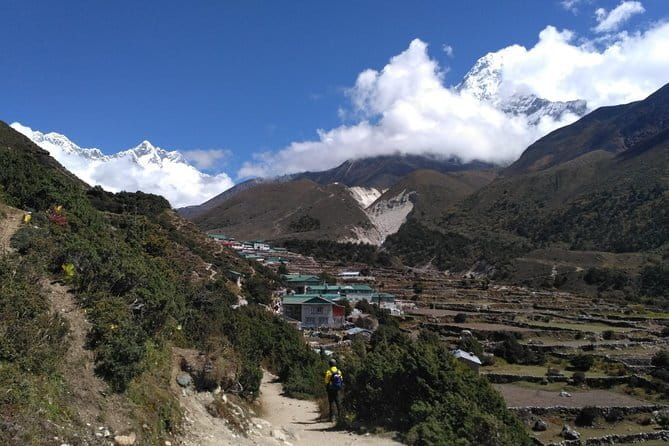
Your trekking portion centers on the route from Lukla to Everest Base Camp and back. One of the trip styles mentioned is a slightly shorter plan of about 11 days covering Lukla to EBC and return. That gives you an idea of pacing, because a shorter EBC trek still needs time for acclimatization, rest, and enough walking time to feel properly adjusted.
Here’s what you can count on during the core trekking stretch:
- daily walking with steady altitude pressure
- lodge stays along the way
- acclimatization built into the schedule
The acclimatization part is not just “optional downtime.” Past trek experience notes described acclimatization at lodges as faultless. That matters because in the Everest region, resting at the right time can make the difference between a struggle and a survival-march. Even if you feel strong, you still need to respect the schedule your guide sets.
Also, this trek includes mountain and nature experiences throughout your walking days. You’ll see flora and fauna adapted to cold, thin air conditions, plus the constant visual reminder that the Himalaya is doing most of the work for your imagination.
Another way to spend the time in Nepal:
- Private Kathmandu Sightseeing Tour | UNESCO World Heritage sites
★ 5.0 · 756 reviews - Kathmandu: 7 UNESCO Sites with Lunch
★ 4.8 · 744 reviews - Half day cooking class in Thamel kathmandu
★ 5.0 · 607 reviews - Everest Base Camp Trekking
★ 5.0 · 485 reviews
Kala Pattar: the day that turns the volume up
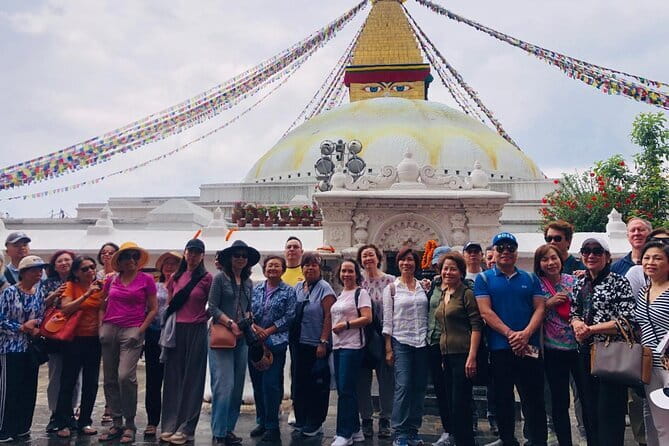
Everest Base Camp is the headline, but Kala Pattar is often the moment people remember when they look back at the whole trip. This trek includes Kala Pattar as part of the experience, and it’s mentioned specifically alongside reaching Everest Base Camp.
Practically, Kala Pattar is the type of day where you show up focused. You’re walking for views, and you’re also managing cold and breathing. If you pace yourself the same way you do on flatter hikes, you may feel punished. The upside is that a well-run group day makes this part smoother.
If your goal is pure scenery, Kala Pattar is a strong reason to choose this style of EBC trek rather than a minimalist itinerary.
Food and drinks: what’s included, what you must budget
This is one of the more comfortable package aspects. You’ll get:
- breakfast
- lunch
- dinner
- coffee and/or tea
That means you do not have to figure out meal logistics every single day. In the Himalaya, food decisions are also energy decisions. Having meals arranged helps you eat enough calories, and it keeps your day from turning into scavenger hunt fatigue.
Where you need to plan ahead is beverages. All beverages including mineral water are not included. Alcohol is also not included, and that’s usually a good thing because you’re trekking at altitude. Alcohol can interfere with sleep and hydration, so even if it were included, I’d still treat it as a “special treat,” not a daily habit.
Bring cash for water and any extra drinks you want. Don’t assume your included meals mean unlimited fluids.
The team on the ground: why guides and porters change everything

In high altitude trekking, the difference between a good trip and a great trip is rarely your shoes. It’s your support system. This trek is run by Rai Treks and Expeditions Pvt Ltd, and the named team members in past experiences point to consistent, attentive guidance.
Devendra Rai and Mowli come up again and again as guides, paired with porters and staff such as DK, Bimal, Kamal, Pramod, Saroj, Promad, and Sandeez. What matters is not the names for their own sake. It’s what people describe: feeling safe, being in good hands, and getting help when you need it.
That kind of support shows up in small ways:
- knowing when to slow down
- keeping the group moving with a realistic pace
- sorting logistics so your mind stays on trekking, not problem solving
If you’re going for Everest Base Camp as a first big Himalayan goal, you’ll be glad you’re not doing this alone.
Logistics and comfort: accommodations and daily flow
Accommodations are included. That matters because you can’t underestimate how quickly cold and fatigue stack up. When lodging is part of the package, you’re less likely to end up in an uncomfortable surprise after a long day of walking.
You should still expect lodge life to be simple. High altitude treks trade luxury for access and location. The best you can do is arrive ready to sleep, eat, and recharge. With this trek, the schedule is organized around those needs, not around maximizing walking hours every day.
Also, one of the practical details is that service animals are allowed. That won’t apply to everyone, but it’s a useful inclusion if you travel with a working animal.
Who should choose this Everest Base Camp trek
This trek is a fit if you want:
- guided structure and logistics handled for you
- lodge-based acclimatization stops
- meals included so you can focus on walking and resting
It’s also a smart choice for first-time visitors to Nepal who want local support without guessing. Multiple experiences note first-time Nepal energy, and the common theme is friendly guidance and a sense of safety from arrival day onward.
You should think twice if you:
- are not confident in your physical fitness
- need frequent, flexible drink options, especially mineral water (not included)
- want emergency evacuation coverage built into the price (it is not included)
Should you book this Everest Base Camp experience?
Here’s my honest take. If your dream is Everest Base Camp with dependable support, this package is built for you. Devendra Rai and Mowli plus the porter and staff network is a major value piece, because it turns a scary altitude goal into a managed, step-by-step plan. Add in accommodations and meals, and you remove a lot of daily decision fatigue.
Book it if you’re ready to train and you can accept that drinks like mineral water are extra. Also plan your outside-of-package costs: travel insurance, international airfare, and emergency evacuation are not included, so make sure you handle those separately before you go.
Skip this plan if you want a fully “all-inclusive” drink-and-safety bubble with no extra admin. And if you’re on the edge fitness-wise, consider building strength first. For an EBC trek, strong physical fitness is not a suggestion, it’s part of the deal.
FAQ
Where does the Everest Base Camp tour start?
The tour start is at Tribhuvan Airport, Kathmandu, Nepal, with a start time listed as 10:15 am.
How long is the Everest Base Camp experience?
The duration is listed as 10 to 17 days, approximately.
What is included in the tour price?
Included items are coffee and/or tea, breakfast, lunch, dinner, accommodations, a guide, other staff, and all logistics.
What is not included in the price?
Not included are alcoholic beverages, all beverages including mineral water and alcoholic drinks, international airfares, travel insurance, emergency evacuation if needed, and tipping for guides, porters, and drivers.
Do I need travel insurance?
Travel insurance is not included, so you should arrange it separately.
Is tipping mandatory?
Tipping for guides, porters, and drivers is not mandatory, but it is customary in Nepal.
Do they offer pickup in Kathmandu?
Pickup is offered.
Are emergency evacuations covered?
Emergency evacuation if needed is not included.
Is cancellation free?
Yes, there is free cancellation. You can cancel up to 24 hours in advance of the experience for a full refund, and within 24 hours there is no refund.
Is a service animal allowed?
Yes, service animals are allowed.
Latest additions near Kathmandu
- White Water River Rafting – 1 Day★ 4.3 · 3 reviews
- Traditional Momo Making Class★ 5.0 · 10 reviews
- Kathmandu to Pokhara Premium sofa bus ticket★ 4.0 · 17 reviews
- Ghorepani Poon Hill Trek★ 5.0 · 16 reviews
- Amazing 1 Day Trekking Experience in Kathmandu Nepal★ 5.0 · 24 reviews
- Ghorepani Poonhill Trek★ 5.0 · 5 reviews
- Walking tour of real Kathmandu through back streets.★ 5.0 · 3 reviews
- Wildlife Adventure in Chitwan Nepal★ 4.0 · 4 reviews
Everest Base Camp Treks, compared.
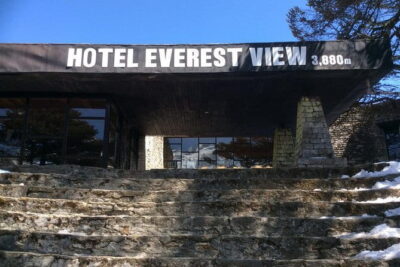
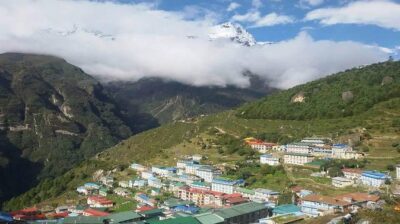
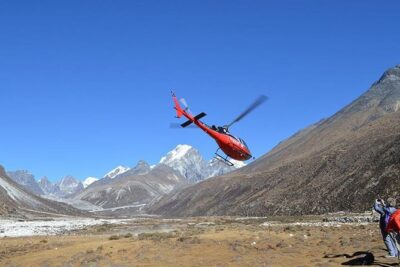
Everest Base Camp Helicopter Tour landing at Everest View Hotel
Read our review →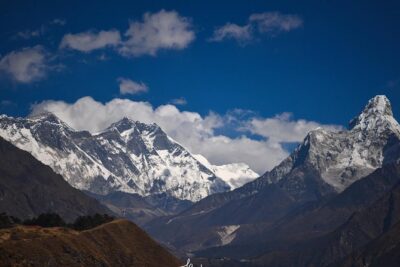
Everest Base Camp Helicopter Tour landing at Hotel Everest View
Read our review →
Browse the lists this tour appears in