
Reviewed · EVEREST BASE CAMP TREKS
Everest Base Camp Trekking
Everest is close enough to worry about weather, altitude, and your breath. This trek is interesting because it combines classic high passes scenery, Kala Patthar summit views, and Sherpa culture stops like Tengboche Monastery. I also like that the plan builds in acclimatization days in Namche Bazaar and Dingboche, so you are not just trucking upward nonstop. One thing to consider up front, the Lukla flights can be unpredictable in bad weather, so you need a flexible mindset for timing.
What I think you’ll like most is the structure. It is a private tour for your group, and it runs with a licensed guide and included permits, flights, lodging, and meals. That matters on Everest, because logistics are half the battle, and you want your brain focused on the trail, not paperwork.
In This Review
- Key highlights before you set foot on the trail
- Why Everest Base Camp feels more personal than it looks on Instagram
- Kathmandu to Ramechhap to Lukla: the start that can change the schedule
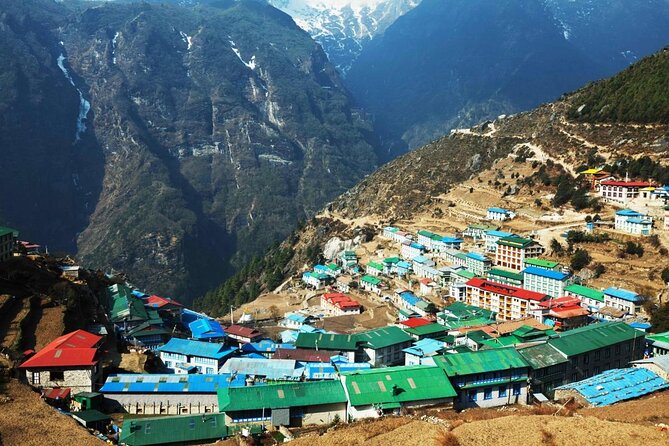
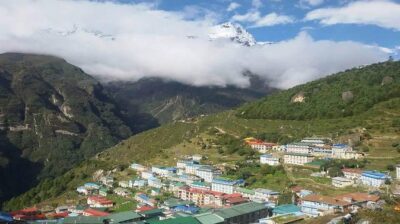
- The Dudh Koshi corridor: Phakding, Monjo, Jorsale, then Namche Bazaar
- Namche Bazaar acclimatization: museums, monasteries, and practical altitude work
- Tengboche: prayer wheels, prayer ceremonies, and one of the Everest-region spiritual anchors
- Toward Dingboche: from Tengboche prayer ceremonies to Deboche and the Imja Khola corridor
- Dingboche to Lobuche: moraine walking, ridge sections, and haze that changes everything
- Gorak Shep to Kala Patthar: where the summit view finally makes sense
- Everest Base Camp day from Pheriche: slippery steps and the raw scale of icefall country
- The return loop: Tengboche, Namche, Lukla, then Thamel
- Price and value: what $1,300 covers and where the extra costs hide
- What to expect day to day, and how to judge fit before you commit
- Should you book Everest Base Camp Trekking with Trek Mania Nepal?
- FAQ
- How long is the Everest Base Camp trekking experience?
- What’s included in the $1,300 per person price?
- Which permits are included?
- What are the best months to do this trek?
- Can you see the summit of Mount Everest from Everest Base Camp?
- What should I know about the Lukla flights?
- Is shower time included, and what gear do I get?
Key highlights before you set foot on the trail
- Ramechhap to Lukla jumpstart: an alternative gateway route when it helps during peak season.
- Namche acclimatization: Sherpa Culture Museum and practical side hikes for altitude adjustment.
- Tengboche Monastery day: prayer ceremonies, big mountain views, and cultural context.
- Kala Patthar at about 5,550m: one of the best chances for a close view of Everest from this area.
- Everest Base Camp on the glacier edge: raw scale of the Khumbu Icefall region, without needing Everest-summit sightings.
Why Everest Base Camp feels more personal than it looks on Instagram
Everest Base Camp is famous because it is dramatic, but the real pull is how remote and grounded it feels once you are up there. You walk through villages and forested sections on the Dudh Koshi, then the air gets thinner and the scenery turns stark. The change is gradual, not sudden, which helps your body and your mind handle what is coming.
I also like that this trek does more than “get you to Base Camp.” You get a sequence of viewpoint moments and culture stops, not just distance. Namche Bazaar is your first big altitude checkpoint, Tengboche is the spiritual centerpiece, and Kala Patthar is the high point that ties the whole story together.
The vibe is serious, but it is not only survival mode. There are soft breaks built in, like time in Namche, prayer ceremonies at monasteries, and the long day that returns you down step by step instead of treating descent like an afterthought.
More Treks in Kathmandu
- Everest Base Camp Trek – 14 Days
★ 5.0 · 1,499 reviews - Everest Base Camp Trek
★ 5.0 · 842 reviews - Everest Base Camp Trekking
★ 5.0 · 485 reviews
Kathmandu to Ramechhap to Lukla: the start that can change the schedule
Day 1 is a practical logistics lesson, because it sets the tone for the whole trip. You start from Kathmandu and take a road journey of about five hours to Ramechhap, a quiet town that acts as an alternative gateway to the Everest region during peak trekking season. This is not just a transfer. It is your first mountain wake-up, with countryside and foothills passing outside the window.
Then comes the flight into Lukla, tied to Tenzing-Hillary Airport in the trek routing. Lukla is known for its very short, challenging runway and dramatic mountain views on arrival. The key point for you: flights here can be unpredictable due to weather. That does not mean the trek is doomed, but it does mean you should plan to stay calm if timing shifts.
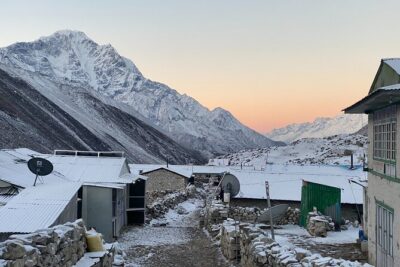
From Lukla you walk to Phakding, staying close to the Dudh Koshi river corridor. This stretch gives you your first tastes of Sherpa village life, suspension bridges, and prayer walls carved with Buddhist mantras. You end the day in Phakding, which is a good early stop because it is next-door to where you want to go the next morning.
The Dudh Koshi corridor: Phakding, Monjo, Jorsale, then Namche Bazaar
Day 2 is long, and it matters how it is paced. Your walk starts easy by high-country standards, then the climb thickens as you approach Namche Bazaar. Early on, you travel from Phakding toward Monjo along a scenic trail on the west bank of the Dudh Koshi River. This section is relatively gentle, with suspension bridges, mani stones, and prayer flags. You also pass through small Sherpa villages such as Toktok and Bengkar.
One very concrete moment on this day is the park check at Monjo, where Sagarmatha National Park entry permits are verified. If you like clarity, you will appreciate that these paperwork steps are baked into the route. It removes uncertainty and keeps you from hunting for documents on the trail.
After Monjo comes a short, peaceful stretch to Jorsale, the last village before Namche. This is a breather zone, with river sounds and forest walking, usually taking only 30 to 45 minutes.
Finally, you arrive at Namche Bazaar through one of the most famous types of Everest-region climbs: a big suspension bridge crossing near the confluence of the Dudh Koshi and Bhote Koshi, then a steep ascent with switchbacks through pine and rhododendron forest. On a clear day, there is a viewpoint partway up where you might catch your first glimpse of Mount Everest along with Lhotse and Nuptse. That moment is why people keep doing this trek.
Namche Bazaar acclimatization: museums, monasteries, and practical altitude work
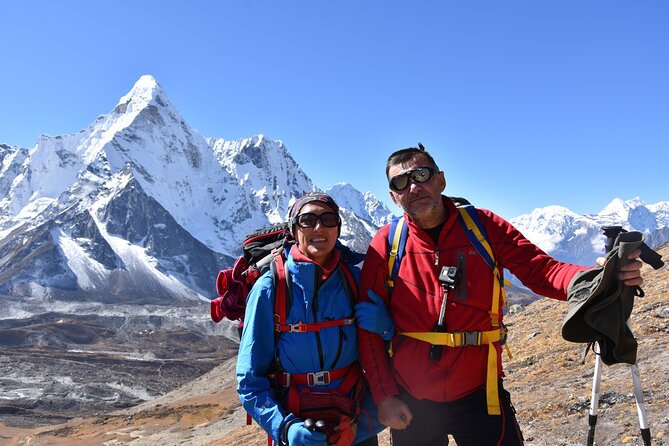
Day 3 is your official acclimatization day in Namche Bazaar. This is not “free time” in the careless sense. It is altitude strategy. Namche sits high enough to start the adjustment process, and it also gives you sunny warmth compared with the colder feel of higher passes.
You can explore the Sherpa Culture Museum, which focuses on Sherpa history and the connection between the Sherpa people and the Himalayas. Even if you do not consider yourself a museum person, it helps you understand who you are walking through, not just where you are walking.
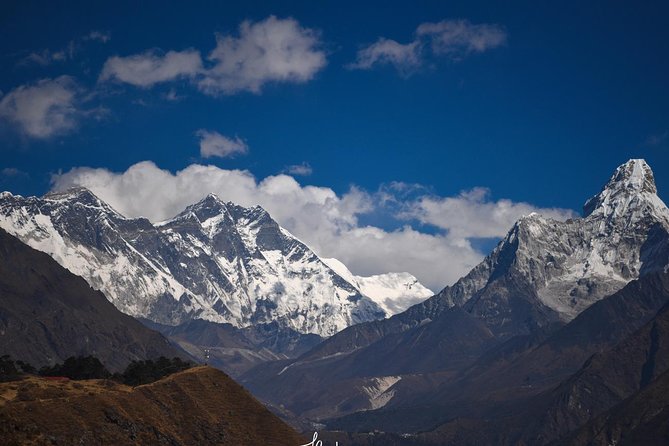
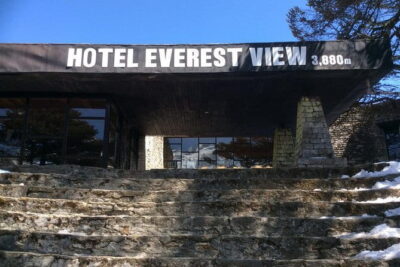
You also have two solid side hike options. One is up to the Everest View Hotel for panoramic views of Everest, Lhotse, Ama Dablam, and other peaks. The other is a scenic walk to Khumjung and Khunde villages, with monastery visits and the famous Yeti scalp display at Khumjung Monastery.
What I like here for your trip is the balance. You are doing real walking for your legs and lungs, but you are not adding a huge altitude jump on day 3. Reviews tied to this trekking route often praise guides for keeping the pace safe and the group feeling well cared for, and Namche is where that kind of calm planning really shows.
More Everest Base Camp treks:
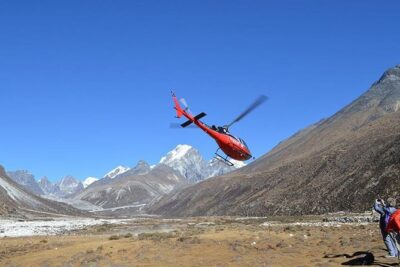
- Everest Base Camp Helicopter Tour landing at Everest View Hotel
★ 5.0 · 668 reviews - Everest Base Camp Trekking – 13 Day
★ 5.0 · 365 reviews - Everest Base Camp Trek
★ 5.0 · 350 reviews - Everest Base Camp Trek -14 Days
★ 5.0 · 321 reviews
Tengboche: prayer wheels, prayer ceremonies, and one of the Everest-region spiritual anchors
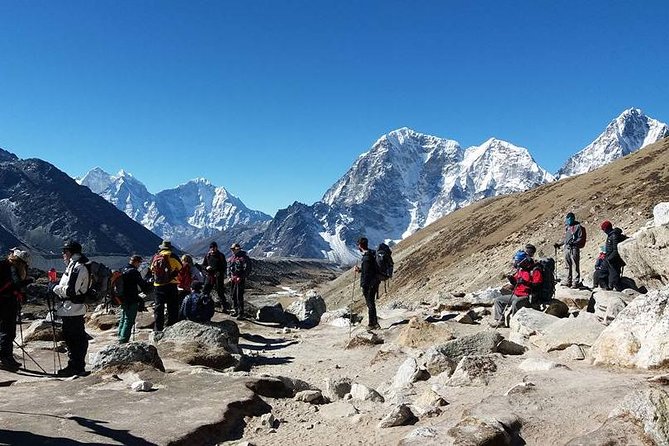
Day 4 heads out of Namche and pushes you toward Tengboche, one of the best-known monastery areas on the Everest route. Before you reach the spiritual core, you stop at Phunki Thanga. This viewpoint stop is a strong mix of scenery and meaning, with big views that can include Ama Dablam, Lhotse Shar, Taboche, Kangtega, and Thamserku.
Then you pass a line of seven water-powered prayer wheels at Phunke Tenga, spinning continuously with the river flow. Locals connect each rotation to reciting Om Mani Padme Hum, so this is more than a photo stop. It is a moment where the trek slows down and your brain catches up.
Later, you climb through meadows of Saso Kharka as the forest thins, and you reach Tengboche Monastery. The monastery is described as the largest and most significant monastery in the Everest region. It is set with a powerful mountain backdrop, which makes it a place where culture and views land at the same time, not as separate attractions.
If you are worried about weather hiding everything, Tengboche is still worth it. Even on hazy days, the monastery visit gives you something sturdy and human.
Toward Dingboche: from Tengboche prayer ceremonies to Deboche and the Imja Khola corridor
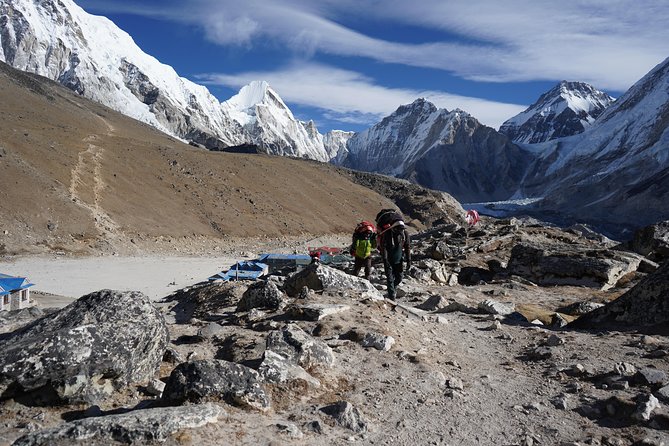
Day 5 starts early at Tengboche with prayer ceremonies, plus time to explore the monastery interiors and exteriors. The trek description calls out fine paintings of Buddha and Guru Rinpoche around the walls. That detail matters because Tengboche is not just a building you pass. You get time to notice.
Then you move on toward Deboche, where views of Ama Dablam and other peaks become more present. The route also follows through a bridge crossing that keeps you west of the Imja Khola. Along the way, there are large black overhanging rocks that used to provide shelter for porters and ponies in the days before lodges were common.
You continue through Somare, parallel to the Imja Khola, until you reach Dingboche. This village area is your gateway to higher, more exposed terrain.
Day 6 is another crucial acclimatization day. You stay at Dingboche and get a slower, altitude-friendly rhythm. A standout detail here is a long stone wall and the story behind it, where farmers stacked separated rocks over time. It is one of those local explanations that makes the place feel real, not just like a waypoint.
Dingboche to Lobuche: moraine walking, ridge sections, and haze that changes everything
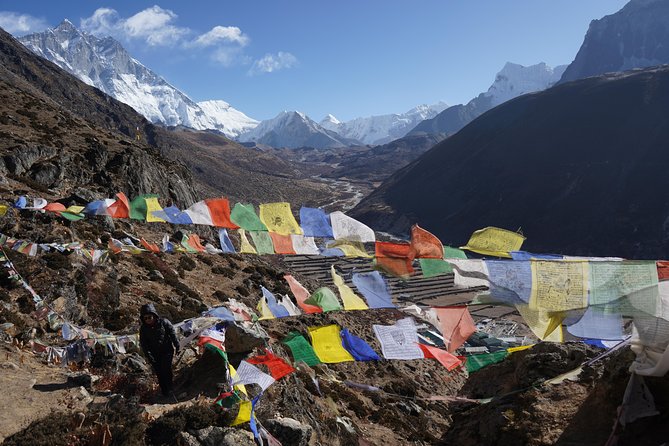
Day 7 pushes you from Dingboche toward Lobuche, mostly along moraine terrain. The walk can be divided into two trail styles. First you ascend over the moraine and move along a ridge, sometimes through pastures, until you reach Dughla.
On the ridge you might see mountains to the north, but haze often covers views. That is important for your expectations. On Everest treks, weather does not just affect comfort, it changes what you can see. A hazy day still counts, because the effort and acclimatization progress still happen.
The second part of the day continues from Dughla onward to Lobuche. By now, you are in the high, glacial zone where the trail feels more stark. This is where good pacing and steady breathing matter more than speed.
Gorak Shep to Kala Patthar: where the summit view finally makes sense
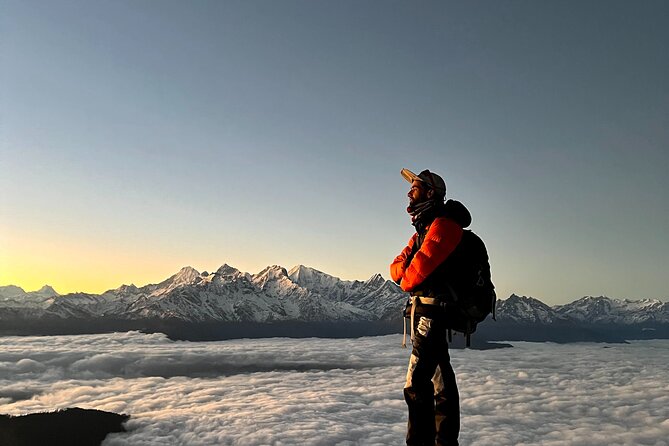
Day 8 is the big high-altitude grind, and it is split into two distinct parts. First you trek from Lobuche to Gorak Shep early in the morning. The route follows the lateral moraine of the Khumbu Glacier. Even when elevation gain is not extreme, the thin air makes each step feel harder.
This is also where the views start to tease and reward. You can see Pumori, Nuptse, and icy ridges of Everest in the distance. After about 3 to 4 hours, you reach Gorak Shep at around 5,140m, the last settlement before Everest Base Camp.
Then you hike to Kala Patthar (around 5,550m). The climb is described as a steep, steady ascent over loose rock and dusty switchbacks, taking about 2 hours. It is not only a leg burner. It is also a focus exercise, because you have to keep moving while the altitude pulls at your breath.
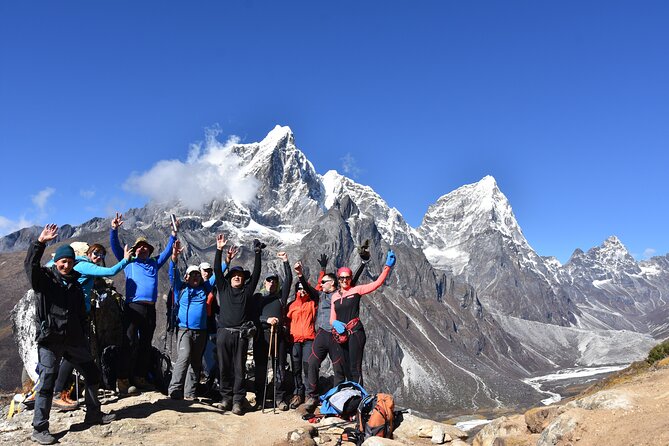
At the top, Kala Patthar gives you a 360-degree panorama, with Everest dominating the skyline, flanked by Lhotse, Nuptse, Pumori, and Ama Dablam. The Khumbu Glacier twists below. After soaking in the view and photos, you descend carefully back to Gorak Shep for overnight.
If you have ever heard people talk about Everest photos, this is the kind of spot that makes those photos feel earned.
Everest Base Camp day from Pheriche: slippery steps and the raw scale of icefall country
Day 9 is an early push from Pheriche to Everest Base Camp. The trek description flags that the path can be slippery and sometimes runs through narrow bluffs of snow. That matters because you need to treat every footing moment as serious, even when the excitement is high.
When you reach Everest Base Camp at about 5,364m, it sits at the foot of the Khumbu Icefall. This place is a historic starting point for summit expeditions to the world’s highest peak. Here is a key expectation: you cannot see the Everest summit directly from Base Camp itself. You do not get the summit shot, but you do get the scale shot, the glacier walls, and the sense of being at the edge of human ambition.
During the climbing season, expedition tents fill the glacier, creating a vivid scene against the icy backdrop. Even if your dates do not align with that exact setup, the feeling is still the same: remote, raw, and emotional.
Reviews tied to this trek often highlight that final arrival emotion, sometimes leaving people speechless or teary. That reaction is not about hype. It is about realizing you walked here.
The return loop: Tengboche, Namche, Lukla, then Thamel
After Base Camp, Day 10 starts with the return down toward Tengboche and Namche. From Pheriche, the trail gently descends through open valleys and rhododendron forests until reaching Tengboche. The monastery location again gives you a chance to pause and take in the mountain views from a calmer spiritual setting.
Then you continue downhill to Namche Bazaar through wooded paths and Sherpa villages, arriving at the lively heart of the Khumbu region for rest and reflection.
Day 11 is the long trek back to Lukla along the same route you used earlier. It is not technically hard in the same way as the high climb days, but it can feel tough because your legs are tired and the body needs recovery.
Day 12 is the payoff on the calendar: you fly from Lukla back to Kathmandu as early as possible. Then you have time around Thamel for shopping and city life. It is a simple but satisfying closing loop, mountain to market.
Price and value: what $1,300 covers and where the extra costs hide
At $1,300 per person for about 12 days, the value mostly comes from what is included. This is not just a guide and a dream. Your package covers domestic flight Kathmandu to Lukla and back, private transportation, and the necessary trekking permits (Sagarmatha National Park permit plus Khumbhu Pasang Lhamu Rural Municipality tax). You also get a trekking guide licensed by the government.
Meals are handled too. Breakfast, lunch, and dinner are included for 12 days, and accommodation during the trek is included, plus a hotel in Kathmandu. On top of that, the trek provides rented gear essentials like a duffle bag, sleeping bag, and a down jacket that you return after the trek. In plain terms, this reduces the biggest budget traps for Everest travel, which are flights, permits, and last-minute gear buying.
What is not included is also clear. Drinks cost extra. Airport or departure tax, Nepal visa, and international airfare are not covered. Travel insurance and rescue operation costs are your responsibility, and hot or cold showers are not included. Tips for your guide are not included either.
So if you want to control your total spending, budget for drinks, visa, insurance, and tipping. Then you can enjoy the trek knowing the major logistics pieces are already paid.
What to expect day to day, and how to judge fit before you commit
This trek is listed for travelers with moderate physical fitness. That is not marketing fluff. When you look at the day lengths, you are dealing with long walking times on multiple days, including heavier days like the climb into Namche and the high segment toward Gorak Shep and Kala Patthar.
You also have built-in acclimatization stops. Namche Bazaar gives you a rest day with side hikes. Dingboche gives you another rest and adjustment day. That design is part of the safety logic of the route.
On the human side, reviews tied to this operator often praise guide professionalism and good organization, plus a sense of safety. Names that come up include Moti (with porter Lakbar noted by one traveler), Bhim, Ram, and Tika Dhakal. One review also describes a guide being witty and optimistic, which sounds like fun until you realize how helpful that mindset is when you are working uphill at altitude.
If you like structure, included meals, and fewer decisions to make on route, this package fits well. If you want maximum flexibility to change dates day by day, you should plan for the fact that flights to Lukla can be affected by weather, and the trek can require weather-dependent timing.
Should you book Everest Base Camp Trekking with Trek Mania Nepal?
You should book if you want an organized, privately guided Everest Base Camp trek that covers the big items: flights to Lukla and back, permits, licensed guidance, meals, lodging, and core rental gear. You also should consider it if you value real acclimatization days in Namche and Dingboche rather than a speed-running itinerary.
I would think twice if you are the type who panics at flight uncertainty. Lukla flights can be unpredictable, and that is not something you can fully control. If you can handle that, and you are ready for long days at altitude, this trek is a strong way to earn the Everest views, starting with Lukla and ending in Kathmandu with your legs tired and your photos worth bragging about.
FAQ
How long is the Everest Base Camp trekking experience?
The trek is listed as 12 days approximately, starting in Kathmandu and ending with flights back to Kathmandu from Lukla.
What’s included in the $1,300 per person price?
The package includes private transportation, domestic flights Kathmandu to Lukla and back, permits (Sagarmatha National Park permit and Khumbhu Pasang Lhamu Rural Municipality tax), a licensed trekking guide, trekking gear rental basics (duffle bag, sleeping bag, down jacket), accommodations during the trek, and a hotel in Kathmandu. Breakfast, lunch, and dinner are also included.
Which permits are included?
Your permits include the Sagarmatha National Park permit and the Khumbhu Pasang Lhamu Rural Municipality tax.
What are the best months to do this trek?
The best months listed are March, April, May, September, October, and November.
Can you see the summit of Mount Everest from Everest Base Camp?
No. The trek notes that you cannot see the Everest summit from Base Camp itself, though the surrounding glacier and peaks still make it awe-inspiring.
What should I know about the Lukla flights?
The trek explains that flights to Lukla can be unpredictable due to weather. Your experience may also depend on good weather.
Is shower time included, and what gear do I get?
Hot and cold shower access is not included. Gear rental basics included in the trek are a duffle bag, sleeping bag, and down jacket, which you return after the trek.
Latest additions near Kathmandu
- White Water River Rafting – 1 Day★ 4.3 · 3 reviews
- Traditional Momo Making Class★ 5.0 · 10 reviews
- Kathmandu to Pokhara Premium sofa bus ticket★ 4.0 · 17 reviews
- Ghorepani Poon Hill Trek★ 5.0 · 16 reviews
- Amazing 1 Day Trekking Experience in Kathmandu Nepal★ 5.0 · 24 reviews
- Ghorepani Poonhill Trek★ 5.0 · 5 reviews
- Walking tour of real Kathmandu through back streets.★ 5.0 · 3 reviews
- Wildlife Adventure in Chitwan Nepal★ 4.0 · 4 reviews
Everest Base Camp Treks, compared.
Everest Base Camp Helicopter Tour landing at Everest View Hotel
Read our review →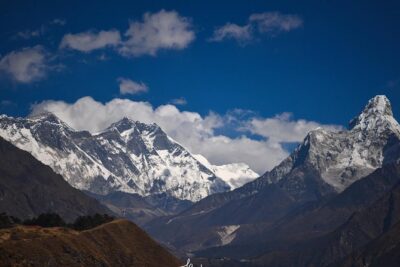
Everest Base Camp Helicopter Tour landing at Hotel Everest View
Read our review →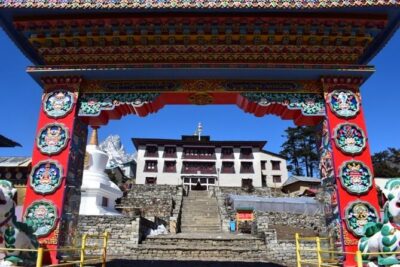
Browse the lists this tour appears in