
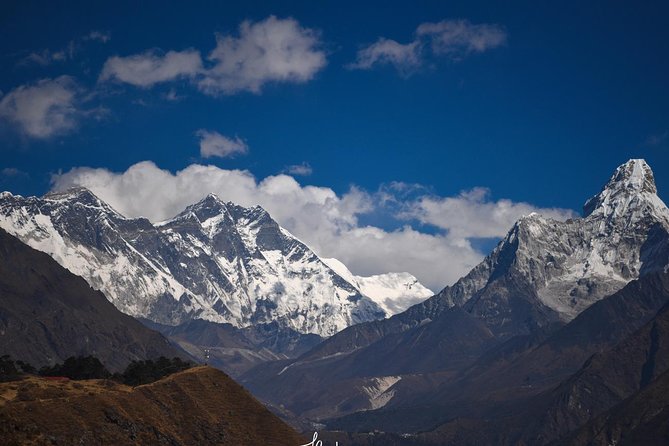
Reviewed · EVEREST BASE CAMP TREKS
Everest Base Camp Trekking
Everest Base Camp is serious altitude, this trek keeps it organized. You get a private team, smooth logistics from Kathmandu to Lukla, and an itinerary that builds in acclimatization so you can focus on walking and views.
I especially like the way permits and Sagarmatha National Park fees are handled, plus the support setup with an experienced guide trained in wilderness first aid and altitude sickness. I also appreciate the human side I saw in the details, like fast problem-solving from Puru and the kind of trail care associated with guides such as Sitaram Lamacchne and Suresh Adhikary.
One consideration: you will still be doing the work of a mountain trek, and the higher days can feel long and thin-air intense. Also, hot water, hot and cold drinks, and hot showers are not included, so plan on simple teahouse routines.
In This Review
- Quick take: what stands out on this Everest Base Camp trek
- Why this Everest Base Camp trek feels less stressful than most
- Price and value: what $1,998 really covers
- The Kathmandu start: early departure and the Lukla jump
- Day 2 and Day 3: Namche Bazaar and acclimatization that actually helps
- Tengboche Gompa and Deboche: a cultural stop with real atmosphere
- Dingboche, Duglha, and Lobuche: the high village grind
- The Everest Base Camp day: Gorakshep, Base Camp time, and getting back
- Kalapatthar for Everest views: the sunrise-minded momentum shift
- The return route: Tengboche, Monjo, and Lukla for the final flight
- Teahouses, meals, and the comfort level you should expect
- Guide and porter support: why it matters more than people think
- Gear checklist and packing weight: set yourself up to move well
- Who should do this private Everest Base Camp trek, and who might reconsider
- Should you book Everest Base Camp with Above the Himalaya Trekking?
- FAQ
- What is the duration of the Everest Base Camp trekking trip?
- Where does the trek start and when?
- Is this a private tour?
- What is included in the price?
- What is not included?
- Do I need permits for this trek?
- What kind of guide support do I get?
- Do I need travel insurance?
- Can I get a full refund if plans change?
Quick take: what stands out on this Everest Base Camp trek
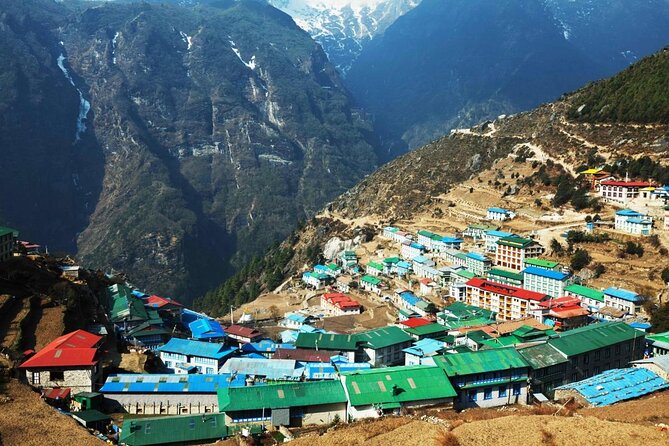
- Permits covered including Sagarmatha National Park fees and TIMS card, so you are not juggling paperwork in Nepal
- Guide and porter support with 1 porter per 2 trekkers, plus accidental insurance and essential trail gear for porters
- Teahouse stays with most meals so your day is structured, not spent hunting for food
- Acclimatization built in with a Namche Bazaar rest day, which helps your body keep up
- Peak views day plan with Kalapatthar for Everest panoramas, not just Base Camp
- Solo-friendly setup within a private group, which helps if you like clear pacing and fewer decisions
Why this Everest Base Camp trek feels less stressful than most
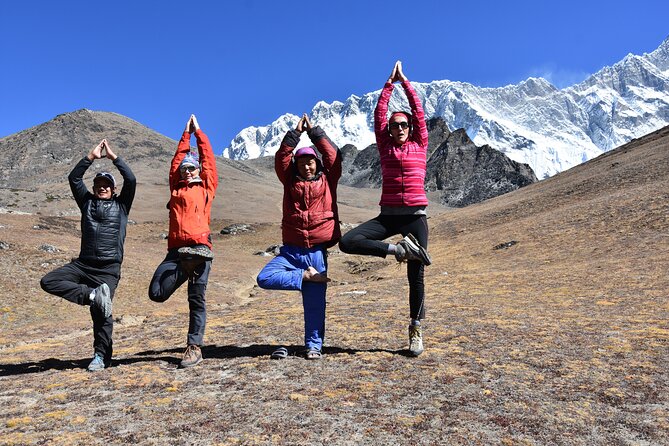
Everest Base Camp is remote. Flights can be weather-sensitive. Trails can be crowded or quiet. When you are paying for a trek, you really want less “logistics stress” and more walking focus. This 12-day private trek is built around that idea: core planning is handled, and you still hike at your own pace with a guide.
You are also trekking in Sagarmatha National Park, so having the right trail permissions matters. When permits and TIMS fees are included, it removes one of those nagging unknowns that can pop up right when you are trying to concentrate.
The private format is another real advantage. It means the schedule is designed around your group, not shoehorned into a mass departure. That matters on the long walking days, especially once you get into higher elevations where everyone’s pace is different.
More Treks in Kathmandu
- Everest Base Camp Trek – 14 Days
★ 5.0 · 1,499 reviews - Everest Base Camp Trek
★ 5.0 · 842 reviews - Everest Base Camp Trekking
★ 5.0 · 485 reviews
Price and value: what $1,998 really covers
At $1,998 per person for a roughly 12-day trek, the price is not “cheap,” but it does include a lot of the expensive, hard-to-arrange parts.
Here is what you get for your money:
- Airport, hotel, and airport transfers by private vehicle in Kathmandu
- All necessary paper work, office service charge, and government taxes
- Comprehensive pre-departure information and trip dossiers
- Daily meals selected from the menu while trekking (breakfast, lunch, and dinner are included as described)
- Teahouse/lodge accommodation during the trek
- Sagarmatha National Park fees and TIMS card fee
- A trekking guide trained in wilderness first aid and altitude sickness, plus porters with food, accommodation, salary, equipment, accidental insurance, and medicine
- Group medical supplies (first aid kit is available)
What is not included is also important for judging value. International airfare, the Nepal visa fee, personal drinks and snacks, laundry, charging batteries, and tips are on you. Travel insurance is not included either, and you should treat that as essential, especially for emergency evacuation coverage up to elevations above 5,500 meters.
For me, the best way to think about the cost is this: you are paying to reduce uncertainty. When guides handle permits, meal planning, and staffing, you lose less time to confusion and more time on the trail.
The Kathmandu start: early departure and the Lukla jump
Your trek begins in Thamel, Kathmandu, with a start time listed at 1:15 am. That early clock usually ties into getting to flights on time, and in this route that means heading to Lukla.
Day 1 is a short flight from Kathmandu to Lukla (about 25 minutes), then a trek of 3 to 4 hours onward to Phakding for an overnight teahouse stay. The first day is your “wake up to the Himalaya” day. You are walking, not rushing, and you are learning how your body responds at higher altitude.
Two practical notes that help: bring a small day bag you can access fast in the morning, and don’t overpack your shoulders early. The trek is a grind later on, so save your energy.
Day 2 and Day 3: Namche Bazaar and acclimatization that actually helps
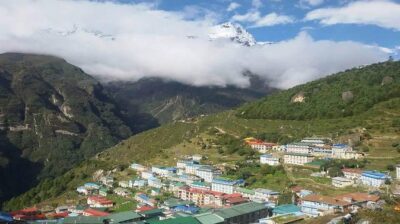
Day 2 takes you from Phakding to Namche Bazaar in about 3 to 4 hours, with an overnight teahouse. Namche is where the trek shifts from “walking country” into “high-altitude living.”
Then Day 3 is the smart part: you acclimatize at Namche Bazaar. The itinerary calls out about 2 hours of acclimatization. Even if your specific activities are flexible, the point stays the same. You give your body time to adjust before pushing higher.
This is one of the biggest quality markers for an Everest Base Camp itinerary. A good climb is not just distance, it is timing. If you race the altitude too fast, you pay with fatigue and risk. A Namche day reduces that pressure.
More Everest Base Camp treks:
- Everest Base Camp Helicopter Tour landing at Everest View Hotel
★ 5.0 · 668 reviews - Everest Base Camp Trekking – 13 Day
★ 5.0 · 365 reviews - Everest Base Camp Trek
★ 5.0 · 350 reviews - Everest Base Camp Trek -14 Days
★ 5.0 · 321 reviews
Tengboche Gompa and Deboche: a cultural stop with real atmosphere
On Day 4, you trek from Namche toward Deboche (about 4 to 5 hours), with Tengboche Gompa included in the plan. This is one of those days where the schedule gives you more than miles. Tengboche is known for religious and cultural significance, and it also tends to feel like a natural pause in the middle of the climbing rhythm.
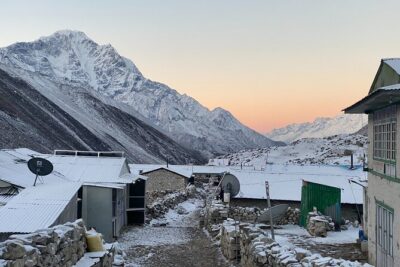
You will sleep in a teahouse in the Deboche area. Nights here are part of the trek’s rhythm: simple rooms, shared dining spaces, and the kind of early bedtime that makes sense when tomorrow starts with a long walk.
One drawback to keep in mind: teahouse comfort is basic by design. You should expect a “functional warm” vibe, not hotel-style luxury.
Dingboche, Duglha, and Lobuche: the high village grind
Days 5 through the lead-up days are where the trek starts to feel more serious. Day 5 moves from Deboche to Dingboche (about 5 to 6 hours). Day 6 continues higher, with a trek from Dingboche to Duglha (about 3 to 4 hours). Then the route progresses from Duglha to Lobuche (about 6 hours), where you are closer to the Everest region and your body is working harder for every step.
Even when the trek is well organized, these days demand steady pacing. You are likely to feel that your breathing has to work more. That is why the acclimatization earlier matters.
If you have hiking experience, this is the section where that experience pays off. You know how to manage effort, how to keep moving without sprinting, and how to drink enough even when you want to slow down and rest.
The Everest Base Camp day: Gorakshep, Base Camp time, and getting back
Day 7 is your push toward the Everest Base Camp area. You trek from Lobuche to Gorakshep, then plan to visit Everest Base Camp and return to Gorakshep the same day. The itinerary lists about 6 hours total for the base camp out-and-back style segment.
This is the classic EBC feel day. You will spend time walking toward a place that people dream about, and you will also learn something important: the Base Camp visit is not a “stand around and take selfies” experience unless you force it. You will likely walk, wait, look, then walk back with your body still doing work.
Plan for a long mental payoff and a physically manageable pace. The guide’s job here is crucial. A confident group flow matters because weather and cold can turn the day quickly.
Kalapatthar for Everest views: the sunrise-minded momentum shift
Day 8 is where many people remember the trek most clearly. You go from Gorakshep to Kalapatthar for big Mount Everest views, then trek onward to Pheriche. The itinerary shows about 6 to 7 hours total.
Kalapatthar is famous for giving you a high, dramatic perspective on the Everest area. Even with clouds or changing light, the point is that you earn that viewpoint by climbing above the Base Camp footprint.
After that, you move down to Pheriche for the next overnight teahouse. This is your “recover and reset” day in the itinerary flow, but it is still active. You are balancing cold temps, reduced appetite at altitude, and the need to keep moving.
The return route: Tengboche, Monjo, and Lukla for the final flight
Days 9 to 11 bring you back through familiar terrain, with good chances to notice what you missed on the way up.
- Day 9: Pheriche to Tengboche (about 5 to 6 hours)
- Day 10: Tengboche to Monjo (about 5 to 6 hours)
- Day 11: Monjo to Lukla (about 4 to 5 hours)
Each of these is a day where the altitude is still real, but the overall focus shifts to rhythm. You are walking with a lighter mind because you know the plan now. Still, don’t get lazy. Descents can wear out knees and make you underestimate fatigue.
Day 12 is the wrap-up: fly from Lukla back to Kathmandu. The itinerary ends back at the meeting point in Thamel, with your return transfers handled by private vehicle as part of the included services.
Teahouses, meals, and the comfort level you should expect
This trek is teahouse trekking. That means your overnight stays are in small lodge-style buildings where the warmth, beds, and food are basic but workable. The itinerary includes teahouse accommodation, and it states that daily meals are chosen from the menu during the trek.
A key detail: alcohol, hot and cold drinks, hot water, hot and cold showers are not included. You may find hot water available for purchase, but you should not count on included comfort here.
Practical tip: budget a little for drinks or charging, and keep your water routine steady. Also, plan for early nights. Most teahouse days end with cold air, limited heating, and a real need to sleep before the next walking start.
Guide and porter support: why it matters more than people think
A guide does more than point at the trail. In high terrain, the guide helps you make good decisions when conditions change. This itinerary includes a guide trained in wilderness first aid and altitude sickness, and it also includes porters to carry the load (1 porter for between 2 trekkers basis).
Porters here are supported properly: food, accommodation, salary, equipment, accidental insurance, clothing, and medicine are covered in the included list. That matters for safety and it matters for ethics. It also means your trek feels less like a solo scavenger hunt and more like a supported hike.
The reviews you provided underline this kind of service culture, including crisis management and fast rebooking help from Puru. Guide names mentioned include Sitaram Lamacchne, Suresh Adhikary, Phuldin, Shiva, and Ram in different trekking stories. You should still remember that your exact guide assignment depends on your departure, but the consistent pattern is clear: responsive, attentive trail leadership.
Gear checklist and packing weight: set yourself up to move well
You will get an equipment checklist, but you should also use it like a sanity tool. The trek asks you to keep weight down. The additional info says your packed trek bag should weigh no more than 33 pounds or 15 kg at the start of the trek.
Essentials called out include:
- A backpack (60 to 70 liters) with comfortable shoulder straps and a cover
- Waterproof high-ankle trekking shoes with good grips, plus spare laces
- Camp shoes (sneakers and or sandals)
- A warm layer kit for cold nights: fleece, down or Gore-Tex heavy jacket
- Thermal inners, socks (cotton and wool), gloves, and a hat
- Sun protection cream, lip balm or cold cream
- A walking stick (minimum 1 recommended)
The kit matters because you are moving across changing temperatures. Even if the days feel manageable, nights at altitude can be brutally cold.
Don’t forget that personal trekking gears are not included. So if you are short on basics like a good jacket or gloves, you will want to buy or borrow before you go.
Who should do this private Everest Base Camp trek, and who might reconsider
This trek is described as best suited to fit travelers with hiking experience. It also asks for moderate physical fitness. That combination is important. You are not on a casual stroll. You are walking days with multiple hours on uneven terrain, carrying layers, and moving through altitude.
You will likely enjoy it if:
- You already hike on a regular basis or have taken multi-day hikes
- You want a structured itinerary with teahouses and most meals handled
- You value safety and support, including trained guide and porter staffing
- You like the idea of a private group where pace and decisions are simpler
You might reconsider if:
- You are looking for luxury comfort, since teahouse conditions are basic
- You hate early mornings and long walking days
- You have limited hiking experience and haven’t built up stamina for steep effort
Should you book Everest Base Camp with Above the Himalaya Trekking?
I’d book this trek if you want a solid, no-nonsense Everest Base Camp plan with permits handled, teahouse nights arranged, and real human support on the trail. The guide and porter setup, plus the inclusion of national park fees and TIMS, is the kind of value that helps you enjoy the trek instead of managing paperwork and stress.
Before you pay, double-check two things in your own plans. First, make sure your fitness is ready for long trekking days at altitude. Second, buy travel insurance with emergency evacuation coverage for high elevation trekking, since that is not included.
If those boxes are checked, this is a practical way to get to Everest Base Camp with fewer logistics headaches and a team that seems built to handle problems fast, not slowly.
FAQ
What is the duration of the Everest Base Camp trekking trip?
It is listed as 12 days (approx.), including a flight from Lukla back to Kathmandu on the final day.
Where does the trek start and when?
The meeting point is Thamel, Kathmandu, Nepal. The start time is 1:15 am.
Is this a private tour?
Yes. It is described as a private tour or activity, and only your group will participate.
What is included in the price?
Included items include trekking guide and porters (with food, accommodation, salary, equipment, and accidental insurance), teahouse or lodge accommodation during the trek, daily meals chosen from the menu, Sagarmatha National Park fees and TIMS card fee, and airport and hotel transfers by private vehicle. Necessary paper work, government taxes, and trip dossiers are also included.
What is not included?
Not included are international airfare, Nepal entry visa fee, personal trekking gear, tips for staff and driver, travel insurance, personal expenses like laundry and snacks, and alcohol or purchased hot drinks. Hot water and hot showers are also not included.
Do I need permits for this trek?
The trek includes Sagarmatha National Park fees and the TIMS card fee as part of the trip.
What kind of guide support do I get?
You get a trekking guide who is trained in wilderness first aid and altitude sickness, plus porters who carry loads (1 porter per between 2 trekkers basis).
Do I need travel insurance?
Travel insurance is essential and should include emergency evacuation coverage while trekking up to 5,500+ meters. It is not included in the price.
Can I get a full refund if plans change?
You can cancel up to 24 hours in advance for a full refund. Canceling less than 24 hours before the experience start time will not be refunded.
Latest additions near Kathmandu
- Traditional Momo Making Class★ 5.0 · 10 reviews
- White Water River Rafting – 1 Day★ 4.3 · 3 reviews
- Kathmandu to Pokhara Premium sofa bus ticket★ 4.0 · 17 reviews
- Ghorepani Poon Hill Trek★ 5.0 · 16 reviews
- Amazing 1 Day Trekking Experience in Kathmandu Nepal★ 5.0 · 24 reviews
- Ghorepani Poonhill Trek★ 5.0 · 5 reviews
- Walking tour of real Kathmandu through back streets.★ 5.0 · 3 reviews
- Wildlife Adventure in Chitwan Nepal★ 4.0 · 4 reviews
Everest Base Camp Treks, compared.
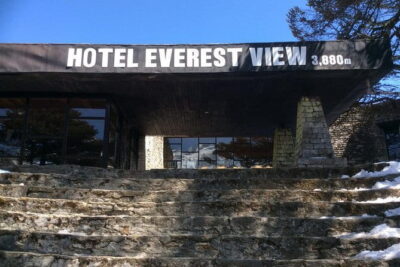
Everest Base Camp Helicopter Tour landing at Everest View Hotel
Read our review →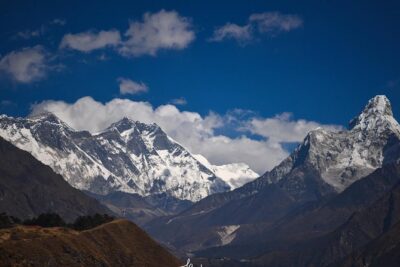
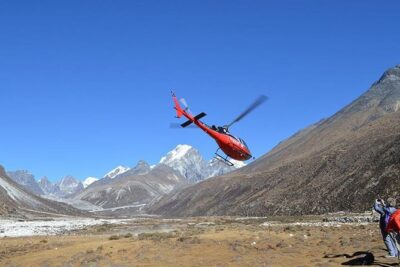
Everest Base Camp Helicopter Tour landing at Hotel Everest View
Read our review →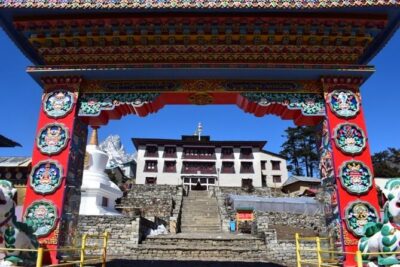
Browse the lists this tour appears in