
Reviewed · EVEREST BASE CAMP TREKS
Everest Base Camp Trekking 16 Days
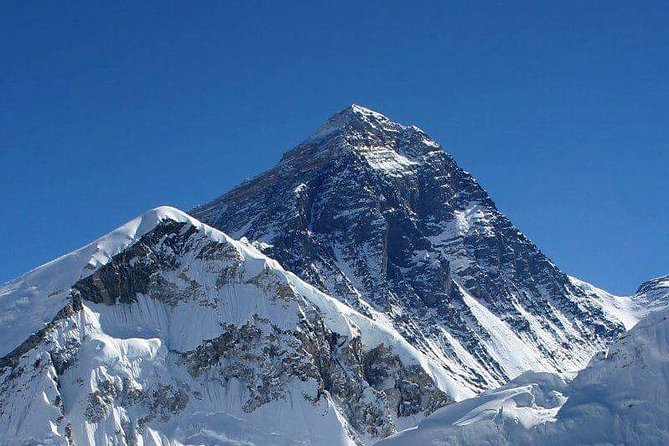
Everest feels real from day one. This 16-day Everest Base Camp trek pairs a Lukla flight with classic Khumbu walking, from Namche Bazaar through Tengboche and up to Kala Patthar for big sunrise views.
I like the practical, human side of this trip, especially how the team sets you up with an early airport pickup, an equipment check, and guides such as Shiva and Keshab who are described as helpful and genuinely good company. You also get the second big win: the scenery and stops feel classic and varied, with Sherpa culture in Namche, the Tengboche monastery visit, and the high-altitude payoff at Everest Base Camp and Kala Patthar. One possible drawback to consider is that mountain itineraries can change, and I saw a case where a trek reportedly ended early and a refund situation was not handled as expected.
In This Review
- Key highlights you’ll feel on this trek
- Kathmandu to Lukla, with UNESCO stops that set the mood
- Lukla flight, Cheplung views, and the first real trekking day
- Phakding to Namche Bazaar: Sherpa villages and altitude acclimatization
- The Namche acclimatization day you actually need
- Tengboche: monastery visit plus rhododendron forest climbing
- Dingboche direction: forests, Imja Valley, and stupa views
- Toward Lobuche: glacier moraine walking and memorial stones
- Everest Base Camp day: Gorak Shep first, then the tented camp area
- Kala Patthar: pre-dawn start, -10 to -14 C, and 360-degree views
- The return route: Pheriche down to Namche, and Phakding back to calm trails
- Lukla trails and the feeling of getting your legs back
- Price and logistics: where $800 fits in real value
- Who should book this Everest Base Camp trek?
- Should you book Everest Base Camp with Vyas Treks & Expedition?
- FAQ
- Is airport pickup included in Kathmandu?
- Does the trek include a flight to Lukla?
- Which days include acclimatization stops?
- Do we visit Everest Base Camp and also Kala Patthar?
- Is this tour private or shared with other groups?
- What if weather is poor?
- Can I get a full refund if I cancel in advance?
Key highlights you’ll feel on this trek
- Lukla to Phakding to Namche: the classic gateway sequence that sets the pace.
- Namche acclimatization day: market time plus optional hikes toward Khumjung and Sagarmatha National Park viewpoints.
- Tengboche monastery: rhododendron forest walking plus a major stop for mountain views.
- Dingboche buffer days: time for acclimatization and day hikes with strong panorama potential.
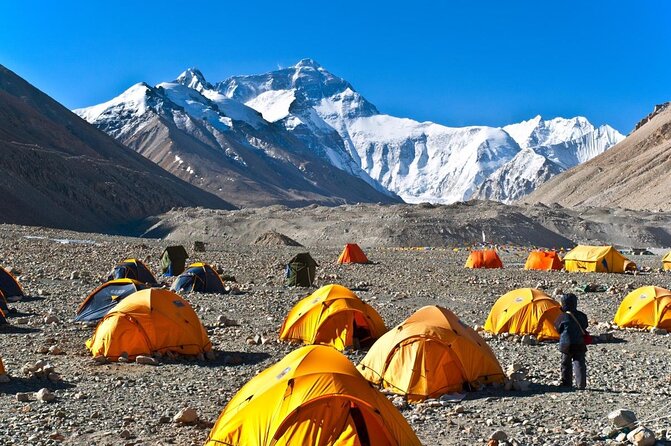
- Everest Base Camp via Gorak Shep: a strenuous, thin-air walk that ends at the famous tented camp area.
- Kala Patthar pre-dawn push: early start in winterlike cold (listed around -10 to -14 C) for near 360-degree views.
Kathmandu to Lukla, with UNESCO stops that set the mood
Day 1 starts gently in Kathmandu. After you land at Tribhuvan International Airport, a representative from Vyas Treks & Expedition picks you up and takes you to your hotel. In the afternoon, you can rest or stop by the office, and in the evening you get a welcome dinner with authentic Nepalese cuisine.
Day 2 is your history and spirituality day. You’ll join a guided visit to Kathmandu’s UNESCO World Heritage sites including Kathmandu Durbar Square, Pashupatinath, Swayambhunath (the Monkey Temple), and Bouddhanath. This is a nice way to settle into Nepal before you trade traffic noise for yak bells and prayer flags.
One important practical note, based on how the schedule is shown: Kathmandu sightseeing admission is listed as not included. Plan for a little extra for temples and UNESCO sites so you are not surprised later.
More Treks in Kathmandu
- Everest Base Camp Trek – 14 Days
★ 5.0 · 1,499 reviews - Everest Base Camp Trek
★ 5.0 · 842 reviews - Everest Base Camp Trekking
★ 5.0 · 485 reviews
Lukla flight, Cheplung views, and the first real trekking day
On Day 3, you fly from Kathmandu to Lukla, about 40 minutes. It’s described as one of the most beautiful air routes in the world, finishing on a hillside surrounded by tall peaks. At Lukla, you meet your crew and then start trekking.
From Lukla you walk down gradually toward Cheplung village, with a possible glimpse of Mt. Khumbila, listed at 18,900 ft. Then you keep descending until Phakding.
This day has a very specific job: get your legs used to walking on uneven ground before you hit the bigger altitude ramp. The route is also a preview of Khumbu pacing, with river crossings and valley walking before Namche.
Phakding to Namche Bazaar: Sherpa villages and altitude acclimatization
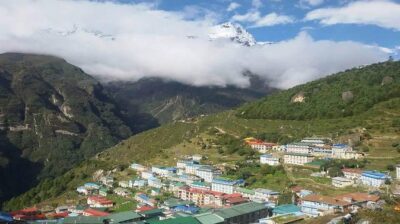
Day 4 moves you toward Namche Bazaar, the center of the Khumbu region. You pass through pine forest, cross the Dudh Koshi River, and continue through villages like Chumoa and Monjo, which is the entrance area for Everest National Park. Then you cross suspension bridges, follow along rivers including Dudh Koshi and Bhote Koshi, and climb steeply toward Namche.
When weather permits, you can catch sight of Everest and Lhotse during the approach, which is always a morale boost on a long uphill day. The schedule puts this as a roughly 6-hour trek, and it feels right for starting to understand how “small” distance turns big at altitude.
The Namche acclimatization day you actually need
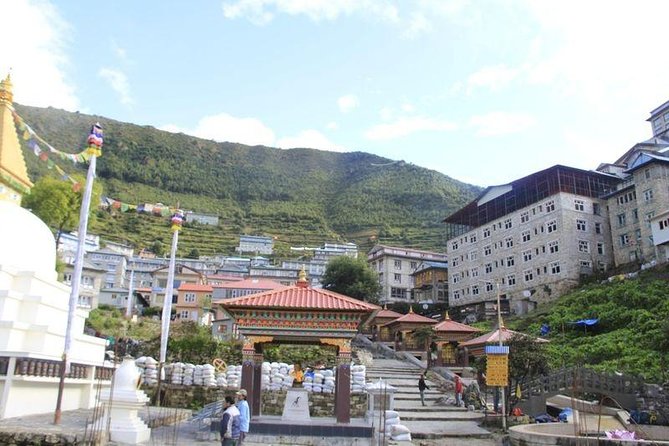
Day 5 is your acclimatization day in Namche Bazaar. You’ll get a free day for exploring, and the itinerary highlights options that help you stay safe and steady. Namche has the practical stuff you want at altitude: government offices, ATMs, internet cafes, shops, and restaurants.
It also has the cultural side that makes this trek more than just a hike. Your guides can help you explore Namche’s real charm, including Khumjung village and the Hillary School. The idea here is simple: walk a bit, get your body used to thinner air, and still enjoy the market atmosphere.
If you’re wondering what makes a classic Everest Base Camp route feel special, it’s often this day. You’re close enough to major peaks to feel excited, but you’re still taking time to adjust instead of rushing.
More Everest Base Camp treks:
- Everest Base Camp Helicopter Tour landing at Everest View Hotel
★ 5.0 · 668 reviews - Everest Base Camp Trekking – 13 Day
★ 5.0 · 365 reviews - Everest Base Camp Trek
★ 5.0 · 350 reviews - Everest Base Camp Trek -14 Days
★ 5.0 · 321 reviews
Tengboche: monastery visit plus rhododendron forest climbing
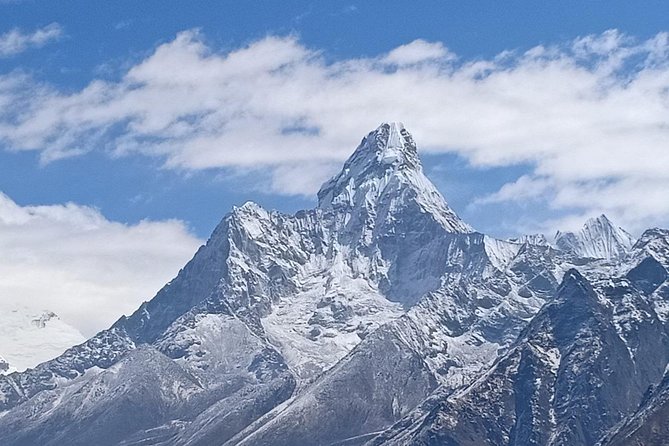
Day 6 takes you to Tengboche Gompa. The itinerary describes a famous descent to the Dudh Koshi River, then a climb through rhododendron forests. You’ll see big peaks along the way, including Everest, Lhotse, Nuptse, Ama Dablam, Thamserku, and Kongde.
At Tengboche, you visit the monastery, described as the largest in the region, and then you soak in the views of Everest and Ama Dablam. This is also one of those days where the pacing matters: you’re working, but you’re rewarded with views that feel like they are layered, not just distant.
Dingboche direction: forests, Imja Valley, and stupa views
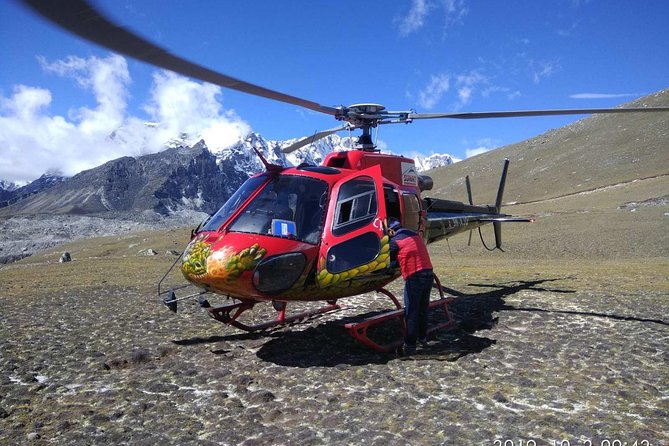
Day 7 moves from village to village through forests of birch, conifers, and rhododendrons. You dip down toward Devuche, cross the Imja River, pass through Pangboche, and continue toward the Imja Valley. The itinerary’s big takeaway for Day 7 is the move up toward Dingboche with constant Himalayan framing.
By Day 7 you’re walking about 6 hours, and the terrain stays interesting: river crossings, forest segments, and gradual climbs that keep testing endurance. It’s also a day for getting used to the colder, drier feel higher up.
Day 8 is another acclimatization day in Dingboche, and it’s built in on purpose. You have day hikes to either Nagarjun Hill or Chukkhung Valley, with views of mountains listed in the itinerary such as Makalu, Lhotse, Chalotse, Tawache, and Ama Dablam. You also visit the Dingboche stupa.
These buffer days are what separate a smooth trek from a stressed one. You’re still moving forward, but you’re letting your body learn the altitude rhythm.
Toward Lobuche: glacier moraine walking and memorial stones
Day 9 starts with a gradual climb to Duglha at the end of the Khumbu Glacier terminal moraine. Then you climb a steep trail to Chupki Lhara, where there are prayer flags and memorial stones. The itinerary specifically calls out memorials for Scott Fischer and Babu Chiri Sherpa.
From there, you follow the Khumbu Glacier moraine, with peaks listed like Khumbutse, Lingtren, Pumori, and Mahalangur Himal. The trek then eases as you follow the valley to Lobuche.
This is the first day in the itinerary that feels like you are fully entering high Everest country, where the scenery becomes rock and ice and the air gets thinner. Expect the walk to feel longer than the hours listed, because the terrain changes and your breath slows.
Everest Base Camp day: Gorak Shep first, then the tented camp area
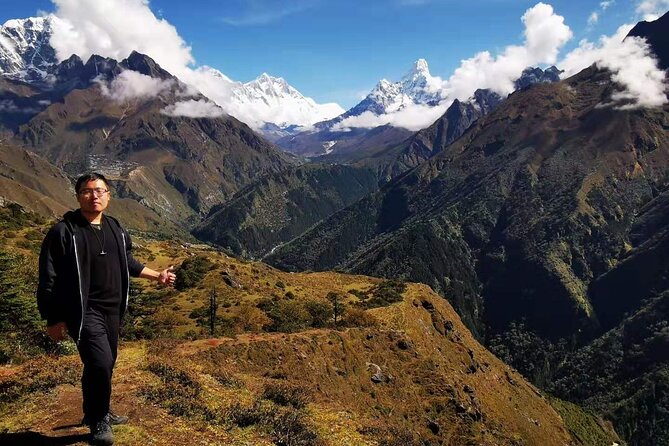
Day 10 is the big one for most people: the walk to Everest Base Camp. You go from Gorak Shep area through the once vast Gorak Shep Lake, and you continue toward the Indian army mountaineers’ memorials.
The itinerary warns that the path can be misleading here, so you should follow your lead Sherpa carefully. That matters. At this altitude, decision-making gets harder, and good local guidance keeps you on track.
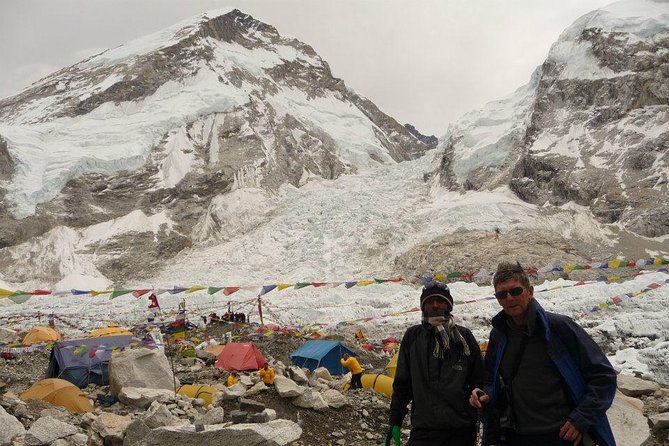
The walk is described as strenuous due to thin air. You pass rocky dunes, moraine, and streams before reaching Everest Base Camp. Once you’re there, you’ll see the tents of mountaineers and be able to view Nuptse, Khumbuste, and Pumori.
Then you return to Gorak Shep for rest. This is a full day, and you’ll want to pace yourself and keep energy for the cold night ahead.
Kala Patthar: pre-dawn start, -10 to -14 C, and 360-degree views
Day 11 is your sunrise mission to Kala Patthar. The itinerary emphasizes an early morning departure in pre-dawn darkness and cold temperatures, listed around -10 to -14 C, with potential chilly winds.
You start walking as familiar peaks like Lingtren, Khumbutse, and Changtse tower eastward, while Everest begins to reveal itself. The goal is the view from Kala Patthar, described as 360-degree and close-up, with Everest’s form looking formidable.
After pictures and panorama time, you return to Pheriche for the night.
This is also where your trekking kit really matters. If you are even slightly underpacked for cold and wind, this day will remind you fast.
The return route: Pheriche down to Namche, and Phakding back to calm trails
Day 12 starts with descent through rhododendron and juniper trees. After crossing a prayer-flag festooned bridge over Dudh Koshi, the trail descends through pine forests and can include sightings of colorful pheasants and mountain goats, if you’re lucky.
The schedule has you reaching Sansa, with views of Ama Dablam, Thamserku, and Nuptse. Then you keep descending through winding trails and reach Namche Bazaar.
Day 13 brings you down and back toward Phakding. You’ll pass open plains and pine forests, with distant snow-covered peaks. The itinerary also highlights walking through Sherpa villages and noticing prayer stones and prayer flags.
This is a quieter day than the high camp days. It’s also the day you start feeling the return fatigue in your legs, but the walking becomes more about steady rhythm than desperate altitude struggle.
Lukla trails and the feeling of getting your legs back
Day 14 ends the trek and brings you to Lukla. The trail descends steeply downward, and the itinerary specifically asks you to walk cautiously as legs fight rocky terrain and suspension bridges over fast-flowing Dudh Koshi and tributaries.
Once you arrive in Lukla, you stretch sore legs and look back at the last couple of weeks.
Day 15 is your return flight to Kathmandu in the early morning, then time to relax or do souvenir shopping in Thamel. Day 16 finishes with the airport transfer to Tribhuvan International Airport, scheduled about 3 hours before your flight.
Price and logistics: where $800 fits in real value
At $800 per person for a roughly 16-day trek, you’re paying for far more than daily walking. This is a whole supported system: airport and hotel coordination in Kathmandu, a guided UNESCO site tour, a Kathmandu-to-Lukla flight, guided trekking segments, equipment checking, and planned rest stops.
The itinerary also flags many trekking-day admissions as free, while Kathmandu UNESCO admissions show as not included. That mix affects value, because it means part of your cost is covered during the trekking window, but you may still pay for certain Kathmandu entry fees.
What pushes the value up is the human support. Names that show up positively, such as Shiva, Keshab, and Rajesh, are tied to being helpful, kind, and attentive. Even when weather or terrain gets rough, good organization can make the difference between a scary day and a manageable one.
The one real caveat on value is that mountain plans can shift. One account tied to the company described an early ending and an unresolved refund situation. That does not mean every trip ends that way, but it is a reminder to ask clear questions about what happens if timing changes.
Who should book this Everest Base Camp trek?
This trek is a good match if you have moderate physical fitness and want the classic Everest Base Camp route without trying to self-manage logistics. The schedule is built around practical pacing, including acclimatization days in Namche and Dingboche, and a big high point at Kala Patthar.
It also fits people who like structure. Many days have specific targets, like monastery stops, viewpoints, and memorial areas. If you enjoy knowing what’s next and trusting local guidance on tricky sections, you’ll likely feel more confident.
If you hate cold mornings, this might test you. Kala Patthar day is listed around -10 to -14 C, so you need to be ready for real winter conditions at high altitude.
Should you book Everest Base Camp with Vyas Treks & Expedition?
I’d book this trek if you want the dependable classic route and you care about having a team that handles the big moving parts, like flights, guided planning, and daily support. The best sign is the repeated emphasis on guides such as Shiva and Keshab being helpful and looking after the group.
I would also do one extra step before paying: confirm what changes mean in your case if weather affects timing, and make sure you understand how the plan adapts. Mountains can be unpredictable, and you want your expectations aligned with how the operator handles adjustments.
If that conversation is clear and you’re properly packed for cold, this is a satisfying way to experience Everest Base Camp, Kala Patthar, and Sherpa culture in one trip.
FAQ
Is airport pickup included in Kathmandu?
Yes. After you arrive at Tribhuvan International Airport, a representative from Vyas Treks & Expedition picks you up and takes you to your hotel. You also get transport back to the airport on the final day.
Does the trek include a flight to Lukla?
Yes. There is a short scenic flight from Kathmandu to Lukla, about 40 minutes, and the trek begins from Lukla.
Which days include acclimatization stops?
You have acclimatization days in Namche Bazaar (Day 5) and Dingboche (Day 8). The plan also includes day hikes with viewpoint options on those days.
Do we visit Everest Base Camp and also Kala Patthar?
Yes. Everest Base Camp is the main destination on Day 10, and Kala Patthar is visited on Day 11 for near 360-degree views.
Is this tour private or shared with other groups?
It’s listed as a private tour/activity, so only your group participates.
What if weather is poor?
The experience requires good weather. If it is canceled due to poor weather, you will be offered a different date or a full refund.
Can I get a full refund if I cancel in advance?
Yes. You can cancel up to 24 hours in advance for a full refund, with refunds listed as 100% if canceled 24 hours prior, and no refund within 24 hours.
Latest additions near Kathmandu
- White Water River Rafting – 1 Day★ 4.3 · 3 reviews
- Traditional Momo Making Class★ 5.0 · 10 reviews
- Kathmandu to Pokhara Premium sofa bus ticket★ 4.0 · 17 reviews
- Ghorepani Poon Hill Trek★ 5.0 · 16 reviews
- Amazing 1 Day Trekking Experience in Kathmandu Nepal★ 5.0 · 24 reviews
- Ghorepani Poonhill Trek★ 5.0 · 5 reviews
- Walking tour of real Kathmandu through back streets.★ 5.0 · 3 reviews
- Wildlife Adventure in Chitwan Nepal★ 4.0 · 4 reviews
Everest Base Camp Treks, compared.
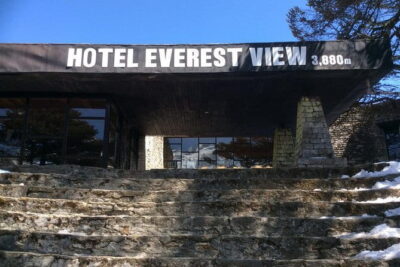
Everest Base Camp Helicopter Tour landing at Everest View Hotel
Read our review →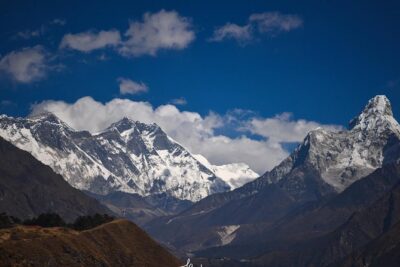
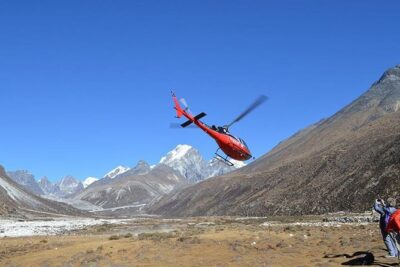
Everest Base Camp Helicopter Tour landing at Hotel Everest View
Read our review →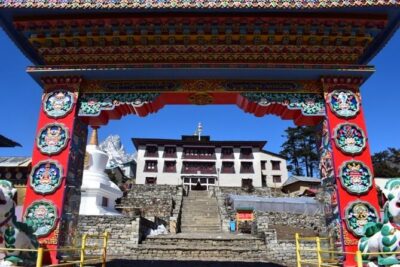
Browse the lists this tour appears in