
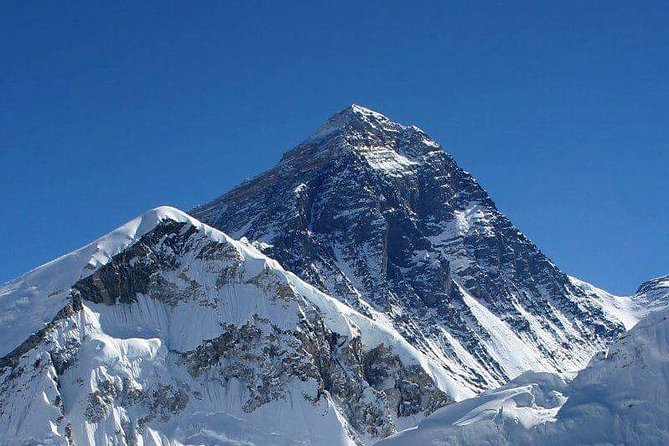
Reviewed · EVEREST BASE CAMP TREKS
Everest Base Camp Trekking – 16 Days
Everest feels close, then you earn it. This 16-day Everest Base Camp trek moves you from Kathmandu to Lukla, then step by step toward Everest Base Camp and the famous Kalapathar viewpoint. I love the way the route pairs big scenery with real acclimatization time, especially around Namche and Dingboche. One drawback to keep in mind is that some key add-ons cost extra, like monastery and Durbar Square entry, plus battery charging and showers at higher elevations.
I also like that the support is structured, not vague. You get airport pickup in Kathmandu, round-trip flights, national park fees, and guided trekking with an assistant guide when the group is bigger than 6. In reviews tied to this trek, guides named Prakash and Shiva get praised for being flexible and helpful, and company leads like Dhruba and Sajjan show up in the background as responsive organizers.
If you’re the sort of traveler who wants epic photos but also wants a plan that doesn’t ignore altitude, this works well. Just be honest with yourself about fitness, cold, and limited services at altitude. This is not a casual walk, and it’s not recommended if you have serious heart issues or are pregnant.
In This Review
- Key points that matter before you go
- From Kathmandu to Lukla: where the trek really starts
- Sherpa town pacing in Namche and Dingboche
- Tengboche monastery, prayer flags, and altitude that stays honest
- Lobuche to Everest Base Camp: the day you came for
- Kalapathar at dawn: the hardest breath with the best reward
- The long return: Pangboche, Tengboche, Namche, and Lukla
- Meals, equipment, and what’s included in a way that affects your comfort
- Price and logistics: is $2,350.34 good value?
- Who this trek fits best, and who should think twice
- Should you book this 16-day Everest Base Camp trek?
- FAQ
- Where does the tour start?
- How long is the Everest Base Camp trek?
- What is included in the price?
- What is not included?
- Are monastery and Kathmandu Durbar Square tickets included?
- What about the Lukla flight problem risk?
- What is the health guidance for travelers?
- Is there a cancellation policy?
Key points that matter before you go
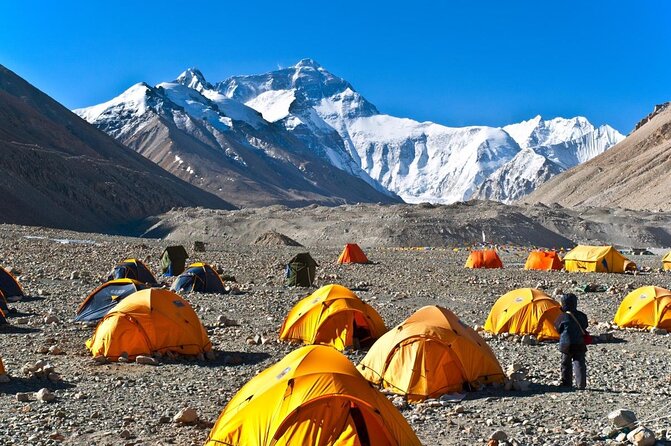
- Kalapathar above 5,545 m is the big payoff, done early with a serious view reward.
- Rest days in Namche and Dingboche help you acclimatize before you push higher.
- Tengboche monastery stops add Buddhist culture to the hard hiking.
- Small group size (max 15) and private-tour setup mean less waiting around.
- Extra Kathmandu day is built in if Lukla flights get disrupted by weather.
- Guides show up in real feedback, including Prakash and Shiva, with a focus on support and flexibility.
From Kathmandu to Lukla: where the trek really starts
Your trip begins in Kathmandu, with pickup and transfer to your hotel. Day 1 is your chance to reset after travel fatigue, and it sets the tone for what you’ll do for the next two weeks: stay organized, take your time, and don’t rush altitude.
On Day 2 you’ll also do Kathmandu sightseeing, including Kathmandu Durbar Square. This day functions like a warm-up for the real work ahead, a mix of culture and preparation. The entry ticket for Durbar Square is not included, so if you want to see it, plan for that extra cost.
Then the trekking moment arrives on Day 3: a short flight from Kathmandu to Lukla. The time in the air is brief, but it matters because it compresses travel days and gets you into the mountains quickly. After landing, you start the hiking portion toward Phakding. You’re looking at rolling hills, mountain views, and that classic “so this is really happening” feeling that many people chase for years.
Practical takeaway: if you’re prone to travel nerves, treat Day 3 like a transition day, not a big exertion day. It’s better to walk comfortably and save energy for the climbs later.
More Treks in Kathmandu
- Everest Base Camp Trek – 14 Days
★ 5.0 · 1,499 reviews - Everest Base Camp Trek
★ 5.0 · 842 reviews - Everest Base Camp Trekking
★ 5.0 · 485 reviews
Sherpa town pacing in Namche and Dingboche
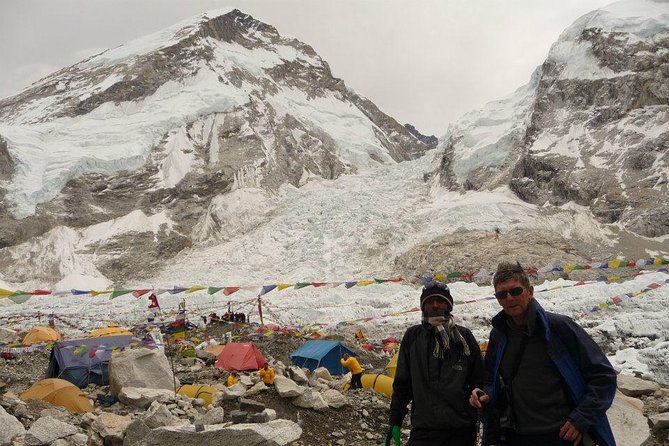
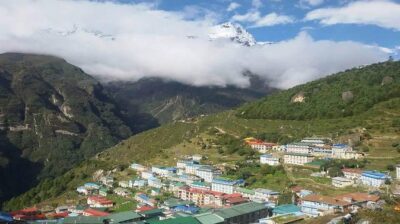
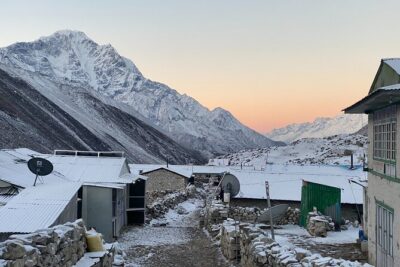
The Everest trek is a long chain of small climbs, but the smart part is how it spaces them out. You reach Namche (the main Sherpa hub in this region) after passing through tall pines and rhododendron trees. Namche is more than a waypoint. It’s where you feel the Everest region shift from lower greenery to the thinner air and sharper mountain light.
On the comfort side, you’ll sleep in a cozy lodge in Namche. Even if rooms are simple, the routine helps. You rest, you eat, you hydrate, and you get your body used to being a little higher.
Day 5 is a dedicated rest and acclimatization day in Namche. You’ll hike around the area, visit a museum, and enjoy the big mountain views from town. That museum stop sounds small, but it’s useful. It gives context for what you’re seeing, especially Sherpa life and the way this region supports the trekking economy.
Next comes Dingboche, reached on Day 7, after passing villages like Pangboche and Deoboche. Dingboche is where the altitude starts to feel real. The air can be thin, and your body asks for slower effort. That’s why Day 8 is another acclimatization day, with time to stroll and enjoy surrounding views. You’re building tolerance before the route gets more demanding.
Why this pacing is valuable: Everest Base Camp is not just distance. It’s the altitude math. Those rest days can be the difference between feeling uncomfortable and feeling wrecked.
Tengboche monastery, prayer flags, and altitude that stays honest
As you head toward the Tengboche area, you’ll walk from Namche toward Tyangboche and visit the Tengboche monastery. This is one of those stops where the trek turns spiritual and cultural, not just athletic.
The route includes morning views of peaks along the way, then you arrive to watch monks and priests involved in religious activities. If you’re used to traveling with checklists, this part is a good reset. The monastery grounds have that slow, steady rhythm that doesn’t care about your photo schedule.
Important detail: the monastery admission ticket is not included. You can still visit the area, but budgeting helps you avoid awkward moments at the gate.
Then you stay overnight at Tengboche. Day 7 continues toward Dingboche via villages, so the trek keeps moving in a pattern: walk, stop high, adjust, walk again. It’s not constant grinding. The villages break it up and make the high-altitude journey feel more human.
Lobuche to Everest Base Camp: the day you came for
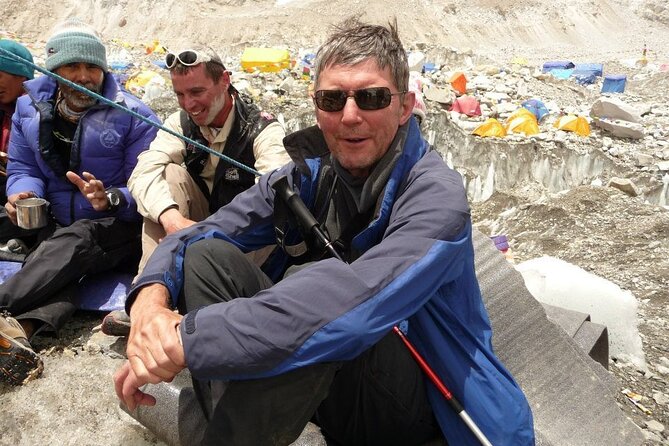
You reach Lobuche around Day 9. This is where the trek gains a heavier, more glacial feel. The walking path follows winding trails above the Pheriche valley, with strong sightlines to peaks like Cholatse and Taboche.
On the way toward Lobuche, you’ll pass Thugla, and the trail connects with the spectacle of Khumbu glacier meltwater, described as turning into a raging river. Even if you don’t understand the geology in detail, you can feel what glacial water means here: it’s cold, fast, and always moving.
Then comes the highlight day around Day 10. You walk to the base camp area, with views of Everest, Nuptse, Lhotse, and Pumori. The mountain lineup is the whole reason people make this trip. Everest Base Camp isn’t just a destination sign. It’s a front-row seat to how enormous the Khumbu region really is.
After spending time at the base camp, you return to Gorakshep for overnight. Gorakshep is the kind of place where you’ll feel tired but wired. You’ll want photos, you’ll want rest, and you’ll also want to be careful about pacing your energy the next morning.
Tip: plan for stiff knees and slow steps. This is a day where good footwear and smart foot placement matter more than speed.
More Everest Base Camp treks:
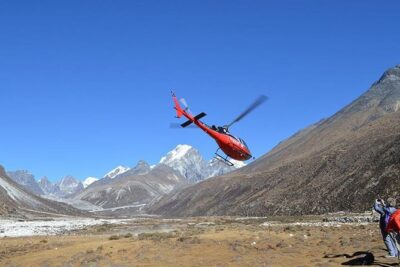
- Everest Base Camp Helicopter Tour landing at Everest View Hotel
★ 5.0 · 668 reviews - Everest Base Camp Trekking – 13 Day
★ 5.0 · 365 reviews - Everest Base Camp Trek
★ 5.0 · 350 reviews - Everest Base Camp Trek -14 Days
★ 5.0 · 321 reviews
Kalapathar at dawn: the hardest breath with the best reward
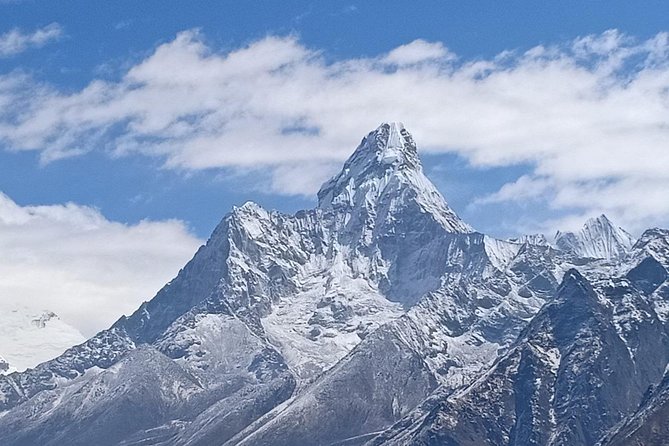
On Day 11, the trek flips into its most demanding segment. You start early, before breakfast, then climb to a rocky hill top above 5,545 m. The route is short in distance compared to the full trek days, but it hits hard because of altitude and cold.
Kalapathar is often talked about as the view summit, and for good reason. You’re rewarded with an overwhelming panorama of surrounding peaks, including close views of Everest and Mt. Pumori. This is your moment to see what the photos never fully capture: the scale, the sharp ridgelines, and the way the mountains stack into the horizon.
Then you descend back toward Gorakshep for breakfast. After that, you keep trekking down to the Pheriche valley and continue to Pangboche for overnight.
What I like about this design: it spreads the suffering. You get one tough high push, then you move into a recovery day pattern with descent and village nights.
The long return: Pangboche, Tengboche, Namche, and Lukla
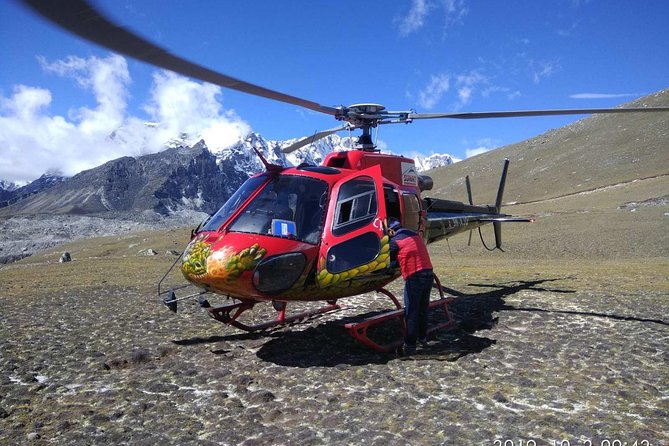
After the Kalapathar day, the trek becomes a long, winding return through familiar areas. You’ll travel from Pangboche back toward Namche, and along the way you’ll stop at Tengboche again, this time as part of the downhill logic.
On Day 12, you’ll have an easy downhill but long walk back. The route is scenic, but the main task is managing your energy. Going down can feel easier than going up, but it’s still hard on joints. Take your time and keep steps controlled.
On Day 13, you walk from Namche toward Lukla, retracing the route back to where you landed. This day feels like closure. It’s also a reality check: your lungs may have adjusted, but your legs still remember every step.
Then on Day 14, you fly back to Kathmandu via plane from Lukla. After landing, you transfer to your hotel and get the rest day you’ve earned. You’ll finally feel like you can breathe and move at regular travel pace.
Day 15 adds an extra Kathmandu day if flight conditions cause delays, especially linked to weather at Lukla or early in the program. That buffer is genuinely useful. In the Everest region, schedules are vulnerable to conditions, and this option gives you room to recover instead of rushing.
Day 16 ends with transfer to Kathmandu international airport.
Meals, equipment, and what’s included in a way that affects your comfort
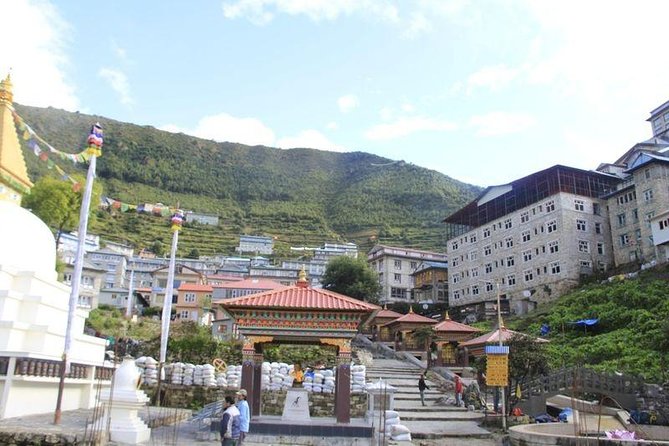
Food and sleep are where trekking trips can quietly succeed or fail. Here, breakfasts and dinners are included for most days, plus lunch during trekking days. Specifically, meals listed are 15 breakfasts, 11 lunches, and 11 dinners. That structure helps you avoid hunting for meals on schedule, which matters when you’re tired.
Lodges are the typical sleep setup in this region. Rooms are basic, but they’re functional. You should expect shared life with other trekkers and a routine built around early starts.
Equipment is also included, described as necessary equipment during the trek, then returned after the trek ends. The exact items are not spelled out in the info you provided, so I’d treat this as “key gear is handled,” while still packing your own core essentials like boots, layers, and a headlamp.
One area that can surprise people: a porter is not included. You can still trek without one, but if you hate the idea of carrying a heavy pack on steep days, you should consider arranging luggage help separately. Heavy loads can make acclimatization harder, even when your legs are fine.
Also note what is not included: battery charging, WiFi, and showers at high Himalayas, plus alcoholic drinks and souvenir photo services.
Price and logistics: is $2,350.34 good value?
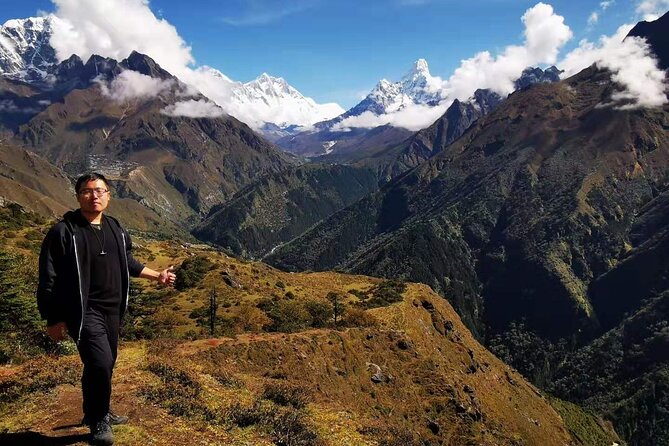
At about $2,350.34 per person for a 16-day trek, the value is really about what’s bundled. This price includes round-trip flights, private vehicle transport in Kathmandu, professional guide support (and insurance), assistant support if your group is larger than 6, national park fees, and most meals. It also includes necessary trek equipment that you return at the end.
Where the value gets real is in the “you don’t have to stitch it together yourself” factor. Everest Base Camp is a trip with layers, permits, flight timing, and day-by-day routing. If you’ve ever tried to DIY this, you know the paperwork and coordination take time and energy. Here, that groundwork is part of the package.
Where to be careful: excluded costs can add up. Durbar Square and Tengboche monastery admissions are not included. Excess luggage charges are possible, and you’ll likely pay extra for battery charging or WiFi. If you want alcohol, souvenir photo services, or extra comfort items, you’re on your own.
My advice for judging value: treat this as a logistics-heavy package where you still have personal spending at altitude. If your priority is smooth running, this price looks more reasonable. If you’re trying to minimize every add-on and already have gear and logistics lined up, you might compare against lower-cost alternatives.
Who this trek fits best, and who should think twice
This program says it’s private and limited to a maximum of 15 people per booking. In practice, that usually means you get a more personal vibe than large group treks. If your group has more than 6 people, you also get an assistant guide.
It also lists minimum age of 16 and asks for moderate physical fitness. It is not recommended for participants with heart complaints or other serious medical conditions, and it’s not recommended for pregnant women.
If you’re a solo traveler, this setup can still work because it’s group-based within a private tour structure. In reviews, solo travelers specifically mention that the paperwork and arrangements were taken care of, and that they felt supported.
If you’re traveling with a friend or a small group, you’ll likely appreciate the structure and ability to follow a plan without having to manage details yourself. Some reviews connected to this company mention flexibility from guides, including guide Prakash being flexible, and guide Shiva being experienced and helpful.
Should you book this 16-day Everest Base Camp trek?
I’d book it if you want a guided Everest Base Camp trek with a clear acclimatization rhythm, you like having logistics handled, and you’re okay with basic lodge living at altitude. The mix of Kathmandu culture time, Sherpa villages, Tengboche monastery, and the Kalapathar viewpoint is a strong package, and the included national park fees and flights reduce hassle.
I would think twice if you want to self-manage everything, you plan to carry heavy luggage and don’t want to arrange a porter (since porter help is not included), or you’re trying to avoid any extra ticket and charging costs at the high points. Also take the health notes seriously, because altitude is not something to gamble with.
If you’re ready for the climb, this is the kind of trip that gives you the full Everest story, not just a stamp at the base camp.
FAQ
Where does the tour start?
The meeting point is Tribhuvan Airport in Kathmandu, Nepal.
How long is the Everest Base Camp trek?
The duration is 16 days, approximately.
What is included in the price?
The package includes accommodation as per the itinerary, a professional guide with salary and insurance, round-trip flights, private vehicle transport, local taxes, national park fees, necessary trek equipment (returned after the trek), and meals (15 breakfasts, 11 lunches, and 11 dinners). An assistant guide is included if the group size is more than 6.
What is not included?
Not included items are excess luggage charges (if applicable), alcoholic drinks, souvenir photos, battery charge, WiFi and shower in high Himalayas, and a porter for caring luggage.
Are monastery and Kathmandu Durbar Square tickets included?
No. Admission tickets are not included for Kathmandu Durbar Square and for Tyangboche monastery.
What about the Lukla flight problem risk?
An extra day in Kathmandu is reserved in case flights are affected by bad or unfavorable weather at Lukla, usually around Day 15.
What is the health guidance for travelers?
The trek is not recommended for participants with heart complaints or other serious medical conditions, and it is not recommended for pregnant women.
Is there a cancellation policy?
Yes, free cancellation is available. You can cancel up to 24 hours in advance for a full refund, and changes within 24 hours are not accepted.
Latest additions near Kathmandu
- White Water River Rafting – 1 Day★ 4.3 · 3 reviews
- Traditional Momo Making Class★ 5.0 · 10 reviews
- Kathmandu to Pokhara Premium sofa bus ticket★ 4.0 · 17 reviews
- Ghorepani Poon Hill Trek★ 5.0 · 16 reviews
- Amazing 1 Day Trekking Experience in Kathmandu Nepal★ 5.0 · 24 reviews
- Ghorepani Poonhill Trek★ 5.0 · 5 reviews
- Walking tour of real Kathmandu through back streets.★ 5.0 · 3 reviews
- Wildlife Adventure in Chitwan Nepal★ 4.0 · 4 reviews
Everest Base Camp Treks, compared.
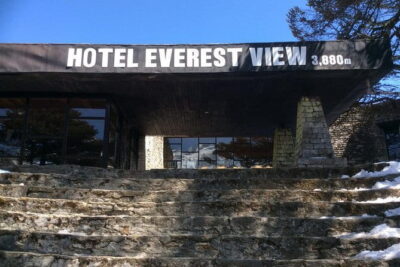
Everest Base Camp Helicopter Tour landing at Everest View Hotel
Read our review →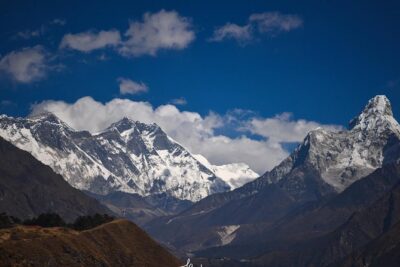
Everest Base Camp Helicopter Tour landing at Hotel Everest View
Read our review →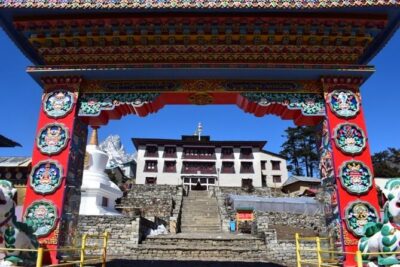
Browse the lists this tour appears in