
Reviewed · EVEREST BASE CAMP TREKS
Everest Base Camp Trekking – 13 Days
Lukla to Everest Base Camp is the kind of trip you remember forever. This 13-day trek is built around the classic route through Sagarmatha National Park, with organized daily walking, guided stops at monasteries, and intentional acclimatization days before the big viewpoints. You also get the practical comfort of meals planned through the trek, plus a fully licensed guide and assistant sherpa for on-the-ground support.
I especially love how the route keeps things measured. You start easy out of Lukla, build up toward Namche Bazaar, then add breathing room in Khumjung and Dingboche before heading higher. I also like that logistics are handled: flights, staff expenses, the TIMS card, route maps, and a first aid medical kit are included, so you are not juggling a dozen details while thinking about altitude and cold.
One drawback to plan for is Lukla flights. In bad weather, flights can be delayed or canceled, and your guide may adjust the itinerary for safety or health reasons. That is not a reason to skip the trek, but you should treat it like a mountain trip with real-world timing, not a clockwork vacation.
In This Review
- Key highlights worth caring about
- Everest Base Camp in 13 Days, what the rhythm is really like
- Kathmandu start, meeting point, and getting ready for Lukla
- Lukla to Phakding: easy legs, river crossings, and first views
- Namche Bazaar: the gateway feeling and Tengjing Hillary Bridge
- Khumjung acclimatization: viewpoint time and breathing room
- Tengboche Gompa and Pangboche: monastery culture with mountain wildlife
- Dingboche acclimatization and Nakarjun Peak: training for higher days
- Lobuche and Gorakshep: the final approach energy
- Kala Patthar sunrise climb: where the work turns into a memory
- Back down the mountain: Namche, Lukla, and the long exhale
- Meals, gear support, and what is actually included for your comfort
- Price and value: what your $1,697 buys on the mountain
- Who should book this trek, and what to consider before you go
- Should you book Nepal Adventure Team for the 13-day Everest Base Camp trek?
- FAQ
- How do you travel from Kathmandu to start the trek?
- Is pickup offered in Kathmandu?
- What’s included for meals during the trek?
- What trekking support is provided?
- Do you provide trekking gear like a sleeping bag or jacket?
- What is not included in the price?
- What if Lukla flights are delayed or canceled?
- What is the cancellation refund policy?
Key highlights worth caring about
- Fully licensed guide and assistant sherpa plus porter service (1 porter for 2 trekkers)
- Acclimatization stops in Khumjung and Dingboche before you push toward higher terrain
- Monastery days at Tengboche and Pangboche, plus the national park headquarters viewpoint stop
- Everest Base Camp and Kala Patthar are both included, not treated like optional add-ons
- Meals planned across breakfast, lunch, and dinner for most trekking days
- Max group size of 26 helps keep the trail experience manageable
Everest Base Camp in 13 Days, what the rhythm is really like
This trek aims to get you to Everest Base Camp in about 13 days, and the pace is designed around your body, not just your ambition. The route uses several “break days” in the middle where you hike higher, then sleep lower, which is the smart pattern for altitude adaptation.
What you should expect day to day is a mix of gentle walking, a few steady climb days, and then the classic “wake up early, go uphill, and earn your views” energy. Days like Kala Patthar are not about comfort. They are about timing, determination, and the kind of payoff that makes you glad you stayed in the rhythm instead of rushing.
Also, the trek is in Sagarmatha National Park, which means you will move through a well-trodden corridor of villages, tea houses, and trail checkpoints. That is part of why this is the classic EBC route, and why it works well as a guided group trip.
More Treks in Kathmandu
- Everest Base Camp Trek – 14 Days
★ 5.0 · 1,499 reviews - Everest Base Camp Trek
★ 5.0 · 842 reviews - Everest Base Camp Trekking
★ 5.0 · 485 reviews
Kathmandu start, meeting point, and getting ready for Lukla
Your trip starts back at the Nepal Adventure Team meeting point in Kathmandu, at Amrit Marg 26, Kathmandu 44600. Pickup is offered, which matters on day one because you want to get your paperwork and headspace aligned before the flight.
This package also includes a mobile ticket, TIMS card, trekking route maps, and the basics that keep things running smoothly once you are in Nepal’s trekking world. You will also get a NAT t-shirt and a certificate of appreciation, which is a nice souvenir that actually feels related to the trek.
One practical thing: give yourself mental room for the Lukla flight. The operator specifically warns that bad weather can delay or cancel flights to and from Lukla, even in the best season. The best strategy is simple, plan extra buffer time around the start of the trek so you are not forced into panic mode if the mountain decides to slow things down.
Lukla to Phakding: easy legs, river crossings, and first views
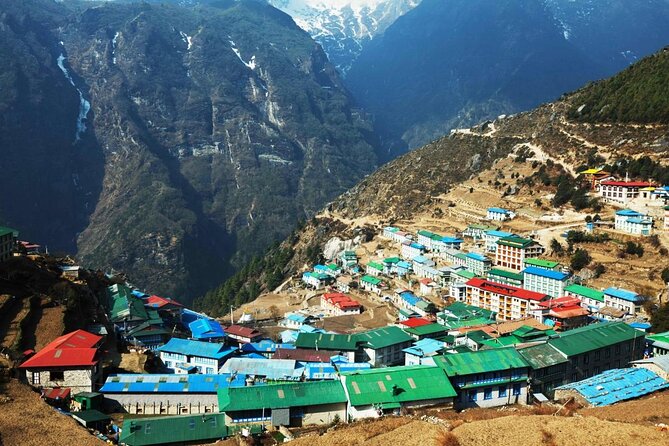
Day 1 is your launch from Lukla, then trekking to Phakding village, with an overnight at a tea house lodge. This is a good start because it is described as an easier day, and you are walking through the Dudhkoshi river area with suspension bridge crossings.
You also get monasteries and village time early in the trip. That matters more than it sounds. On the EBC route, the trail is not only about altitude. It is also about how mountain life changes from settlement to settlement, and day one helps you ease into that.
Even if you are eager for Everest, this is the day to protect your energy. Treat it like a warm-up, not a victory lap. Your body will thank you later when the route starts stepping upward.
Namche Bazaar: the gateway feeling and Tengjing Hillary Bridge
Day 2 walks you toward Namche Bazaar, often called the gateway to Everest Base Camp. The route includes river and pine forest sections, plus multiple suspension bridges.
One specific highlight here is the Tengjing Hillary bridge. If you like the human side of big places, this kind of landmark helps your brain connect the trail to real history and real people who shaped this route.
The walk to Namche is listed as about 5 hours. Namche is where the trek starts to feel more “serious,” in the best way. You will see more trekking flow, more infrastructure, and more travelers who are now acclimatizing on purpose instead of just arriving.
Tip for you: once you reach Namche, keep it calm. Hydrate, eat something solid, and avoid the urge to over-explore if your breathing feels off.
More Everest Base Camp treks:
- Everest Base Camp Helicopter Tour landing at Everest View Hotel
★ 5.0 · 668 reviews - Everest Base Camp Trekking – 13 Day
★ 5.0 · 365 reviews - Everest Base Camp Trek
★ 5.0 · 350 reviews - Everest Base Camp Trek -14 Days
★ 5.0 · 321 reviews
Khumjung acclimatization: viewpoint time and breathing room
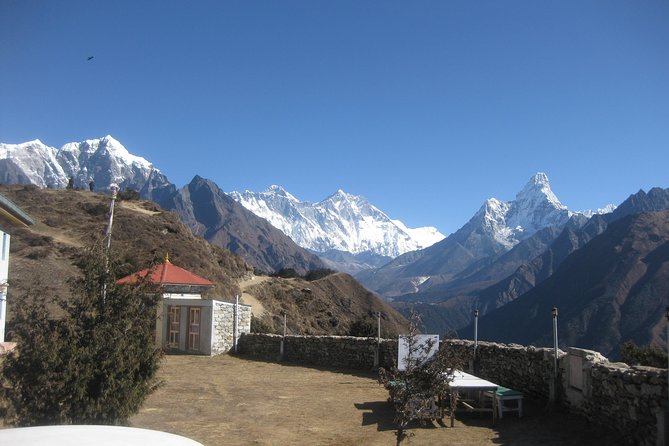
Day 3 is built as an acclimatization day, and it has three parts that work well together. You hike to Khumjung village, you visit the national park headquarters office, and you also get a viewpoint of Everest.
This combination is smart because it blends movement with a purpose. You are not just waiting around. You are walking, then anchoring the day with a viewpoint that gives meaning to the uphill slog you are about to do.
Khumjung also gives you a quieter cultural stop than some other high-traffic villages. It is the kind of day that makes the trek feel like a journey, not a checklist.
For this day, you want steady effort. The goal is not to “win” the climb. The goal is to give your body the signals it needs to handle higher altitude days ahead.
Tengboche Gompa and Pangboche: monastery culture with mountain wildlife
Day 4 heads toward Tengboche Gompa, described as walking through pine forest. This is one of the most memorable kinds of trekking days because you get both scenery and a major spiritual stop, the biggest monastery at Tengboche.
The information also notes the chance to see Himalayan Thar and musk deer. You cannot count on wildlife sightings, but when they happen they feel extra special because they connect you to the natural world around the trails.
This day includes admission for Tengboche Gompa, so you are not stuck trying to figure out fees mid-trek. Expect a longer walking day, around 5 hours, and plan to be a bit slow after.
Day 5 continues with the walk to Pangboche. You cross a river, visit Pangboche Monastery, and then overnight in Dingboche.
Pangboche plus monastery time is often a great emotional reset on an EBC trek. It gives you a sense of calm that you do not get at the top of a mountain when everyone is chasing photos.
Dingboche acclimatization and Nakarjun Peak: training for higher days
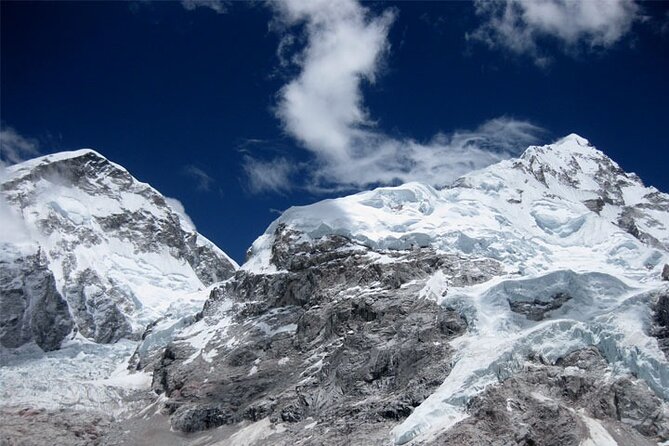
Day 6 is another acclimatization day in Dingboche, with a hike to Nakarjun Peak. This is exactly the kind of plan you want before the push toward Lobuche, Gorakshep, and Base Camp.
Even without hard numbers, the point is clear: you go higher, you come back to sleep, and you help reduce altitude stress. That is why guided treks often include these special days, instead of just mapping the shortest distance to Everest Base Camp.
This day also tends to be where you learn your “altitude pace.” Some people can walk fast at sea level and then feel like they are moving through syrup later. Dingboche acclimatization is where you adjust your tempo and get confident in how to manage effort.
Lobuche and Gorakshep: the final approach energy
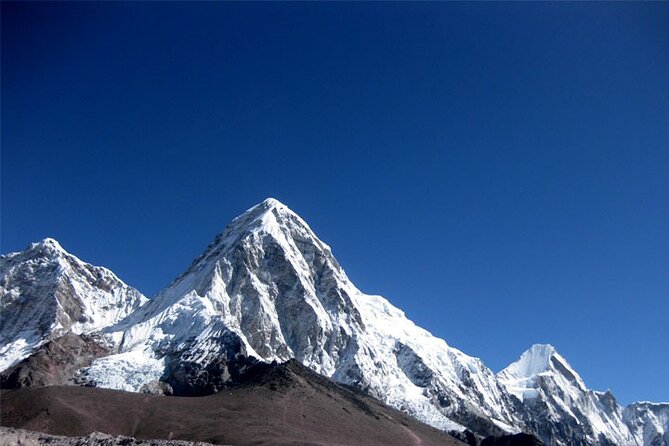
Day 7 treks to Lobuche, crossing Thukla village. This is typically where the mood shifts. You are still not at the Base Camp area yet, but the trail starts to feel more focused and goal-oriented.
Day 8 goes to Gorakshep, with lunch included, and then you visit Everest Base Camp. This is the day you have been building toward.
What I like about this setup is that you do not treat Base Camp like a random side trip. You go Gorakshep first, stop for food, then make the visit. That sequence helps you avoid the “all gas, no rest” trap, especially if you are feeling the altitude.
If you care about comfort, plan to keep your layers ready. Wind and cold can change quickly near the high end, and tea house warmth only goes so far.
Kala Patthar sunrise climb: where the work turns into a memory
Day 9 starts early with the climb up to Kala Patthar, then you trek back to Pheriche village. This is one of the biggest highlights of the trek because Kala Patthar is the famous viewpoint that many people come for.
Even if you are not chasing perfection, this climb has a clear logic: early timing plus a higher vantage point gives you the best odds for dramatic views. It is also physically demanding, so pacing matters.
After you climb, you return to Pheriche. That matters too. Many trekking schedules make you “arrive” and then keep going without recovery. Here, you get the chance to come down and reset before the return route.
Back down the mountain: Namche, Lukla, and the long exhale
Day 10 brings you back to Namche Bazaar for the overnight. Day 11 continues to Lukla, and that is a longer feeling day, around 6 hours of trekking time.
These return days are sometimes overlooked when people plan EBC treks, but they matter. Descents can be hard on your legs, and you will feel your stride change as the trail goes back through villages and bridges.
Also, returning to Namche is mentally useful. It is the place where you can check in on your wellbeing, hydrate well, and finally feel like the toughest part is behind you.
Day 12 returns to Kathmandu, and the time listed is short, about 35 minutes, which likely reflects the combination of travel segments rather than walking. Day 13 is your final departure, and the trip ends back at the meeting point.
Meals, gear support, and what is actually included for your comfort
This trek includes breakfast (12), lunch (11), and dinner (12). That is huge for value because you are not trying to manage your food planning on high-demand days when tea houses fill up.
It also includes staff expenses, including flights, salary, equipment, and insurance. That shows up in real terms when your guide and sherpa are not scrambling for supplies each day.
You also get a first aid medical kit and route maps. Those are not glamorous, but they matter when you are away from real hospitals.
Optional gear supply is offered if necessary, including a sleeping bag, down jacket, and duffel bags, with the note that items should be returned after. If you are traveling light or arriving from another country without winter gear, this can be a practical budget saver.
On the not-included side, extra drinks are not covered, and tips to guide and porters are also not included. Travel and rescue insurance is not included either. I treat that as a must-have for any trek at this altitude, even when the operator is highly organized.
Price and value: what your $1,697 buys on the mountain
At $1,697.37 per person, the value depends on how you weigh logistics versus self-planning.
Here, the big cost drivers you are getting for the price include:
- A fully licensed guide and assistant sherpa, plus porter service (1 porter for 2 trekkers)
- Flights and staff costs, plus the operational overhead that makes guided treks run
- TIMS card and government and local taxes
- Planned meals across almost every day of trekking
That is the difference between “cheap trekking” and “stress-managed trekking.” The operator is not only walking with you. They are also arranging the administrative and logistical pieces that can otherwise become a mess once you are in mountain communications blackouts.
What you should double-check for your personal budget is what is not listed as included. Alcohol and extra drinks are on you. Also plan for travel and rescue insurance and budgeting tips. If you skip those costs mentally, the trek can end up feeling more expensive than the headline number.
A final value note: your group size is capped at 26. That is not tiny, but it is also not a cattle-car trek. You should feel the benefit of being able to move through tea houses and trails without everyone stopping at once.
Who should book this trek, and what to consider before you go
This experience is geared for people with moderate physical fitness. That does not mean “easy.” It means you should be able to handle daily walking and a few longer hill days without needing to treat the trek like a medical rehabilitation plan.
It is also a good fit if you want the classic EBC experience with guided pacing and clear milestones: Namche Bazaar, Khumjung, Tengboche Gompa, Pangboche, Dingboche, Lobuche, Gorakshep, Everest Base Camp, Kala Patthar, then the return.
The key consideration is flexibility. The guide has authority to amend or cancel parts of the itinerary for safety concerns, including weather and health issues for a person in the group. And again, Lukla flights can delay or cancel due to bad weather. If you hate uncertainty, you may find this aspect frustrating.
On the people side, I’d also say this trek is a strong choice if you like teamwork. You share the experience with a group, you are supported by a guide and assistant sherpa, and you have porter help designed around not overloading your body.
Should you book Nepal Adventure Team for the 13-day Everest Base Camp trek?
If you want a classic Everest Base Camp trek with real support, I think this is a solid booking candidate. The combination of licensed leadership, porter service, included permits like TIMS, planned meals, and a route designed around acclimatization days is exactly what you want for a high-altitude trip.
I would book it if:
- You want organized logistics so your attention stays on your health and the trail
- You appreciate monastery stops and cultural moments, not only summit-style ambition
- You can plan for possible flight delays and remain flexible
I would hesitate if:
- You have tight timing and no buffer for Lukla flight disruptions
- You dislike group trekking dynamics, even though the group size is capped at 26
If you do book, your best move is simple: arrive in Kathmandu with a little breathing room, pack for cold layers, and treat each acclimatization day like the smart part of the trip, not a pause.
FAQ
How do you travel from Kathmandu to start the trek?
You fly to Lukla to begin the trekking portion, then walk through villages toward Phakding and onward.
Is pickup offered in Kathmandu?
Yes, pickup is offered.
What’s included for meals during the trek?
Breakfast is included 12 times, lunch is included 11 times, and dinner is included 12 times.
What trekking support is provided?
The trip includes a fully licensed qualified trekking guide plus an assistant sherpa, and porter service with 1 porter for 2 trekkers.
Do you provide trekking gear like a sleeping bag or jacket?
Optional supply is listed for items such as a sleeping bag, down jacket, and duffel bags if necessary. These items are to be returned after.
What is not included in the price?
Extra drinks (alcoholic and non-alcoholic), travel and rescue insurance, and tips to the guide and porters are not included.
What if Lukla flights are delayed or canceled?
The operator notes that flights to and from Lukla could be delayed or canceled due to bad weather. They recommend making sure you have a day or two extra in your plan.
What is the cancellation refund policy?
Free cancellation is available. You can cancel up to 24 hours in advance for a full refund, and if you cancel less than 24 hours before the start time, the amount paid is not refunded.
Latest additions near Kathmandu
- White Water River Rafting – 1 Day★ 4.3 · 3 reviews
- Traditional Momo Making Class★ 5.0 · 10 reviews
- Kathmandu to Pokhara Premium sofa bus ticket★ 4.0 · 17 reviews
- Ghorepani Poon Hill Trek★ 5.0 · 16 reviews
- Amazing 1 Day Trekking Experience in Kathmandu Nepal★ 5.0 · 24 reviews
- Ghorepani Poonhill Trek★ 5.0 · 5 reviews
- Walking tour of real Kathmandu through back streets.★ 5.0 · 3 reviews
- Wildlife Adventure in Chitwan Nepal★ 4.0 · 4 reviews
Everest Base Camp Treks, compared.
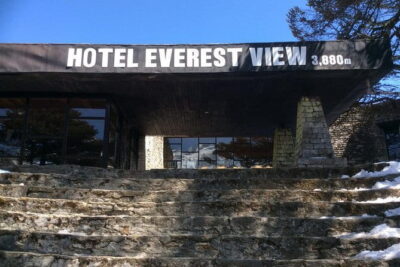
Everest Base Camp Helicopter Tour landing at Everest View Hotel
Read our review →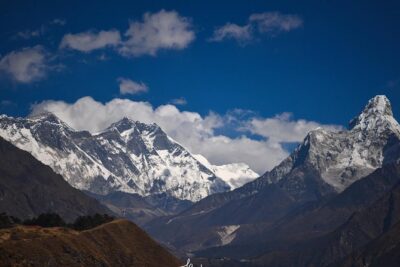
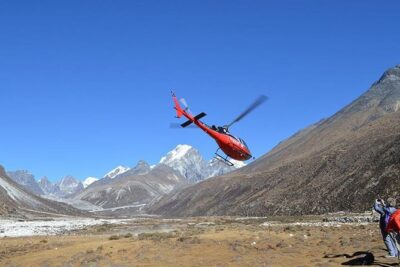
Everest Base Camp Helicopter Tour landing at Hotel Everest View
Read our review →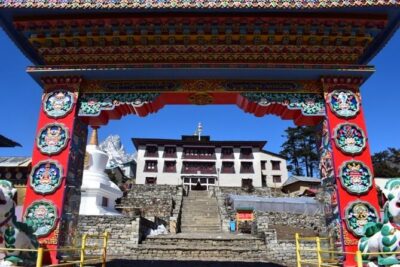
Browse the lists this tour appears in